
Best Ways to Use AI SEO to Streamline Your Work
August 12, 2025
Introduction: SEO Meets Artificial Intelligence
The explosive rise of AI tools like ChatGPT has fundamentally changed how people search for information online.
This shift has sparked a pressing question in the marketing world: Is SEO dead in the age of AI? The answer is a resounding no, instead, SEO is evolving into AI SEO, a new paradigm where human strategy meets machine intelligence.
In fact, nearly half of global marketers surveyed in 2023 expect AI to positively impact website search traffic in the next five years.
AI SEO refers to the integration of artificial intelligence into search engine optimization. That means using machine learning and data analysis to enhance SEO practices in innovative ways. From analyzing user behavior and search trends to automating content creation, AI is revolutionizing how we optimize for search engines.
Importantly, the core goal remains the same: deliver valuable, relevant content to users, but now with far more powerful tools and insights at our disposal.
In this comprehensive guide, we’ll explore what AI SEO is, how AI is reshaping search engines and user behavior, the top AI SEO tools and techniques you can leverage, and best practices to ensure your content thrives in the era of AI-driven search.
By the end, you’ll understand how to harness AI to boost your rankings and future-proof your SEO strategy. Let’s dive in!
What is AI SEO?
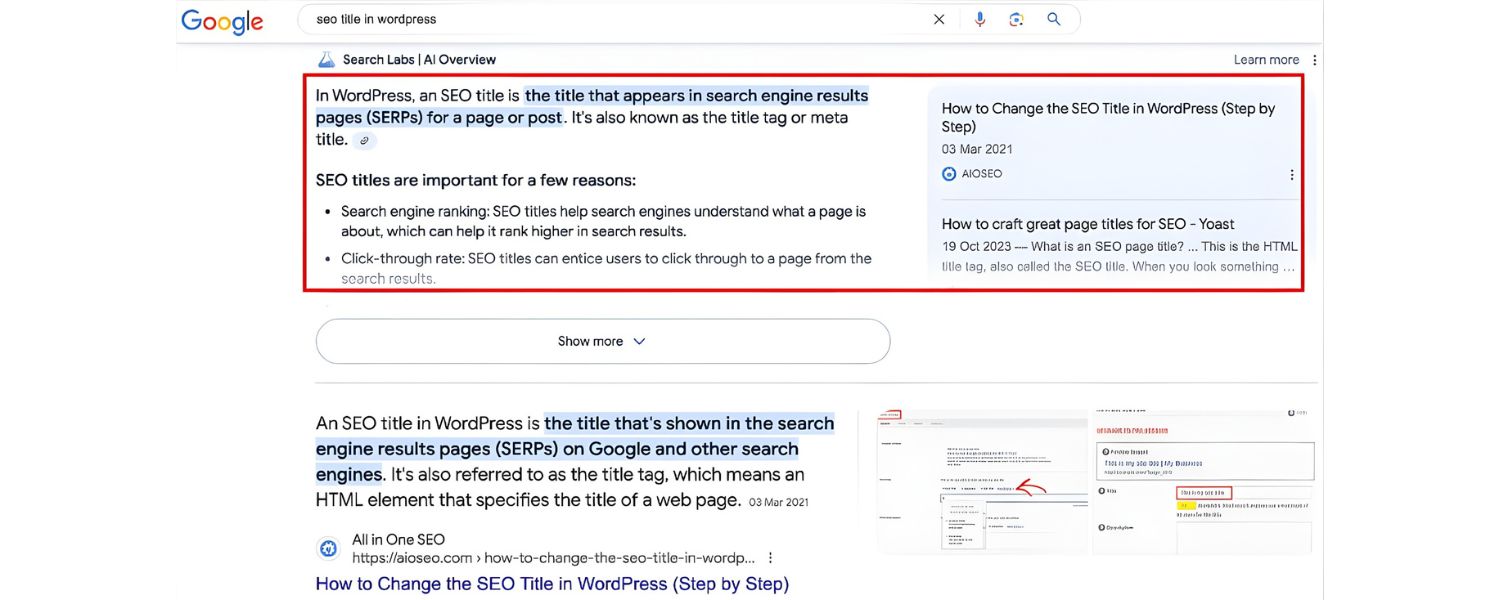
AI SEO (Artificial Intelligence Search Engine Optimization) is the practice of using AI technologies, such as machine learning, natural language processing (NLP), and automation – to improve a website’s search rankings and organic traffic.
In essence, it’s where human adaptability meets machine precision. Traditional SEO involves optimizing content, HTML, and site structure to satisfy ranking algorithms. AI SEO takes this a step further by leveraging algorithms that learn from data and make intelligent decisions.
Key characteristics of AI SEO include:
1. Data-Driven Analysis
AI can analyze vast amounts of search data, user behavior, and competitor content with unprecedented speed and accuracy. This helps identify patterns and insights that humans might miss, informing smarter keyword targeting and content strategies.
2. Automation of Repetitive Tasks
Many time-consuming SEO tasks can be automated using AI. For example, AI tools can automatically perform keyword research, content optimization, technical SEO audits, and even link prospecting. This frees up marketers to focus on strategy and creativity.
3. Enhanced Keyword Research
AI-powered keyword research tools use machine learning and NLP to find valuable keywords and analyze search intent at scale. They can identify both high-volume terms and long-tail keywords (specific, niche queries) that human SEOs might overlook. By understanding the context behind queries, AI suggests keywords that closely align with what users mean, not just what they type.
4. Smarter Content Creation & Optimization
AI can assist in generating and optimizing content. For instance, generative AI models can draft blog posts or meta descriptions based on a set of keywords, while content optimization tools can suggest improvements for readability, keyword usage, and content depth.
AI algorithms evaluate factors like keyword density, headings, and semantic relevance to ensure your content aligns with both user intent and search engine preferences.
5. Technical SEO and Automation
AI doesn’t stop at content. It can also crawl your site to detect technical issues, predict the impact of changes, and even adjust elements like title tags and meta descriptions dynamically.
For example, AI can dynamically adapt meta tags based on real-time user behavior and trends, or recommend optimal internal link structures to improve crawlability.
6. Performance Tracking & Insights
With AI, SEO becomes more of a real-time science. AI analytics can continuously monitor your rankings, traffic, and even brand mentions across the web (and now across AI platforms), alerting you to significant changes.
Some AI SEO platforms provide real-time SEO insights and recommendations, helping you make data-driven optimizations on the fly.
In short, AI SEO combines the core principles of SEO, delivering relevant, quality content and a good user experience – with cutting-edge AI capabilities. The result is a smarter, more efficient approach to optimization.
Marketers can adapt faster to algorithm changes, uncover hidden opportunities, and handle the growing complexity of search. As we’ll see, this is increasingly crucial as search engines themselves start using AI and as users turn to AI-powered tools for information.
The AI Search Revolution: How AI is Changing Search Behavior and SEO
To succeed in AI SEO, it’s important to grasp how AI is transforming search itself. The rise of large language models (LLMs) and AI-driven search experiences is reshaping how users find information, and by extension, how we need to approach SEO.
AI-Powered Search Engines and Answer Generation

Traditional search engines (like Google) primarily return a list of links (the “ten blue links”). In contrast, AI-powered search tools can generate direct answers or rich overviews using natural language.
For example, when users ask complex questions, a tool like ChatGPT can provide a conversational answer with context, rather than just a list of websites.
These AI answer engines offer a new, streamlined way to access knowledge. They excel at queries where the user wants an explanation, a quick solution, or a personalized response. In fact, studies find that users prefer LLM-based answers over traditional search for tasks requiring nuanced understanding or detailed explanations. Coding help, tutorial-style queries, and conversational Q&A are now often handled by AI assistants.
However, AI answers aren’t created in a vacuum, they pull information from existing web content. Tools like Bing’s Chat, Google’s AI search overviews, and independent bots like Perplexity all rely on crawling and reading content from websites (much like search engines do). Google’s own research confirms that its AI Overview results draw heavily from the same top results that traditional SEO targets.
For instance, about 92% of Google’s AI answers include a sidebar of citations, and over half of those cited links overlap with Google’s top 10 results for the query. In other words, if your site ranks well in classic search, it’s more likely to be featured in AI-generated answers too.
This means SEO is still critical, even as search interfaces change. Optimizing for AI search experiences (sometimes dubbed “Generative Engine Optimization (GEO)” or “Answer Engine Optimization (AEO)”) is becoming a new aspect of SEO.
The goal is to have your content chosen as the source for these AI answers. That requires excelling in the fundamentals (so that you rank in regular search), plus ensuring your content is formatted and authoritative enough for an AI to confidently pick it up, we’ll cover how to do this in a later section.
“SEO Is Not Dead” – Core Principles Still Matter
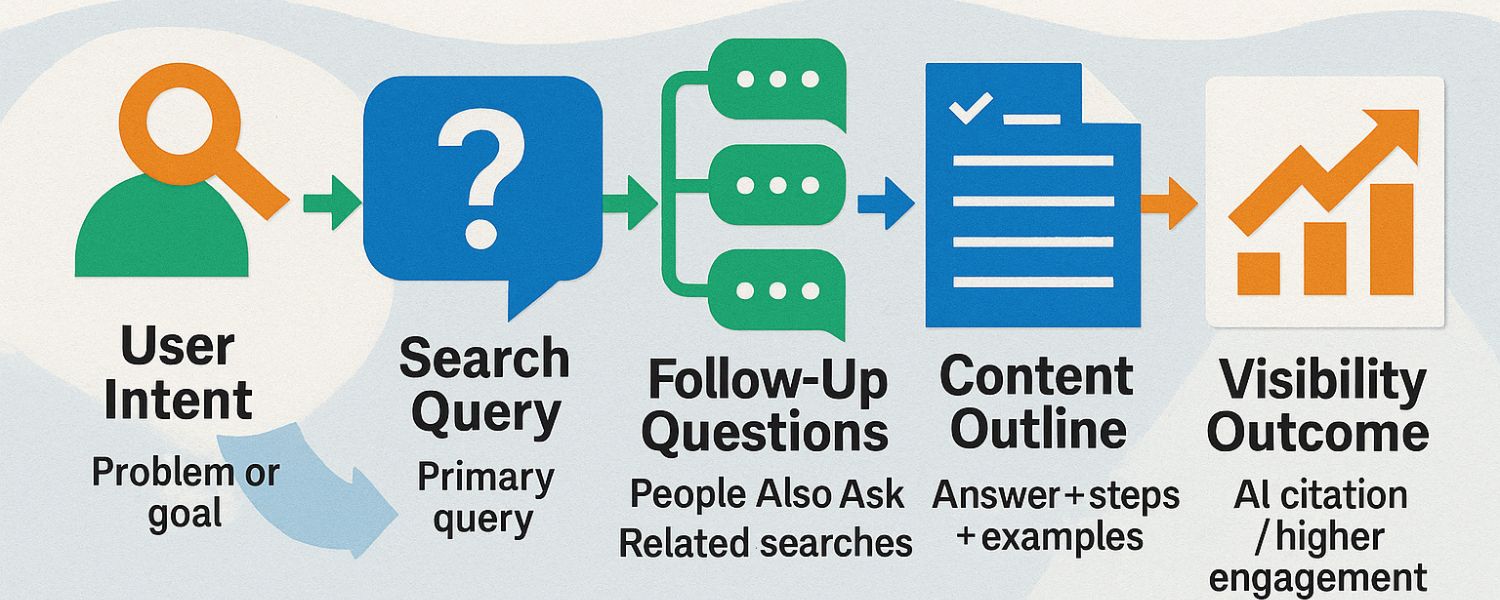
Every few years, a headline declares “SEO is dead.” The advent of AI search has revived this trope, but the reality is more nuanced.
Yes, AI is shaking up search behavior, and strategies must adapt. No, SEO is not obsolete, in fact, strong SEO fundamentals are the foundation for visibility in the AI era.
Experienced SEO experts emphasize that sites with solid, user-focused SEO will have an edge in AI-driven results. Google’s Search team reinforces that the same best practices it has always recommended still apply in AI search.
Focus on creating unique, helpful content and a good user experience, and you’ll be well-positioned as search evolves. Google’s core goal “remains the same: to help people find outstanding, original content that adds unique value”, even as it introduces AI features.
Lily Ray, a 15+ year SEO veteran, put it bluntly: “None of this means SEO is dead, or that the approaches SEOs have relied on for decades are suddenly irrelevant.
The opposite is true.” In her analysis, SEO teams that stick to white-hat techniques and high-quality content are actually at an advantage when it comes to encouraging their content to appear in AI results.
After all, search AI models need reliable, well-structured information to draw from, and who better to provide that than seasoned SEOs who optimize content for relevance and credibility?
To put it another way, optimizing for AI search is really an extension of what good SEO has always been about:
- Providing clear answers to user questions.
- Structuring content so algorithms can easily parse it.
- Establishing your site’s authority and trustworthiness.
New terms like “LLM SEO” (optimizing for large language models) simply put a fresh spin on these enduring concepts. Many so-called “new” AI SEO tactics are essentially standard SEO best practices wearing a new hat.
For example, experts recommend writing clear, concise content that directly answers questions, using proper headings and bullet points, and citing sources – which is exactly what good content creators have done for years.
As we’ll discuss, succeeding in AI SEO often means doubling down on quality and clarity, rather than gaming the system with tricks.
AI as Traffic Driver (and the Rise of Zero-Click Searches)
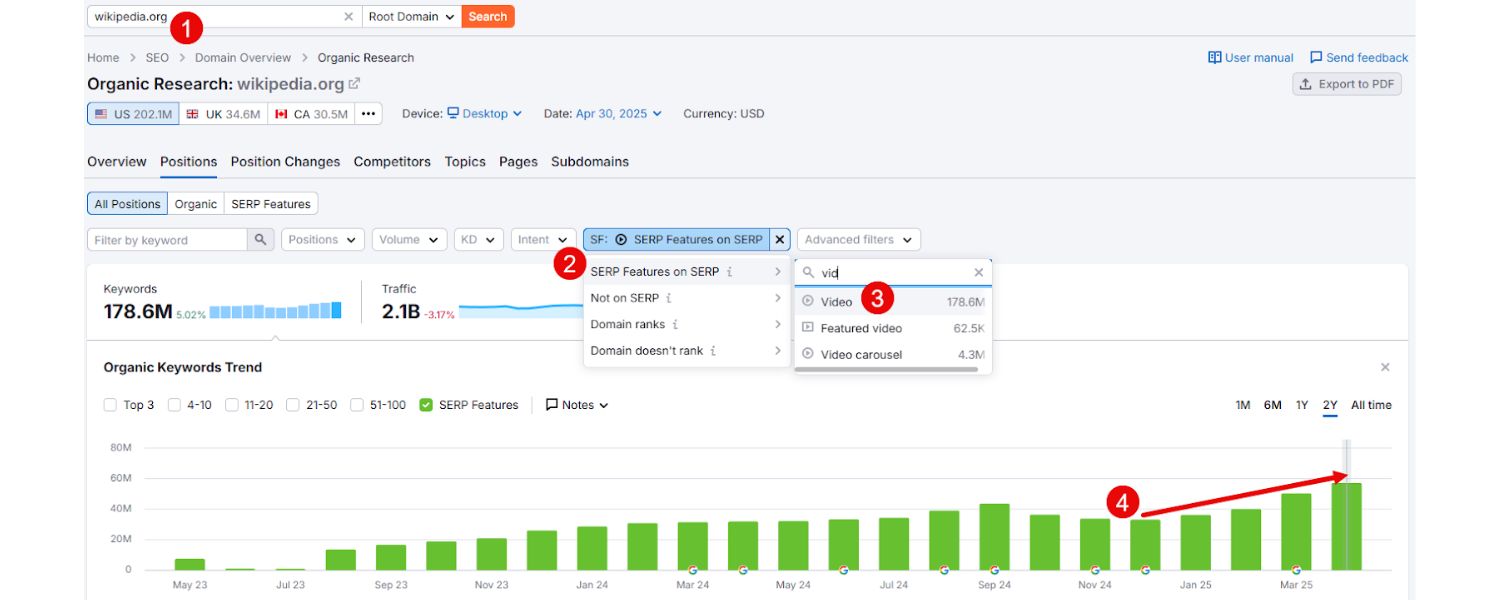
AI’s impact on SEO isn’t just theoretical – it’s showing up in web traffic data. On one hand, AI-assisted search can become a new traffic source for your business.
For instance, Vercel (a web development platform) reported that ChatGPT was responsible for around 10% of its new customer signups recently – a jump from just 1% six months prior.
Another SaaS company, Tally, found that AI search tools like ChatGPT and Perplexity became their biggest acquisition channel, helping them accelerate growth markedly. These cases show that if your content becomes the trusted answer for AI queries, it can funnel highly qualified visitors to your site.
On the other hand, not all AI answers lead to clicks. Sometimes the AI response itself satisfies the user (a phenomenon known as “zero-click search,” which SEOs have seen with featured snippets and instant answers before).
An analysis by Ahrefs found that Google’s new AI search overview snippets may reduce click-throughs by about 34.5% compared to a traditional SERP for the same query.
In plain terms, if the AI can give the user what they need immediately, fewer people might click through to websites. This poses a challenge: even if you’re featured as a source, you could see less traffic from certain informational queries.
The takeaway for marketers is that SEO strategy must adapt to this dual reality. You want to be the source of AI-generated answers (to gain exposure and credibility), and you want to entice users to actually click through to your site for more.
This means creating content that is not only accurate (so it gets picked up by AI), but also engaging and offers extra value beyond the AI blurb (so users have a reason to visit). For example, an AI might summarize “10 tips for SEO,” pulling a few bullet points from your article – but if your article offers depth, visuals, or interactive elements, users interested in the summary will still click to get the full experience.
Adapting Your SEO Strategy
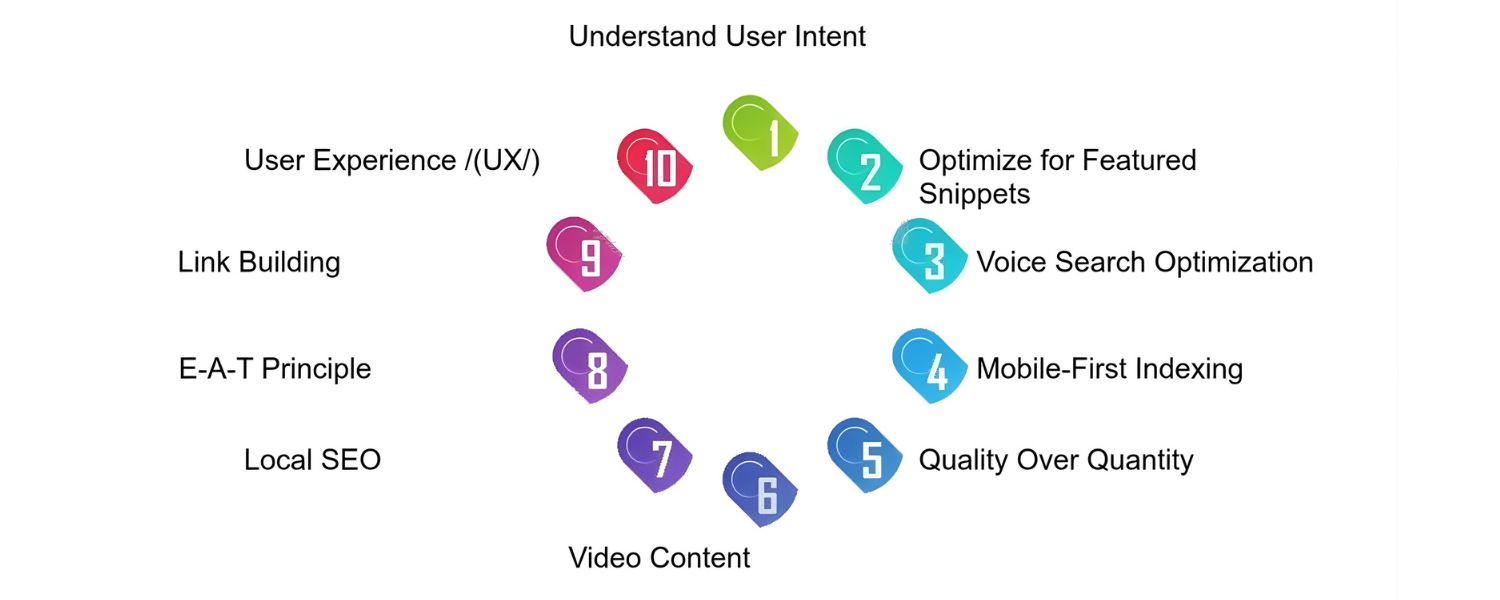
How do we balance traditional SEO with the new demands of AI-driven search? The key is to support both. You can’t neglect classic SEO signals like crawlability, quality backlinks, and on-page optimization, these ensure you rank in regular search results and are even eligible for AI inclusion. At the same time, you should incorporate AI-focused tactics that help algorithms understand and feature your content.
To illustrate, here’s how the focus shifts with AI (while both remain important):
1. Keywords:
In traditional SEO, you might target specific high-volume keywords. In AI SEO, the emphasis is on covering topics in depth and addressing natural-language queries. Long-tail, conversational phrases (e.g. questions or voice search queries) become very valuable.
2. Content Depth
Instead of producing many thin pages for every keyword permutation, AI SEO favors comprehensive, authoritative content. Large language models prefer the most definitive answer, not a dozen superficial ones.
As Vercel’s SEO team says, “Depth and clarity matter more than repetition or scale… Models surface the clearest, most semantically rich explanation – not the one that just repeats a keyword the most.”
3. Backlinks vs. Citations
Backlinks (from other sites) are a staple of traditional ranking algorithms. In AI search, citations from credible sources play a similar role. Getting your brand mentioned on authoritative websites, forums, or databases can increase the likelihood that an AI deems your content worthy of citing.
(In practice, earning these mentions is akin to classic link-building and digital PR – building relationships and publishing great content that others reference.)
4. Structured Data
Both classic and AI search benefit from structured data and clean HTML structure. Ensuring your content has a clear heading hierarchy (H1, H2, H3) and schema markup (FAQ, HowTo, Article, etc.) helps Google and AI systems interpret it.
Proper structure makes your content “machine-friendly”, increasing the chances it will be retrieved and used correctly by an AI answer engine.
5. Page Experience
User experience factors (page speed, mobile-friendliness, clear layout) continue to be important. Google has stated that even in AI results, if a user clicks through, they expect a good page experience.
Fast, accessible pages that work well on all devices are a must. AI doesn’t change that – if anything, it raises the bar because AI-referred visitors are coming with high expectations (they clicked through a distilled answer looking for more depth).
In summary, AI is changing search, but it’s not replacing SEO – it’s raising the stakes for quality and strategy. The rest of this guide will focus on actionable steps and techniques: leveraging AI tools for SEO, and optimizing your content and site to thrive in both traditional and AI-driven search results.
AI SEO Tools and Techniques for Every Task
One of the biggest advantages of AI SEO is the growing ecosystem of tools that can supercharge your workflow.
Modern SEOs and content marketers have a wide array of AI-powered SEO tools at their disposal, and using them effectively can yield faster and better results. In this section, we’ll cover the main categories of AI SEO tools and how you can use them, with examples.
(Note: As with any tools, quality varies. Not every tool that slaps “AI” on the label is worth it – some are little more than glorified content spinners or have shaky data. Focus on reputable tools that demonstrate real results. The best AI tools integrate seamlessly into your workflow, automate repetitive tasks, and free you up for strategic thinking.)
1. AI for Keyword Research & Trend Analysis
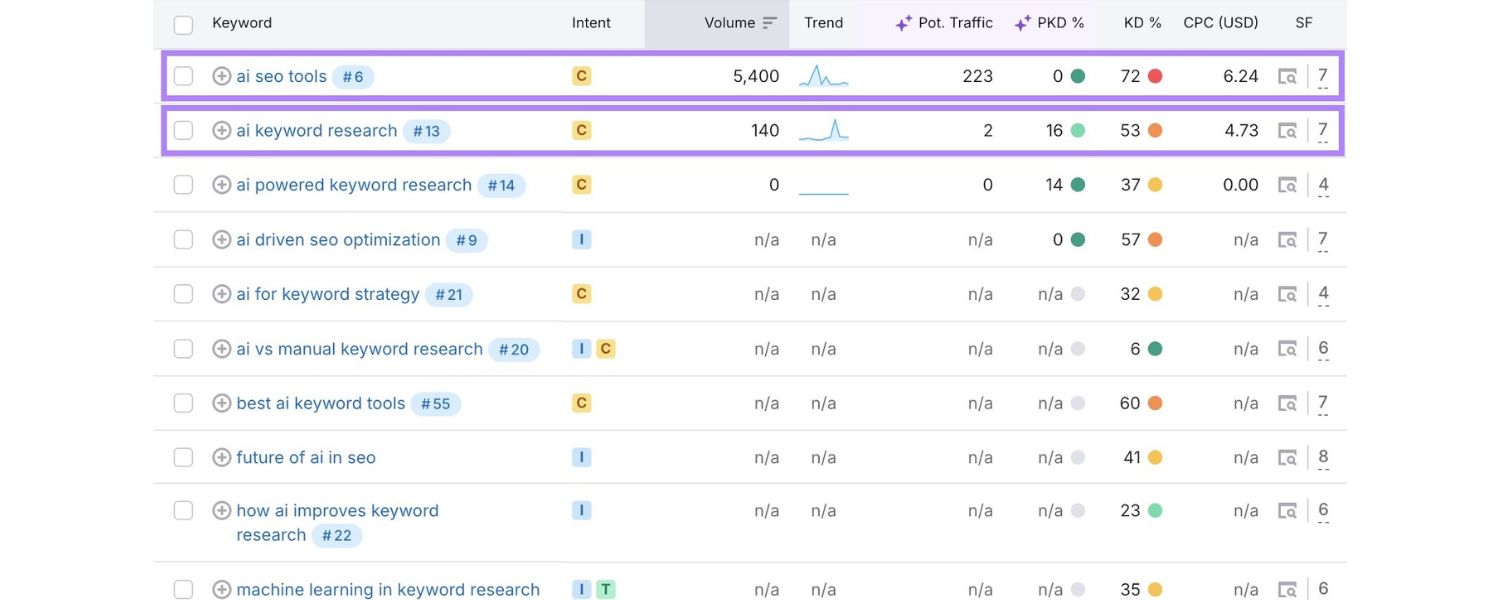
Identifying the right keywords and topics is a foundational SEO task, and AI makes it more efficient and insightful. AI-powered keyword research tools can crunch huge datasets from search queries, social media, and competitors to find opportunities that humans might miss.
A. Automated Keyword Discovery
Traditional keyword tools return lists of related terms; AI-driven tools go further by understanding context and intent. They use NLP to group keywords by topic and intent, helping you find semantically related terms and long-tail queries.
These tools can analyze search volume, competition, and even predict which keywords might perform best. For example, an AI tool might learn that people searching “running shoes” often also search for “best breathable running shoes in summer,” revealing a long-tail content idea.
B. Intent and Semantic Analysis
Modern search is about topics and intent, not just single keywords. AI algorithms analyze user intent behind queries – are people looking to buy (transactional intent), to learn (informational intent), or to navigate to a site? By clustering keywords with similar intent, AI helps you target them with the appropriate content.
AI can also do semantic analysis, identifying related concepts you should cover to comprehensively answer a query. For instance, if you want to rank for “electric car maintenance,” an AI tool might suggest covering related entities like battery care, charging tips, and tire rotation, because it knows these topics often co-occur in top content.
C. Trend Spotting
AI tools can spot trending searches or rising questions in your niche by processing real-time data. This is immensely helpful for content planning. If a new product launch or viral topic emerges, AI can flag the associated keywords that are gaining traction. Jumping on these trends quickly can give you a content edge.
D. Competitive Gap Analysis
Some AI SEO suites compare your keyword profile with competitors’. They pinpoint keywords your competitors rank for that you don’t, and vice versa. By using machine learning to analyze multiple competitors, the tools recommend high-potential keywords that are currently “gaps” in your content. This way, you can outsmart competitors by targeting overlooked terms.
Example
The Semrush AI Keyword tool (part of Semrush’s AI Toolkit) automatically analyzes your website and suggests keywords you can realistically rank for, based on your current content and competitors.
It essentially predicts which keywords are within your reach, so you don’t waste time on overly competitive ones. This kind of guidance, powered by analysis of billions of data points, can inform a smarter keyword strategy.
Another example is SEO .AI (an AI-driven platform) or AlliAI, which offer features like bulk keyword clustering. These tools use AI to group thousands of keywords into meaningful clusters (by topic or intent), so you can easily plan out content hubs and avoid keyword overlap.
They might also monitor emerging queries in places like Reddit or Amazon (valuable for uncovering user language and needs).
In practice, leveraging AI for keyword research means you spend less time sifting through spreadsheets of keywords, and more time creating content for topics that data show will pay off. You also gain a deeper understanding of your audience’s needs through the patterns AI finds.
2. AI-Powered Content Creation and Optimization
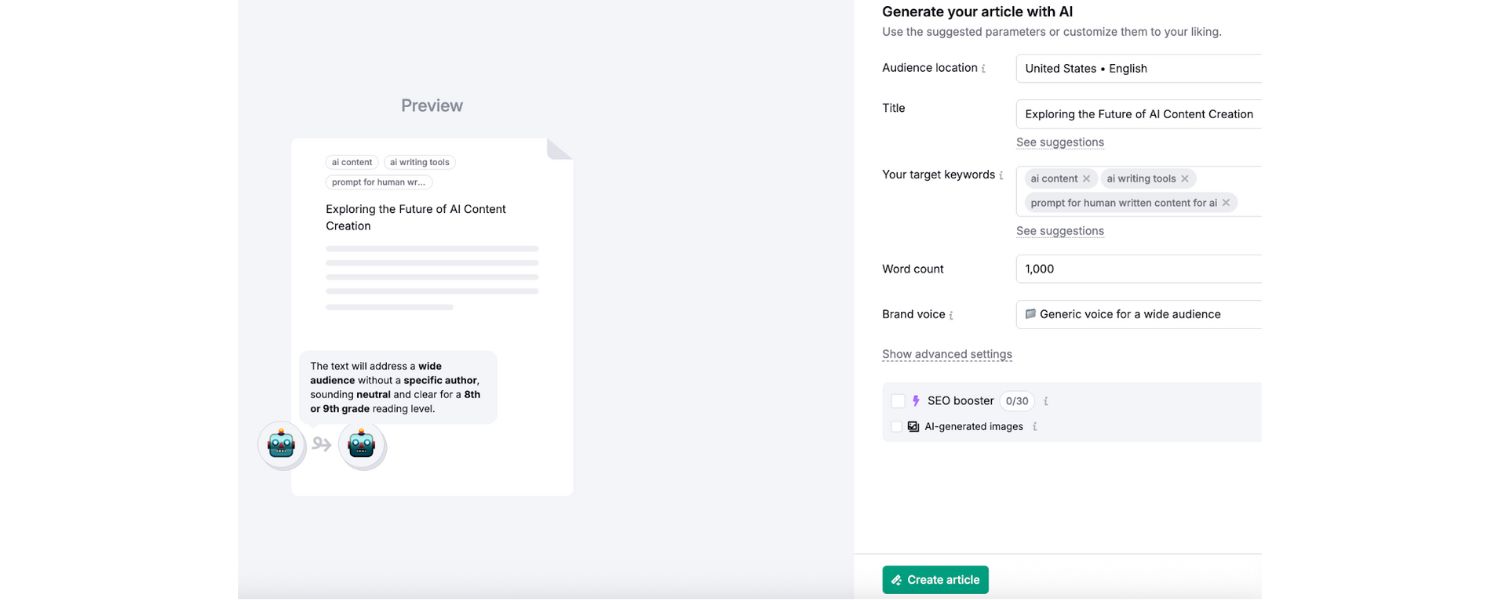
Content is king in SEO, and AI is revolutionizing how we create and refine content. Here’s how AI can assist at each stage of the content lifecycle:
A. Content Ideation
AI can generate ideas and outlines for content based on your target keywords or topics. By analyzing top-performing content in your niche, AI suggests subtopics, common questions asked by users, and the general structure that would best answer those queries.
For example, an AI tool might tell you that a top-ranking article about “healthy eating habits” typically includes sections on meal planning, snacking, and reading nutrition labels – cueing you to include those in your outline.
B. Draft Writing (Generative AI)
Perhaps the most talked-about use of AI in SEO is using generative AI writers (like GPT-based tools) to produce content drafts.Tools such as Writesonic, Jasper, Copy.ai, or even ChatGPT itself can take a prompt or outline and generate paragraphs of text. This can drastically speed up the writing process.
If you provide a few bullet points of research, these AI writers can expand them into coherent sentences and even suggest additional points.However, human oversight is essential – AI content generators might occasionally produce errors or generic fluff.
Used wisely, they’re like an assistant writer: helping with first drafts or tackling simple sections so you can focus on adding expertise, examples, and polishing the final piece.
C. Content Optimization and SEO Editing
After you have a draft (AI-generated or human-written), AI can help optimize it for SEO. Tools like Clearscope, Surfer SEO, MarketMuse, or Semrush’s SEO Content Template analyze your content against the top 10–20 results for your keyword.
They then suggest what to improve: for instance, “Your article is 1,000 words, but competitors average 1,500” or “Consider mentioning these 5 related topics/keywords you haven’t covered”. They might score your content’s relevance and readability.
AI can even recommend tone or complexity adjustments based on your audience. This ensures your content is comprehensive and aligned with search intent, not missing any key subtopic.
According to one SEO expert, these AI content optimizers are invaluable because they automatically identify semantically related keywords and ideal content length, acting as a guiding checklist for quality.
D. On-Page SEO Tweaks
AI tools assist in real-time improvement of on-page elements. For example, AI writing assistants can generate multiple variations of a meta title or description, geared to improve click-through rates.
If you’re stuck writing a catchy title tag under 60 characters, an AI can propose options that include your keyword and an enticing call-to-action. AI can also ensure your headings (H1, H2, etc.) are structured logically and contain relevant terms.
Some advanced platforms use generative AI to create FAQs (and their answers) related to your content, which you can then mark up with FAQ schema for rich results.
E. Media and Alt Text
Optimizing images and videos is easier with AI. There are AI tools that can auto-generate alt text for images based on recognition of the image content – and even ensure that alt text contains relevant keywords where appropriate.
For videos, AI transcription services can generate transcripts (improving your SEO by adding textual content). Given the rise of visual search, having descriptive, AI-generated captions and tags for your images can help them show up in Google Images or even in future AI visual search results.
F. Content Personalization
While slightly beyond core “SEO,” it’s worth noting that AI can dynamically change content or content recommendations on your site to better engage users.For instance, AI-driven content recommendation engines can show readers personalized suggestions for further reading on your site, keeping them engaged longer.
This indirectly helps SEO by improving user experience metrics (like dwell time) and showcasing more of your relevant content to each visitor.
Example:
AI Content Optimization in Action: Suppose you wrote an article on “best budget smartphones.” An AI optimization tool analyzes the top Google results and finds they all mention “battery life” and “camera quality” as criteria, which your draft barely touches. It also notes a common user question “Do budget phones get Android updates?” that you didn’t address.
The tool would prompt you to expand your article to cover these points – perhaps suggesting headings like “📸 Camera and Battery Life Considerations” – and to include the question as an FAQ.
Additionally, it might suggest adding a comparison table of specs (since it noticed other pages have one). By following these AI insights, you enrich your content, aligning it with what users (and search engines) expect to see for that query.
Keep in mind, AI does not replace human writers or editors – rather, it augments them. The strongest approach is to use AI for what it does best (speed, pattern analysis, basic copy generation) and then apply human creativity and expertise to make the content truly authoritative, engaging, and unique.
Google has explicitly stated it does not penalize AI-generated text as long as the content is helpful and trustworthy (the focus is on quality, not whether a machine helped write it). Many successful SEOs use AI writing tools as a starting point, then elevate the output with original insights, examples, and thorough editing.
3. Technical SEO and Site Optimization with AI
Technical SEO ensures search engines can effectively crawl, index, and understand your site. AI can greatly assist in diagnosing technical issues and even implementing fixes:
A. Site Auditing
AI-powered crawlers (like Deepcrawl with AI features, Screaming Frog’s newer machine learning integrations, or Sitebulb with AI) can comb through your site and not just list issues, but prioritize them and suggest solutions.
For instance, an AI audit might identify that a set of pages have thin content and also suffer from slow load times – it could flag these as high-priority fixes (because those combined issues hurt rankings more significantly).
It might even predict how fixing an issue (like improving Core Web Vitals or fixing broken links) could impact your SEO performance based on historical data from other sites.
B. Log File Analysis & Anomaly Detection
Understanding how Googlebot crawls your site is vital. AI can parse server log files to detect patterns, such as Googlebot wasting crawl budget on irrelevant URLs or getting stuck in crawler traps.
Machine learning models can establish a baseline of normal crawl behavior and alert you if something is off (say, a section of the site isn’t being crawled at all, or a sudden spike in crawl errors occurs).
C. Predictive Technical SEO
Some forward-looking tools use AI to simulate search engine algorithms. For example, they might use machine learning to estimate your site’s “health score” or likely rankings impact before and after changes.
If you plan to redesign your site, AI models can predict potential pitfalls (like which pages might lose internal link equity or what content might drop in relevance). While not 100% accurate, these predictions help you mitigate SEO risks proactively.
D. Automation of Fixes
Imagine if minor technical fixes could apply themselves. We’re getting there – for example, an AI script could detect that all your images lack width/height attributes (which affect CLS, a Core Web Vital) and automatically add appropriate attributes site-wide.
Some AI SEO services, like RankSense or JetOctopus, have experimented with automating meta tag optimizations or canonical tag fixes on the fly, by learning what patterns work best.
E. Content Structuring & Schema
AI can recommend and even generate structured data markup for your pages. If you have articles, recipes, products, etc., an AI tool can suggest the appropriate Schema.org tags to add, ensuring your content is eligible for rich results.
Given a page, the AI might output: “This looks like an FAQ section – add FAQ schema. This is a product page – include Product schema with price, availability, etc.” Proper schema can be a boon for both traditional SEO and AI search (since it helps machines interpret content accurately).
F. Indexing and Crawling Tools
Google’s Indexing can sometimes be sluggish for new content. AI tools like IndexNow (adopted by Bing and others) ping search engines about new content.
More sophisticated ones like Indexify or Indexation AI (fictitious examples) might analyze which pages of yours are not indexed and figure out why (content quality, duplicate, lack of links) – then advise how to fix it.
Some SEOs even use Python scripts with AI libraries to decide which URLs to request indexing for via API, prioritizing pages likely to perform well.
Example:
Faster Indexing with AI: A tool called Indexly uses AI to help get pages indexed faster. It might monitor your site and when you publish a new page, it automatically assesses it (ensuring it has good internal links and isn’t thin content) and then pings search engine APIs to invite them to crawl it.
It can track if the page gets indexed, and if not, tweak something or alert you. By taking a data-driven approach, such tools can significantly reduce the time it takes for new content to appear in search results – a big win for fast-moving content strategies.
In the technical realm, AI acts like an intelligent assistant that never tires of analysis. It can watch over your site’s health continuously and catch issues that might slip past human eyes.
That said, a human SEO engineer should always review AI-driven changes – you want to be sure a recommended fix truly fits your situation. As always, AI is a tool, not a set-and-forget solution. But used wisely, it can make maintaining a large or complex website’s SEO far more manageable.
4. AI and Link Building (Off-Page SEO)
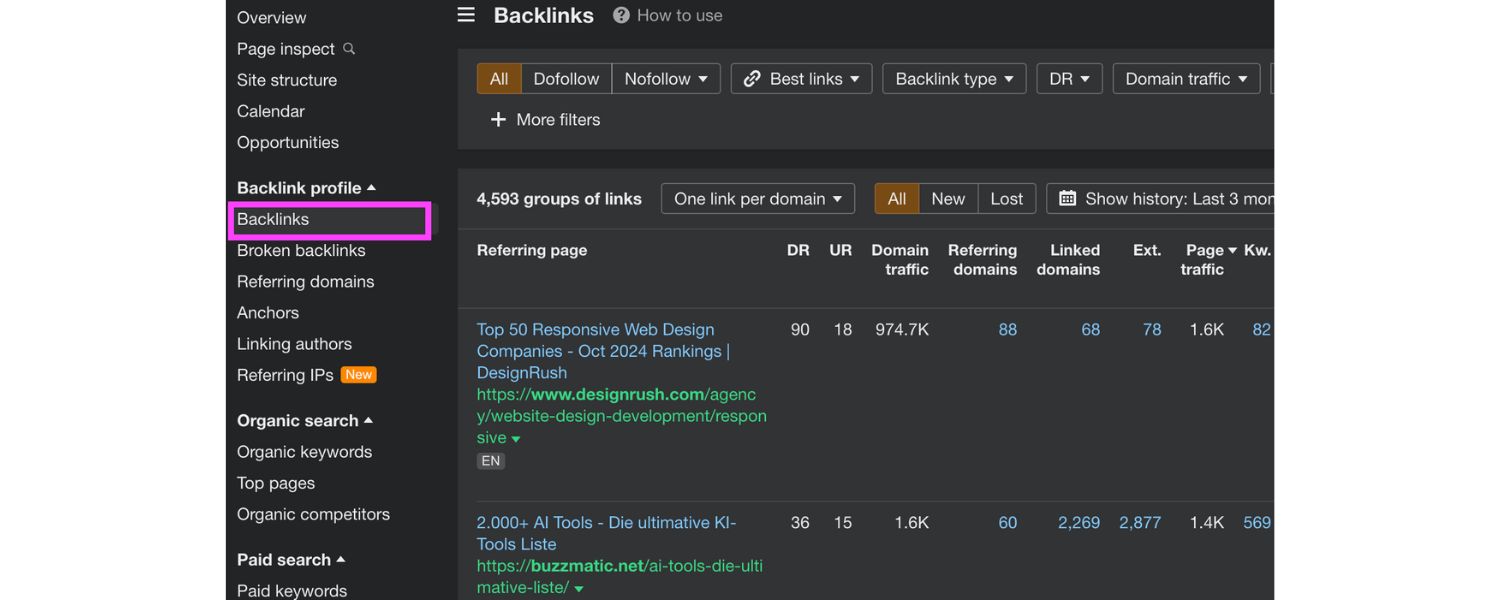
Earning quality backlinks remains one of the most challenging and important aspects of SEO. AI can’t magically outreach to sites for you (at least not ethically), but it can streamline parts of the link-building process and surface valuable insights:
A. Prospecting & Relevance Matching
AI can analyze your site’s topic and find other websites or blogs that are topically relevant and of high authority – essentially building a list of ideal outreach targets.By using NLP to read content on other sites, AI tools identify where a mention or link to your content would be contextually appropriate.
For example, if you have a fintech blog, an AI might scan fintech forums, Q&A sites, or news blogs to find instances where your blog could be cited as a resource.
B. Authority & Value Prediction
Not all links are equal. AI algorithms can predict the potential SEO value of getting a link from a particular site by considering metrics (like domain authority, traffic, spam score) and even the page’s content relevance.
Some tools forecast the impact of a link from site X vs. site Y on your rankings. This helps prioritize outreach: focus on websites that will move the needle.
C. Competitive Link Analysis
Similar to keyword gaps, AI can identify link gaps. It might highlight that your competitors all have backlinks from certain industry directories, publications, or resource pages that you lack.
Those become your targets. The AI can also monitor new links your competitors gain (via link alerts) and assess if those sources could link to you as well.
D. Anchor Text and Placement Optimization
AI can study how users interact with links (using analytics or user behavior data) and advise on the best anchor text and placement. For instance, it might reveal that links placed in the first paragraph of guest posts get clicked more.
It could also suggest anchor text variations that fit naturally in a target article’s context (increasing the chance the site owner will accept it and that it provides value to readers).
E. Email Outreach Assistance
While you should personalize outreach emails, AI can help draft templates. It can craft a polite, concise email asking for a link or guest post opportunity, tailored to the target site’s style.
This saves time, though personal touches from you are still important to avoid sounding like a bot. Some AI writing tools have “email tone” settings perfect for this.
F. Monitoring Mentions and Unlinked Brand Mentions
AI-powered mention tracking tools (like Awario or Brand24 with AI enhancements) scour the web for mentions of your brand or content. They can alert you when you’re mentioned without a link, so you can follow up to kindly request a link.
They also keep you informed of new reviews or discussions where you could chime in (building relationships that lead to links).
G. Disavow Suggestions
If your site accumulates some toxic or spammy backlinks, AI can help identify them. It can flag links that appear to be part of link farms or unrelated to your content’s context, which you might consider disavowing.
This used to be a manual process of combing through hundreds of links; AI can learn to detect patterns of bad links faster.
Example:
Let’s say you run an e-commerce site selling eco-friendly home products. An AI SEO tool might analyze your backlink profile and competitor profiles, then tell you: “Competitor A and B have links from GreenLivingBlog.com and EcoHomeTips.org, which you don’t. These sites are high-authority in your niche.
Additionally, we found your brand mentioned on a Reddit thread about sustainable kitchens – consider engaging there and possibly getting a link if appropriate.” The tool could further suggest which product or content of yours would be most relevant to those contexts (maybe you have a guide on “Plastic-Free Kitchen Essentials” that fits perfectly). Armed with this intel, your outreach can be laser-focused and likely more successful.
In all, AI makes the grunt work of link building more efficient – finding prospects, analyzing them, and even drafting outreach copy.
But remember, building real relationships is still a human endeavor. Use AI to target the right opportunities and gain insights, then put your personal touch on the outreach and content you provide to earn those links.
Quality links often come from genuine value exchange, not just automation. AI simply helps you work smarter in discovering where those value exchanges can happen.
Optimizing Your Content for AI Search Success
We’ve covered how AI can assist you in doing SEO. Equally important is tuning your content and website so that AI-powered search engines can easily find, understand, and feature your material. In the era of AI search, certain content qualities and best practices are more critical than ever.
This section provides a roadmap for making your content AI-friendly – which, fortunately, also means user-friendly in most cases. Think of it as optimizing for both human readers and the machine algorithms that mediate content to those readers.
Here are the key strategies to ensure your content shines in AI search results:
1. Focus on People-First, High-Quality Content (E-E-A-T)
No amount of AI trickery can substitute for genuinely good content. Google’s advice for succeeding in AI search starts with a simple directive: “Focus on your visitors and provide them with unique, satisfying content.”
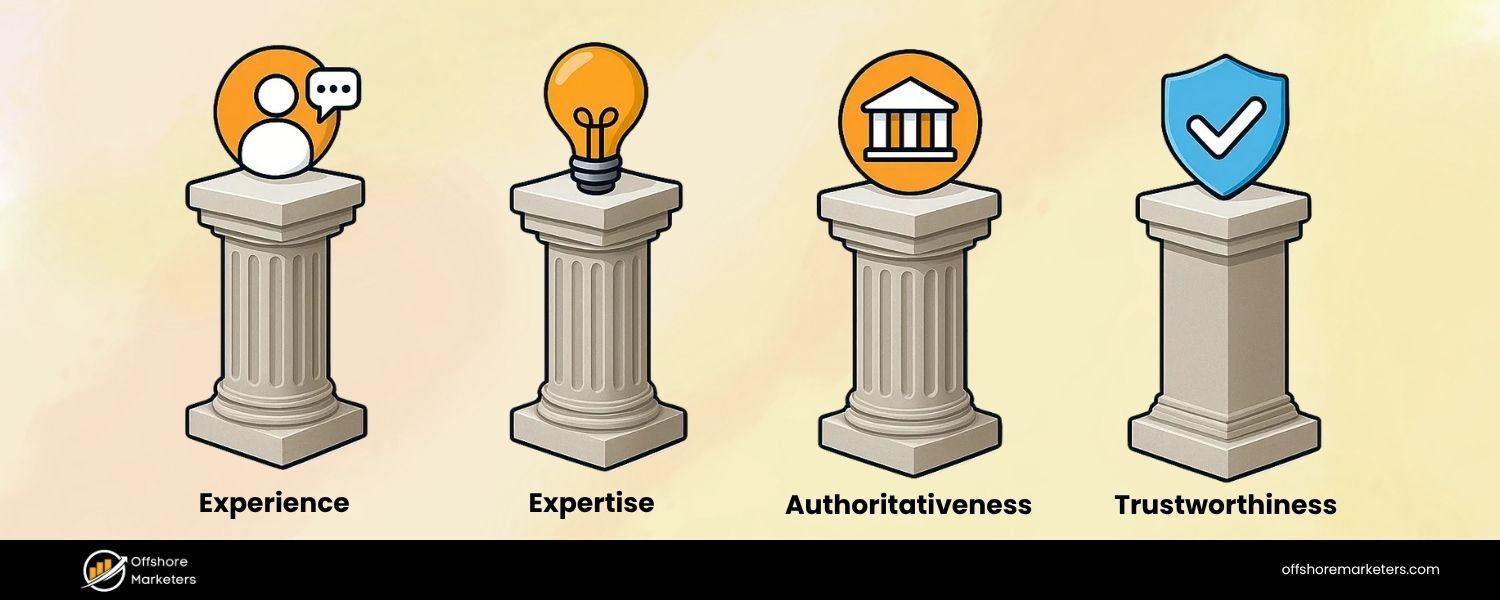
In practice, this means doubling down on what Google calls E-E-A-T: Experience, Expertise, Authoritativeness, and Trustworthiness.
Why does this matter for AI?
Because when AI systems (like Google’s generative search or Bing’s chat mode) decide which content to include or cite, they lean heavily on signals of credibility and depth. An AI search answer will not list every site; it will choose a handful of sources that seem most authoritative and relevant. You want to be in that set.
Tips to enhance content quality and trust:
A. Share First-Hand Experience
Whenever possible, include original insights, case studies, or examples drawn from your own experience.For instance, if your site is about gardening, an article that includes your photos, your experiment results, or quotes from your personal experience gardening will carry more weight (with readers and likely with Google’s algorithms) than a generic rehash of tips. This addresses the “Experience” in E-E-A-T.
B. Demonstrate Expertise
Write deeply on your topic and back up your claims with evidence. Cite reputable sources, link to research or official guidelines, and ensure factual accuracy. If you claim a statistic or a trend, provide the source.
AI answers often include citations, and they prefer sources that present factual, verifiable information. Including data, charts, or references in your content not only boosts your credibility but also makes your content “citation-worthy” for AI.
Think: would an AI find a quotable, solid fact in your content to use as an answer? If yes, that’s a good sign.
C. Be Original and Add Unique Value
Avoid “commodity content” – i.e., endless rewrites of the same stuff everyone else has. Find your unique angle. Google explicitly says “focus on making unique, non-commodity content that visitors… will find helpful and satisfying” to succeed in AI search.
This could mean including your expert opinion, a new analysis, or aggregating information in a more useful way than others have. Unique value might also come from updating content with the latest info (many sites neglect to do this).
D. Improve Authoritativeness
If you have credentials or your site has a strong reputation, make it visible. Include author bios that highlight expertise.Get mentions or links from other authoritative websites (this ties back to digital PR and link building we discussed). LLMs, when generating answers, give preference to well-known sources or consensus from multiple trusted sources.
Building your site’s authority is a long-term effort, but every quality backlink or partnership helps. According to one study, sites like Reddit and other community forums have surprisingly high representation in AI search results (Reddit appeared in ~40% of AI answer citations in one analysis).
This suggests that rich discussions and community-trusted content are valued. While you may not run a forum, you can incorporate community insights or user feedback into your content to capture that thoroughness.
E. Build Trust
Trustworthiness comes from accuracy, site security, transparency (like citing sources, having contact info, etc.), and user endorsements (reviews, comments).
Make sure your site looks professional and trustworthy: use HTTPS, have a clear About page, correct any factual errors, and don’t bombard users with intrusive ads or pop-ups (Google’s page experience metrics still count!).
If users trust and like your content, they’ll stay longer and share it, which in turn signals search engines that your content is valuable.
It boils down to this: Write for people first, not for algorithms. Ironically, by focusing on what satisfies real users, you end up giving AI algorithms exactly what they’re designed to reward. Helpful, high-quality content has always been the backbone of SEO, and now it’s the backbone of AI SEO too.
As one SEO expert noted, in the age of AI it’s “about building trust so your pages actually get shown to people searching for answers”. If you nail E-E-A-T in your content, you’ve won half the battle for AI visibility.
2. Structure Content for AI Comprehension (and Featured Snippets)
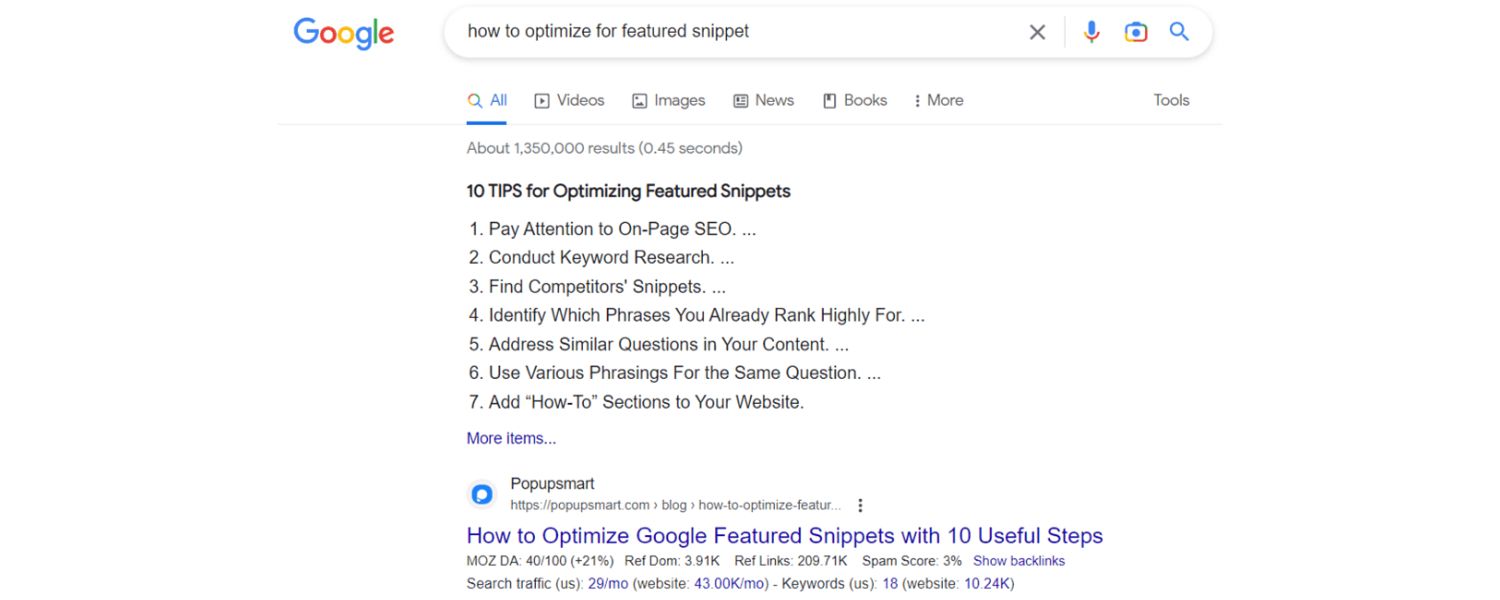
AI search engines read and process content differently than a human reader skimming a page. They often work at the passage level, meaning they pull out bits and pieces of content (a paragraph here, a bullet list there) to synthesize an answer. To increase the chances of your content being picked up:
A. Use Clear Headings and Subheadings
Organize your content with descriptive headings (H2, H3, etc.) that signal what each section is about. This not only helps readers navigate, but also helps AI models identify relevant sections to extract.
For example, if someone asks “How to improve page speed,” having a subsection titled “How to Improve Your Page Speed” makes it easy for an AI to zero in on that answer. A strong heading hierarchy (logical nesting of topics) is crucial.
Write in Short, Focused Passages: Aim for paragraphs that stick to a single idea and answer a specific question. Long-winded, rambling text can confuse AI. Instead, ensure each paragraph or section can stand on its own with a clear point.
In AI expert Mike King’s words, content should be “semantically complete in isolation” – a passage should answer or contextualize a subquery on its own. Think of each paragraph as a potential answer snippet.
B. Answer Questions Directly
If your page covers common questions in your niche, consider formatting them as Q&A or FAQ-style content.Pose the question explicitly (as a question or as a clear heading) and then answer it clearly right after. This is beneficial for getting featured snippets (position zero answers) on Google and similarly can feed AI answers.
For example: “Q: Can AI replace SEO professionals? A: Not entirely – while AI can automate SEO tasks, it cannot replace human strategy and expertise…” – a direct answer like this could be lifted into an AI response box. It’s been observed that content that directly answers questions in a straightforward manner is prime material for voice assistants and AI snippets.
C. Use Bullet Points, Lists, and Tables
Structured formats like lists or tables are easy for AI to extract because they’re concise and formatted. If you have a step-by-step process or a list of benefits/tips, use an ordered or unordered list.
For instance, a list of “5 Benefits of AI SEO” could be cleanly pulled as an answer. Bullet points also enhance readability for users (win-win).
In one analysis, AI guidance strongly encouraged breaking content into scannable chunks and passages, with bullet points and structured data, essentially to make the content “composition-friendly” for AI synthesis.
D. Include Facts and Figures
Incorporating numbers, statistics, and concrete facts can make your content more attractive for citation. For example, stating “In 2025, 80% of enterprises reported integrating AI into their SEO workflow” (with a citation) gives AI an easy snippet to grab and attribute to you.
Factual, specific statements (especially if they answer “how many,” “how much,” or “when” type questions) often get featured. Just be sure your facts are accurate and sourced – nothing will erode trust faster than AI quoting you on a fact that turns out wrong.
E. Be Explicit and Avoid Ambiguity
Generative AI models try to interpret meaning, so reduce ambiguity in your writing. Pronouns or unclear references can confuse algorithms. For example, instead of “This tool is great because it does X,” say “[ToolName] is effective because it does X.”
Also, use the full form of terms on first reference (e.g. “Click-Through Rate (CTR)” rather than jumping to the acronym) – this helps AI (and readers unfamiliar with jargon) grasp exactly what you’re talking about.
F. Leverage Schema Markup
As mentioned earlier, add structured data (Schema .org) where suitable, such as FAQ schema for Q&A content, HowTo schema for instructional step-by-steps, Article schema for news/blogs, etc.
This markup provides machine-readable context about your content. It not only can earn you rich results in Google, but also ensures AI models see the explicit structure of your content.
Google’s guidance notes that structured data helps their systems understand content for both classic and AI results. Just ensure the schema data matches your visible content exactly (don’t try to “stuff” invisible info, as that violates guidelines).
In essence, think like a librarian organizing knowledge. Make each piece of information easy to find and extract.
If a random paragraph of your content was taken out of context, would it still make sense and provide value? If yes, then you’re on the right track. AI algorithms will be more likely to deem your text useful for answering queries.
One SEO expert humorously pointed out that much of the “new” LLM-friendly content advice – “Write clearly. Use FAQs. Use structured headings. Provide bullet points. Cite your sources.” – should sound very familiar to seasoned SEOs.
It’s essentially what we’ve been doing (or should have been doing) all along! But now it’s absolutely essential, not only for users but for the AI intermediaries that deliver information to users.
3. Incorporate Relevant Entities and Context (Semantic SEO)
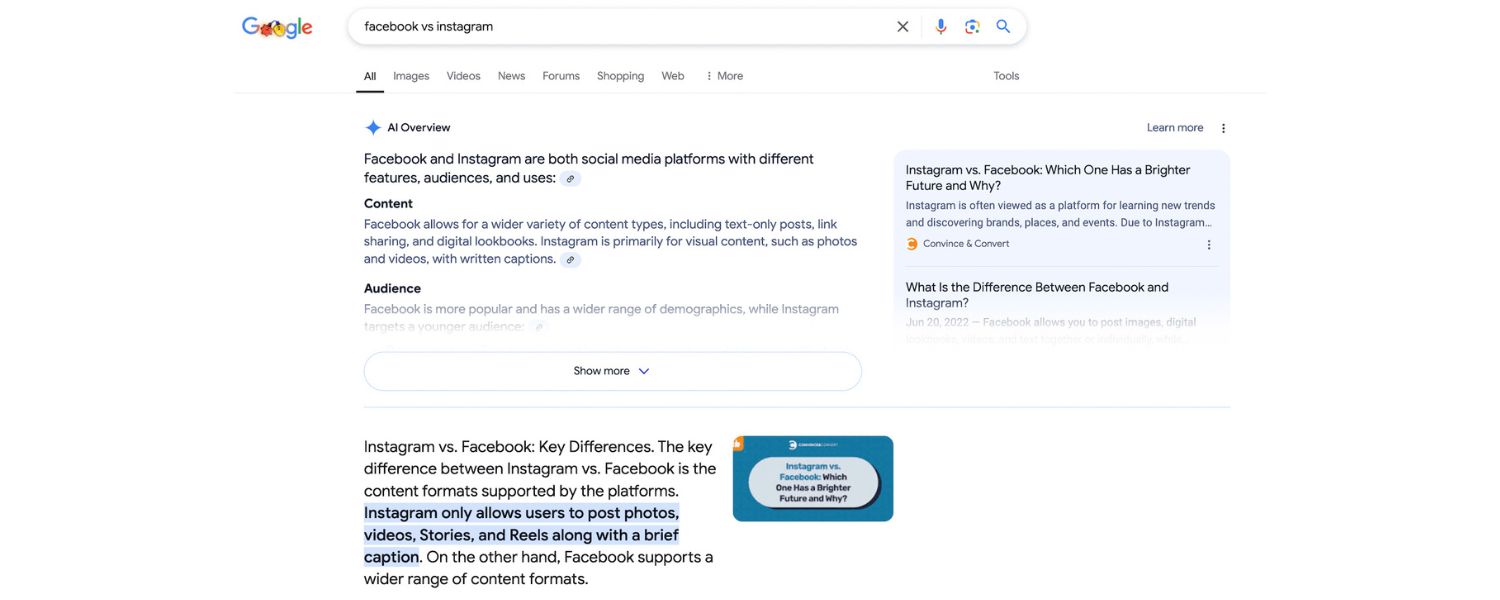
Search engines and AI models increasingly rely on understanding entities (people, places, things, concepts) and the relationships between them.
By making sure your content is rich with relevant entities and context, you help AI systems grasp your content’s meaning more deeply – which can improve your chances of being featured in results for related queries.
A. Use Precise Terminology
Identify the key entities related to your topic and include them in your content naturally. For example, if the topic is “AI in healthcare SEO,” relevant entities might include “hospital search trends,” “HIPAA compliance” (for health content), “medical knowledge panels,” etc.
Mentioning specific tools, organizations, or standards (when relevant) can anchor your content in the knowledge graph.
Being specific is better than being vague. An AI trying to answer a query will often look for passages that contain the same entities or terms the query has, or closely related ones.
B. Cover Connected Subtopics
Think of all the questions someone might have around your main topic and address them if appropriate. This not only improves comprehensiveness (good for users), but also means your content can rank or be cited for a wider range of long-tail queries.
For instance, a piece on “AI SEO tools” could also mention related concepts like “GEO (Generative Engine Optimization)” or “LLM-based search ranking factors” to capture those looking for those terms. However, don’t force unrelated tangents – relevance is key.
C. Entity Associations
Ensure your content includes clear references that tie important concepts together. If your article is about a product, mention its category and use-case. E.g., “AlliAI is an AI SEO platform for on-page optimizations” clearly links the entity “AlliAI” to what it is/does.
This helps AI contextualize new or lesser-known entities by their associations. Mike King’s research on Google’s AI “query fan-out” (the sub-questions an AI might generate) suggests that including named entities aligned with common user intents (like comparisons, pros/cons) improves content visibility in AI Mode. For example, including phrases like “advantage of Tool X over Tool Y” preempts comparison intents.
D. Avoid Keyword Stuffing – Focus on Meaning
While including relevant terms is important, do not fall back to old-school keyword stuffing or creating dozens of near-duplicate pages.AI models use contextual understanding, so repeating a keyword 50 times won’t help, it might even hurt if it makes your content read poorly.
Instead, incorporate synonyms and semantically related phrases. If you’re writing about “AI content writing tools,” naturally mention related terms like “AI copywriting,” “GPT-3,” “content generators,” etc. This casts a wider net of meaning around your topic.
E. Use Examples and Scenarios
Providing concrete examples actually helps semantic understanding because it puts concepts into real-world context.If you say “AI can automate meta description creation – e.g., an e-commerce site with thousands of products used an AI to generate unique meta descriptions for each, resulting in a 20% traffic boost,” you’ve contextualized the abstract idea with specific entities (an e-commerce site) and outcomes (20% boost).
This not only engages readers but also gives AI an anchor in reality, which can make your content more trustworthy and useful for answering practical queries.
F. Optimize for Related Searches
Look at Google’s “People also ask” questions and related searches for your topic – these often represent entities or subtopics users associate with your main query. If it makes sense, address those in your content.
For example, if “AI SEO vs Traditional SEO” is a related query, include a brief comparison section. Covering these connections can make your page a one-stop resource, which AI would favor for comprehensive answers.
At its heart, this approach is often called “semantic SEO” – making sure you aren’t just targeting a narrow keyword, but rather covering a topic and its universe of meaning. This is especially crucial for AI because language models operate on semantic relationships.
In fact, Google’s AI ranking enhancements (like RankBrain, BERT, MUM) are all about understanding language and intent, not just matching keywords. By enriching your content semantically, you align with how modern algorithms rank and how AI summarizers select content.
As a bonus, semantic-rich content is more likely to earn featured snippets and appear for voice search queries, which are often longer and conversational. With voice search on the rise (and indeed predicted to grow with AI assistants), capturing those long-tail, context-heavy queries is a smart move for the future.
4. Optimize for Multi-Modal and Voice Search

AI search isn’t limited to text. Google’s AI experiences, for instance, enable multimodal search, users can upload an image and ask questions about it, or use voice inputs more naturally.
Meanwhile, voice assistants (Alexa, Google Assistant, Siri) read out answers to spoken queries, often sourced from featured snippets or structured data. Ensuring your content is ready for these modes can widen your reach:
A. Images and Visual Content
Include relevant, high-quality images or diagrams in your content when it adds value. Then, optimize those images: use descriptive file names (e.g., AI-seo-tools-chart.png instead of image123.png), provide detailed alt text that describes the image in context, and add captions if useful.
For example, an image showing a chart of “AI adoption in SEO over time” could have alt text like: “Chart showing AI SEO tool adoption grew from 30% in 2023 to 60% in 2025 among marketers”. This not only helps visually impaired users (accessibility) but also gives search engines context for visual search.
Google’s systems can actually “read” images now to some extent, but providing textual descriptions ensures they interpret them correctly.
B. Videos
If you have video content (say, a tutorial or webinar on AI SEO), embed it on your page along with a text transcript or at least a summary of key points. Google indexes video content and may feature it for certain searches (Google’s “key moments” in videos show how specific segments can answer queries).
Transcripts make your video content accessible to search and also serve as additional text content on your page (which could be used in an AI answer).
Consider uploading important videos to YouTube as well (with proper descriptions and tags), since YouTube content sometimes surfaces in both traditional and AI results.
C. Voice Search Optimization
Voice queries tend to be longer and phrased as questions or commands (“How do I…”, “What is the best…”, etc.). We’ve touched on answering questions directly – that’s crucial for voice.
Additionally, ensure your answers are concise: voice assistants often read out about 30 words or so. If you can provide a succinct answer in one or two sentences (and then elaborate further for those who click through), you’re likely to get the voice snippet.
Use conversational language in FAQs or Q&As, mirroring how people actually speak. For instance, a written query might be “AI SEO benefits,” but a spoken query might be “What are the benefits of using AI for SEO?” – having the full question and answer in your content covers both bases.
Implement FAQPage schema if you have a list of questions and answers – Google can use this to directly respond to voice queries by citing your site (and it also gives rich FAQ snippets in text search).
D. Support Multimodal Queries
Google’s AI can handle queries like taking a photo of a plant and asking “How do I care for this?” If you’re in a niche where visual identification is key (e.g., e-commerce, DIY, travel), consider adding images and content that tie into those experiences.
For example, a home decor site might include images of furniture with text describing style and care tips.If someone uses Google Lens on a chair and asks “what style is this and how do I clean it?”, the AI might draw on content that explicitly links the image (or its features) with those answers.
It’s a forward-thinking optimization, but given Google’s push towards multimodal search, it’s wise to be prepared.In short: label your images well, and associate them with relevant text on the page.
E. Local and Voice (if relevant)
If you have a local business element, optimize for local voice searches (which often involve “near me” or specific locations).Ensure your Google Business Profile is up to date, and include natural language in your site like “We offer AI-driven SEO services in [Your City]” to catch location-based voice queries.
By embracing both visual and voice aspects, you make your content more versatile. Users are increasingly using different modalities to search – typing on a laptop, speaking to a phone, snapping a photo of a product – and AI is the layer trying to make sense of it all.
When your content is optimized across modalities, you stand a better chance of being the answer provided, no matter how the question was asked.
5. Monitor and Adapt (Stay Updated)
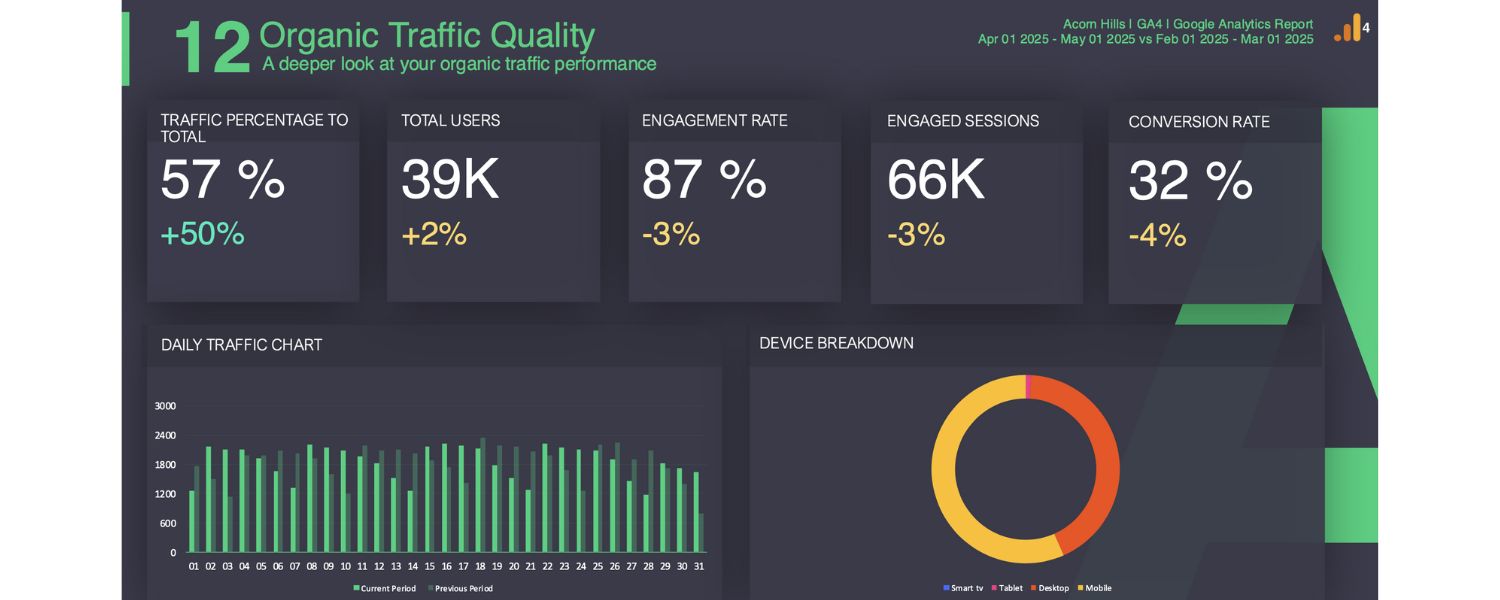
The AI search landscape is evolving rapidly. What works today might shift next year as algorithms improve and user habits change. The best practice here is an ongoing one: monitor your performance and be ready to adapt.
This is something Google itself emphasizes: “The only thing predictable in Search is that it always evolves… Our AI experiences represent yet another evolution… This evolution also means new opportunities for site owners.” In other words, keep your finger on the pulse.
A. Track Your Analytics
Watch how your organic traffic changes as Google or Bing roll out new AI features. You might notice, for example, a drop in clicks for certain informational queries where an AI overview appears – but perhaps those who do click are spending more time on page (since they came with more context).
Google has noted that clicks from AI search pages can be “higher quality” – users are more likely to be engaged and spend time, because the AI pre-qualified their interest. Check metrics like time on site, conversion rates, etc., for traffic coming from AI-integrated search.
If engagement is high even as click volume is a bit lower, adjust your expectations and strategy accordingly (e.g., focus on converting those highly engaged visitors).
B. Search Console & New Analytics
Google Search Console is rolling out updates to track how content performs in AI features (like Google’s SGE – Search Generative Experience). Keep an eye on any new data or reports they provide.
They recently added reports for things like “AI clicks” or “SGE impressions” (hypothetically). Use these to identify which pages of yours are getting showcased in AI overviews or as cited links. It might highlight, for example, that your long FAQ page is getting cited often by the AI – a sign to create more such content or expand it.
C. A/B Test Content Formats
We’re in uncharted territory, so don’t be afraid to experiment. You might try adding an FAQ section to some pages and see if that improves your snippet capture rate. Or test more conversational headings vs. traditional ones.
Monitor if certain patterns seem to coincide with getting featured in AI results. There are already tools (and more emerging) that simulate AI search results – you can use these to see how an AI might answer a query and whether your content is included.
For instance, Semrush’s AI Toolkit mentioned earlier actually shows how your brand appears across AI platforms like ChatGPT, Bing, Google’s AI, etc., and gives suggestions. Such insights are gold for adaptation.
D. Stay Informed on SEO News
Make it a habit to follow reputable SEO news sources and Google’s own announcements. As AI integration grows, Google often provides guidance (like their May 2025 blog post on “Top ways to ensure your content performs well in Google’s AI experiences” which we’ve cited here).
Likewise, keep an eye on SEO blogs (e.g., Search Engine Land, which extensively covers AI search developments) and communities (the SEO subreddits, forums, etc., are buzzing with experiments and findings on AI search).
E. Ethical and User Feedback
Pay attention to user feedback. If you have comments enabled or get emails, see how users respond to your content.
Are they satisfied or do they still have questions? Use that as a feedback loop to improve content. Additionally, as AI algorithms evolve, there’s a push for ethical AI and transparency.
Align with that: be transparent when you use AI (for instance, nothing wrong with mentioning that an AI helped analyze data in your case study – some readers find that intriguing).
And avoid tactics that could be seen as trying to manipulate AI (like hidden prompts or irrelevant text) – these systems improve quickly and such tactics could backfire.
F. Core Updates and AI Updates
Google will continue to roll out core search updates and likely specific AI search updates. Treat these like any other algorithm change: if your rankings or traffic change, investigate which content was affected and why.
It might not be a traditional SEO factor; it could be something like Google’s AI favoring certain content style. For example, maybe a new update makes AI answers rely more on recent content – that would mean freshness is more important. If you spot such patterns, adapt (update your content more frequently in this case).
In summary, be agile. The intersection of AI and SEO is an exciting frontier, and those who remain flexible and informed will ride the wave most successfully. SEO has never been a “set it and forget it” game, and with AI in play, this is even more true.
The good news is, while the tools and surfaces (like chatbots, voice devices, etc.) change, the core principle doesn’t: deliver value to users. If you keep that north star, adapting to the mechanics of how that value is delivered (whether via a spoken answer or a clickable link) becomes much easier.
The Future of SEO in the AI Era
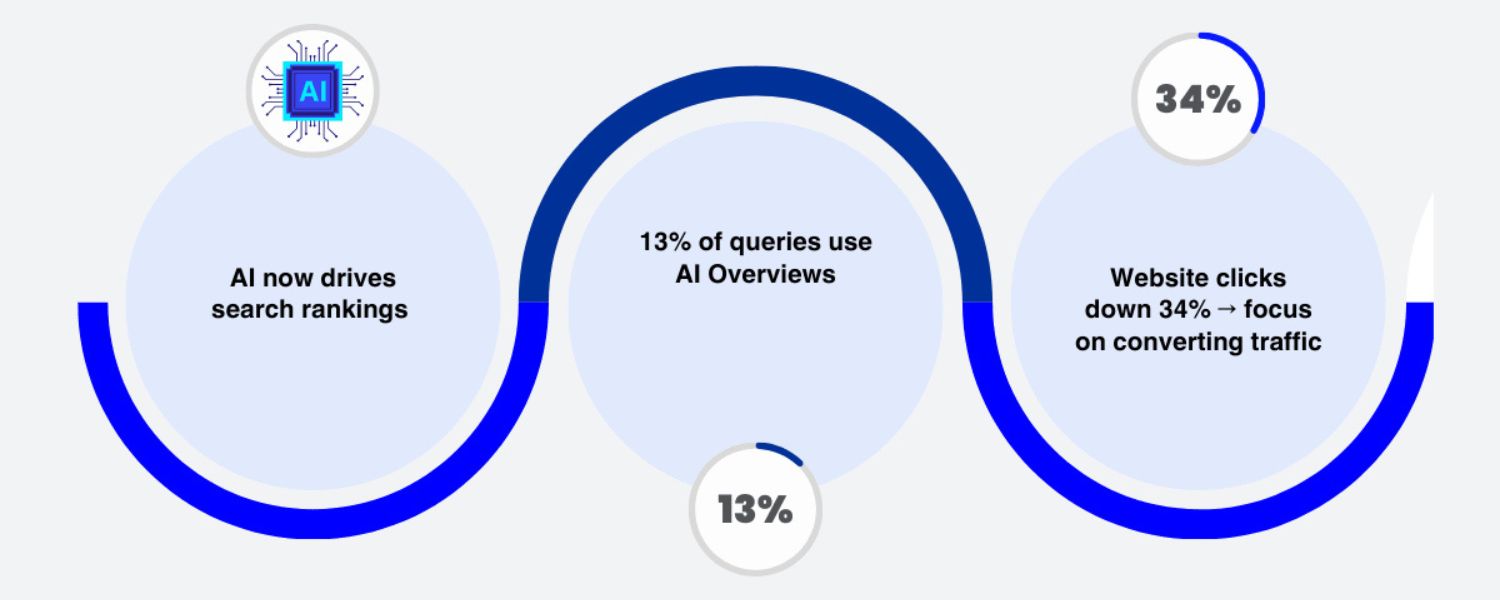
As we look ahead, it’s clear that AI will continue to reshape the SEO landscape in profound ways. But rather than rendering SEO obsolete, it’s opening up new frontiers and specializations. Here are some key trends and predictions for the future of SEO in an AI-driven world, and how you can prepare:
A. SEO Professionals as “AI Strategists”
Rather than being replaced, SEOs are evolving into roles that require understanding AI systems and steering them.The technical SEO of tomorrow might need to know about prompt engineering (optimizing how content might be read by an AI), or how to feed data to AI APIs for insights.
SEO professionals, with their deep knowledge of how search engines rank content, are actually well-suited to help content succeed in AI search. If you have SEO experience, you’re not starting from scratch – you’re adapting your skillset.
Many tactics for AI visibility are “just standard SEO approaches… updated for AI search”, as we saw with conversational queries and digital PR. So in the future, expect SEO experts to be at the helm, guiding businesses on how to optimize for whatever new AI search features emerge.
B. Voice Search & Conversational AI
Voice search is projected to grow as more households use smart speakers and voice-activated devices. Coupled with advanced AI, users will treat search more like a conversation (“Hey Google, what should I make for dinner with broccoli and chicken?”).
SEO must adapt by optimizing for conversational queries and possibly even multi-turn dialogues. This could mean structuring content that can answer a follow-up question.
(E.g., user asks one thing, gets an answer, then asks a related follow-up – your content should have depth to handle that second question too.) Those who invest in FAQ content, chatbots, and natural-sounding writing will be ahead of the curve.
C. Visual Search & AR
AI-driven visual search will likely become mainstream – not just Google Lens, but shopping apps, social media, etc., where users search using images. For SEO, this means optimizing images and videos is as important as text.
In the future, search engines might have to optimize within images (e.g., recognizing a brand logo or product in a photo and linking to info). Ensure your visual assets are high-quality and well-described.
Also consider that augmented reality (AR) search might rise – for instance, pointing your phone camera at a restaurant to see reviews. Local SEO might merge with visual AI overlays. Keep an eye on developments in Google’s Multisearch and AR experiments.
D. AI-Powered SERP Features
We’ve seen featured snippets, “People Also Ask,” etc. With AI, we might see more interactive SERP features. For example, an AI that can compare products side by side within search, or a snippet that expands into a mini chatbot on the SERP.
To remain visible, ensure your content is feed-friendly – meaning it can be ingested and represented in these dynamic formats. Structured data and clarity will help.
There’s also talk of search engines possibly incorporating direct API access for content (where sites feed data to the engine for certain queries – like live data for stock prices, etc.).
While not mainstream SEO, being open to integrating your content via APIs or feeds could be a thing, especially for e-commerce (think Google Shopping but smarter).
E. Continuous Algorithm Updates (Even More Than Now)
AI models get updated (like how OpenAI updates ChatGPT) and can change responses overnight. This might lead to more frequent shifts in how search results are generated.
SEO may become a bit more volatile. But if you anchor on quality content and best practices, you’ll weather changes. Use tools to monitor your rankings daily if needed and detect anomalies quickly.
F. Ethical SEO and AI
With AI creating content at scale, search engines will likely crack down on spammy AI-generated content. Google has already warned that its focus is on content quality, not the tool used to create it.
However, if the web gets flooded with low-quality AI content, Google’s algorithms (or even separate “AI content detection” systems) might adapt to devalue it. This underscores the importance of human touch and originality in your content.
Additionally, transparency might become a trust signal, some sites might disclose “article written with the help of AI and human editors” just to be upfront. Users may demand to know if they’re reading AI-written material. It’s something to watch.
G. Algorithmic Transparency and User Trust
Speaking of ethics, there’s pressure on tech companies to be more transparent about how AI-driven results are chosen. We might see search engines share more about why certain sources are picked for AI answers (maybe even an “About this result” for AI citations).
For SEO, this could be enlightening, if we know AI tends to pick sources that meet certain criteria (like high author expertise, recent data, etc.), we can focus on those. It’s a bit speculative, but if Google gives clues, take them seriously and align your strategy.
H. New Search Platforms and Competition
Google isn’t the only player. Bing, powered by OpenAI tech, is pushing hard in AI search. There are also startups like Perplexity.ai, Neeva (was), You.com, etc. While Google remains dominant, keep an open mind about optimizing for multiple platforms.
For example, Bing’s chatbot might have a different “preference” for sources (some reports say it’s heavy on Wikipedia and a set of known sites). If a significant portion of your audience could use these platforms, figure out how to be present on them (it usually comes back to content quality and authority, but maybe there are specific tweaks like formatting or Bing Webmaster tools to utilize).
In summary, the future of SEO promises to be dynamic and intertwined with AI advancements. But it’s not a rupture with the past, more like an evolution.
As a marketer who’s been in the game for 25 years, I’ve seen SEO transform from meta keywords in the 90s, to link-building battles in the 2000s, to content marketing and mobile-first in the 2010s.
AI is the next chapter of that story. Each time, the key to thriving has been to adapt early, prioritize the user’s needs, and stay informed. Those fundamentals have never let us down.
SEO is far from dead; in fact, it’s more exciting now than ever. By embracing AI, using its tools and optimizing for its presence – you’re not only keeping SEO alive, you’re elevating it to new heights. In this AI era, the winners will be those who combine the creativity and insight of humans with the speed and intelligence of machines.
Conclusion & Key Takeaways
Artificial intelligence is transforming how people search and how we optimize for search, there’s no doubt about that. But rather than rendering SEO obsolete, AI is injecting new life and possibilities into the field of search engine optimization.
The emergence of AI SEO is an opportunity for marketers: an opportunity to work smarter, to create better content, and to reach audiences in innovative ways.
Let’s recap the most important points from this guide:
A. AI SEO Defined
AI SEO means leveraging artificial intelligence (machine learning, NLP, automation) to enhance your SEO strategy. It involves using AI tools to analyze data, automate tasks, and gain insights, all while adapting your content for AI-driven search experiences.
B. SEO Fundamentals Still Reign
Despite the hype, SEO isn’t “dead” – core principles like high-quality content, relevance, and authority matter more than ever. What’s changed is the search landscape: AI chatbots and generative answers are now part of it.
By sticking to people-first content and ethical optimization, you actually position yourself favorably for AI inclusion.
C. AI Tools = SEO Superpowers
Embrace the AI tools available. They can drastically reduce the grunt work and uncover opportunities (from keyword gaps to content ideas) that save you time.
Whether it’s generating a first draft of content, clustering thousands of keywords in minutes, or spotting a technical issue through pattern recognition, these tools are like having a team of savvy assistants. Just remember to choose tools wisely and always add human oversight to AI outputs.
D. Optimize for AI Search
To get your content featured in AI-generated results (like Google’s AI overviews or voice assistant answers), structure and clarity are key. Write in a way that answers questions directly, use headings, bullet points, and provide factual, verifiable information.
Make it easy for algorithms to “digest” your content by using schema markup and ensuring each section is focused and relevant. In doing so, you also make your content better for users – a true win-win.
E. Stay Agile and Updated
The only constant is change. As AI continues to evolve, so will SEO best practices. Commit to continuous learning, follow industry news, test new tactics, and listen to your audience’s needs. Google and other search engines will keep refining how AI is integrated (as we saw with the 2025 updates), and those who adapt quickly will reap the benefits.
F. User Experience is Paramount
Whether a visitor comes via a classic blue link or an AI snippet, you need to delight them when they arrive. That means fast-loading, well-organized pages, and content that truly addresses their query.
Google’s own data suggests AI-referred visitors can be more engaged, so capitalize on that by providing depth, resources (internal links to other helpful content), and perhaps interactive elements to keep them around.
G. Ethics and Authenticity
In an AI-saturated content world, authenticity will stand out. Build trust with your audience. Be transparent, cite sources, and don’t sacrifice your brand voice. Use AI to assist, but infuse content with human insight and empathy. This not only appeals to users but also aligns with search engines’ direction of rewarding trustworthy, people-first content.
Ultimately, think of AI as a powerful new ally in the SEO game. It’s here to augment our capabilities, not replace them. Those marketers who combine their creativity, strategic thinking, and audience understanding with AI’s analytical and automation prowess will lead the pack.
Imagine having more time freed from tedious tasks – you can invest that in strategy, in understanding your customers, in creating content that truly resonates. That’s the promise of AI SEO.
Now is the time to act. Audit your current SEO strategy through the lens of what you’ve learned:
- Are you using AI tools where they make sense?
- Is your content optimized for emerging search behaviors (voice, chat, etc.)?
- Are there quick wins, like adding FAQs or schema, that could boost your AI visibility?
Start with small steps: maybe integrate one AI tool for a month and measure results, or update a few top pages following the best practices here and see if your snippet count increases.
By embracing AI SEO today, you’re not just reacting to the future, you’re shaping it. So go ahead and apply these insights to your own website or marketing efforts. Test, learn, and iterate – that’s the marketer’s way, and AI gives you an even sharper edge to do it.
Lastly, remember that at the heart of all this technology are people: users seeking answers, solutions, or inspiration. Keep serving your audience with valuable content, and use AI to amplify that mission. If you do, you’ll thrive in both the search engines of today and whatever the future brings.
Ready to Embrace AI SEO?
The brands and creators who adapt now will become the leaders in their space. Don’t get left behind as the search landscape changes.
It’s time to leverage AI in your SEO strategy and leap ahead of the competition. Whether it’s adopting a new AI tool, reworking your content, or simply educating your team on these new best practices, take that next step.
Here’s your call to action:
Start today. Pick one actionable item from this guide and implement it. It could be as simple as adding an FAQ section to a high-traffic page, trying out an AI content editor, or researching what questions your audience is asking on voice assistants. Small actions, compounded over time, will give you a formidable advantage.
SEO has always been about staying ahead of the curve, and AI is the curve right now. With the knowledge you’ve gained here, you have the map in hand. Now, go forth and conquer the search results of tomorrow! Good luck, and happy optimizing with AI.

.png)
Shopify SEO: Guide to Ranking Your Store and Driving Sales
Most Shopify store owners set up their store, list their...

Content Marketing : Definitive Guide to Strategy, Content Types, and Measurable ROI
Content marketing generates 3x more leads than outbound marketing at...

Above the Fold: Guide to Conversions, Rankings and Faster Pages
Above the Fold in 2026: The Complete Guide to Conversions,...

Off-Page SEO Checklist: Guide to Building Real Authority
Most websites spend months creating great content, only to wonder...

What Is Keyword Bidding? The Complete Strategy Guide for Smarter Ad Spend
Most advertisers believe the highest bid wins the auction. It...

What Is Google Trends? The 2026 Marketer’s Complete Guide
If you are not already pulling weekly insights from Google...
If you want a growth partner who will get to know every aspect of your business and treat your budget like their own — we are the right fit.
.png)


.png)
.png)
.png)
.png)
.png)
.png)
2026 ALL RIGHTS RESERVED MADE IN INDIA
