
Marketing Tactics to Boost Business and Beat Competitors
September 4, 2025
Introduction
Marketing tactics are the concrete actions that bring your strategy to life. As Sun Tzu famously said, “Strategy without tactics is the slowest route to victory. Tactics without strategy are the noise before defeat.” In today’s ultra-competitive market, choosing the right tactics can make the difference between being heard or getting lost in the noise.
This blog will dive into effective marketing tactics – from leveraging digital channels to psychological techniques, that can help boost your business and give you an edge over competitors. Let’s explore how a smart mix of tactics (guided by a solid strategy) can elevate your brand’s reach, engagement, and growth.
Marketing Strategy vs. Tactics: Understanding the Difference
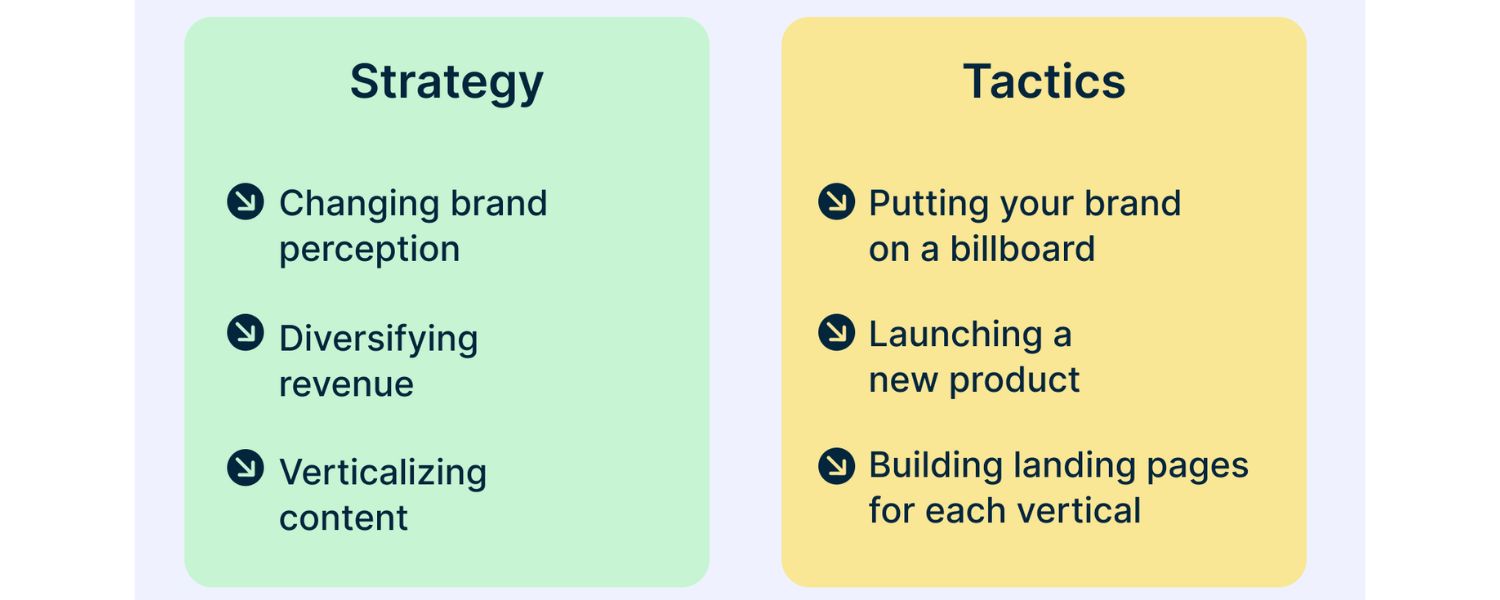
Before jumping into specific tactics, it’s crucial to distinguish strategy from tactics. Think of your marketing strategy as the “why” and “how”, the overarching plan tied to your business goals – while marketing tactics are the actionable “what” you execute day-to-day to implement that plan.
For example, if your strategy is to increase brand awareness among young professionals, your tactics might include Instagram campaigns or networking events targeting that demographic.
In short, strategy is your long-term vision, and tactics are the steps and tools to get there. Without a clear strategy, tactics can become scattershot efforts. Conversely, without the right tactics, even a brilliant strategy will fall flat.
A well-known marketing guide explains that effective tactics translate strategies and techniques into measurable results. Always ensure your tactics align with your core strategy – every blog post, ad, or email should serve a bigger purpose. With that context in mind, let’s delve into powerful marketing tactics you can start using today.
Content Marketing Tactics: Building Trust Through Value
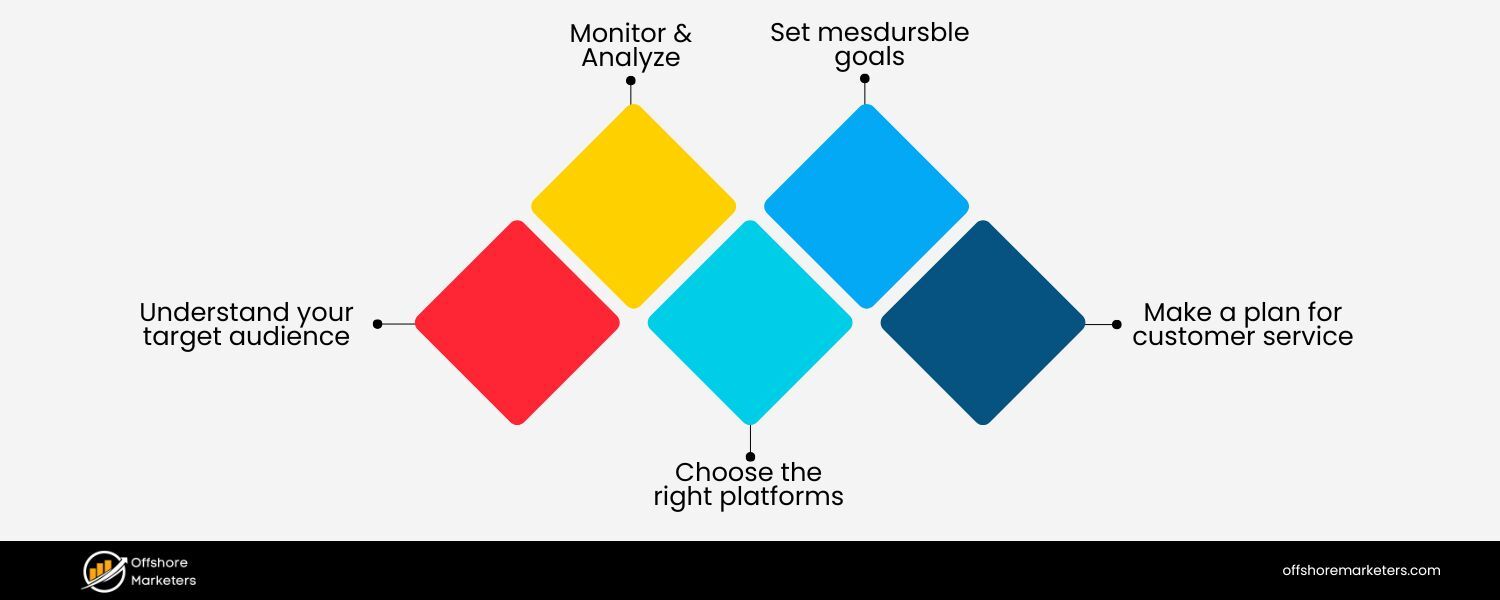
Content is king in modern marketing for good reason. Content marketing focuses on creating and sharing valuable content (blogs, videos, infographics, ebooks, etc.) to attract and engage your target audience.
It’s not fluff – it’s a proven tactic to build brand authority, trust, and organic traffic. In fact, 90% of organizations utilize content marketing and 80% of consumers prefer learning about a company via custom content. These numbers show how critical content is in shaping audience perception.
How can you leverage content marketing effectively? Start by addressing your audience’s pain points and questions through high-quality articles and resources. For example, maintain a blog that provides how-to guides or industry insights your customers care about. Consistency is key: develop a content calendar to post regularly and stay relevant.
Include a mix of formats – written posts for depth, videos for visual engagement, and infographics for easy sharing. (With over 80% of people saying a brand’s video convinced them to buy a product, video content is especially powerful.) Also optimize your content for SEO (more on that shortly) so that it’s discoverable via search engines.
Another great tactic is content repurposing – turn a webinar into a blog series, or a research report into a shareable infographic. This maximizes your reach without reinventing the wheel.
By delivering valuable content consistently, you educate your audience while subtly positioning your brand as a helpful expert. The trust and credibility you earn will pay off in customer loyalty and lead generation. Content marketing is a long-term play, but it forms the foundation for many other tactics to succeed.
Social Media Marketing Tactics: Engaging and Growing Your Audience
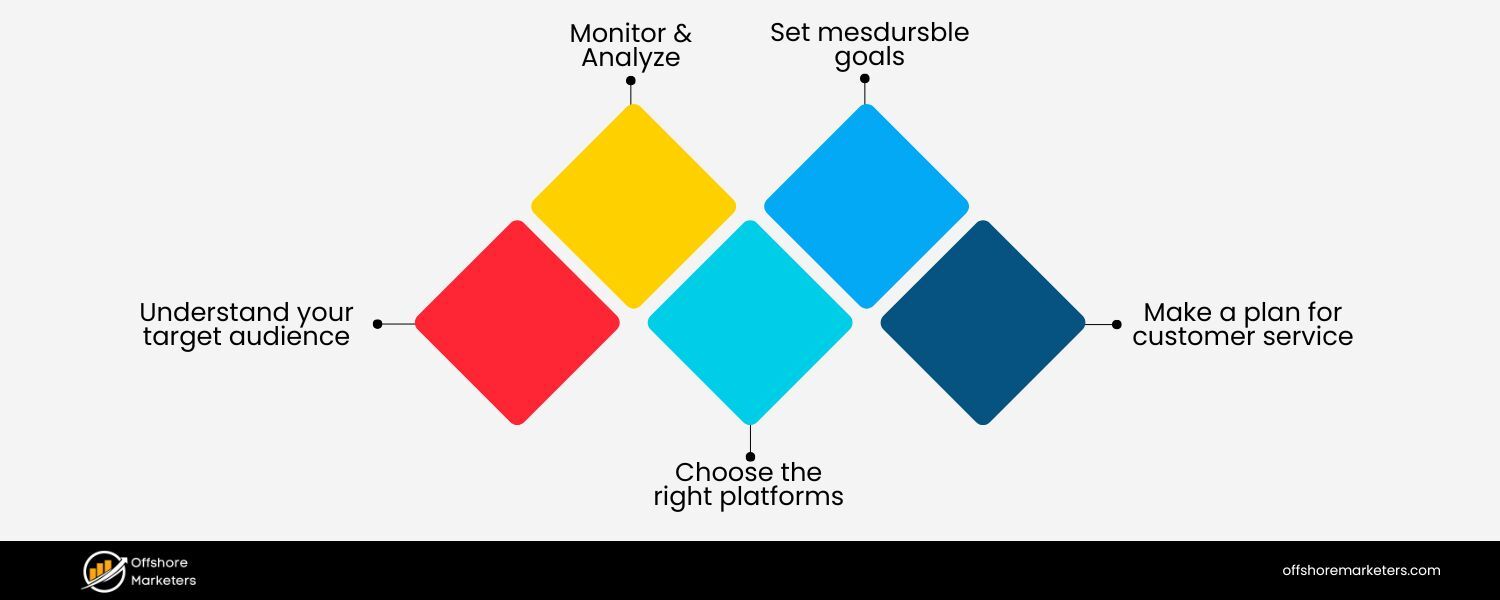
Billions of people are active on social media, making it a goldmine for marketing when used tactically. Social media marketing isn’t just about posting updates – it involves strategic activities to engage your audience, humanize your brand, and foster community.
Key tactics include sharing quality content tailored to each platform, interacting with followers (comments, messages, polls), and utilizing features like hashtags or live videos to increase visibility.
One powerful approach on social is leveraging social proof and user-generated content. Encourage satisfied customers to share their experiences or review your product. Why? Because people trust people.
An incredible 71% of online users are more likely to purchase based on social media referrals or reviews. Showcasing testimonials, reviews, or customer stories on your profiles can directly influence prospects who are browsing and undecided.
Influencer marketing is another social media tactic that has exploded in recent years. Partnering with influencers – individuals who have a loyal online following in your niche – can amplify your reach and credibility.
Influencers effectively become ambassadors for your brand, exposing you to audiences that trust that influencer’s recommendations. The ROI speaks for itself: brands earn an average of $5.78 for every $1 spent on influencer marketing.
Even micro-influencers (with smaller followings) can drive high engagement and conversions because of their close-knit trust with fans. When choosing influencers, look for authenticity and alignment with your brand values for the best results.
Don’t overlook interactive tactics on social media too. Contests, giveaways, or challenges (e.g. a hashtag challenge) can spur a lot of engagement and even virality.
For example, running a contest where users post a photo with your product for a chance to win creates buzz and user-generated content simultaneously. Social platforms also offer robust targeted advertising options – you can run paid ads to reach specific demographics or interests, ensuring your message gets in front of the right people.
Used wisely, a modest budget on Facebook, Instagram, or LinkedIn ads can significantly boost your follower growth or website traffic.
The key with social media tactics is to be consistent and responsive. Post on a regular schedule to stay on your audience’s radar, and actively respond to comments or messages.
This two-way engagement makes followers feel heard and valued, strengthening their connection to your brand. Over time, a strong social media presence not only drives direct sales (for instance, social commerce is on the rise), but also enhances brand loyalty and word-of-mouth marketing.
SEO and Search Marketing Tactics: Winning on Google
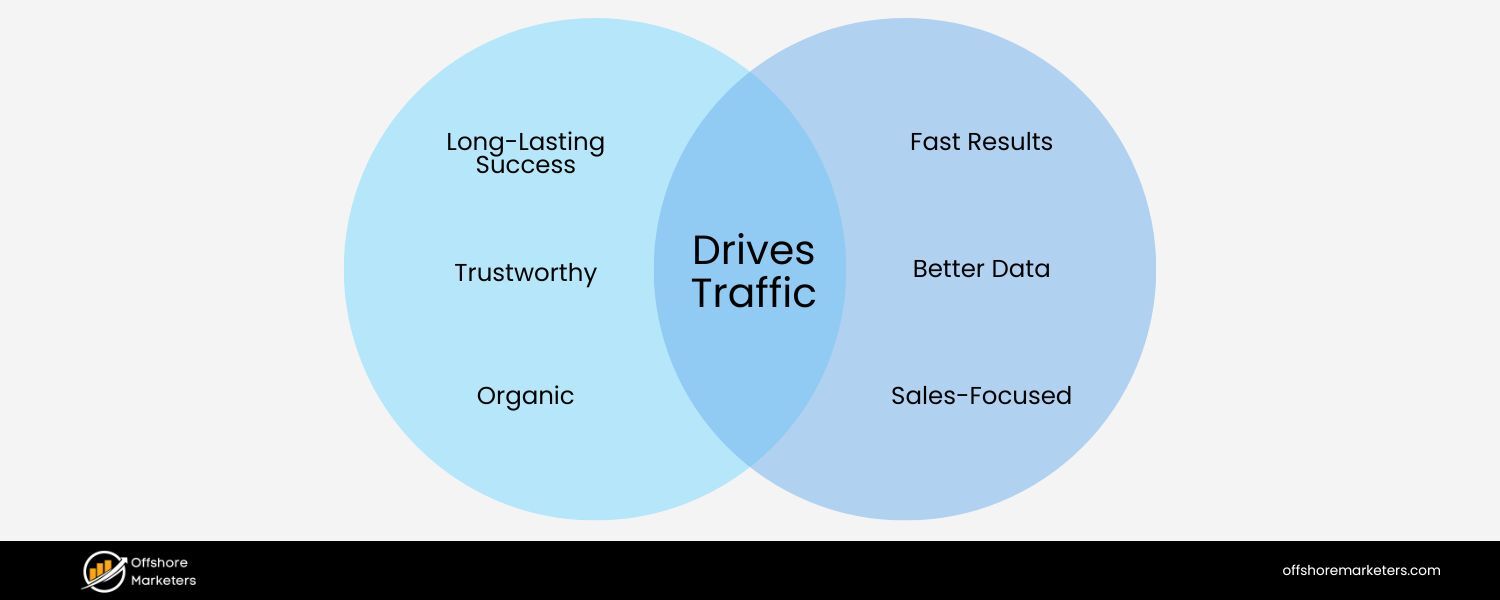
When consumers have a question or need, they often turn to search engines first – which is why search marketing (especially Search Engine Optimization, or SEO) is a cornerstone tactic for driving continuous, high-intent traffic to your business.
A significant 68% of all online experiences start with a search engine, meaning if you’re not showing up in search results, you’re missing a huge audience. Optimizing for search is one of the highest-return tactics: SEO attracts 1,000%+ more traffic than organic social media in the long run.
What does an SEO tactic look like in practice? It starts with keyword research – understanding what terms your potential customers are searching for.
Then you create optimized content around those keywords (e.g. blog posts, product pages) so that search engines rank your pages when people search those terms. On-page SEO tactics include using the keywords in your titles, headings, and meta descriptions, and ensuring your site’s content delivers what searchers are looking for.
Just as important is technical SEO: improving site speed, mobile-friendliness, and fixing any errors. (Even a 0.1-second improvement in site load time can boost conversion rates by 8-10% for retail sites.) Fast, user-friendly websites tend to rank higher and keep visitors around longer.
Another vital search tactic is link building – earning backlinks from other reputable sites. Each backlink is like a vote of confidence in your content, and can lift your search rankings.
You might pursue this through guest blogging, creating share-worthy infographics, or simply networking with industry sites to feature your insights.
Additionally, consider local SEO tactics if you serve specific areas: claim your Google My Business listing, encourage customer reviews, and optimize for local keywords (“best bakery in [Town]”). Appearing in local searches or Google Maps can drive foot traffic and leads from nearby searchers with intent to buy.
Don’t forget search engine marketing (SEM) – i.e. pay-per-click ads on Google or Bing. Paid search ads (through Google Ads, for example) can give you instant visibility at the top of search results for your chosen keywords.
While it requires budget, it’s highly targeted. Notably, users who click on search ads often have strong purchase intent – they are 50% more likely to buy compared to organic visitors.
A smart tactic is to run ads for high-value keywords or when you’re just starting out (to generate immediate traffic), while simultaneously building your organic SEO for sustainable long-term traffic.
The combination of SEO and targeted search ads ensures your brand captures both the organic seekers and those ready to click and convert.
Email Marketing Tactics: Nurture Leads and Drive High ROI
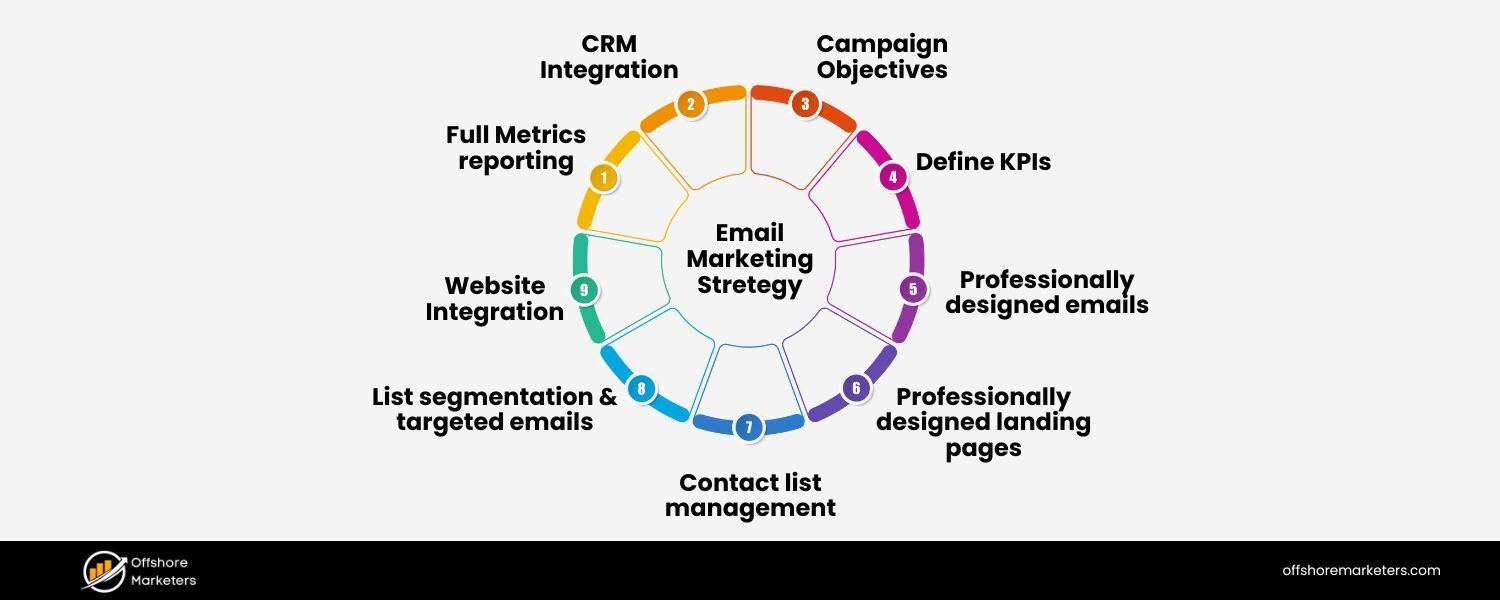
Despite being one of the oldest digital tactics, email marketing remains incredibly effective for engaging prospects and customers. In fact, many marketers cite email as their highest ROI channel.
It’s not hard to see why: for every $1 spent on email marketing, businesses see an average $36 return – a whopping 3600% ROI. With stats like that, email truly deserves a prime spot in your marketing tactics.
The strength of email lies in permission-based access to your audience’s inbox. These are people who opted in to hear from you – a warm and receptive crowd. To capitalize on it, use email campaigns to nurture relationships and drive actions.
For example, a common tactic is setting up an automated welcome email series for new subscribers or customers: the first email might thank them for joining and offer a special discount, subsequent emails can share helpful content or top products. This nurtures new leads and gently guides them toward a purchase.
Personalization is key in email marketing. Gone are the days of one-size-fits-all email blasts. Today, effective email tactics involve segmenting your list and tailoring content to each segment’s interests or behaviors.
If you personalize emails to reflect what a subscriber has browsed or bought before, you’ll see much higher engagement. (Consumers appreciate this – 80% are more likely to purchase from brands that offer personalized experiences.)
Simple personalizations like using the recipient’s first name in the subject line, or recommending products based on past purchases, can boost open and click-through rates.
Another tactic is to employ triggered emails that go out based on user actions. For instance, the classic abandoned cart email – when someone adds items to their online cart but doesn’t complete purchase, an automated follow-up email can remind them (perhaps with an extra incentive).
These are incredibly effective at recovering otherwise lost sales. Similarly, re-engagement emails can win back customers who haven’t interacted in a while (e.g. “We miss you – here’s 20% off your next order!”).
To keep your email list healthy and responsive, make sure every email provides clear value. This could be exclusive discounts, useful tips, how-to guides, or early access to new products – something that makes subscribers happy they opened your message.
And always include a compelling call-to-action (CTA) in each email, guiding the reader on what to do next (shop a sale, read an article, register for a webinar, etc.). With thoughtful segmentation, timely automation, and valuable content, email marketing will not only drive direct sales but also strengthen customer loyalty over the long term.
Paid Advertising Tactics: Instant Visibility with Targeted Ads

While organic tactics like SEO, content, and social media are vital, they often take time to yield results. Paid advertising tactics, on the other hand, can generate traffic and leads almost instantly – as long as you have a strategic approach.
The idea is simple: you invest in ads on platforms where your audience spends time (Google, Facebook, Instagram, YouTube, LinkedIn, etc.) to quickly reach thousands of potential customers.
One popular paid tactic is PPC (pay-per-click) search ads via Google Ads. You bid on keywords relevant to your business so that your ad appears atop search results. This can be extremely effective for targeting high-intent searches.
For example, a local dentist might bid on “emergency dentist near me” to ensure their clinic shows up when someone urgently needs a dentist. Paid search ads also enjoy broad reach – roughly 63% of people have clicked on Google search ads at some point.
Crucially, those clicks often come from people ready to act; as noted earlier, an ad-clicker is significantly more likely to make a purchase. Ensuring your ad copy is compelling and your landing page is relevant will maximize conversions from this tactic.
Social media advertising is another paid avenue that can yield great ROI. Platforms like Facebook and Instagram let you target users by demographics, interests, behaviors, and more.
This means you can pinpoint exactly who sees your ads – say, women aged 25-40 in urban areas who are interested in fitness and healthy eating, if you sell workout gear. Social ads are highly visual and can be optimized for objectives like brand awareness, website traffic, or direct sales.
A well-targeted Facebook/Instagram ad with an eye-catching image or video can stop the scroll and draw users to your offer. And thanks to advanced algorithms, these platforms often optimize delivery to show ads to those most likely to convert, improving your results over time.
On the B2B side, LinkedIn ads allow targeting by job title, industry, or company size, which is invaluable for reaching decision-makers.
YouTube ads (video pre-rolls or display ads) can tap into the massive video consumption audience – for instance, a quick how-to video ad demonstrating your product can capture interest before the viewer’s chosen video plays.
Additionally, display advertising across websites can be used for retargeting (showing ads to people who visited your site but didn’t convert, to bring them back – those “reminder” ads that seem to follow you around).
The key with paid tactics is to monitor and optimize. Because you’re spending money, you want to constantly track performance metrics like click-through rate (CTR), conversion rate, and cost per conversion.
Run A/B tests on your ad copy, creatives, or targeting to improve results. Pause what isn’t working and scale up what is. When done right, paid ads can have a healthy ROI – for example, Google reports an average 200% ROI on its ad platform (i.e. $2 revenue for every $1 spent), and many businesses see even higher returns.
Paid marketing tactics, used in conjunction with strong organic efforts, ensure you have a full-funnel approach – capturing immediate opportunities while your organic strategies build momentum.
Customer Retention & Loyalty Tactics: Maximizing Lifetime Value
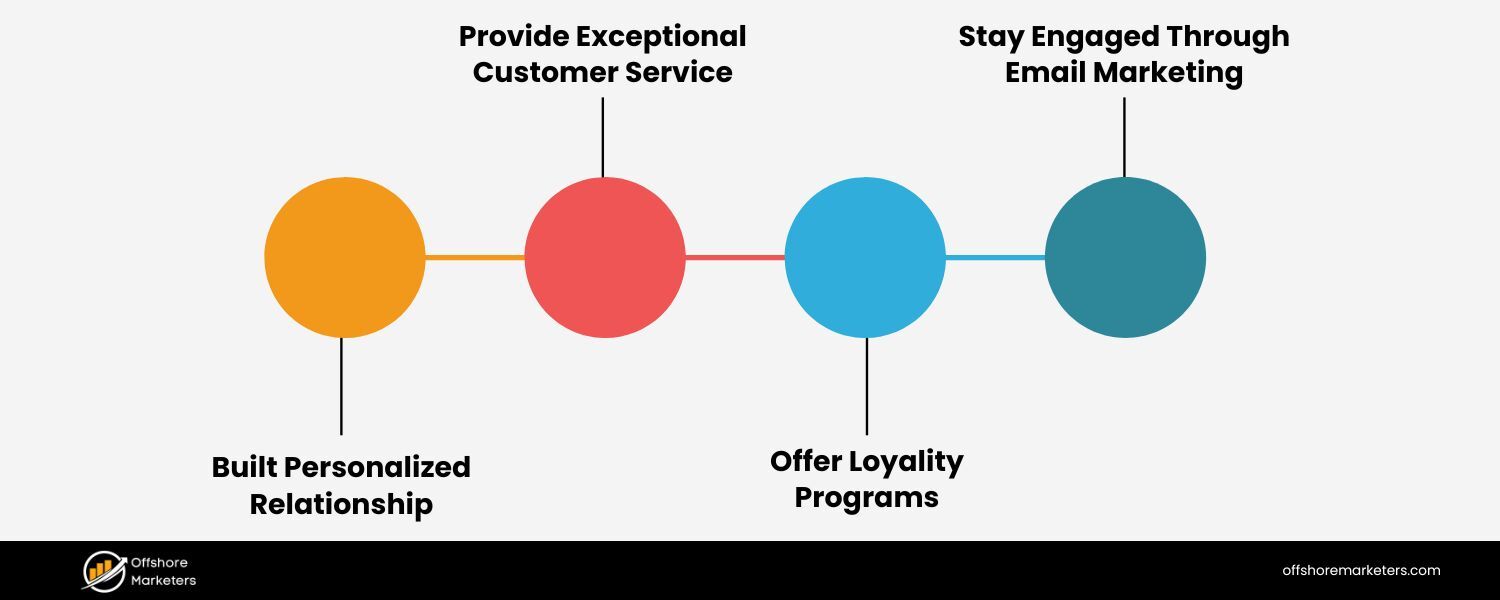
Many marketers focus heavily on customer acquisition tactics, but what about retaining and maximizing value from the customers you already have? Customer retention and loyalty tactics are arguably just as important as finding new customers – if not more so.
Remember, a happy, loyal customer is likely to buy again (increasing their lifetime value) and even refer others to you. In fact, research shows that increasing customer retention by 5% can boost profits by anywhere from 25% to 95%. That’s a huge impact on the bottom line that you can’t ignore.
So, how can you tactically improve retention? Start by ensuring you deliver excellent customer experiences at every touchpoint (product quality, customer service, user experience). Beyond that baseline, implement programs that reward loyalty.
For example, a loyalty rewards program gives repeat customers perks like points redeemable for discounts, free gifts after a certain number of purchases, or access to exclusive products/events.
These incentives make customers feel valued and give them reasons to stick with your brand. Similarly, consider an email newsletter or SMS club that shares insider updates or special offers with your best customers first – making them feel like VIPs.
Another powerful retention tactic is personalized follow-ups. Post-purchase, send a thank-you email with tips for using the product, or check in after a service is rendered to ask if everything met expectations.
Personal touches show that you care beyond just making the sale. If something went wrong, proactive outreach can turn a dissatisfied customer into a loyal one by resolving their issue thoughtfully.
Also, don’t underestimate the goodwill generated by occasional surprise delights – like sending a loyal customer a free upgrade or a handwritten thank-you note. Small gestures can create emotional bonds with your brand.
Loyal customers can also become your brand advocates, fueling the almighty word-of-mouth marketing. Encourage satisfied customers to refer friends and family – perhaps through a referral program (e.g. “Give $10, get $10” credits for each referral).
Since people trust recommendations from those they know, referrals are gold. According to Nielsen, a whopping 92% of consumers trust recommendations from friends and family over any form of advertising.
You can’t buy that level of trust with ads – but you can foster it by motivating and making it easy for customers to spread the word.
In addition, actively collect and showcase customer testimonials and reviews. Positive reviews not only influence new customers, they reinforce to existing customers why they chose you.
Responding to reviews (both good and bad) is also important – it signals that you listen and care, which strengthens loyalty.
Finally, consider implementing a customer feedback loop. Solicit feedback via surveys or feedback forms and, crucially, act on it. When customers see their suggestions being implemented or hear back from you addressing their feedback, it deepens their connection and loyalty.
The overarching theme is to treat your customers like long-term partners, not one-off transactions. By investing in retention tactics, you cultivate a base of loyal supporters who provide repeat business and enthusiastic referrals – fueling sustainable growth.
Psychological Marketing Tactics: Leveraging Human Behavior
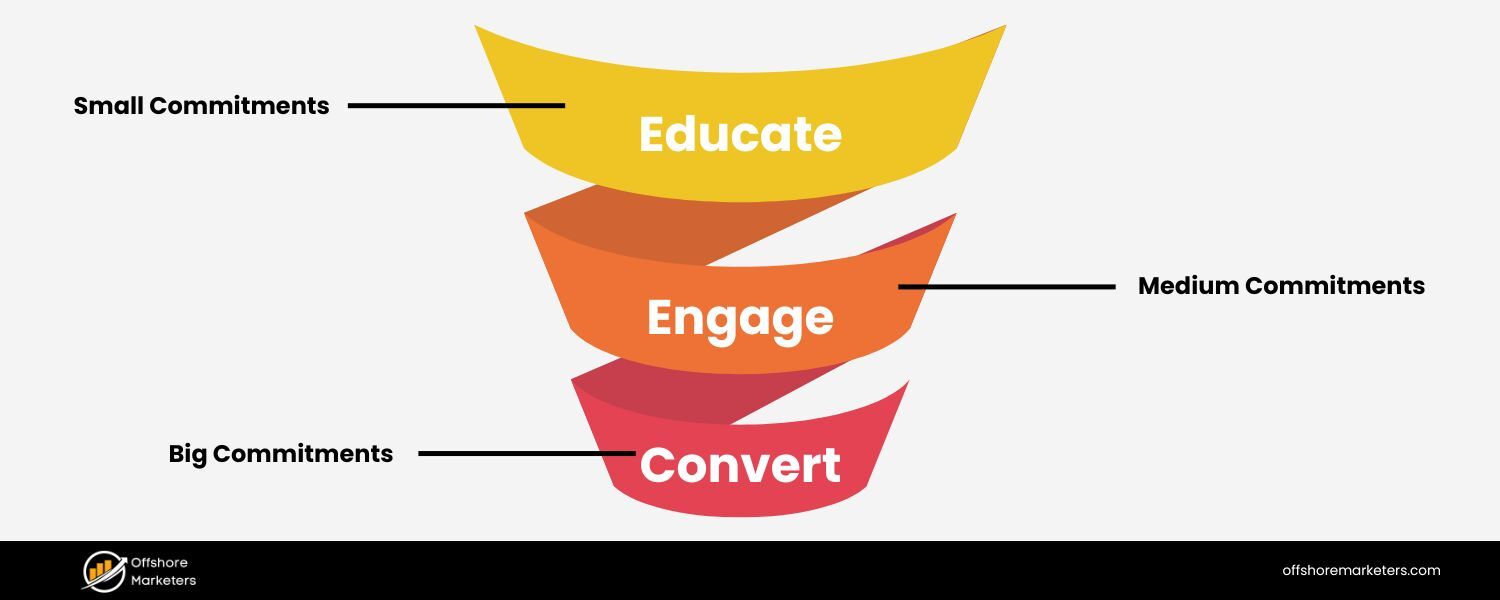
Marketing is as much about psychology as it is about strategy. Psychological marketing tactics tap into innate human behaviors and biases to encourage consumers to take action. When used ethically, these tactics can significantly boost your marketing effectiveness. Let’s look at a few powerful principles:
1. Scarcity & Urgency
People tend to want things more when they are scarce or time-limited. Phrases like “Only 3 left in stock!” or “Sale ends tonight!” leverage the fear of missing out. This isn’t just anecdotal – 60% of people make purchases because of FOMO (Fear of Missing Out), often within 24 hours of feeling it.
Creating a (genuine) sense of urgency or limited availability can prompt quicker decision-making. Flash sales, limited-edition products, or countdown timers on checkout pages are tactics that play on this principle. Just be sure to use it honestly; false scarcity can backfire once customers catch on.
2. Social Proof
We’re social creatures, and we look to others when making decisions. Social proof is all about showing that other people choose your brand, so it must be good.
Tactics here include displaying customer testimonials, star ratings, reviews, or trust badges (“#1 bestseller” or “Thousands of happy customers”).
Seeing that 70% of people trust online consumer reviews or that a product is highly rated gives new buyers more confidence to proceed.
Even signals like user counts (“Join 50,000 subscribers”) or client logos can serve as social proof. The underlying psychology: if others have vetted and like your product, it lowers the perceived risk for me as a buyer.
3. Reciprocity
This principle from social psychology means that when someone gives us something, we feel a subtle obligation to return the favor. Marketers use reciprocity by offering value before asking for a sale.
For instance, giving away a free ebook, a helpful consultation, or a free sample can build goodwill. The customer gets value and subsequently feels more inclined to support your business.
A classic example is the free trial – users try your service free for 14 days; by providing that upfront value, they’re more open to becoming paying customers afterward.
Similarly, content marketing (as discussed) ties in here: by freely sharing valuable information, you earn the audience’s trust and a bit of that psychological indebtedness that makes them more likely to choose your product later.
4. Anchoring
This is a pricing tactic where an initial reference point influences perceptions of subsequent prices. For example, if you show an original price of $100 slashed down to $70, the $100 acts as an anchor that makes $70 seem like a great deal in contrast.
You can use anchoring in service packages (highlight a “Premium” option first, so the mid-tier looks more reasonable) or in sales (show the “compare at” price next to your sale price). It’s a subtle nudge that can increase the likelihood of purchase by framing the value.
5. Authority
People are influenced by perceived experts or authorities. Tactics leveraging authority include featuring endorsements from industry experts, displaying credentials or awards, or citing data and research (like we’re doing throughout this blog!).
For example, a skincare brand might highlight that their formula was developed by dermatologists or that “Winner of the 2024 Beauty Innovation Award” badge on their site – cues that experts vouch for their product. This helps assure customers they’re making a sound choice.
Using psychological tactics requires understanding your audience’s triggers and motivations. When done right, these techniques can dramatically improve conversion rates and engagement.
A word of caution: ethics and authenticity matter here. Consumers are savvy; manipulative or dishonest use of psychology (like fake “only 1 left!” messages or deceptive pricing) can erode trust quickly.
Always aim to use these principles to genuinely help and guide the customer’s decision in a truthful way. When combined with great products and customer service, psychological tactics can enhance your marketing effectiveness by aligning with natural human behavior.
Data-Driven Personalization & AI: Tailoring Tactics for Maximum Impact
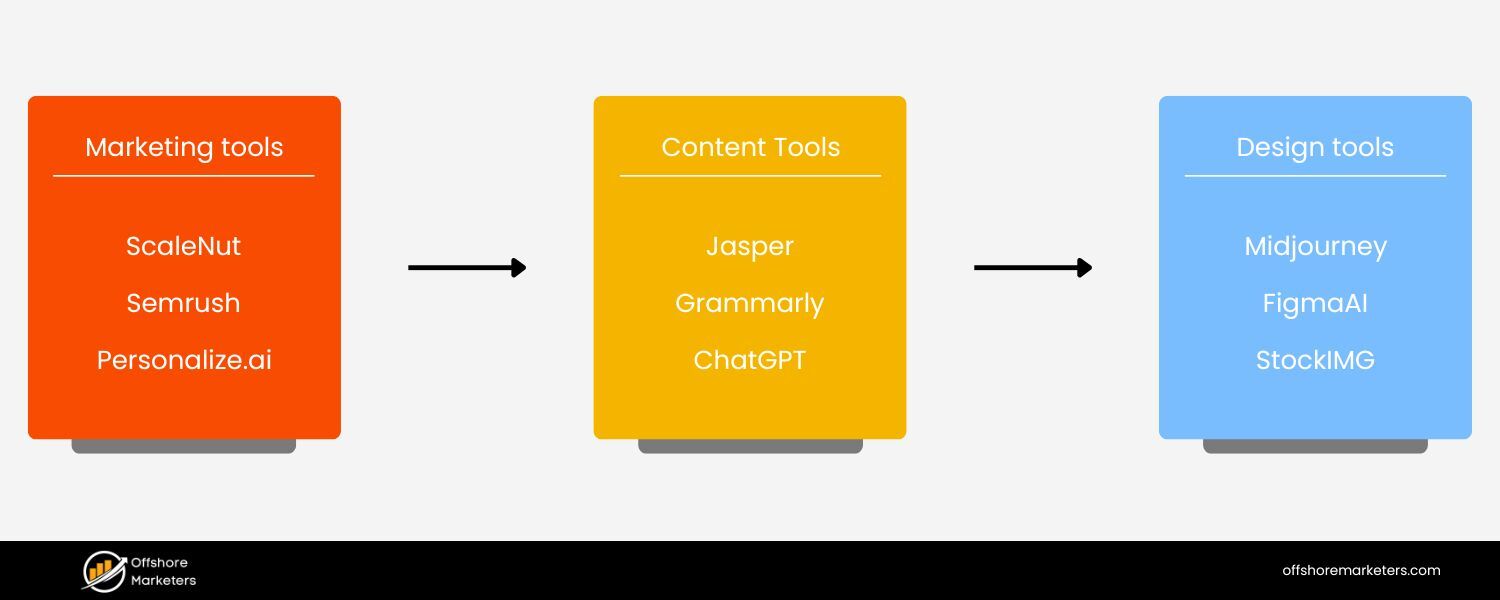
In the era of big data and AI, one-size-fits-all marketing is fading away. The most savvy companies deploy data-driven personalization as a tactic to resonate deeply with customers.
The concept is simple: use the data you have about customer preferences and behaviors to tailor your marketing messages, offers, and experiences to each individual.
The impact can be game-changing – studies show 80% of consumers are more likely to purchase from a company that offers personalized experiences. People appreciate marketing that “gets” them, and they reward it with loyalty and purchases.
So how can you put personalization into practice? It spans across channels. We discussed personalized emails and segmented campaigns earlier. Extend that approach to your website experience too.
For instance, you can show different homepage content based on a visitor’s past behavior (if they browsed a certain category, highlight those products next time). E-commerce sites often use personalization by recommending products “You might also like” or “Related to your interests,” which are powered by algorithms analyzing user behavior.
These tailored suggestions can significantly boost upsells and cross-sells – Amazon famously attributes a large portion of its sales to its recommendation engine.
Marketing automation tools and customer data platforms (CDPs) make personalization more accessible, even for smaller businesses. They can consolidate data from various touchpoints (website visits, email interactions, purchase history, etc.) to create a 360-degree view of each customer.
With that, you can trigger personalized messages at the right time – maybe a follow-up email with product recommendations the day after a customer browses certain items, or a birthday discount tailored to a customer’s favorite category. This level of relevance makes your marketing feel like a service rather than spam.
Artificial Intelligence (AI) is supercharging personalization and other marketing tactics as well. AI can analyze vast datasets to find patterns and predict customer behavior more accurately than humans.
Chatbots are a common AI-driven tactic: deploying a chatbot on your website or Facebook page can provide instant, personalized responses to customer queries 24/7, guiding them toward purchases or assisting with issues.
AI can also optimize ad targeting, content creation (like suggesting subject lines or social media captions), and even website design (through A/B testing suggestions).
Interestingly, over 86% of marketers have started integrating AI into their campaigns, indicating how mainstream this tactic is becoming.
Another data-driven tactic is A/B testing everything you can – subject lines, ad creatives, landing page layouts, call-to-action buttons. Let your customers’ actual behavior data tell you what works best.
Sometimes a small tweak (like changing a button text from “Sign Up” to “Get Started Now”) can lift conversion rates appreciably. Continual testing and iteration ensure your tactics keep improving over time, rooted in real performance data rather than guesswork.
At its core, data-driven marketing is about listening to your customer – their actions are telling you their interests and pain points.
By harnessing that information, you can craft experiences that feel hand-picked for them. This not only boosts immediate results (higher engagement and conversion), but also fosters stronger customer relationships.
People feel more connected to brands that anticipate their needs and communicate in a personally relevant way. As privacy regulations evolve, be transparent and respectful with data use – customers are willing to share data for personalization, as long as it’s handled responsibly and benefits them.
Done right, personalization and data-driven tactics can significantly amplify the effectiveness of all the marketing strategies we’ve discussed in this blog.
Conclusion: Putting It All Together for Marketing Success
We’ve covered a wide spectrum of marketing tactics – from content creation and SEO to social engagement, paid ads, customer loyalty, psychology, and personalization. It’s clear that no single tactic is a magic bullet.
The most successful marketing plans combine multiple tactics in harmony, all guided by a coherent strategy. As an expert with 25 years in marketing, my advice is to choose your tactics wisely based on your business goals, target audience, and resources.
Start by auditing what you’re currently doing and identify gaps. Perhaps you have great content but haven’t dabbled in influencer partnerships, or you’re running ads but not yet exploiting the free reach of SEO.
Use the insights from competitor analysis too – if high-ranking competitors are all doing something (e.g. offering a loyalty program or active on a certain social platform), those are clues to tactics you might need to adopt or improve upon.
Your aim should be to cover the tactics that matter in your industry more thoroughly and creatively than your competition. That’s how you outshine them.
Remember that execution and consistency are everything. A brilliant tactic planned is worth little until it’s implemented well. So pick a few high-impact tactics from this list and put them into action.
Track your results diligently (use those analytics!) and be ready to tweak your approach. Marketing is dynamic – consumer preferences, channels, and technologies evolve – which is why staying informed and adaptable is key. The good news is you now have a roadmap of proven tactics that work in today’s landscape.
Ready to elevate your marketing? Take the next step by applying these tactics to your own business strategy. Whether it’s revamping your content calendar, launching a targeted ad campaign, or personalizing your customer outreach, move from ideas to action.
If you feel overwhelmed, focus on one area at a time and build up. And don’t hesitate to celebrate small wins along the way – each improvement in engagement or conversion is a sign that your tactics are clicking.
In the end, effective marketing tactics are about connecting with your customers in meaningful ways. It’s about being where they are, with the message they need, when they need it.
By following the guidance in this comprehensive playbook, you can boost your business growth and craft a marketing engine that not only attracts new customers but also keeps them coming back. Now go forth and make some marketing magic happen!
.png)
Shopify SEO: Guide to Ranking Your Store and Driving Sales
Most Shopify store owners set up their store, list their...
Content Marketing : Definitive Guide to Strategy, Content Types, and Measurable ROI
Content marketing generates 3x more leads than outbound marketing at...
Above the Fold: Guide to Conversions, Rankings and Faster Pages
Above the Fold in 2026: The Complete Guide to Conversions,...

Off-Page SEO Checklist: Guide to Building Real Authority
Most websites spend months creating great content, only to wonder...
What Is Keyword Bidding? The Complete Strategy Guide for Smarter Ad Spend
Most advertisers believe the highest bid wins the auction. It...
What Is Google Trends? The 2026 Marketer’s Complete Guide
If you are not already pulling weekly insights from Google...
If you want a growth partner who will get to know every aspect of your business and treat your budget like their own — we are the right fit.
.png)


.png)
.png)
.png)
.png)
.png)
.png)
2026 ALL RIGHTS RESERVED MADE IN INDIA
