
E-Commerce Content Strategy
August 20, 2025
Introduction
 As a marketing expert with over 25 years in the industry, I’ve witnessed one truth time and again: the right content strategy can make or break an e-commerce business. In today’s crowded online marketplace, content is no longer optional – it’s the cornerstone of customer engagement, trust, and conversion.
If you’re looking to elevate your online store’s presence, you’re in the right place. This guide will show you how to:
1. Build a rock-solid content strategy – from understanding your audience to planning an editorial calendar – so you always deliver the right message at the right time.
2. Leverage high-impact content formats (blogs, videos, social media, and more) and emerging trends like user-generated content and AR to captivate shoppers and outshine competitors.
3. Optimize and distribute content across SEO, email, and social channels to attract organic traffic, nurture customer loyalty, and ultimately boost your online sales.
What Is Content Strategy for E-Commerce (and Why It Matters)?
Content marketing is a strategic approach focused on creating and distributing valuable, relevant content to attract and retain a target audience, with the ultimate goal of driving customer action.
In the e-commerce context, an e-commerce content strategy means having a game plan for consistently producing the content your ideal customers seek – and using it to guide them from discovery to purchase. Rather than random posts or product descriptions, it’s an intentional mix of content (blog articles, videos, product guides, social media posts, etc.) tailored to your audience’s interests and buyer journey stages.
Why is this so critical for online stores today? Consumers have more options (and higher expectations) than ever. Before buying, they research products, compare brands, and look for authentic information.
E-commerce businesses that provide that information through quality content build trust and authority, making shoppers more likely to buy from them. In fact, content marketing is considered one of the top three marketing channels for ROI in B2C e-commerce (alongside email and paid social media).
High-value content improves your SEO (helping your site rank higher on Google), educates customers, and differentiates your brand in a crowded market.
Benefits of a strong e-commerce content strategy include:
1. Increased organic traffic: Useful, SEO-optimized content (like blog posts targeting popular questions) helps your site rank and draws more potential customers to your store.
2. Enhanced brand authority and trust: By publishing informative content (how-tos, buying guides, industry tips), you position your brand as an expert. This credibility makes shoppers more confident choosing you over competitors.
3. Better customer engagement: Engaging formats such as videos, interactive quizzes, and social media content keep your audience interested and encourage them to interact with your brand (comments, shares, etc.). An engaged audience is more likely to convert and become loyal.
4. Higher conversion rates: Content that addresses customer pain points and answers their questions naturally guides them toward purchase. For example, a detailed product comparison or a how-to demo can be the final nudge someone needs to buy – resulting in more conversions from your traffic.
5. Customer loyalty and retention: Consistently providing value through content (like email newsletters, tutorials, or inspirational stories) keeps your brand on customers’ minds after their first purchase. This ongoing relationship encourages repeat sales and turns one-time buyers into lifetime customers.
6. Cost-effective marketing: Compared to aggressive paid advertising, content marketing often delivers compounding returns. A blog post or video can attract visitors for months or years after it’s published. Especially when repurposed across channels, content gives a high ROI over time.
It’s clear that great content yields great results – but it’s also become a competitive necessity. With online ads becoming more expensive and less effective (thanks in part to privacy changes like Apple’s iOS updates), content is the “main ingredient” behind successful e-commerce growth today. Brands that invest in content are reaping the rewards.
For example, the watch brand MVMT leveraged social media storytelling and user-generated posts to grow from zero to $90 million in five years, amassing over 1.5 million loyal customers in the process. Their e-commerce content strategy built a lifestyle around their products (“style shouldn’t break the bank”) and attracted a massive community that advertising alone could never buy.
Bottom line: If you want to attract, engage, and convert modern consumers, you need a robust e-commerce content strategy. Let’s break down how to build one that sets your store up for long-term success.
Laying the Foundation: Audience Research and Planning
Every successful content strategy begins with research and planning. Think of this as building the foundation of a house – it ensures everything you create later is stable and on-target. Here’s how to lay the groundwork for your e-commerce content strategy:
1. Know Your Target Audience (Deeply)
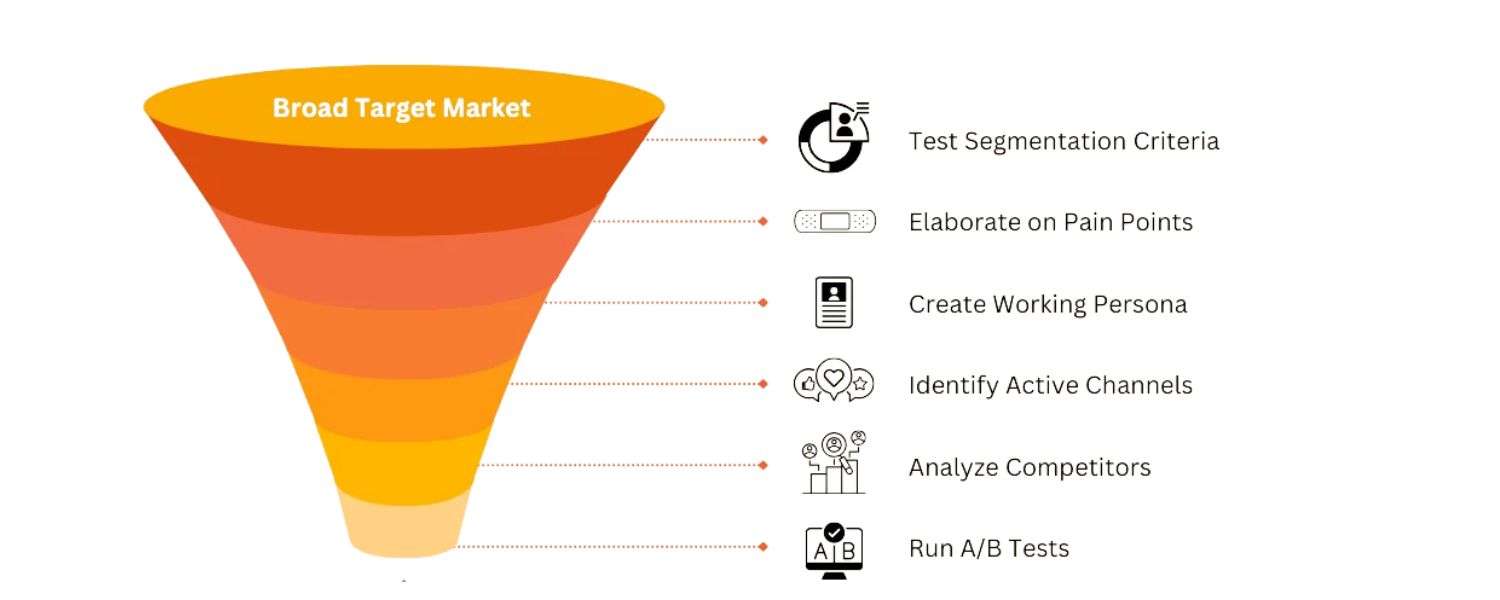
Start by understanding who your customers are, what they care about, and what problems or desires drive them. If you haven’t already, develop detailed buyer personas that capture your ideal customers’ demographics, interests, and shopping behaviors.
Put yourself in their shoes: What questions do they ask before buying? What information would help them trust a brand like yours? Use any data you have – past customer inquiries, reviews, social media comments, search queries – to map out common pain points and FAQs.
For instance, if you sell organic skincare, your audience might be asking “How do I treat eczema naturally?” or “What’s the difference between serum and moisturizer?” These questions are gold for guiding your content topics and refining your e-commerce content strategy.
2. Research Your Competitors and Content Gaps
Look at other brands in your niche: what kind of content are they publishing, and how is the audience responding? Analyzing competitors can reveal opportunities for you to stand out.
You might find topics they haven’t covered in depth, or content formats they’re neglecting (for example, maybe they have a blog but no videos or infographics). Identify the gaps – areas where customers’ needs aren’t fully met by existing content – and plan to fill them with something better or different.
This competitive insight can tell you which content ideas are gaining traction in your industry and spark inspiration for your e-commerce content strategy.
3. Perform Keyword Research

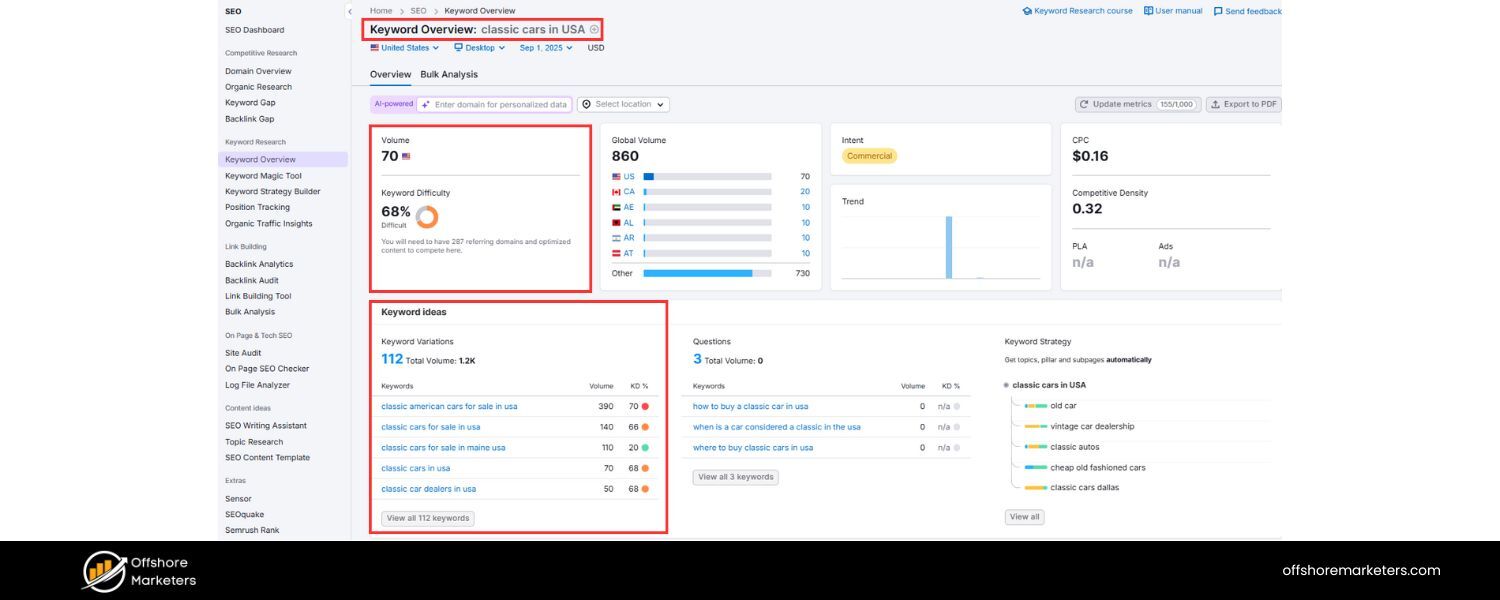
For e-commerce, SEO and content strategy go hand in hand. Use keyword research tools (like Google Keyword Planner, Semrush, or Ahrefs) to discover what terms people search for related to your products or niche.
Focus on a mix of short-tail keywords (e.g., “running shoes”) and long-tail keywords (e.g., “best running shoes for flat feet”) that indicate various stages of buyer intent. Long-tail queries, often posed as questions or very specific needs, make excellent blog post titles or FAQ entries.
Look for keywords with solid search volume but moderate competition – these represent topics where quality content can easily rank. A strategic e-commerce content strategy requires targeting the right mix of keywords to ensure content visibility and organic growth.
Also, pay attention to search intent: is the query informational (seeking an answer/guide) or transactional (ready to buy)? This will guide the format of content you create for it (a how-to article versus a product page optimization). A strategic approach here sets you up to capture valuable organic traffic.
4. Set Clear Goals and KPIs
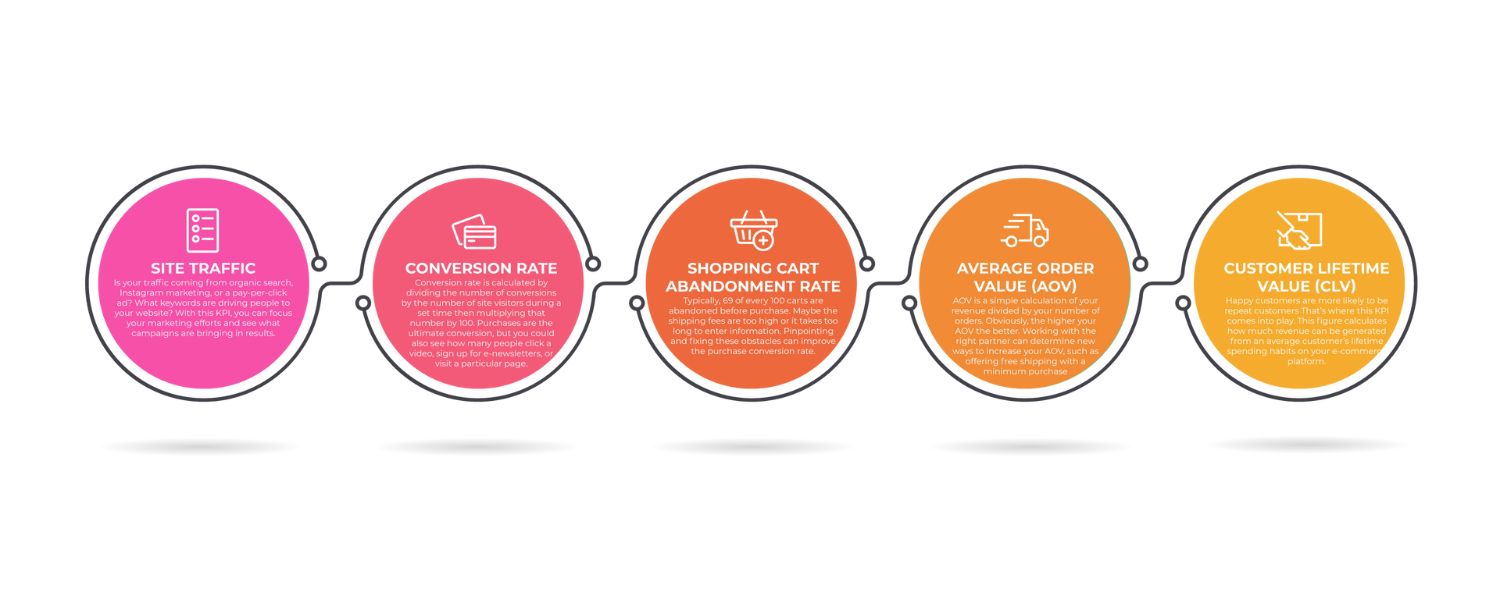
What do you want your content to achieve? Avoid creating content for its own sake – every piece should serve a purpose in your business objectives.
Common goals for e-commerce content strategy include: increasing website traffic, improving search rankings for key terms, generating email sign-ups, boosting product page conversions, or driving more repeat purchases. Prioritize your goals and attach Key Performance Indicators (KPIs) to them.
For example, if your goal is brand awareness, track metrics like organic traffic and social shares; if it’s conversion, track click-through rates and sales attributed to content (e.g., how many people read a blog then purchased).
Many marketers ultimately measure content success by its impact on sales and revenue, but don’t overlook interim metrics like engagement time or lead generation which signal if you’re on the right track. By defining goals upfront, you can tailor your e-commerce content strategy to meet them and later assess what’s working.
5. Create a Content Plan and Calendar
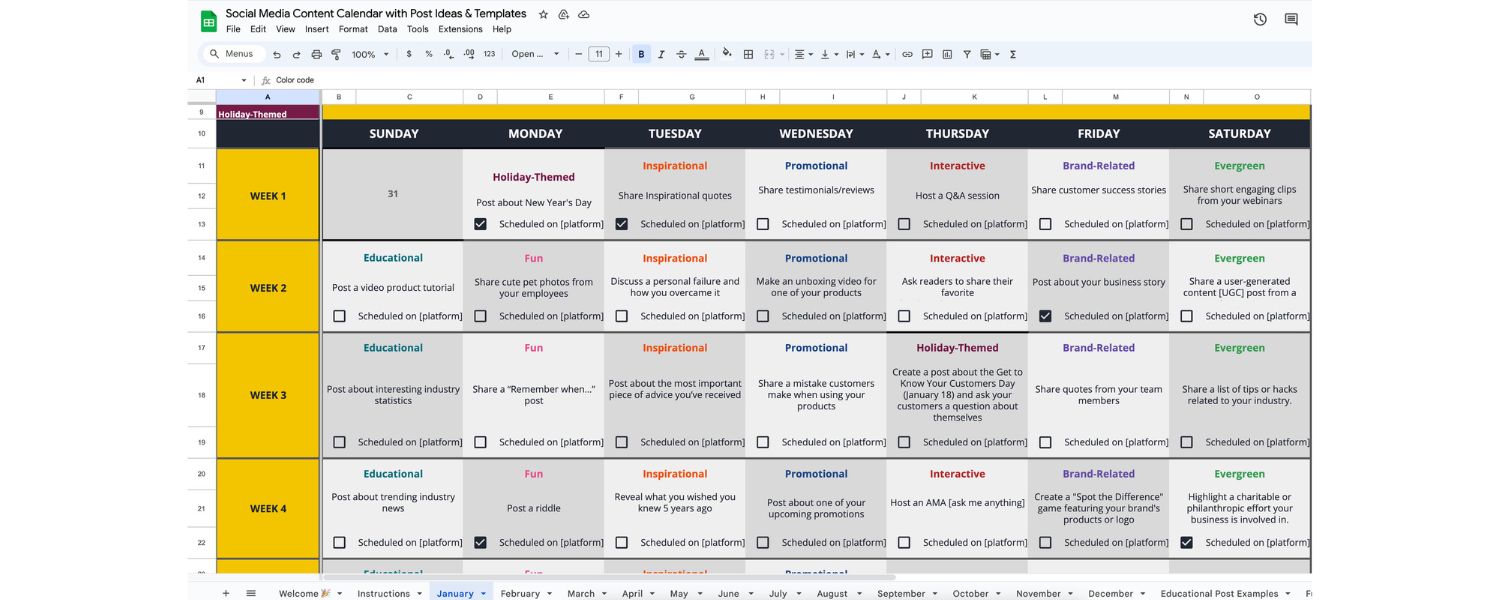
Now, start planning out what content to create, and when. Brainstorm topics based on your audience insights and keyword research – aim to cover the full funnel: early-stage informative topics, mid-stage comparison or inspiration content, and purchase-driven content.
For example, an online apparel store might plan content from “Summer Fashion Trends 2025” (top-of-funnel blog) to “How to Style Our Signature Jacket” (mid-funnel video or guide) to “Customer Spotlight: How Jane Fell in Love with Our Jacket” (bottom-funnel testimonial story).
Organize these ideas into an editorial calendar, scheduling out a consistent cadence (e.g., 2 blog posts per week, 1 email newsletter biweekly, etc.). Consistency is key – businesses that publish content regularly tend to see better results than sporadic efforts.
An editorial calendar also helps you balance content types and ensure you’re not neglecting any segment of your audience. Remember to factor in seasonal events or campaigns (holidays, product launches) so your content aligns with marketing promotions when relevant. Planning ahead keeps you from scrambling for ideas at the last minute and allows time to produce higher-quality content.
Investing effort in these planning steps pays off. According to recent data, 47% of businesses conduct audience research as part of their content strategy, and a majority emphasize improving content quality and relevance to achieve success. In short, know your audience and have a plan – you’ll be well on your way to content that resonates and delivers results through your e-commerce content strategy.
Core Content Types and Formats That Drive Engagement
With your foundation in place, let’s dive into the meat of your content strategy: the types of content that will engage your audience and showcase your products.
A successful e-commerce content strategy includes a variety of content formats, each serving a different purpose. Here are the core content types you should consider and tips for making them effective:
1. On-Site Website Content (Product Pages & FAQs)
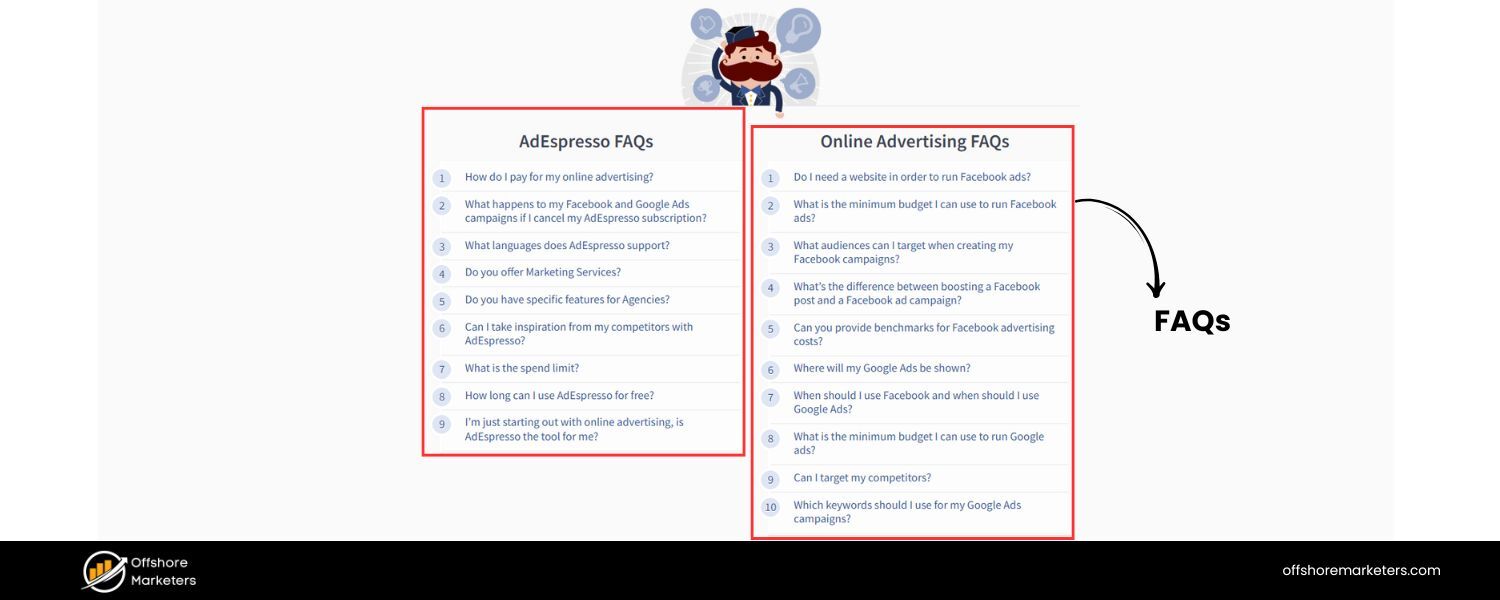
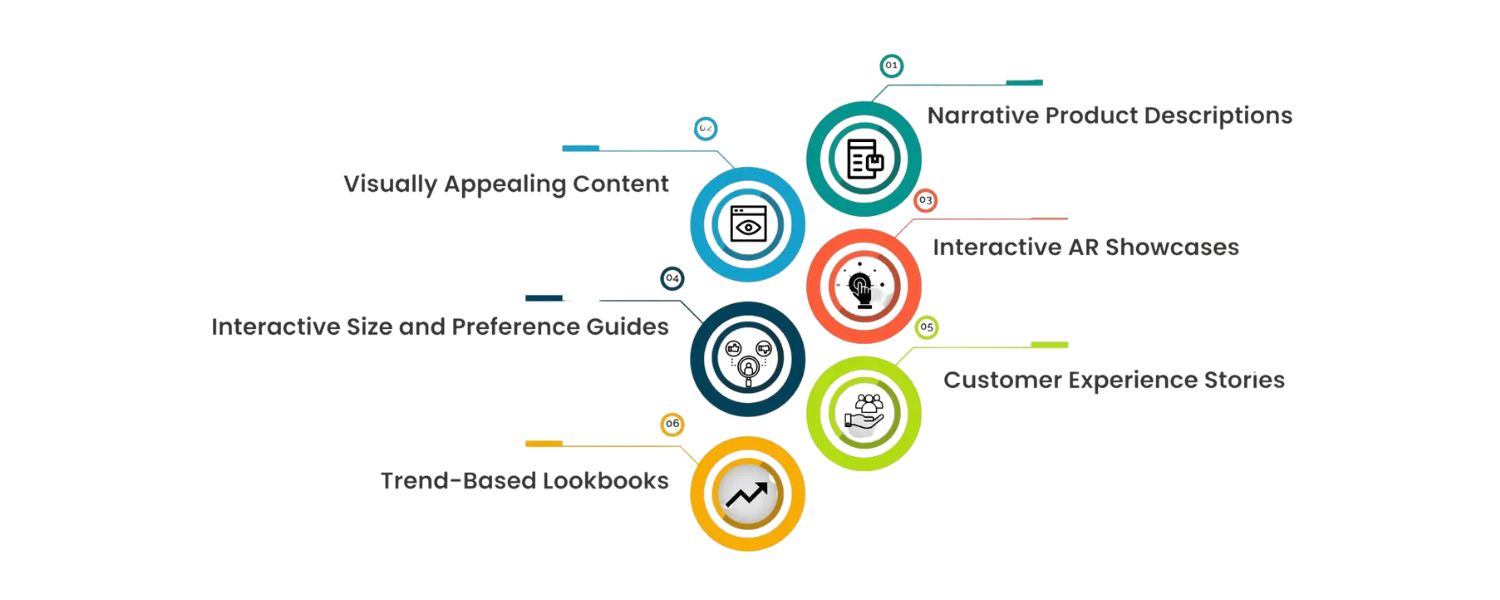
Don’t overlook the content on your own website – especially product descriptions, category pages, and FAQ pages. These are often the last stop before a purchase, so the content must be persuasive and helpful.
Go beyond basic specs: tell the story behind the product, highlight its benefits and unique features, and address common questions right on the page. Include details on materials, sizing, usage instructions, and even mini customer testimonials or ratings.
Rich product content not only improves conversion rates but also boosts SEO by incorporating relevant keywords and information shoppers search for. For instance, mattress retailer Nectar includes extensive descriptions, technology details, FAQs, and videos on its product pages to answer every possible customer query.
A well-crafted FAQ section is another powerful asset – it helps overcome objections by providing transparent answers about shipping, returns, sizing, guarantees, etc., building trust with hesitant buyers. (If you notice the same questions popping up from customers, add them to your FAQ page – it’s a proven way to reduce purchase anxiety and can even save your support team time.)
2. Blog Posts & Educational Articles
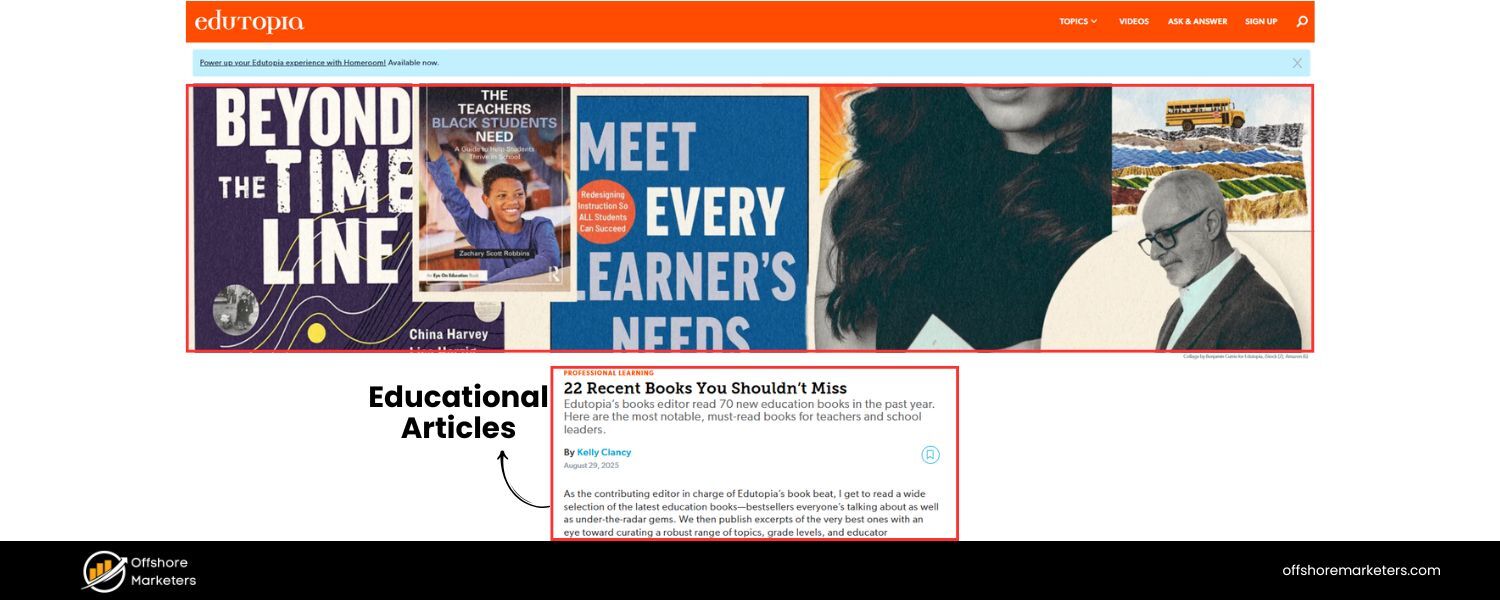
Company blogs are the engine of many content strategies – and for good reason. A blog lets you regularly publish fresh, relevant content that attracts new visitors via search and social sharing, making it an essential part of your e-commerce content strategy.
Use your blog to tell stories and educate. Great blog content for e-commerce includes how-to guides, tips and tricks, industry news, trend roundups, and behind-the-brand stories. The key is to make it valuable to the reader rather than a sales pitch.
For example, outdoor gear brand YETI runs a blog featuring captivating stories about adventurers and outdoor lifestyle tips (not just product plugs), which emotionally connects their audience to the brand’s ethos.
Similarly, you can blog about the broader lifestyle or interests around your products – positioning your brand as more than just a store, but a community or expert resource. Storytelling is especially powerful here: share the story of your brand’s founding, your mission, customer success stories, or even challenges you’ve overcome.
Content that resonates on a human level helps foster loyalty. And of course, blogging is fantastic for SEO – each post can target specific keywords and topics, bringing in long-tail search traffic over time. (Pro tip: aim to create evergreen content that stays useful year-round, and update it periodically to keep it fresh. Evergreen posts that address perennial questions can continuously pull in traffic and leads.)
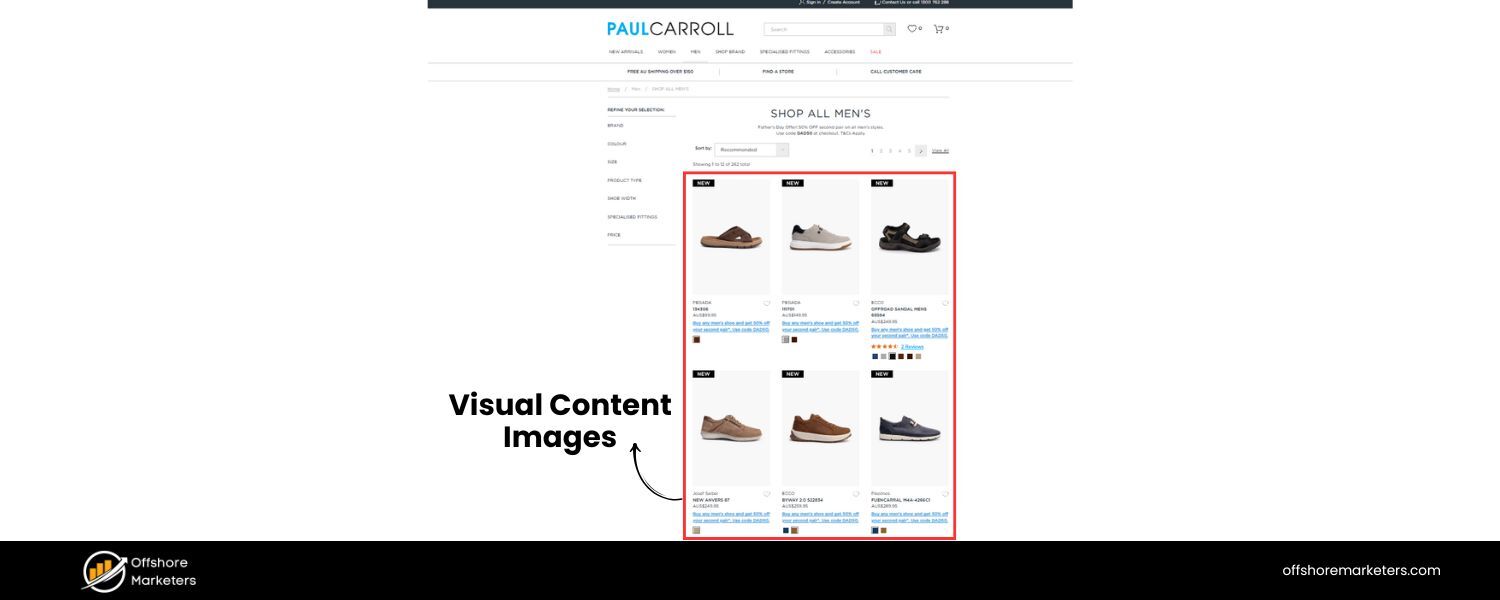
3. Visual Content: Images & Infographics
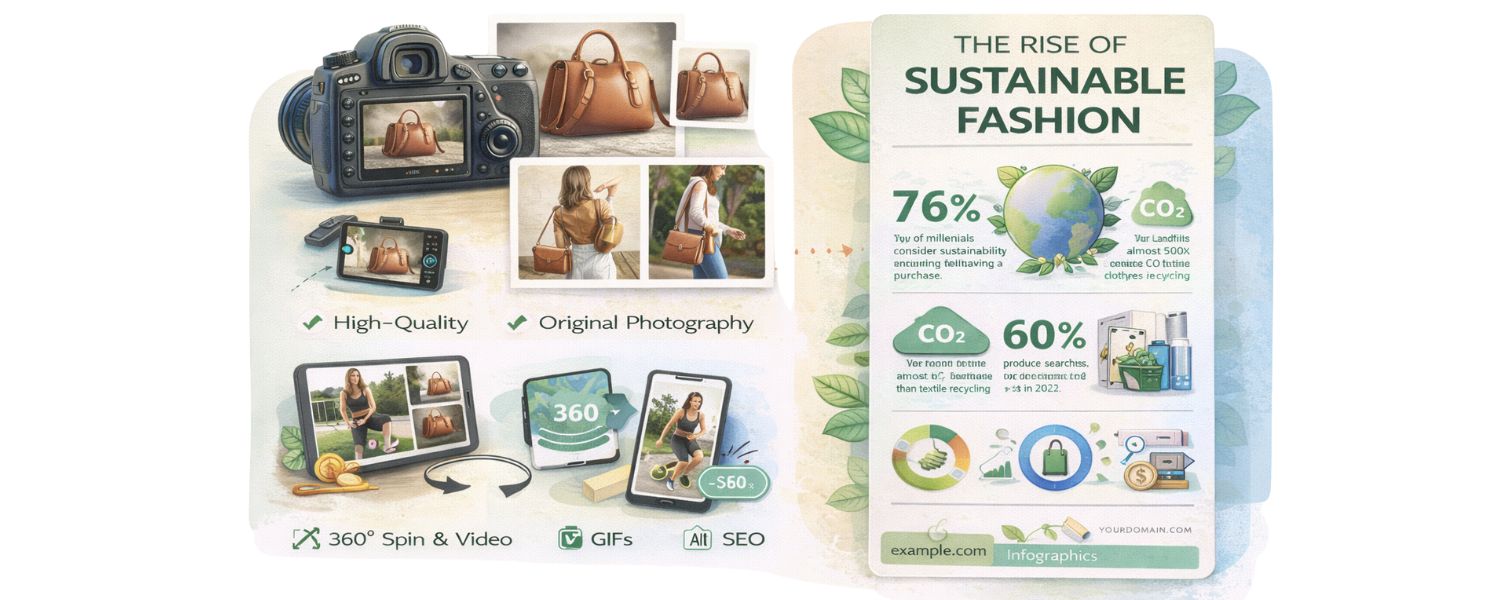
E-commerce is a visual realm – shoppers can’t touch your products online, so high-quality images are essential to convey what you’re selling. Invest in clear, attractive product photos (multiple angles, in context of use, and with zoom ability).
Where possible, use original photography rather than generic manufacturer pics – authentic images build trust. Consider adding 360° spins or short GIFs/videos to show products in action. Also, ensure images are optimized for web (fast-loading) and include descriptive alt text for accessibility and SEO.
Beyond product photos, infographics are a great content format to simplify complex information or data into a shareable visual. They can be used in blog posts or social media to draw interest.
For example, if you have interesting statistics (say, “the rise of sustainable fashion”), turn them into a slick infographic. Infographics often earn shares and backlinks, expanding your reach. On visual platforms like Pinterest, an infographic can go viral and drive traffic to your site.
Always include your logo/brand on them and a link back to your site when sharing. In short: a picture is worth a thousand words – so leverage visuals to capture attention and communicate quickly.
4. Video Content (Product Videos, Live Streams & Tutorials)
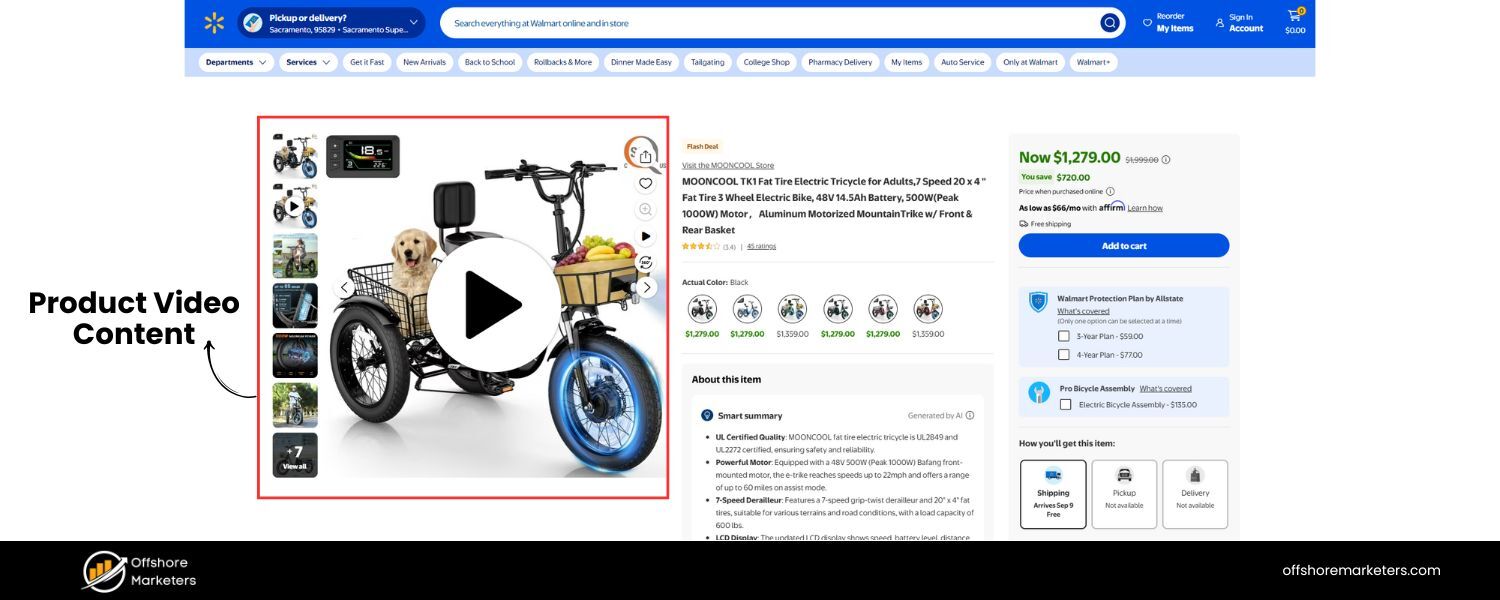
If a picture is worth a thousand words, a video might be worth a million for e-commerce. Video content has exploded in popularity – 91% of businesses use video as a marketing tool, and consumers routinely cite video as extremely helpful in making purchase decisions. This makes video an integral part of any e-commerce content strategy.Why?
Videos can bring your products and brand to life in ways text can’t. Some high-impact video content ideas include product demo videos (show how a product works or looks in real life), tutorials or how-tos (teach customers something useful, ideally using your product), unboxing videos, customer testimonial videos, and even live streams (e.g. live Q&A or a product showcase event).
Embedding videos on product pages can significantly boost conversion – having a video on a landing page can increase conversions by up to 80%, according to some studies.
Short-form videos (like Instagram Reels, TikToks, YouTube Shorts) are fantastic for social engagement and discovery, while longer-form videos (YouTube product reviews, how-to series) serve those deeper, research-oriented customers.
Also, consider leveraging live shopping streams if it fits your audience; live video commerce is an emerging trend that marries entertainment with instant shopping opportunities. No matter the format, keep videos authentic and informative – demonstrate value or solve a problem rather than just saying “buy this!”
And remember to optimize your videos: give them descriptive titles, add captions or transcripts (helpful for SEO and viewers who prefer sound-off), and include calls to action (like “Shop now” links) where appropriate.
Video content can be repurposed across your site, social media, and email, making it a high-ROI content investment. It’s worth it – about 90% of consumers say video helps them decide on a purchase, and many actively want to see more video from brands.
5. User-Generated Content & Social Proof
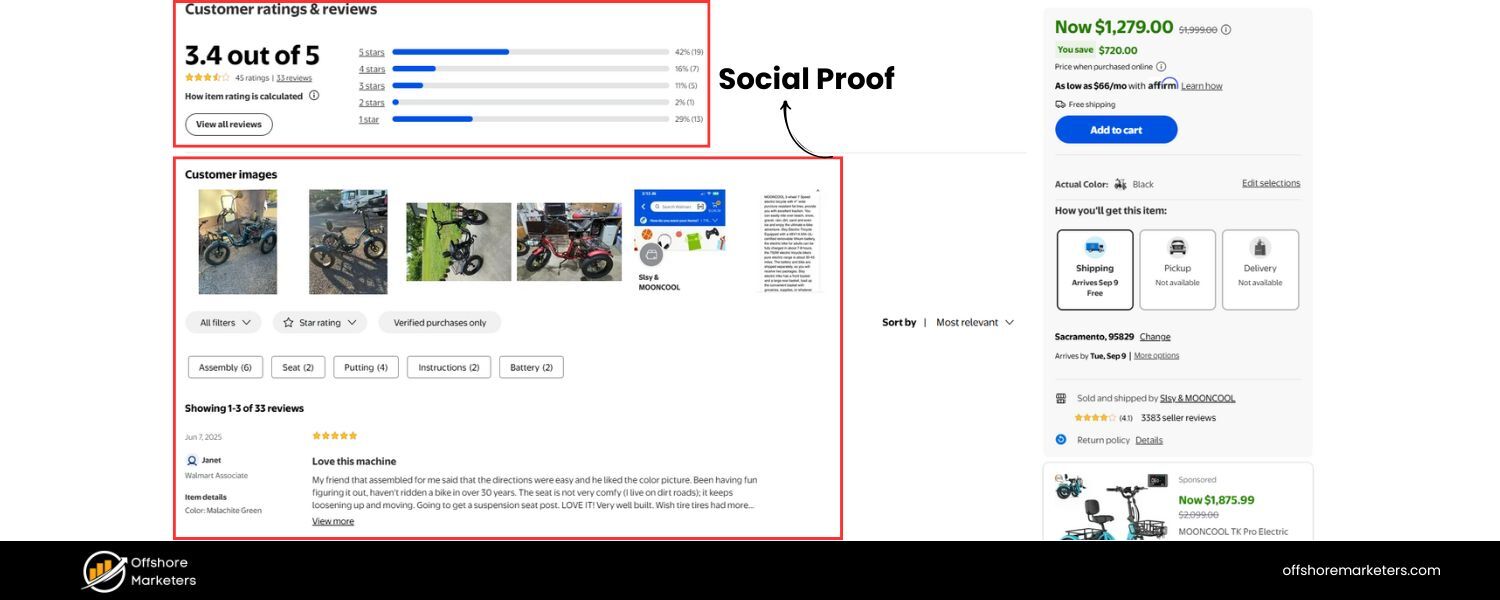
One content goldmine that e-commerce brands should tap into is user-generated content (UGC) – the reviews, photos, videos, and posts created by your customers. UGC is incredibly influential because it’s seen as authentic social proof rather than marketing.
In fact, 90% of consumers trust user-generated content to be more authentic and trustworthy than traditional brand-created content, making it a vital component of any e-commerce content strategy.
This makes sense: seeing real customers using and loving a product builds confidence for new buyers. Encourage your shoppers to share their experiences: feature customer reviews and ratings prominently on product pages, showcase customer photos (with permission) in a gallery or on your Instagram, and consider running campaigns or contests that invite UGC (e.g. a hashtag campaign where customers post photos with your product for a chance to be featured).
Testimonials and case studies also fall under social proof – a short quote from a happy customer or a success story (“How [Customer] achieved [benefit] with our product”) can be powerful content for your site and emails. UGC not only increases trust, it also drives engagement – UGC-based posts on social media see significantly higher engagement (up to 28% more) than brand-posted content.
Plus, featuring customers makes them feel valued, which can increase loyalty. Always interact with user content: reply to reviews (even negative ones, professionally), comment on or repost customer posts – this shows you’re listening and humanizes your brand.
As an added bonus, UGC is essentially free content for you to repurpose (with credit). Just be sure to ask permission before using someone’s photo or quote in your marketing materials.
By integrating social proof into your e-commerce content strategy, you leverage the voices of satisfied customers to influence new buyers – a strategy that can lift conversion rates (UGC can boost e-commerce conversion up to 4.5% according to research) and create a sense of community around your brand.
6. Interactive and Engaging Content
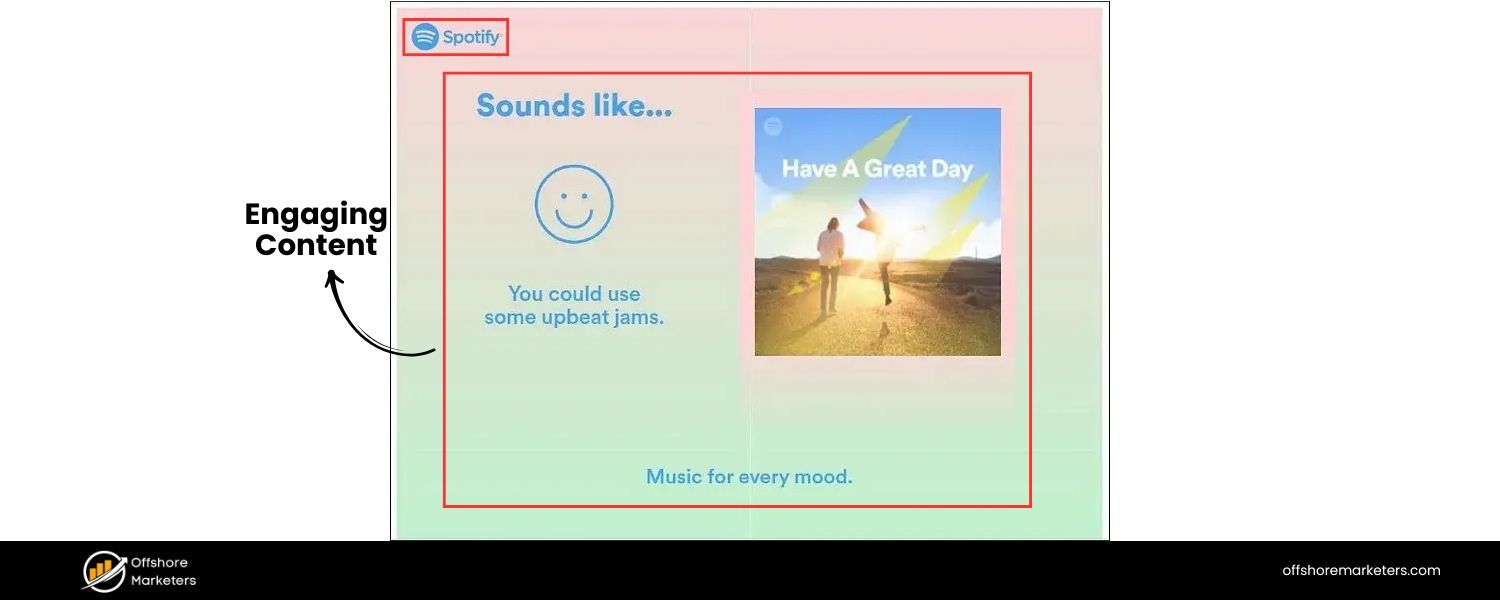
To really stand out and keep shoppers engaged, consider adding some interactive content to your mix. Interactive content requires the audience’s participation, which not only entertains but also can collect valuable data or guide purchase decisions.
Examples include quizzes, polls, calculators, interactive product finders, and surveys. For instance, a clothing boutique might have a “Style Quiz” that asks users about their preferences and then recommends outfits – this is fun for users and drives them to relevant products.
(One idea: a quiz like “Find the best dress for your body type” can address a common pain point and suggest suitable items – a tactic some fashion e-tailers use successfully ecommerce-platforms.com.)Another interactive element gaining traction is the spin-to-win discount wheel popups – a gameified way to encourage email signups by offering a chance at a prize or discount.
Augmented reality (AR) experiences are a cutting-edge form of interactive content in e-commerce: AR lets customers virtually “try on” products or see how an item would look in their environment.
For example, furniture and home décor retailers use AR apps so you can visualize a couch in your living room through your phone’s camera; cosmetics and eyewear brands have AR tools to try on makeup shades or glasses virtually. AR bridges the gap between offline and online shopping, giving customers more confidence in what they’re buying.
While AR and similar technologies can require investment, they can dramatically improve user experience and boost sales by reducing uncertainty. Even simpler interactivity like a well-designed product recommendation quiz can significantly increase engagement time and conversion by helping customers find the “just right” product.
The goal is to make your content experience two-way – not just static consumption. When people actively engage (click, swipe, answer, play), they form a stronger connection with your brand and remember you more. If done well, interactive content can also generate buzz (people may share quiz results, etc.) and provide you with insights (the data from responses) to further refine your marketing.
By utilizing a blend of these content types – from informative articles and videos to authentic UGC and interactive tools – you’ll cater to different learning styles and stages of the buyer journey. Remember, diversity in content keeps your audience interested. The most successful e-commerce brands craft a content ecosystem: website copy that converts, blogs that educate, visuals that inspire, and community-driven content that builds trust.
One important note: maintain consistency in your brand voice and quality standards across all these content forms. A quirky, fun tone on social media and a formal tone on your blog could confuse your audience.
Develop guidelines for your brand’s voice and messaging so that whether someone is watching a TikTok or reading a whitepaper from you, it feels cohesive and true to your brand. Consistent quality is also crucial – 83% of marketers say focusing on quality over quantity is better for content success (even if it means posting less often). So ensure each piece of content, in any format, is well-crafted and valuable to your audience.
Multi-Channel Content Distribution Strategies
Creating fantastic content is half the battle – now you need to deliver it to the right people. A multi-channel distribution approach ensures your content actually reaches and engages your target audience wherever they are. Let’s explore the key channels and tactics for amplifying your e-commerce content strategy:
1. Search Engine Optimization (SEO) & Organic Search
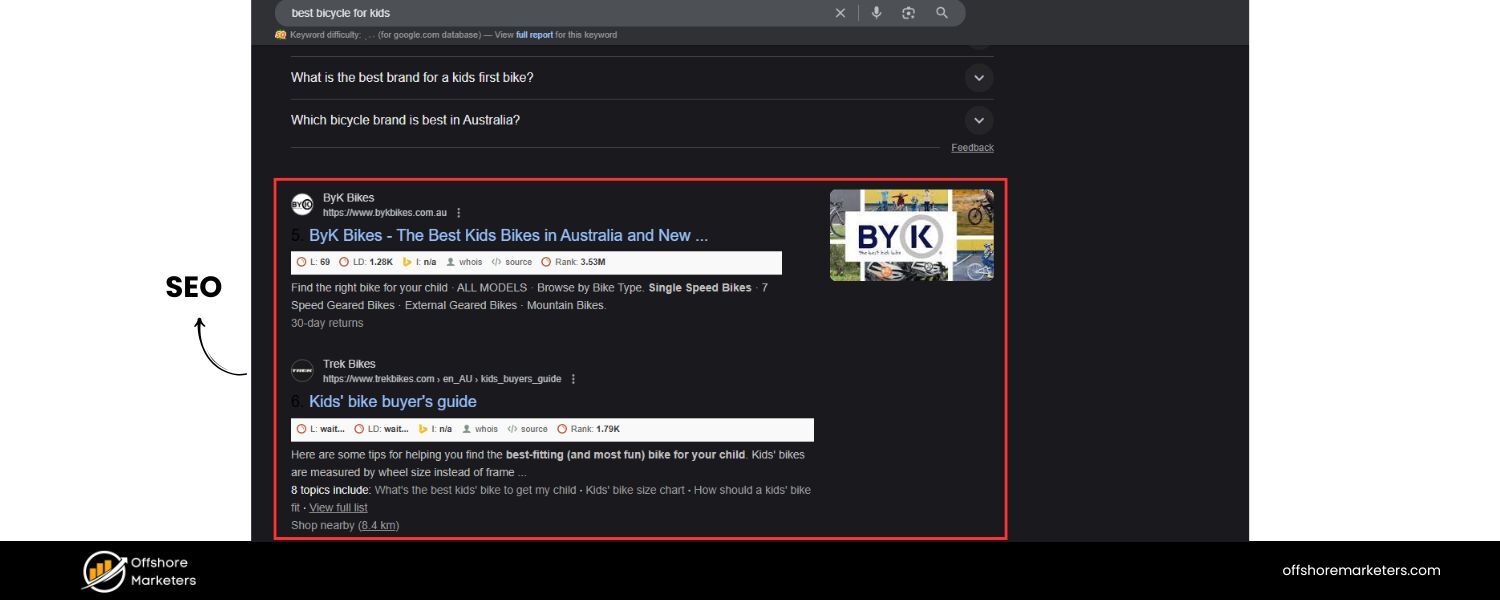
Optimizing your content for search engines is vital for e-commerce visibility. We’ve touched on keyword research; now, make sure every piece of content on your site is SEO-friendly as part of your e-commerce content strategy.
This involves on-page optimizations like using your target keywords in titles, headings, and meta descriptions (naturally, not stuffed), writing descriptive alt text for images, and ensuring your site loads fast and is mobile-friendly.
Consider creating pillar content or hub pages on major topics, which link out to more detailed sub-articles – this builds topical authority and can improve rankings (a strategy known as content hubs or topic clusters).
Also keep an eye on technical SEO: fix broken links, create an XML sitemap, and add structured data (schema markup) where relevant (for example, FAQPage schema for your FAQs, Product schema for product pages with reviews) so search engines can better understand and feature your content.
A strong SEO game means your content will be discovered by shoppers exactly when they’re searching for solutions or products. And given that nearly 33% of internet users discover new brands via search engines, you don’t want to miss out on that traffic.
SEO is a long-term play, but the payoff is big – free, high-intent traffic. Keep producing content that answers searchers’ queries and optimizing existing pages, and you’ll steadily climb in search results.
(Tip: Refresh and update older content periodically – updating content has been cited by 42% of businesses as boosting their content marketing results.)
2. Email Marketing & Newsletters
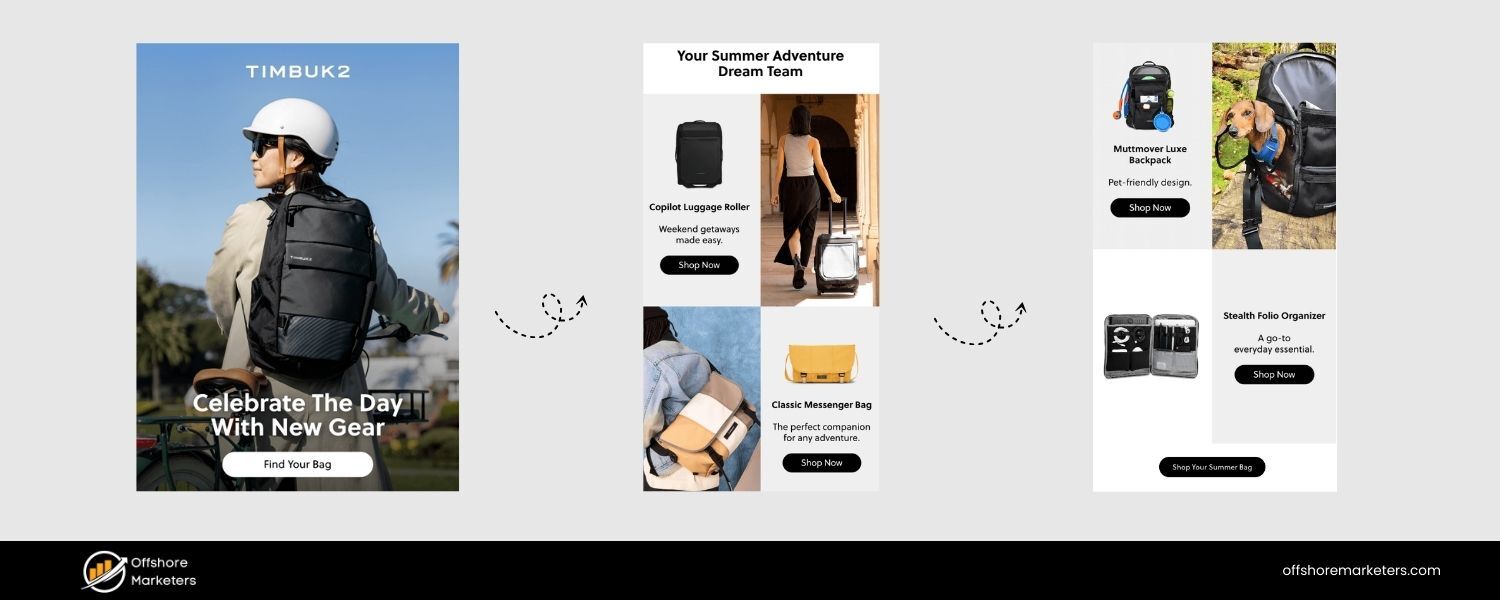
Email remains one of the highest ROI marketing channels for e-commerce, especially for driving repeat visits and purchases. Use your content to fuel your email campaigns. For instance, send out a weekly or monthly newsletter that highlights your latest blog posts, videos, or curated how-to guides.
Email is a great medium to repurpose content and keep your subscribers engaged with value-added information (instead of only sending promotions). Segment your email list so you can tailor content: e.g., new subscribers get a “welcome series” with educational content about your product category, while past customers get how-to use guides or style inspiration related to their purchase.
Also leverage behavior-triggered emails with content: if a customer browsed certain products but didn’t buy, you might send a follow-up email with a blog post reviewing the top 10 items in that category or a video demo – this nurtures the lead by providing helpful info rather than a pure sales nudge.
Personalize emails as much as possible by referencing the subscriber’s interests or past actions (we’ll discuss personalization more shortly). Remember to write compelling email subject lines and include clear calls-to-action linking back to your site content.
A pro tip is to incorporate storytelling in emails – share a quick customer story or a tip of the week – making your newsletters something people want to open. Given that repeat customers are immensely valuable to online retailers, using content-driven emails to enhance customer retention is a smart strategy within your e-commerce content strategy.
If you don’t have one already, build that email list (e.g., via pop-ups offering a discount or content incentive in exchange for sign-up) – it’s an owned audience you can always reach, algorithm-free.
3. Social Media & Community Engagement
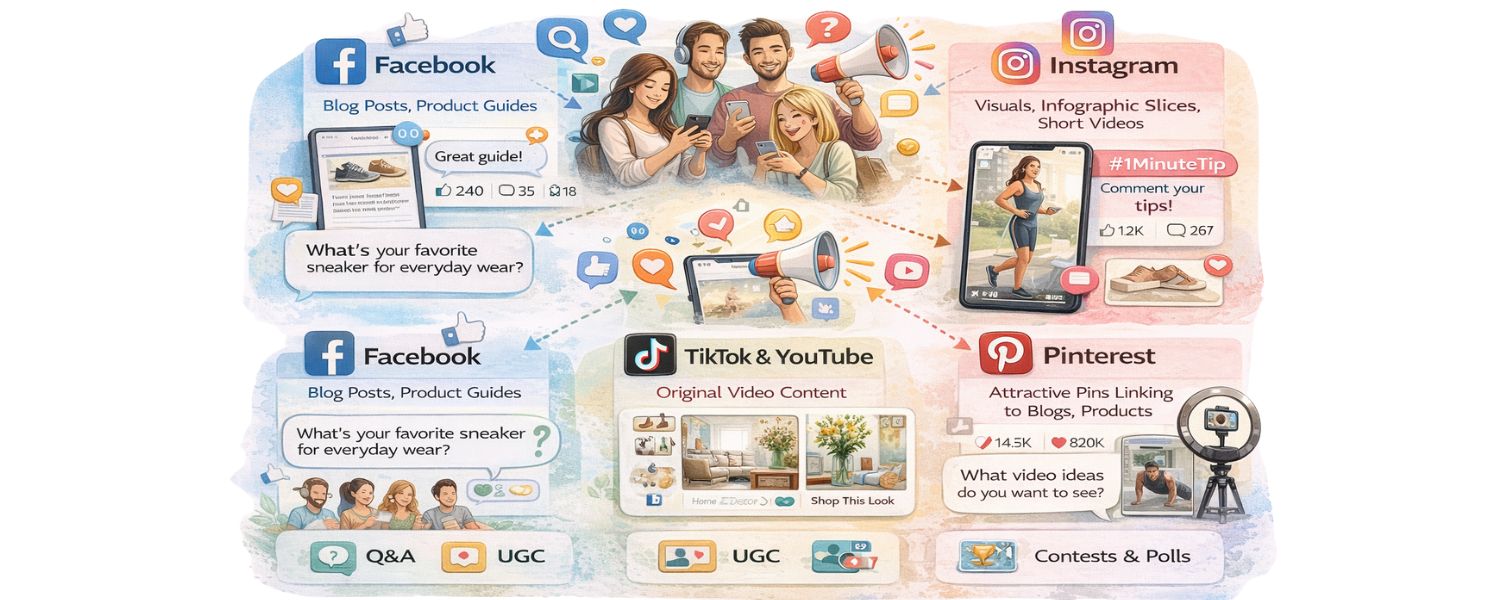
Meet your customers where they hang out online. A strong social media presence helps distribute your content to a wider audience and encourages community building. The key is to adapt your content to each platform and engage in two-way communication, all while supporting your e-commerce content strategy.
For instance, on Facebook you might share blog posts or product guides with a brief intro and link, on Instagram you’ll lean into visuals and short captions (maybe an infographic slice or a 1-minute tip video), on Pinterest you’d share attractive pins linking to your blog or product pages (especially effective for lifestyle niches), and on TikTok or YouTube you’d publish original video content.
Whenever you publish a new piece of content (blog, video, etc.), promote it across your social channels, but don’t just broadcast – spark conversation. Ask questions in your captions, encourage feedback or user tips in the comments, and promptly respond to those who engage.
Social media is also prime territory for sharing UGC – repost a customer’s photo, share a testimonial graphic, or host contests (“Share your #SummerLook with our apparel for a chance to be featured!”). Such activities not only fill your content calendar but also deepen customer connection.
Also consider joining or creating groups/forums if applicable – for example, a fitness gear store might run a Facebook Group for workout enthusiasts where they share content and members exchange ideas. This builds brand community.
One more angle: leverage social commerce features – platforms like Instagram, Facebook, and Pinterest now allow direct shopping. Integrating your product catalog with social and using content to drive to those shop features can shorten the purchase journey (e.g., an Instagram post can have product tags so users can click and buy in-app).
With 90% of marketers using social media to distribute content, it’s a crowded arena, but creative, genuinely useful content will make your brand’s social feed a magnet for your target audience, enhancing your e-commerce content strategy.
4. Influencer Partnerships and Collaborations
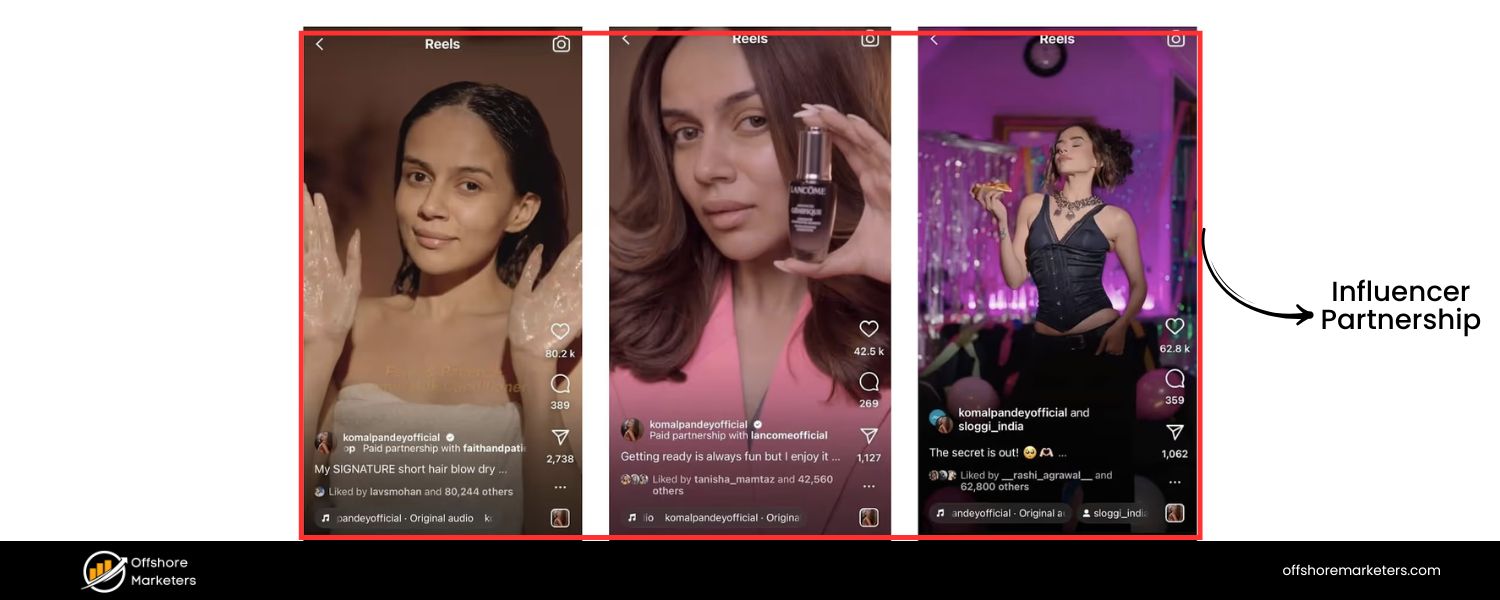
Sometimes reaching a larger audience means tapping into someone else’s. Influencer marketing can amplify your content’s reach by leveraging the followings of individuals who align with your brand.
This doesn’t always mean paying a celebrity influencer; often micro-influencers (with smaller but highly engaged niches) yield excellent results. Work with influencers or industry experts to co-create content: maybe a guest blog post by an expert, an Instagram takeover, or a collaborative YouTube video featuring your product in a tutorial or review.
Influencers can also help generate UGC – for example, send your product to a few creators and encourage them to share their honest experience (this can produce reviews or unboxing content you can share). Ensure any partnership feels authentic; audiences today can sniff out disingenuous paid promotions.
Look for influencers who genuinely resonate with your product category and have an audience that overlaps with your customers. When done well, an influencer’s recommendation or content integration can significantly boost brand credibility and referral traffic.
Just remember to track results (use affiliate links or UTM parameters) to measure ROI. Beyond influencers, consider co-marketing with complementary brands: for instance, a coffee equipment store might partner with an artisanal coffee bean company to create a co-branded ebook, webinar, or giveaway.
Both brands promote it, sharing each other’s content and audience – a win-win. These collaborative content efforts can dramatically expand your reach with relatively low cost, as you’re essentially pooling audiences.
5. Content Repurposing & Cross-Promotion
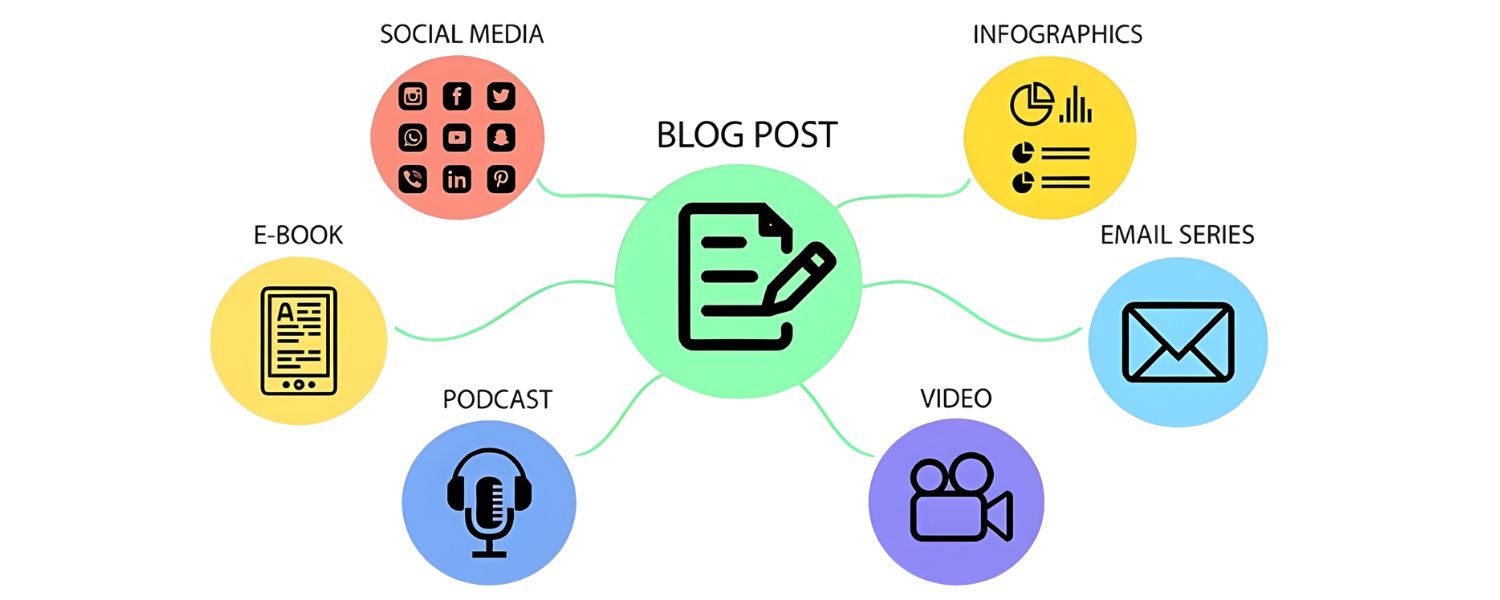
Maximize each piece of content by repurposing it across multiple channels. For example, if you have a great long-form blog post, you can convert it into: a series of short social media graphics or tips, an infographic, a short video of you summarizing the key points, and even an audio snippet or podcast discussion.
This not only saves time (one content idea yields many assets) but reinforces your message in different formats to appeal to different preferences. Republishing content on platforms like Medium or LinkedIn (for B2B-oriented products) can also squeeze more exposure out of your work – just add a canonical link to avoid SEO duplication issues.
Another tactic is to compile several related blog posts into a downloadable e-book or guide (people could get it in exchange for their email – thus supporting lead generation). Conversely, you can break a big piece (like a whitepaper or research report) into bite-size blog posts or videos.
Always tailor the format to the channel – e.g., an email might use a snippet with a “read more” link to the full blog. By repurposing, you ensure your content is seen in multiple places without always having to reinvent the wheel. Marketers often say “create once, publish everywhere.”
While maybe not literally everywhere, be strategic: find where your audience consumes content and make sure you have a presence there. Also, don’t shy away from reposting high-performing content after some time (with slight updates or new visuals) – if it worked once, it can work again, especially as your audience grows.
This approach ties into maintaining an active content calendar without burning out your team or budget. The goal is consistency and reach. If you consistently distribute valuable content on multiple platforms, you’ll stay top-of-mind with your audience and continuously attract new potential customers from all corners of the web.
In summary, content distribution for e-commerce should be an integrated, multi-channel effort. Your website, blog, email list, social profiles, and partners all form an ecosystem that can propel your content (and brand) to a wider audience.
Each channel reinforces the other: a viral social post can drive traffic to your blog; an SEO-optimized article can bring new visitors who then subscribe to your email; a useful newsletter can bring back shoppers who then engage with your social media.
This synergy is what truly powerful content strategies achieve. And remember – wherever you distribute content, always include a clear call-to-action appropriate to that channel: e.g., “Learn more on our site,” “Shop now,” “Subscribe for updates,” etc., so interested consumers know what to do next.
Personalization, Localization, and Emerging Trends
As you refine your e-commerce content strategy, consider these advanced tactics and trends that can give your e-commerce brand an extra edge. The digital landscape is always evolving – staying ahead of these curves can help you deliver exceptional customer experiences:
1. Personalization at Scale
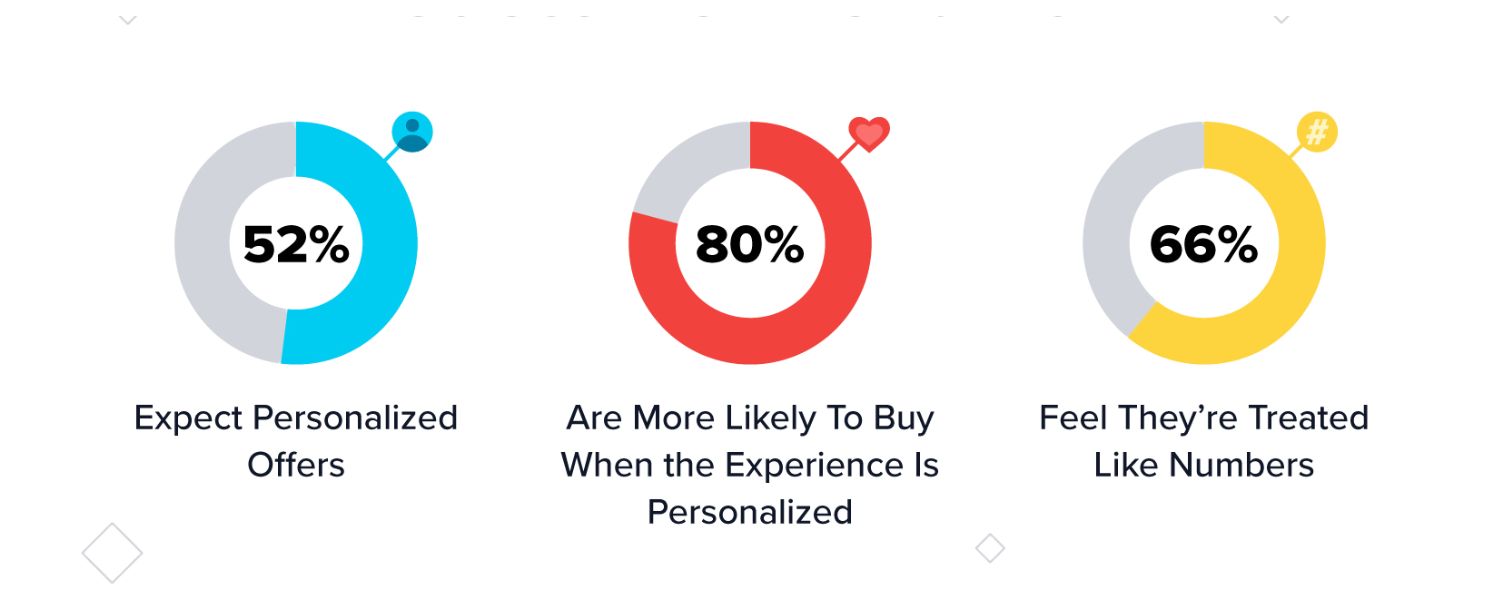
Today’s consumers expect a personalized experience. In fact, about 80% of online shoppers are more likely to buy from brands that offer personalization. What does this mean for content? It means tailoring content to individual users’ preferences or behavior where possible. On a basic level, this could be personalized product recommendations (“You might also like…”) on your site or personalized follow-up emails (“Hey [Name], since you liked X, we thought you’d enjoy this blog about Y”).
More advanced implementations include dynamically changing website content based on user segments (new visitor vs. returning customer seeing different homepage banners, for example) or using AI-driven recommendation engines to serve up relevant content.
Even on social media or ads, segmentation can help – e.g., targeting different content to different demographic groups. The key is to use the customer data you have (browsing history, past purchases, location, etc.) in a way that adds value to the user, not in a creepy way.
Always respect privacy and give users control (unsubscribing, preference centers). When done right, personalization makes customers feel understood and appreciated. They get content they care about, which increases engagement and conversion.
A simple win: address customers by name in communications, and reference their specific interests (“Since you’re into hiking, check out our new mountain gear guide”). As technology advances, even smaller businesses can implement personalization via affordable tools (many email marketing platforms and website builders have personalization features built-in now).
It’s an investment that can significantly boost results – for example, personalized email campaigns consistently outperform generic ones in open and click-through rates. The future is one-to-one marketing at scale, and content plays a big role in that within your e-commerce content strategy.
2. Content Localization
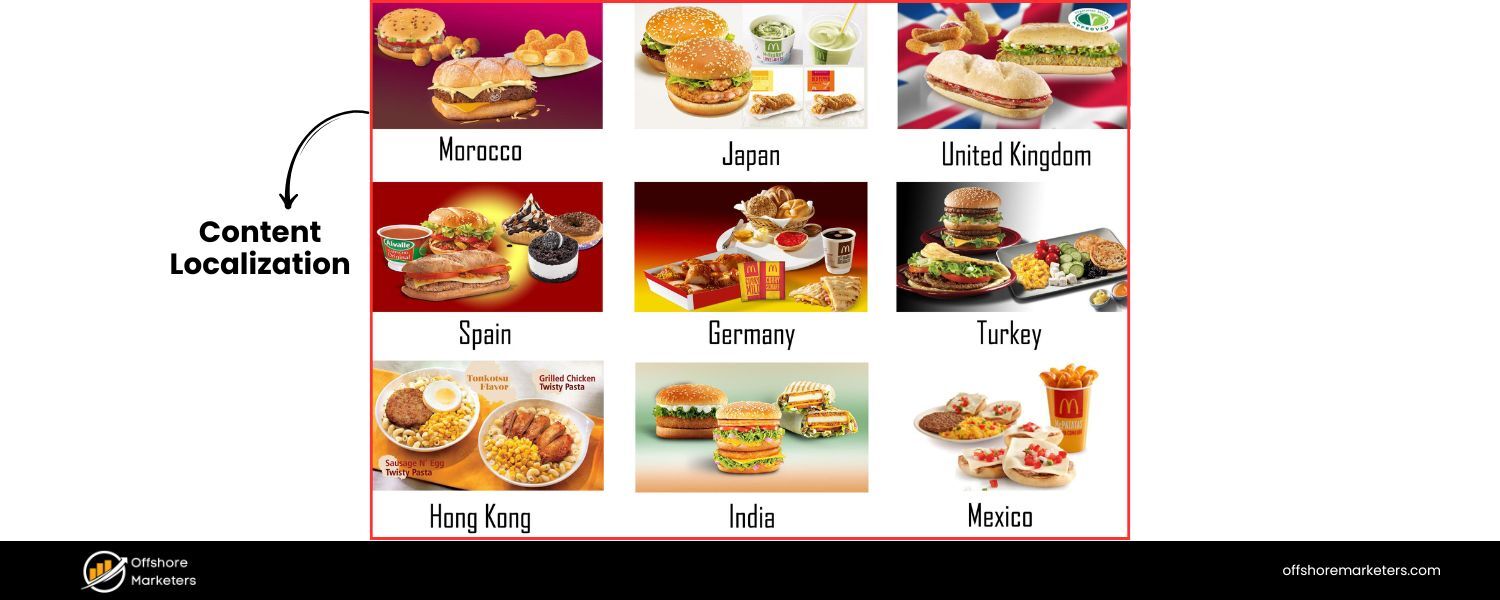
If you serve a global or multi-lingual customer base, localizing your content is crucial. Localization means more than translation – it’s adapting your content’s language, examples, units, currency, and cultural references to resonate with different regions.
People are far more likely to buy when they fully understand the information in their native language and context. If your e-commerce shop ships to multiple countries, consider creating region-specific content such as localized blogs or at least translating key pages (product info, FAQs) into the languages of your target markets.
Also adapt measurements (metric vs imperial), currencies, and even spelling/terminology differences (for instance, “pants” in the US vs “trousers” in the UK) to avoid confusion. Beyond language, think about cultural relevance: what appeals to customers in one country might not in another.
For example, holidays, humor, or imagery should be chosen with the local audience in mind. An example of effective localization is how some global apparel brands run separate blogs or social media accounts for different regions, featuring local influencers and topics.
E-commerce is increasingly global, and brands that localize content gain a competitive advantage by truly speaking the customer’s language. It’s a sign of respect and understanding that can significantly improve engagement and conversion rates in each locale.
If full localization is too daunting at first, start small: translate your checkout process and customer support content, then gradually expand into marketing content as you see demand.
3. Augmented Reality (AR) and Virtual Try-Ons

As mentioned earlier, AR is transforming online shopping by bridging physical and digital experiences. AR content allows customers to visualize products in their own world – a powerful way to increase confidence in purchasing.
If it fits your product line, explore AR solutions that let users “try before they buy.” Examples: a beauty retailer using AR filters so users can see how a makeup shade looks on their face via their phone camera; a furniture seller enabling AR previews of furniture true-to-size in a user’s room; a sneaker store using AR to show how shoes look on your feet.
Many platforms (like Shopify and others) now have plugins or integrations for AR models, making it more accessible than before. The content part is creating the 3D models or AR experiences and integrating them smoothly into your product pages or app.
While not every e-commerce business will utilize AR immediately, those that do can significantly boost engagement and reduce returns (since customers have a better idea of the product). Virtual Reality (VR) is another frontier – VR showrooms or 360° product experiences could become more common as tech advances, though AR on smartphones is currently more practical for most.
Keep an eye on these trends; even if you don’t implement AR/VR now, consider how you might incorporate more interactive, immersive content that helps customers experience your products digitally. This could even be 360° product photos or interactive images as a starting point in your e-commerce content strategy.
4. Voice Search and Voice Content
With the rise of smart speakers and voice assistants (Alexa, Google Assistant, Siri), more consumers are searching for information via voice queries. Voice searches tend to be conversational (“What’s the best budget laptop for gaming?”) and often result in the assistant reading a featured snippet or an FAQ from a webpage. To capture this traffic, optimize your content for voice search by incorporating natural language Q&A format in your content.
This is where an FAQ page or blog posts structured around common questions can shine – use the exact phrasing people might speak. Also, aim to get featured snippets by directly answering questions clearly and concisely in your content (often a paragraph or list that succinctly addresses the query).
Additionally, consider if there’s a place for audio content in your strategy. Some brands start podcasts or audio Q&As related to their niche, which can indirectly promote their products while building thought leadership. If your audience is likely to use voice search, make sure your content is ready to be the answer.
For instance, a user might ask, “How do I choose the right size bike?” – if you have a blog post titled “How to Choose the Right Size Bike – 5 Tips” that cleanly answers that, you increase your chances of capturing that voice query.
5. Artificial Intelligence (AI) in Content Creation and Curation

AI is influencing content in two big ways: creation and delivery/curation. On the creation side, AI tools (like GPT-based writing assistants) can help generate content drafts, product descriptions, or social captions quickly.
Many marketers (over half) now use AI to generate content ideas or outlines. This can significantly speed up content production, but be cautious – AI-generated text often needs a human touch to ensure accuracy, brand voice, and originality (always avoid publishing raw AI content to prevent misinformation or a robotic tone).
Use AI as a helper for brainstorming, researching, or automating routine tasks (for example, creating meta descriptions or translating content to other languages for localization). On the curation side, AI algorithms can personalize content feed on your site (e.g., “Recommended for you” sections powered by AI analyzing user behavior) or automate email content (like pulling in products/content based on each user).
Many e-commerce platforms have AI-driven recommendation engines built in or available as add-ons, which can increase conversion and engagement by showing the most relevant content to each user. Embrace these tools to enhance your strategy, but always monitor their outputs and maintain editorial oversight.
One exciting trend is the use of chatbots or conversational AI on e-commerce sites – these bots can answer customer questions (pulling responses from your content library/FAQ) and even suggest content or products. This is an extension of your content strategy into interactive Q&A form.
The key with AI is to use it to augment your team and create smarter, more personalized content experiences – while ensuring your brand’s authentic voice and accuracy remain intact.
6. User Community and Social Interaction
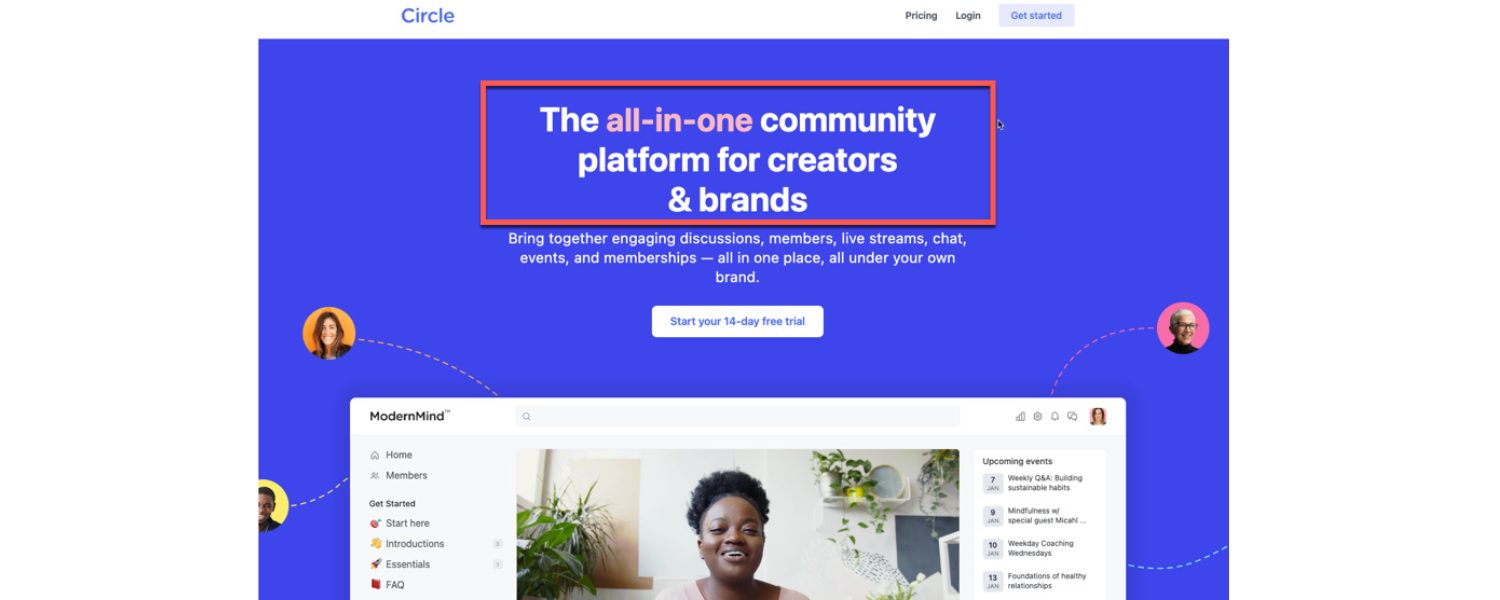
Another trend is brands building their own community platforms – whether it’s a forum, a Discord server, or a social app feature – where users can discuss and share content about the products.
This blurs the line between content and community. If applicable, fostering a community can yield a self-generating content stream (user posts, Q&As, etc.) and deepens loyalty.
For example, a craft supplies store might host a forum where customers share their project photos and tips (UGC content goldmine!), or a tech gadget site might run a Discord for enthusiasts to chat and troubleshoot – where the brand can drop in with content or new product announcements.
Communities do require moderation and support, but they can become a powerful asset: customers engaging with each other, generating content, and advocating for your brand organically. Not every e-commerce brand needs its own forum, but it’s worth considering if your product niche lends itself to discussion and if your customers are passionate and communal.
Keep in mind, not every trend is a must-do for every business – choose those that align with your audience and product offering.
The unifying theme of these trends is improving user experience. Whether through personalization, new technology, or richer interactivity, the goal is to make the shopping experience more convenient, engaging, and tailored to the individual.
By staying attuned to these developments and being willing to experiment, your content strategy will remain fresh and effective, not just now but in the years to come.
Measuring Content Performance and ROI
How do you know if your e-commerce content creation strategy is actually driving results? Measuring performance is an integral step – it closes the feedback loop so you can refine your approach over time. In traditional advertising, you might track immediate sales from an ad; content can be more of a slow burn, but there are plenty of metrics to evaluate its impact. Here’s how to gauge your content marketing success for e-commerce:
1. Track Traffic and Engagement Metrics
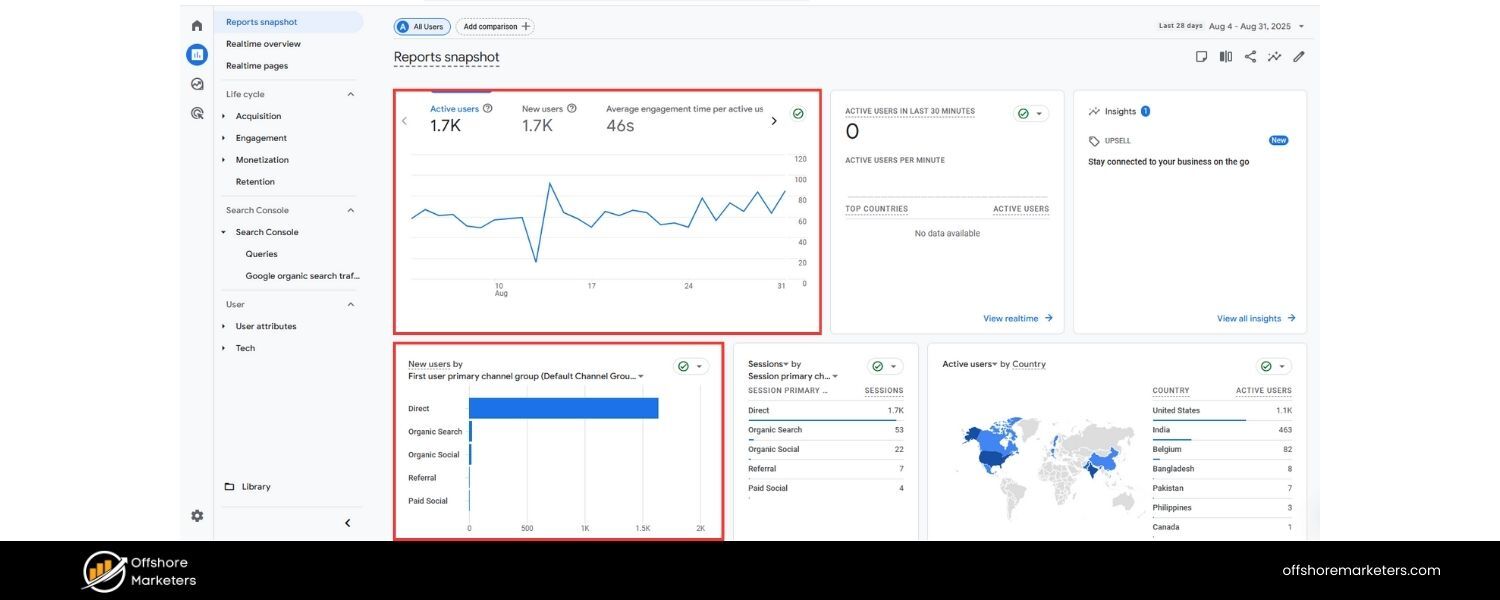
Use web analytics (e.g., Google Analytics or similar) to monitor how much traffic your content is bringing in. Key metrics include pageviews, unique visitors, and traffic sources for your content pages (blog posts, etc.).
An upward trend in organic traffic over time is a strong indicator that your e-commerce content creation is working. However, volume alone isn’t enough – check engagement metrics too: average time on page (are people reading your long blog or bouncing after one paragraph?), bounce rate (are they leaving without interacting further?), and scroll depth (some tools can tell you how far down the page users scroll). These insights allow you to determine how compelling your content really is.
High engagement means your content is resonating. For video content, track views, watch time, and completion rate on platforms like YouTube or on-site videos. For social content, look at likes, comments, shares, and follower growth as measures of resonance.
If certain pieces have unusually high engagement, analyze why – that’s a clue to what your audience loves. On the flip side, content with high bounce rates or low time on page might need improvement (maybe the topic wasn’t what the audience expected, or the content wasn’t compelling). Use these insights to continually refine your content quality and relevance.
2. Monitor SEO Performance
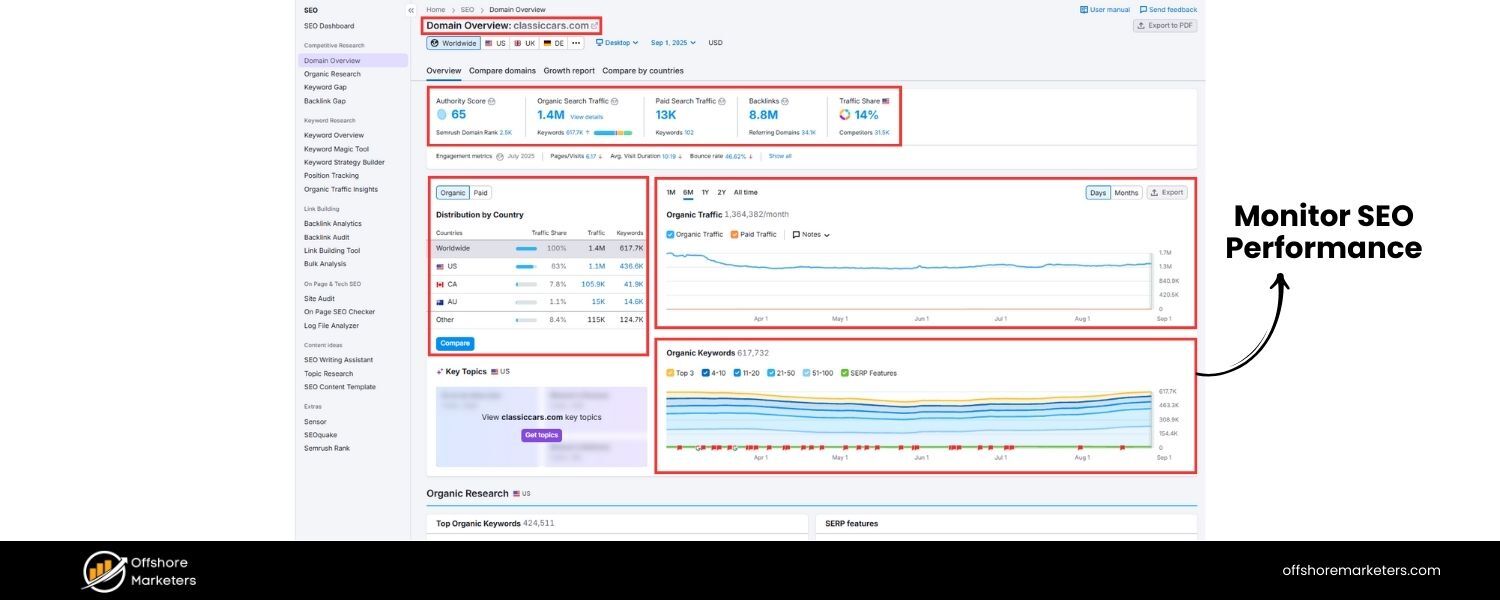
Since a big goal of e-commerce content creation is often to improve search visibility, regularly check your keyword rankings and search impressions/clicks using Google Search Console or SEO tools. These tools provide invaluable data on how well your content is performing in organic search.
Are the pages you optimized climbing in rank for their target keywords? Are you gaining new rankings for long-tail searches? Also look at the CTR (click-through rate) for your pages in search results – if a page is ranking but not getting clicks, maybe you need a more compelling title/meta description.
Another important metric is backlinks – quality content often attracts backlinks from other sites (for example, a blogger might reference your guide or an online magazine might cite your infographic).
Use an SEO tool to see if your e-commerce content creation is earning backlinks; more backlinks generally boost SEO authority and traffic. If you notice content that’s performing exceptionally in search, consider creating more on related topics (success breeds success). Conversely, content that isn’t picking up any search traction after some months might need an update or a different keyword focus.
Conversely, content that isn’t picking up any search traction after some months might need an update or a different keyword focus. Given that over 82% of companies use SEO tools in their content strategy, leveraging these analytics will put you on par with savvy competitors in making data-driven decisions.
3. Measure Conversion Actions
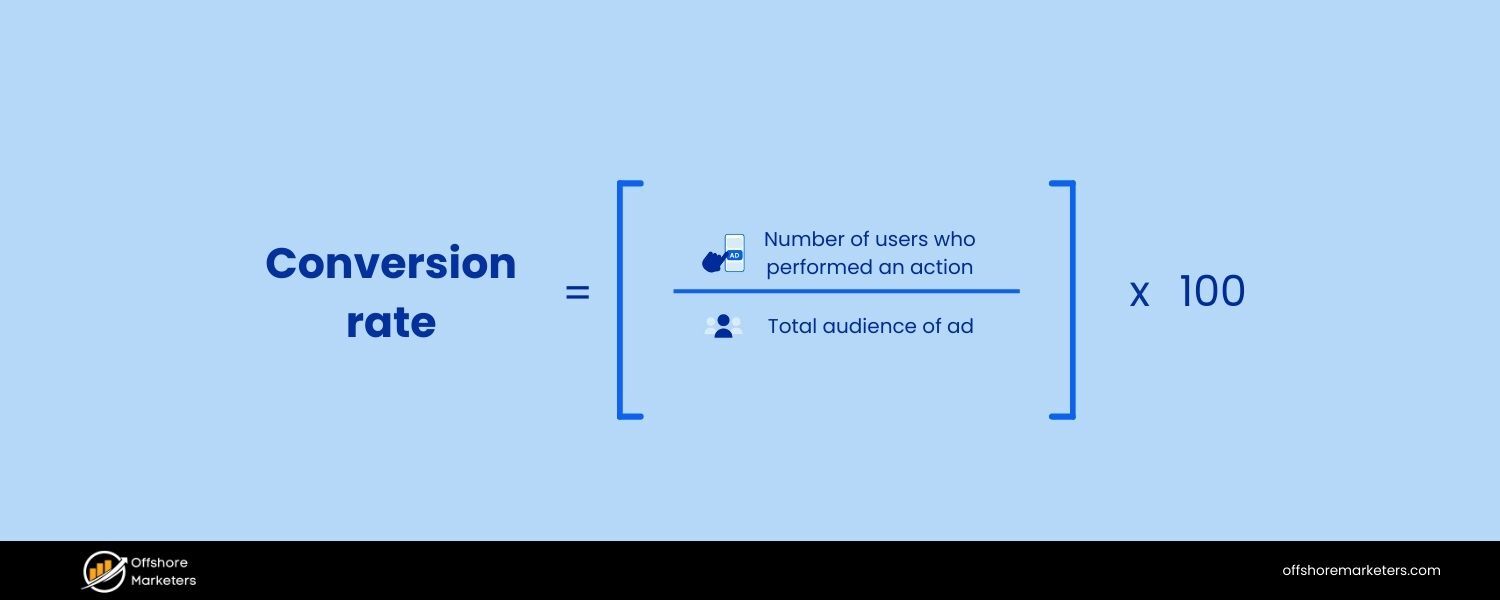
Ultimately in e-commerce, content needs to contribute to conversions – directly or indirectly. Define what conversions you expect from content viewers. It might be an immediate purchase, or a micro-conversion like signing up for a newsletter, downloading a guide, or adding a product to wishlist/cart.
Set up conversion tracking in your analytics for these actions. Then analyze which content pieces or channels assist in conversions.For example, do visitors who read your blog have a higher conversion rate later on compared to those who don’t? (Google Analytics’ funnel reports or attribution models can help answer this by crediting assisted conversions.)
You might find that certain blog posts are frequently a first touch that eventually leads to sales – those are valuable!Alternatively, you might create content with the direct intent to convert (like a holiday gift guide that links straight to products) – in such cases you can track how many sales resulted from clicks on that guide.
If you shared a coupon code within a piece of content, track redemption of that code. Also pay attention to email sign-ups generated by content, as those are new leads you can nurture to conversion. It’s important to give content credit where it’s due, even if it’s not the last click before purchase.
Multi-touch attribution models can show that, say, a customer found you via a blog post, came back later via an email, and then purchased – the content played a role in that sale. According to one report, over 41% of marketers measure content success through sales outcomes, which underscores the need to connect content efforts to revenue.
4. Customer Behavior and Feedback
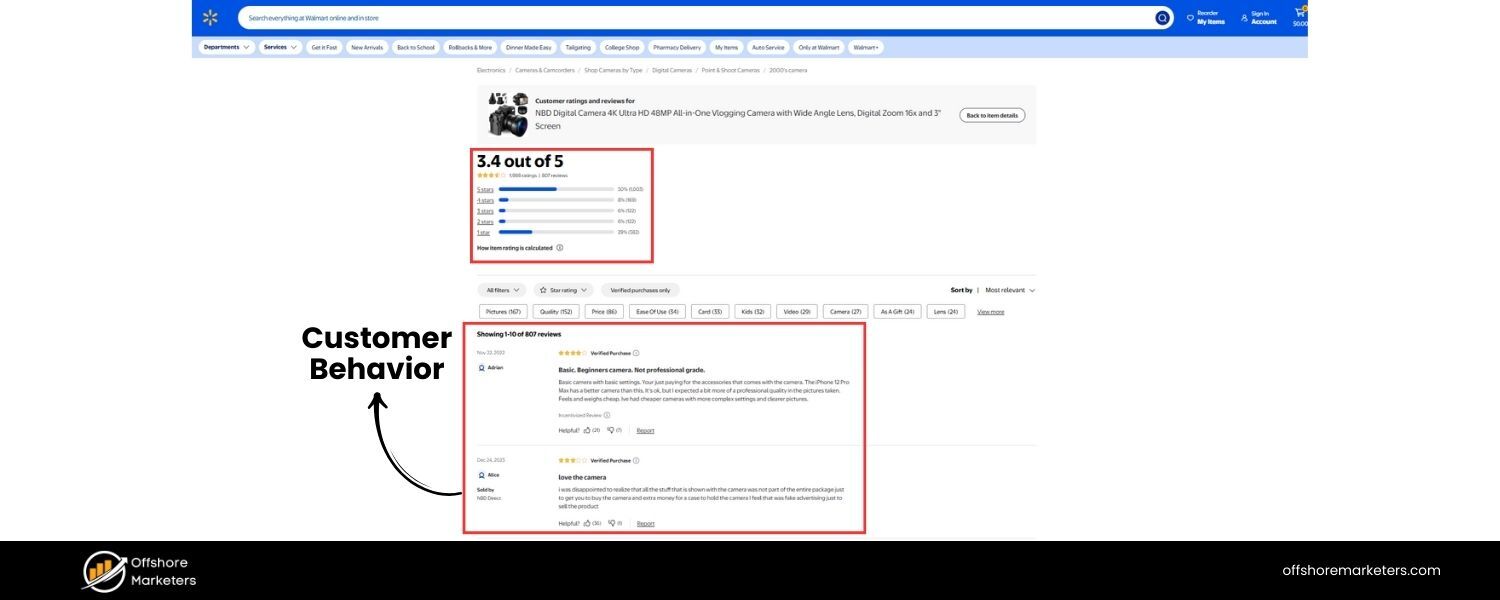
Quantitative metrics are vital, but also gather qualitative feedback on your content. Pay attention to comments on your blog or social media – what questions are people asking? Are there positive sentiments like “This was really helpful!” or are you hearing crickets? Consider adding simple feedback mechanisms on content (e.g., a “Was this article helpful? Yes/No” widget, or surveying your email subscribers about what content they want to see).
Sometimes, customers will tell you exactly what they’re looking for. Also, examine on-site behavior flows – do people who consume content move on to browse products? Tools like heatmaps or session recordings can reveal if, say, readers scroll to the end of a guide and then click a product link or the CTA you provided. If not, you may need stronger or more relevant calls-to-action.
5. Calculate Content ROI
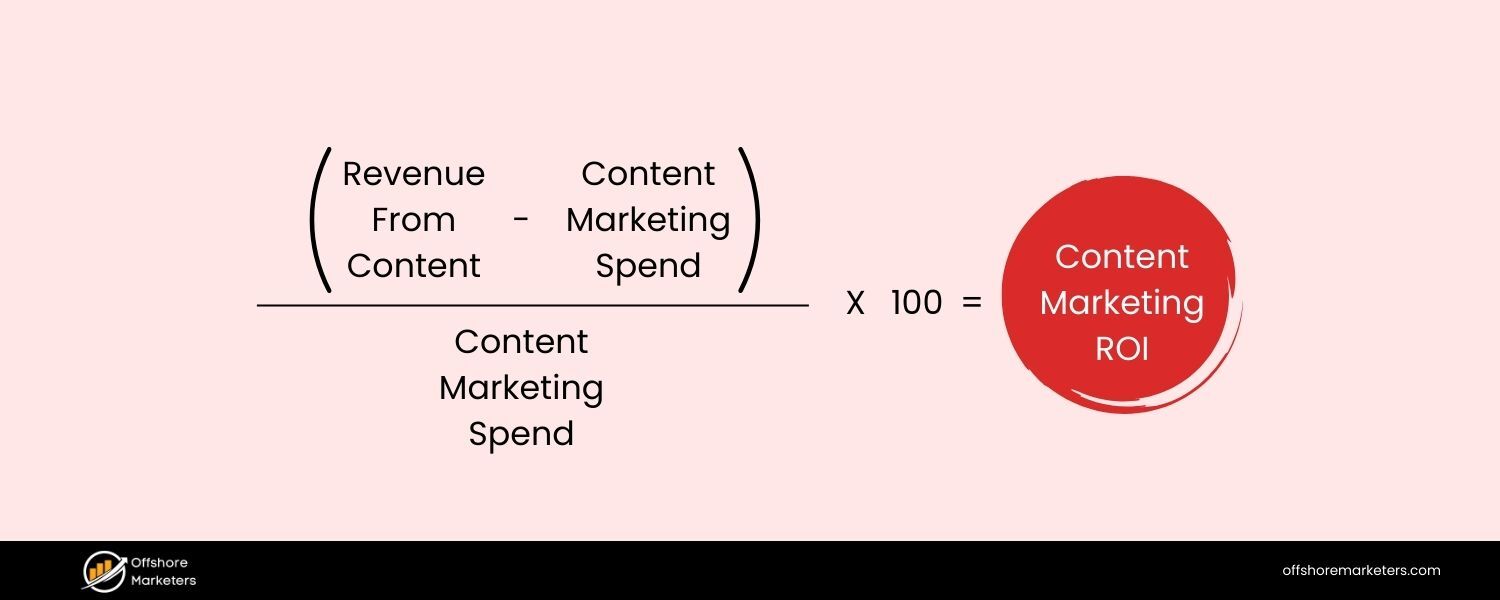
This can be tricky but is extremely useful. Try to estimate the return on investment for your e-commerce content creation efforts. On the cost side, include content production costs (writers, designers, etc.) and distribution (maybe ad spend for content promotion). This will give you a better sense of your content investment.
On the return side, look at the sales or revenue generated that can be tied to content (either directly via referral links/affiliate tracking or indirectly via an uplift in organic traffic that leads to sales).
For example, if your analytics show that in a month, $5,000 of sales were made by users who landed on the site via blog pages, and your content expenses were $1,000, that’s a 5x ROI – pretty good! It’s not a perfect science, but even a rough idea helps justify your content budget and identify high-performing areas.
Sometimes the ROI is not immediate – content can keep giving returns over a long period. A single evergreen article might generate thousands of dollars in sales over its lifetime.
Take that into account when evaluating performance (i.e., don’t rush to kill a content initiative if it didn’t pay off in 2 weeks; look at longer trends).
6. Test and Iterate

Treat your content strategy as a living, evolving program. A/B test where feasible – for example, you could A/B test two versions of a landing page content to see which drives more add-to-carts, or test different email subject lines promoting the same content to see which gets more opens.
On social media, you can compare different posting times or formats to see what yields better engagement. Continually experiment with new content topics and formats, and let data guide you.
Perhaps you’ll discover your audience prefers video tutorials three minutes long vs ten minutes, or that list-style blog posts get more traffic than essays.The more you learn, the more you can refine. Many top brands adopt an agile content approach: launch, measure, learn, and adjust.
As one rule of thumb: double down on what works, and fix or discard what doesn’t. If your monthly analysis shows that five blog posts brought in 80% of new traffic, analyze why those five succeeded (topic? SEO keyword? catchy title? extensive promotion?) and try to replicate that magic in future content. Conversely, if a content series isn’t gaining traction, either improve it or pivot to something else.
By diligently measuring these aspects, you close the feedback loop on your content strategy. Not only will you be able to demonstrate the value of content efforts to your team or stakeholders (with real numbers like traffic growth, conversion rates, and revenue impacts), but you’ll also gain insights to make your strategy sharper.
Remember, content marketing is a long game – it builds momentum. So evaluate progress over months and quarters, not just week to week. With patience and data-driven optimizations, you’ll see your content investment translate into tangible business growth: more traffic, more loyal customers, and more sales.
Conclusion: Content as Your Competitive Advantage
In the ever-changing e-commerce landscape, e-commerce content creation remains a cornerstone of success. It’s not just about blogs or social media posts – it’s about building a brand that educates, inspires, and engages with customers at every touchpoint.
By understanding your audience and strategically planning, you lay the foundation for effective content. Using diverse formats like blog articles, videos, and user-generated content (UGC) helps captivate and engage your audience. Smart distribution via SEO, social media, and email ensures your content reaches the right people, amplifying its impact.
Personalizing the experience and adopting trends like AR and AI can set you apart from competitors, providing unique and engaging ways to connect with customers. And, by monitoring key metrics, you can continually refine your e-commerce content creation to optimize results and drive growth.
In short, e-commerce content creation is about crafting a strategy that builds your brand, fosters loyalty, and ultimately drives sales. Stay ahead by adapting and analyzing performance to keep content working for your business.
The takeaway?
Great content is a long-term investment with compounding returns. While it may not lead to an instant sale like a flash ad, it builds something far more valuable – relationships and reputation.
When potential customers regularly find answers, value, or inspiration in your content, you’ve earned their trust before they even click “Add to Cart.” Trust is the currency of lasting business success.
Having seen small startups grow into household-name brands, I can confidently say that effective e-commerce content creation can be the key to turning your business around.
With a level playing field, even without a huge marketing budget, delivering high-quality content can attract a loyal audience. It’s no surprise that over 50% of businesses are increasing their content marketing spend as they recognize its value.
Now, it’s your turn. Start crafting or refining your e-commerce content creation strategy. Begin with a clear plan, create engaging content, and remain consistent. Measure results, adapt, and continue finding ways to delight your audience. In a year, you could see significant growth – all because you prioritized content.
Ready to elevate your e-commerce business with content? Now’s the time. Brainstorm blog topics, shoot a product demo, get a customer testimonial, and plan your next posts. Each piece of content is a step toward a stronger brand and bigger customer base.
If needed, seek expert help from a content marketing professional or agency to guide your strategy. Whether you go solo or seek assistance, the key is to take action and make content a core part of your growth plan.
Here’s to your success in creating a powerful e-commerce content creation strategy that sets you apart from competitors and provides real value. Now, go create content that converts – and watch your online business thrive!

Why Roseville Startups are Choosing Offshore Marketers to Scale Smarter
Roseville is no longer just a quiet suburb of Sacramento;...
What Is PPC? A Practical Guide to Pay‑Per‑Click Advertising
Pay‑per‑click (PPC) is the “pay only when someone clicks” branch...
Google Search Issues Affecting Results in Some Regions
Google has confirmed a problem with one of its data...

Keyword Counts Dropped After Google’s num=100 Change
In September 2025, Google stopped supporting the &num=100 parameter. This...

Image SEO: Optimize Images for Higher Rankings & Traffic
Introduction Images make your website more engaging, but they can...


.png)
.png)
.png)
.png)
.png)

2024 ALL RIGHTS RESERVED MADE IN INDIA
.png)