
SEO Visibility: What It Is & How to Improve It
August 19, 2025
Introduction
If you have a website but your audience can’t find it, it might as well not exist. In the world of SEO, visibility is everything. In fact, fewer than 1% of Google users click results on the second page. This means that if your site isn’t ranking on page one for important searches, you’re missing out on over 99% of potential visitors.
Here we’ll explore SEO visibility (also called search visibility), what it is, why it matters for your business, how it’s measured, and actionable steps to improve it. By the end, you’ll know how to boost your search presence and attract more organic traffic through higher visibility.
What Is SEO Visibility?
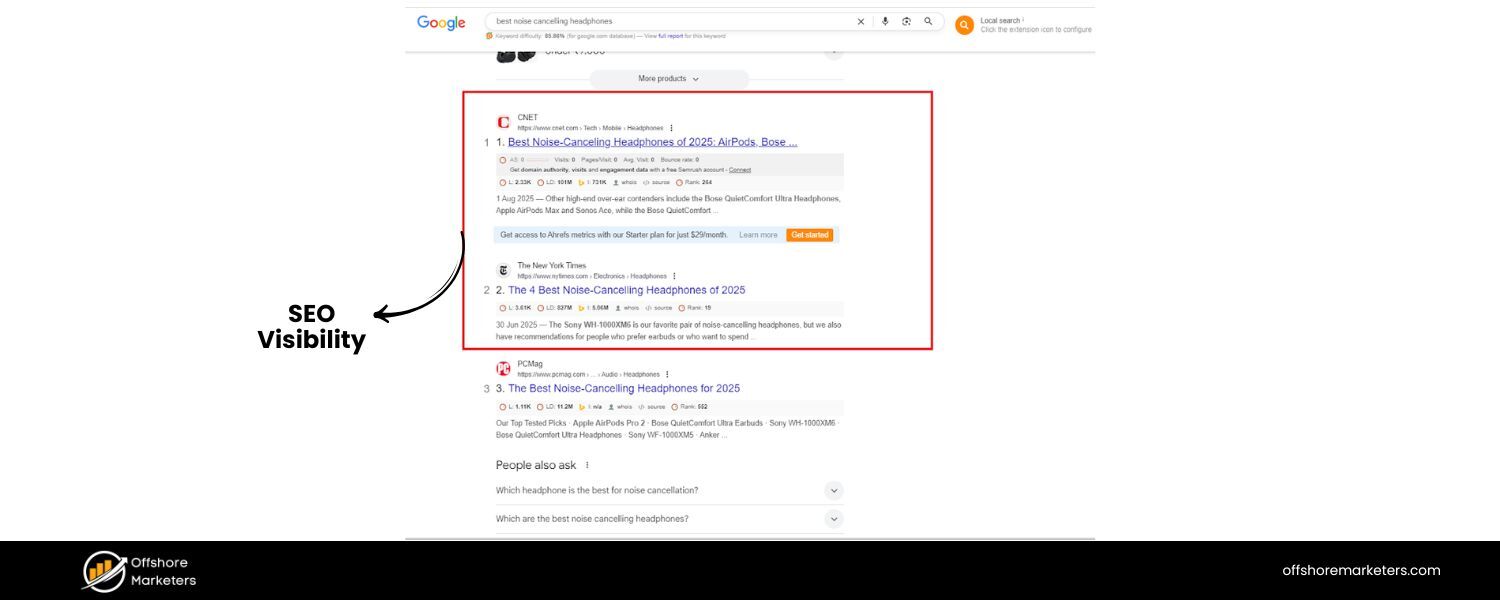
SEO visibility (or search engine visibility) is a metric that quantifies how likely users are to see and click on your website in organic search results. In simple terms, it represents the share of potential organic traffic your site captures from its rankings. For example, if a keyword is searched 100 times and your site gets 5 clicks, your visibility for that keyword is 5%.
SEO visibility is usually expressed as a percentage called a visibility score, calculated across all the keywords you’re tracking. The more keywords you rank for, and the higher those rankings, the higher your visibility score will be.
Note: SEO visibility is a relative indicator, not an absolute traffic count. It reflects your presence in search results based on keyword rankings and click-through rate expectations, rather than the exact number of visitors.
Most SEO tools provide their own version of a visibility metric. This concept was popularized over a decade ago by Searchmetrics as a single index to compare domain performance in search.
Today, platforms like Semrush, Ahrefs, Moz, and Sistrix each have visibility scores that may be calculated slightly differently but serve the same purpose, to measure how visible your site is in search. In essence, SEO visibility tells you how much of the search “real estate” your website occupies for your target queries.
Why SEO Visibility Matters
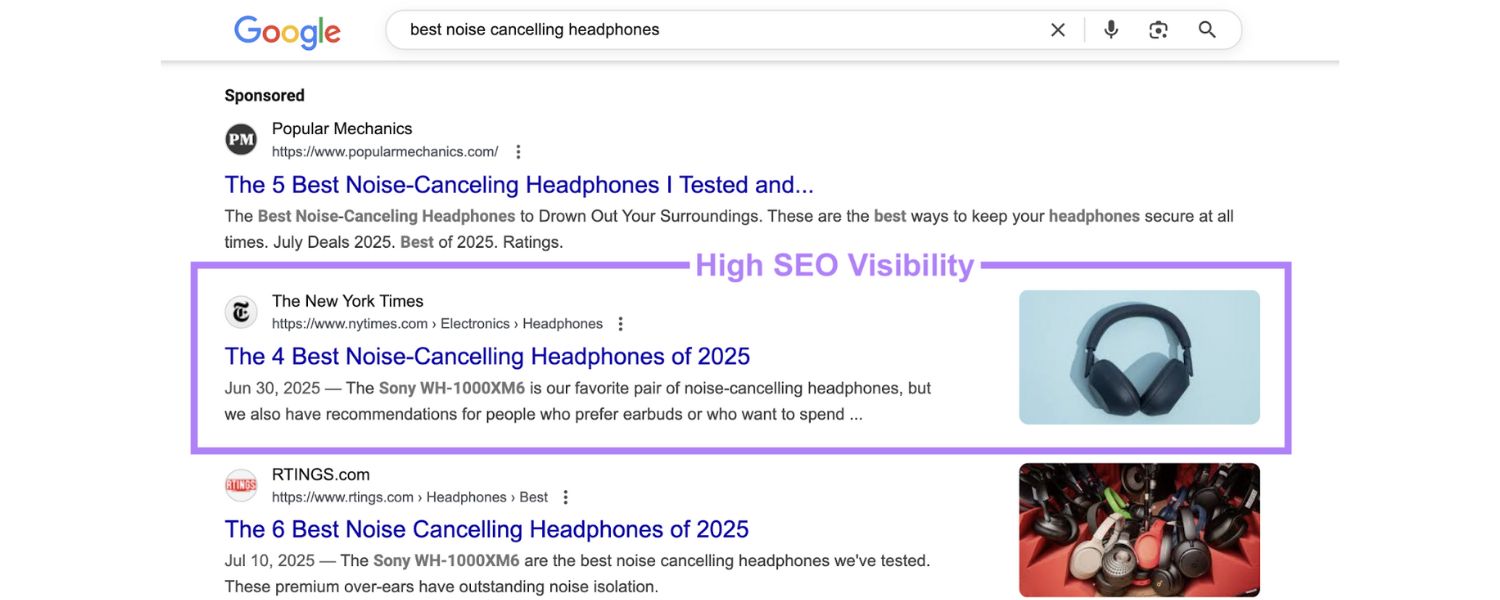
Having high SEO visibility means more opportunities for traffic and customers. When your visibility score increases, it indicates you’re ranking higher or for more keywords, which makes it more likely that searchers will click through to your site.
Studies show the top Google results get the lion’s share of clicks. In fact, the #1 organic result captures around 27%–40% of all clicks, while the #2 and #3 results get significantly less.
By contrast, appearing on page 2 (or beyond) is almost a death sentence for visibility – one recent analysis found only ~0.6% of users clicked a result on page 2.
SEO visibility is directly tied to organic traffic potential. A higher visibility score means your site is prominently featured in SERPs (Search Engine Results Pages), so you can attract a larger share of clicks. This translates to more visitors finding your content, more leads or sales, and greater brand exposure.
On the other hand, low visibility indicates your site is not being seen by most searchers, no matter how great your offerings or content might be. In SEO, “if you’re not visible, you’re not reachable.” Improving visibility strengthens your online presence and gives you a competitive edge in capturing search traffic.
SEO Visibility vs. Organic Traffic (Understanding the Difference)
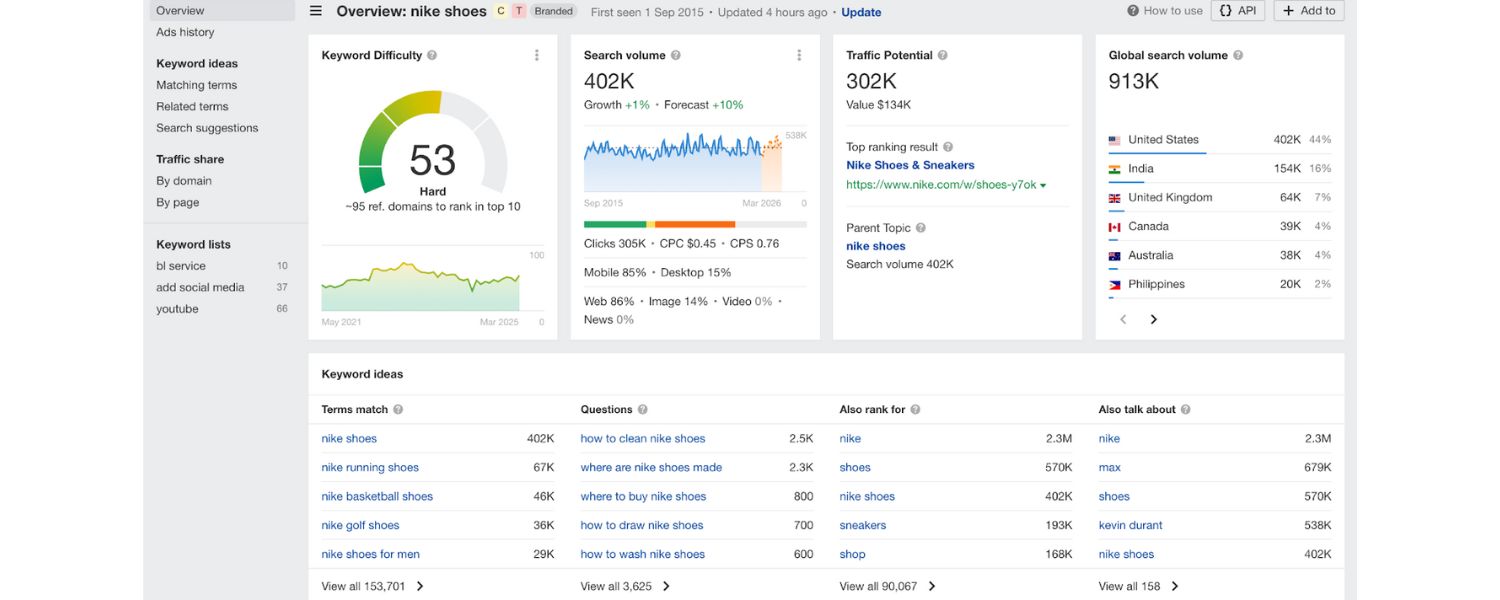
It’s important to distinguish SEO visibility from organic traffic, as they are related but not identical metrics. Organic traffic is the raw number of visitors coming to your site from search engines.
SEO visibility is a percentage-based index that estimates what portion of all possible clicks you are getting from your rankings. In other words, visibility is a relative indicator of performance in the SERPs, whereas organic traffic is an absolute count of clicks or visits.
For example, if your visibility score improves, it generally means you’ve gained better rankings or more keyword coverage – which should lead to higher traffic.
However, the relationship isn’t perfectly one-to-one. Visibility scores are based on a fixed set of keywords and assume typical click-through rates for each position.
Real traffic can be influenced by factors outside that model, such as seasonal search demand, news events, or long-tail keywords not included in the tracking set.
Think of SEO visibility as a health KPI for your overall search presence. If visibility drops significantly, it’s a red flag that something in your SEO performance has worsened (e.g. rankings fell or a Google algorithm update hit your site), even if your traffic hasn’t yet plummeted. Likewise, an increase in visibility is a positive sign that often precedes growth in visits. In summary:
A. SEO Visibility Score
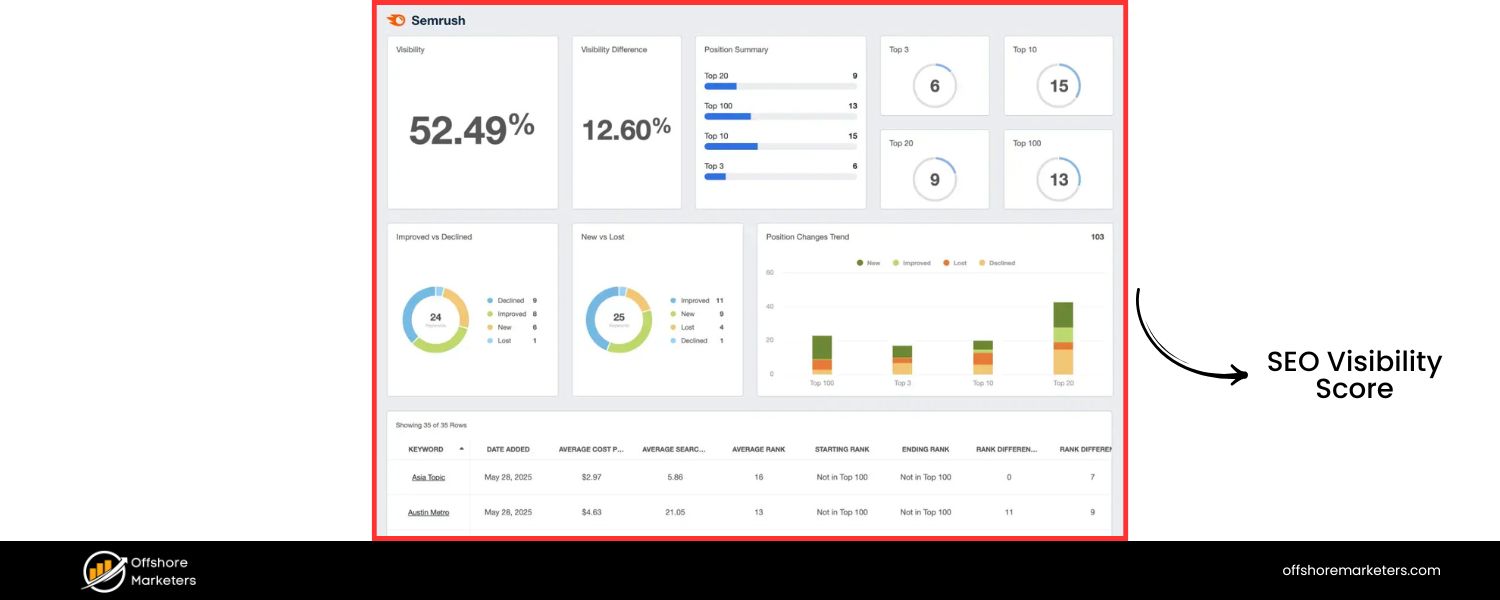
A relative score (0–100%) indicating how much of the potential organic exposure your site gets for a given keyword set. It’s derived from rankings and expected CTRs, and does not directly equal actual visitor counts.
B. Organic Traffic 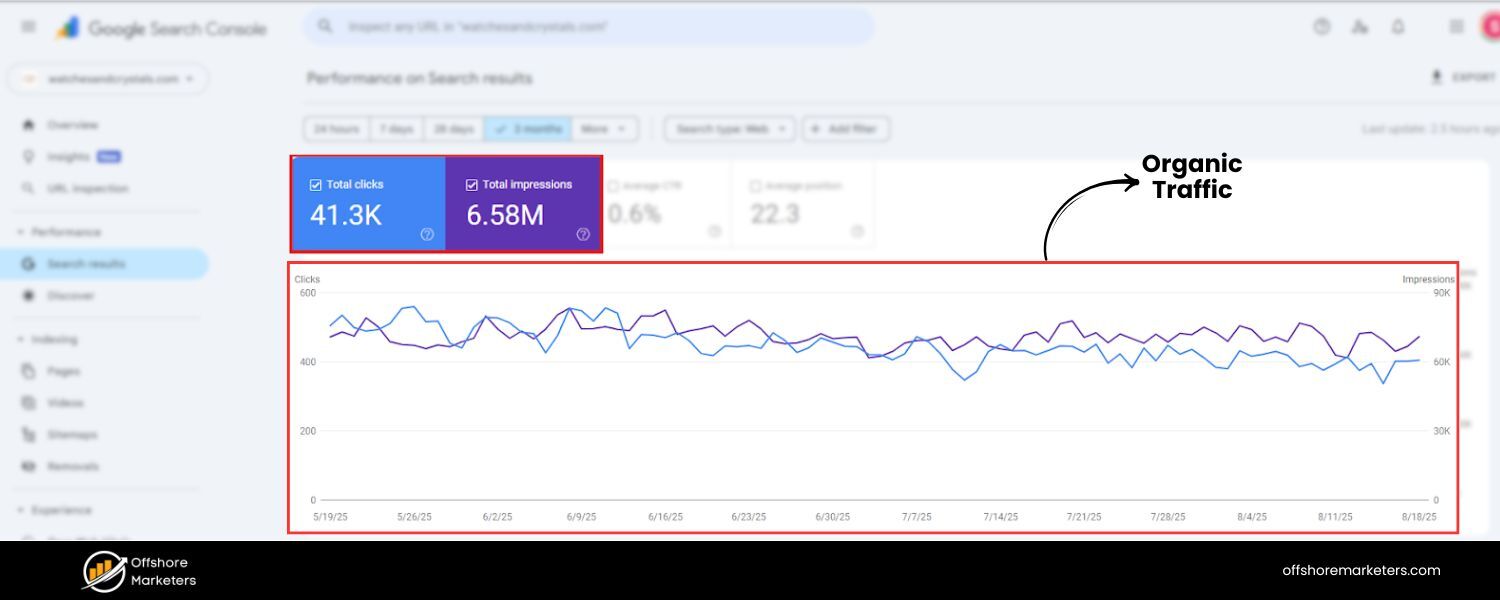
The actual number of users clicking through to your site from organic search results. Measured in tools like Google Analytics or Search Console, it’s influenced by your visibility and total search demand.
Both metrics are useful. Use visibility to diagnose and compare SEO performance (especially against competitors or across updates), and use organic traffic to measure the real-world impact on your business.
For instance, if your visibility drops but traffic remains flat, it could mean the keywords that fell in ranking were low-volume or offset by other gains.
But if visibility drops sharply, you can expect traffic will eventually follow the same downward trend. Ideally, you want to improve both – increasing the percentage of the search audience you reach (visibility) and the absolute number of visitors to your site (traffic).
How Is SEO Visibility Calculated?
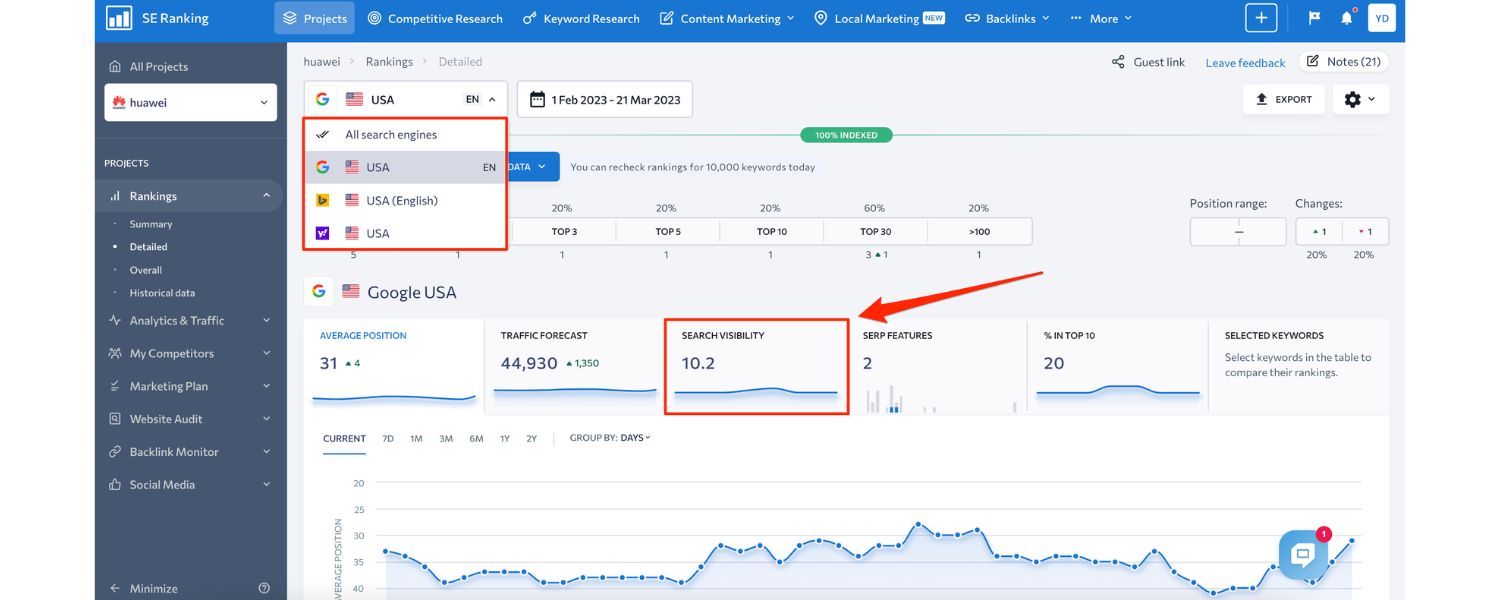
SEO visibility is calculated using a combination of your keyword rankings and the estimated click-through rates for those rankings. While each SEO platform has its own formula, the general approach is similar:
1. Define a Keyword Set: The tool looks at a set of keywords (either a fixed industry-wide set or your tracked keywords) for which your site appears in search results.
2. Gather Ranking Data: For each keyword, the tool checks your page’s ranking position (e.g. #1, #5, #32, etc.). Typically, only rankings within the first few pages are considered meaningful for visibility.
3. Apply CTR Weights: An expected CTR is assigned based on the ranking position. For example, ranking #1 might be given ~30% weight, #2 maybe ~15%, #10 perhaps ~2%, and so on, reflecting how users tend to click results. These weights may be adjusted if the result has special features (like a video or featured snippet) that could attract more clicks.
4. Compute the Score: The tool combines the data, essentially summing up the weighted “share of clicks” across all tracked keywords that your site obtains. The outcome is a percentage representing your share of potential clicks in that keyword set. If your site hypothetically ranked #1 for every keyword (and got the majority of clicks for all of them), your visibility would approach 100%.
Because each platform uses its own keyword sample and CTR model, visibility scores can vary between tools.
For instance, Searchmetrics’s SEO Visibility (one of the original visibility indices) uses millions of keywords and updates weekly, incorporating desktop and mobile data.
Semrush’s Visibility focuses on the specific keywords in your Position Tracking campaign and updates daily, weighting by each keyword’s search volume and an average CTR curve. Moz’s Visibility does something similar, applying a CTR% to each tracked keyword ranking and averaging it.
Ahrefs’ Search Visibility (Share of Voice) calculates the percentage of all clicks for your tracked keywords that land on your site. Despite these differences, the core idea is the same: higher rankings on important keywords = higher visibility score.
It’s worth noting that SEO visibility is not a direct traffic metric. It uses a hypothetical model of clicks. For example, if you include many keywords you rank poorly for (say positions 50+), your visibility percentage will be low even if those keywords aren’t bringing traffic anyway.
Conversely, a few high rankings on very popular keywords could yield a high visibility score. Use the metric as a relative gauge of performance and for comparing progress over time or against competitors – not as an exact measure of visitors.
Key point: The exact percentage value matters less than the trend and comparison. Focus on improving your visibility score over your past self and keeping it higher than that of your key competitors. A rising visibility line usually means your SEO is on the right track.
How to Check and Track Your Search Visibility
To measure SEO visibility, you’ll need tools that provide ranking data and visibility metrics. Here are some popular ways to track your visibility score:
A. Google Search Console (GSC) 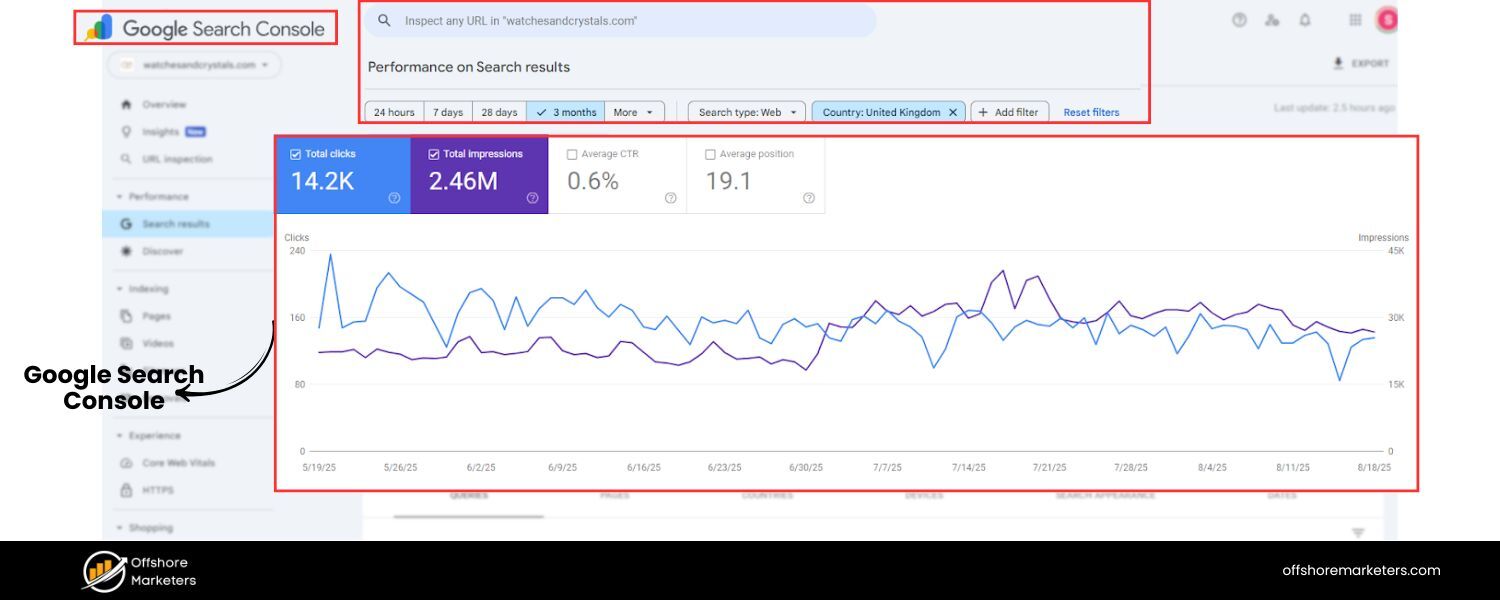
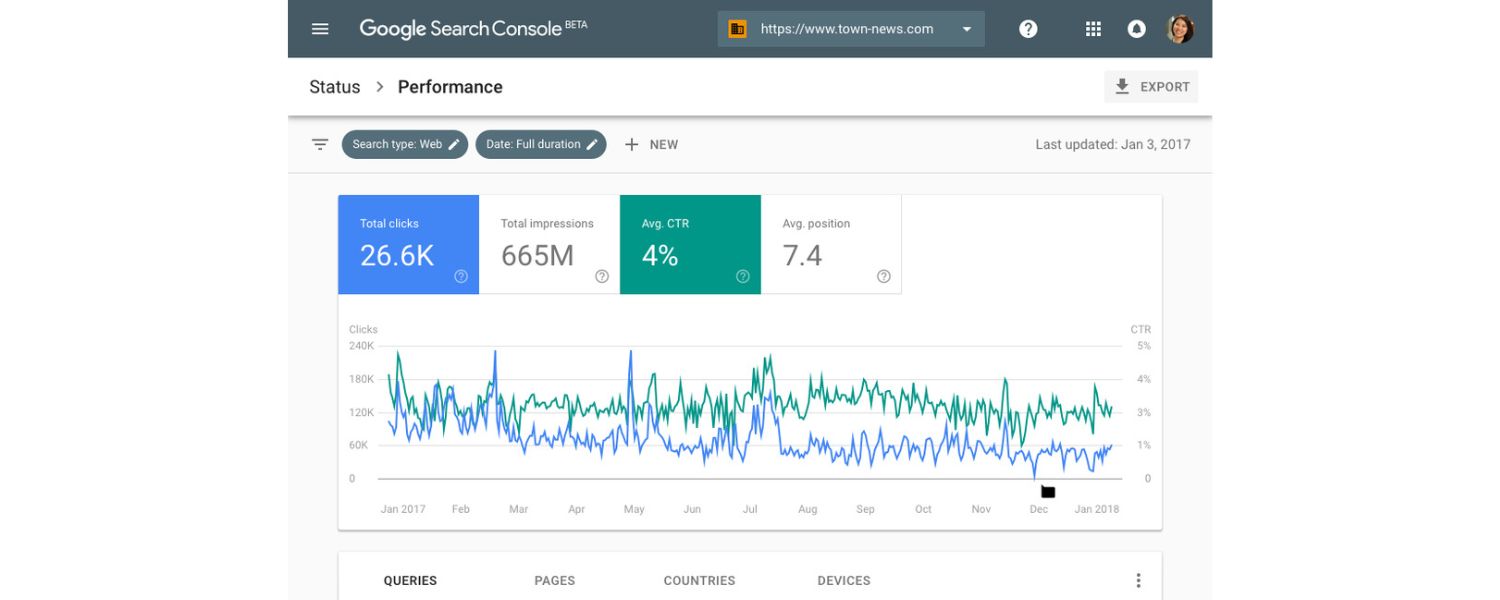
While GSC doesn’t give a single “visibility %” score, it offers valuable data on impressions, clicks, and average position. Under the Performance report, you can see how often your site appeared in search results (impressions) and your average ranking for queries.
By monitoring total impressions and the ratio of clicks to impressions, you can infer your overall visibility. For instance, “Total Impressions” tells you how frequently you’re showing up, and the breakdown of positions shows where you tend to rank.
If impressions are high but clicks are low, your visibility (presence) might be decent but your click-through rate could be improved – perhaps by better titles/meta descriptions.
B. Semrush Position Tracking 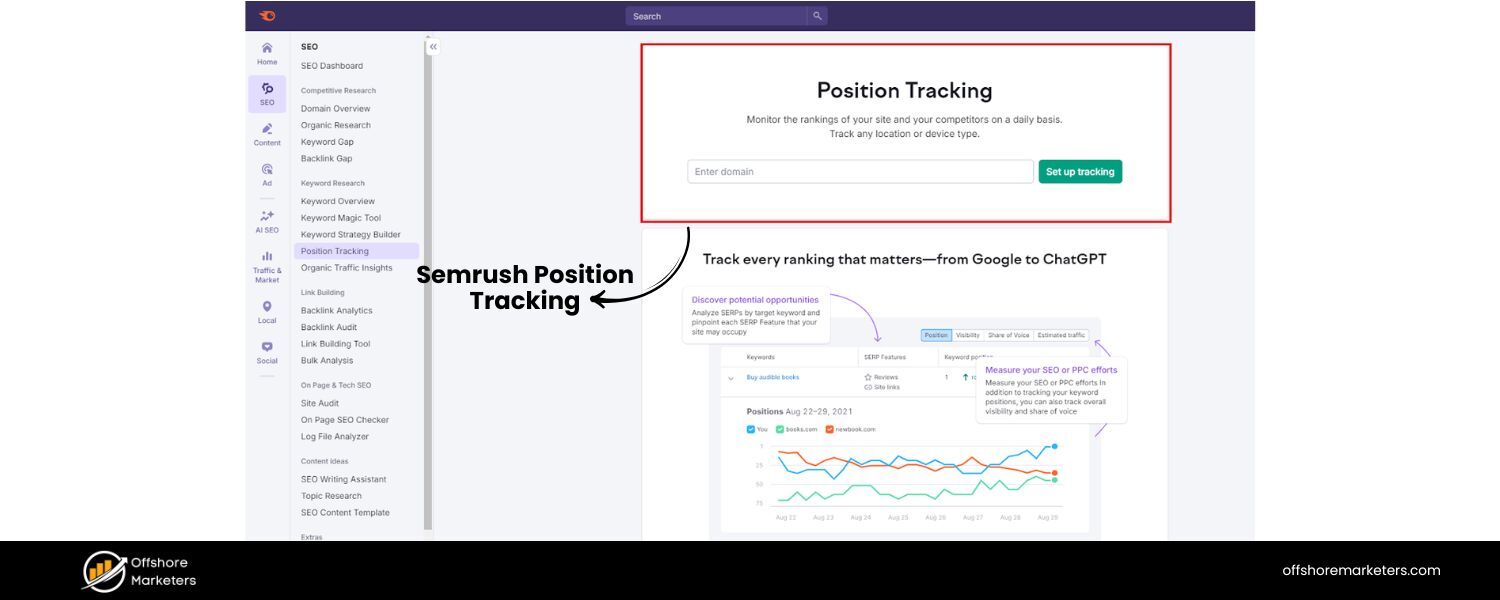
Semrush’s Position Tracking tool allows you to set up a project with a custom list of target keywords. It then reports a Visibility % for those keywords, updated daily. This Visibility Trend graph shows how your search visibility changes over time for your tracked set, which is great for spotting improvements or drops.
Semrush calculates this by looking at your rankings for each keyword and applying estimated CTR models.A Semrush visibility score of, say, 50% means you’re capturing about half of all possible clicks from the tracked keywords.
You can also compare your visibility side-by-side with competitors in the tool to see how you stack up.
C. Ahrefs Rank Tracker (Share of Voice)
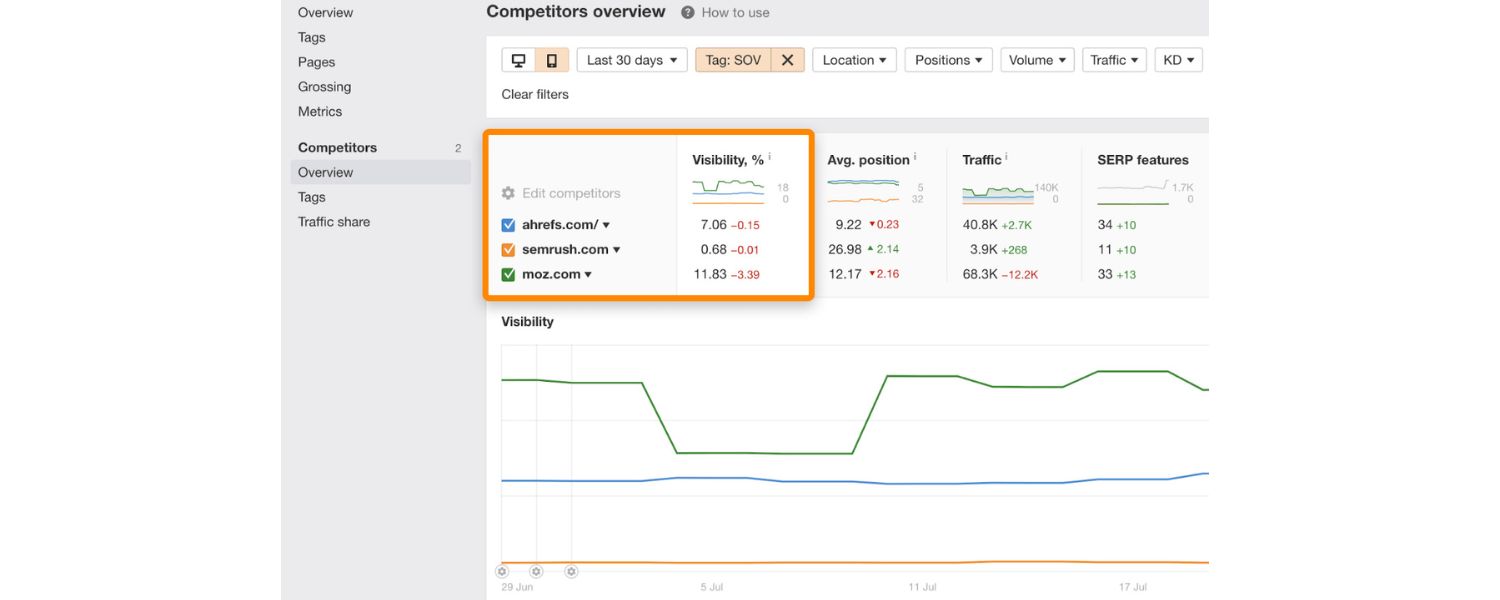
Ahrefs offers a metric called Share of Voice in its Rank Tracker, which is effectively search visibility. It represents the percentage of total organic clicks for your tracked keywords that go to your site.
For example, if your Share of Voice is 10% for a set of keywords, you’re getting 1 in 10 of all clicks from those searches (while competitors get the rest). Ahrefs makes this easy to track by adding keywords to a project and then viewing the Search Visibility percentage in the overview.
It’s a direct measure of your “mindshare” in the organic results.
D. Moz Pro 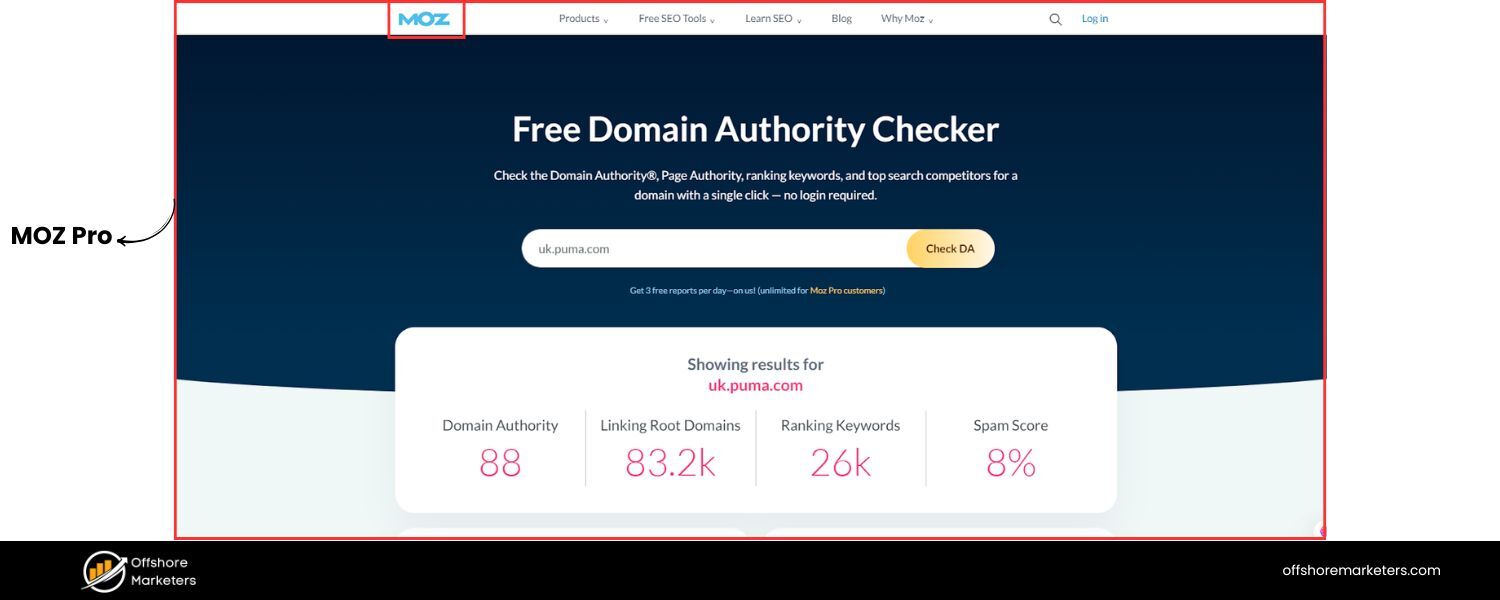
Moz Pro’s Search Visibility metric works similarly, you add target keywords to a Moz campaign, and it computes a visibility score based on your rankings for those terms, weighted by each term’s search volume and a positional CTR curve.
Moz’s score is displayed as a percentage of maximum visibility. It’s useful for trend tracking and reporting to see if your optimizations are moving the needle.
E. Other Tools
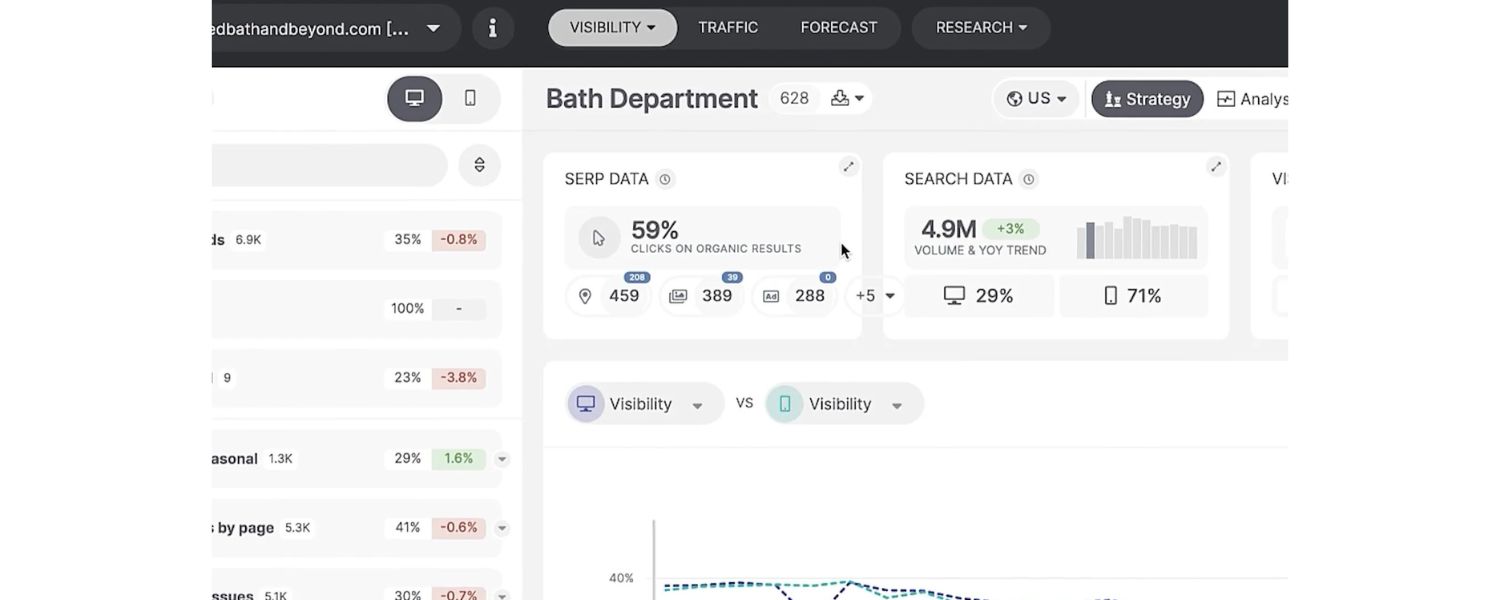
Many other SEO platforms have their own versions of visibility indices. SEOmonitor, for instance, calculates the percentage of impressions you capture by combining ranking positions with search volumes (essentially your share of impressions).
SISTRIX (a popular tool in Europe) has a well-known Visibility Index that monitors millions of keywords per country to give a comparative score for any domain trang-nguyen-ngoc.medium.com.
The key is not which tool you use, but that you consistently track your visibility with a reliable data source. Each tool’s score is unique, so avoid comparing scores from different tools directly. Instead, pick one platform as your source of truth for visibility, and check it regularly (e.g. weekly or monthly).
Pro Tip:
Set up a baseline visibility report and include your top competitors’ domains. This way, you can monitor not only your progress but also how you fare against others in your industry. If you see a competitor’s visibility curve rising faster than yours, it might be a signal to investigate their strategy or content.
Most tools will also allow you to set up alerts or reports for visibility changes. This can help you quickly catch when a major change occurs – for example, if your visibility drops sharply (perhaps due to a Google algorithm update or a technical issue), you can respond promptly.
What Is a “Good” SEO Visibility Score?
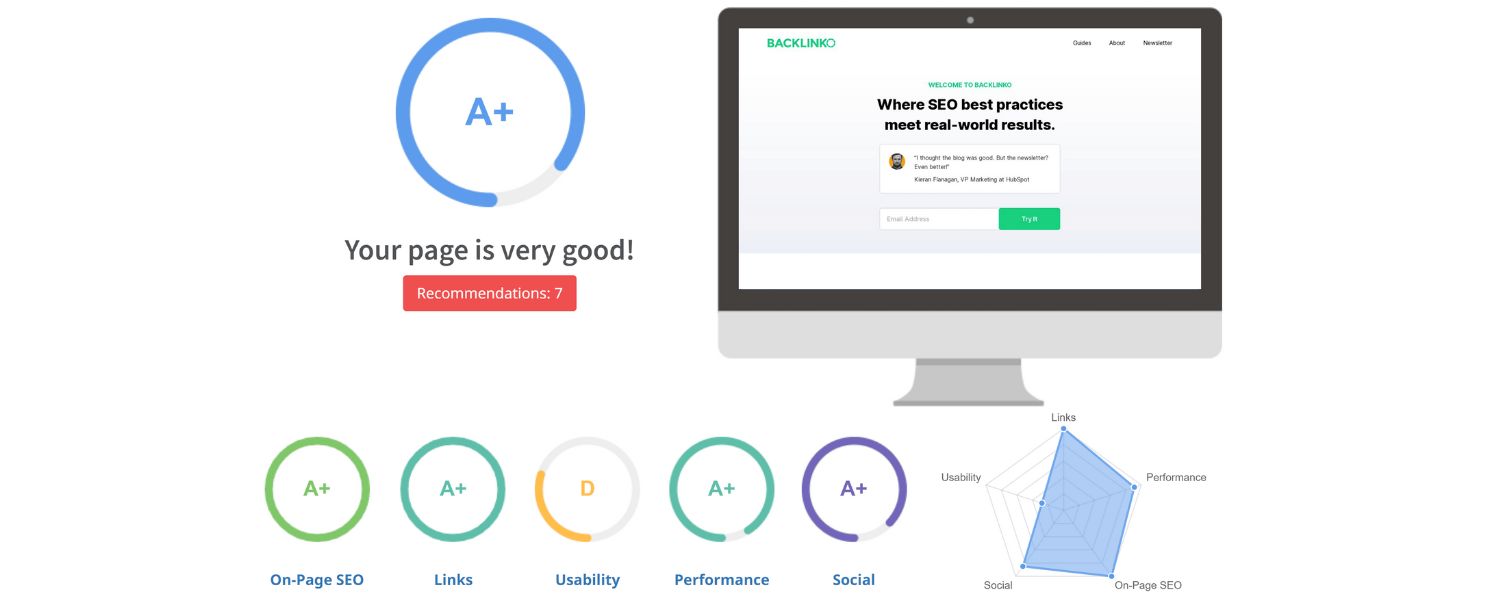
One of the common questions site owners ask is: “What is a good visibility percentage to aim for?” The truth is, there is no universal “good” SEO visibility score that applies to every case.
A “good” score depends on your industry, the set of keywords you’re tracking, and how competitive the search landscape is. Visibility is inherently relative – it’s basically telling you how much of the available search pie you’re getting. That said, we can discuss general benchmarks and how to interpret your score:
0% – 5% (Low Visibility)
Your site has a minimal presence in search results for the tracked keywords. This usually means you either rank on page 2 or beyond for most terms, or you’re only ranking for very low-volume keywords. Significant SEO work is needed to increase your exposure. New websites or those in very competitive niches often start here.
5% – 15% (Moderate Visibility)
Your site appears in search results for some keywords, but likely not in top positions for the majority. You might have a few page-one rankings, or many page two rankings. There is room to improve by pushing more keywords into the top 10. At this level, targeted optimization can start yielding big gains.
16% – 30% (Good Visibility)
This reflects a solid presence in your keyword set. Your site likely ranks on page one for several mid- to high-value keywords, and maybe even holds some top 3 positions. It’s a positive sign that your SEO strategy is working, and with continued effort (content, links, technical fixes), you can aim even higher.
31% – 50% (Very Good Visibility)
Your website ranks well for multiple important keywords, indicating effective SEO execution. Scores in this range suggest you’re a strong player in your niche’s search results.For competitive industries, being in the ~30–50% range is often considered excellent performance. It means you consistently occupy top spots for many terms, driving a healthy share of traffic.
50% and above (Excellent Visibility)
This is a dominant search presence. A score above 50% implies you’re capturing over half of all potential clicks from your tracked keywords.Achieving this is rare and usually only possible if you are the market leader or if you track a very focused set of branded keywords. For example, a very strong brand might rank #1 for most of its important terms, yielding 50%+ visibility.In ultra-competitive spaces (e.g. finance, travel), even the top sites might not hit 50% due to the sheer volume of competition. So consider anything around or above half visibility an outstanding result.
These ranges are guidelines, not hard rules. Always interpret your visibility score in context. For instance, a 20% visibility might be great if you’re tracking hundreds of broad keywords, but modest if you’re tracking just a dozen very specific terms.
Also, different tools might report different numbers for the same reality – focus on trends in whichever tool you use. Rather than chasing an arbitrary number, your goal should be continuous improvement. If you start at 5% and grow to 15%, that’s a big success even if 15% might seem “low” in absolute terms.
Likewise, if you’re at 40% and all competitors are around 20%, you’re doing extremely well in that competitive set.
Beware of the 100% Myth: It’s practically impossible to reach 100% visibility for any broad set of keywords. Even if you rank #1 across the board (an unlikely scenario), not every user will click your result – some will scroll, click other features, or not click at all.
As Ahrefs notes, even dominating every keyword, competitors will still get some clicks, so no site truly gets all available traffic. Instead of perfection, aim to be visibly better than your past performance and your key competitors. SEO is a long game, and maintaining a high visibility score over time, amidst algorithm changes and new competitors – is a sign of robust SEO health.
Key Factors That Influence Search Visibility
What affects your SEO visibility score? In short, anything that affects your search rankings will affect your visibility. Visibility is essentially a function of how well your site performs in organic search. Here are the major factors and concepts that influence your search visibility:
A. Keyword Selection & Relevance 
The keywords you target (and how well your content matches them) play a huge role. Google aims to show the most relevant content for a query, so aligning your pages with search intent is crucial.
If you target overly broad or highly competitive keywords without relevance or authority, you may not rank well, resulting in low visibility. Focusing on specific, relevant keywords (often long-tail terms) can improve your chances of ranking and thus visibility.
B. Content Quality and Depth
High-quality, informative content tends to rank better, especially after Google’s Helpful Content updates. Content that satisfies user intent, answers common questions, and provides value will keep visitors engaged and send positive signals to search engines.
Comprehensive content also helps you rank for more keyword variations, increasing the breadth of your search visibility. Thin or outdated content, on the other hand, can hold you back.
C. On-Page SEO (Titles, Meta Tags, etc.) 
On-page optimization helps search engines understand and appropriately rank your pages. Elements like the title tag and meta description influence how your listing appears in the SERP.
Including your target keywords in the title and meta description can improve relevance. Just as importantly, crafting them to be compelling can boost your click-through rate.
A higher CTR means more traffic for the same ranking, and some evidence suggests Google may reward pages that get higher-than-expected CTRs. For example, writing an enticing title that draws clicks can improve your visibility by leveraging user behavior.
D. Technical Website Health 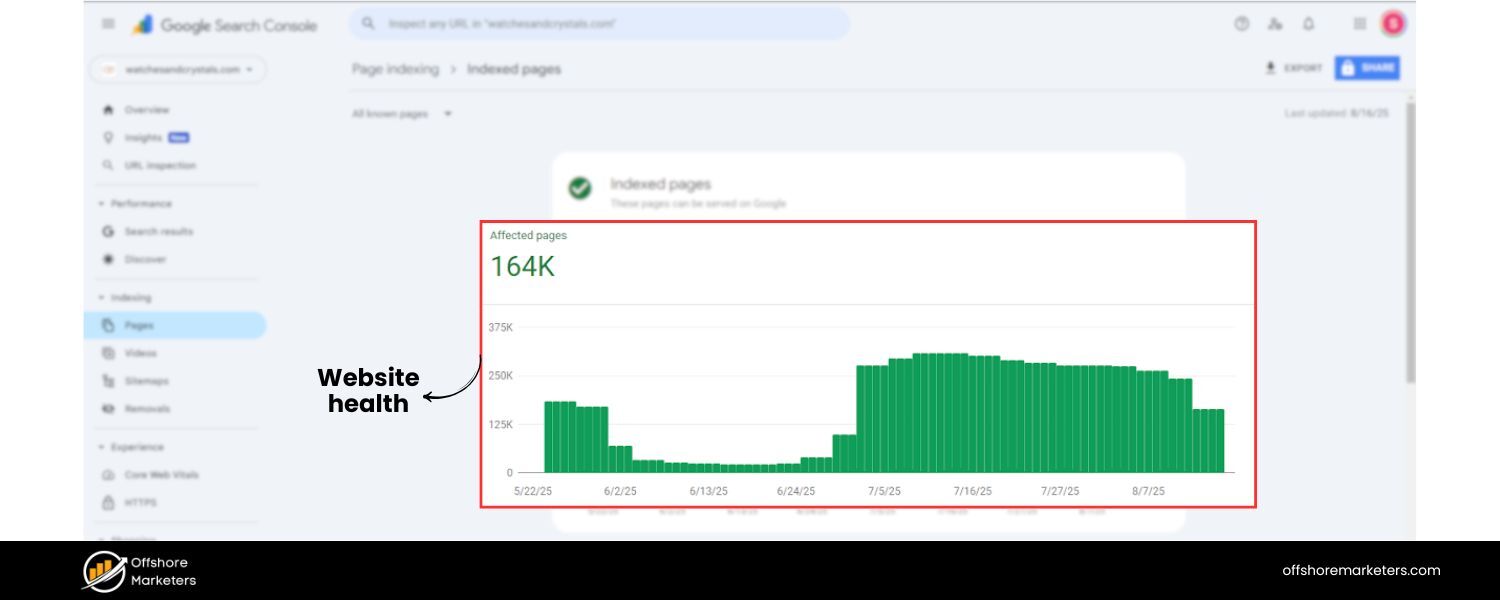
Technical factors can make or break your visibility. A well-structured, crawlable site allows Google to index all your important pages. Key technical aspects include:
E. Site Architecture & Internal Links

A logical structure with good internal linking helps search engines discover content and understand site hierarchy. Pages buried deep with few links may not rank well due to poor discoverability or perceived importance.
F. Page Speed & Core Web Vitals 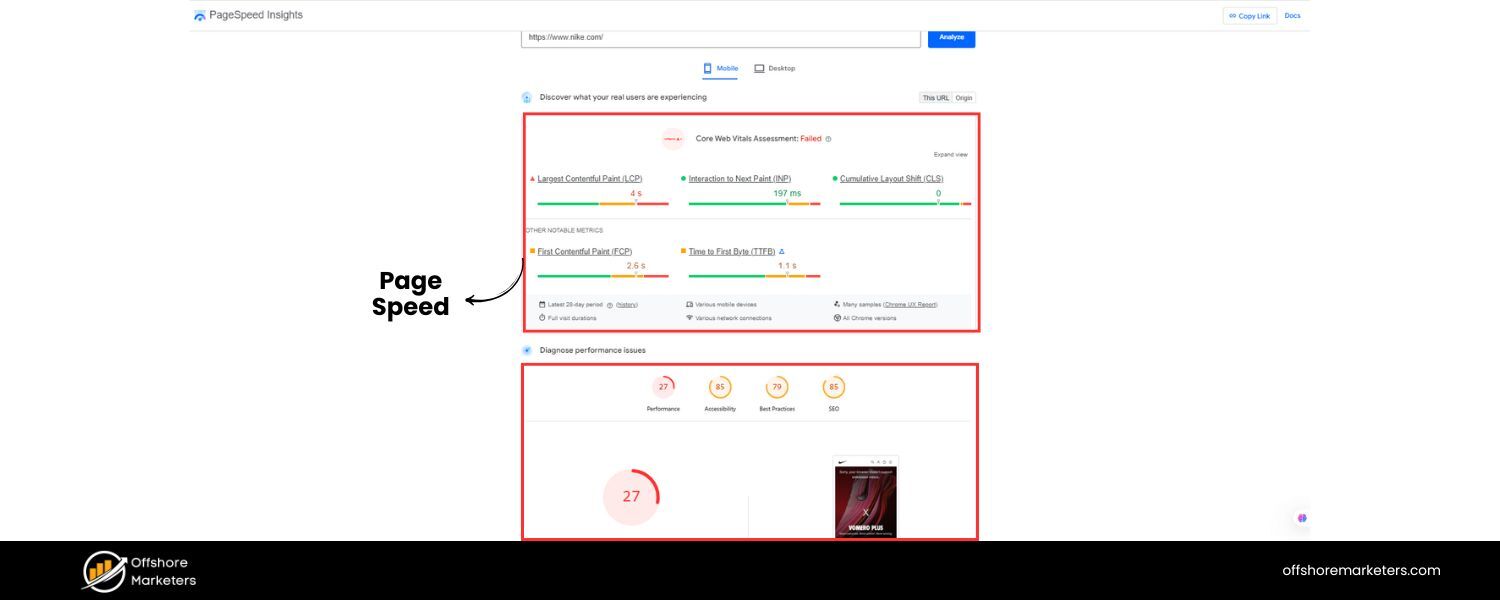
Fast-loading, stable pages offer a better user experience, which Google uses as a ranking factor (via Core Web Vitals). If your site is slow or has poor performance metrics, it could hurt your rankings and visibility.
G. Mobile-Friendliness
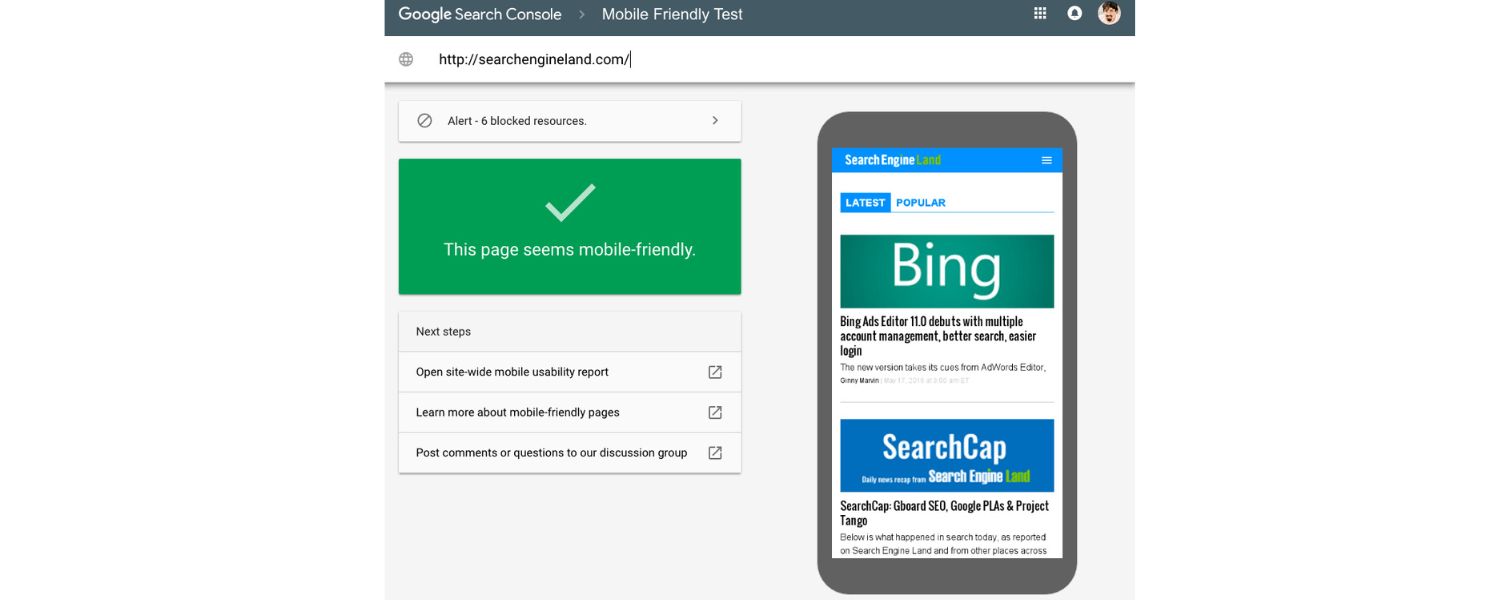
With Google’s mobile-first indexing, the mobile version of your site is paramount. A site that isn’t mobile-friendly will struggle to rank on mobile search, thus losing visibility as more than half of searches are on mobile devices.
H. Indexation & Crawl Errors
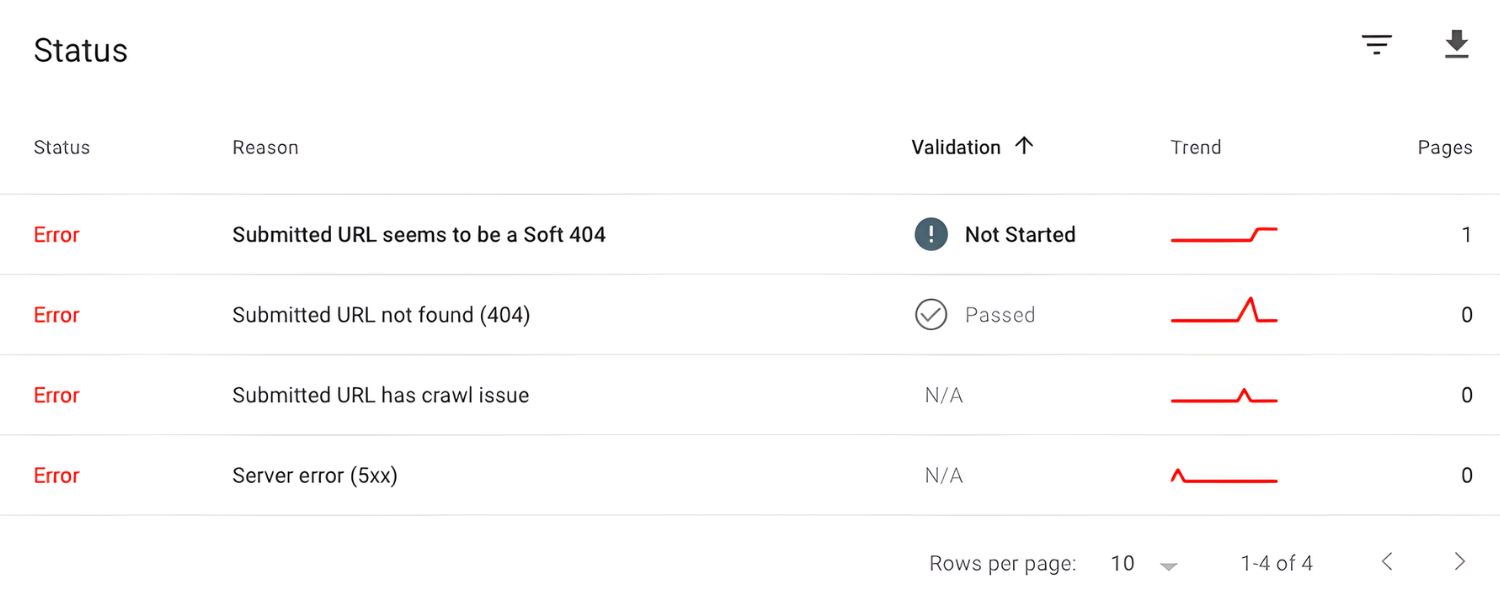
If search engines can’t properly crawl or index your pages (due to errors, broken links, noindex tags, etc.), those pages obviously won’t contribute to visibility. Ensuring your robots.txt isn’t blocking important pages and fixing crawl errors is foundational for SEO.
I. Backlinks and Domain Authority 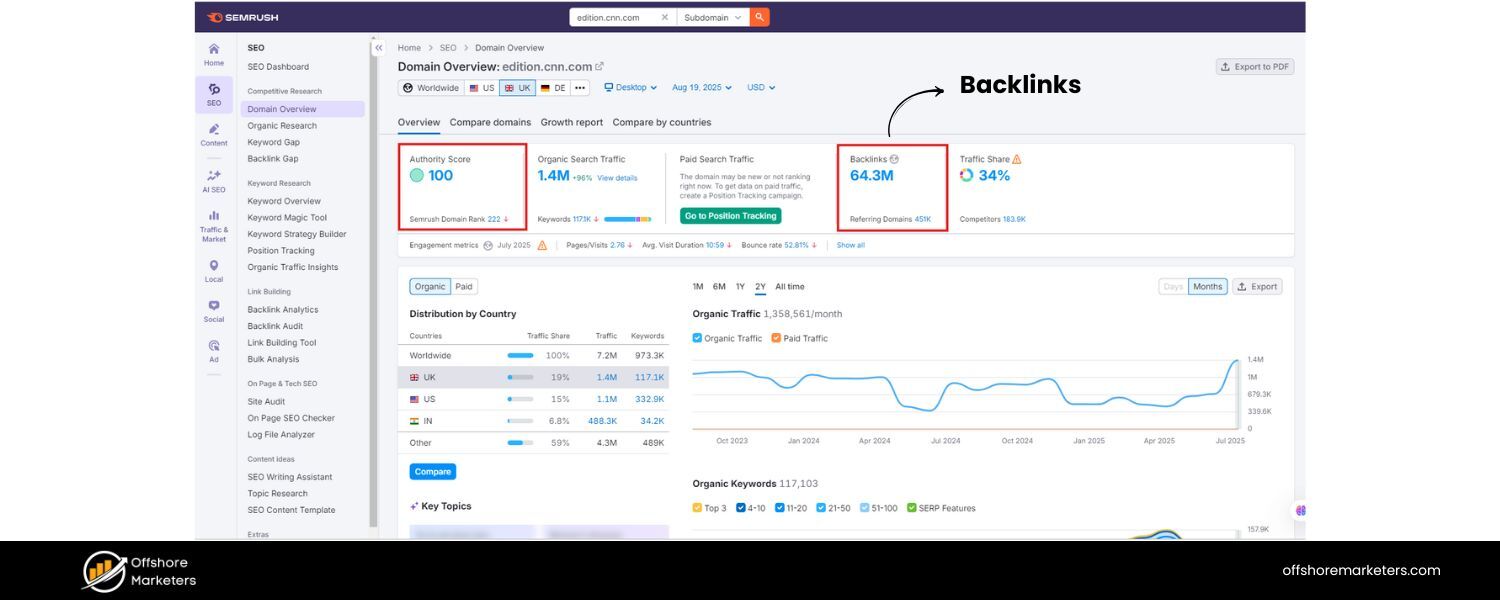
Off-page SEO signals like backlinks remain one of the strongest influences on rankings. When reputable websites link to your site, it boosts your domain’s authority in Google’s eyes.
Pages with more high-quality backlinks tend to rank higher, thereby improving visibility. For instance, obtaining links from respected sites in your industry can elevate your content onto page one, dramatically increasing the percentage of traffic you capture.
A strong backlink profile lifts your entire site: it’s often observed that websites with higher overall domain authority (via many good backlinks) rank more easily for various keywords, which raises the whole visibility score of the domain.
J. User Engagement Signals
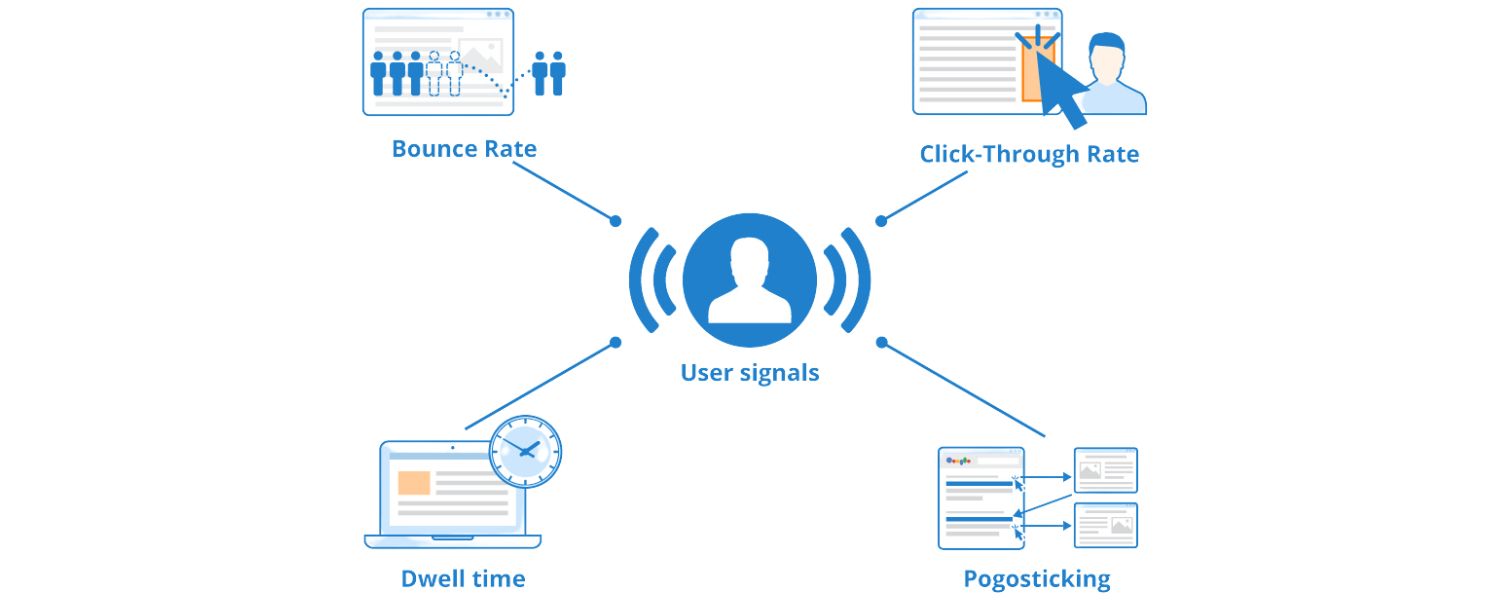
Although not explicitly confirmed as direct ranking factors, user behavior metrics (sometimes called user signals or UX signals) can correlate with better rankings. These include click-through rate (CTR), dwell time (how long users stay on your page after clicking it), and bounce rate.
For example, if a page has a high dwell time – meaning users click it in results and spend several minutes on it – it indicates the content is satisfying. Studies have found that pages with longer average dwell times often rank higher than those with quick bounces.
Google’s algorithms incorporate aspects of user experience (for example, through RankBrain and other machine-learning systems that observe how users interact). Thus, improving engagement can indirectly boost rankings, which in turn boosts visibility.
Even simply improving your snippet (title/meta) to get more clicks can increase your visibility without a change in ranking position – because the visibility metric itself often uses expected CTR. Exceeding the average CTR for your position can increase the effective traffic you get at that ranking.
K. Search Features and SERP Layout
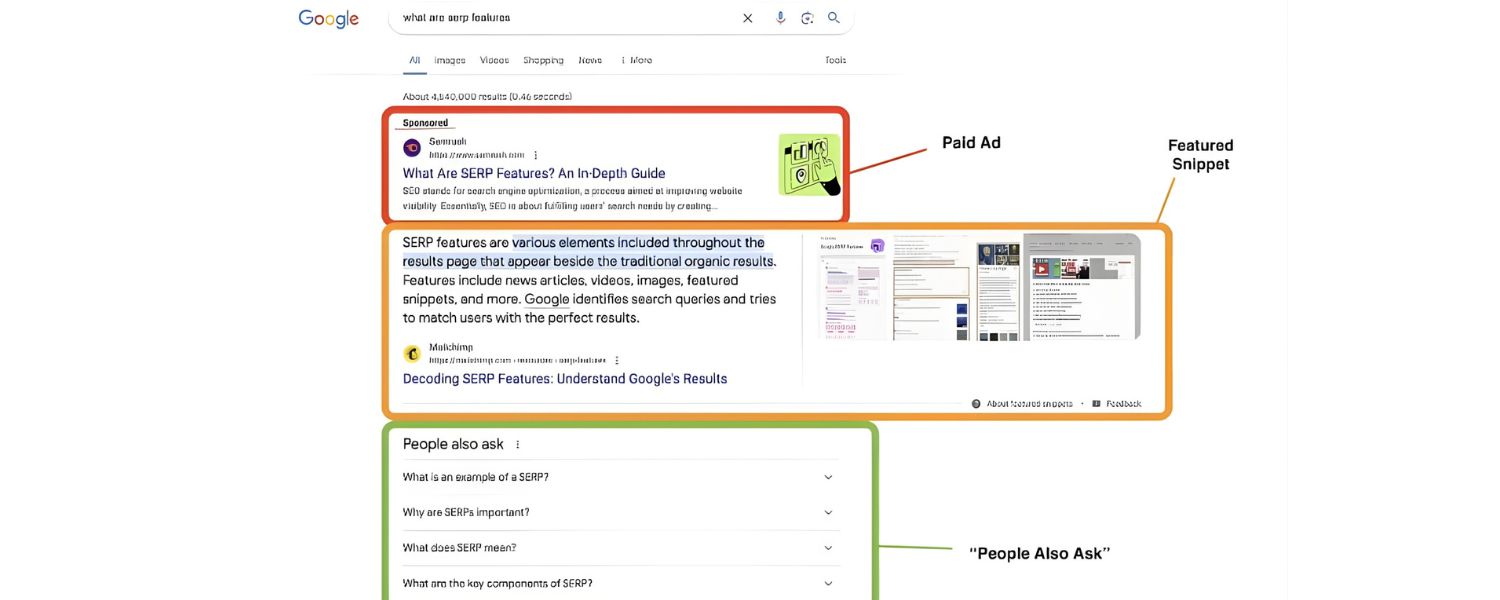
Modern search results often contain features like featured snippets, “People Also Ask” questions, local packs, images, videos, etc. These can impact your visibility. If you optimize for and capture a featured snippet, your result appears at the very top (position 0) in a prominent box, which can greatly increase your visibility percentage for that query.
On the other hand, if the SERP is crowded with ads or other features pushing organics down, even a #1 ranking might yield fewer clicks than expected (lowering actual traffic share). Keep in mind that zero-click searches (where users get answers directly on Google without clicking through) have been rising.
This doesn’t necessarily lower your visibility score (since you still “rank”), but it can limit traffic. To combat this, try to occupy as much SERP real estate as possible – via snippets, sitelinks, multiple rankings, etc. – so that your visibility translates to clicks.
In summary, SEO visibility is multifaceted. Improving it requires a holistic SEO approach: aligning content with user intent, optimizing on-page elements, ensuring technical excellence, building authority through backlinks, and providing a great user experience. In the next section, we’ll dive into specific strategies to boost your visibility.
How to Improve Your SEO Visibility (Proven Strategies)
Improving SEO visibility isn’t about any single hack – it’s about systematically enhancing your site’s SEO fundamentals to rank higher and for more keywords. Here are some effective strategies to boost your organic search visibility:
1. Target the Right Keywords (Focus on Long-Tails and Relevance)
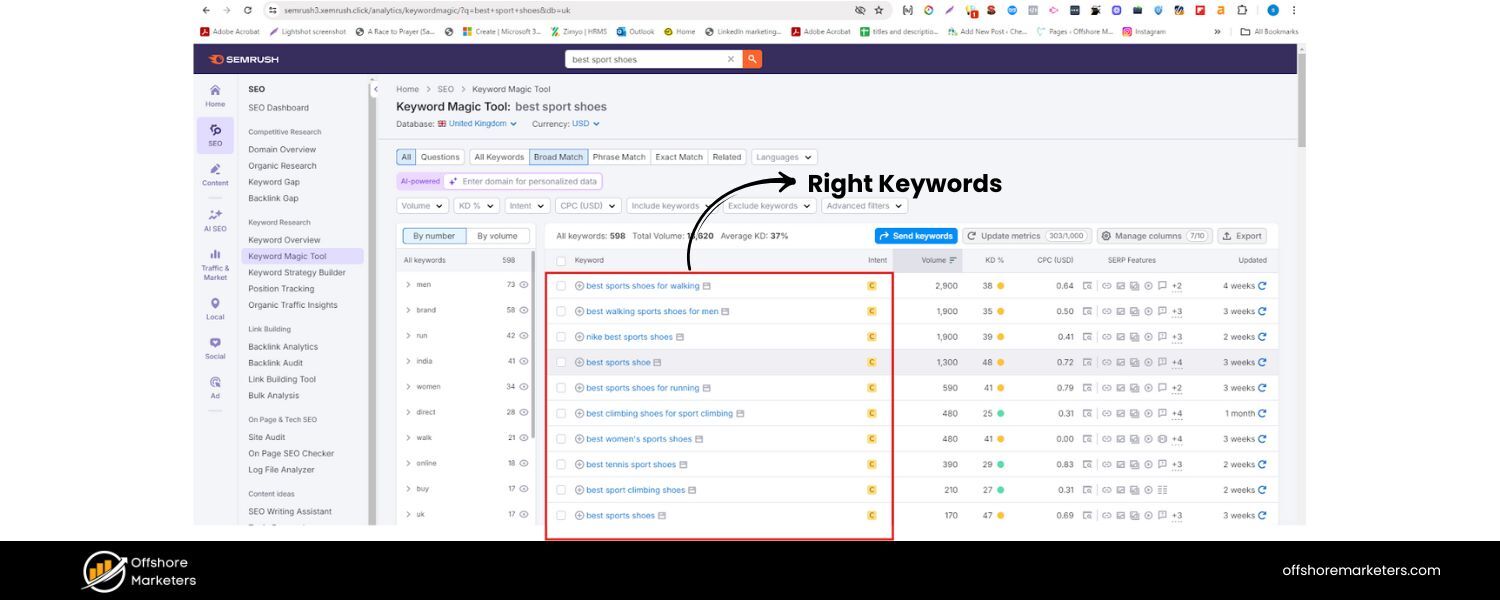
One of the quickest ways to gain visibility is to refine your keyword targeting. Many websites make the mistake of going after ultra-competitive, broad keywords right away.
As a result, they languish on page 2 or 3 (or nowhere at all), which yields almost no visibility. Instead, start by targeting long-tail keywords – these are longer, more specific phrases that typically have lower search volume but also less competition.
For example, instead of trying to rank for “shoes” (very broad), target “best running shoes for flat feet” or “affordable leather dress shoes.” Long-tail terms often indicate specific intent and can be easier to rank for, meaning you can grab a top ranking and quickly capture visibility for that niche query.
To find long-tail opportunities, use keyword research tools to identify phrases related to your business that have moderate volume and high relevance. Look at what questions people ask (e.g., use “People Also Ask” or forums for inspiration).
By focusing on more attainable keywords, you’ll start to see your pages show up on page one, boosting your visibility score. Over time, this builds a foundation to go after more competitive terms. Remember, each long-tail keyword you rank for is another avenue for searchers to find you, expanding your overall search footprint.
2. Create High-Quality, Optimized Content

Content is the core of search visibility. Each page on your site is an opportunity to rank for certain terms. To improve visibility, ensure your content meets a high standard of quality and is fully optimized:
A. Match Search Intent
Before creating or optimizing a page, identify what users searching that keyword really want. Are they looking for information (a blog post or guide), a product, a comparison, an answer to a question? Google prioritizes content that fits the intent behind the query.
For instance, someone searching “how to improve website visibility” likely wants an informative guide (like this one!), not a product page. Aligning your content format and angle with the dominant intent increases your chances of ranking.
B. Be Comprehensive and Helpful
In-depth content that thoroughly covers a topic tends to rank well and earn more visibility. Aim to answer all relevant sub-questions users might have. Use headings and subheadings (H2, H3) to structure the content logically.
Incorporate facts, examples, and up-to-date information (cite reputable sources or data for credibility – search engines favor content that demonstrates expertise and trustworthiness). The goal is for your page to become a one-stop resource that satisfies the query better than any other result.
This not only boosts rankings but can also increase the likelihood of Google picking your content for featured snippets or other rich results.
C. On-Page Optimization
Sprinkle your target keywords (and related terms) naturally throughout the content. Key places include the title tag, meta description, headers, and first paragraph. However, avoid keyword stuffing – readability and clarity come first.
Use semantic SEO: include LSI (Latent Semantic Indexing) keywords and related concepts to give context to your content. For example, an article about “SEO visibility” might also mention “organic traffic,” “rankings,” “click-through rate,” etc., which helps search engines see the content as comprehensive on the topic.
D. Make Content Engaging
User engagement can influence your search performance. Write in a clear, conversational tone appropriate for your audience. Use images, diagrams, or charts where helpful to illustrate points (visual elements can also appear in image search or earn you a spot in SERP features).
Break up text with bullet points or tables for easier scanning (as we’re doing here). Engaging content will keep readers on the page longer, improving dwell time signals. Additionally, content that genuinely helps or interests users is more likely to be shared or linked to, which further boosts SEO visibility.
3. Optimize Your Titles and Meta Descriptions (Improve CTR)
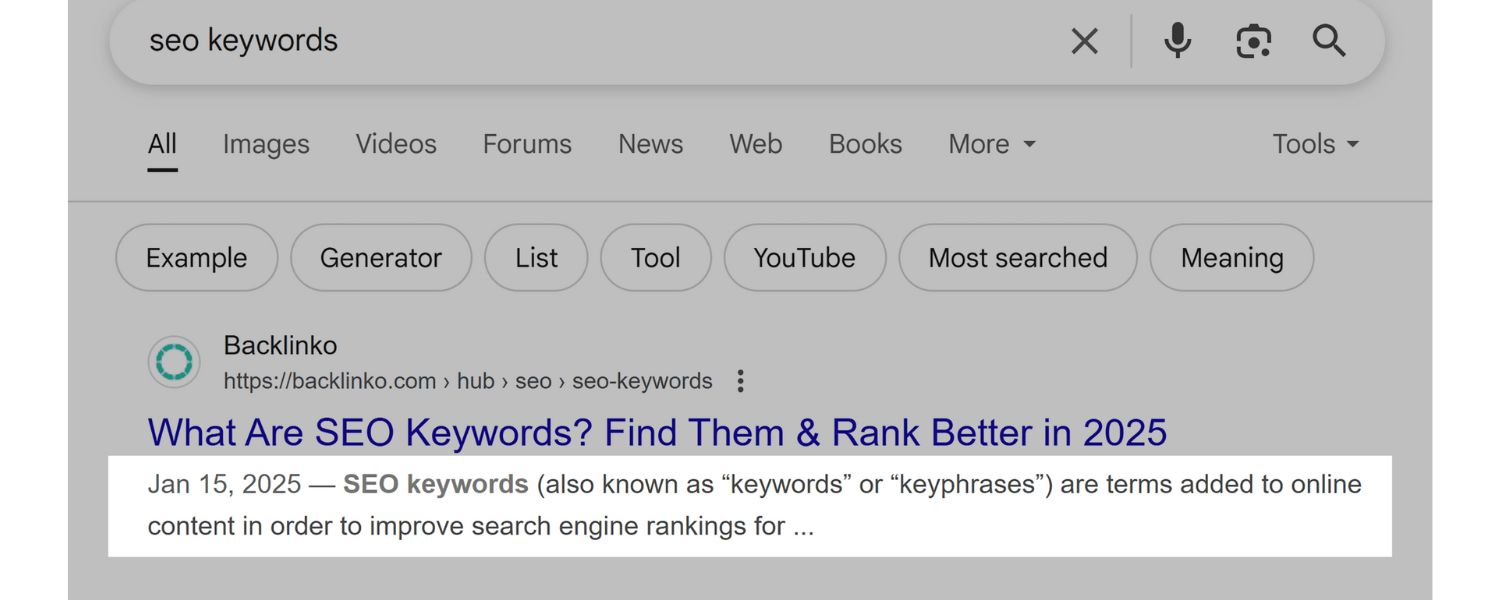
Sometimes, improving SEO visibility isn’t just about moving up in ranking, but getting more clicks for the rankings you already have. This is where optimizing your title tags and meta descriptions is vital. These elements form your snippet in the search results – it’s your advertisement to searchers, inviting them to click.
A. Craft Compelling Title Tags 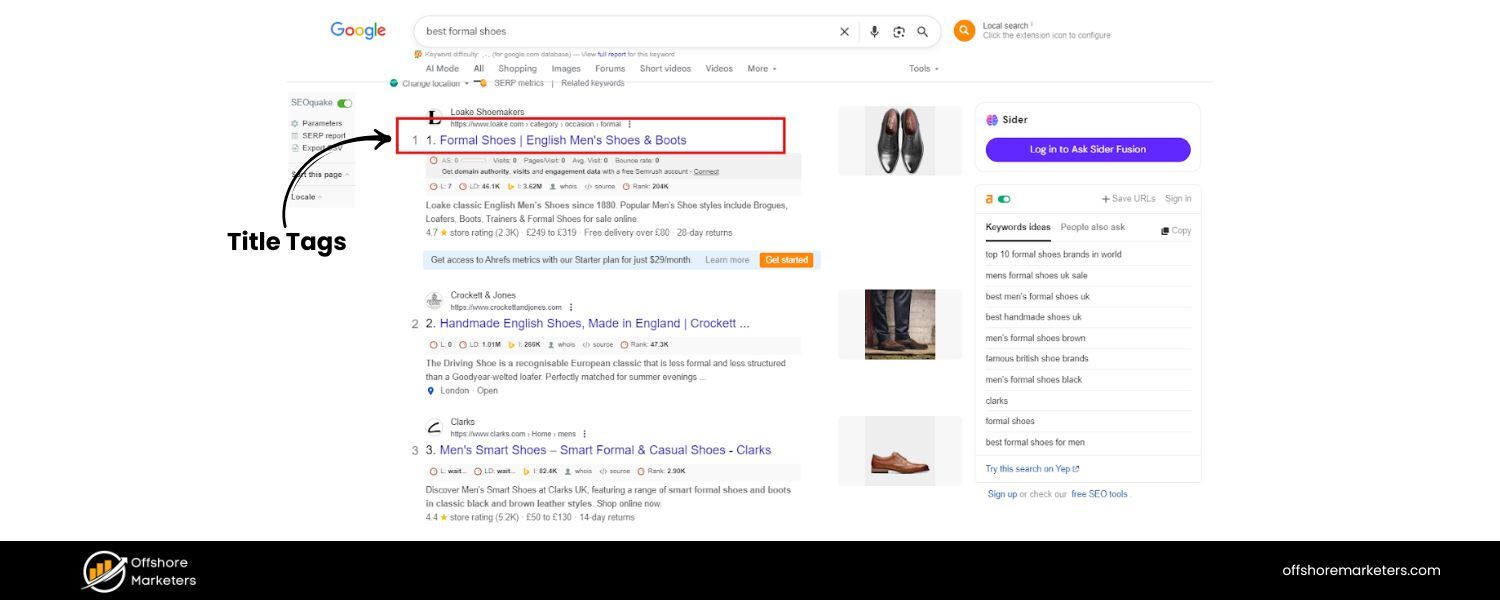
Include your primary keyword in the title for relevance, ideally towards the beginning. But also make the title enticing – it should promise value or pique curiosity so users want to click.
For example, a title like “SEO Visibility: 5 Proven Ways to Boost Your Search Rankings” is more compelling than “SEO Visibility Guide”. Use power words or numbers where appropriate, and keep the length about 50–60 characters so it doesn’t truncate.A higher CTR on your result can improve your overall traffic share.
Google also notices if your result is consistently attracting clicks; a strong CTR relative to your position can be a positive signal (though indirectly) for your ranking.
B. Write Descriptive Meta Descriptions 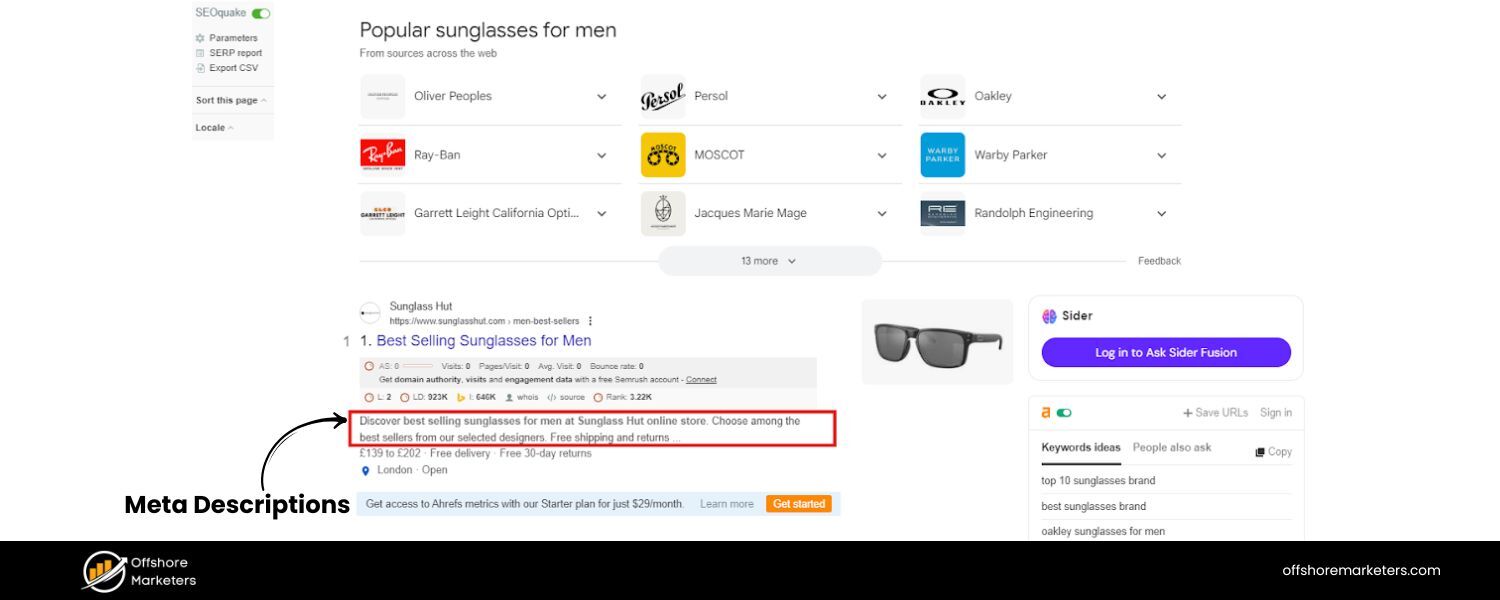
While meta descriptions don’t directly affect rankings, they influence click-throughs. Use the ~150 characters to summarize the page’s content and highlight a compelling benefit or call-to-action.
Think of it as a mini pitch: why should the user click your link over others? For instance: “Learn what SEO visibility is and discover 5 actionable strategies (with 2025 data) to increase your site’s search presence.”
This description gives a clear preview and a reason to click (updated data, actionable strategies).A well-written meta description can lift your CTR, which means more traffic for the same ranking – effectively improving how much of the available visibility you capture.
Optimizing titles and metas is one of the quickest SEO wins. You might not always jump in rankings overnight, but you can often gain more clicks (and thus more effective visibility) just by better messaging. Always consider A/B testing different title approaches if you can, and keep an eye on your Search Console data for changes in CTR after tweaking these elements.
4. Improve Technical SEO (Site Audit for Visibility Obstacles)
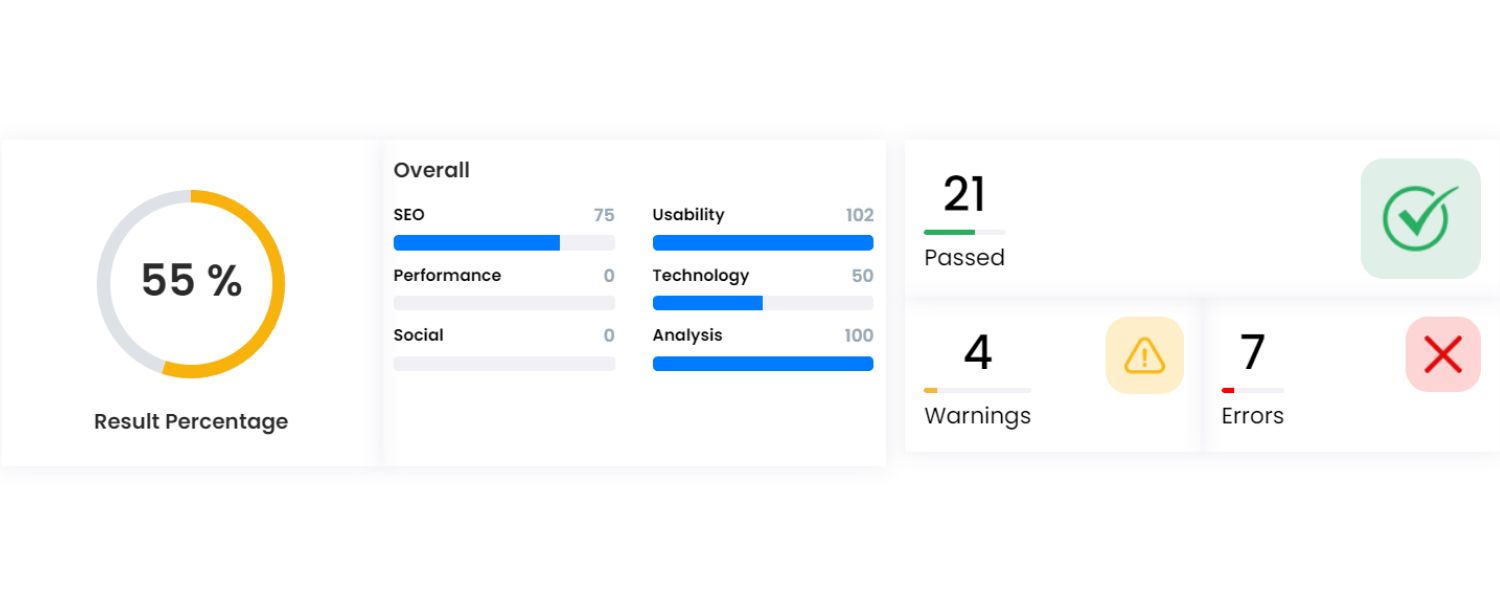
Technical issues can silently undermine your search visibility. Performing an SEO audit (or using auditing tools) to catch and fix technical problems can give your site a solid foundation to rank well:
A. Ensure Crawlability & Indexing 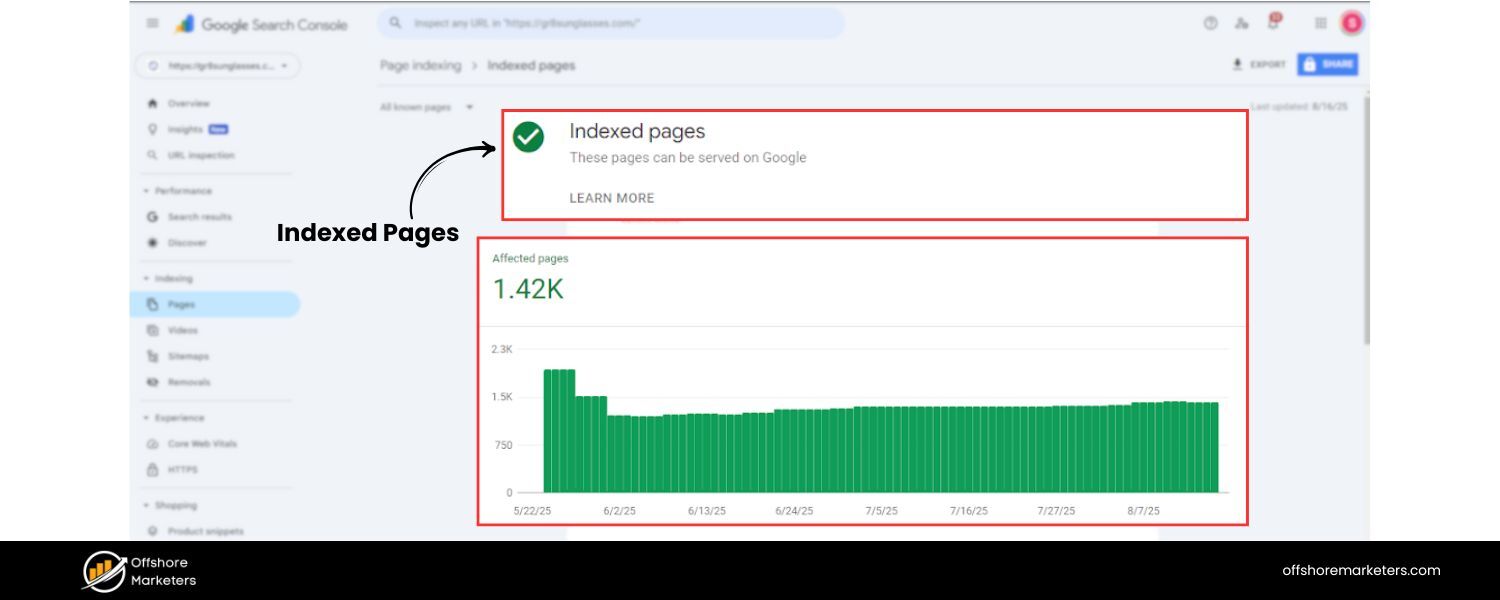
Check your robots.txt and meta tags to be sure you’re not accidentally blocking important pages. Every page that provides value should be crawlable and indexable by search engines.
Use Google Search Console’s Coverage report to see if any pages are excluded or if there are crawl errors. Fix broken links or server errors (HTTP 5xx/4xx) that could impede crawling. If Google can’t crawl or index your content, it won’t rank – thus zero visibility for those pages.
B. XML Sitemap 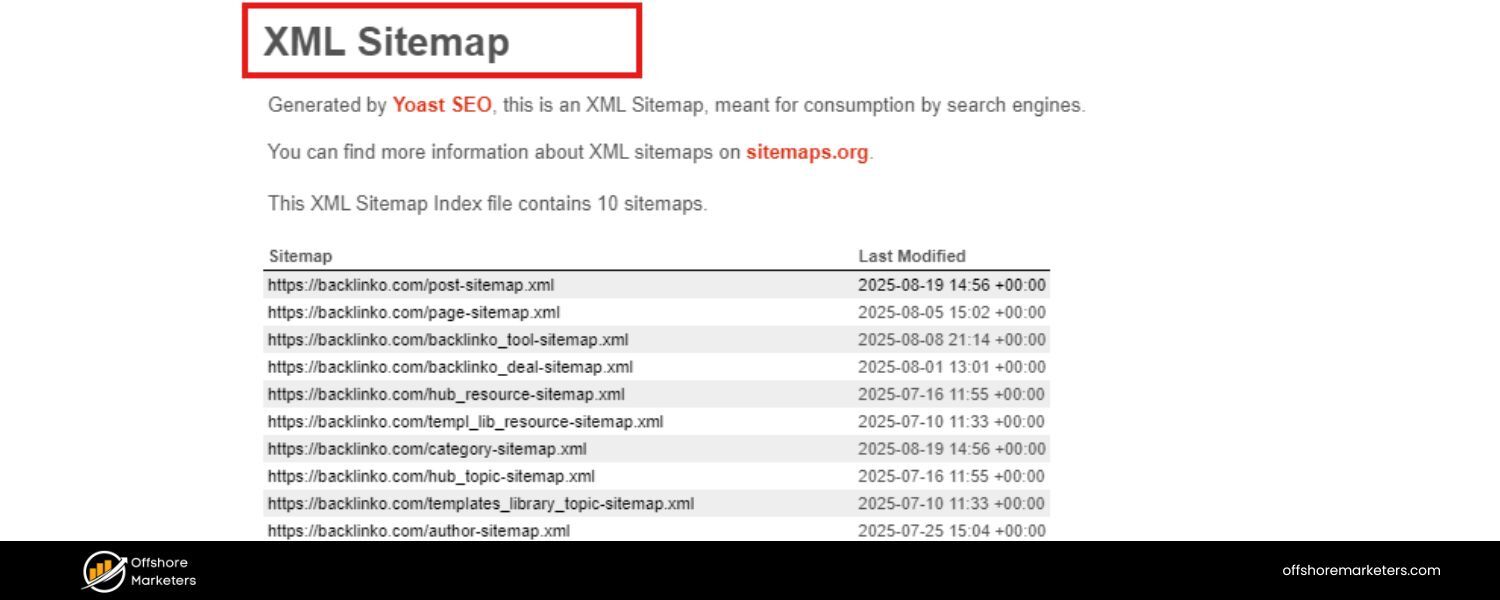
Maintain an updated XML sitemap and submit it to Search Console. This helps Google discover all your pages. It’s especially useful for new content or sections of your site that might not be well-linked. A sitemap doesn’t guarantee indexing, but it’s a helpful hint to search engines about what URLs exist and are important.
C. Site Speed & Core Web Vitals
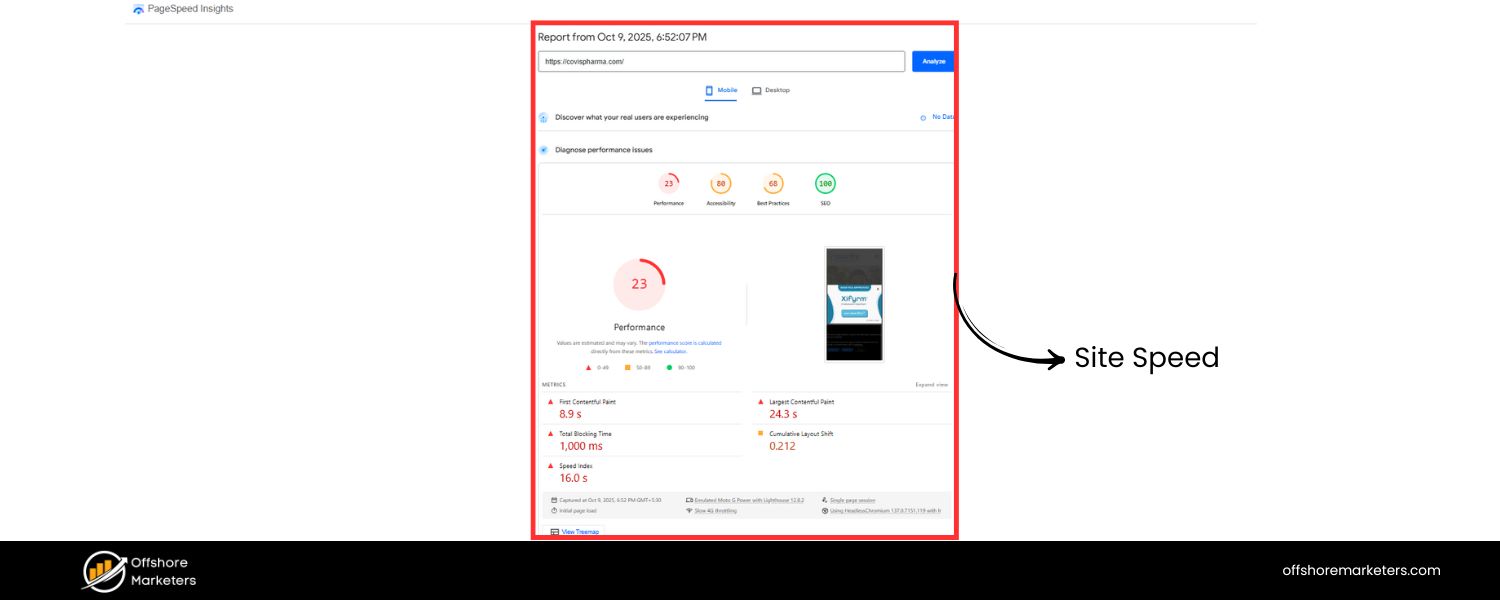
Fast-loading pages not only prevent user frustration (reducing bounce rates), but also meet Google’s Core Web Vitals criteria. Google has made page experience a ranking factor (albeit a minor one compared to relevance).
Use tools like PageSpeed Insights or GTmetrix to identify speed bottlenecks and fix them (optimize images, enable caching, minify code, etc.). A site that quickly delivers content will have an edge, all else equal, and users are more likely to stay and engage – supporting better visibility in the long run.
D. Mobile Optimization
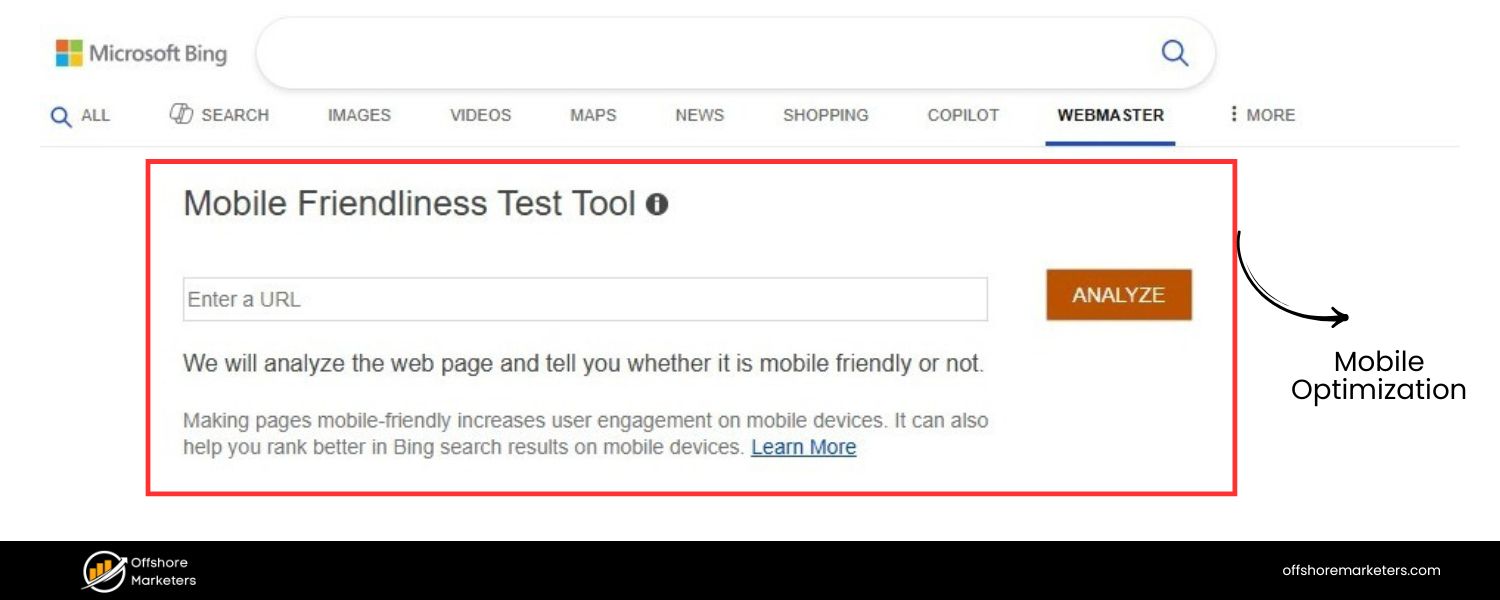
With most searches happening on mobile and Google indexing mobile-first, your site must be mobile-friendly. This means a responsive design, readable text without zooming, properly sized elements, and no intrusive mobile pop-ups. Use Google’s Mobile-Friendly Test to catch issues.If your mobile usability is poor, your mobile search rankings (and thus visibility) will suffer. Remember that many SEO visibility scores track desktop and mobile separately – you want strong visibility on both.
E. Structured Data & Rich Snippets 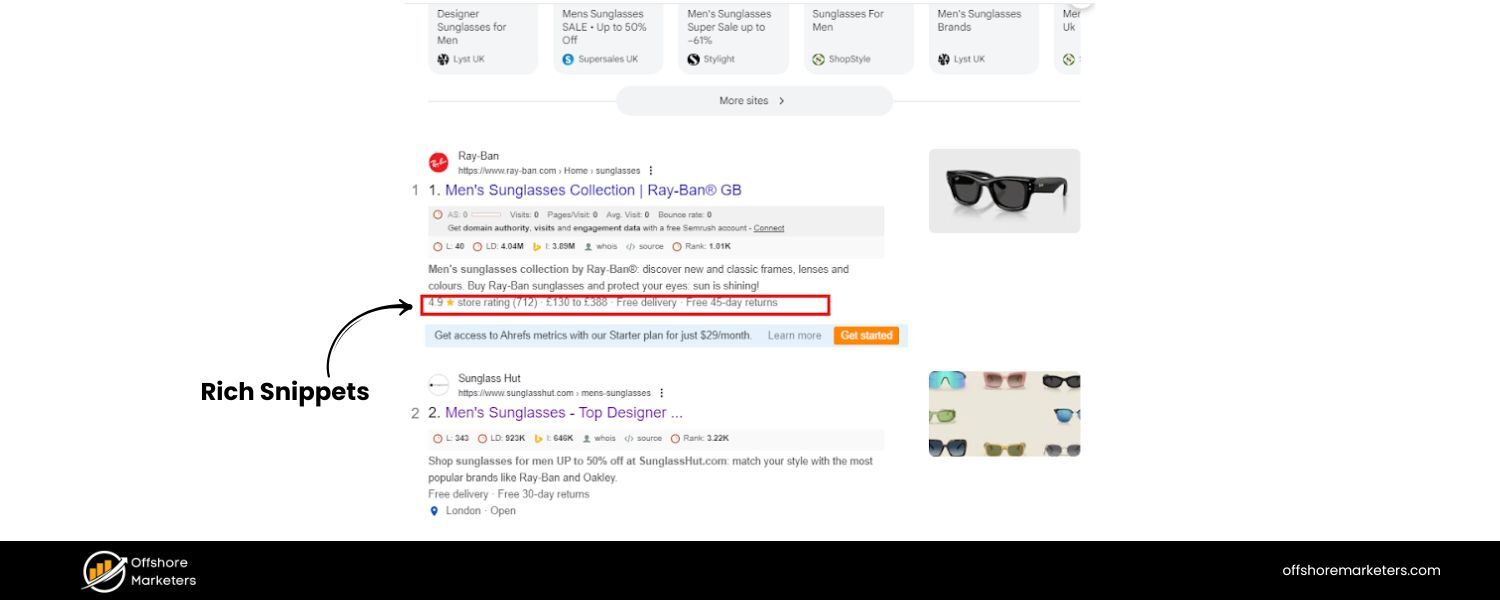
Implementing structured data (schema markup) on your pages can enhance the way your site appears in search results. For example, marking up FAQs, reviews, events, or breadcrumbs can earn you rich snippets, which not only draw the eye but also occupy more space in the SERP.
While schema alone doesn’t boost rankings, the improved visibility of your snippet can increase CTR. It’s another way of expanding your “real estate” in search results beyond the standard title/description. Over time, higher engagement can indirectly support better rankings.
Run periodic site audits (many SEO tools offer automated audits). Fixing technical SEO issues ensures there are no roadblocks to Google ranking your content. Think of it like making sure your “SEO engine” runs smoothly – it won’t automatically shoot you to #1, but without it, your other efforts could be held back.
5. Build High-Quality Backlinks
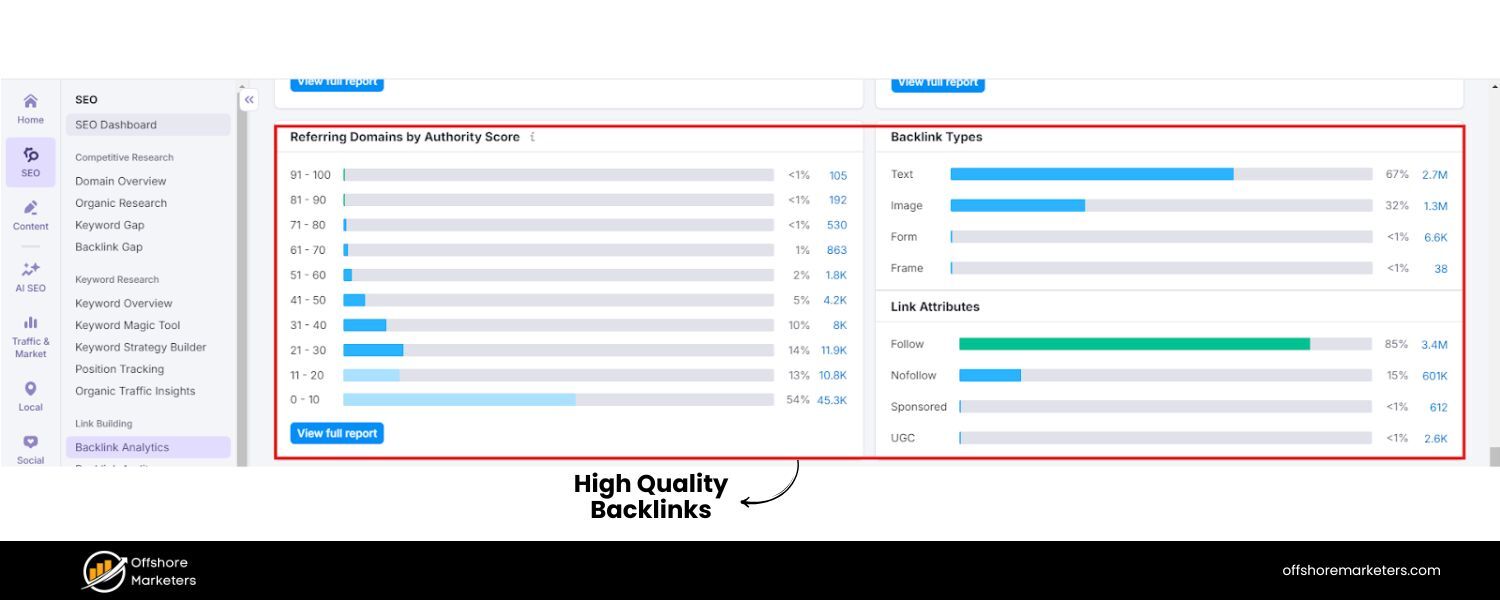
When it comes to competitive keywords, backlinks – links from other websites to yours, remain a critical factor for improving rankings and visibility. Each quality backlink is like a vote of confidence for your content’s authority and relevance. Here’s how to approach link building for better visibility:
A. Create Link-Worthy Content
The first step is having content that others want to link to. This could be a comprehensive guide, a research study with unique data, an infographic, a useful tool or calculator, or any highly valuable resource in your niche.
When your content is truly outstanding or novel, it attracts links naturally (people cite it as a reference) and sets the stage for successful outreach.
B. Outreach and Promotion
Don’t rely on “build it and they will come.” Actively promote your best content. Reach out to industry blogs, journalists, or influencers who might find your content useful for their audience.
For instance, if you published a “2025 SEO Statistics” study, let relevant writers or sites know about it – they may cite your findings. One popular approach is the Skyscraper Technique (coined by Brian Dean): find existing content with lots of links, create something even better, then ask those linking sites to consider linking to you instead. This leverages proven link opportunities.
C. Guest Posting & PR
Writing guest articles on reputable websites in your industry can earn you links (often in the author bio or body if allowed) and referral traffic. Just make sure these are high-quality sites – a single link from a respected, high-authority site can outweigh dozens from low-tier sites.
Similarly, doing something newsworthy (launching a study, tool, or campaign) can attract press coverage and links. This is more of a digital PR angle, but it can yield powerful backlinks that boost your domain authority significantly.
D. Relevant Link Sources
Focus on getting links from websites that are topically relevant to your . For example, a link from a well-regarded site about fitness is very relevant if you run a health & wellness blog. Relevance + authority is the winning combo for backlinks.
Avoid spammy link schemes or buying links, search engines are very sophisticated at identifying unnatural link patterns, and a penalty can crush your visibility. It’s better to have fewer high-quality, natural links than hundreds of low-quality ones.
Building and earning backlinks is an ongoing effort, but it pays dividends. Strong backlinks boost your pages into higher ranking positions, which directly increases your visibility score since more of your keywords will be in the top spots.
Moreover, links improve your domain-wide authority, helping all your pages rank a bit easier. This broad boost can expand your visibility across many keywords. In short, invest in ethical, strategic link building to amplify all your other SEO work.
6. Leverage Internal Linking

Often overlooked, internal links (links between pages on your own site) can meaningfully improve your SEO visibility by distributing ranking strength and helping Google find content.
Every site has some pages that naturally accumulate more authority, perhaps your homepage, or a popular blog post that got many external links. You can channel some of that authority to other pages through internal links
Here’s how to use internal linking effectively:
A. Identify High-Authority Pages
Use tools or Google Search Console’s “Links” report to find which of your pages have the most inbound links (and thus “link juice”). These pages are candidates to serve as link hubs.
B. Link to Important Pages
From those high-authority pages, add contextual links to other priority pages on your site that you want to rank better. For example, if you have a strong blog post about “SEO tips” and another page about “SEO visibility” that’s newer or weaker, link from the strong page’s content to the weaker one with relevant anchor text (e.g., “improve your SEO visibility”). This passes some authority internally, potentially lifting the ranking of the linked page.
C. Use Descriptive Anchor Text
The clickable text of the link (anchor text) should ideally include the keyword or topic of the target page (in a natural way). This helps search engines understand the relevance of the linked page. Don’t overdo exact-match anchors, but a few keyword-rich internal anchors can reinforce what your page is about.
D. Create Topic Clusters
A great approach is to structure your content into hubs (pillar pages) and spokes (supporting pages), all interlinked. The pillar (broad topic page) links out to detailed subtopic pages, and those link back to the pillar. This not only aids navigation but also signals a thematic relationship, possibly helping all pages in the cluster rank better. It’s good for users and SEO, a win-win.
Internal linking is one of the few ranking levers completely under your control. It’s like weaving a net where each knot supports the others. By strategically linking your content, you ensure that no page is orphaned, important pages are prioritized, and link equity flows throughout your site. The result can be higher rankings for more pages, boosting your overall visibility.
7. Monitor Your Visibility and Adapt Quickly
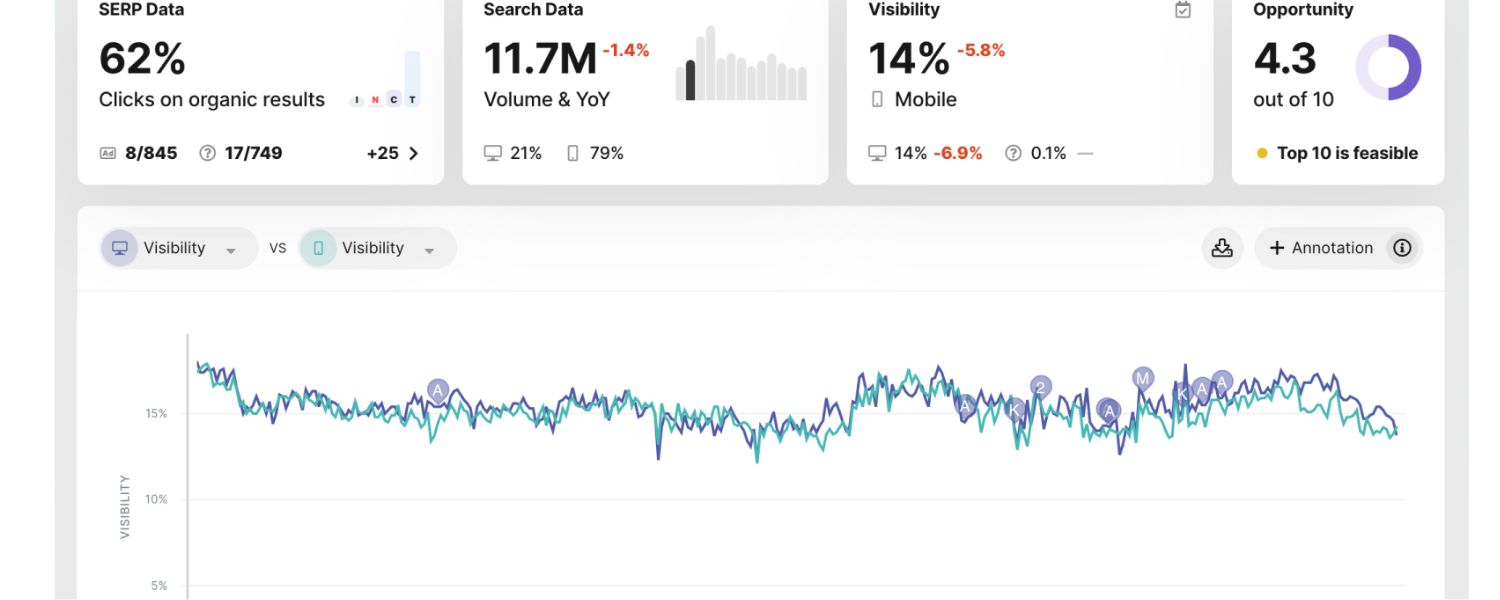
SEO is not a “set it and forget it” game. To maintain and grow your search visibility, you need to monitor performance and respond to changes in a timely manner:
A. Track Visibility Trends
As discussed earlier, keep an eye on your visibility score (via your chosen SEO platform or Search Console metrics) on a regular basis. Set up a dashboard or automated reports. If you see steady growth, identify what’s working and do more of it. If you notice stagnation or decline, investigate the cause.
B. Watch for Algorithm Updates
Google updates its ranking algorithms frequently. Some are minor; others (core updates) can dramatically shift rankings overnight. If you observe a sudden drop in many keywords around a certain date, check if a known Google update occurred.
SEO news outlets and Google’s own Search Liaison on Twitter often confirm big updates. Understanding an update’s nature can guide your response (e.g., if it targeted thin content, you’d focus on beefing up your content quality).
When your site is hit by an update, don’t panic. Analyze which pages or keywords lost visibility and look for patterns (content quality issues, page speed, lost links, etc.). Conversely, if you gain from an update, take note of what likely helped (and keep doing it).
C. Analyze Drops in Rankings
Not all drops are due to Google updates. A competitor might have implemented a strong SEO campaign and leapfrogged you, or perhaps some of your important backlinks were lost. If a specific page’s visibility is falling, audit that page.
Check if the intent for the keyword has changed (are the top results now different in type than before?. Look for any technical issues on the page (did it accidentally get a noindex tag or an update that slowed it down?).
See if new competitors have entered the scene.Sometimes the solution is to update and improve the content: refresh the information, add more depth, make it more user-friendly. In other cases, you may need to build new backlinks or fix technical problems to recover your rankings.
D. Use Search Console & Analytics
GSC can show you exactly which queries dropped in clicks/impressions, this can pinpoint the areas of lost visibility. Google Analytics can show if organic traffic dipped on certain pages.
These clues help you focus your efforts. For instance, if you lost visibility primarily on mobile, maybe your mobile page experience needs work. If a set of pages tied to a topic all fell, maybe a competitor’s new content hub stole your thunder, meaning you need to revamp or expand your content.
E. Stay Updated on SEO Best Practices
SEO evolves. Tactics that worked 5 years ago (or even last year) might be less effective now, while new opportunities (like optimizing for Google’s AI-powered features or voice search) emerge.
Following reliable SEO blogs, Google’s webmaster guidelines, and industry case studies will keep you informed. When you learn something new (say, a new schema type or a change in how Google handles title tags), consider how it can be applied to improve your visibility.
The ability to adapt quickly is often what separates sites that maintain strong visibility from those that fall behind. Think of it as continuous optimization. Regularly ask: “What else can I do to better serve searchers and stay visible?” If you treat your SEO as an ongoing process, monitor, learn, tweak, improve, you’ll be in a strong position to climb the visibility ranks while others plateau.
FAQ: Common Questions About SEO Visibility
Q1: Can I achieve 100% SEO visibility?
A: Reaching a 100% visibility score is virtually impossible for a broad set of keywords, so don’t worry if you never hit 100. Even if you rank #1 for all your main keywords, not every searcher will click your result (some will click other results or none at all).
As one SEO platform puts it, “even if you rank in the top spot for every keyword, competitors’ pages will get some visibility too.”ahrefs.com There will always be a share of clicks that go elsewhere or to Google’s own features. Instead of aiming for 100%, focus on improving your current percentage and dominating your niche.
A very high visibility (e.g. 50%+ in a competitive category) is an excellent achievement and usually the practical upper limit. Use 100% as an idealized concept, but set realistic goals based on your starting point and competitors.
Q2: What is a “good” SEO visibility score to aim for?
A: “Good” is relative, it depends on your industry and the keywords tracked. Generally, anything above 30-40% is quite strong in a competitive space, and above 50% is outstanding. But if you’re just starting, even moving from 2% to 5% is a big win.
One way to gauge this is to compare with competitors: if their visibility is around 10% and yours is 15%, you’re doing well. Use the benchmark ranges we discussed earlier as a guide (1-5% = low, 15-30% = good, etc.).
Ultimately, a “good” score is one that’s improving over time and translating into meaningful traffic and business growth for you. Aim to continually set new personal bests. If you hit 20% this quarter, maybe 25%–30% is a sensible next target by next quarter through focused SEO work.
Q3: Does a high visibility score guarantee high organic traffic?
A: Not a guarantee, but generally they correlate. A higher visibility score means you’re appearing prominently for more searches, which usually leads to more clicks (traffic).
However, remember that visibility is calculated on a set of keywords. If those keywords don’t have a lot of search volume, you could have a high visibility % of a small pie. Meanwhile, it’s possible to get decent traffic from untracked long-tail keywords that aren’t reflected in the visibility score at all.
Think of visibility as potential traffic. It assumes typical user behavior. If your titles are unappealing, you might have high “theoretical” visibility but lower actual clicks until you fix your snippets.
Also, seasonal trends play a role – you might improve visibility in winter for ski equipment (ranking #1 for many terms), but if it’s summer, search volumes drop and so does traffic.
In short, use visibility and traffic together: visibility tells you if you’re positioned well to get traffic, and your traffic trends tell you if that positioning is paying off. If visibility is rising but traffic isn’t, investigate your keywords and CTR; if traffic is rising without a visibility change, you might be benefiting from higher search interest or long-tail searches.
Q4: Should I track SEO visibility on desktop and mobile separately?
A: Yes – it’s wise to track both, since search results (and performance) can differ between desktop and mobile. Many tools let you specify the device type when tracking rankings.
You might find you have, say, 30% visibility on desktop but 20% on mobile, which could highlight mobile-specific issues (perhaps your site isn’t as mobile-friendly, or competitors have AMP pages, etc.). Given mobile-first indexing, you want your mobile visibility to be just as strong, if not stronger, than desktop.
Track both and optimize for the weaker side. Also consider local visibility if relevant, e.g. Google’s local pack results on mobile could affect a local business’s visibility differently than general results. The more granular you track, the more targeted improvements you can make.
Conclusion & Next Steps
SEO visibility is a powerful metric for understanding and improving your website’s presence in search. It condenses a lot of complex data into a simple question: “How much of the search audience am I capturing?” By now, you should have a clear idea of what influences that answer, from keyword strategy and content quality to technical health and link building.
Improving your search visibility is not an overnight task, but it’s one of the most worthwhile investments for long-term online success.
As a marketing expert with decades in the field can attest, the websites that consistently rank visibly at the top reap exponentially more traffic and business than those stuck in the shadows of page two. The good news is that by implementing the right SEO strategies, you can climb those rankings and shine a spotlight on your content.
Now it’s time to put this into action. Start by auditing your current visibility: pick an SEO tool, note your baseline score, and identify your biggest gaps (perhaps a certain topic where competitors outrank you, or technical fixes waiting to be made).
Then, tackle the improvements laid out in this guide one by one, research new long-tail keywords, refresh a few pages with better content, speed up your site, build a handful of quality backlinks, and so on.
SEO gains tend to compound: each improvement will help boost others, and your visibility should begin to trend upward.
Remember, SEO is an ongoing process, and the search landscape is always evolving. Keep monitoring your progress, stay adaptable to changes (like algorithm updates or new competitors), and continue optimizing.
With patience and persistence, you’ll see your SEO visibility grow, meaning more eyes on your site, more clicks, and more opportunities to convert visitors into customers.

Why Roseville Startups are Choosing Offshore Marketers to Scale Smarter
Roseville is no longer just a quiet suburb of Sacramento;...
What Is PPC? A Practical Guide to Pay‑Per‑Click Advertising
Pay‑per‑click (PPC) is the “pay only when someone clicks” branch...

Google Search Issues Affecting Results in Some Regions
Google has confirmed a problem with one of its data...

Keyword Counts Dropped After Google’s num=100 Change
In September 2025, Google stopped supporting the &num=100 parameter. This...

Image SEO: Optimize Images for Higher Rankings & Traffic
Introduction Images make your website more engaging, but they can...


.png)
.png)
.png)
.png)
.png)

2024 ALL RIGHTS RESERVED MADE IN INDIA
.png)