
What Is Organic SEO? And How to Get Started
July 13, 2025
Introduction: Unlocking the Power of Organic SEO
Illustration: A Google search results page with the top section labelled as paid ads and the bottom listings as organic results. Organic SEO focuses on ranking in the unpaid search results rather than the ad section.
Picture your potential customers searching online for products or services you offer. Organic SEO is what helps your website show up naturally in those search results, without you paying for each click.
Organic search results (also called natural results) are determined by search engine algorithms and not influenced by ad spending.
Why does this matter? Because users trust organic results, a 2025 study found nearly 40% of searchers click the first organic result, whereas the first paid ad gets a click-through rate in the low single digits.
If you can earn those top organic spots, you gain free, high-intent traffic that can fuel your business growth.
In this comprehensive guide, we’ll explore what organic SEO is, why it’s so essential for your business, and proven strategies to improve your rankings.
From thorough keyword research and quality content creation to technical site optimisations and savvy link-building tactics, you’ll learn how to attract more visitors through unpaid search results.
Let’s dive in and learn how to boost your organic traffic and outrank your competition in 2025 and beyond!
What Is Organic SEO?
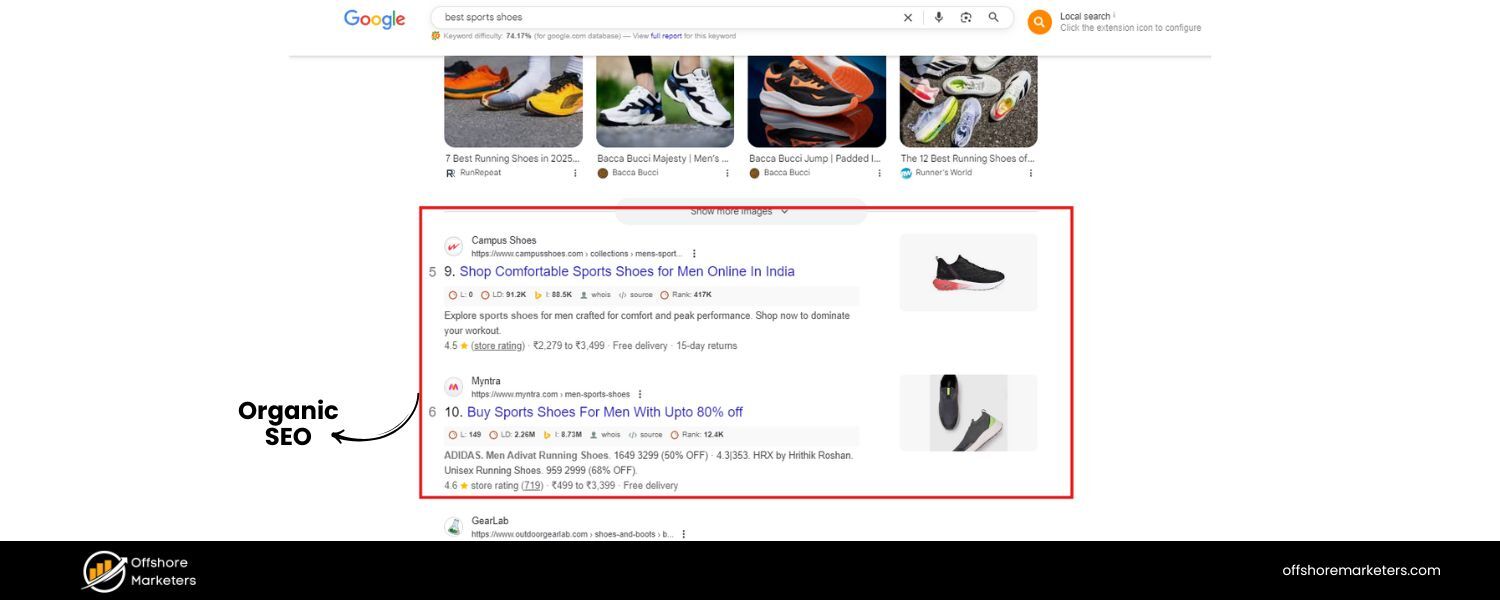
Organic SEO (Search Engine Optimisation) refers to the process of optimising your website to rank higher in unpaid (organic) search engine results.
In other words, it’s all about making your site more appealing to search engines like Google without paying for ads.
When someone searches for something relevant to your business, a solid organic SEO strategy helps your site appear among the top results on the search engine results page (SERP).
These organic listings are often seen as more trustworthy by users compared to the sponsored ads at the top.
Organic SEO encompasses both on-page efforts (like optimising content and HTML tags on your site) and off-page efforts (like earning quality backlinks).
The ultimate goal is for search engines to recognise your pages as highly relevant and valuable for specific search queries, so they rank you above millions of other results.
Unlike paid search campaigns (PPC), where visibility stops when your budget runs out, the effects of organic SEO are long-lasting.
A page that ranks well can continue to attract traffic for months or years without additional ad spend.
In a nutshell, organic SEO is about earning your traffic by providing the best answers and experience to searchers, rather than buying your traffic.
By focusing on organic SEO, you invest in a sustainable marketing asset, your website’s authority and content, that can keep drawing visitors over the long term.
Here’s a more approachable internal link line for “SEO Report”:
Wondering how your site is doing? Check out our SEO Report to get a clear picture of your performance and areas for improvement!
This adds a helpful tone and encourages users to assess their SEO progress.
Organic vs Paid Search (SEO vs SEM)
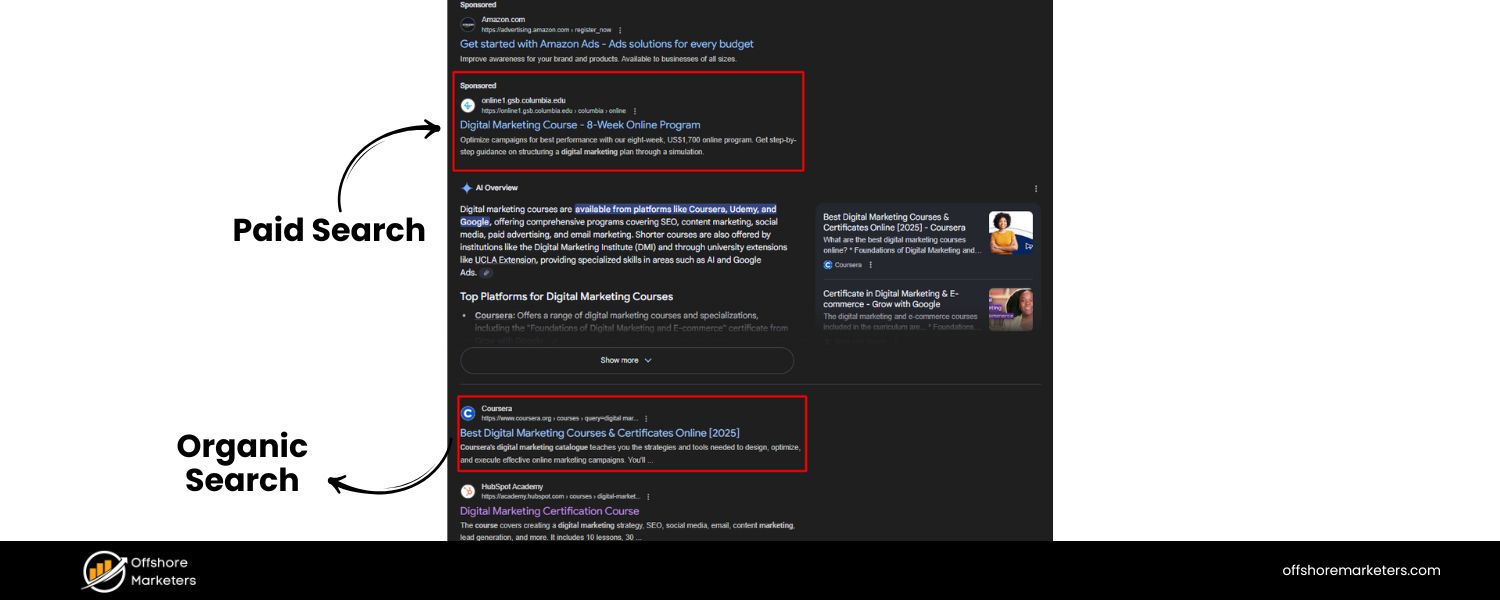
It’s essential to distinguish organic SEO from paid search marketing (often referred to as SEM or PPC advertising). In paid search, you bid on keywords and pay for your site to appear as an ad in the search results.
Those results are marked as “Ad” or “Sponsored” and you’re charged for each click. With organic search, however, rankings are determined algorithmically – meaning Google’s algorithm decides the order of results based on relevance and quality, not payments.
Here’s a quick comparison of organic vs. paid search:
Cost
Organic SEO traffic is essentially free in terms of per-click cost, you don’t pay Google when someone clicks your organic listing. The investment is the time and resources to optimise your site. Paid search requires a continual budget (advertisers often spend thousands per month) to keep ads running.
Trust and Click-Through Rates
Users tend to trust organic results more. Studies show the top organic listings get significantly higher click-through rates than ads. Many people skip the ads and click the first organic result that looks relevant.
Longevity
A well-ranked organic page can continue to bring traffic indefinitely, whereas paid ads disappear as soon as you stop paying. Organic SEO is often called an investment that can pay dividends over time.
Placement
Paid ads typically appear at the very top of the page (above organic results) and at the bottom, often with an “Ad” label. Organic results fill the main body of the SERP, and achieving a first-page organic position is critical since 75% of searchers don’t click past page one.
Both organic SEO and paid search can be part of a search marketing strategy, but organic SEO provides a more sustainable long-term value.
Optimising for organic search means you’re building a foundation (quality content, fast site, reputable backlinks, etc.) that not only boosts rankings but also improves overall website experience. In the next sections, we’ll focus on how to excel at organic SEO.
Why Organic SEO Matters (Key Benefits)
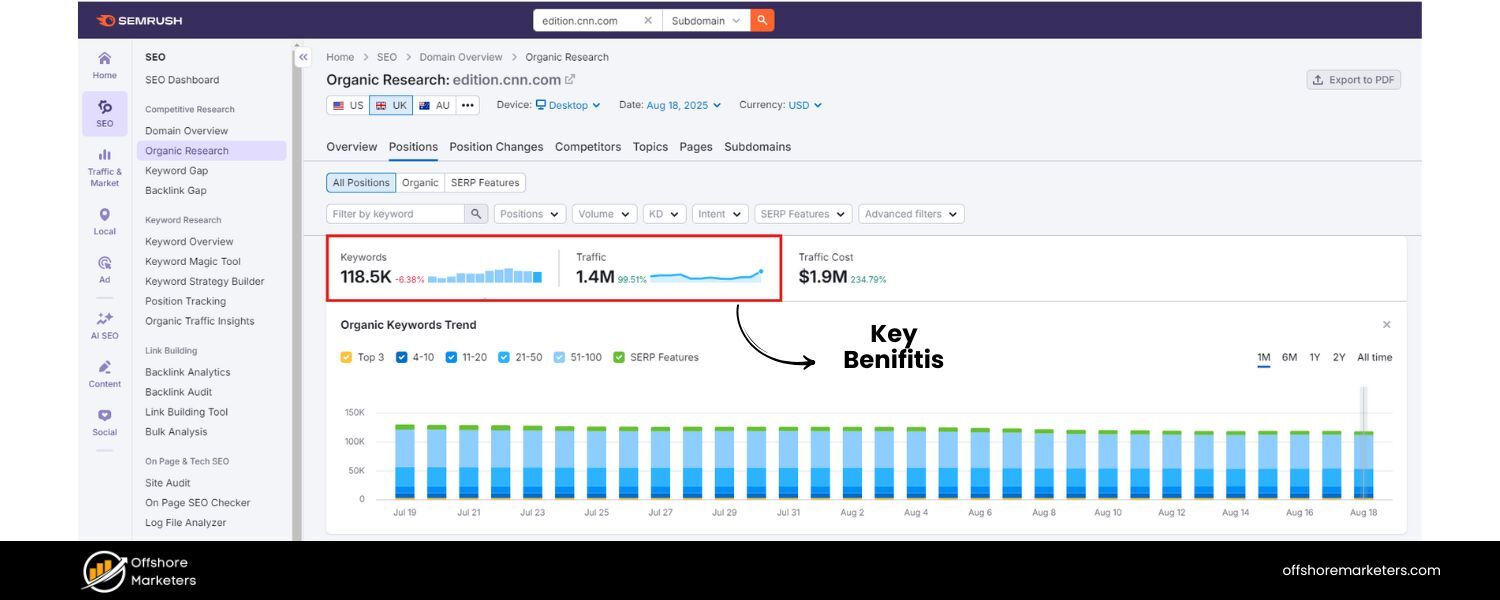
Why should you invest time in organic SEO? Simply put, appearing high in organic search results can be a game-changer for your business. Here are some of the key benefits of strong organic SEO:
1. High-Intent Traffic
Organic SEO drives targeted traffic, people actively searching for topics, products, or solutions related to your business. If you rank for the “right” keywords, you’ll attract visitors who are already interested in what you offer, making them more likely to convert.
For example, ranking on the first page for a term like “best running shoes for beginners” means you’re getting visits from users specifically looking for running shoes advice – potential customers.
2. Credibility and Trust
Many users skip ads and trust organic results more. Being in the top organic spots conveys authority.
It’s like a vote of confidence from Google that your content is the most relevant. This trust often translates into higher click-through rates and better engagement on your site.
3. Cost-Effective Marketing
While SEO isn’t “free” (it takes effort and sometimes budget for tools or experts), the traffic it brings is free of charge per click.
You’re not paying Google for those visitors. This makes organic SEO one of the highest ROI marketing channels over the long term.
In contrast, pay-per-click ads can be expensive, over half of advertisers spend more than $2,500 per month on PPC campaigns, and those costs increase with every click.
4. Sustainable Results
With consistent SEO work, the results are long-lasting. A piece of content that ranks well can keep drawing traffic for months with minimal maintenance.
Even if you pause active optimizations, you might still benefit from past SEO efforts. This persistence is unlike paid ads, which stop instantly when the budget is pulled.
5. Brand Visibility and Authority
Showing up repeatedly in relevant searches boosts your brand awareness. Even if someone doesn’t click your site the first time, seeing your name in the top results builds recognition.
Over time, ranking for many industry keywords establishes you as an authority in your niche.
For instance, the fitness apparel brand Gymshark gains nearly 2 million monthly visitors from the 25,000+ search terms it ranks for, huge brand exposure that keeps feeding their customer pipeline.
6. Better Conversion Rates
Organic search traffic often converts better than many other channels.
Users searching organically tend to have a specific need or question, and if your site fulfills it well, they’re more likely to take action (subscribe, sign up, purchase).
In fact, organic search has been shown to deliver conversion rates up to 8X higher than traditional outbound marketing channels.
7. Competitive Advantage
If your competitors are not investing in SEO, you can leap ahead by capturing organic market share.
And if they are doing SEO, you simply can’t afford not to – otherwise, their site will be the one customers find instead of yours. A strong organic presence ensures you’re in the running whenever potential customers search in your category.
In short, organic SEO helps drive more eyes to your website, more trust in your brand, and more revenue for your business, all without the recurring costs of ads.
It aligns with how consumers prefer to find information (over 90% of online experiences begin with a search engine) and how they prefer to engage (natural results over paid).
Next, we’ll look at how search engines decide who gets those coveted top positions, so you know what to focus on.
How Do Search Engines Rank Organic Results?
To succeed at organic SEO, it helps to understand how search engines work and what factors they consider when ranking pages.
Google (by far the most used search engine) aims to deliver the best, most relevant answers to users as quickly as possible.
It uses complex algorithms – with hundreds of ranking factors – to evaluate and order the results for every query.
While the exact algorithm is proprietary, Google has revealed some key factors and general principles. Here are the main areas that determine your organic ranking:
1. Relevance (Keywords & Intent)
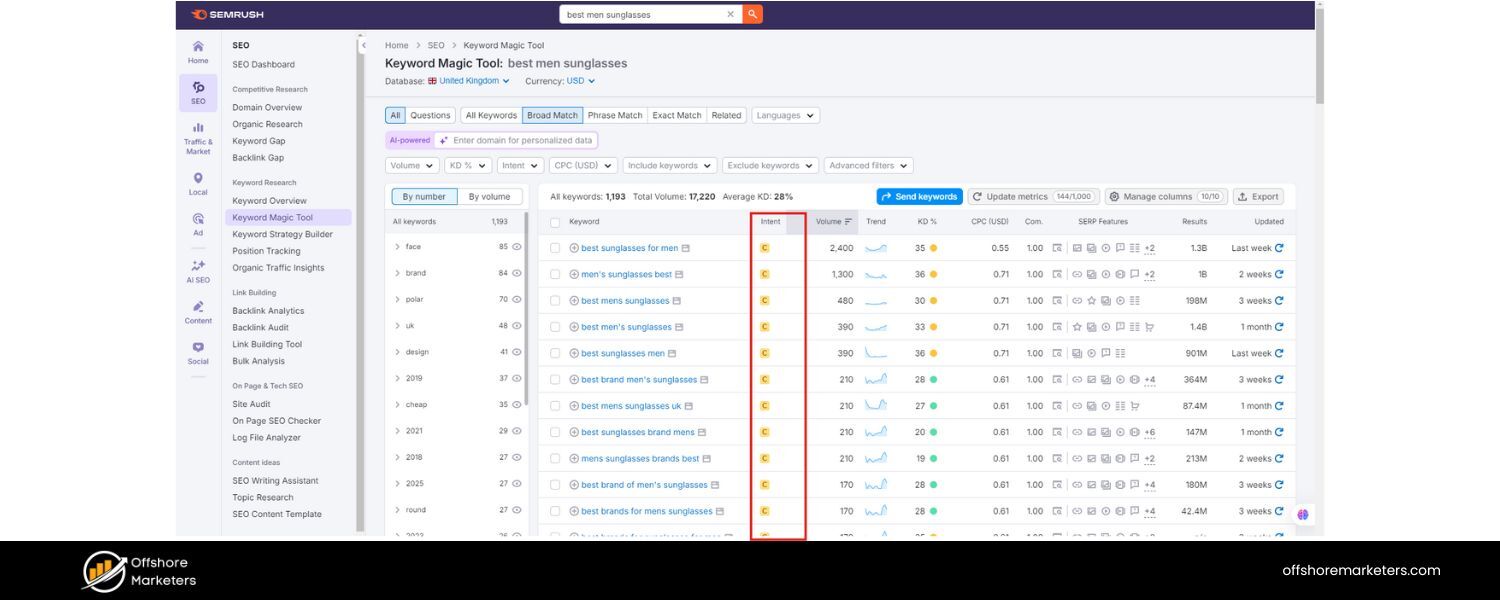
Search engines analyze the text and content of your page to assess how well it matches the user’s search query. They look for relevant keywords and topics.
But beyond just keywords, search intent is crucial – does your content type and angle align with what the searcher is looking for? (More on intent in the next section.) Ensuring your content closely answers the query makes it more likely to rank.
2. Content Quality
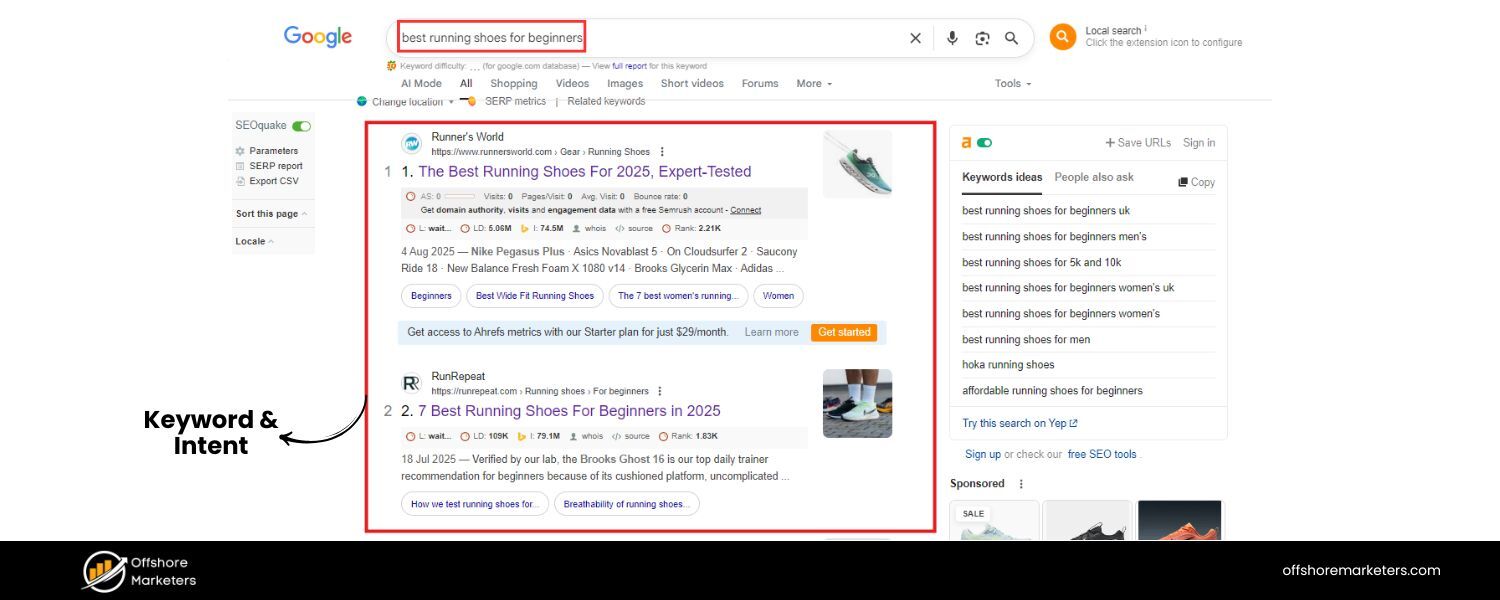
Google rewards content that is helpful, original, and comprehensive. High-quality content provides value to users, it answers their question fully, accurately, and with fresh insights or up-to-date information.
Quality content is also well-structured (easy to read, with clear headings/bullets) and demonstrates expertise and trustworthiness (citing credible sources, for example).
If your page is thin on info or simply regurgitates what’s already out there, it’s less likely to rank well. Google’s own quality guidelines emphasize making content people-first – created to help users, not just to game the algorithm.
3. Website Authority (Backlinks)
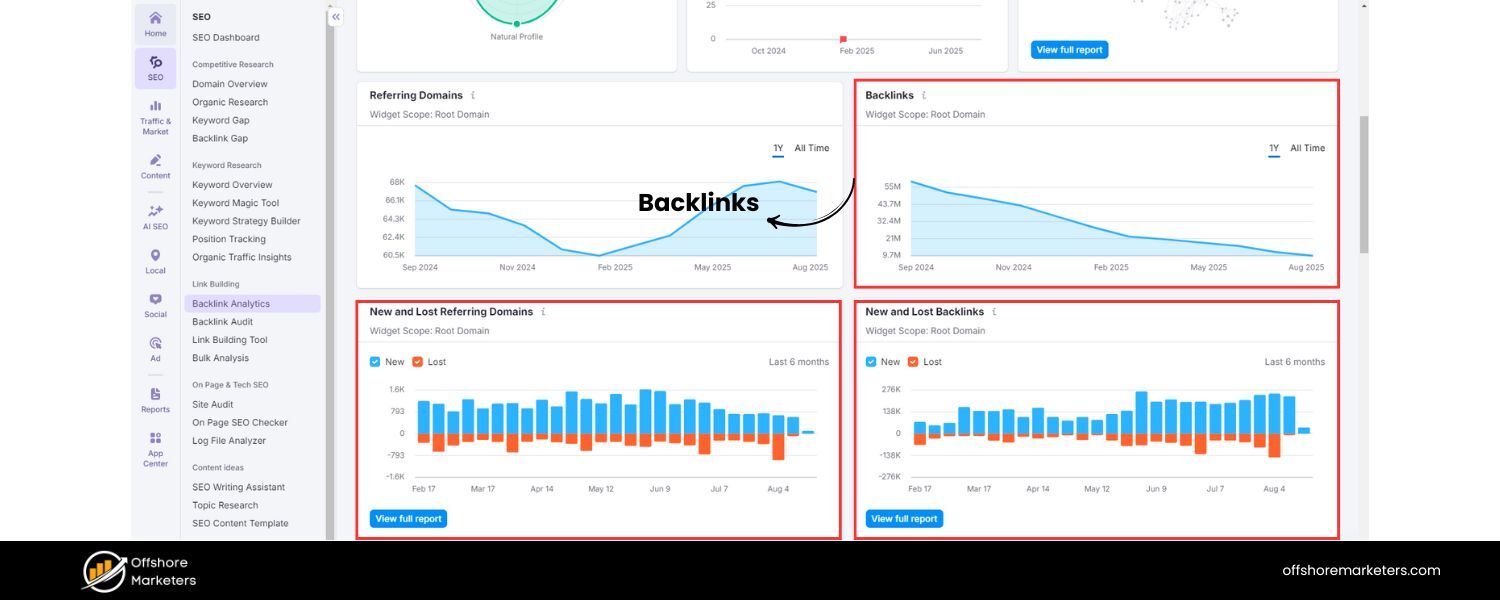
Backlinks – links from other websites to yours – act as “votes of confidence” for your content. Generally, pages with more high-quality backlinks tend to rank higher.
Not all links are equal; links from reputable, relevant sites carry much more weight than links from low-quality or spammy sites.
Google considers both the quantity and quality of backlinks pointing to a page as a sign of its authority on a topic. Earning backlinks (through great content and outreach) is a core part of organic SEO.
User Experience (UX) & Technical Factors: Google also evaluates how user-friendly your website is. Key technical/UX factors include:
4. Page Speed
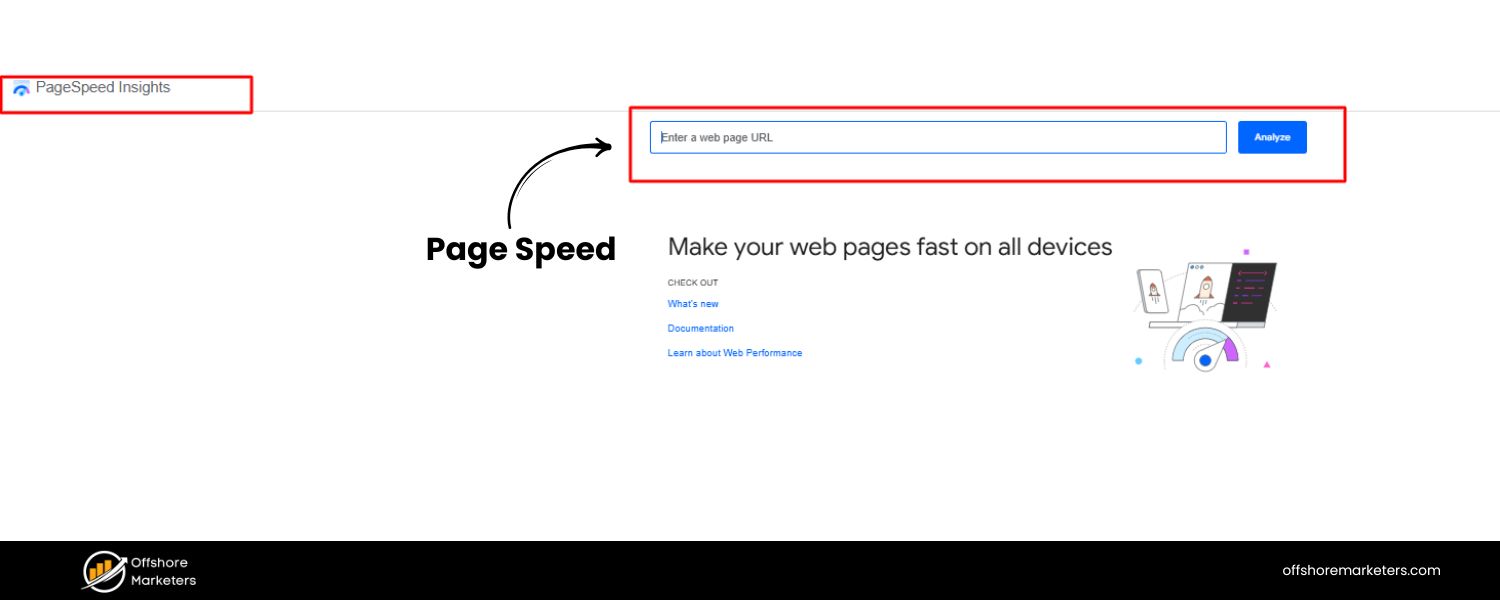
Faster-loading pages rank better, all else being equal. A significant portion of users will leave if your page takes more than a few seconds to load, so Google uses speed as a ranking signal.
In fact, over 53% of users will abandon a mobile site that takes more than 3 seconds to load – so speed is critical.
5. Mobile-Friendliness
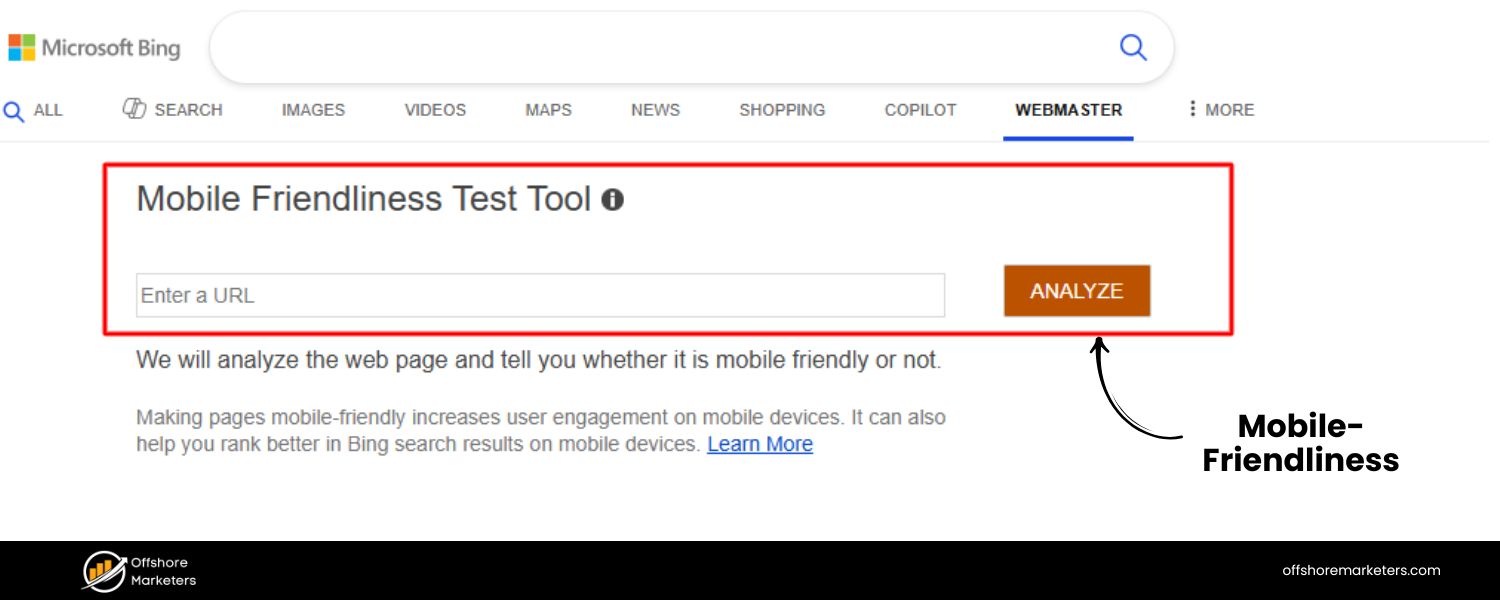
With the majority of searches happening on mobile devices, Google predominantly uses the mobile version of your site for indexing/ranking.
Your site should be responsive and easy to navigate on phones and tablets. Mobile usability issues can hurt your rankings.
6. Site Structure & Navigation
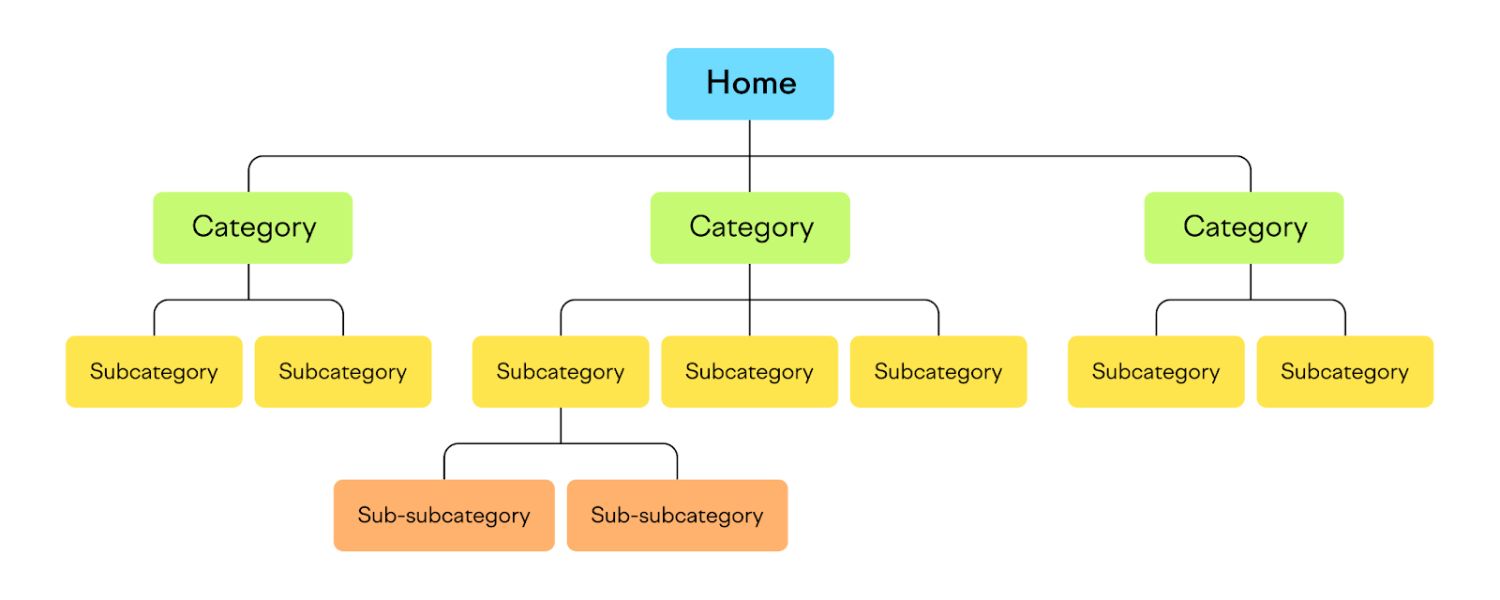
A clear, logical site architecture helps search engines crawl and index your pages more effectively.
Good internal linking is important, linking your pages to each other in a structured way helps Google discover all your content and understand page importance. It also keeps users engaged longer, which is a positive signal.
7. Security (HTTPS)
Websites using HTTPS (secured with an SSL certificate) get a slight ranking boost, as Google wants to ensure users’ data is protected. If your site still runs on HTTP, it’s time to upgrade for SEO (and user trust).
8. Core Web Vitals & Other Signals
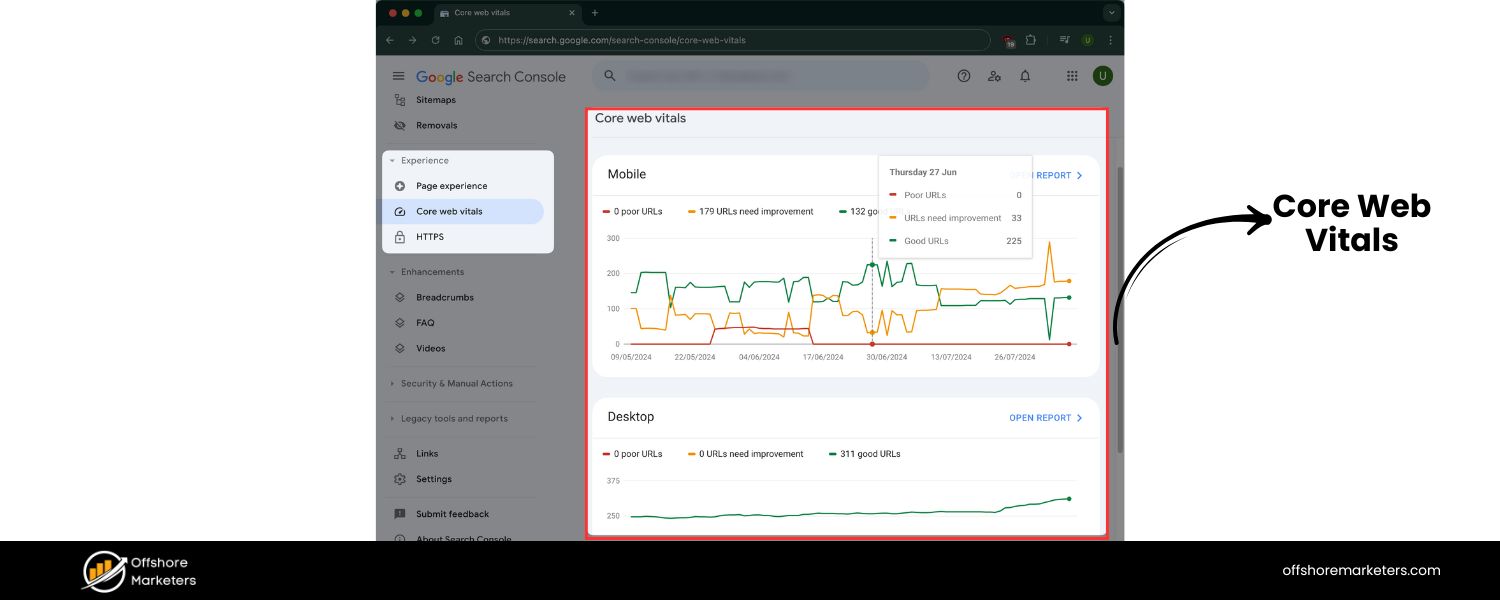
Google has metrics for page experience – like how quickly content paints on screen, stability of the layout, etc. These, along with factors like not having intrusive pop-ups, all contribute to a better user experience and can impact SEO.
9. User Engagement Metrics
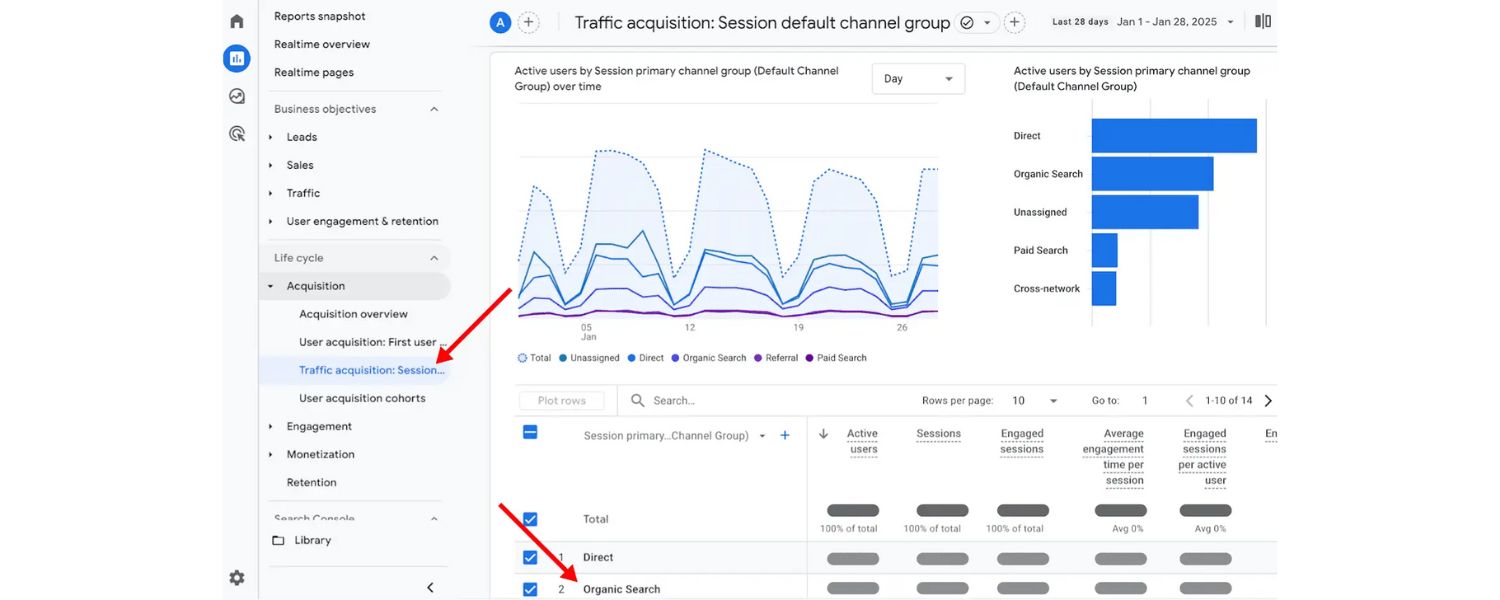
While debated, many SEOs believe that how users interact with your result can affect rankings. For instance, if a lot of people click your result and quickly “pogo-stick” back to Google (indicating your page didn’t satisfy them), it could hurt your rankings.
On the other hand, if users click your result and spend a long time on your page (high dwell time) or don’t return to the search (indicating they got what they needed), it’s a positive sign. Google wants to serve results that users love.
In summary, Google’s ranking algorithm tries to reward pages that best answer the query and provide a great user experience. Content relevance and quality come first – you need to have the information people are searching for.
But to outrank others with similar content, you also need some combination of higher authority (backlinks), better on-page optimization, and superior user experience.
In the next section, we’ll break down actionable strategies to optimize in each of these areas and improve your organic rankings.
Keyword Research and Search Intent
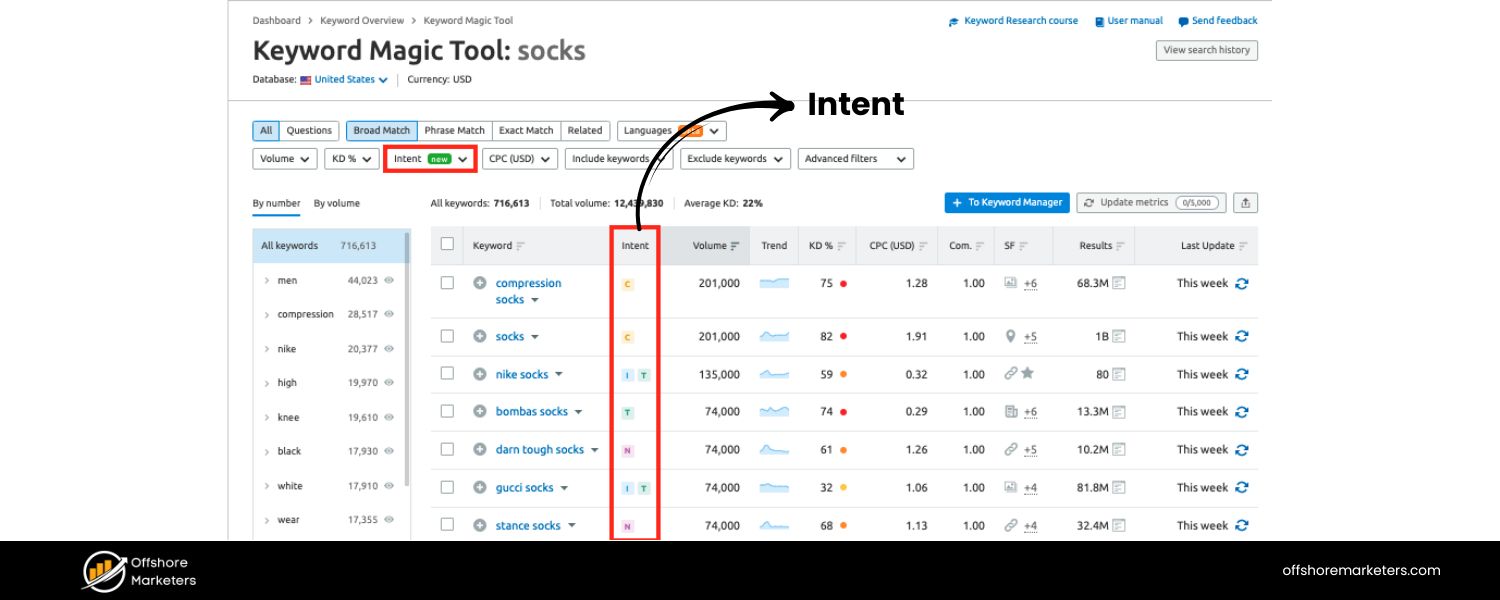
Every successful organic SEO campaign starts with smart keyword research. Keywords are the phrases people type into search engines.
By discovering which keywords your target audience is using, and what their intent is behind those searches – you can create content that exactly meets their needs.
1. Brainstorm and Use Keyword Tools
Begin by brainstorming broad topics related to your business. For example, if you run an online bakery, topics might be “wedding cakes,” “gluten-free bread,” “cake delivery,” etc.
Then, use keyword research tools to expand these into actual search terms. Free tools like Google’s Keyword Planner or Google Trends can give you basic insights.
More advanced tools (paid or with free trials) like Semrush’s Keyword Magic Tool, Ahrefs, or Ubersuggest show you search volume (how many people search it monthly) and keyword difficulty.
Aim to find a mix of popular keywords (to reach a broad audience) and more specific long-tail keywords (usually easier to rank for and often indicating a searcher closer to a decision).
2. Focus on Long-Tail Keywords
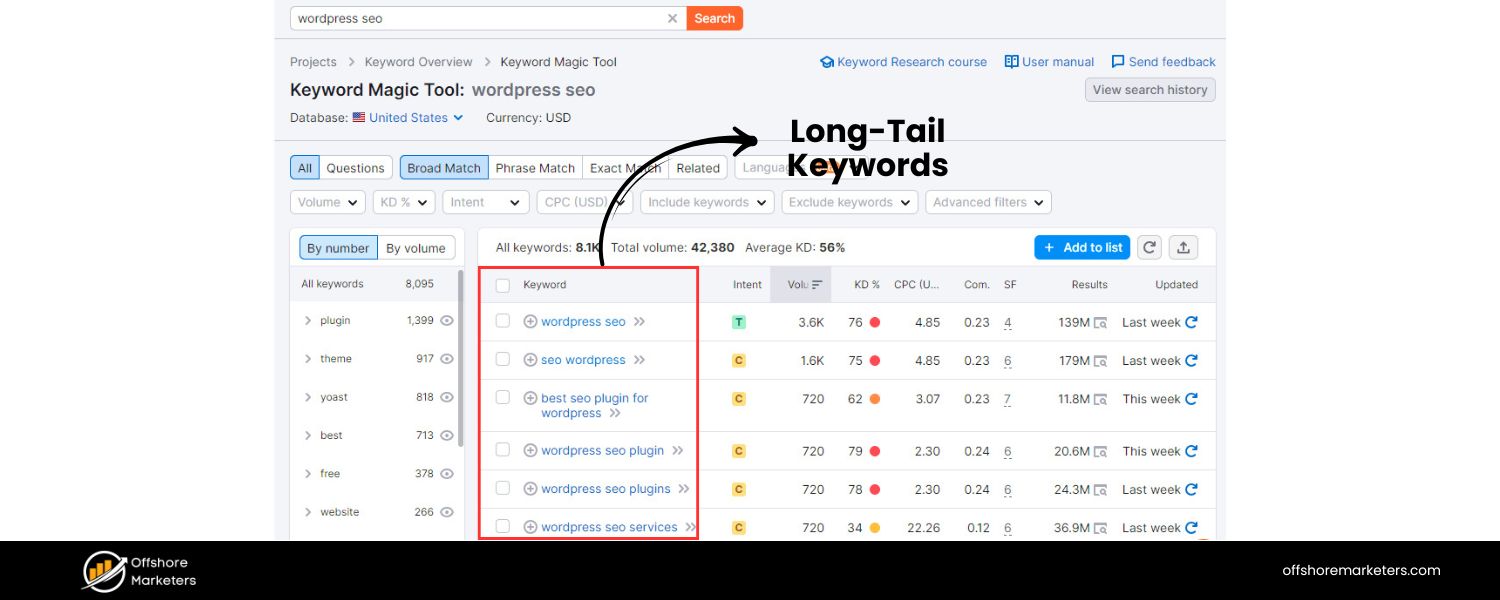
Long-tail keywords are longer, more specific phrases – for instance, “best organic bakery in San Francisco” instead of just “bakery.” Individually, long-tails have lower search volume, but they often convert better because the searcher’s intent is clearer and more specific. They also tend to have less competition.
Rather than going after ultra-competitive one-word or two-word terms where you’d fight big brands, identify long-tails that relate closely to your offerings. You might find thousands of them!
For example, a new e-commerce shoe store would struggle to rank for “shoes” (a very broad, competitive term dominated by giants), but could rank for “comfortable running shoes for marathon training” which is specific and indicates a serious buyer. Long-tail keywords can be a goldmine of highly targeted traffic.
3. Analyze Search Intent
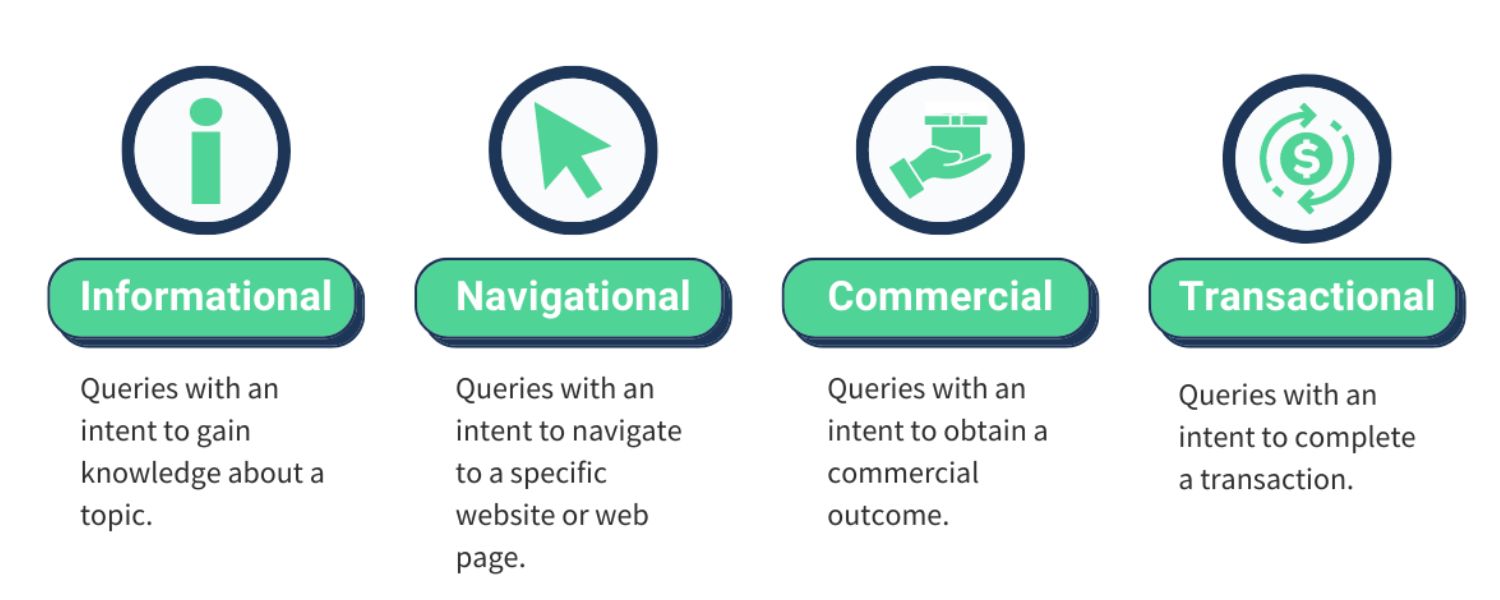
Keyword research isn’t just about the words themselves, but the intent behind them. Google categorizes intent generally as: Informational (searcher wants to learn something), Transactional (searcher wants to buy something), Navigational (searcher wants a specific website), and Commercial Investigation (searcher is researching products/services).
When choosing keywords to target, ask “What is the searcher really looking for?” Then make sure you create the right type of content for that intent.
For example, someone searching “how to decorate a wedding cake” is looking for a tutorial or guide (informational intent), a blog post or video would satisfy them, not a product page.
But someone searching “wedding cake bakery near me” has commercial intent and would want to see your service page or a contact page.
Match your content format to the intent. Often, you can deduce intent by looking at what currently ranks: if the top results for a keyword are all blog posts, Google has determined that’s what users want, so you should likely create a blog post, not a product page, for that keyword.
4. Assess Competition
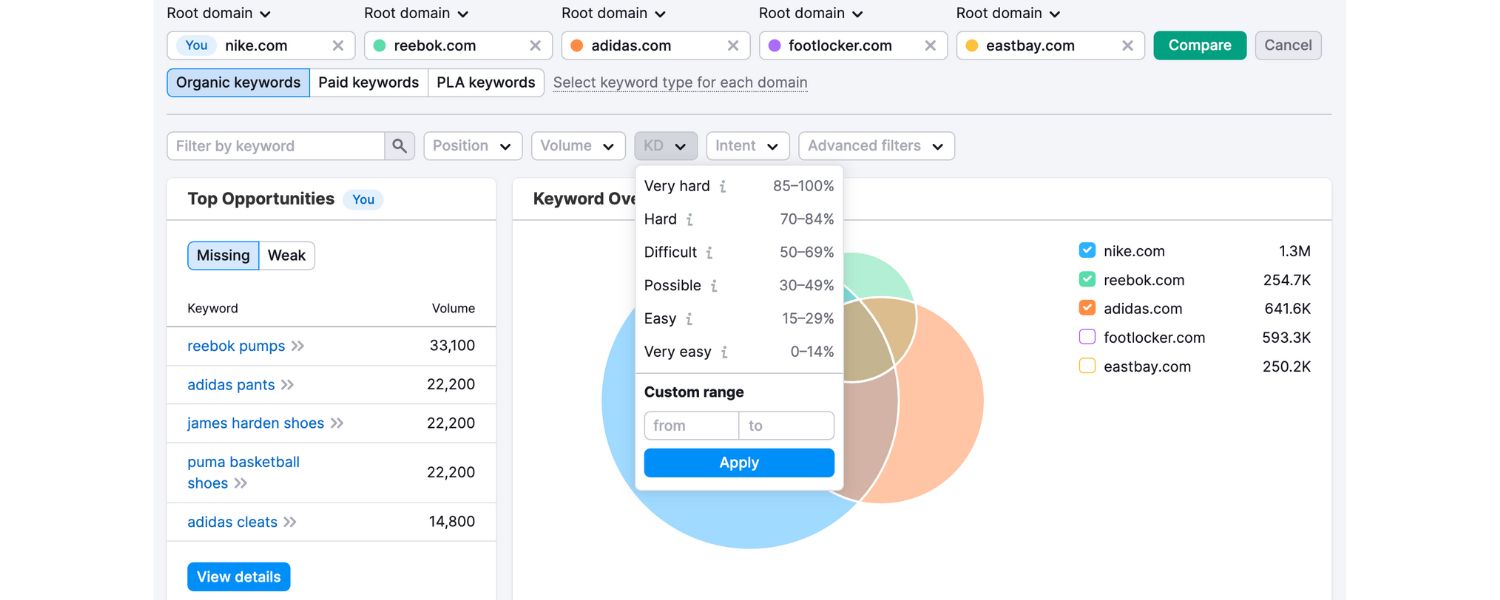
As part of keyword research, check who currently ranks for your target terms. If the first page is full of heavyweight sites (like Wikipedia or major brands), a new or smaller site might have difficulty breaking in.
That doesn’t mean you should avoid the keyword altogether, but you might need to narrow the focus or find a unique angle.
Look for keywords where competitors have content gaps, maybe they rank but their content is thin or outdated, those are opportunities for you to create something better.
5. Prioritize and Plan Content
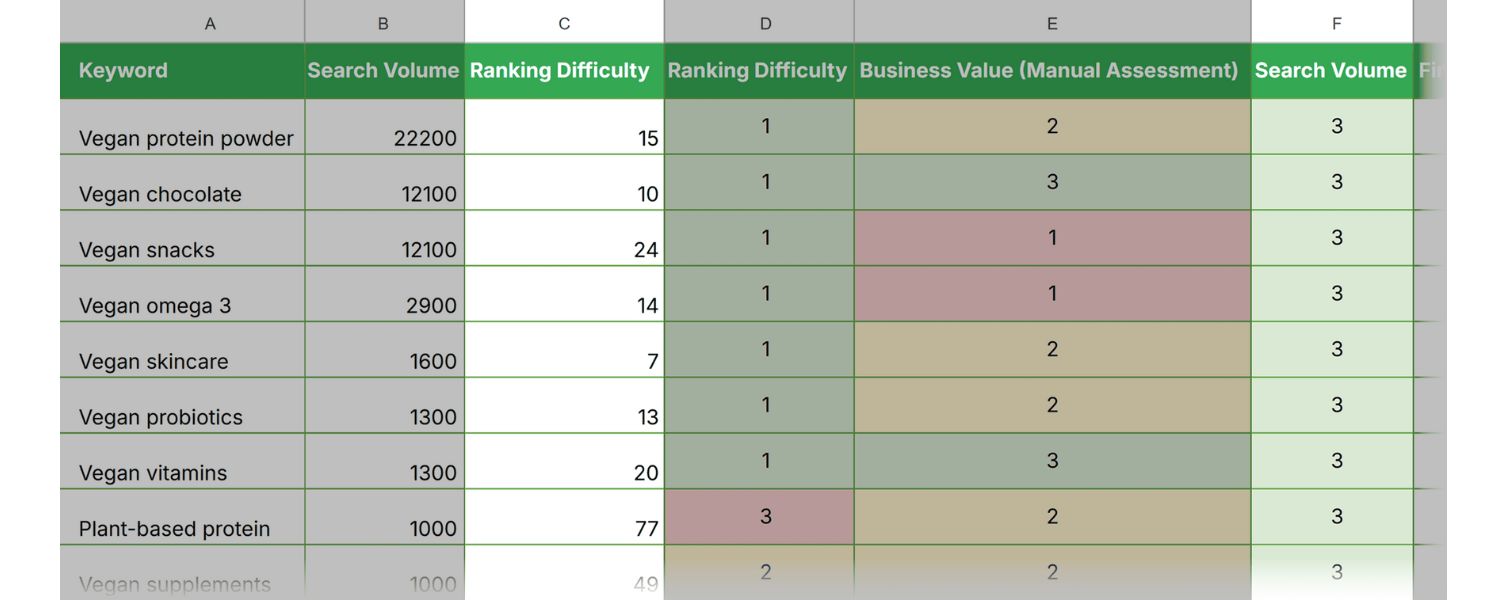
Once you have a list of promising keywords, prioritize them by relevance to your business, search volume, and ranking difficulty. Build an editorial calendar or SEO content plan around these keywords.
Each important keyword (or closely related group of keywords) should map to a specific piece of content on your site.
Pro tip: target a variety of keyword types – a few broad ones for awareness, plenty of long-tails for niche targeting, and some local keywords if applicable. This way, you capture users at different stages of the journey.
Remember, keyword research is an ongoing process. Search trends change, new terms emerge (think of how terms like “NFT” or “cordless earbuds” popped up in recent years), and your business might introduce new offerings.
Continuously discover and refine keywords to keep your content strategy aligned with what your audience is searching for.
High-Quality Content Creation
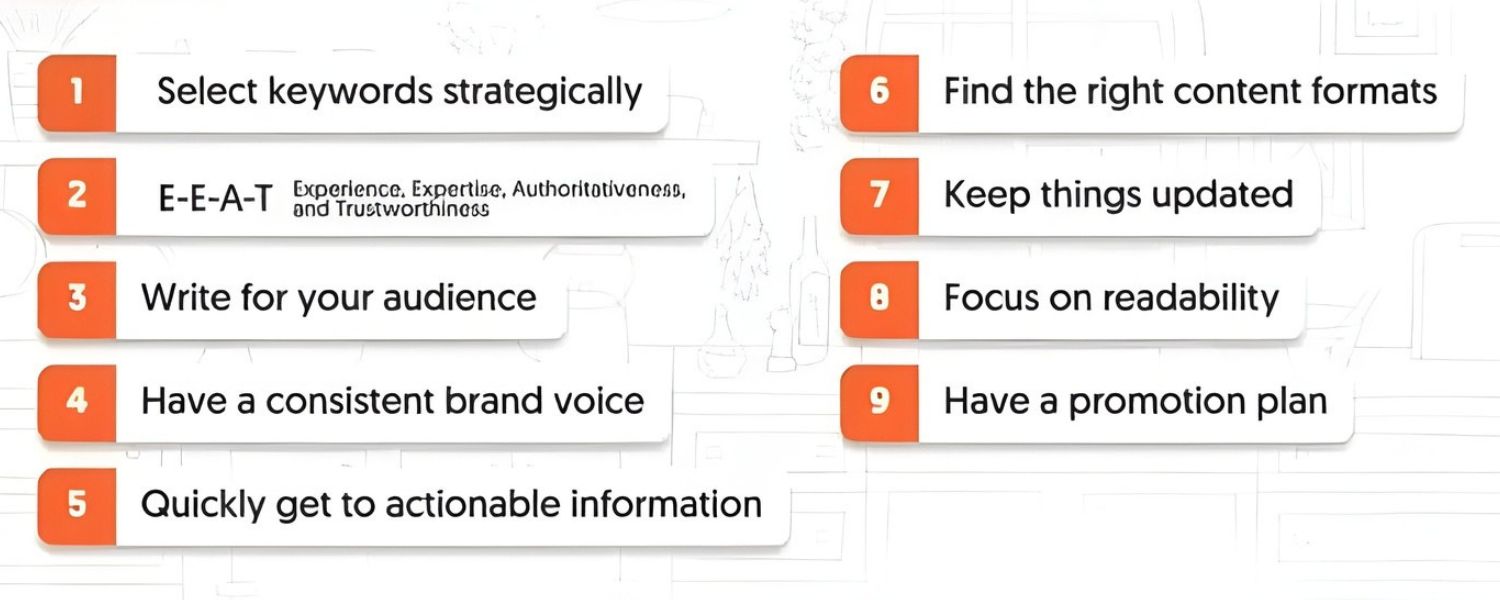
Once you know the keywords and topics to target, the next step is creating high-quality content around those terms. Content is the cornerstone of organic SEO – Google can’t rank you for a topic if you don’t have a relevant page about it.
But not just any content will do; it needs to be better than what’s out there. Here’s how to craft content that can earn top rankings:
1. Satisfy Search Intent and Be Truly Helpful
As discussed, your content must align with the intent behind the keyword. This means going deep enough to fully answer the user’s query.
If someone searches “tips for organic SEO,” they likely want a comprehensive guide or list of strategies – so a shallow 300-word article won’t cut it.
Provide the information, insights, or solutions that searchers are looking for, and make it actionable if possible (e.g., step-by-step tips).
Google’s guidelines talk about content being helpful, informative, and satisfying user needs. Aim to be the best answer on the internet for your chosen topic.
2. Originality and Depth
There are probably already many pages on your topic, so think about what unique value you can add. This could be original research, personal expertise, updated information, better examples, or a more engaging presentation.
Avoid simply copying or rewriting existing top results. Google prioritizes content that is original and brings something new to the table.
For instance, you might include a case study from your own experience, provide up-to-date 2025 stats, or incorporate expert quotes.
Depth is important too – longer content (when appropriate) often correlates with higher rankings because it likely covers a topic more comprehensively.
It’s no coincidence that many top-ranking guides exceed 2,000 words; Google sees them as thorough resources. However, length alone won’t help unless the content remains quality and on-topic.
3. Readability and Structure
Online readers (and search engine crawlers) prefer content that is well-structured and easy to digest. Use clear headings and subheadings (H2s, H3s) to organize sections – this not only improves readability but also gives Google context about your content structure.
Include bullet points or numbered lists for steps and key points (just like this list!) – they make information pop. Keep paragraphs short (a few sentences each) and use plain language as much as possible.
Visual elements can also enhance content quality: images, charts, infographics, or embedded videos can illustrate concepts and break up text (just ensure they are relevant and add value).
Engaging, well-formatted content tends to keep visitors on the page longer, which is a good sign to Google.
4. Incorporate Keywords Naturally
While writing, remember to include your target keywords – especially in critical spots like the title tag, headings, and the first paragraph of your content.
But do so organically; the days of keyword stuffing are long gone (and penalized). Use variations and related terms (semantic SEO) to reinforce context without repetition.
For example, if your keyword is “organic SEO techniques,” you might also mention “improve organic rankings” or “boost organic traffic” in the text. This helps cover the breadth of what users might be searching and signals relevance to search engines.
Tools like Surfer SEO or Clearscope can analyze top-ranking pages and suggest related terms to include, though using them is optional. The key is your content should read naturally to humans while still signaling the topic clearly to search engines.
5. Demonstrate E-E-A-T
E-E-A-T stands for Experience, Expertise, Authoritativeness, and Trustworthiness, factors Google’s quality raters use to evaluate content creators and websites. To build E-E-A-T in your content:
A. Highlight your experience or credentials if relevant (why should readers trust you?). For example, if you’re writing about SEO, mentioning that you’re an SEO consultant or referencing your years of experience can help.
B. Cite credible sources and data. If you mention a statistic or claim, link to the original source or a reputable publication. This not only adds trust but can improve your content’s credibility for readers and indirectly for search.
C. Keep content accurate and up-to-date. Outdated info can hurt trust. If you have older articles, consider refreshing them periodically with current info (Google rewards freshness for topics where it matters).If appropriate, include author bios on your site that establish expertise. For instance, a medical advice site should show that content is written or reviewed by medical professionals.
Sites that consistently publish helpful, reliable, people-first content tend to build strong E-E-A-T over time, which can positively impact rankings, especially in “Your Money or Your Life” (YMYL) niches like health, finance, etc.
6. Engage the Reader
Finally, aim to create content that connects with readers. Write in an empathetic tone, anticipate their questions, and answer them.
Encourage interaction if possible (like asking readers to comment with their questions or experiences). The more your content resonates, the more likely it is to be shared or linked to, which benefits SEO.
For example, Backlinko (an SEO blog) became authoritative partly by publishing in-depth how-to guides that garnered tons of shares and backlinks, signalling value and authority.
In essence, content is king in organic SEO – but only when it wears the crown of quality.
If you focus on genuinely helping your audience with excellent content, you’re laying the foundation for SEO success.
Next, let’s optimise that content and your site’s pages to make sure search engines fully recognise their value.
On-Page SEO Best Practices
“On-page SEO” refers to optimising elements on your website pages to help search engines understand your content and to improve the user experience.
You have direct control over these factors, so it’s worth getting them right for every important page. Here’s a checklist of on-page SEO best practices:
1. Optimise Title Tags
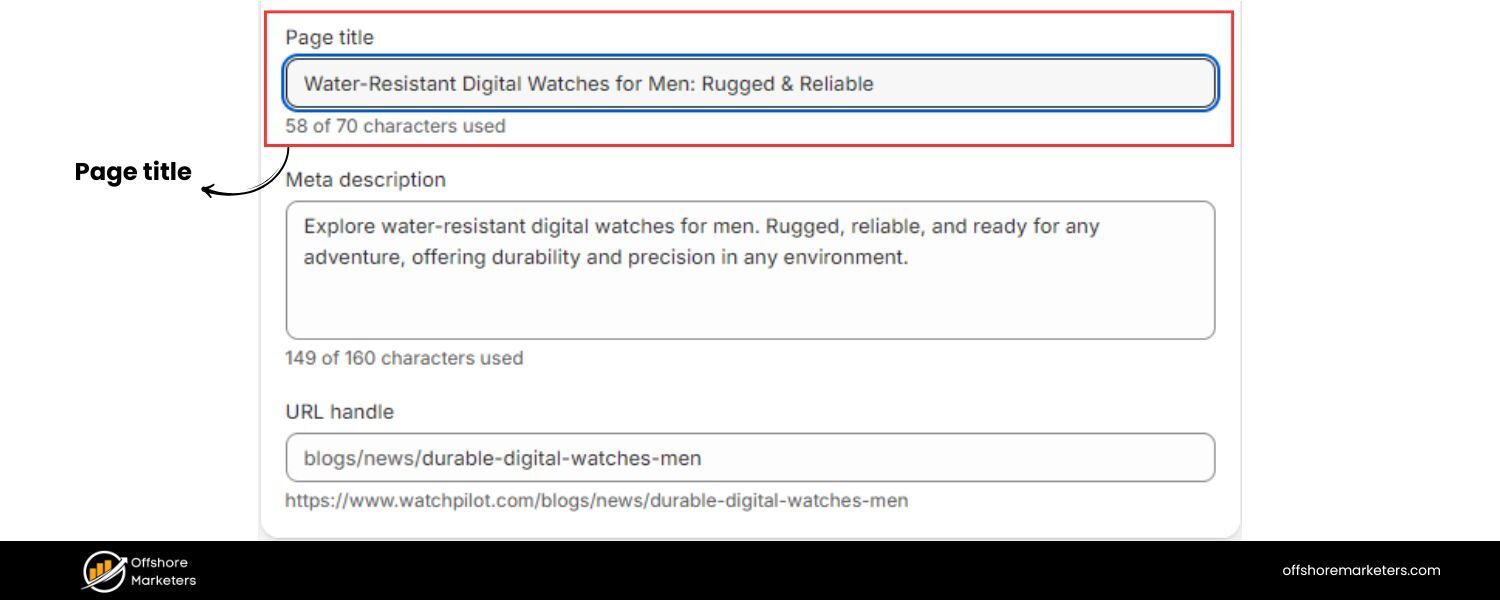
The title tag is the most important on-page SEO element. It’s what shows up as the clickable headline in search results.
Include your primary keyword in the title tag, preferably towards the beginning, and keep the title compelling and under ~60 characters so it doesn’t truncate.
For example: Organic SEO Strategies to Boost Your Google Rankings in 2025. This contains the keyword “Organic SEO” and is enticing.
A well-optimised title can improve both ranking and click-through rate (CTR).**- Write Meta Descriptions: While meta descriptions (the summary under the title in SERPs) aren’t a direct ranking factor, they influence CTR.
Write a concise (about 150-160 characters) meta description for each page that includes your target keywords and “sells” the page’s content.
For instance: “Learn what organic SEO is, why it’s important, and 10 proven techniques to improve your organic search rankings. Get more traffic without paying for ads.”
If you don’t set a meta description, Google might auto-generate one, but it’s better to craft it yourself to align with the searcher’s intent.
2. Use Header Tags (H1, H2, H3, etc.)

Each page should have a single H1 heading that acts as the page title (often similar to the title tag).
Break up content into logical sections with H2 subheadings, and use H3s for subsections as needed.
Not only do headers make the content skimmable for readers, they also give search engines a hierarchy of important topics on the page.
If your keyword or its variants fit naturally into some headings, include them. For example, an H2 might be “How Does Organic SEO Work?” which is both reader-friendly and keyword-relevant.
3. URL Structure
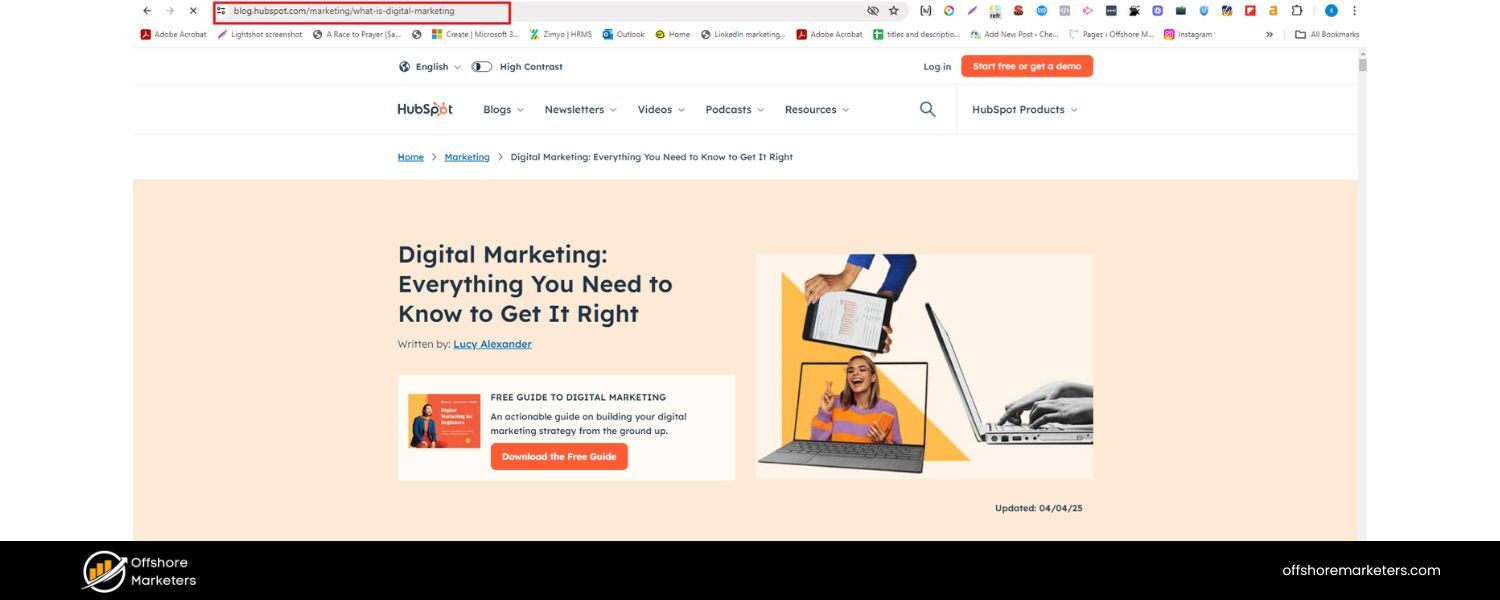
Use SEO-friendly URLs. A good URL is short, descriptive, and ideally contains the main keyword (or a close variation).
Avoid long strings of numbers or irrelevant characters. Once a URL is set and indexed, try not to change it (unless absolutely necessary), as that can cause SEO hiccups.
4. Keyword Placement
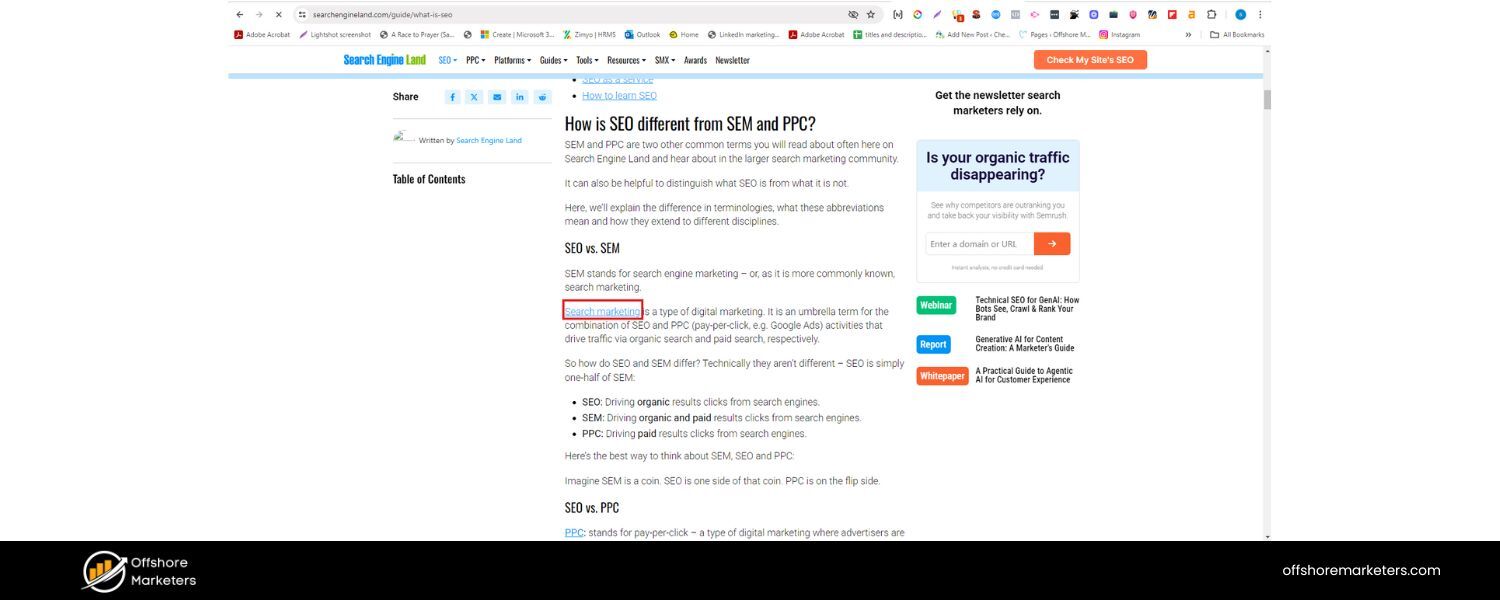
Ensure the primary keyword appears in the first paragraph or two of your content – this helps confirm relevance.
Then use it and related terms naturally throughout. You might bold it once or twice or use italics for emphasis, but don’t overdo formatting.
Synonyms and related concepts can help cover semantic variations. For example, if “organic SEO” is the main term, you might also mention “organic search optimization” or “natural search rankings” in your copy. This casts a wider net of relevance.
5. Internal Linking
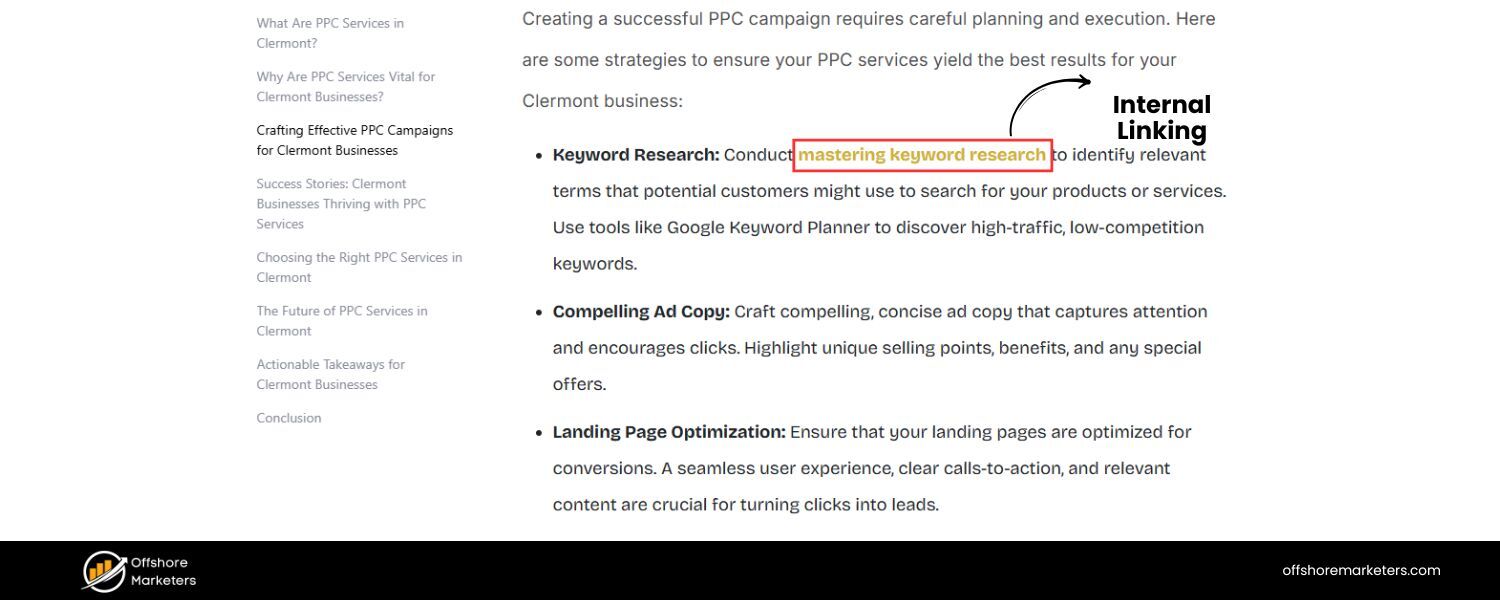
Link to other relevant pages on your site within your content. Internal links help distribute “link equity” around your site and aid in crawling.
For instance, in a blog post about organic SEO, you might link the phrase “keyword research” to a detailed guide you have on keyword research.
Use descriptive anchor text (the clickable text) that indicates what the target page is about. E.g., “…perform thorough keyword research to inform your content.”
This signals to Google that the target page is about keyword research. Plus, internal links keep readers engaged, by suggesting other useful content on your site – a win-win for SEO and user experience.
6. External Links
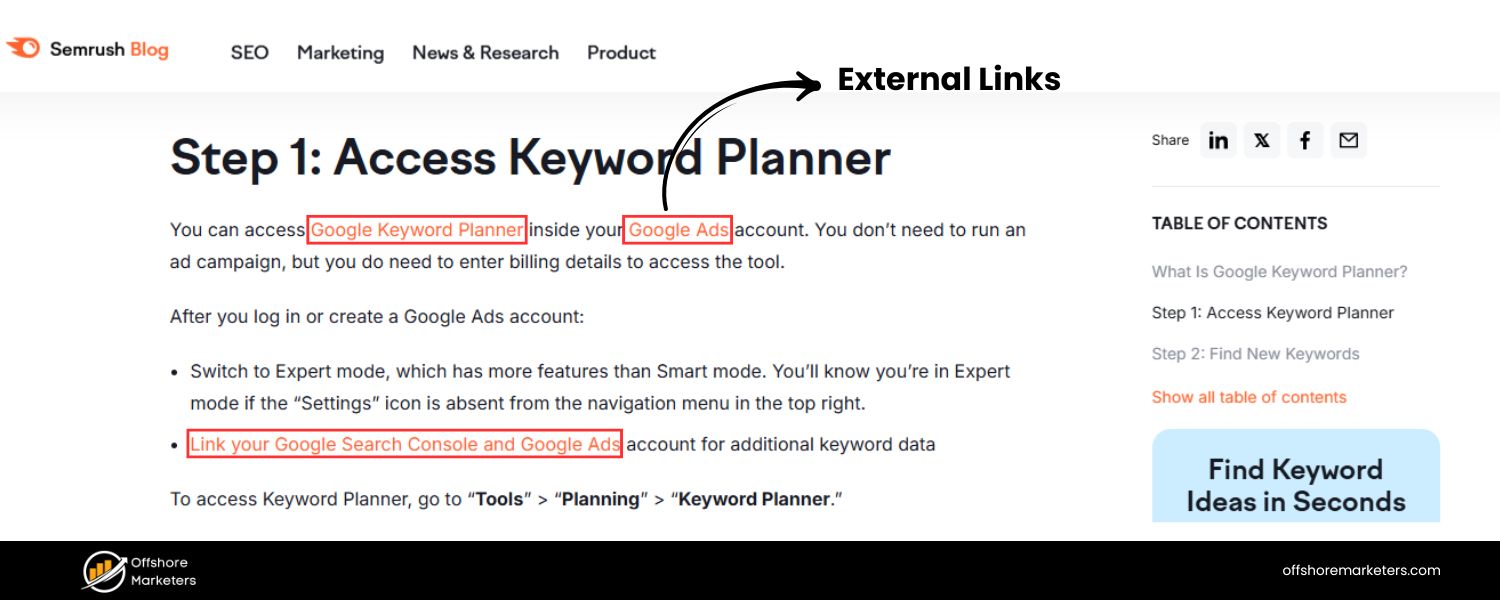
Don’t be afraid to link out to authoritative external resources when relevant.
It may sound counterintuitive to send people off-site, but citing sources (like we do with these references) can actually boost the credibility of your content.
It shows you’ve done your research and are providing additional value.
Just make sure external links open in a new tab (so your site stays open) and that you’re linking to trustworthy sites.
For example, linking to an official Google webmaster blog post or a respected industry study to back up a claim can be beneficial.
Moderate use of external linking to good sources can indirectly help SEO by associating your content with other high-quality content.
7. Images and Alt Text

Images can enhance a page, but search engines need help understanding them. Always fill out the alt attribute of an image with a descriptive text. This helps with accessibility (visually impaired users) and gives Google context.
If an image is relevant to your keyword, you can include the keyword or a variation in the alt text (just describe the image naturally; no keyword stuffing).
Also, use images that are compressed so they don’t slow down your page (there are many tools to compress images without quality loss).
8. Schema Markup (Structured Data)
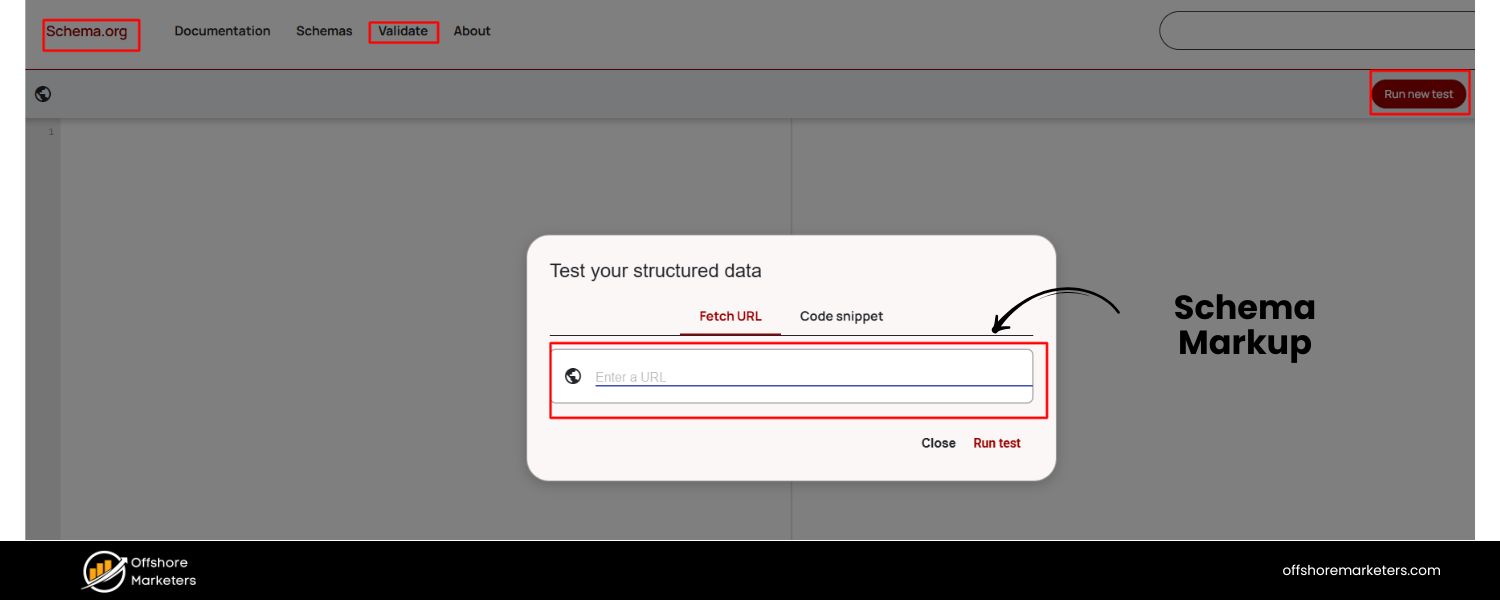
Depending on your site, adding schema markup can give you a potential edge. Schema is code (in JSON-LD format usually) that helps search engines better understand your content and can enable rich snippets (like star ratings, FAQs, etc.) in search results.
For example, if you have recipes, there’s schema for cooking time, ingredients, etc. For an article or blog post, using the Article schema is a good practice.
While schema doesn’t guarantee rankings, it can improve how your listing appears on SERPs, which can improve CTR.
9. Content Quality Signals
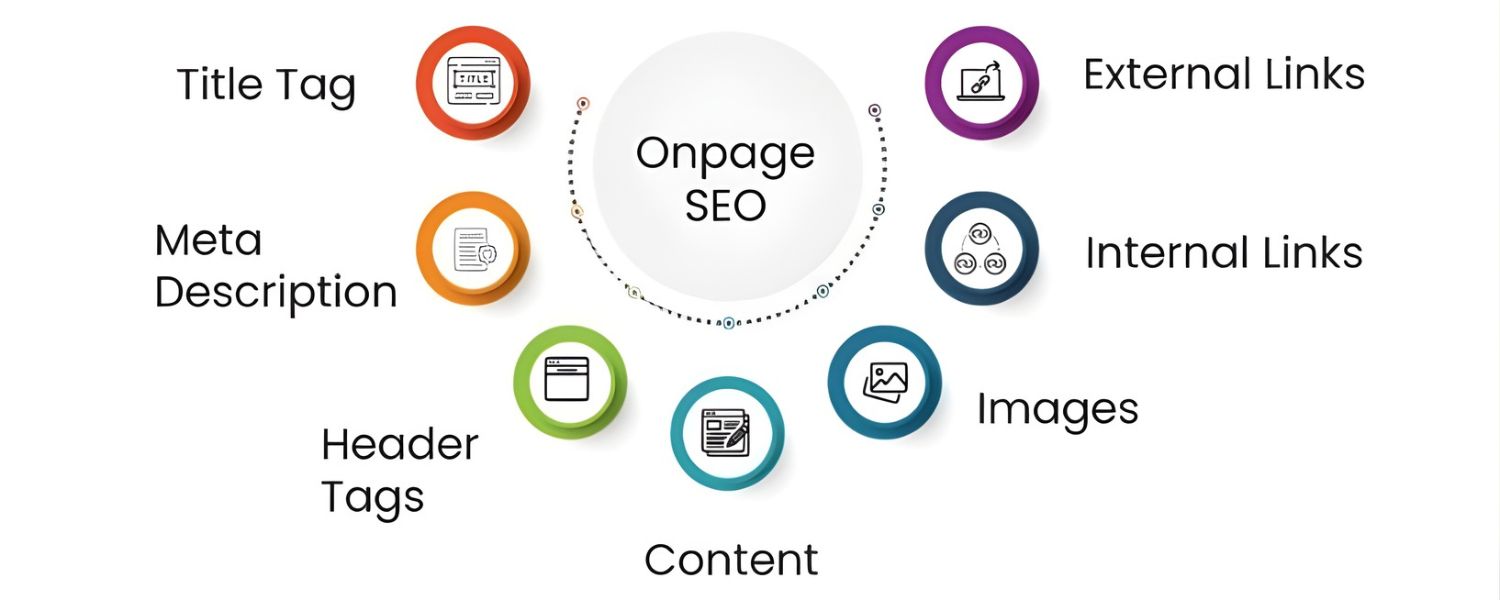
We covered content in depth earlier, but remember on-page optimization isn’t just technical tweaks – it’s also about ensuring the page content is up to snuff. Thin or duplicate content on a page can hurt on-page SEO.
If you have two pages very similar, consider merging them or using canonical tags to avoid confusion (canonical tags tell Google which is the primary page if duplicates exist). Always prefer one great page over two mediocre ones on overlapping topics.
By applying these on-page SEO best practices, you make it much easier for search engines to crawl, index, and interpret your pages correctly.
You’re basically speaking Google’s language by structuring your page and HTML in a way that highlights what’s important.
When combined with the high-quality content itself, strong on-page optimization can give your pages the extra push needed to outrank competitors.
Technical SEO Optimization
Technical SEO covers the behind-the-scenes aspects of your website that make it easy (or difficult) for search engines to discover and index your content.
It also encompasses site performance and infrastructure issues that can affect rankings. Think of technical SEO as ensuring your site’s foundation is solid for all your other SEO efforts. Here are the key areas to focus on:
1. Ensure Your Site Is Crawlable and Indexed
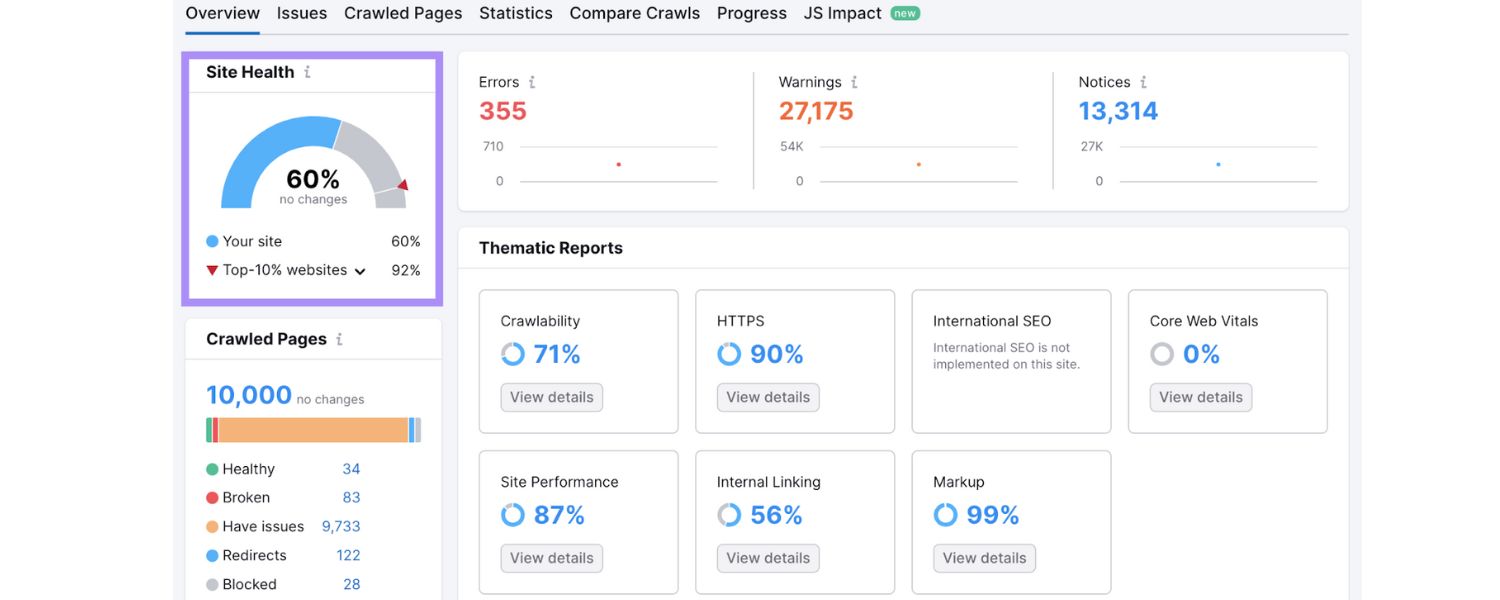
If search engines can’t crawl (access) your site or specific pages, they obviously can’t rank them. Make sure you’re not accidentally blocking important content via your robots.txt file or meta tags.
Your robots.txt (a file on your site) should generally allow all content you want indexed, and only disallow things like admin or staging areas.
Similarly, use meta tags like carefully – usually only for pages you are sure you don’t want in Google (like duplicate pages, certain thank-you pages, etc.).
It’s wise to set up Google Search Console for your site, which will tell you which pages are indexed, and report any crawl errors or issues Google encountered.
If you have an XML sitemap (a list of your site’s important URLs), submit it in Search Console to help Google find all pages easily. Many CMS platforms and SEO plugins can auto-generate a sitemap for you.
2. Site Speed and Performance
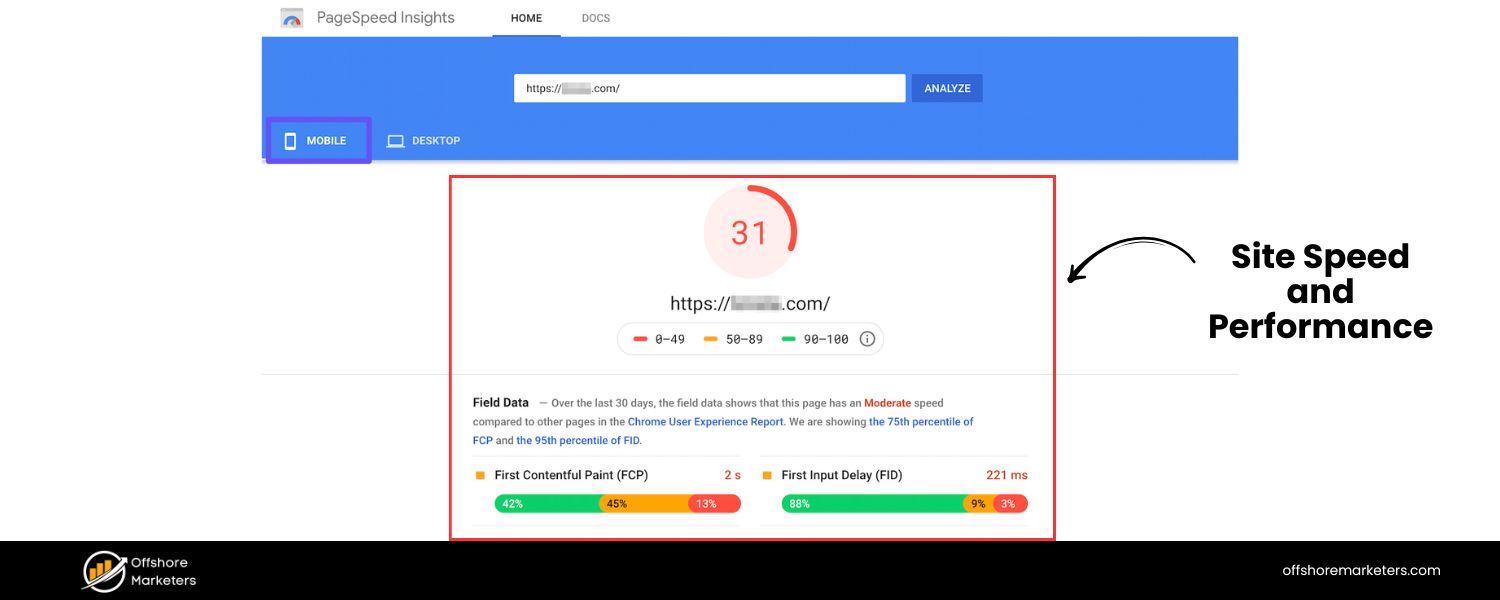
As mentioned earlier, page speed is a confirmed ranking factor and absolutely part of technical SEO. Optimise your site to load as fast as possible:
A. Compress and optimise images (large images are often the biggest culprit for slow pages). Tools like Kraken.io or TinyPNG can reduce image file sizes significantly without visible quality loss.
B. Minify your code (HTML, CSS, JavaScript) to remove unnecessary spaces/comments. Many build tools or plugins can do this automatically.
C. Use caching to enable repeat visitors to load pages faster.
D. Consider using a Content Delivery Network (CDN), which serves your static files (images, CSS, etc.) from servers closer to the user, speeding up load time globally.
E. Reduce redirects – too many redirects can slow down user experience as the browser jumps through multiple URLs to reach the final page.
The faster your site, the better for both SEO and user satisfaction. Google’s benchmark is under 2-3 seconds for page loads on mobile, and the quicker the better.
You can test your site with free tools like Google’s PageSpeed Insights or GTmetrix to see specific recommendations.
3. Mobile Optimisation
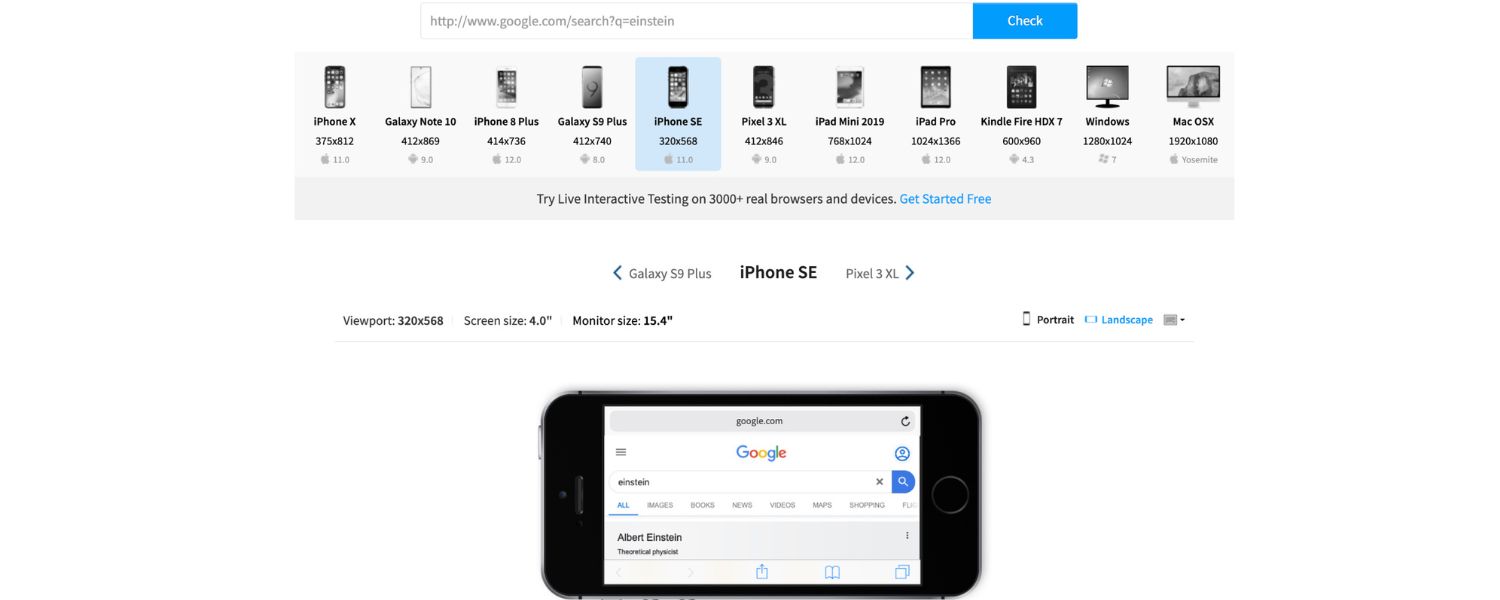
Google uses mobile-first indexing, meaning it looks primarily at the mobile version of your site.
Responsive design (where your site adapts to different screen sizes) is the industry standard to ensure mobile friendliness.
Check your site on a smartphone: is the text readable without zooming? Are buttons and links easily tappable? Do images/videos fit on the screen?
Use Google’s Mobile-Friendly Test tool to catch any glaring issues. If your site isn’t mobile-friendly, it will struggle in mobile search results, and since mobile searches are dominant, that can drag down your overall SEO significantly.
4. Secure Your Site (HTTPS)

If your website still runs on HTTP, migrating to HTTPS is important. HTTPS encrypts the data between your site and users, providing security.
Not only is this critical for any site that handles sensitive info, but Google also gives a slight ranking boost to HTTPS sites.
Modern browsers even mark non-HTTPS sites as “Not Secure” in the address bar, which can scare away users. Obtaining an SSL certificate is relatively easy, and many hosts offer them for free or at a low cost.
5. Fix Broken Links and Errors
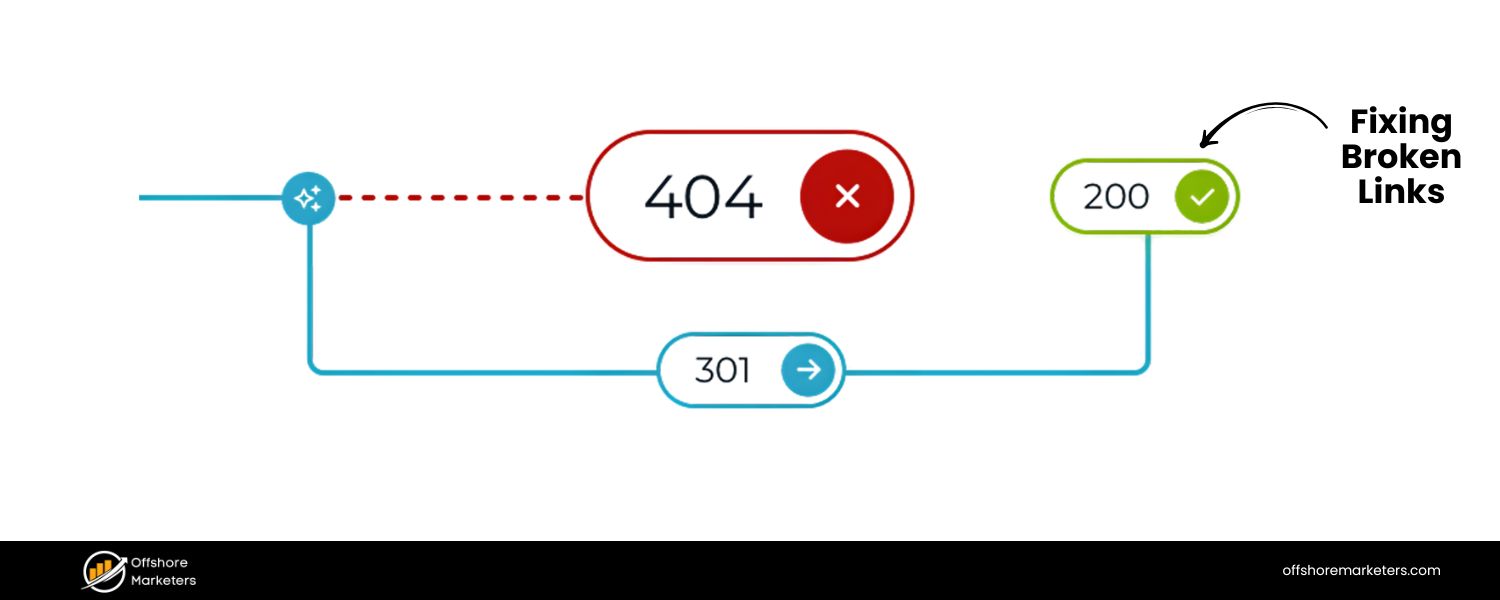
Broken links (404 errors) on your site can hurt user experience and may waste crawl budget. Use tools or Search Console to find 404 errors and fix them – either by updating the link or setting up a 301 redirect to a relevant page.
Also, check for any server errors (500 errors) and resolve those. A technically sound site has minimal errors. Internal broken links, in particular, should be cleaned up (they also reflect poorly on quality).
6. Structured Data & Schema
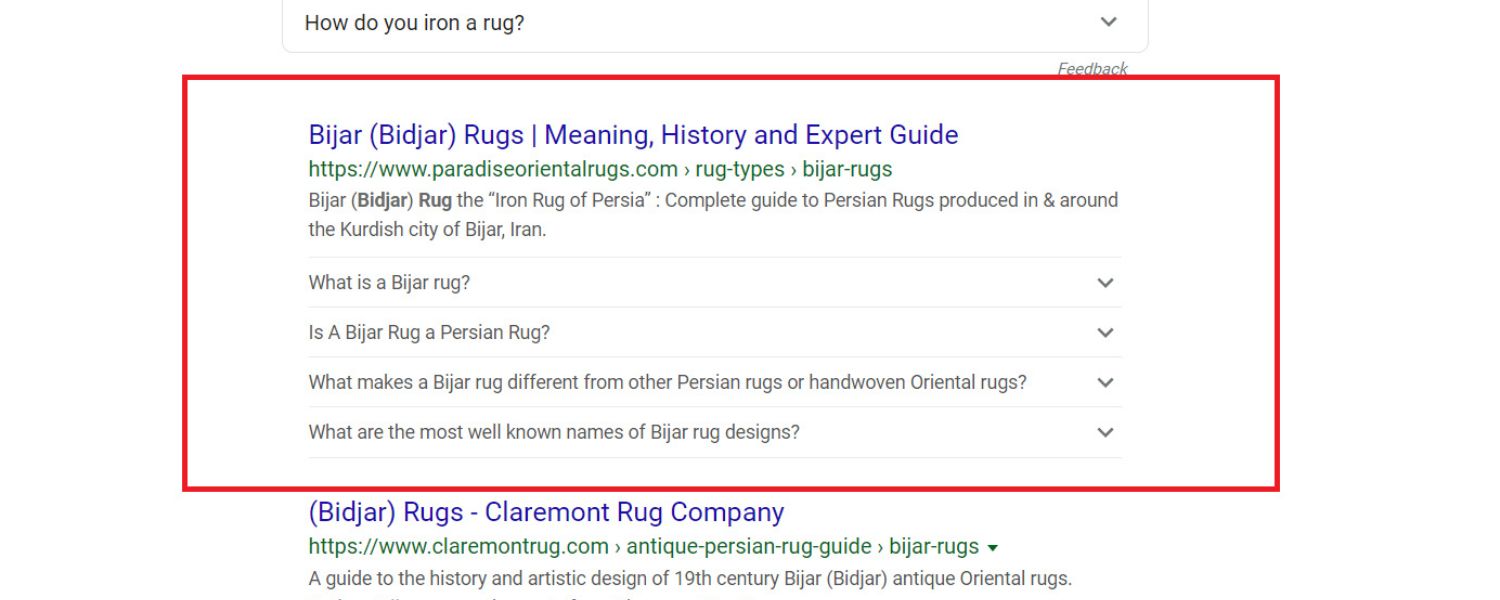
We touched on schema for on-page SEO, but implementing appropriate structured data is a technical task. Marking up your pages with relevant schema can help search engines better understand your content.
For instance, adding an FAQ schema to an FAQ section on your page might make your listing eligible for a rich snippet (showing the questions under your link on Google).
There’s also a schema for products (showing price, availability), reviews (star ratings), articles (showing publication date, etc.), and more.
This doesn’t directly boost rankings, but it enhances visibility, which can improve CTR and thus indirectly help. Use Google’s Structured Data Markup Helper or JSON-LD generators if you’re not familiar with writing schema code.
7. Website Structure and Hierarchy
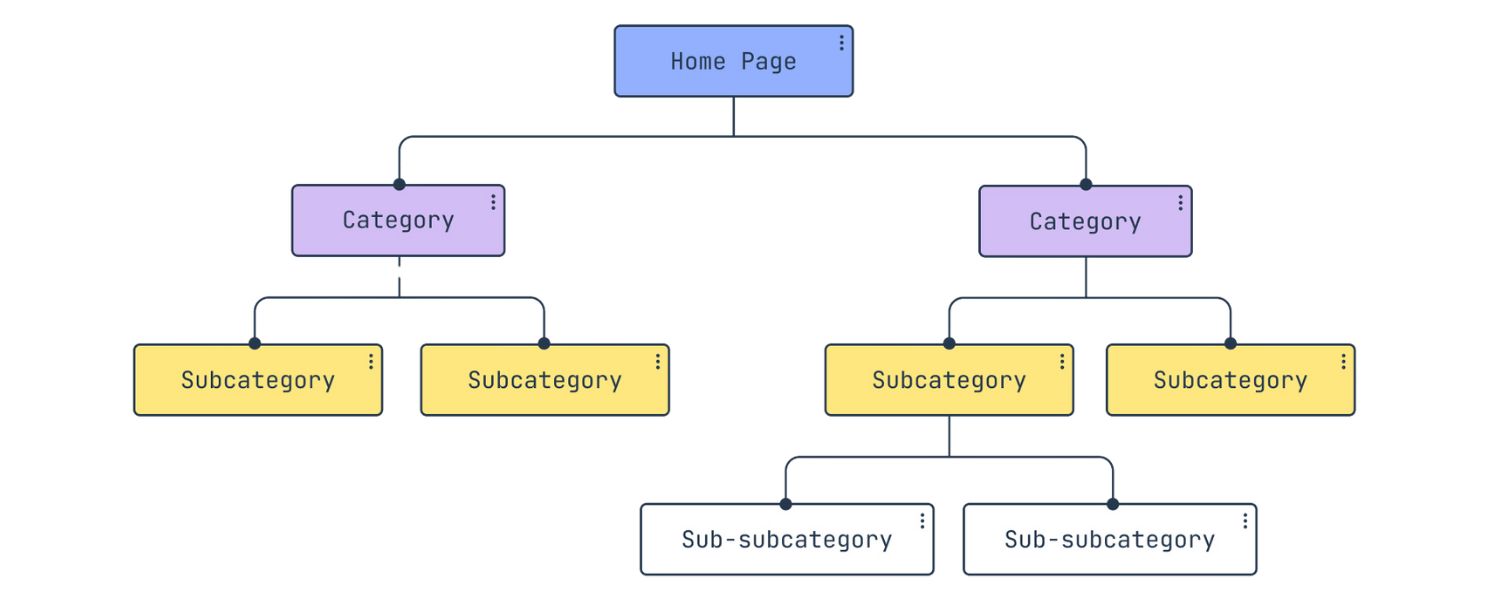
Organise your site logically. Ideally, any page on your site should be reachable within a few clicks from the homepage. A shallow site structure (not too many sub-folder levels deep) is easier for crawlers and users.
Group related content in categories, and use breadcrumb navigation if it makes sense (breadcrumbs not only help users but also provide additional context to search engines about site structure).
For a small business site, this might be straightforward (Home > Services > Specific Service Page, etc.). For a large site, ensure you have a good taxonomy (categories, tags, etc.) and use those in your menu or internal linking so everything is interconnected.
Internal linking structure was discussed, but from a technical perspective, consider implementing a comprehensive footer or a sitemap page that links key pages to prevent orphaned content (pages with no outgoing links).
8. Avoid Duplicate Content and Cannibalisation
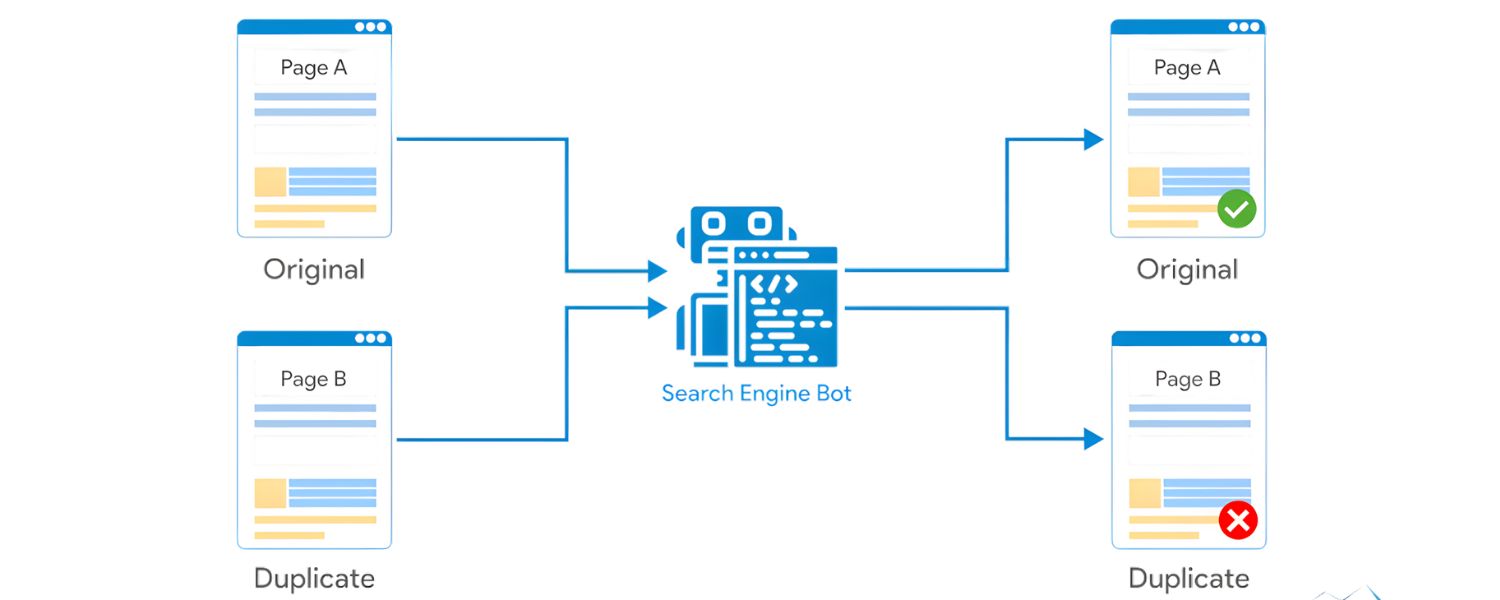
Duplicate content can confuse search engines. If the same (or very similar) content is accessible at multiple URLs, Google may not know which one to rank (and might split the ranking power between them).
This can happen with HTTP vs HTTPS versions, or www vs non-www, or session ID parameters creating multiple URLs, etc. To avoid this:
A. Set a preferred domain (choose www or non-www) and redirect the other to it.
B. Use canonical tags on pages to point to the master version if duplicates exist (like a printer-friendly page).
C. If you syndicate content elsewhere or have scraped copies floating around, the canonical tag can help claim the original.
D. For e-commerce, be cautious with faceted navigation (filters) creating tons of URL variations – use proper canonicalization or noindex where appropriate.
Also, watch out for keyword cannibalisation, that’s when you have multiple pages targeting the same keyword unintentionally.
For example, if you have two blog posts both optimised for “best running shoes,” they might compete against each other in Google’s eyes and both perform worse than a single consolidated article would.
If you find instances of cannibalisation, consider merging content or differentiating the keyword targets.
9. Monitor Site Health Regularly
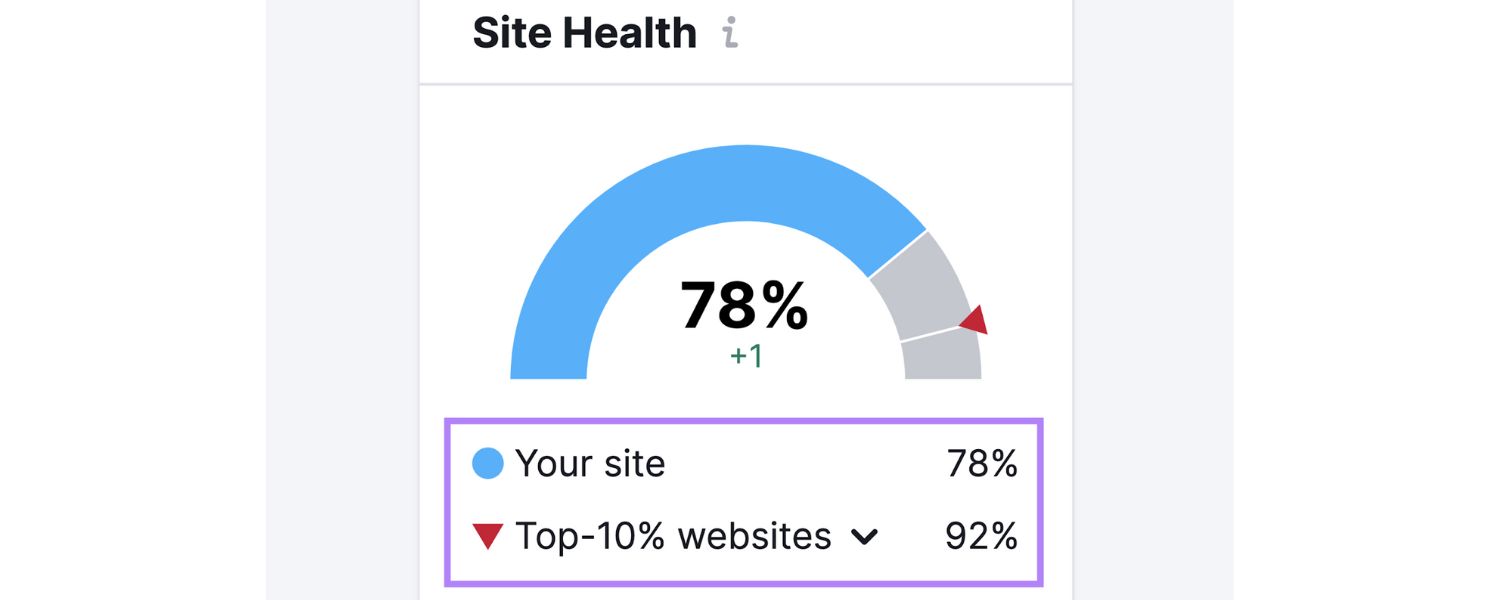
Technical SEO isn’t set-and-forget. Use tools like Google Search Console for ongoing monitoring – it will alert you to issues like sudden drops in indexed pages, mobile usability problems, security issues (like malware), or Core Web Vitals performance updates.
Additionally, periodic crawls with tools like Screaming Frog or Sitebulb can spot broken links or orphan pages, and site audit tools (like Semrush’s Site Audit or Moz’s crawler) can give you a health score and highlight issues categorised by severity.
By handling these technical SEO elements, you ensure there are no barriers to your awesome content getting fully recognised by search engines.
Think of technical SEO as creating a smooth, paved road for Google’s spiders to crawl through your site, with clear signs pointing to what each page is about.
It complements your content and off-page efforts, making sure nothing behind the scenes is holding you back.
Building Backlinks and Off-Page SEO
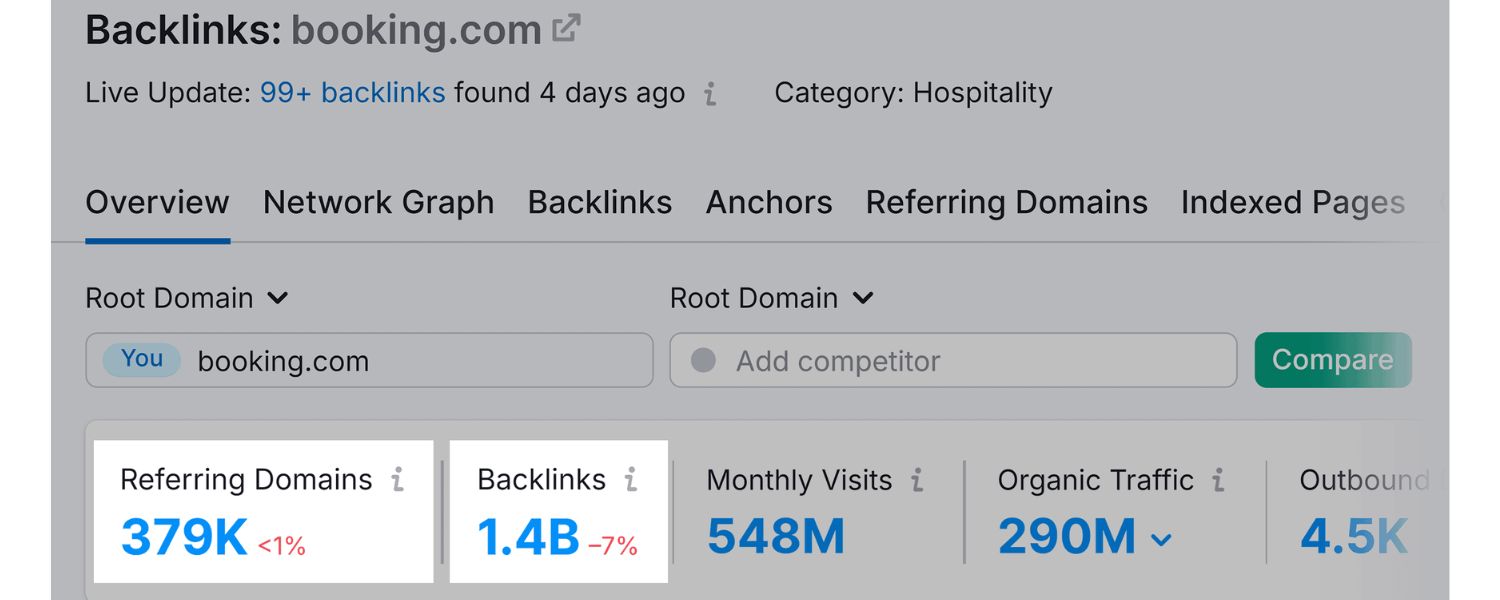
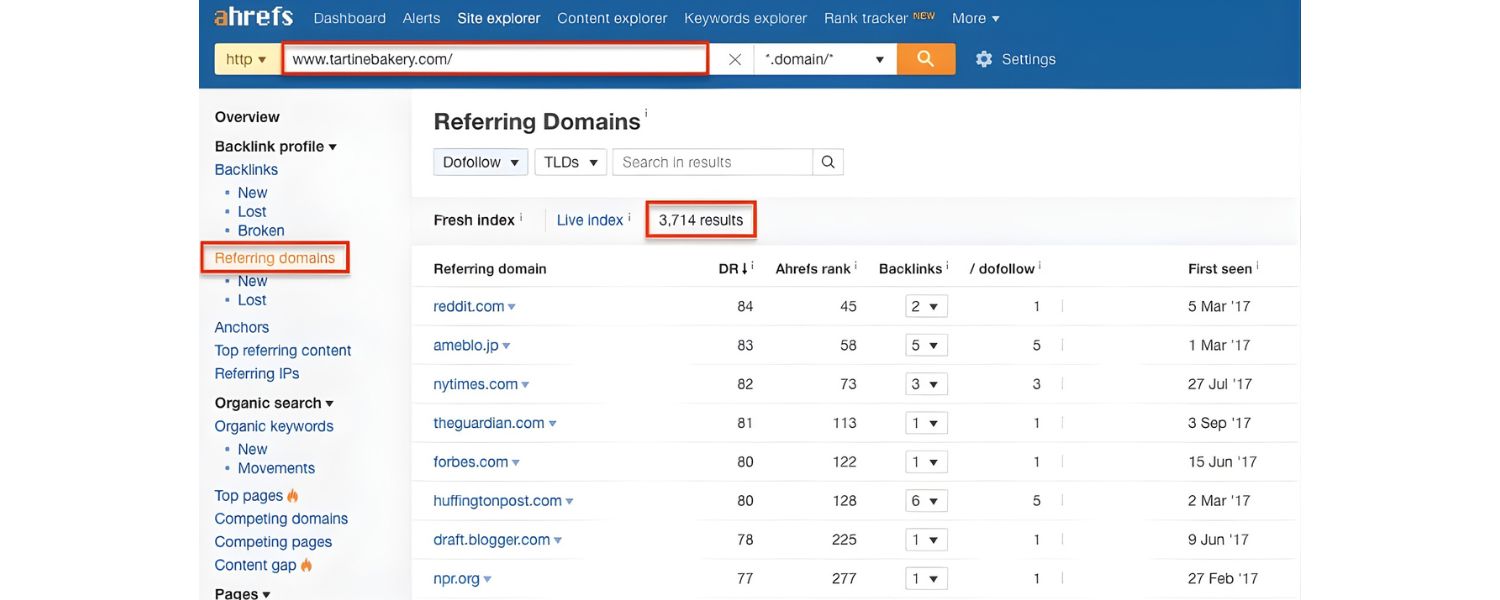
While on-page and technical SEO set the stage on your site, off-page SEO, primarily building quality backlinks, is what elevates your site’s authority in the eyes of Google.
Earning backlinks from other websites remains one of the most influential ranking factors, because links are like endorsements that your content is valuable.
However, not all links are created equal, and the landscape of link building has changed over the years. Here’s how to approach off-page SEO in 2025:
1. Create Link-Worthy Content
The foundation of earning backlinks is having something worth linking to. This loops back to content – content that is unique, insightful, or that provides a resource (like a detailed guide, research, tool, or infographic) is more likely to attract links.
Often called “linkable assets,” these could be anything from a comprehensive industry report you publish, to a handy calculator or a long-form tutorial.
For example, an original study with interesting findings has a high chance of being cited by news sites or bloggers (gaining backlinks).
As a starting point, ask: Would someone feel compelled to share or reference this content? If yes, that content is a good candidate for proactive link building.
2. Outreach and Relationship Building
Links won’t always come automatically; sometimes you have to ask (in the right way). Identify websites, bloggers, or publications in your niche that would benefit from your content.
For instance, if you wrote “50 Organic SEO Statistics for 2025,” many sites writing about SEO might love to reference that.
Reach out to them with a polite email, mentioning your content and why it could complement something of theirs.
This is classic email outreach. It’s a numbers game: not everyone will reply or add a link, but some will if the content is a good fit.
Over time, also focus on building relationships in your industry – engage with influencers on social media, comment on their posts, and share their content.
Being on their radar means that when you do have something to promote, they’re more receptive.
3. Guest Blogging
Writing guest posts for other reputable websites is a longstanding link-building strategy.
The idea is you contribute a high-quality article to another site (often an industry blog or online publication) and, in return, you typically get to include a link back to your site (usually in the author bio, sometimes within the content if relevant).
Guest posting helps you tap into new audiences and earn a backlink. Just ensure you target legitimate sites with real editorial standards – avoid any spammy networks.
Focus on sites that are relevant to your field, so the link is contextually appropriate. For example, a travel gear retailer might guest post on a popular travel blog about “10 Essentials for Backpacking in Europe” and link back to their gear checklist page.
4. Broken Link Building
This is a clever technique where you find broken links on other websites (links that lead to dead pages) and suggest your content as a replacement.
Tools like Ahrefs or Check My Links (a Chrome extension) can help find broken links on sites in your niche.
If, say, a blog’s “Resources” page has a broken link to an article that no longer exists, and you have a similar article, you can reach out to the webmaster letting them know of the broken link and kindly propose yours as an updated resource. You’re helping them fix an error, and potentially gaining a link – a win-win.
5. Leverage Unlinked Mentions
Sometimes, websites mention your brand or content without linking to you.
These unlinked mentions are low-hanging fruit – they already recognise you, so why not have a link? Set up Google Alerts or use tools to track where your brand or key personnel are mentioned.
When you find one, politely reach out thanking them for the mention and asking if they wouldn’t mind turning it into a link. Many will comply, as it costs them nothing and improves user experience.
6. Digital PR and Content Marketing
A more advanced approach is creating content specifically designed for PR – for example, a data-driven study, a survey, an infographic, or a piece of interactive content – and then actively pitching it to journalists or press outlets.
If you have something newsworthy (e.g., “New Study Reveals 68% of Shoppers Trust Organic Search Over Ads”), you might get coverage in online magazines or news sites with a backlink.
There’s also the tactic of piggybacking on trending news (sometimes called newsjacking) with your expert commentary or data, which can earn you references.
Digital PR is about thinking beyond just “SEO links” and more about buzz, which in turn yields high-authority links.
7. Community Engagement
Participate in communities like industry forums, Q&A sites (like Quora or Stack Exchange), or relevant subreddits.
While many of these links are “nofollow” (meaning they don’t pass ranking credit) or might not allow direct linking, they still can drive traffic and indirectly support SEO by increasing your site’s visibility.
Occasionally, there might be opportunities to drop a link in a very relevant, non-spammy way (for instance, answering a question in detail and citing your blog post for further reading). Always follow the community rules to avoid being seen as a spammer.
8. Avoid Black-Hat Tactics
It’s worth mentioning that some old or shady practices can backfire badly. Never buy links from link farms or engage in link exchange schemes like massive “link wheels.”
Google’s algorithms (and manual reviewers) are quite sophisticated at detecting unnatural link patterns.
If you suddenly acquire hundreds of links from unrelated low-quality sites, it’s a red flag. The Penguin algorithm and manual penalties can knock your site down if you have a sketchy link profile.
Focus on earning links through merit and relationships, not trickery. Quality over quantity is the mantra – a single link from a respected, high-authority site in your industry can outweigh 100 links from random, low-tier sites.
9. Social Signals (Indirect)
While social media links (shares on Facebook, Twitter, etc.) aren’t direct ranking factors, there’s an indirect benefit. The more people that share your content, the greater the chance the right person will see it and link to it.
So, promoting your content on social networks can amplify its reach and attract links naturally. Also, a strong social presence can boost your brand, which might lead to more branded searches and credibility (though these are softer factors).
In essence, off-page SEO is about getting others to vouch for your content. Backlinks remain crucial for signalling authority and trustworthiness to search engines.
By consistently creating valuable content and proactively networking and promoting, you’ll gradually accumulate a robust backlink profile.
This off-page strength, combined with solid on-page and technical SEO, will significantly improve your ability to rank for competitive terms.
Local Organic SEO Considerations (If Applicable)
If your business has a local presence or serves specific geographic areas, you should pay special attention to local SEO – which overlaps with organic SEO but has its own set of tactics.
Local SEO is all about appearing in location-based searches (e.g., “best coffee shop in [City]”) and on Google Maps.
Even if you primarily focus on broader organic SEO, optimising for local can be a powerful way to capture nearby customers. Here are key elements:
1. Google Business Profile
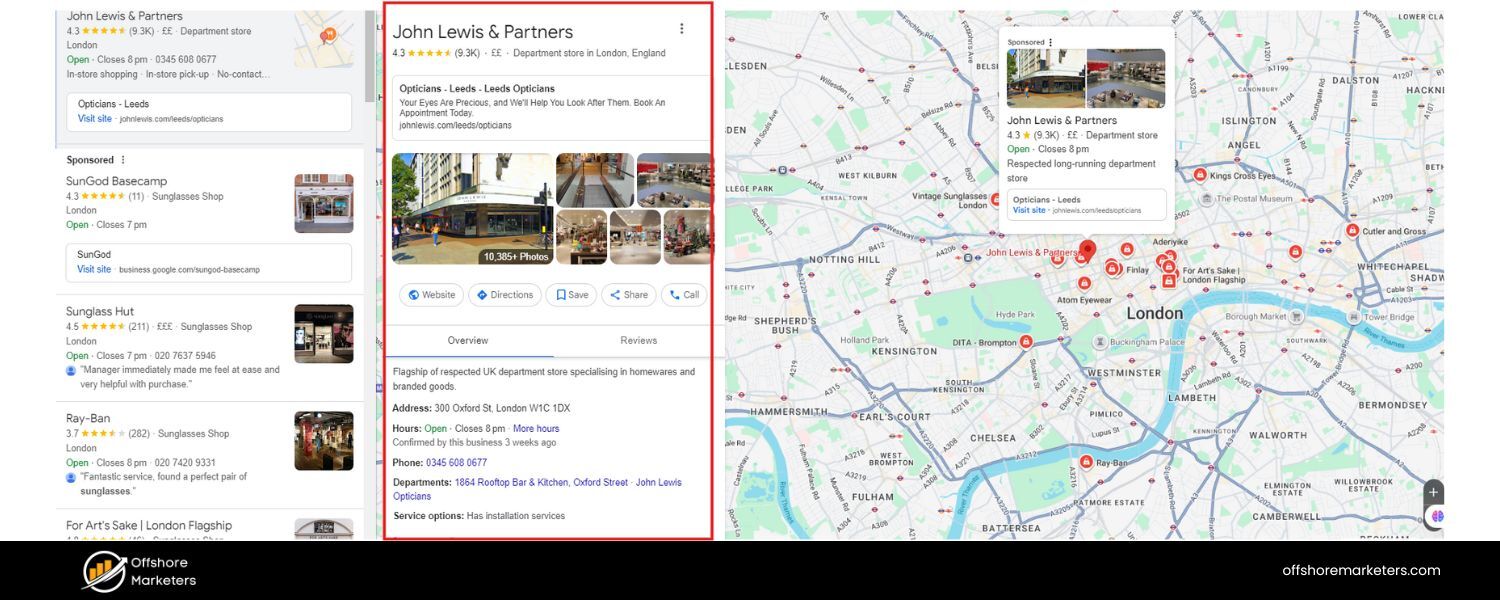
Formerly known as Google My Business, your Google Business Profile (GBP) is crucial for local visibility.
Claim or create your profile and fill it out completely – business name (consistent with what’s on your site), address, phone, website, hours, category, and so on.
A well-optimised GBP can get you in the local pack (the map results) for relevant searches.
Encourage customers to leave Google reviews, as those improve your local ranking and click appeal (people trust highly-rated businesses). Google Business is essentially the centrepiece of local SEO.
2. Name, Address, Phone (NAP) Consistency
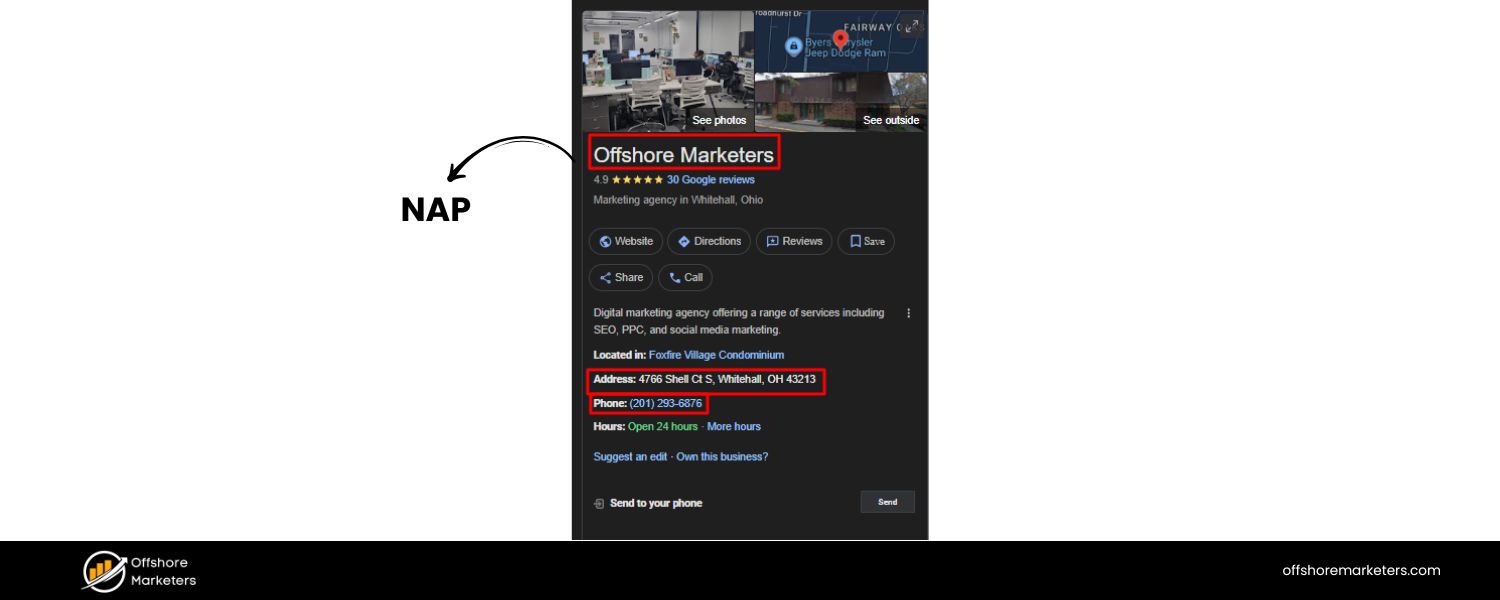
Ensure that your business name, address, and phone number are consistent across all online platforms – your website, social media profiles, local directories, etc.
Inconsistencies (like “Street” vs “St.” or old phone numbers) can confuse Google or cause it not to trust the data.
Have a contact page on your website with your NAP details and possibly an embedded Google Map.
3. Local Keyword Targeting
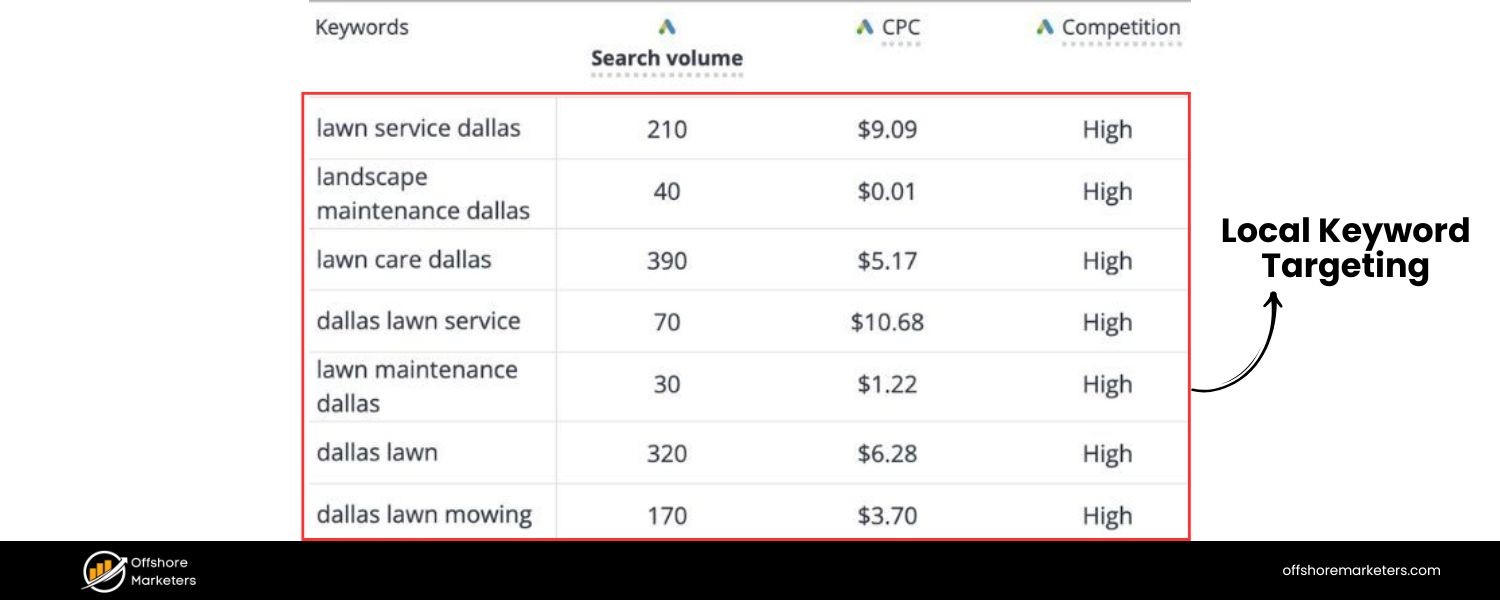
Incorporate local keywords into your site content where relevant. For example, if you’re a plumber in Denver, your homepage title might be “Denver Plumbing Services | [Brand Name]” and you’d mention serving the Denver metro area in your copy.
You might also create specific location pages or blog posts targeting service areas or local events.
Just avoid auto-generating tons of thin city pages – each local page should have unique, valuable content (like testimonials from that area, photos, etc.).
4. Local Citations
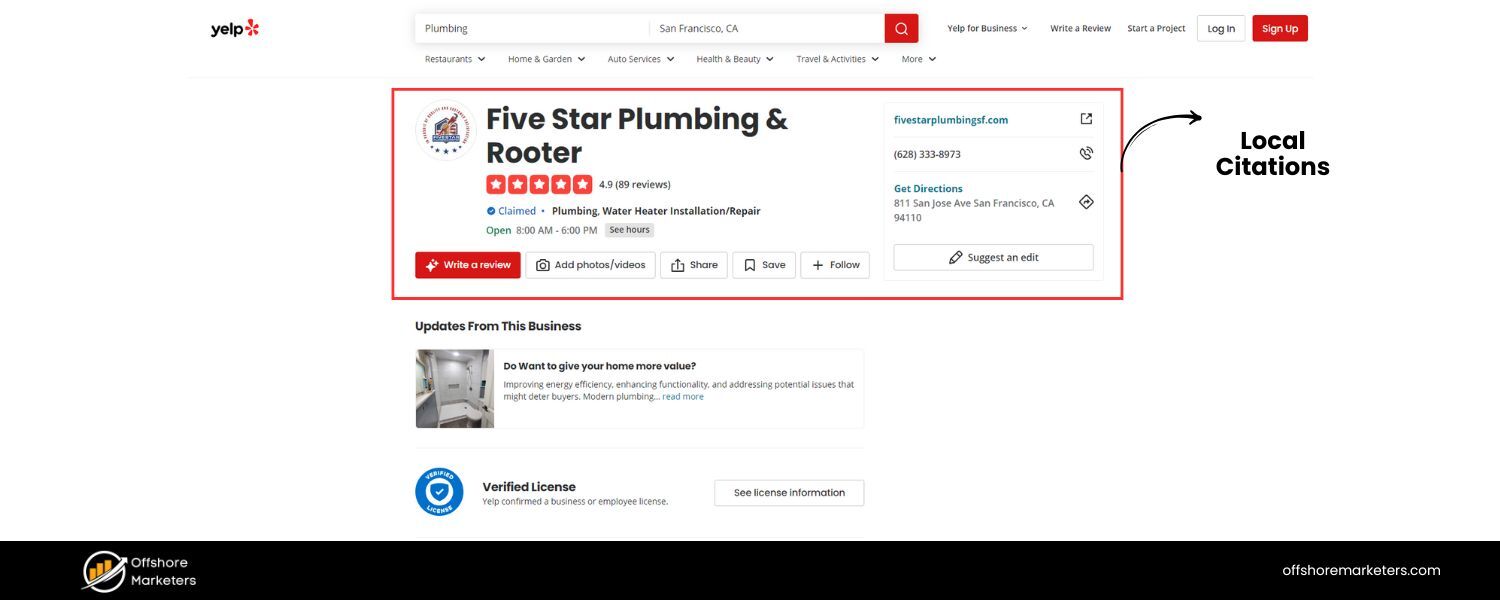
Aside from Google, make sure you’re listed on other important local directories (known as citations): Yelp, Bing Places, Facebook, Yellow Pages, Angi (Angie’s List), TripAdvisor (if relevant), and industry-specific ones.
These citations not only help customers find you but also send signals to search engines about your legitimacy and location. Again, consistency in NAP is key on all these listings.
5. Localised Content and Link Building
If you’re a local business, having some content on your site that’s locally flavoured can help. For example, blog about local news or events related to your business.
Sponsor local community events or charities – often, they will give a shoutout and link to your site from their event pages (earning you local backlinks).
Getting links from other local businesses or organisations (like a local chamber of commerce) can boost your local SEO authority.
6. Optimise for Local Search Features
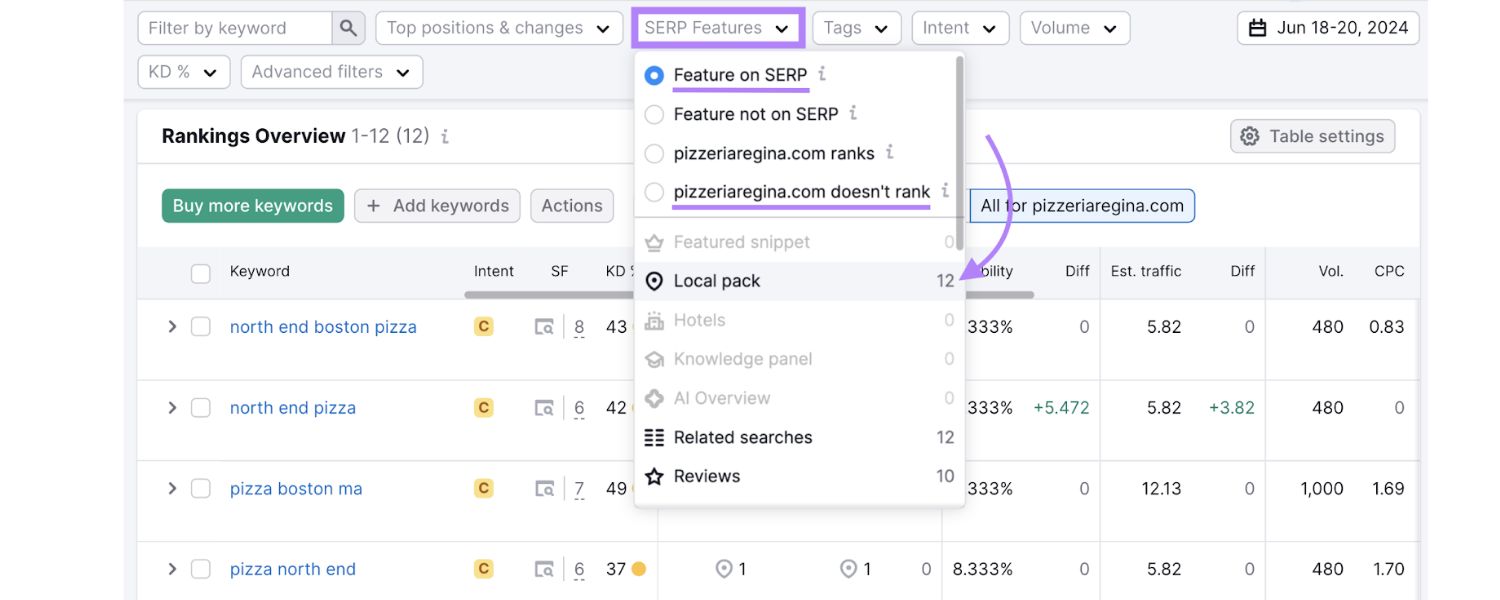
Google’s local results sometimes show additional info like Q&A (users can ask questions on your GBP listing) – monitor and answer those.
Post updates or offers via your Google Business Profile dashboard; these can appear on your listing.
If you’re in certain industries, Google might show specific attributes (like “dine-in, takeout” for restaurants, or “wheelchair accessible” for establishments). Make sure to specify those attributes in your profile.
7. Reviews and Ratings
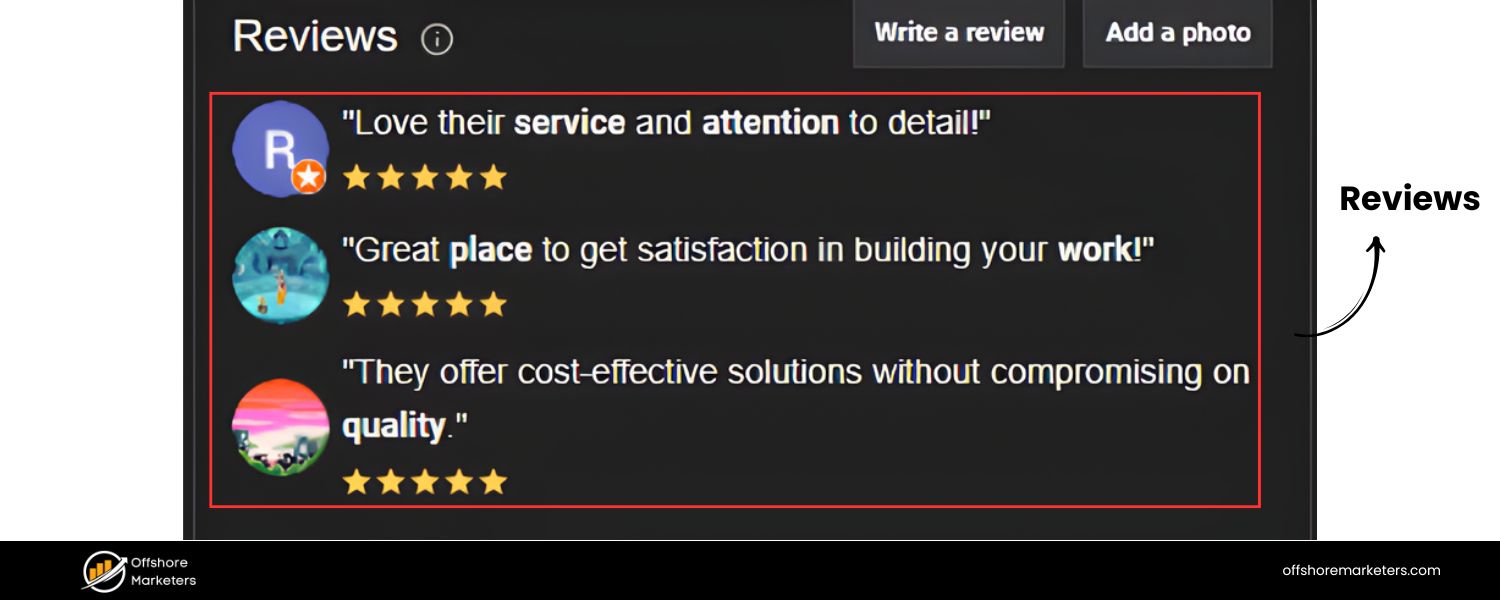
We mentioned Google reviews, but reviews on other sites (Facebook, Yelp, etc.) can indirectly impact your local reputation.
Always encourage happy customers to leave positive reviews, and respond professionally to any reviews (good or bad).
A strong overall rating not only influences customers but also is a signal to Google that you’re a reputable local result. However, never purchase fake reviews – apart from being unethical, it can lead to penalties or listings being suspended if discovered.
8. Local Pack vs. Organic
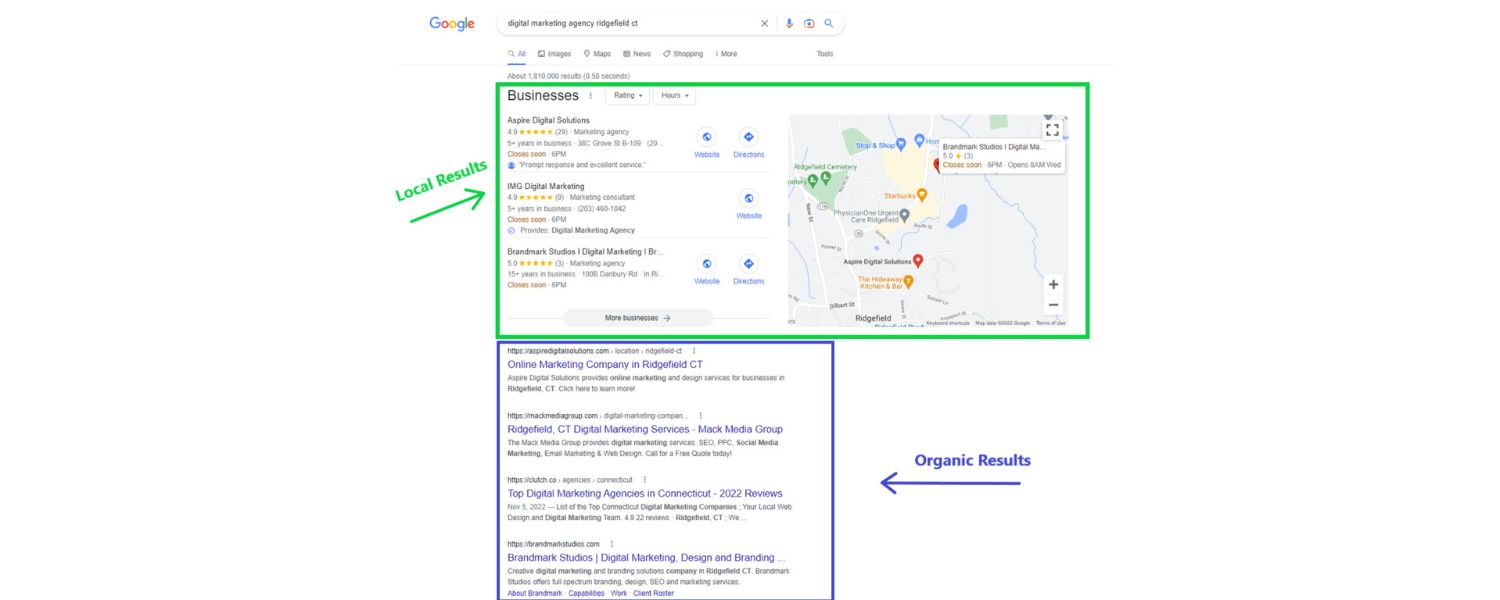
Keep in mind that ranking in the Local Pack (the map with 3 business listings that often shows for local-intent searches) involves slightly different factors than regular organic rankings.
Proximity to the searcher is a big one (which you can’t control), as well as GBP factors and reviews.
Meanwhile, ranking your website in the regular organic results for local terms relies more on the on-page content and traditional SEO factors.
Ideally, you want to appear in both the map pack and the organic results if possible. For example, if someone searches “organic bakery near me,” a strong local SEO will show your bakery in the map pack, and strong organic SEO might also show your website just below that in the normal results.
Local SEO may not apply to every reader of this guide (for instance, if you run a purely online global business).
But for those with a local footprint, optimising for local search is essential. It drives foot traffic and leads from your immediate community.
The good news is that many local SEO steps are one-time setups (like creating your GBP, listing on directories) and then just require occasional maintenance (updating hours, new photos, posts, etc.).
Combine local efforts with the broader SEO tactics we’ve discussed, and you’ll cover all bases in connecting with customers both near and far.
How Long Does Organic SEO Take to See Results?
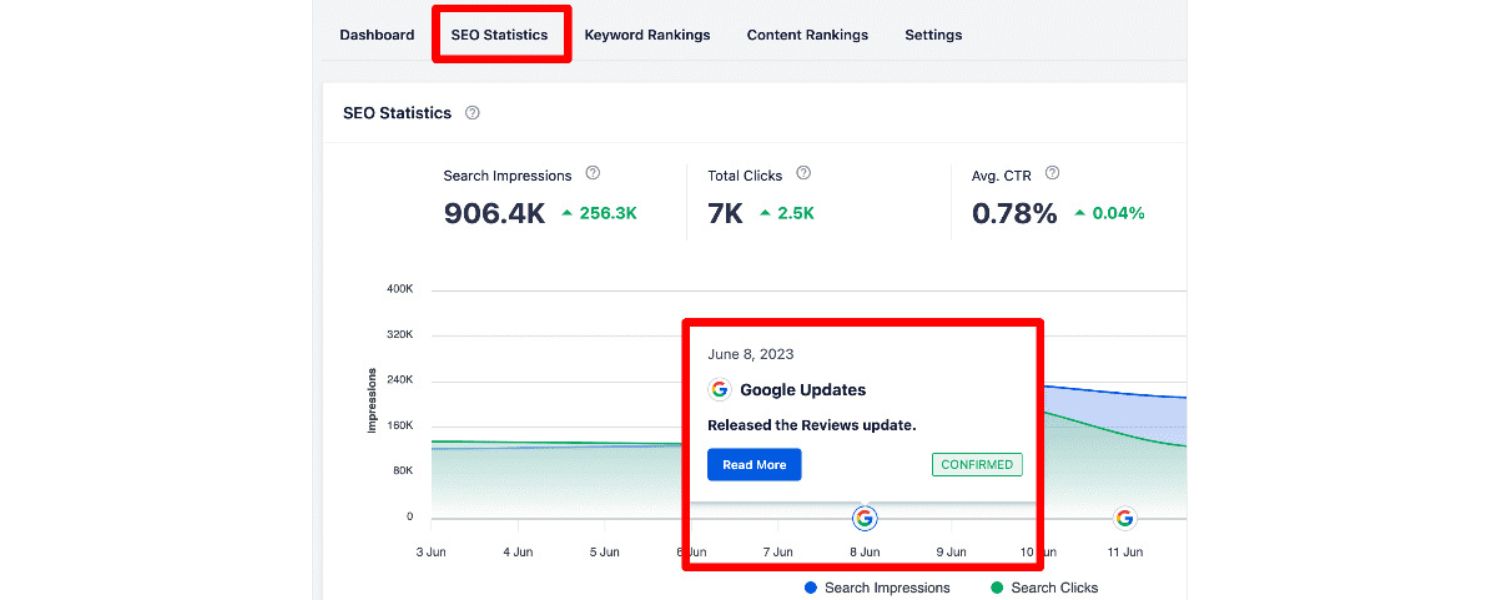
One of the most common questions about SEO is: “How long before I rank #1?” The honest answer is it depends on your industry, competition, resources, and even luck.
However, there are some general expectations we can set about the timeline for organic SEO results.
SEO is a Long Game: In most cases, don’t expect major improvements overnight or even in a few weeks.
Organic SEO typically takes several months to start showing significant results. A frequently cited timeframe is around 4 to 6 months to begin seeing traction, and 6 to 12 months to achieve substantial gains.
This assumes you’re consistently working on SEO during that period. If you stop and start, it can take longer.
Why so long? Google needs time to discover new content, crawl & index it, and then evaluate where it should rank. If your site is new, it has to build up some authority.
If competitors are entrenched in top positions, it can take considerable effort to displace them.
SEO is akin to growing a plant – you need to sow seeds (content, optimizations), water them (build links, fix issues), and then be patient as growth happens incrementally.
1. Early Wins vs. Long-Term Wins
Not all SEO efforts take the same time. You might see some quick wins early on – for example, fixing a critical technical issue (like making your site mobile-friendly) could give a quick rankings bump.
Targeting a few low-competition keywords might get you on page 1 within a month or two, even if those terms don’t have huge search volume (hey, some traffic is better than none!).
In fact, one strategy is to target lower-difficulty keywords first so you can capture some rankings quickly and gain momentum, then go after tougher keywords as your site grows.
Adding fresh content regularly can also yield incremental gains – you may notice new blog posts picking up some impressions and clicks within weeks. But major competitive keywords or dramatic traffic surges usually require more time and authority building.
2. The Compound Effect
SEO results are cumulative. The work you put in month 1 might not show much, but combined with efforts in month 2, 3, 4, things start to snowball.
Maybe by month 3 you have 10 solid pieces of content and a handful of backlinks – individually each content might rank modestly, but collectively your domain is now seen as a bit more authoritative.
By month 6, maybe you have 30 pieces of content and dozens of links; Google has also had time to trust your site more (domains age like wine).
At that point, you might see several of your pages breaking into the top 10 results. By month 12, if you kept at it, you could dominate a cluster of keywords.
3. Industry Variables
Some niches move faster or slower. If you’re in a rapidly changing field (like tech, fashion, or anything trending), new content can rank quickly because search results churn quickly to keep up with what’s current.
Alternatively, in very static niches (academic or historical topics, for instance), the top results might be unchanged for years, and cracking that will take more time and exceptional content.
Also, consider search volume patterns – a ski equipment site might naturally see more organic traffic in winter months; so 6 months from summer might align perfectly with seasonal interest.
4. Competition Level
In a local market with few competitors online, you could potentially rank in a matter of weeks for local terms.
But if you’re trying to rank nationally for a term like “laptop reviews,” you’re up against powerhouse sites – that could be a multi-year endeavour if at all.
So set realistic keyword goals relative to your context. Often, SEO strategy involves conquering smaller mountains before Everest.
5. Monitoring Progress
While waiting for the big results, pay attention to leading indicators. Use Google Search Console and analytics to see:
A. Are the number of indexed pages increasing (meaning Google is picking up your new content)?
B. Are impressions in search results rising for various queries (even if clicks aren’t high yet)?
C. Did you improve rankings from, say, page 5 to page 2 for some keywords? That’s progress on the way to page 1.
D. Are you getting more backlinks naturally as time goes on? That’s a good sign of growing authority.
If months go by with no positive movement on any of these fronts, it’s a sign you may need to revisit your strategy (maybe the content isn’t hitting the mark, or there’s a technical roadblock). But generally, some movement occurs before the big payoff.
6. Be Consistent and Patient
The worst thing to do is abandon SEO efforts too early because you didn’t see instant results. Remember that every blog post you publish and every improvement you make is building an asset.
It might be 6 months before that blog post hits the first page, but once it does, it could sit there bringing in traffic for years with little additional work besides occasional updates.
That delayed reward is worth it – consider that organic traffic continues to flow long after you’ve invested the initial effort, giving potentially the best long-term ROI of any marketing channel.
So, in summary: expect 4-12 months for meaningful SEO results, with the understanding that it’s a gradual climb, not a sudden jump.
Set interim milestones (e.g., increase organic impressions, get X number of pages to page 2, etc.) to celebrate along the way. SEO success in 2025 is very much an outcome of persistent, cumulative effort – keep at it, and the results will come.
Measuring and Improving Your SEO Performance
SEO isn’t a “set and forget” strategy. It requires monitoring and tweaking. By keeping an eye on key metrics, you can tell what’s working, what isn’t, and adjust your tactics accordingly. Here’s how to measure and refine your organic SEO efforts:
1. Track Key Metrics with Analytics
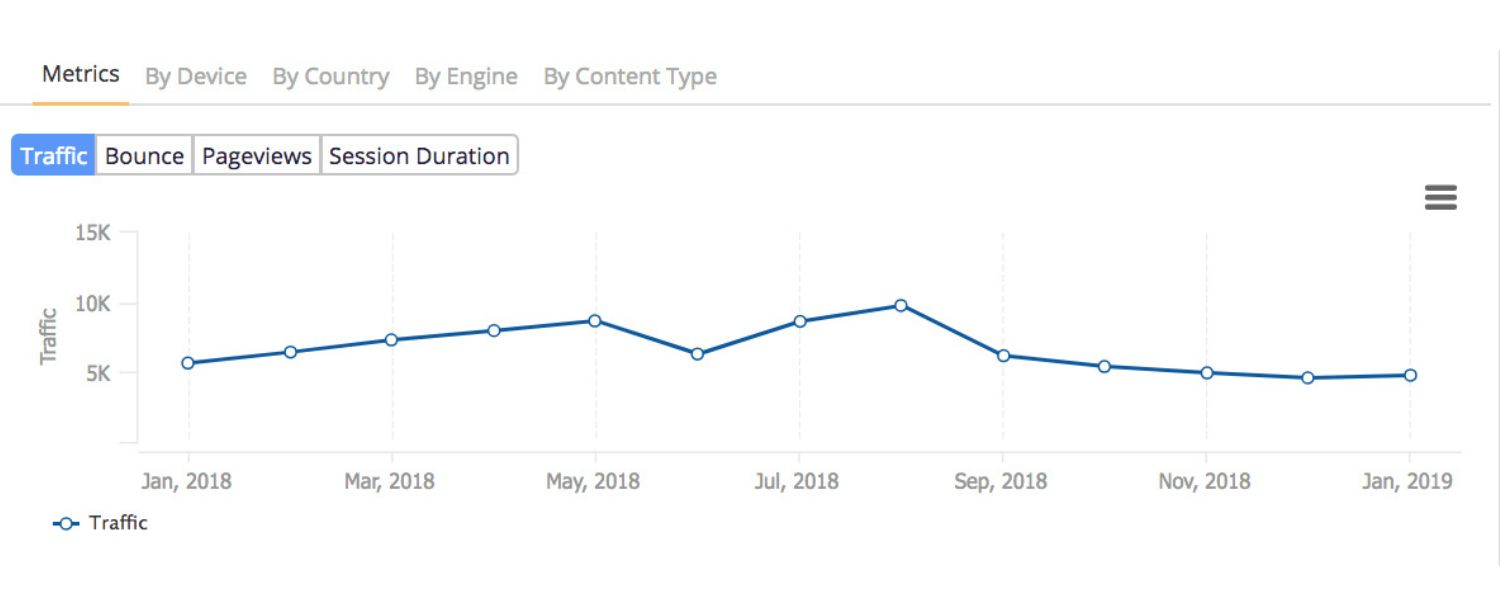
At minimum, ensure you have a web analytics tool installed – Google Analytics (GA) is the most common (note: GA4 is the latest version as of 2025). Key metrics to watch:
A. Organic Traffic
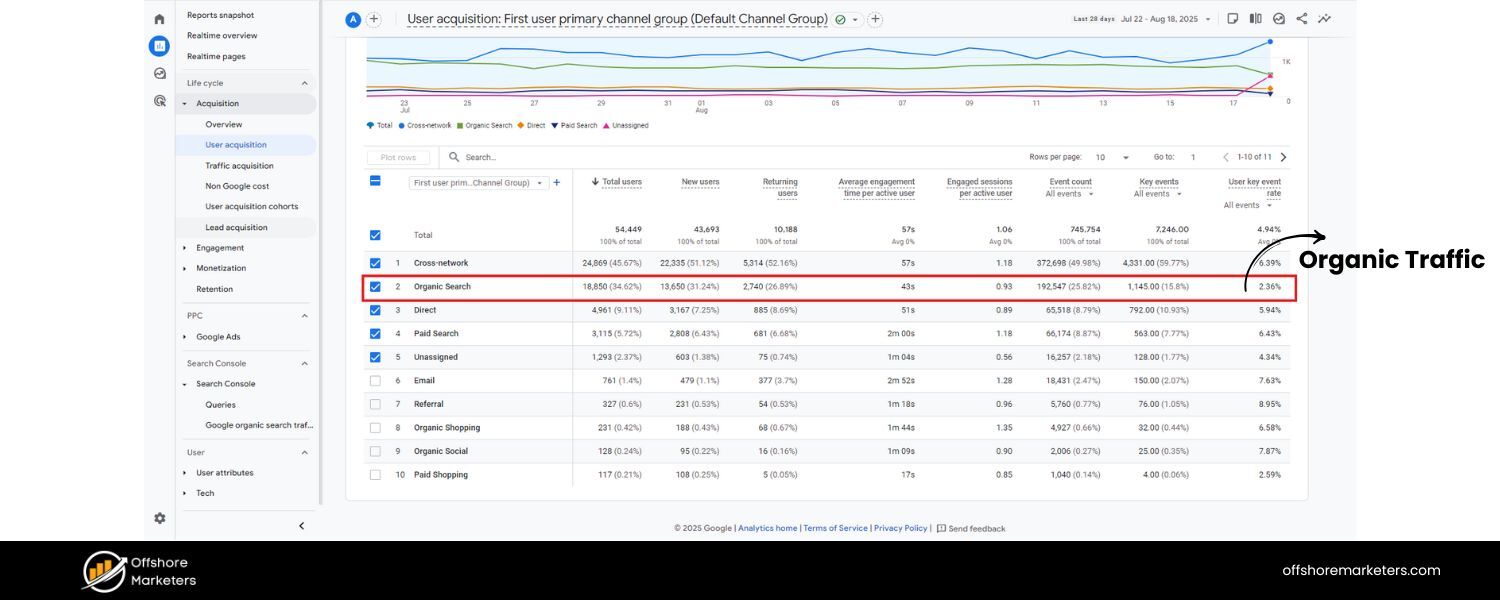
How many visitors are coming to your site from organic search? Track this overall and for each important landing page. Ideally, you want to see an upward trend month over month, year over year.
B. Bounce Rate and Dwell Time
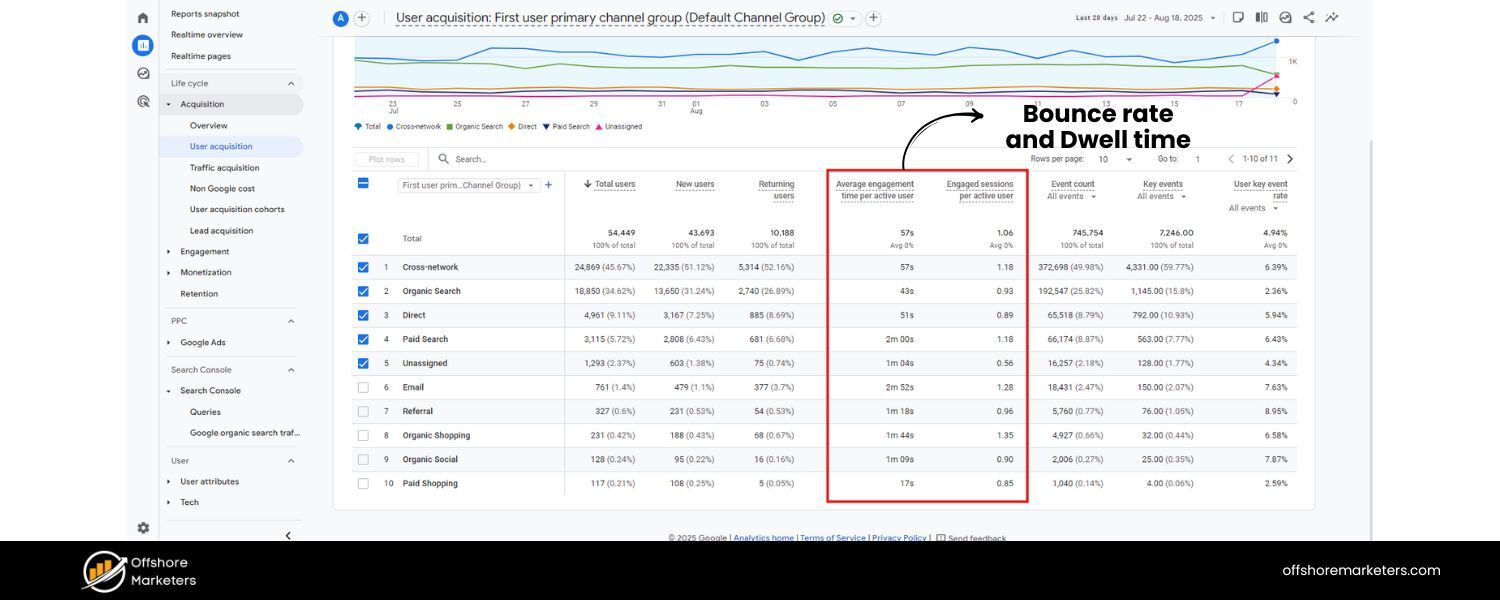
Bounce rate is the percentage of visitors who leave after viewing only one page. A high bounce rate on a page might indicate it’s not satisfying users (or maybe the wrong audience is finding it).
Dwell time (not explicitly given in GA, but you can approximate by Avg. Time on Page or using GA4’s engagement metrics) indicates how long users stay. If people spend a good amount of time on a page, that’s a positive sign.
C. Conversion Rate
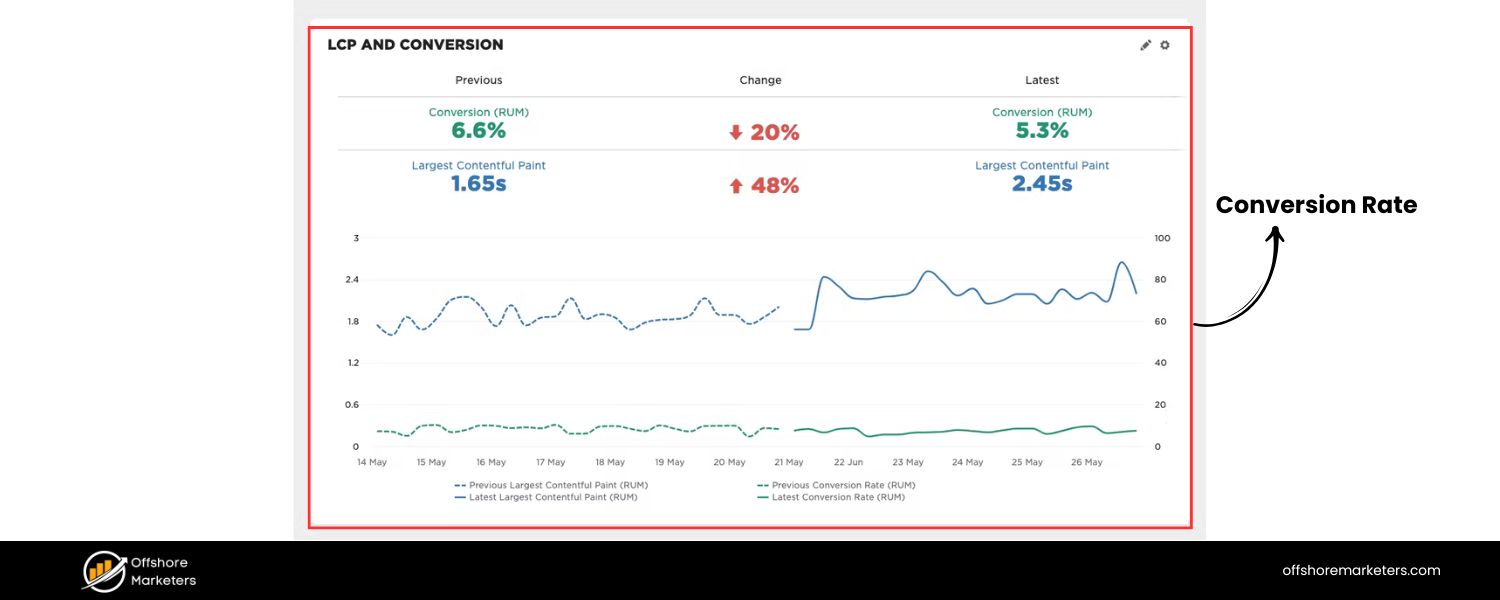
If you have goals set (like form submissions, purchases, etc.), track how organic traffic converts. You might find certain keywords or pages drive highly valuable traffic (e.g., blog visitors that convert to newsletter signups at a high rate). Focus SEO efforts on what brings not just traffic, but the right traffic that fulfils your site goals.
2. Use Google Search Console
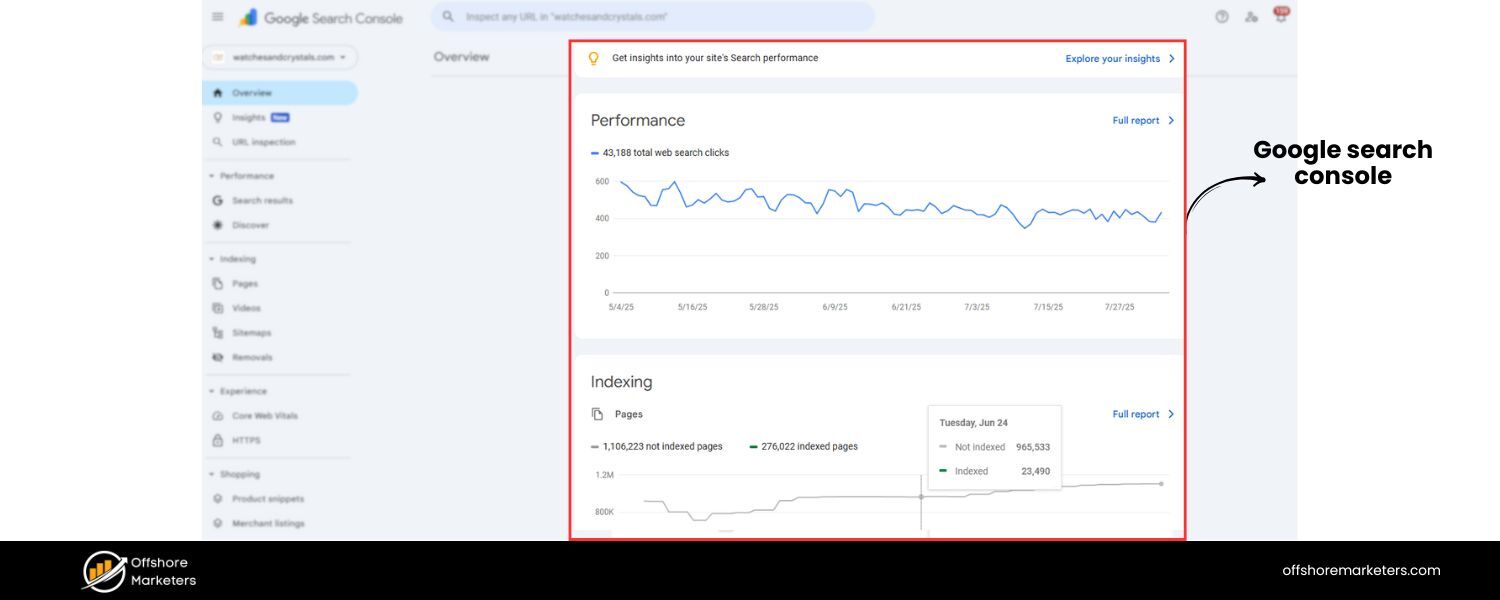
This free tool is a direct line to search performance data. In Search Console, regularly check:
A. Search Analytics (Performance report)
It shows the queries that people use to find your site, your average position for each, impressions, and clicks. This is gold for SEO insight. Look at which queries are rising, which pages get the most clicks, and where you might have opportunities.
For instance, if you have a keyword where your average position is 8 and it’s getting impressions, that’s low-hanging fruit – a little on-page improvement or link building might push you to top 5 and dramatically increase clicks.
B. Index Coverage
Ensure there are no glaring indexing issues. If pages are excluded, see why (perhaps you set them to noindex intentionally, or there’s a duplicate content issue).
C. Core Web Vitals & Mobile Usability
Search Console will report if your site has problems with Core Web Vitals (like slow LCP or high CLS – essentially speed and stability issues). It will also flag mobile usability issues. These give you specific items to fix for better SEO health.
D. Manual Actions & Security Issues
Hopefully you never see these, but it’s where Google would tell you if you have a penalty or if your site’s been hacked or something. Always worth a quick glance to ensure all is clear.
3. Monitor Rankings (But Don’t Obsess)
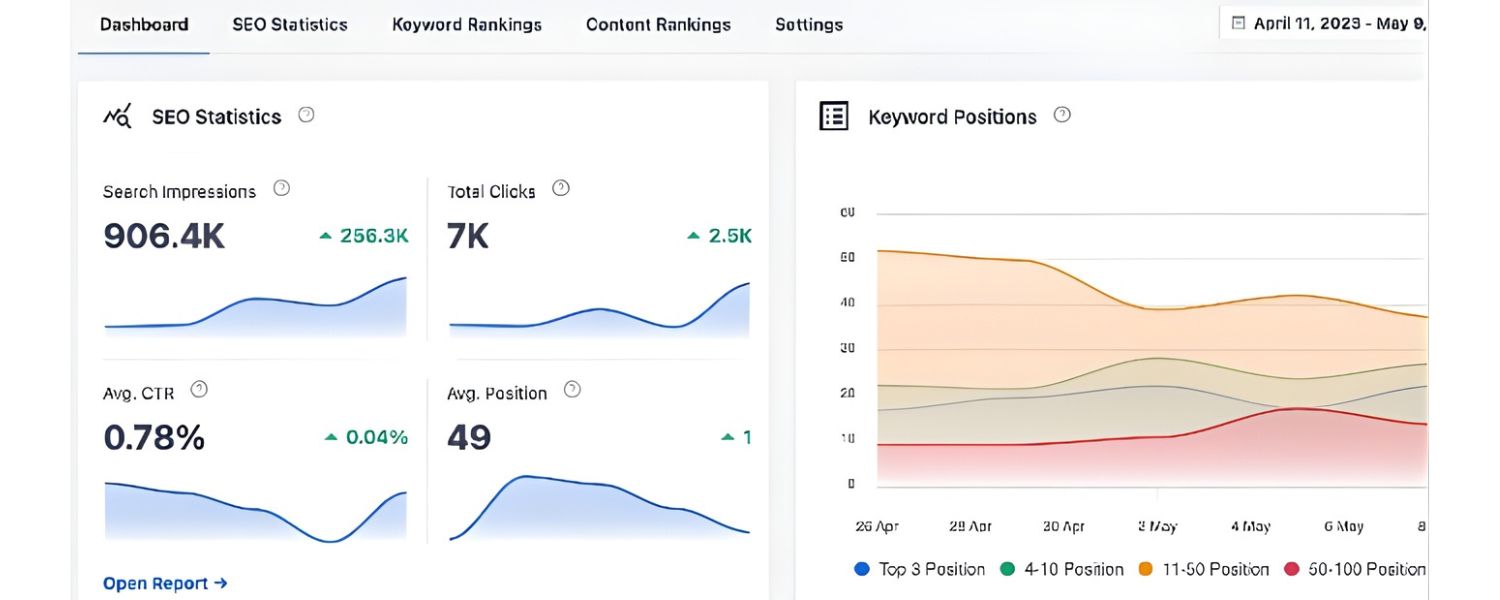
Using rank tracking tools can help you see how your position changes for your target keywords. Just keep in mind, personalized search, location, etc., can cause fluctuations.
Use ranking as a directional indicator rather than a vanity metric. It’s helpful to know “we moved from #12 to #7 for this keyword” as a sign of progress.
Many SEO tools (Semrush, Ahrefs, Moz, etc.) offer rank tracking. Even free tools like Ubersuggest can track some keywords.
You can also do manual Google searches in incognito, but do so sparingly (and use &gl=country parameter if you want to emulate different location results).
4. Analyze Backlink Profile
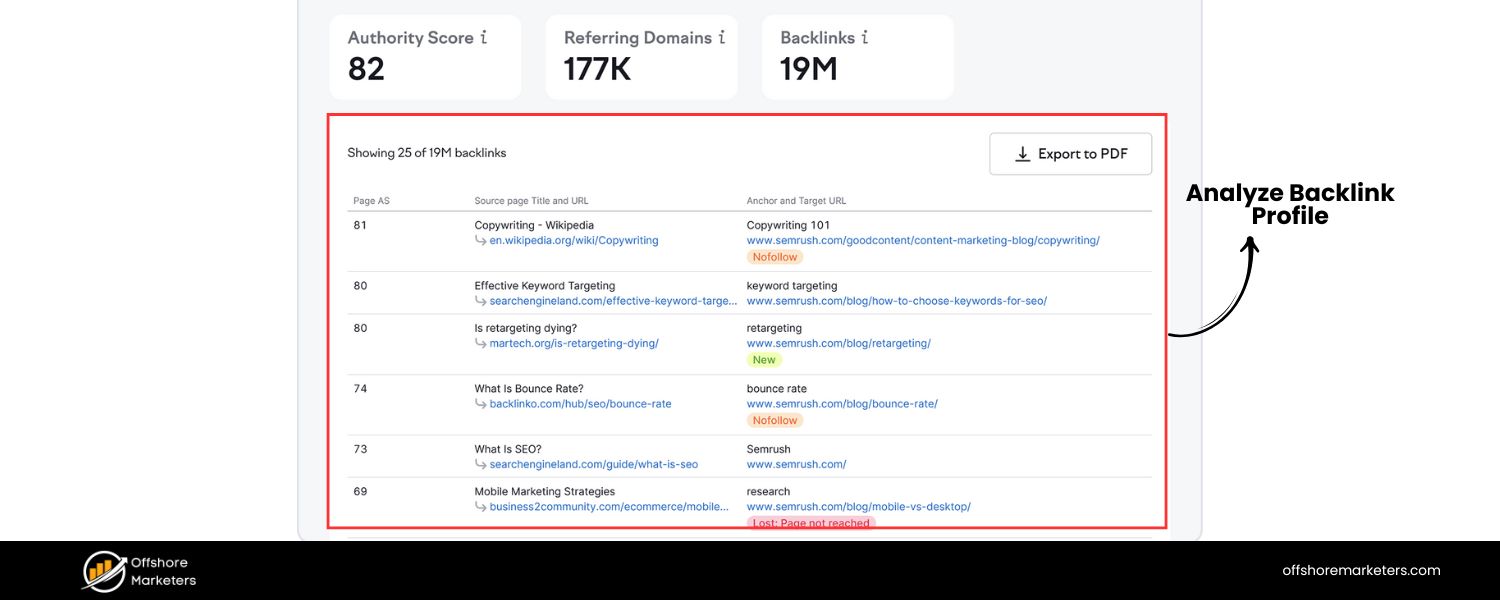
Use tools to check your backlink growth. Are you naturally gaining new links over time? Which content is attracting them? If you built links via outreach, verify they appear and note their impact.
Also, monitor for any toxic/spammy backlinks, a few won’t typically hurt, Google is good at ignoring those, but if you see a sudden flood of suspicious links, you might disavow them to be safe.
Majestic, Ahrefs, or Semrush’s backlink analytics can help examine link quality and anchor text distribution.
5. Continuous Content Optimization
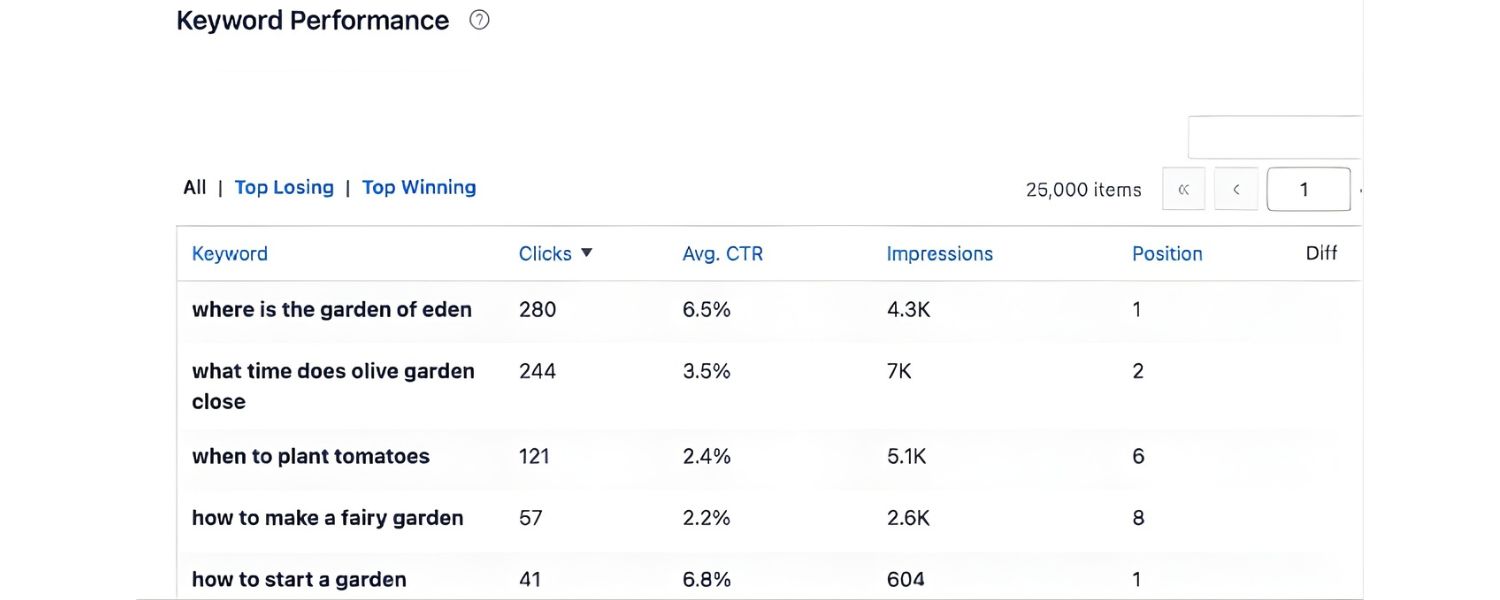
Use the data you collect to refine content:
A. If a page is ranking on page 2 for a keyword you care about, consider updating that content. Perhaps add more detail, include a missing subsection, or improve the title/meta to be more relevant. Freshness can give a boost too.
B. If a blog post is bringing in good traffic but has a high bounce rate, maybe it’s not fully addressing what people expected. Consider expanding it or making it more actionable, or adding links to other relevant pages to encourage clicking instead of bouncing.
C. Conversely, if a page has great engagement but isn’t ranking as high as it should, maybe off-page factors are holding it back – that could be a candidate to build more internal links to it or promote externally to get backlinks.
6. A/B Test and Experiment
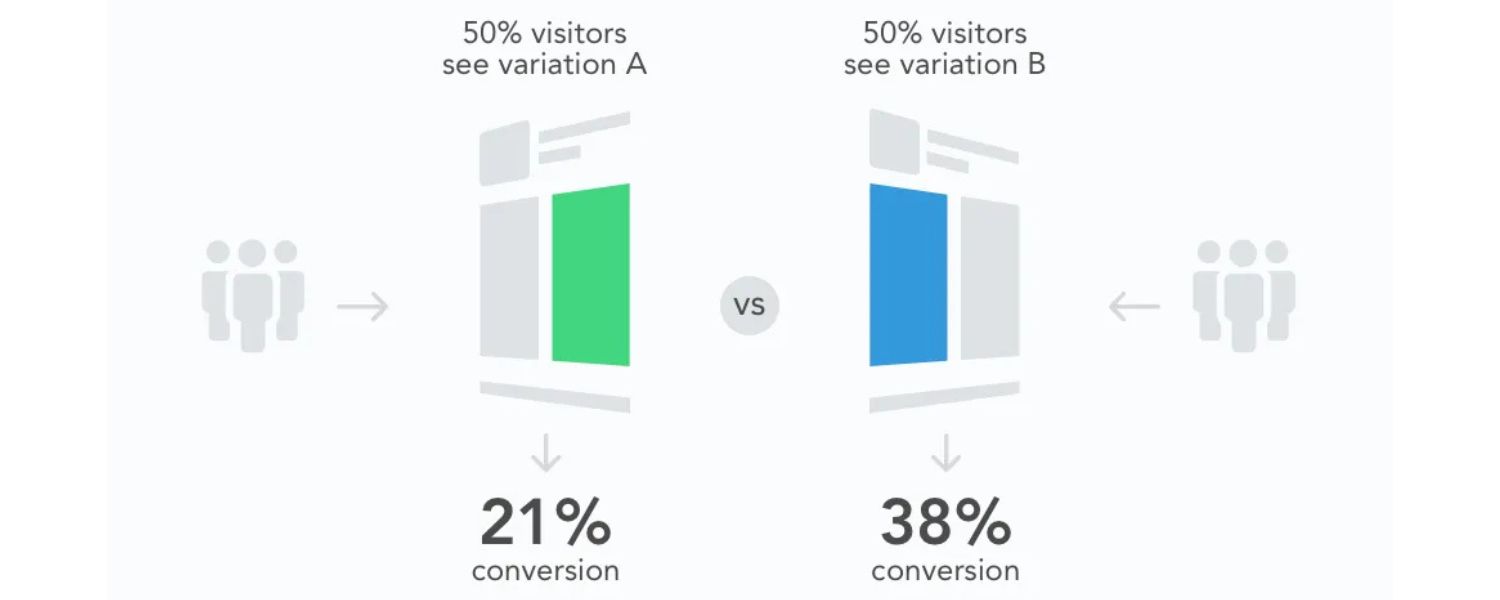
SEO changes can be tested in a way, for instance, you might A/B test two title tag variations to see which yields better click-through from SERPs.
There are tools and methodologies for SEO A/B testing (it’s a bit advanced), but even simpler, you can change an element (like the meta title) and see after a few weeks if impressions or CTR improved.
Just be scientific: change one major thing at a time, and give it time to gather data.
7. Stay Updated and Be Ready to Adapt
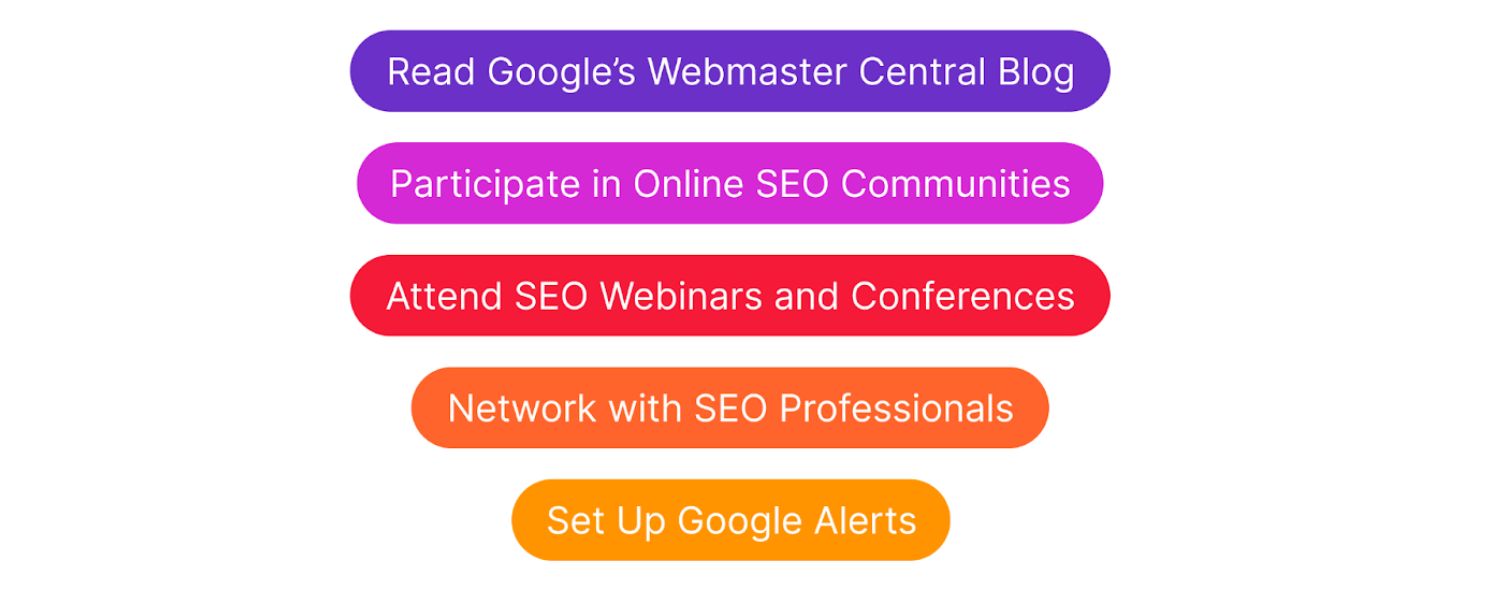
Search engines evolve. In 2024 and beyond, we’ve seen Google incorporate more AI-generated answers, more rich snippets, etc.
Keep an eye on SEO news, if Google rolls out a core algorithm update and you see traffic changes, look for analysis on what might have been affected (was it content quality? Backlink values? Something to do with user intent shifts?).
SEO blogs, Google’s own webmaster blog, and communities like the r/SEO subreddit can be good resources to stay informed.
If a new best practice or opportunity (like a new schema type or a new SERP feature) emerges, be ready to jump on it.
8. Report and Plan
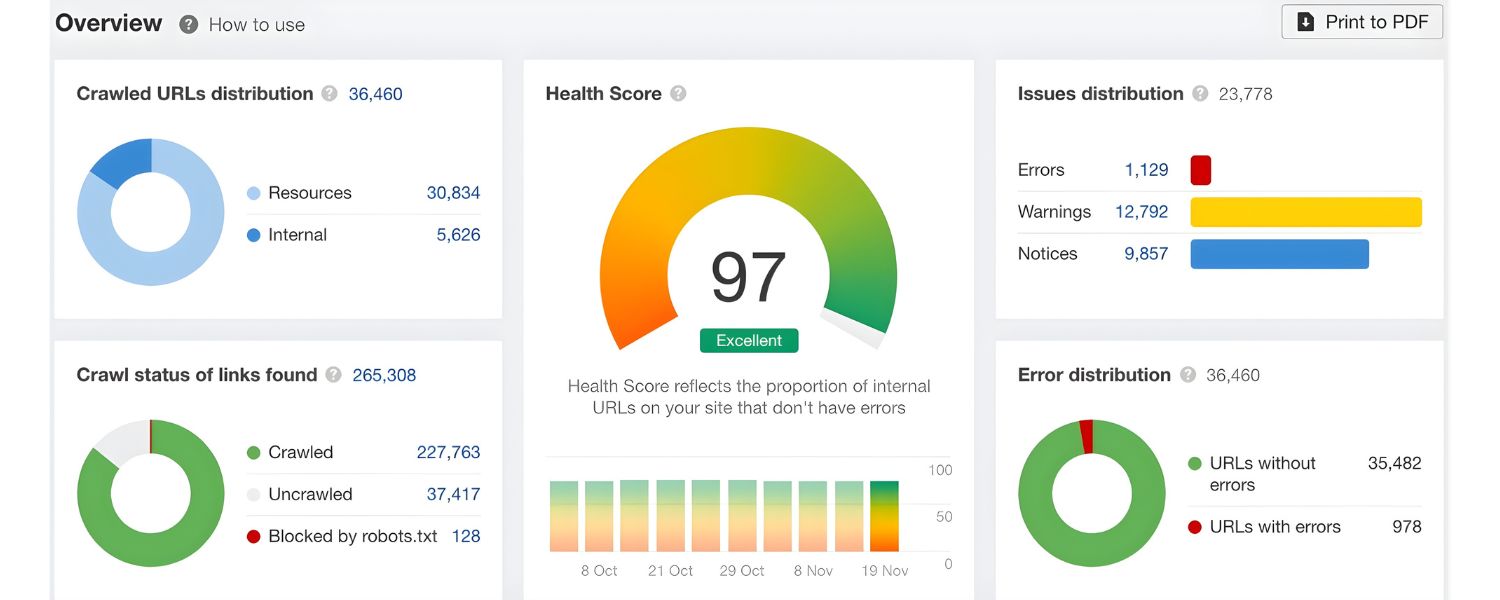
If you’re doing SEO for a business or client, compile monthly or quarterly reports highlighting progress: “Organic traffic up 20% quarter-over-quarter, X new keywords on page 1, Y conversions from organic,” etc. This not only demonstrates value but also helps you formulate next steps.
For instance, the data might show most new traffic came from just 2 or 3 posts, which could signal that topic is hot and perhaps you should create more content around it.
In summary, measuring SEO performance is about maintaining a feedback loop. You implement changes, you track results, and then you refine your strategy based on the data.
SEO is part art, part science – the data gives you the science, and your creativity and intuition provide the art to respond to that data.
By staying analytical and adaptable, you’ll ensure your organic SEO efforts continue to yield better and better results over time.
Conclusion: Putting It All Together for SEO Success
Organic SEO is a powerful, multifaceted strategy – and as we’ve explored, it involves much more than just sprinkling keywords on a page.
It’s about creating real value on your website (through quality content and a great user experience) and then making sure the world (and Google) knows about it (through optimization and promotion).
When done right, organic SEO can become a self-sustaining engine of growth for your business, driving a steady stream of interested visitors to your site without the ongoing costs of advertising.
To recap the key takeaways from this guide:
A. Organic SEO Defined
It’s the practice of improving your website to rank higher in unpaid search results, focusing on earning visibility rather than paying for it. This involves aligning with search engine algorithms and user intent.
B. Why It Matters
Organic SEO delivers high-intent traffic, builds credibility and brand awareness, and offers long-term ROI that compounds over time.
In a world where most online experiences begin with search, showing up organically is essential.
B. Core Components
We broke down the strategies into keyword research (identifying what your audience searches), content creation (providing the best answers and info), on-page SEO (optimizing titles, headings, etc.), technical SEO (ensuring your site runs smoothly and is crawlable), and off-page SEO (building authority with backlinks and mentions). Each piece complements the others – success comes from doing all of them well.
C. User Focus:
A recurring theme is putting the user first. From Google’s perspective, its job is to keep searchers happy by delivering what they want.If you always ask “What does the user need? How can I give them that effectively?” – you’ll naturally be doing SEO in a Google-approved way. Satisfied users lead to higher rankings, which lead to more users, a virtuous cycle.
D. Time and Patience:
Organic SEO is not an instant gratification play. Expect to invest consistently over months to see strong results. But every effort is building equity in your site that can pay off for the long haul. It’s like planting an orchard – water it now, harvest fruits for years.
E. Stay Agile:
The SEO landscape can shift. Algorithm updates might change the rules slightly; new search features might emerge. Keep learning (this field never stays still), watch your analytics, and be ready to refine your tactics.The underlying principle won’t change, delivering quality, but the tactics and emphasis areas can evolve. By staying informed and adaptable, you’ll ensure your strategy remains cutting-edge (for example, optimising for voice search or AI search as those trends grow, etc.).
As you implement the strategies in this guide, remember that SEO is both an art and a science.
Creativity matters – in how you craft content, how you earn links, how you stand out from competitors, as much as the data and technical tweaks do.
Don’t be afraid to experiment and find what resonates best with your audience and niche.
Finally, keep the big picture in mind: organic SEO isn’t just about rankings and traffic, it’s about using those as a means to achieve your business or personal goals online.
Whether that’s more sales, more sign-ups, or spreading a message, SEO is the bridge between you and your potential audience.
By mastering organic SEO, you’re ensuring that bridge is strong, well-traveled, and leads people right to your digital doorstep.
Now it’s time to take action. Apply these insights step by step: research those keywords, revamp a couple of pages with fresh content and better on-page tags, fix that site speed issue you’ve been putting off, reach out to that industry blog for a collaboration.
Bit by bit, you’ll build momentum. And as you start seeing your site climb the rankings and your traffic graph trend upward, you’ll know that your dedication to organic SEO is paying off.
Here’s to your SEO success – may your organic traffic grow and your business thrive from it. Good luck, and happy optimizing!
Call to Action: If you found this guide useful, consider sharing it with others who might benefit. Have questions or your own SEO tips to add? Join the conversation in the comments below!
Let’s help each other succeed in the world of organic SEO. And if you’re looking for more personalized help with your SEO strategy, don’t hesitate to reach out, sometimes an expert’s eye can uncover opportunities you might have missed.
Now, go forth and climb those search rankings!

.png)
Shopify SEO: Guide to Ranking Your Store and Driving Sales
Most Shopify store owners set up their store, list their...

Content Marketing : Definitive Guide to Strategy, Content Types, and Measurable ROI
Content marketing generates 3x more leads than outbound marketing at...

Above the Fold: Guide to Conversions, Rankings and Faster Pages
Above the Fold in 2026: The Complete Guide to Conversions,...

Off-Page SEO Checklist: Guide to Building Real Authority
Most websites spend months creating great content, only to wonder...

What Is Keyword Bidding? The Complete Strategy Guide for Smarter Ad Spend
Most advertisers believe the highest bid wins the auction. It...
What Is Google Trends? The 2026 Marketer’s Complete Guide
If you are not already pulling weekly insights from Google...
If you want a growth partner who will get to know every aspect of your business and treat your budget like their own — we are the right fit.
.png)


.png)
.png)
.png)
.png)
.png)
.png)
2026 ALL RIGHTS RESERVED MADE IN INDIA
