
E-commerce Link Building Strategies for Better SEO
August 20, 2025
Introduction
Backlinks are the lifeblood of search engine optimization, especially for online stores fighting to stand out in crowded markets. In fact, the #1 result on Google has 3.8× more backlinks on average than those in positions 2–10.
Quality backlinks act as votes of confidence, signaling to search engines that your e-commerce site is authoritative and trustworthy. It’s no surprise that content and backlinks remain two of the top three Google ranking factors for 2025 and beyond.
Yet link building for e-commerce can be challenging: 95% of pages have zero backlinks, and getting other sites to link to product pages or commercial content isn’t easy.
As a marketing expert with 25 years in the field, I’ve seen e-commerce SEO evolve, but one thing stays constant: earning high-quality backlinks is critical for boosting your store’s organic traffic, credibility, and sales. This comprehensive guide breaks down 15 proven e-commerce link building strategies to outperform your competitors.
Each tactic is backed by data, examples, and expert tips to help you implement it effectively. By the end, you’ll know exactly how to build an authoritative backlink profile that elevates your search rankings and drives more customers to your online store.
Did You Know? 92% of marketers believe links will remain a key ranking factor in Google’s algorithm over the next five years. In other words, investing in link building is a future-proof SEO strategy for your business.
What Is E-commerce Link Building?
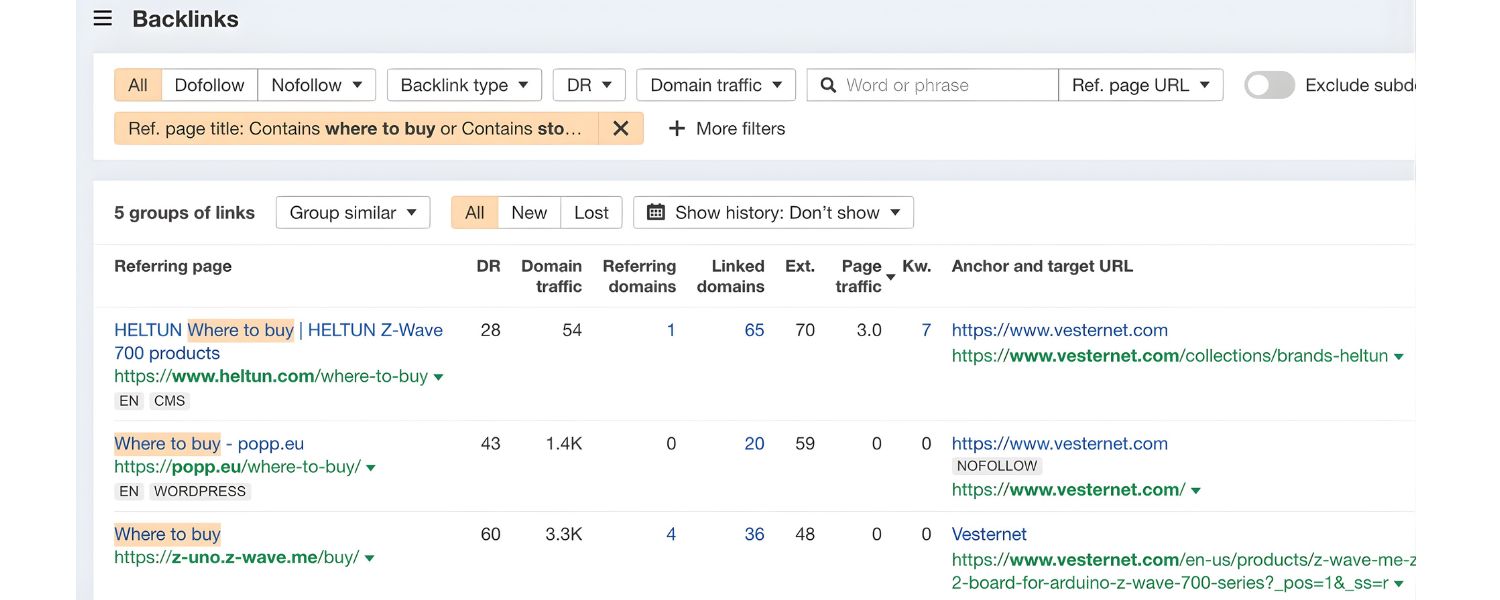
E-commerce link building is the process of acquiring backlinks from other websites to your online store. In simple terms, a backlink is a hyperlink on another site that points to your site. These inbound links can be “dofollow” (passing SEO value) or “nofollow” (generally ignored for ranking purposes). The goal of link building is to earn dofollow backlinks from relevant, high-authority sites, which in turn boosts your own site’s authority in Google’s eyes.
Think of backlinks as endorsements: each quality link to your e-commerce site is like a vote vouching for your content or products. The more reputable votes you get, the more search engines trust your site, leading to higher rankings.
A strong backlink profile can directly translate into improved visibility, more organic traffic, and ultimately increased sales for your store. On the flip side, spammy or irrelevant links can hurt your reputation, so the focus must be on quality over quantity.
It’s important to distinguish external backlinks from internal links. External backlinks come from other domains (the focus of this guide), whereas internal links connect pages within your own website. Both are important – backlinks build your domain authority externally, while internal links help distribute that authority across your site and improve navigation.
(In fact, internal linking is considered one of the top on-page SEO strategies, and experts recommend adding 2–5 internal links in each blog post.) In the sections below, we’ll focus on external link building tactics tailored for e-commerce, but remember to keep your on-site linking structure solid as well.
Why Backlinks Matter for E-commerce SEO
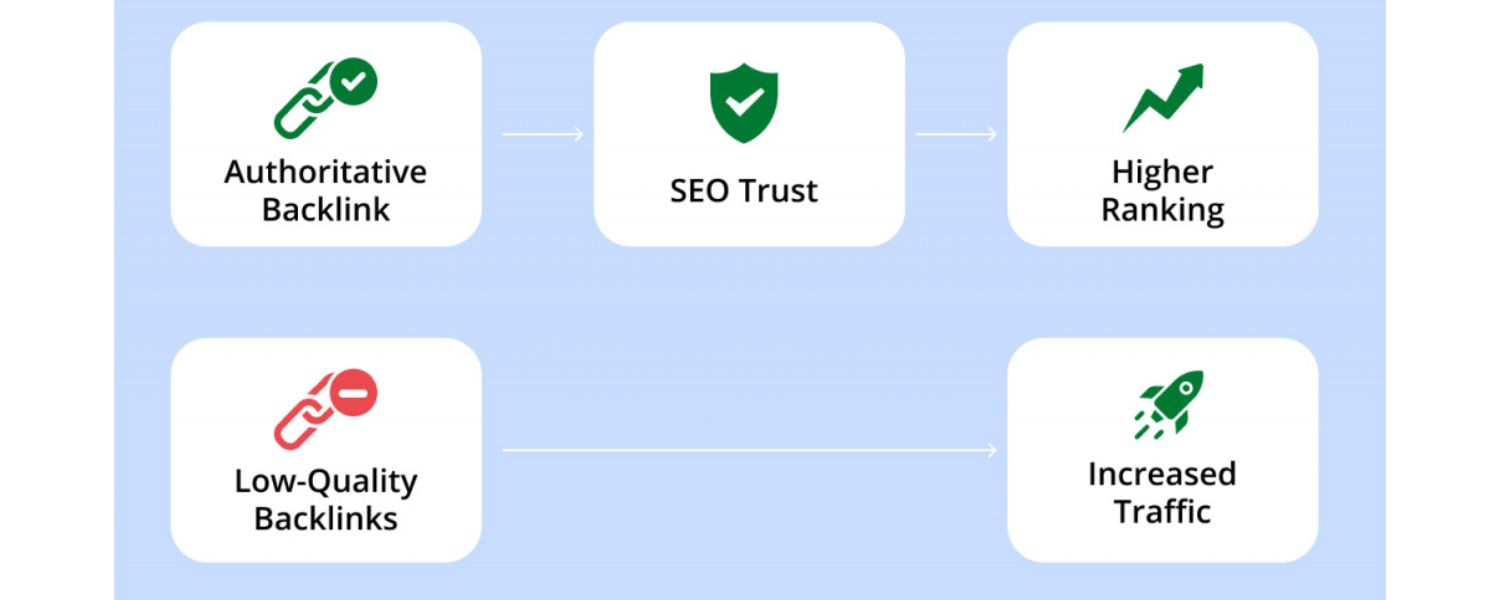
Backlinks have long been critical for SEO, but they hold some unique importance for e-commerce sites. Here’s why building links should be a top priority in your online store’s marketing strategy:
1. Higher Search Rankings
Backlinks remain a core ranking signal for Google. Pages with more high-quality backlinks tend to rank significantly higher in search results. More exposure on page one means more potential customers finding your products. Studies even show that the #1 organic result gets ~39.8% of all clicks, a position often achieved by sites with superior link profiles.
2. Domain Authority and Trust
Each authoritative link (say, from a well-known news site or .edu domain) increases your site’s domain authority and trustworthiness. For e-commerce retailers, this is gold, it means search engines see your site as a credible source, which can uplift all your pages (category pages, product pages, blog, etc.) in rankings. Backlinks essentially build your store’s online reputation.
3. Referral Traffic & New Audiences
Quality backlinks don’t just please search algorithms, they also funnel direct referral traffic. If a popular blog or magazine in your niche links to your product, interested readers will click through.
These visitors arrive with built-in trust (since they came via a recommendation) and often have high purchase intent. In other words, backlinks can drive targeted traffic that converts.
4. Competitive Edge
The e-commerce space is fiercely competitive, and many rivals may already be investing in SEO. A robust link building strategy helps level the playing field or push you ahead. Notably, 92% of SEO experts believe their competitors are actively buying or building links, and some companies even spend $300+ on a single backlink.
Ethical link building can give you an edge without resorting to risky shortcuts. It’s also one of the harder parts of SEO – 41% of SEO professionals say link building is the most challenging aspect of optimization, so doing it well really sets you apart.
5. Faster Indexing & Visibility
When reputable sites link to you, search engine bots discover your new pages faster via those links. This means your product pages and content get indexed quicker. Strong backlinks can also help you survive algorithm changes by establishing your site as an authority. Marketers widely agree that backlinks will continue to be crucial for at least the next 5+ years.
In summary, earning quality backlinks can lead to higher rankings, greater organic traffic, and more sales, the trifecta of e-commerce growth. Now let’s dive into the strategies you can use to build those links.
Challenges in E-commerce Link Building
Before we jump into tactics, it’s worth acknowledging the unique challenges e-commerce sites face with link building. Understanding these will help you tailor your strategy and avoid frustration:
1. Product Pages Aren’t “Linkable” by Default
Unlike blog posts or research articles, product and category pages are transactional and lack informative content. Other sites are generally hesitant to link to pages that just sell a product.
As a result, e-commerce SEOs must get creative, often using content marketing or PR to indirectly boost those pages. We’ll cover tactics like creating blog content and resources that act as linkable assets pointing to your product pages.
2. Webmasters Are Cautious of Commercial Links
Google’s crackdowns on link spam have made site owners warier of linking out, especially to sites that look purely commercial. For instance, in 2024 Google began enforcing a stricter “site reputation” spam policy, causing many reputable sites to scrutinize external link requests.
E-commerce link builders need to provide a clear value proposition when asking for links (e.g. a useful resource, a scholarship, an infographic) rather than simply “please link to my product.”
3. Heavy Competition and Link Gaps
If you’re in a popular retail niche, your competitors, including big players and Amazon, already have thousands of backlinks. Outranking them requires strategic effort to acquire quality links at scale.
At the same time, many small e-commerce sites have zero backlinks, so any link building you do can instantly put you ahead of a large portion of sites. The key is to identify realistic opportunities (we’ll discuss spying on competitors’ backlinks to find gaps you can fill).
4. Resource Intensive
White-hat link building takes time, whether it’s creating outstanding content or doing outreach. Smaller e-commerce businesses might lack the content team or PR budget. But don’t worry – several strategies below (like reclaiming broken links or leveraging supplier relationships) are cost-effective and still yield great links. You can start with the “low-hanging fruit” opportunities and progress to more resource-heavy campaigns as your business grows.
5. Measuring ROI
It’s not always straightforward to tie a specific backlink to a bump in sales, which makes some executives undervalue link building. It’s important to set clear metrics (like increase in organic traffic, improvement in keyword rankings, referral revenue from linked sites, etc.)
to track the impact of your efforts. We recommend treating link building as a long-term investment in organic growth rather than expecting immediate sales from each link.
Despite these challenges, e-commerce link building is absolutely doable with the right approach, and it can pay off massively over time. The following 15 strategies cover a mix of quick wins and long-term plays to build a diverse, high-quality backlink profile for your store.
Now, let’s get into the tactics and how to execute them effectively:
1. Publish Link-Worthy Blog Content on Your Site
One of the foundational strategies for e-commerce link building is to create high-quality content on your own site, typically through a blog or resource center. Why? Because businesses with blogs get 97% more backlinks than those without blogs.
Blogging allows you to target informational keywords, educate your audience, and naturally attract links over time to those useful posts (which can then funnel authority to your product pages via internal links).
Here’s how to leverage content marketing for backlinks:
A. Identify Topics Your Customers Care About 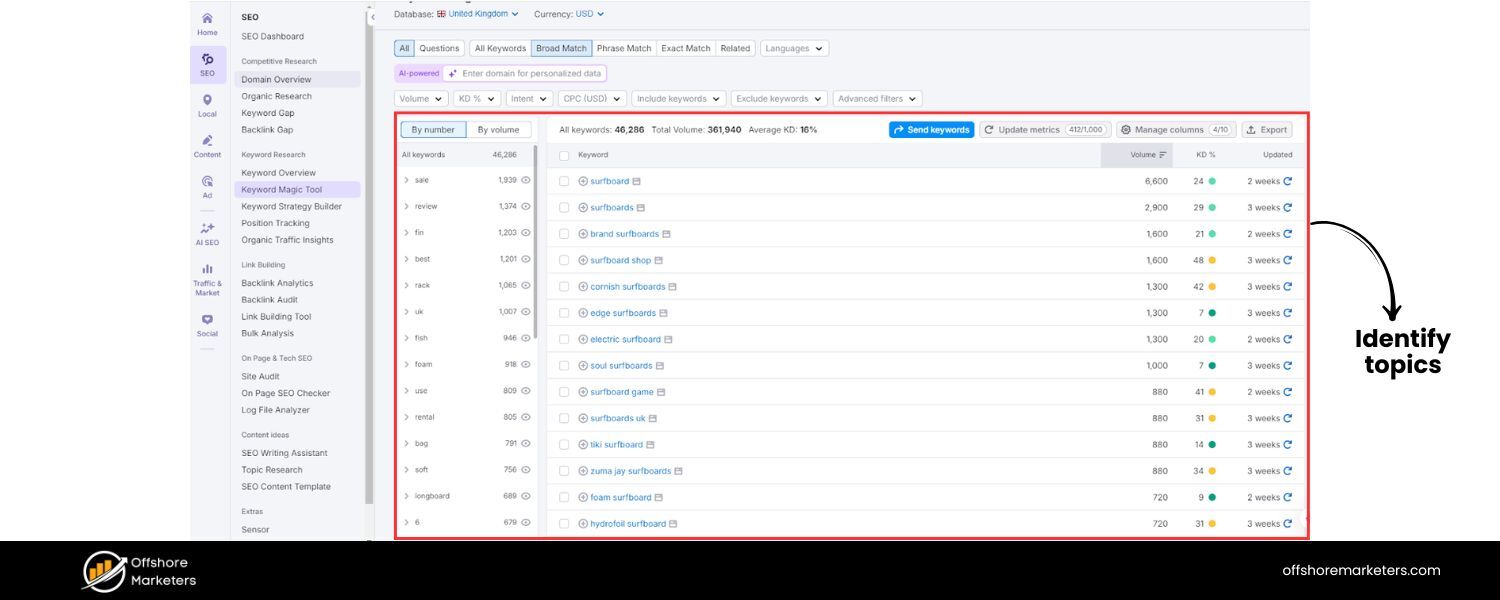
Think beyond your products. What problems or questions lead people to your products? For example, an online surf shop might publish a guide on “How to Choose Your First Surfboard.”
Use keyword research tools (e.g. Semrush’s Keyword Magic Tool or Google’s Keyword Planner) to find popular questions and low-competition long-tail keywords in your niche. Also talk to your sales and support teams for FAQs they hear – these make great blog topics that address real customer needs.
B. Create Comprehensive, Useful Articles 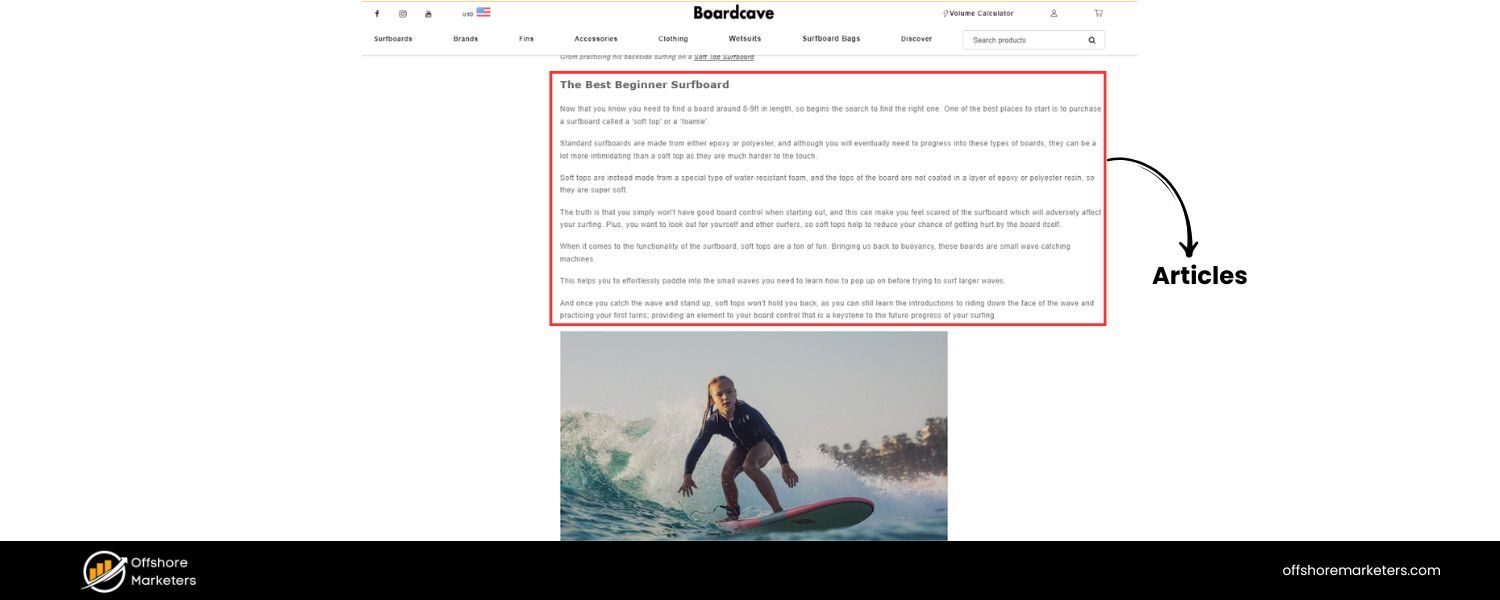
Long-form, in-depth posts tend to earn more backlinks, content over 3,000 words gets 77% more inbound links on average than short posts. Aim to produce the best resource on the topic.
This could include step-by-step how-tos, “ultimate guides,” expert roundups, or detailed comparisons, anything that delivers exceptional value. For instance, Lush Palm’s “Best Beginner Surfboards – The Complete Guide” became a go-to resource that other sites link to. Quality is key: well-researched, well-structured content with original insights or data will naturally attract links over time.
C. Optimize for SEO and Readability 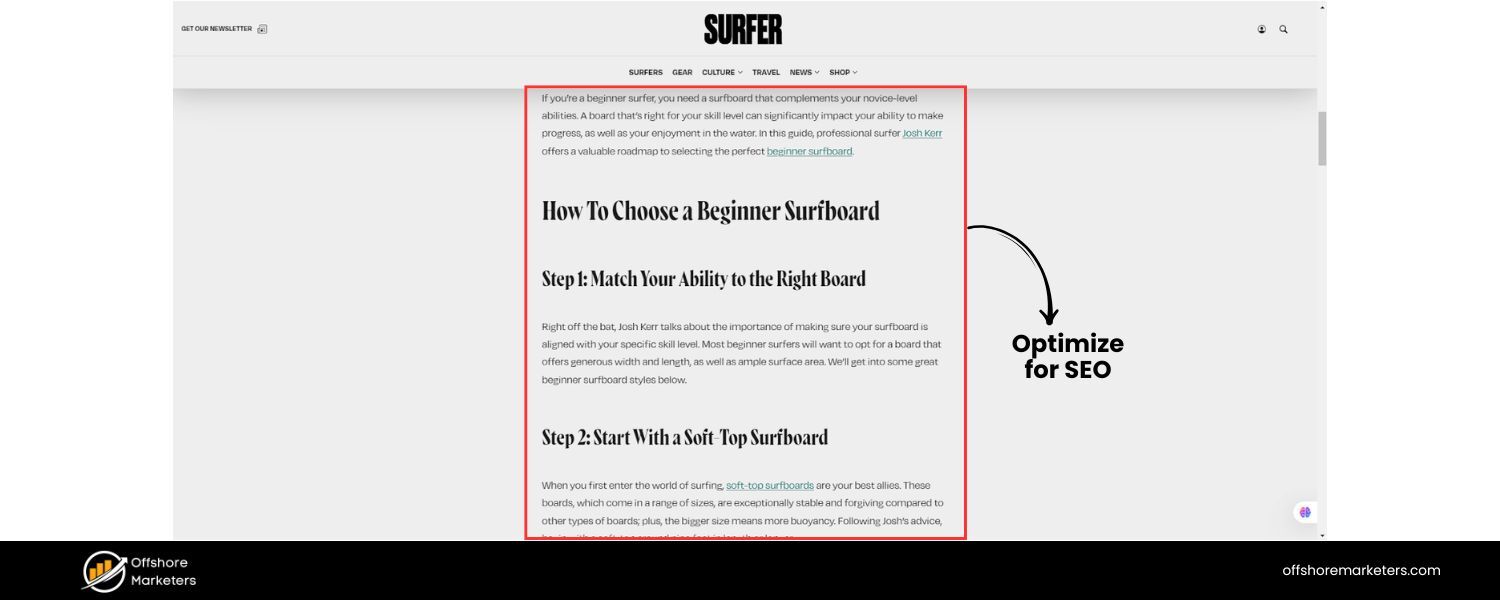
Apply on-page SEO basics so that your content ranks and gets discovered. Use the target keyword in the title, URL, and a few times in the text (naturally).
Break content into clear sections with H2/H3 subheadings, bullet points, and images/graphics as needed, this improves user experience and encourages other bloggers to reference your piece. For example, include relevant statistics, infographics, or charts that others might cite (don’t forget to cite your sources as we do here!).
D. Include Internal Links to Product Pages 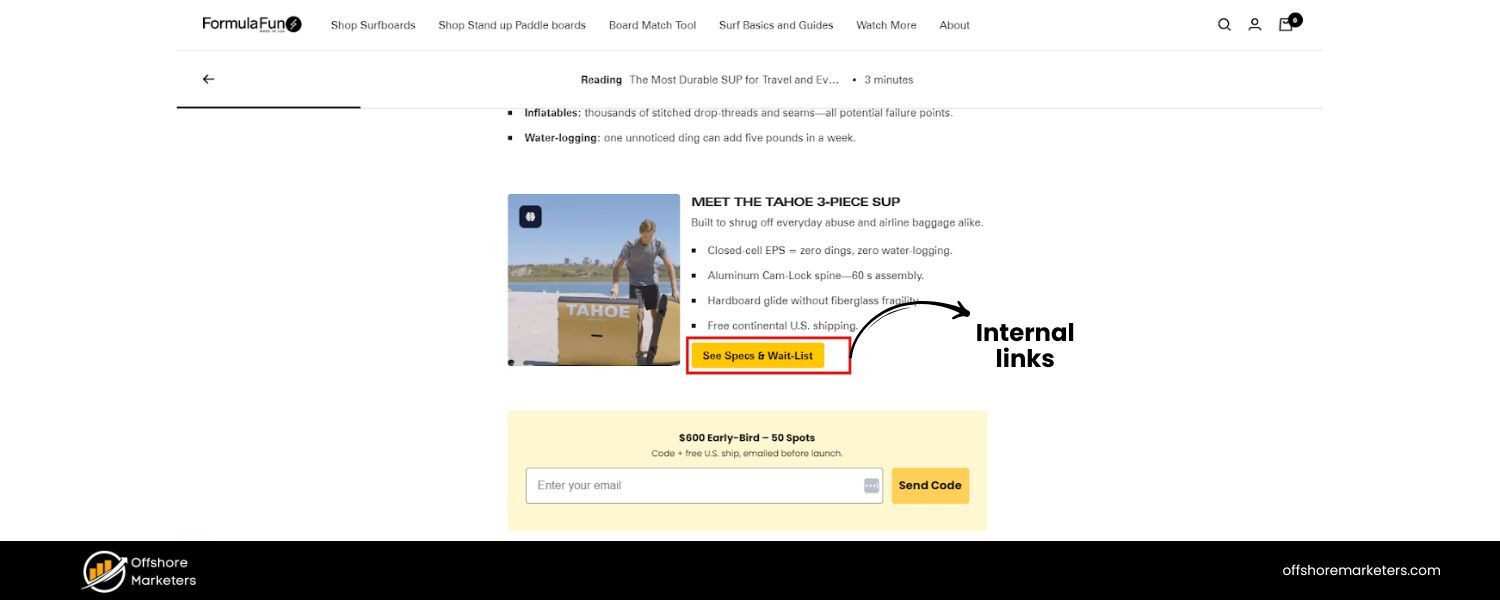
As an e-commerce site, you can tactfully link from your blog post to your relevant products or categories. In our surfboard guide example, the blog post can link “Check out our beginner surfboards here” pointing to the product category page.
This way, any backlinks the blog earns will indirectly boost those product pages via internal linking (a practice Missguided used successfully in a PR campaign to rank their product category page).
Pro Tip: Keep your internal links user-focused and avoid overloading, a handful of relevant internal links (2–5) is optimal for both SEO and reader experience.
E. Promote Your Content to Get Initial Traction

“Build it and they will come” doesn’t apply to blog posts, you need to actively promote new content, especially in the early days. Share your posts on social media, in relevant online communities, and to your email list. You can even outreach to other bloggers in your niche, politely letting them know about your guide if it complements something they wrote.
Sometimes a gentle nudge is all it takes for someone to add a link to your awesome resource. Also consider content repurposing/syndication: for instance, publish a summary on Medium or LinkedIn with a link back to the full post (this can broaden reach, though be cautious with duplicate content by using canonical tags or noindex as needed).
By consistently publishing valuable content, you build a linkable asset library on your site. It’s a long-term play, you might not get tons of backlinks overnight – but over months and years, a great blog post can continue earning links from bloggers, journalists, and forums that find it via Google.
Plus, you’ll establish topical authority, which benefits your overall SEO. Remember: content and backlinks work best together, 90% of marketers use content as their core link building strategy because it’s a proven way to attract natural backlinks.
2. Contribute Guest Posts to Industry Websites

If building links solely through your own content is slow, flip the script: create content for other websites in exchange for backlinks. This is the essence of guest posting, writing an article for another relevant blog or online publication, usually including a bio or context link back to your site. Guest blogging is a classic and effective link building tactic, with over 60% of businesses outsourcing content or guest posts to build links.
Here’s how to execute guest posting for e-commerce SEO:
A. Find Relevant, High-Authority Sites
Look for blogs, magazines, or niche websites in your industry that accept guest contributions. Ideally, the site’s audience should overlap with your target customers. For example, a store selling gourmet coffee might target pet care blogs or eco-living sites. Use search queries like “write for us [your niche]” or “[topic] guest post” to identify opportunities.
Also check where competitors have guest posted by searching their brand name + “guest post”. Aim for sites with decent Domain Authority (DA) and engaged readership – a link from a well-respected site in your niche is far more valuable than from an unrelated low-quality blog.
B. Craft a Pitch That Offers Value
Before reaching out, brainstorm a few article ideas that would fit the target site and provide value to their readers. Editors are more likely to accept your pitch if it’s tailored to their audience and not overly promotional.
For instance, instead of writing “Why Our Pet Food Is Great,” a better guest topic might be “5 Common Pet Nutrition Myths Debunked” – a useful article where you can subtly mention your expertise (and your site).
When emailing the site owner or editor, keep it concise and professional: introduce yourself, compliment a specific article of theirs, and propose 2-3 topics with a brief outline for each Mention any credentials that boost your credibility (e.g., “Founder of XYZ Pet Nutrition, we’ve helped 10,000+ pet owners…”).
C. Write an Outstanding Article
Once your topic is accepted, deliver great content. Follow any guidelines the site provides (word count, style, format). Provide original insights, examples, or research – remember, this content will represent your brand to a new audience. Typically, you’ll be allowed an “author bio” where you can describe your business and include a link to your homepage or a relevant page.
Some sites also let you include a contextual link within the article if it’s natural (for example, linking a stat to your blog’s research or referencing an article on your site). Prioritize the site’s rules: if they say only one link, don’t sneak in three. Also avoid overly commercial anchor text; keep it relevant and reader-friendly.
D. Use Guest Posts to Build Authority (Not Just for the Link)
While the SEO backlink is a key benefit, guest posting has a broader marketing upside. It introduces your brand to a new community and positions you as an expert in the field. By delivering genuine value in the article, readers will trust you and some will click through to your site (referral traffic bonus!).
For e-commerce, you might even get direct sales if you guest post on a blog that features your product niche, but focus on education first, selling second. Over time, a portfolio of guest posts on respected sites can significantly elevate your brand authority and SEO.
Pro Tip:
Maintain Relationships: If a guest post performs well or you enjoyed working with a site, nurture that relationship. Engage with the readers in comments, share the article on your social channels (tagging the host site), and thank the editor. This increases the chances you’ll be invited to contribute again or get that link updated to a dofollow if initially nofollow. Building ongoing contributor relationships can lead to regular backlinks without the need for cold pitching each time.
Guest blogging does require effort – you’re essentially giving away your content – but the payoff is targeted backlinks on reputable sites. *Guest posts remain one of the top three link building tactics, with 11.7% of SEOs rating it highly effective【4 Just be sure to avoid spammy practices (like mass-produced generic posts or using private blog networks) as Google frowns on manipulative guest posting. Stick to genuine, high-quality contributions that enrich another site, and you’ll earn high-quality links in return.
3. Publish Original Research and Data Studies
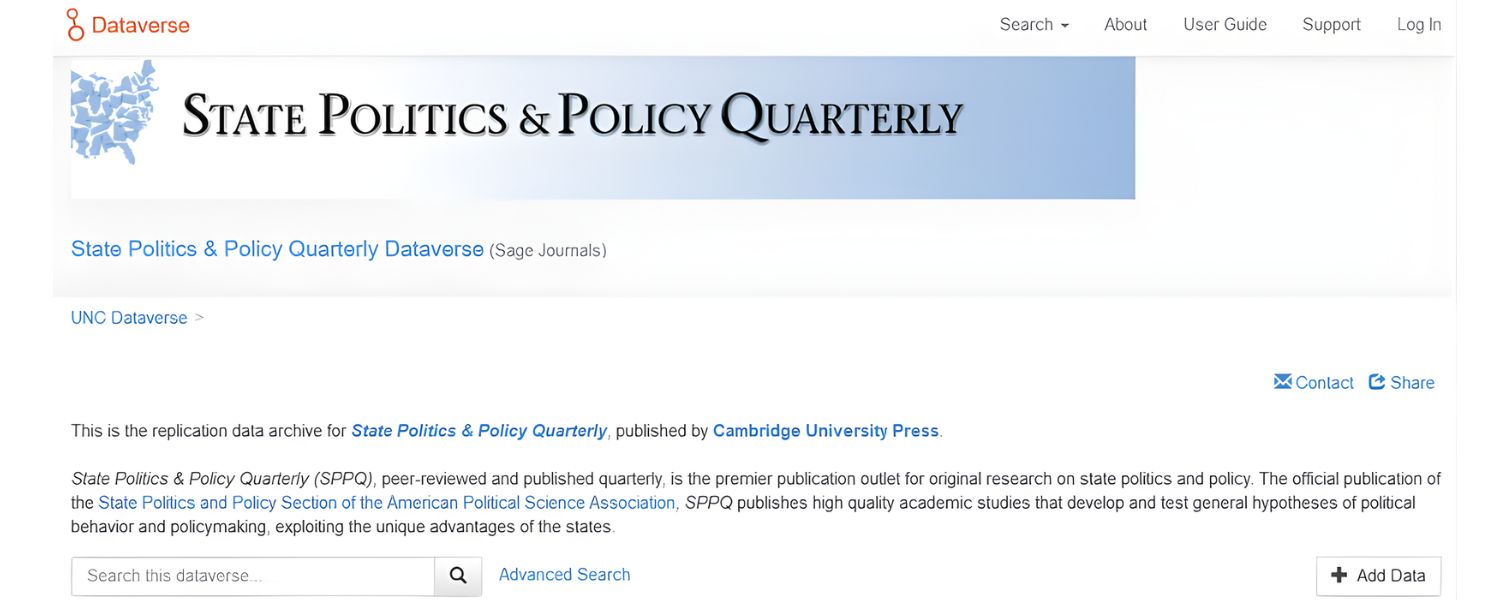
Nothing attracts authoritative backlinks quite like original research. If you can be the primary source of new data or insights in your industry, other websites will naturally link to you whenever they cite that information. According to SEO experts, unique data-driven content is among the most link-worthy assets – it’s frequently referenced by bloggers and journalists who need credible stats to back up their points.
Ways to create original research for your e-commerce niche:
A. Conduct Surveys or Polls
Survey your customers or a relevant audience about a topic of interest. For example, an online beauty retailer could survey 1,000 women on their skincare routines and publish a report on emerging trends. Tools like Google Forms or SurveyMonkey make it easy to gather data.
Ensure your sample size is decent and the questions are unbiased. When you publish the findings, highlight notable statistics (e.g., “65% of respondents prefer organic ingredients”) which make for linkable soundbites others might quote.
B. Leverage Your Own Data
As a business, you might have anonymized data that’s insightful. Perhaps your e-commerce platform data shows intriguing patterns (e.g., “Sales of home office furniture doubled in Q4” or “Our store’s search queries reveal X is the most sought-after feature in laptops”).
Aggregating and sharing such trends can position you as an industry thought leader. Just be sure not to reveal any sensitive customer info – focus on aggregate trends and percentages.
C. Run an Experiment or Case Study
Try a unique approach in your business and document the results. For instance, an SEO agency e-commerce site might do a case study “We A/B tested product page titles – here’s what increased our conversion by 20%.” The more novel and specific the experiment, the more likely others will link to it as evidence or an example. Case studies that include hard numbers or ROI are especially attractive to B2B readers who might cite them.
D. Commission Research or Use Public Data
If you have budget, you can commission a study or partner with organizations to gather data (e.g., a food subscription box partnering with a nutrition institute to research meal habits). Alternatively, analyze public datasets or academic studies and extract new findings.
For example, use government data to correlate something related to your niche (“We analyzed NOAA climate data and gardening product sales – here’s the correlation”). This turns you into a source of original analysis.
Once you have your original research ready, publish it in a compelling format. Use visuals like charts and infographics to illustrate key data points (making it easy for other sites to embed or screenshot with a link back). Summarize the top findings upfront, and then delve into methodology and detailed results. Promote the study via press releases, email outreach and social media.
Send it directly to industry journalists or bloggers who might find it useful – they could write an article around your findings and link to you as the source. In fact, Help a Reporter Out (HARO) queries often seek stats – having your own study means you can respond with unique data (more on HARO in the next tactic).
Example: DTC wellness brand Blume conducted a survey on how teen girls experience puberty and published the results on their blog. The outcome? They earned press mentions and backlinks from high-authority publications like Forbes that cited their data Because Blume was the only source for that specific insight, any writer covering the topic had to reference them.
Original research almost guarantees quality links if the information is compelling. It could even go viral in your niche. Plus, it boosts your credibility – you’re not just selling products, you’re advancing knowledge in your field. Even a small-scale study can make a splash if it has a fresh angle. So brainstorm what unique insights you can bring to the table – your e-commerce domain is likely sitting on data goldmines waiting to be shared.
4. Create Infographics and Visual Assets
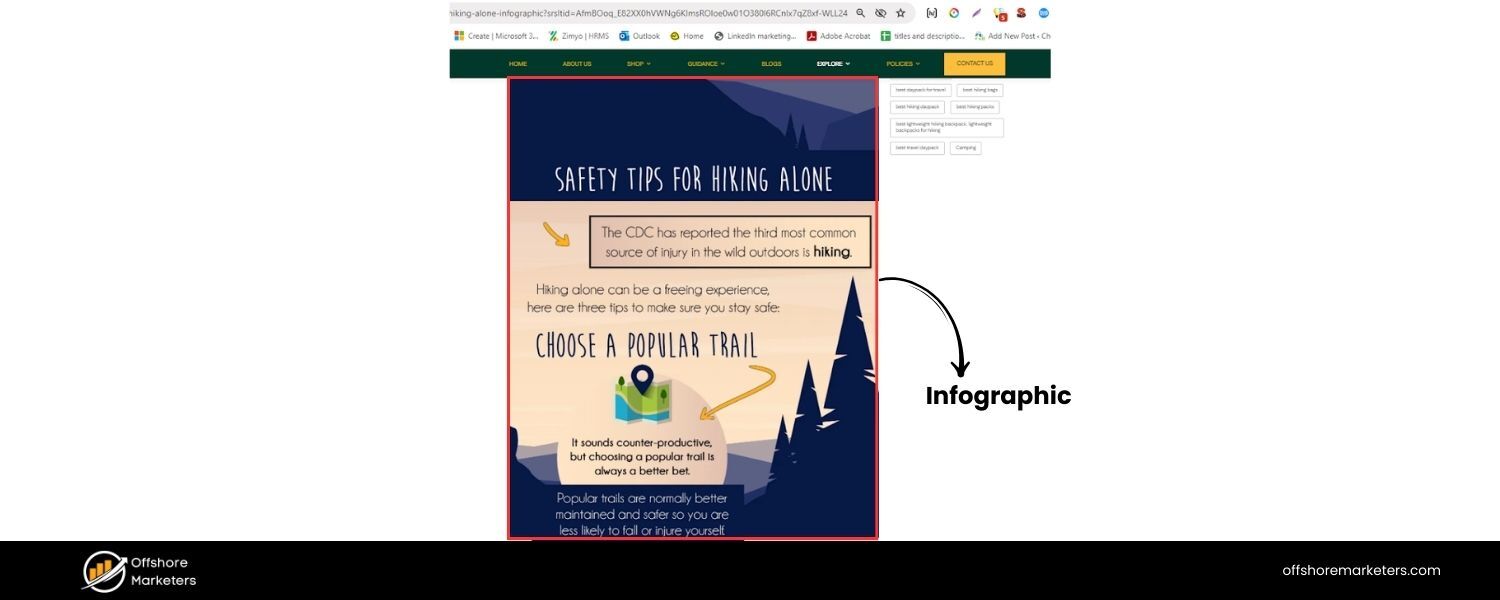
“Infographics” deserve a special mention in link building because they are one of the most shareable types of content. Humans are visual creatures – a well-designed infographic can convey complex information in a digestible, engaging way. Websites love to publish infographics since they add visual appeal to a page, and when they do, they typically link back to the source (you).
In one case, a marketing agency created an infographic on lead generation ideas and got it reposted (with credit) by Social Media Today, earning a valuable backlink from a high-authority site
Here’s how to use infographics for e-commerce link building:
A. Choose the Right Topic/Data
An infographic is only as good as its content. You can base infographics on original research (from the previous strategy) or compile interesting statistics/tips from various sources on a relevant theme. The topic should be something people in your niche care about and find useful or surprising. For example, an outdoor gear store might create “Hiking Safety: 10 Tips Illustrated” or an infographic comparing materials for eco-friendly clothing. Listicles, “how-it-works” processes, or industry trends all lend themselves well to visual format.
B. Invest in Quality Design
There are free tools like Canva or Visme that offer infographic templates which are great for simple projects. However, if design isn’t your strong suit, consider hiring a graphic designer to make it polished and on-brand. The graphic should be eye-catching, clean, and easy to read.
Use clear headings, icons, charts, and maybe fun illustrations – the goal is to make someone go “I want to share this with my audience.” Ensure you include your logo or URL discreetly on the graphic so viewers know the source.
C. Include Interesting Facts and Storytelling
Pack the infographic with valuable nuggets. Numbers, percentages, and quick facts work well (e.g., “Did you know X?”). But don’t overload it – be selective and maintain a logical flow. If it’s instructional, step-by-step layout is good. If it’s comparative (e.g., old vs new, this vs that), use side-by-side sections.
The viewer should walk away feeling they learned something at a glance. For instance, an infographic by Fontus (a startup that claimed to create a self-filling water bottle) visually explained the tech and garnered press coverage simply because the concept was so unique Even though the product was controversial, the visual made it easy for news sites to cover the story, linking back to them.
D. Publish and Distribute
Post the infographic on your blog with an accompanying text description (to provide context and also give search engines some text to index). Underneath, you can offer an embed code that others can copy to post the infographic on their site, which automatically includes a link back to you. Then promote it: share on Pinterest (infographics thrive there), Instagram, LinkedIn, etc.
More importantly, reach out directly to blogs or news sites that cover similar topics. Personalized emails like, “Hi, we just created an infographic about [topic] – given you wrote about this last month, thought you might find it handy for your readers. Feel free to use it with credit, here’s the link.” can get surprising traction. Many content managers appreciate ready-made visuals to supplement their articles.
E. Leverage Infographic Directories & Communities
There are infographic submission sites (like , Infographic Journal, etc.) and community platforms (Reddit has /r/Infographics) where you can share your creation. While these may not always give dofollow links, they can increase visibility. If your infographic strikes a chord, bloggers might pick it up from there. Even a Reddit post that gains upvotes can drive traffic and secondary shares – just ensure you follow subreddit rules and don’t come off as spammy.
Infographics, when done right, can provide a double benefit: you earn backlinks and also build brand awareness (people see your logo or name on an attractive graphic). Moreover, infographics have a long shelf-life; a good one can continue getting links years later as new people discover it. Just make sure to keep any data in it up-to-date or note the year of research.
Beyond infographics, other visual assets can work too: diagrams, original photos (e.g., before/after results), charts, or even short videos/animations. The principle is the same – visual content is easy to consume and share.
For example, creating a sharable infographic or cheatsheet “PDF” that sites can link to is a similar tactic. The investment in design and research pays off with authoritative backlinks whenever someone uses your visual in their article and cites the source.
5. Offer Free Tools or Interactive Resources
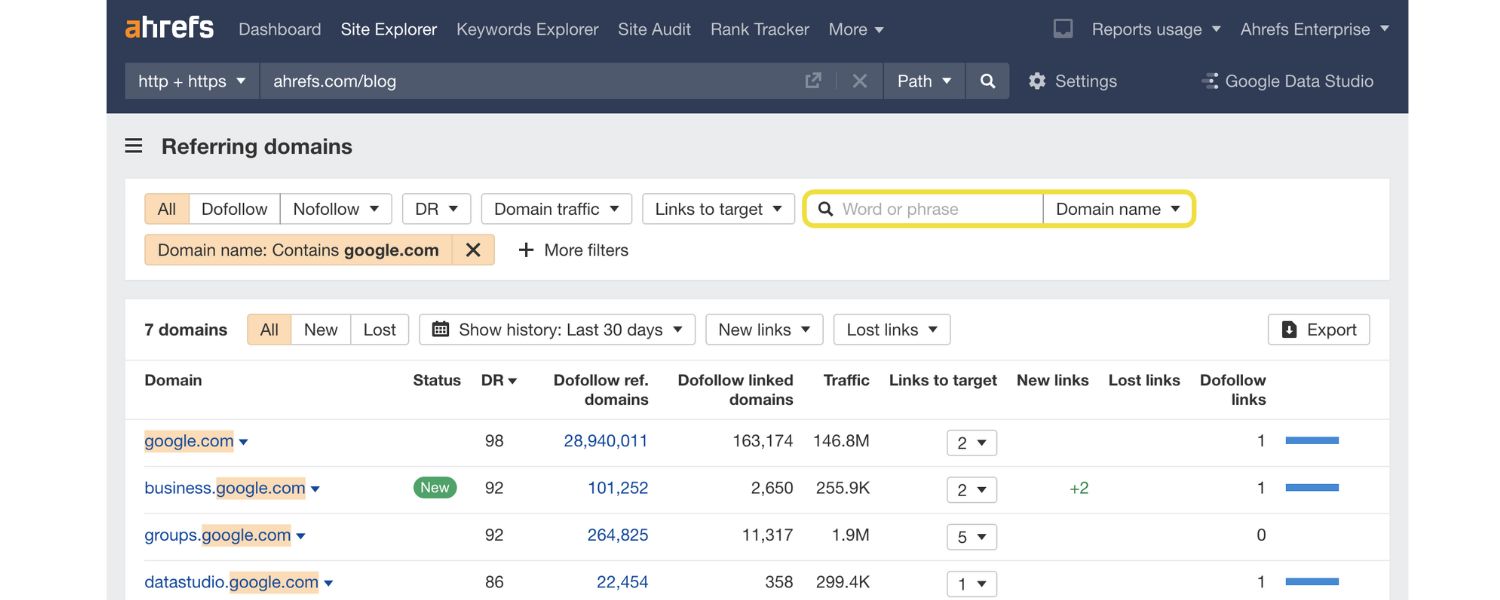
Imagine providing something so useful that industry sites want to send their users to it. That’s the power of creating a free tool or interactive resource on your e-commerce site. Tool-based content (calculators, quizzes, generators, etc.) can attract tons of backlinks because they have inherent value, people love handy tools and will recommend them.
One impressive example: insurance company Geico built a simple car insurance quote calculator on their site, and it amassed over 3,700 backlinks from 300+ domain simply because it was a helpful tool many sites referenced.
How e-commerce sites can leverage this strategy:
A. Identify a Need for a Tool
Think about your niche and what your audience struggles with or frequently asks. Is there a question that can be solved with a quick calculation or quiz? For instance, an online clothing store might create a “Find Your Perfect Size” calculator or a style quiz.
A hardware store could offer a BTU calculator for air conditioners. If you sell nutritional supplements, maybe a daily calorie or macro intake calculator. Use your customer insight: what decisions do they need help with related to your products?
B. Keep It Simple and Useful
A tool doesn’t have to be overly complex or high-tech. It could be as straightforward as a form that outputs a result or a downloadable spreadsheet template. The key is that it delivers a personalized or specific answer.
For example, BMI (Body Mass Index) calculators have been around forever, yet they still attract backlinks because everyone from fitness bloggers to schools links to a reliable calculator for readers to use Similarly, something like a “Wedding budget planner” template on a wedding e-commerce site can earn links from bridal blogs. Focus on one functionality that genuinely helps.
C. Development Options:
You have a few routes:
1. DIY with Plugins or Scripts
If you use WordPress or similar, there are plugins for calculators, quizzes, etc. You can often customize them without coding. There are also JavaScript snippets available for common calculators (e.g., BMI, loan calculators).
2. Use Third-Party Tools
Some services let you embed calculators or forms that you configure. For quizzes, platforms like Typeform or Quizzer can be embedded and styled.
3. Hire a Developer
For more complex or unique ideas, a freelance developer can build a small web app. It might cost some upfront, but remember – this is an asset that could bring in backlinks and leads for years.
Keep maintenance in mind too; ensure the tool will continue to work with minimal upkeep or plan for occasional updates.
4. Host it on Your Site
The tool or resource should live on your website (on its own dedicated page or as a prominent part of a page) so that any links point to your domain. For instance, if it’s a calculator, it could be an interactive element on a blog post discussing the topic, or under a /tools/ directory.
Make sure the page has SEO-friendly content around the tool – at least a few lines explaining what it is and how to use it, so Google indexes it properly.
5. Promote the Tool in Communities
Once live, announce your tool. Product Hunt or Hacker News are great if it’s techie or novel. Otherwise, share on relevant forums, Facebook Groups, subreddits (“Hey, we built a free X for those who need help with Y”). People might start linking to it in discussions.
Also reach out to bloggers who have list posts of tools (e.g., “10 Best Free Garden Planning Tools”) to consider including yours. If your tool fills a known gap, it’ll organically get added to resource lists.
6. Encourage Embeds if Applicable
If it’s something like a widget others might want on their site, provide an embed code. E.g., a weather gear store might make a “local weather widget” that bloggers can add to their sidebar, which includes a backlink in the code. But note, Google requires such embedded links to be nofollow or sponsored if they are not editorially given.
So focus more on the goodwill and branding such embeds provide, rather than PageRank. The direct backlinks will come from sites simply sharing or citing the tool.
A well-executed tool sets you apart from competitors by offering extra value. It keeps users on your site (which is good for engagement metrics) and can even directly generate leads. For instance, you could gate the results of a quiz with an email signup (“enter your email to get your personalized plan”) – but use gating carefully, as it might reduce sharing potential. Often, ungated freely accessible tools get the most link love.
In summary, ask yourself: Is there a small utility we can provide that would make our site a go-to reference? If yes, go build it! Even a modest calculator or quiz can yield big backlink returns when it scratches an itch for your community.
6. Leverage HARO and Press Opportunities for Authoritative Links
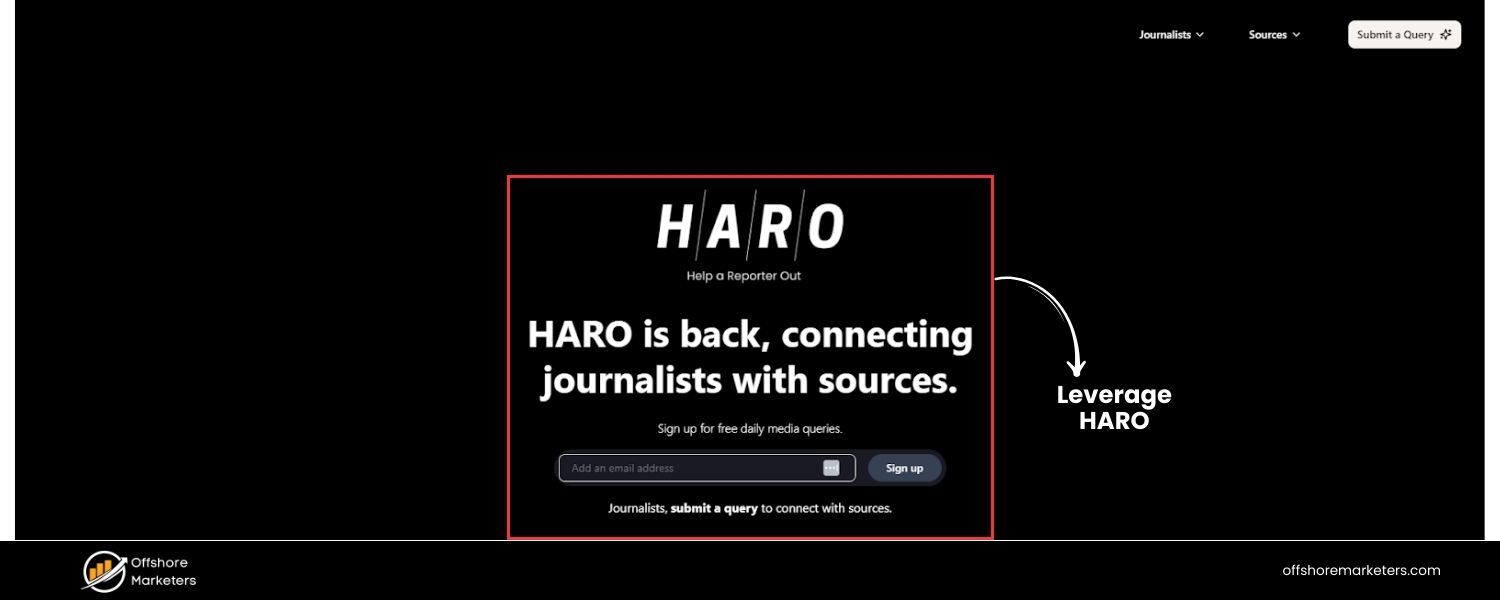
One of the quickest ways for e-commerce sites to earn high-quality, authoritative backlinks is by getting mentioned in the press or on popular blogs. You don’t need a PR agency or a huge budget to do this – you can start by using Help a Reporter Out (HARO) and similar platforms to connect with journalists.
SEO experts (like Brian Dean of Backlinko) have called HARO “one of the best ways to build high-quality backlinks at scale” and for good reason. It gives you a shot at being quoted (with a link) in top-tier publications.
Here’s how to make the most of HARO and other press outreach:
A. Sign Up as a Source on HARO
HARO is a free service that sends out thrice-daily emails with queries from journalists and bloggers looking for sources. These queries are categorized by topic (Business, Health, Travel, etc.). As an e-commerce founder or expert in your niche, you can respond with your insights or tips.
For example, a reporter might ask, “Looking for an expert to comment on eco-friendly packaging trends in e-commerce.” You’d jump on that if you have something to say. Speed and relevance are key: journalists get dozens of replies, so respond promptly and stay on topic, providing genuine value or a unique angle.
Even if only a fraction of your pitches get picked up, those could turn into golden backlinks (like from news sites, Forbes, Inc, etc., which often have high authority).
B. Use Press Request Platforms and Twitter
Besides HARO, there are alternatives like Qwoted, ProfNet, SourceBottle, and even Twitter’s #journorequest hashtag where reporters post needs. Monitor these channels for opportunities related to retail, consumer trends, or your product category. For instance, a finance blog might seek online store owners to talk about holiday sales figures – a chance for you to be featured. Set up email alerts or check daily.
C. Craft a Good Media Pitch
Whether responding via HARO or proactively reaching out to a journalist, the way you frame your expertise matters. Identify a newsworthy angle about your brand or product. Did you launch a groundbreaking product? Are you doing something novel (e.g., using AI in an interesting way, or championing a social cause)? Journalists love a story.
If you run a local business, local newspapers might be interested in a human-interest angle (“Local entrepreneur does X”). If you have data (from that original research you did, perhaps), pitch it: “We have exclusive data on [topic] – happy to share insights from our CEO.” Always keep the focus on what’s useful or interesting to their audience. The backlink will come naturally when they mention your company or quote you.
D. Publish Press Releases Selectively
Traditional press releases distributed via services can build some links too, though often nofollow. However, a well-crafted press release can catch journalists’ eyes and lead to coverage that includes followed links. For example, announce major milestones (new product line, big partnership, hitting 1 million customers, etc.).
Some trade publications scour press releases for news. If you go this route, use a reputable wire service and target the release to relevant industries. Don’t expect miracles from a single release, but it can be part of the mix.
E. Be Ready with a Media-Friendly Website
When a journalist is interested, they will likely check your website and possibly link to it. Make sure your “About” page or press page clearly provides info and maybe high-res images/logo they can use. Also, maintain a media kit if possible.
This ensures that when you do get that spotlight, the resulting mention is accurate and perhaps more expansive (they might link to your homepage and a product page if both are relevant and easily found).
F. HARO Tip: Build Relationships
If you consistently provide good quotes, some writers might start reaching out to you directly for future pieces. Always be professional and respectful of their deadlines. Even if a particular HARO response doesn’t get used, don’t be discouraged; stay persistent. Each response is practice and builds your reputation as a reliable source.
By consistently engaging with media opportunities, you can accumulate quality backlinks from sites that your customers read and trust. These “as seen in” mentions not only boost SEO but also add social proof for your brand. Imagine being able to say your store was featured in a major magazine – that’s marketing gold.
A quick success story: A small e-commerce pet brand responded to a HARO query about “tips for keeping dogs cool in summer.” The owner’s tips were featured in a Reader’s Digest article, which linked back to their site. Not only did SEO benefit, but they also saw a spike in referral traffic and sales that week. This shows how a single press mention can have a multi-faceted impact.
In summary, don’t overlook PR outreach as a link building strategy. It can land you some of the highest authority links available, the kind that are hard to get any other way. Plus, you’re building your brand’s public profile at the same time, a win-win for marketing.
7. Launch Creative Digital PR Campaigns (Stunts, Contests, and Events)
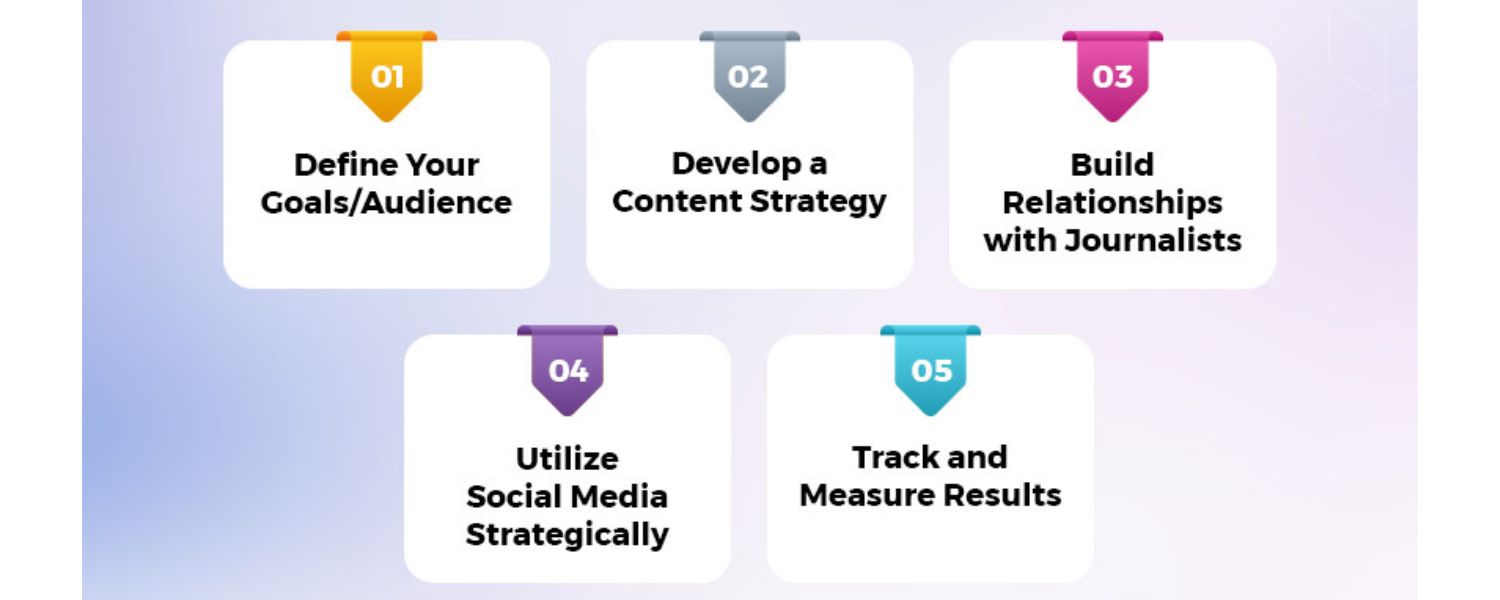
Beyond responding to existing media opportunities, why not create your own buzz? A creative digital PR campaign is about doing something newsworthy or attention-grabbing that naturally attracts coverage and backlinks.
This is a more involved strategy, essentially at the intersection of marketing and PR, but it can pay off big if executed well. We’re talking about stunts, contests, viral campaigns, or unique events that get people talking (and linking).
Some ideas and tips for e-commerce PR campaigns:
A. Product Stunts
Is there a quirky or bold twist you can add to your product or marketing that would turn heads? For example, fashion retailer Missguided once teamed up with a PR agency to promote matching Christmas sweaters for owners and their dogs – a fun, photogenic product idea.
They launched it as an “exclusive” story, which got picked up by a popular entertainment site (Tyla) and snowballed into 60+ backlinks, thousands of social shares, and a surge in sales.
The point is, an unusual product or a limited edition with a pop-culture angle can become news. Think of the annual “ugly Christmas sweater” trend – even something tongue-in-cheek like that can earn links from lifestyle blogs each year.
B. Host a Contest or Challenge
People love contests, especially if there’s a meaningful prize or cause. An online art supply store might host a “Digital Art Challenge” where participants create something using their products, with the winner getting a $500 gift card and their art featured. Promote the contest on social media and via press release.
Local media might cover it if it involves the community or a charity (e.g., “10% of proceeds go to X cause”). Each time bloggers mention the contest or participants blog about their entry, you gain links.
Pro Tip: Make the contest results newsworthy too – e.g., “Announcing the winner of the nation-wide art challenge – 5 amazing entries” (this could itself get coverage and links).
C. Leverage Holidays or Seasons
Tie your PR campaign to the calendar. For example, a candy e-tailer made a giant 5000-pound gummy bear for April Fool’s Day and pitched it as “world’s largest gummy bear” – it was a prank product, but it got them tons of press. Seasonal hooks like “Back-to-School Giveaway” or “Black Friday Experiments” can also work. Align the campaign with something people are already writing about during that time of year.
D. Events and Sponsorships
Hosting an event (even a virtual webinar or a local meet-up) can garner links, especially from local news or niche sites. For example, a local ice cream shop’s online store could host “The World’s Largest Ice Cream Sundae Challenge” and invite families – if it’s notable enough, newspapers and bloggers will mention it, linking to the event details hosting is too much, consider sponsoring industry events, podcasts, or community projects – they typically give sponsor links on their sites. While these might be tagged sponsored, it’s still a relevant link and brand exposure.
E. Engage in Charity or Social Good
Align with a cause genuinely and publicize it. Maybe your e-commerce brand donates a portion of sales to environmental cleanup, or you ran a campaign to donate products to frontline workers. These initiatives often earn goodwill mentions. For instance, if a local charity thanks your brand on their site with a link, that’s great.
Moreover, Forbes noted that doing charitable campaigns not only helps the community but also builds brand loyalty and PR opportunities must ensure any cause marketing is sincere to avoid any backlash.
F. Make it Newsworthy and Visual
Whatever you do, think like a journalist: Would I write about this? Is it interesting to a broader audience or at least a niche community? Also, supply visuals – high-quality photos or even a short video make your story more shareable.
If you held a crazy contest or built a massive product display, have images ready; journalists love when a story comes with compelling imagery because it saves them effort and attracts readers.
G. Outreach Widely
Once your campaign or stunt is ready, treat it like a news story. Send out press releases, individually email journalists who cover similar stories, pitch it to bloggers, and share on social channels. Sometimes the weirdest ideas get picked up widely (remember the viral stories like the dress that “broke the internet” or odd food mashups). Even if yours isn’t that big, a handful of quality pickups can be worth it.
Running creative campaigns requires some planning and perhaps budget, but the backlink ROI can be substantial. You’re essentially earning links by doing something link-worthy. Plus, you often get a rush of social media attention alongside SEO benefits.
Keep in mind: not every stunt will succeed. Some may flop or only get a few mentions. That’s okay, treat it as an experiment, learn, and maybe you’ll hit gold with the next one. When you do strike gold, the results can be spectacular (e.g., being the talk of your industry for a week, inbound links pouring in, and a spike in brand searches).
In conclusion, think outside the box. Brainstorm with your team: what’s a fun, bold, or heartfelt idea we can execute that people would care about? The internet rewards creativity, and in e-commerce, a bit of imagination can set your brand apart and draw in a tidal wave of links.
8. Collaborate with Influencers and Bloggers (Product Reviews & Mentions)
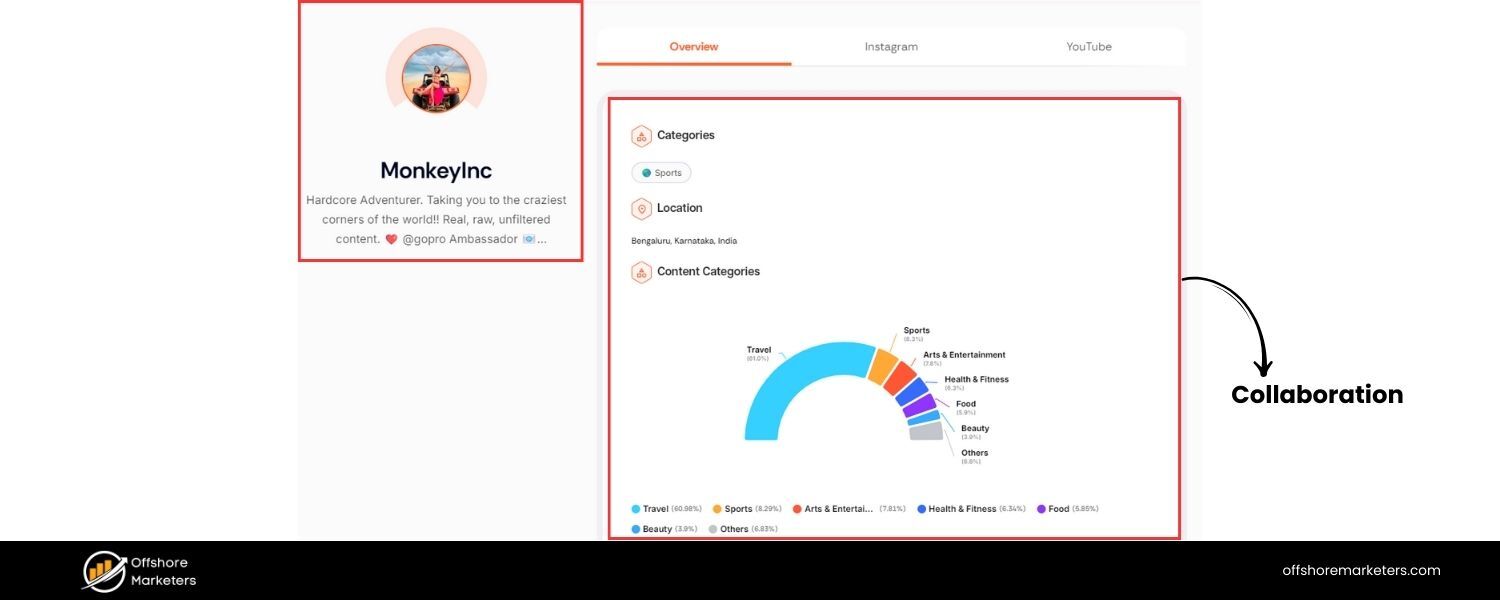
Influencer marketing isn’t just about social media likes and follows – it can be a valuable avenue for earning backlinks and building SEO authority, especially when you focus on bloggers and content creators who run their own websites. By partnering with influencers in your niche, you can often secure product reviews, gift guide inclusions, or brand features that include those coveted backlinks to your store.
Here’s how to approach link building via influencers and bloggers:
A. Identify Relevant Influencers/Bloggers
Look for individuals who have an audience that overlaps with your target customers. For SEO purposes, prioritize bloggers or YouTubers with their own website, since a link from their site is what helps your SEO (while an Instagram shoutout might not directly).
For example, if you sell gourmet coffee, a foodie blogger or a YouTuber who reviews coffees would be ideal. Check their domain authority or traffic via tools if possible – a link from a well-read blog is the goal.
That said, micro-influencers with niche but engaged followings can still be great if they have a blog. Quality of audience > sheer size when it comes to relevance.
B. Offer Value in Exchange
Typically, you might offer a free product (or a fee, depending on the influencer) for them to review or feature. Be transparent and follow FTC guidelines: they should disclose if it’s a sponsored product or if they received it as a gift. From an SEO perspective, Google’s stance is that affiliate or sponsored links should be tagged as such (rel=“nofollow” or rel=“sponsored”) put even nofollow links can have indirect SEO benefits (and direct traffic benefits).
Also, not all bloggers will nofollow – many simply write an honest review and link naturally. Do not explicitly pay for a dofollow link – that’s against Google’s rules and can backfire. Instead, focus on building a genuine relationship: you believe in your product and think their audience will love it, so you’re sharing it with them.
C. Choose the Right Collaboration Format: Some options include:
1. Product Reviews
Send your product for free and ask if they’d be willing to share their experience. A thoughtful, in-depth review can yield a strong link (e.g., “Check out [Your Store] for [Product], which we tried out here”).
2. Sponsored Posts
You might sponsor a blog post that they write (or co-create) which features your brand. Often these will be marked as sponsored, but can still include a link and drive SEO value in terms of content and buzz.
3. Gift Guides & Listicles
Pitch your product for inclusion in “Top 10 [Holiday] Gift Ideas” or “Best [Category] of 2025” type articles. Many bloggers do these roundups and appreciate suggestions, especially if you provide high-quality images and a compelling blurb.
4. Giveaways
Collaborate on a giveaway contest on their blog. They host, you provide the prize. They’ll link to your site as part of the contest rules or description (and you often get some emails or followers out of it too from entrants).
5. Ensure a Mutually Beneficial Deal
While you want a backlink, think of what’s in it for the influencer. Aside from free product or payment, do you offer an affiliate program? Many bloggers are open to affiliate partnerships – they get a commission for traffic/sales they send you.
If so, they’ll usually mark those links as affiliate (which often are nofollow by platform rules), but the content and mention are still valuable. Also, if they truly like your product, it enhances their content to share something cool with their readers. Aim for a genuine endorsement over a forced one.
6. Check Domain Authority and Policies
A quick note – some large review sites or influencers have policies about links (for example, they might use redirect links, or they only link to brands with certain criteria). Don’t be afraid to ask or check their past posts to see how they handle outbound links.
However, even a nofollow link on a high-traffic site can drive a lot of potential customers, so it’s not just about the direct SEO. Referral traffic and brand exposure count too.
7. Monitor and Amplify
Once a collaboration goes live, thank the influencer and engage with the content (reply to comments if appropriate, share the post on your own social media). This shows appreciation and might encourage others to feature you. Monitor results – if one blogger’s review drives a lot of traffic or links, consider a long-term partnership or doing more of that type of collaboration.
One caution:
Influencer links often come as “sponsored” or part of paid promotion, which technically carry less SEO weight, but they can still be part of a natural link profile.
A diverse backlink profile has a mix of dofollow, nofollow, UGC, etc. Don’t worry if that mommy blogger added rel=“nofollow” – the mention on a reputable blog still signals to Google that your brand is being talked about (not to mention the direct traffic and sales potential).
Also, avoid low-quality “influencer” networks that are basically link farms. Stick to real voices in your industry.
In summary, influencer and blogger collaborations blur the line between content marketing and link building. Done right, you build trust signals around your brand on the web. An influencer’s recommendation can carry a lot of weight with consumers – and the backlink is like a cherry on top, boosting your SEO.
As PrestigeLinks aptly put it, even though sponsored links don’t have the full SEO power of organic links, they “still bring some positive results” for your site’s rankings and traffic it’s one more channel to strengthen your backlink profile while also reaching new customers.
9. Start an Affiliate Program to Encourage Mentions
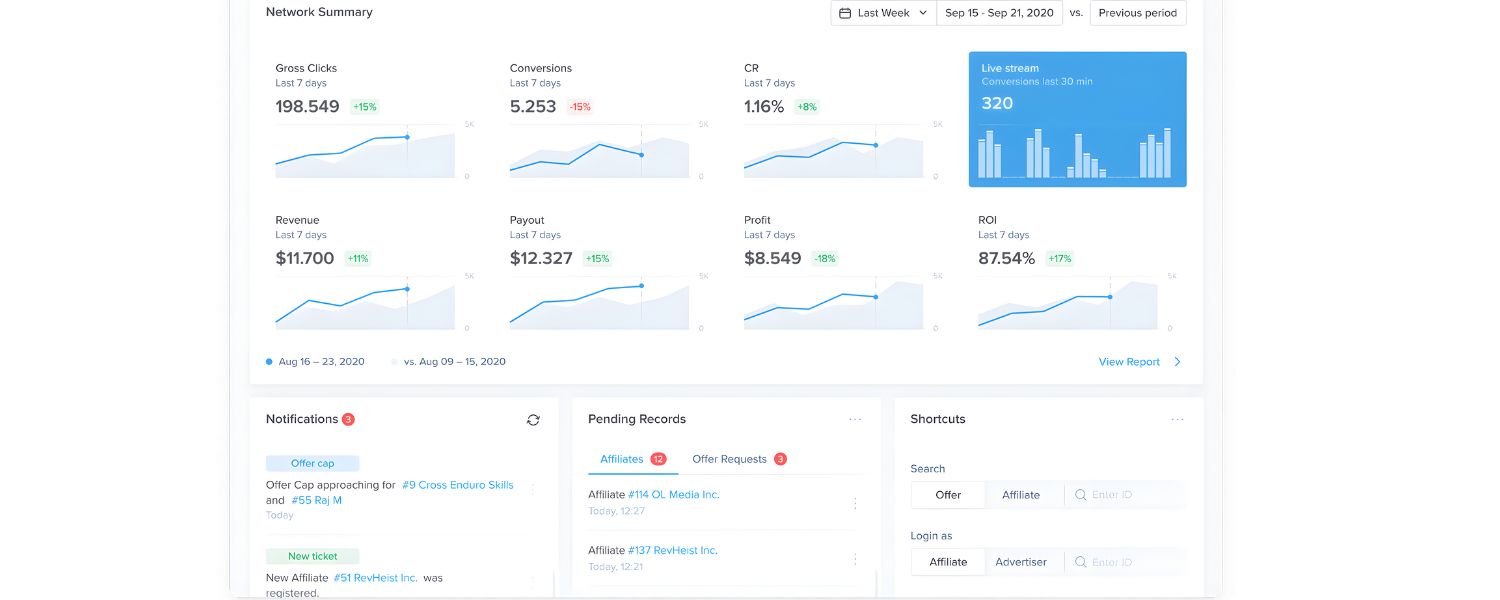
If your e-commerce business hasn’t already, consider launching an affiliate program – it can indirectly help your link building efforts. Affiliate partners are folks (bloggers, website owners, influencers) who promote your products and earn a commission for each sale or lead they drive.
While affiliate links themselves should be marked as sponsored/nofollow for SEO, an affiliate program can lead to increased visibility across the web, more brand mentions, and occasionally some natural follow links as well.
Why and how to leverage affiliate partnerships for link building:
A. Your Products on More Sites
Once you have an affiliate program (using a platform like ShareASale, CJ, Impact, or even a DIY approach), you can recruit content creators to feature your products in their content. For example, a travel gear store’s affiliate might write a blog post “Best Travel Backpacks” and include your backpack with a special tracking link.
Most affiliate links are long URLs or use tracking parameters, and they won’t pass SEO value (and should be nofollow), however, the very presence of your product on these lists gets your brand in front of readers and sometimes leads to secondary organic mentions.
For instance, someone reading that post might blog about it themselves (“I discovered this cool backpack from X store”) and that mention might be a natural, followed link.
B. Building a Network of Brand Advocates
Affiliates, in essence, become your brand ambassadors. They have incentive to talk about you. Many will write multiple posts, social media content, YouTube videos, etc. all about your brand or specific items. This creates a buzz in the digital ecosystem.
Even if those initial links are tagged sponsored, it’s not uncommon for other sites to pick up the content or for the affiliate to mention you in places without affiliate links (like an untagged mention on a forum or a resources page) which ends up being a true backlink.
Also, affiliates with strong sites might give you an editorial mention outside of affiliate context if they genuinely love your product (e.g., linking to your homepage when talking about trends, not for sales but as a reference).
C. Affiliate Directories and Reviews
When you launch a program, you often get listed on affiliate program directories or coupon sites (e.g., someone might make a page “[YourBrand] coupon” or “[YourBrand] affiliate program”). These can result in links – sometimes they’re nofollow, sometimes follow. Additionally, affiliates might do reviews on their own – “Honest review of [Your Product]” which net you more content and links out there.
D. Best Practices
If you do start a program, set clear guidelines. Encourage affiliates to create quality content (some merchants even provide affiliates with SEO-optimized content or product info to use – just be careful of duplicate content issues; better to give pointers than exact copy).
Also, monitor how your brand is mentioned – you don’t want affiliates spamming forums or doing email spam in your name. Focus on partners who have real websites or audiences.
E. Recognize SEO Limitations
Google officially doesn’t count affiliate links the same as editorial links, and too many affiliate-only links won’t boost your SEO. But as part of a holistic strategy, affiliate marketing can indirectly yield SEO benefits.
For one, it drives traffic (more traffic can improve user signals on your site). It also increases the chance of word-of-mouth links. People discovering you through affiliates might write about you. And if a particular affiliate site ranks high for some keywords (like “YourBrand review”), that’s still capturing search traffic related to your brand, which is a win.
Case Example:
Byrdie (a high-authority beauty site) often features products with affiliate links. They did a listicle of skincare brands and openly labeled that the links are affiliate now, Byrdie’s outbound links might be nofollow for affiliate, but just being featured on a site like that is great for brand exposure and trust.
Furthermore, Byrdie’s article itself might get backlinks (people linking to “check out Byrdie’s list of top skincare brands”), indirectly benefiting every brand on that list. If your affiliate program enabled an introduction to Byrdie’s team or similar publishers, that’s a big win.
In short, think of an affiliate program as scaling up your outreach. Instead of you alone trying to build links, you have a whole team of partners creating content that includes your brand.
While you should view affiliate marketing primarily as a sales/channel strategy (not purely SEO), it complements link building nicely. Over time, some of those affiliate relationships can turn into deeper collaborations, or yield non-affiliate mentions that count as true backlinks.
One more tip: often e-commerce sites will have an “Affiliate/Partners” page which sometimes gets backlinks from people who reference “so-and-so has an affiliate program.” Minor, but a possible small benefit. Also, affiliates sometimes use banners, ensure any provided banners have an alt text (with your brand name) and link back (with nofollow) to at least drive traffic.
To wrap up, an affiliate program can amplify your content presence on the web. It’s not a direct PR link building tactic, but it indirectly contributes to a robust backlink profile through increased brand mentions and content dissemination. As long as you maintain quality and compliance, it’s a win-win: you get more sales and more online visibility simultaneously.
10. Partner with Complementary Brands for Cross-Promotion
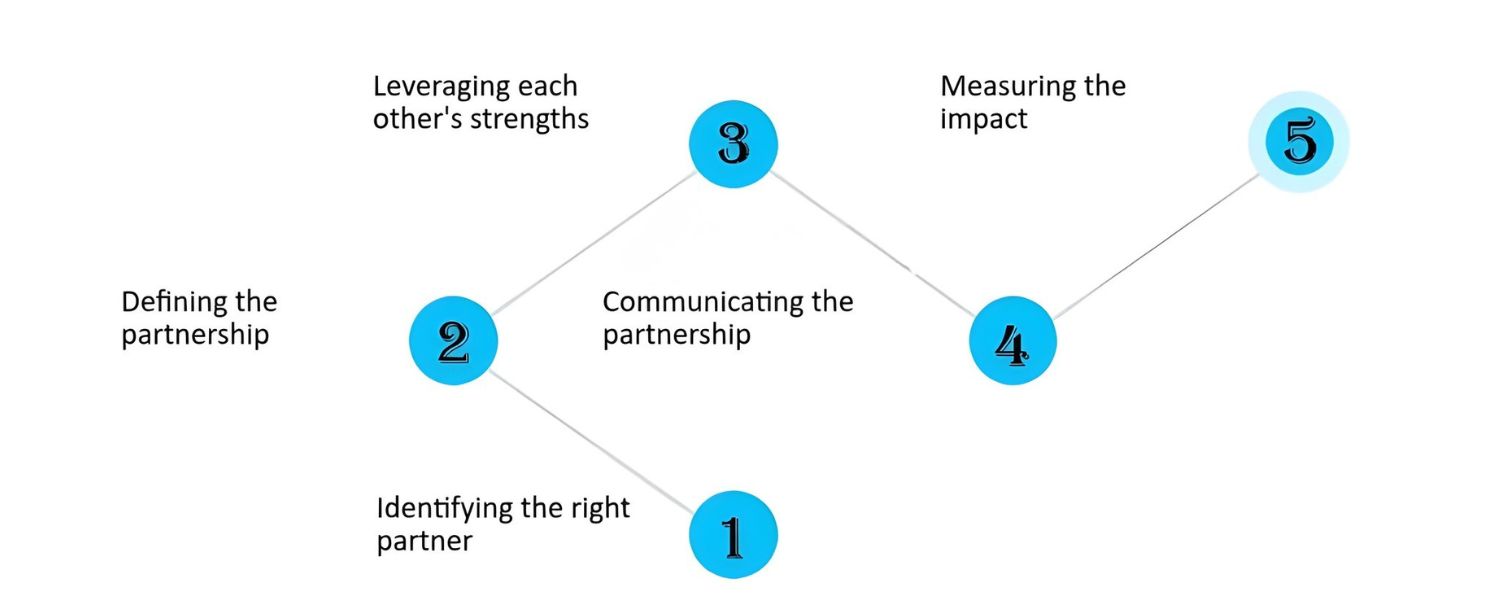
“Two heads are better than one” applies to link building too. By forming partnerships with complementary businesses, you can both benefit from each other’s audience and web presence. This often involves cross-promotion deals, co-created content, or reciprocal linking arrangements that are natural and relevant. The idea is to team up with a company that isn’t a direct competitor but has a similar target market, and leverage each other’s strengths.
Ways to build links through business partnerships:
A. Reciprocal Linking (the Right Way)
In the early SEO days, “link exchanges” got a bad rap from abuse, but a relevant partnership link is still valuable and user-friendly. For example, if you sell hiking boots and partner with a backpack manufacturer on a co-campaign, you might each feature the other on a “Our Partners” page or in a blog article (“What to Pack for a Hike – featuring XYZ backpacks our boots”).
These cross-links make sense to readers. Google is fine with editorially earned links, even if reciprocal, as long as it’s not a massive spammy scheme. Keep it organic – only link to partners that truly align with your brand and vice versa. A few high-quality partner links can bolster your backlink profile diversity.
B. Co-Create Content or Events
Perhaps you and a partner brand publish a collaborative guide or host a webinar together. Both of you will post about it on your sites, linking to each other. For instance, a wedding dress boutique and a florist might produce a “Wedding Planning Checklist (Dress & Decor edition)” PDF.
Each hosts it on their site and links to the other as co-creators. If you do a joint event (say a Instagram Live or a giveaway), write a recap or announcement on your blog with a link to the partner and have them do the same. These co-branded content pieces are fantastic for outreach too, as other sites might link to them (“X and Y companies have teamed up to do Z”).
C. Supplier/Manufacturer Relationships
If you are the manufacturer of products, skip thi, but most e-commerce retailers stock products from other brands. Reach out to your suppliers or the brands you carry. Many have a “Where to Buy” or “Retailers” section on their website.
Ensure your site is listed with a link on those pages It’s surprising how often smaller retailers are left off those lists – sometimes all it takes is asking. Being listed on a respected brand’s site (e.g., you sell Greenies pet food, and Greenies’ official site links to you as a vendor not only gives you a solid backlink but can drive converting traffic of people looking for a seller.
D. Local Business Alliances
If you have any local angle (like a hometown or you do local delivery), partner with local businesses. A local cross-promotion could be as simple as “Use Code LOCAL at [Partner Bakery] for 10% off, courtesy of [Your Store]” and in exchange they mention your site in their newsletter or website. Local chambers of commerce or business networks also often have member directories – join them and get a link in the member list.
E. Networking = Link Opportunities
Attending industry networking events or even online communities (LinkedIn groups, etc.) can lead to finding partnership opportunities. Maybe in a discussion you discover a complementary brand and strike a deal to mention each other. It could even be as light as writing a guest paragraph for each other’s blog (“Expert Corner: [Partner CEO]’s tip on XYZ”) with a bio link.
F. High-Profile Partnerships
If you manage to partner with a well-known company on something notable (like Uber partnering with Spotify to let riders play their playlists it can lead to multiple press mentions.
When Uber did that, they snagged links not only from Spotify and Pandora’s sites but also BBC and Business Insider coverage. Now, small businesses won’t easily land a collab that big, but aim for the best partner you can. Even a mid-tier influencer launching a limited product line with you could get media attention and reciprocal links.
When doing partnerships for link building, a few cautions: make sure the partnership is authentic and not just solely to swap links – Google can detect large-scale link exchange networks, but it’s extremely unlikely to penalize a few logical cross-links. Also avoid site-wide footer links (“Powered by X”) pointing both ways; better to keep links within content or dedicated pages where context is clear.
Also, document your partnerships. It’s good content! Case studies of working together or announcements of alliances can fill your blog and give more internal link targets.
To maximize link juice, use direct links (not via tracking parameters) when possible on partner pages, and prefer dofollow unless there’s a paid sponsorship element. If you or partner feel uneasy, a safe approach is to mark one of the two reciprocal links as nofollow (to avoid any perception of manipulation) – but generally, if it’s a legit partnership, it’s part of the web’s natural linking.
The bottom line: No business operates in a vacuum. By joining forces with others in your ecosystem, you both grow. In terms of SEO, you’re effectively creating a small hub of relevance – Google sees that related businesses reference each other, which can reinforce your niche authority. And practically speaking, customers like seeing their favorite brands team up, it builds trust. So seek out those win-win collaborations – the backlinks will follow.
11. Get Listed on Industry Directories and Resource Pages
One often overlooked link building tactic for e-commerce is directory and resource page submissions, but not the spammy, generic directories of yore. We’re talking niche, relevant directories and curated “best of” lists where your site legitimately belongs. These can still be a good source of link juice and targeted traffic.
Types of directory/resource links to pursue:
A. Industry Directories
Almost every industry has websites that list companies or websites in that field. Some are run by associations, others by hobbyists or startups. For example, if you sell handmade jewelry, there might be an “Artisan Jewelers Directory” site.
If you run an online pet store, there are pet business directories or vet directories where you could be listed as a pet supply resource. Many directories allow a free submission (and maybe a paid option for premium listing).
Focus on ones that are human-curated and have a decent domain authority. A quick check: does the directory itself rank for terms (like “top X shops”)? Does it look maintained? Getting listed on a reputable directory is like getting an endorsement in your community.
B. Local Directories and Google My Business
If you have any physical presence or localized service area, ensure you’re on local business directories (Yelp, Google Maps via Google My Business, Bing Places, etc.). These provide backlinks (usually nofollow, but still) and crucially help local SEO.
Even an online-only business can create a GMB listing (you can hide your address and just list service areas). The link from your GMB profile to your website is valuable for Google’s trust in connecting your site to your entity.
C. Shopping/Comparison Sites
Depending on your niche, being listed on shopping comparison engines or niche aggregators can be beneficial. For instance, a site compiling “Where to buy eco-friendly clothing” or a price comparison site for electronics.
Some of these might be paid inclusion, others free. Even if the link is nofollow, the exposure can drive referral customers, and Google likely factors in brand mentions across these platforms.
D. “Best of” and Roundup Pages
These are like dynamic directories. Bloggers or media often have pages like “Best Online Craft Marketplaces” or “Top Sites for Custom T-shirts”. Use Google search operators to find these: search for “intitle:best * [your product type]” or “inurl:resources [your niche]”. Once you find a relevant list and if you’re not on it, reach out to the author.
Politely suggest your site for inclusion, explaining what makes you a great fit for their readers. Provide any necessary info (and maybe offer to reciprocate by sharing their article). Not everyone will add you, but if your offering is genuinely one of the better ones, there’s a fair chance especially if the list is a bit dated or thin.
E. Internal Resource Hubs
Consider creating your own “resource page” on your site that lists useful sites/tools in your niche (including partners or non-competing sites). Sometimes those sites notice and link back out of courtesy or because you effectively started a mini-directory and they want to reciprocate.
For example, if you curate “Top 20 Vegan Recipe Blogs” and your vegan food store is listed among them, some of those blogs might mention your list or link to you as thanks.
F. Find Broken/Outdated Resource Pages
This overlaps with broken link building (next section), but specifically: find resource pages in your niche that have dead links or missing sites. Offer your site as a fresh addition.E.g., you find a “Learn Guitar Online – resources” page last updated 2018 and half the links are 404.
If you run a music e-commerce, contact the webmaster with the broken link report and suggest your site as a new resource. You’re doing them a favor (maintaining their page quality) and potentially getting a link
Tips when submitting to directories:
1. Write a concise, compelling description of your business (unique text, not just for SEO but to stand out to readers).
2. Choose appropriate categories/tags so you’re listed in the right place.
3. Don’t overdo it with low-quality general directories (those can look spammy). Focus on niche relevance and quality.
4. Keep track of submissions. Some directories require approving a confirmation email or manual admin approval. You may need to follow up.
5. Watch out for directories that have stopped moderating (filled with broken links or obvious spam), skip those; they won’t help.
One great outcome of directory listing is some have good SEO themselves. For example, a directory entry might rank for “buy anime merchandise online” and since you’re listed, you indirectly get traffic.
Real-world example: A Shopify blog post noted getting links from directories like Shopify’s own App Store or theme store is huge for developers. Similarly, being on a respected list can be a consistent traffic source.
Another example: a site like Capterra for software reviews – if you were software, a link from Capterra is gold. For e-commerce, think analogous: any site that “reviews” or lists online stores (some blogs do an annual “top 50 online shops in X category”). Aim to be on those lists.
In summary, don’t shy away from directories and resource pages – just be selective. They might not carry the same weight as a content-based editorial link, but they contribute to a well-rounded backlink profile.
Plus, they’re often easy wins: one submission can yield a link that sits there for years. It’s like planting seeds across the web that keep sending both SEO value and direct visitors your way. Combined with other tactics, it bolsters your overall presence in your industry’s online ecosystem.
12. Fix Broken Links and Reclaim Unlinked Mentions
Not all link building has to start from scratch – sometimes the opportunities are already out there, you just need to reclaim them. Two fruitful tactics in this vein are broken link building and unlinked brand mention reclamation. These are about finding where your site could or should be linked, and making it happen.
A. Broken Link Building:
This involves finding broken (dead) links on other sites that you can replace with a link to your content. It’s like digital recycling, turning 404 errors into backlinks for you.
Here’s a step-by-step:
1. Find Broken Links on Relevant Sites
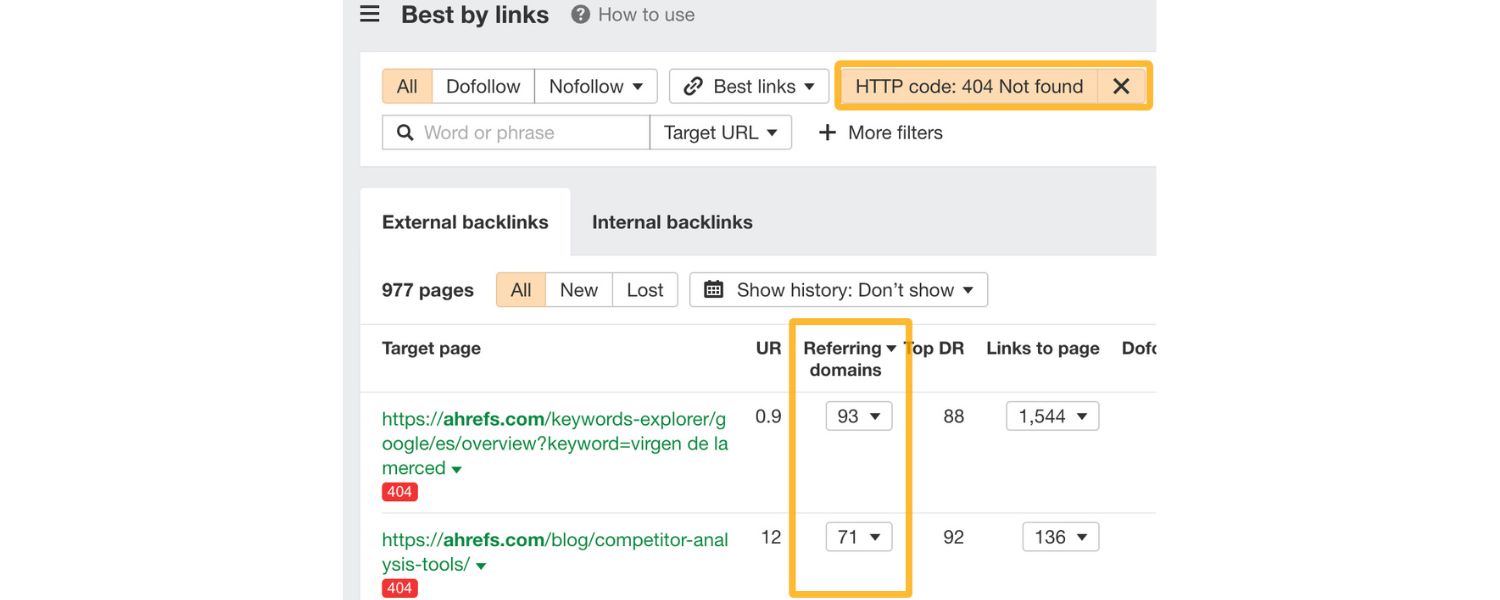
Use tools like Check My Links (Chrome extension) when browsing resource pages or competitor’s blogs to spot broken links Or use an SEO tool: Ahrefs, Semrush, or Moz’s crawler on competitor domains to extract their 404 pages that have backlinks. You’re especially interested if a competitor had a great piece that is now offline (e.g., “Top 10 Travel Hacks” page is gone but 20 sites still link to it).
2. Create or Use Existing Content as a Replacement
If you have a piece similar to the dead content, perfect – you’ll present yours as the alternative. If not, consider creating a new blog post or resource that covers the topic thoroughly (this is sometimes called the “moving man” method of SEO, coined by Brian Dean). Only do this if the opportunity is sizable (i.e., many links available). Ensure your content truly satisfies what people would expect when clicking the old link.
3. Reach Out to Webmasters
Contact the site owners where the broken link resides. Politely inform them that their page has a broken link pointing to [old page]. Provide the context (the anchor text or description around it) and suggest your link as a replacement that their readers might find usefulEmphasize you’re trying to help them fix a dead link.
Many webmasters appreciate the heads-up (nobody wants to send visitors to 404 pages). Keep your email short, polite, and to the point. Expect that response rates aren’t 100%, but even a few successes can yield high-quality links because these likely come from resource pages or articles that are already considered good (hence they had outbound links).
4. Use Tools to Scale
Tools like SEO Minion can scrape all links on a page to quickly find broken ones helps find contact emails of site owners easily For competitor analysis, Ahrefs “Broken Backlinks” report or Semrush Backlink Analytics with a “Broken pages” filter is very handy Export those and prioritize by link authority or relevance.
B. Reclaim Unlinked Brand Mentions
Sometimes, people talk about your brand or product without linking to you. Perhaps a blog mentioned your store by name (“We got a gift from AwesomeShop and loved it”) but didn’t include a hyperlink. These are low-hanging fruit – they already know you; just gently ask for a link.
How to do it:
1. Set Up Alerts
Use Google Alerts (free) for your brand name and variations Also try tools like Mention or Awario for more comprehensive monitoring (they can catch social mentions too, but focus on web mentions for link ops). When your brand pops up in an article or forum, you’ll know.
2. Manually Search
Occasionally do a Google search for your brand name without quotes – sometimes it surfaces blog posts or news that mention you. Also search for your domain name (without “www” or “.com”) as text; some might reference you like “ExampleShop.com” but not hyperlink it.
3. Reach Out Graciously
When you find a mention, email the author or webmaster. Something like: “Hi, I noticed you mentioned [Your Brand] in your awesome article about [Topic]. Thanks for the shoutout! I wanted to ask – would you mind turning that mention into a link to our site? It would help your readers easily find us.
Here’s the URL for reference: [URL]. Regardless, appreciate the mention!” This friendly approach often works because they already had a positive sentiment (they mentioned you, after all). Some might ignore or say no, but many will comply as it’s a quick edit for them.
4. Provide Specifics
Tell them exactly where the mention is and what you’d like it linked to (homepage or a specific page). Make it one-click easy if possible. E.g., “The first paragraph where you mention ‘AwesomeShop’ – that could link to https://www.awesomeshop.com”.
5. Thank Them
If they do it, a thank-you note goes a long way. Maybe even share their article on your socials, strengthening the relationship.
The beauty of reclaiming links (both broken and unlinked) is that you’re tapping into existing interest. You’re not cold-promoting new content; you’re improving or capitalizing on what’s already out there.
A quick stat: According to Ahrefs, about ~5% of brand mentions result in a link, which means 95% do not That’s a lot of mentions you could potentially convert into backlinks with minimal effort! It could be someone listing tools or doing a writeup where they just forgot or didn’t bother to link. A gentle nudge can change that.
Similarly, the web is littered with broken links. It’s estimated that the web’s link rot is a serious issue (some studies show a large percentage of .edu links, for example, break each year). By cleaning up link rot in your niche, you earn backlinks and contribute to a better user experience on the web, a double win.
Both tactics require some digging and outreach, but the conversion rate for these is often higher than blind outreach for guest posts or content. After all, you’re either reporting an error or referencing their own content – it’s about them as much as about you.
Make these a routine part of your link building process: maybe once a quarter, run checks for new unlinked mentions and new broken link opportunities. Over time, these little wins add up significantly to your backlink count.
13. Spy on Competitors’ Backlinks and Fill the Gaps
Your competitors can be one of your best sources of link building intel. If other e-commerce sites in your niche have managed to get certain backlinks, chances are you can get some of those as well – or find opportunities they missed. This strategy involves competitor backlink analysis: examining where your rivals are getting links from, and developing a plan to “steal” or replicate those links for your site.
How to go about it:
A. Identify Your Top Competitors
These could be direct business competitors or simply other content-rich sites in your niche. Tools like Semrush or Ahrefs will list “domain competitors” (sites with overlapping keywords)Pick a handful (3-5) of the closest ones in terms of niche and content.
B. Use Backlink Analysis Tools
Input a competitor’s domain into a tool like Ahrefs, Moz, or Semrush’s Backlink Analytics. Look at their backlink profile, you’ll see all the domains linking to them, the pages that got linked, and often the anchor text. Focus on external backlinks that are dofollow and from quality domains (you can filter by these).
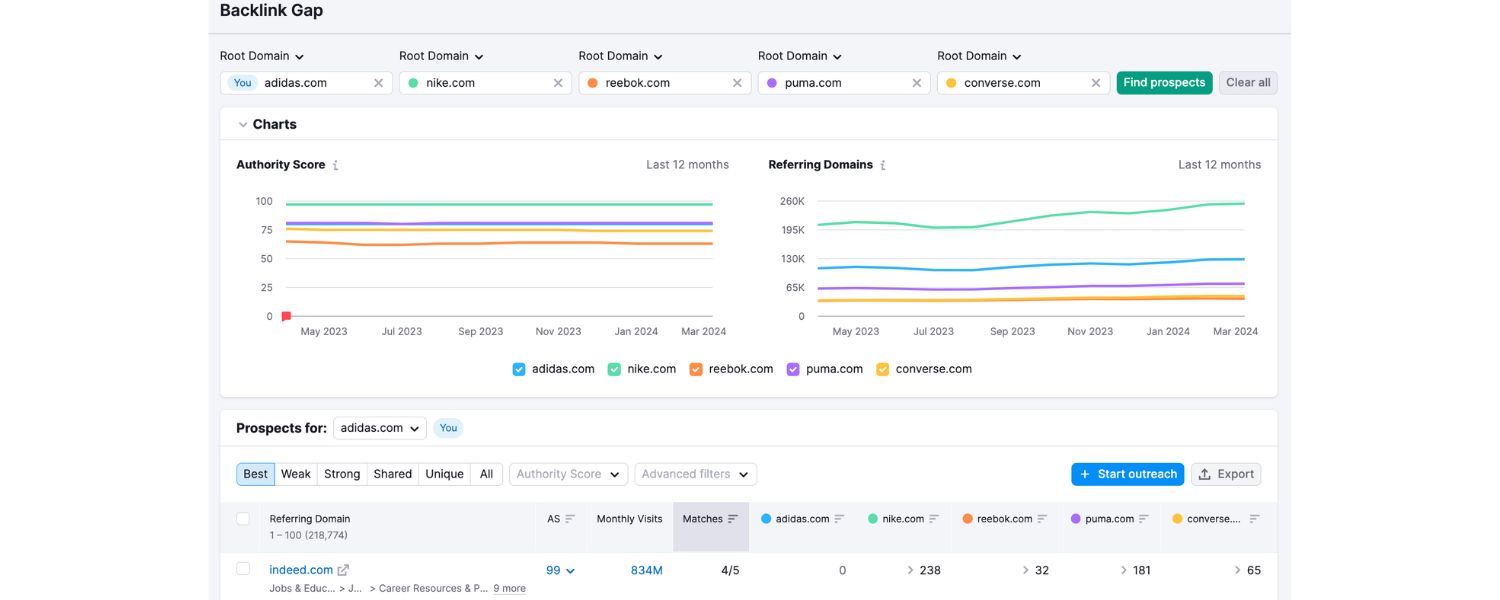
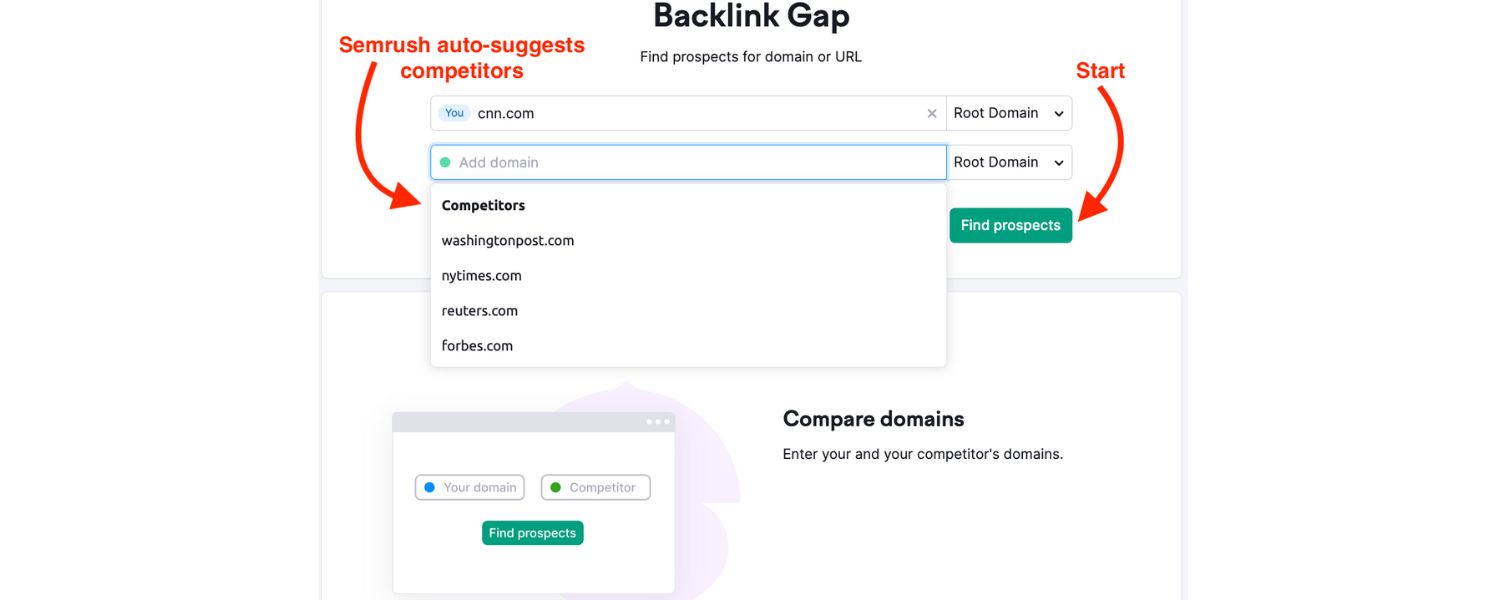
Semrush’s “Backlink Gap” tool or Moz’s “Link Intersect” allow you to compare multiple competitors at once to find sites that link to at least two of your competitors but not you – those are prime targets, as they clearly are open to linking to sites like yours.
C. Analyze Link Types
For each interesting backlink, ask: Why did they get this link? Was it a guest post? Listed on a resource page? A product review? Perhaps a mention in a news article? Categorize the opportunities:
D. Directories/Resource lists
If competitor A is on “Top 10 [Niche] Sites” blog post, you try to get included (we covered that).
E. Press/News
If competitor B got featured in “[Local News] about startups”, maybe you pitch a story to the same outlet.
F. Guest posts
You see competitor C wrote an article on SomeBlog.com – you can approach that blog to contribute as well.
G. Forum/Community links: Perhaps competitor D is heavily discussed on a forum (and linked). You could participate legitimately in that community so your brand gets mentioned (without astroturfing).
H. Scholarship links or sponsorships
If you notice .edu links or weird patterns, competitor might be doing scholarship link building or sponsoring events.
I. Prioritize by Relevance and Authority
Not every link your competitor has is worth chasing. Some may be spammy or irrelevant, you don’t need those. Look for high-authority domains linking to multiple competitors (this signals a strong relevant site).
If 3 of your competitors all have a link from, say, “FashionBloggers.co”, that’s screaming for you to also engage with (maybe they have a guest column or a directory). As cited earlier, focusing on sites that link to 2+ competitors increases odds they’ll link to you because they clearly don’t have an exclusive tie to one brand.
J. Approach the “Gap” Sites
For each promising domain, form a strategy. If it’s a blog, read it, see if they accept guest posts or could review your product. If it’s an industry portal, sign up or submit. If it’s an organization, maybe join it or get listed as a member.
Use what you gleaned from competitor context: e.g., if competitor’s link is from a blog review, you might email, “I saw you reviewed [Competitor]’s product – since you cover this space, you might be interested in checking out what we at [YourBrand] are doing, we offer XYZ, happy to send a sample.”
K. Monitor New Links
Link building is ongoing. Set up alerts or periodically re-run competitor backlink checks. If they launch a new campaign or content piece and get links, you want to know. It could reveal a tactic you haven’t tried.
Also watch for lost links, if a competitor’s link gets broken or removed, that might be an opening for you to pitch yourself (e.g., a news site had linked to competitor’s infographic which now is 404, you can step in as in broken link building).
L. Avoid 1-to-1 Copying
The goal is to capture opportunities, but do add your unique value. Don’t just spam every site your competitor is on with “link to me too!” Instead, craft a tailored approach for each. Your success rate will be higher if you come off as considerate and adding value, not just piggybacking.
For example, if competitor wrote a guest article on a blog, you propose a fresh topic that hasn’t been covered yet, showcasing your expertise.
One more advanced tip:
Sometimes you’ll find competitors’ backlinks that you realistically can’t get (like if they have a link from a personal blog of the founder’s friend, etc.). That’s fine, skip those. Focus on the replicable and the gap where you can offer equal or better content/resources.
Competitor backlink analysis is powerful because it’s like having a roadmap drawn by others in your industry. They may have spent years building those links, you get to harvest the intel and catch up faster.
As a Semrush study suggested, adding the filter for sites linking to multiple competitors narrows it down to the most likely candidates It’s an efficiency hack, go where the path is already warm.
By filling the gaps and earning the links your competitors have (and then some unique ones of your own via the other strategies in this guide), you’ll gradually surpass them in backlink strength. Combined with superior content and on-page SEO, that’s how you overtake competition in search rankings.
Pro Tip:
Keep a spreadsheet of these competitor link opportunities, it helps track your outreach and successes. Over time, you might build relationships with the same sites your competitors did, effectively neutralizing their link advantage and establishing your site as equally, if not more, connected in the industry link graph.
Conclusion: A Holistic Link Building Strategy for E-commerce
We’ve covered a wide array of e-commerce link building tactics, from content creation and PR stunts to technical fixes and competitor spying. The best approach is to combine multiple strategies into a cohesive plan that fits your business’s resources and goals. By doing so, you’ll cover all bases and maximize your store’s visibility on search engines.
Remember to diversify your efforts: create valuable content on your site, pitch guest posts to others, build relationships with influencers and partners, and keep an eye on low-hanging fruits like directories and unlinked mentions.
Each link you earn is a long-term asset that strengthens your site’s authority and search rankings. And while link building takes time and consistency, the payoff, sustain comes, is well worth it.
Now it’s time to put these strategies into action. Start by prioritizing a few tactics that align with your strengths (maybe you have a great content writer for blogging, or connections for PR outreach) and gradually expand.
Track your results, stay patient, and adjust your approach as needed. Over the coming months, you’ll likely see your backlink profile grow and your Google rankings climb as a result.
Need a Boost? If you feel you don’t have the time or expertise to execute an aggressive link building campaign, you can always consult with an e-commerce SEO agency to help. The important thing is to get started – every quality link is a step toward greater search visibility and e-commerce success. Good luck, and happy link building!

Why Roseville Startups are Choosing Offshore Marketers to Scale Smarter
Roseville is no longer just a quiet suburb of Sacramento;...
What Is PPC? A Practical Guide to Pay‑Per‑Click Advertising
Pay‑per‑click (PPC) is the “pay only when someone clicks” branch...

Google Search Issues Affecting Results in Some Regions
Google has confirmed a problem with one of its data...

Keyword Counts Dropped After Google’s num=100 Change
In September 2025, Google stopped supporting the &num=100 parameter. This...

Image SEO: Optimize Images for Higher Rankings & Traffic
Introduction Images make your website more engaging, but they can...


.png)
.png)
.png)
.png)
.png)

2024 ALL RIGHTS RESERVED MADE IN INDIA
.png)