
How to Do an SEO Competitive Analysis?
August 4, 2025
Introduction: Unlocking SEO Insights from Your Competition
In the battle for top Google rankings, your competitors are a goldmine of SEO insights.
Every website outranking yours holds clues about what Google values, from the keywords they target to the content they publish and the backlinks boosting their authority.
Understanding how to do SEO competitive analysis is the key to uncovering these clues and using them to your advantage.
According to industry research, over 68% of online experiences begin with a search engine. This means SEO is often the first touchpoint for potential customers, and if your competitors consistently rank higher, they’re siphoning off traffic and opportunities.
By analyzing your rivals’ SEO strategies, you can learn what works in your niche (and what doesn’t), replicate their successes, avoid their mistakes, and identify gaps you can exploit.
The result? A data-driven roadmap to improve your own site’s visibility, traffic, and conversions. In this guide, we’ll explain what SEO competitor analysis is and why it’s important.
Then, we’ll walk through a step-by-step competitive analysis process, from identifying your true search competitors to examining their keywords, content quality, on-page SEO, technical setup, and backlinks.
We’ll also highlight useful tools and pro tips along the way. By the end, you’ll be equipped to outsmart and outrank your competition using their own strategies as inspiration. Let’s dive in!
What Is SEO Competitor Analysis?
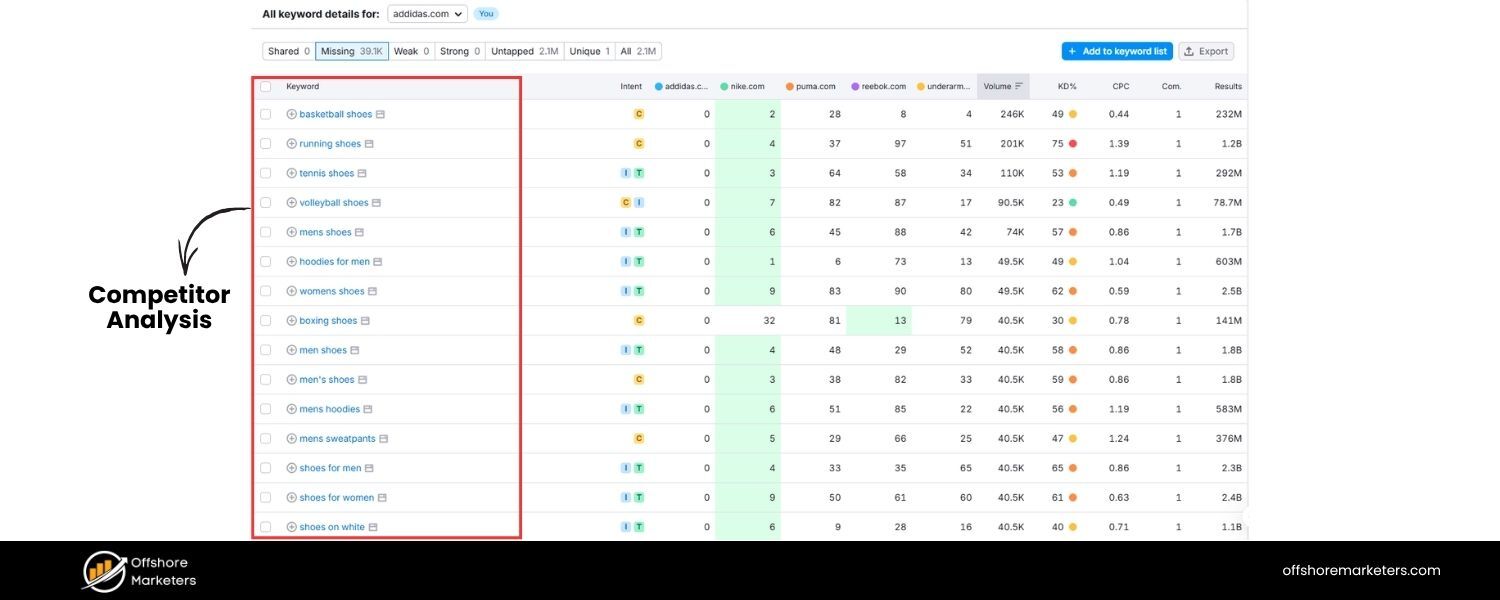
SEO competitor analysis is the process of researching and evaluating rival websites’ search engine optimization strategies and performance.
In simple terms, it means studying the websites that rank well for your target keywords to see how they achieved those rankings.
This involves looking at factors like:
A. Keywords: What keywords is the competitor ranking for? Which high-value search terms are driving their traffic?
B. Content: What type of content do they publish (blog posts, product pages, videos), and how in-depth or useful is it?
C. On-Page SEO: How are they optimizing title tags, meta descriptions, URLs, and headings for SEO?
D. Backlinks: How many backlinks (incoming links) do they have, and from what quality of sites? Backlinks remain a crucial ranking factor in Google’s algorithm.
E.Technical SEO: How is their site performance – e.g. site speed, mobile-friendliness, and Core Web Vitals – compared to yours?
Essentially, an SEO competitive analysis lets you peek “under the hood” of competing websites to learn the tactics and optimizations contributing to their search success.
Importantly, note that your SEO competitors aren’t always the same as your business competitors.
In some cases, a site that sells no similar products can still be an SEO competitor if it ranks above you for relevant searches.
For example, a popular blog or industry publication might outrank an e-commerce site on informational keywords, thereby siphoning traffic.
So, you need to cast a wide net when identifying whom to analyze (more on that in the next section).
Why Is SEO Competitor Analysis Important?
Performing regular SEO competitor analyses is vital for several reasons:
1. Uncover Winning Strategies
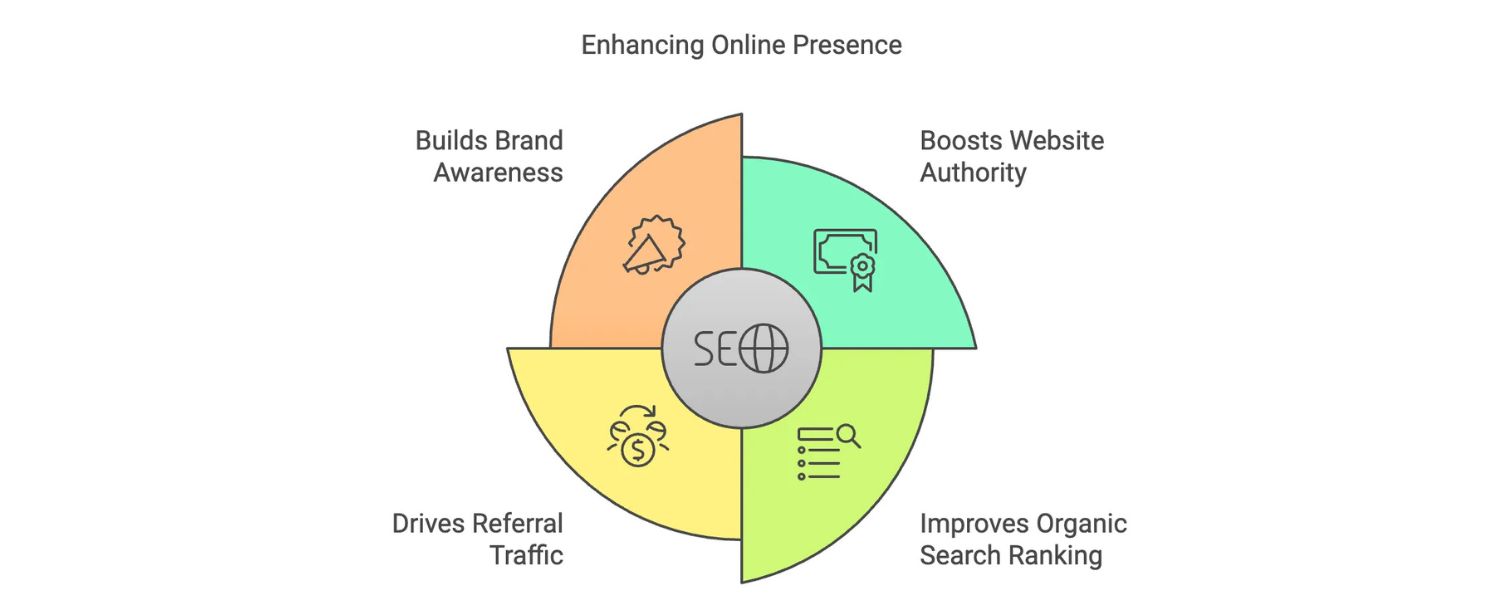
By seeing what currently works for top-ranking sites, you can discover proven SEO strategies and replicate them (in improved form) on your own site.
This takes the guesswork out of SEO, you’re basing decisions on real competitor data.
2. Identify Gaps and Opportunities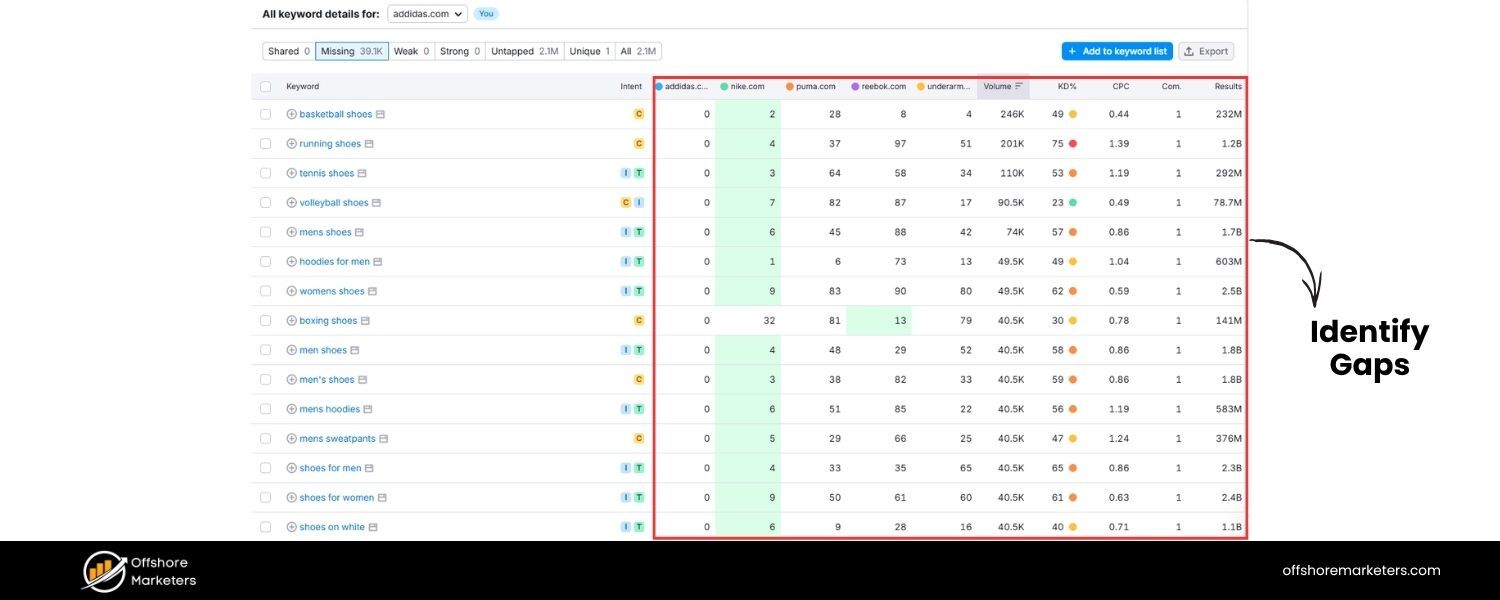
Analyzing competitors often reveals keyword gaps, terms your rivals rank for that you haven’t targeted.
It also highlights content topics you haven’t covered and backlink sources you haven’t tapped. These gaps are opportunities for quick wins once you address them.
3. Learn from Their Weaknesses
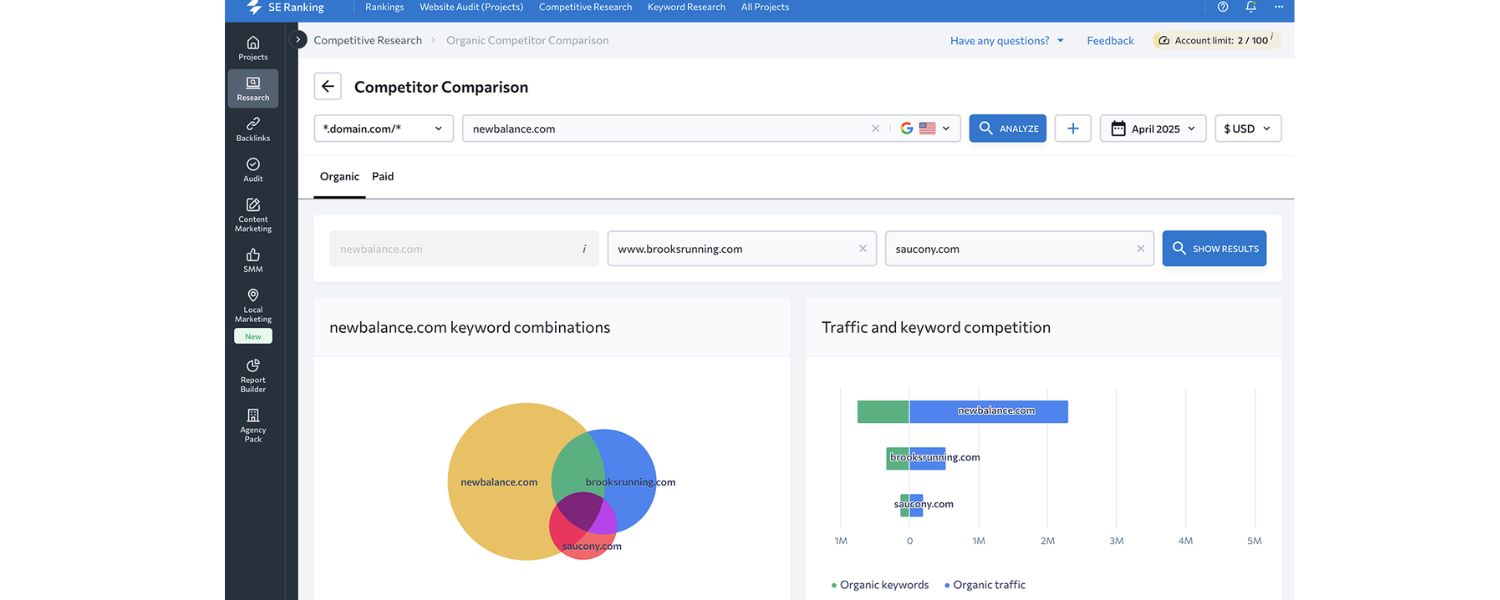
No competitor is perfect. An audit might expose rivals’ weak spots, for instance, thin content, slow page speed, or missing backlinks, that you can capitalize on.
Their weakness can become your advantage if you do better in those areas.
4. Benchmark Your Performance
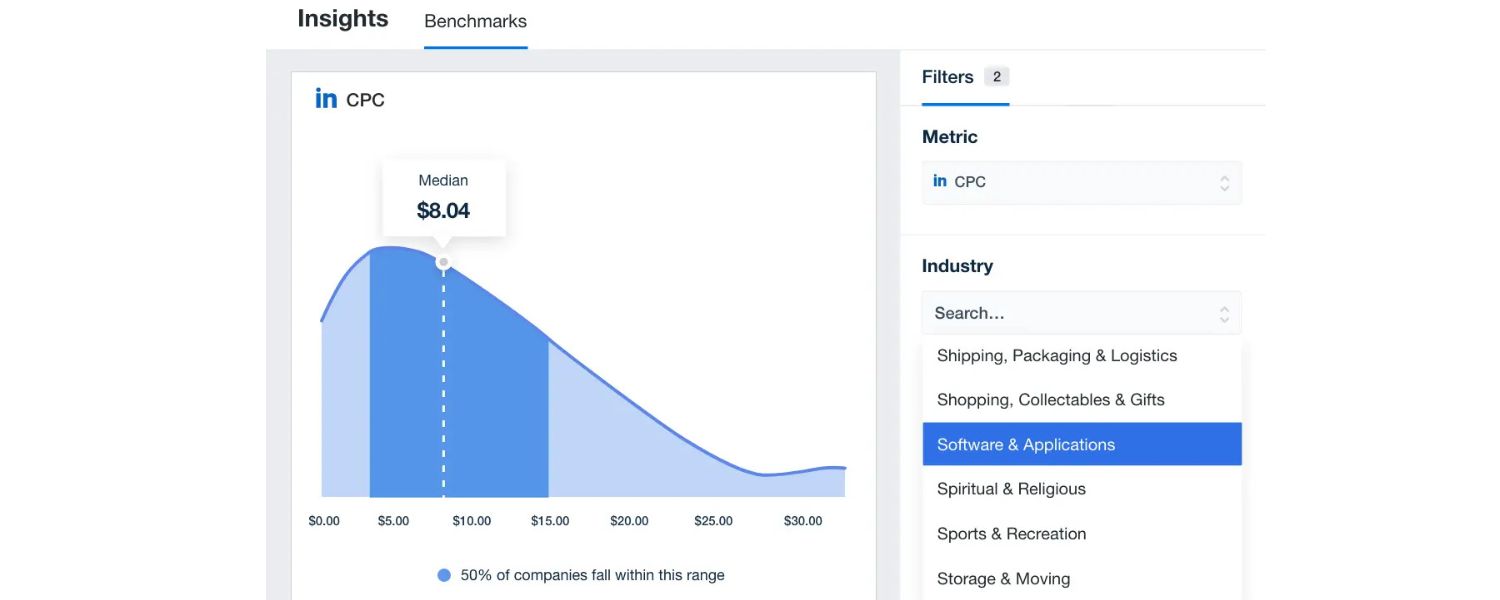
SEO is relative, your progress is measured against others. A competitor analysis provides a benchmark for your current SEO performance.
You can measure how far ahead (or behind) you are in terms of content quality, authority, and other metrics, and track improvements over time.
5. Prioritize Your SEO Efforts
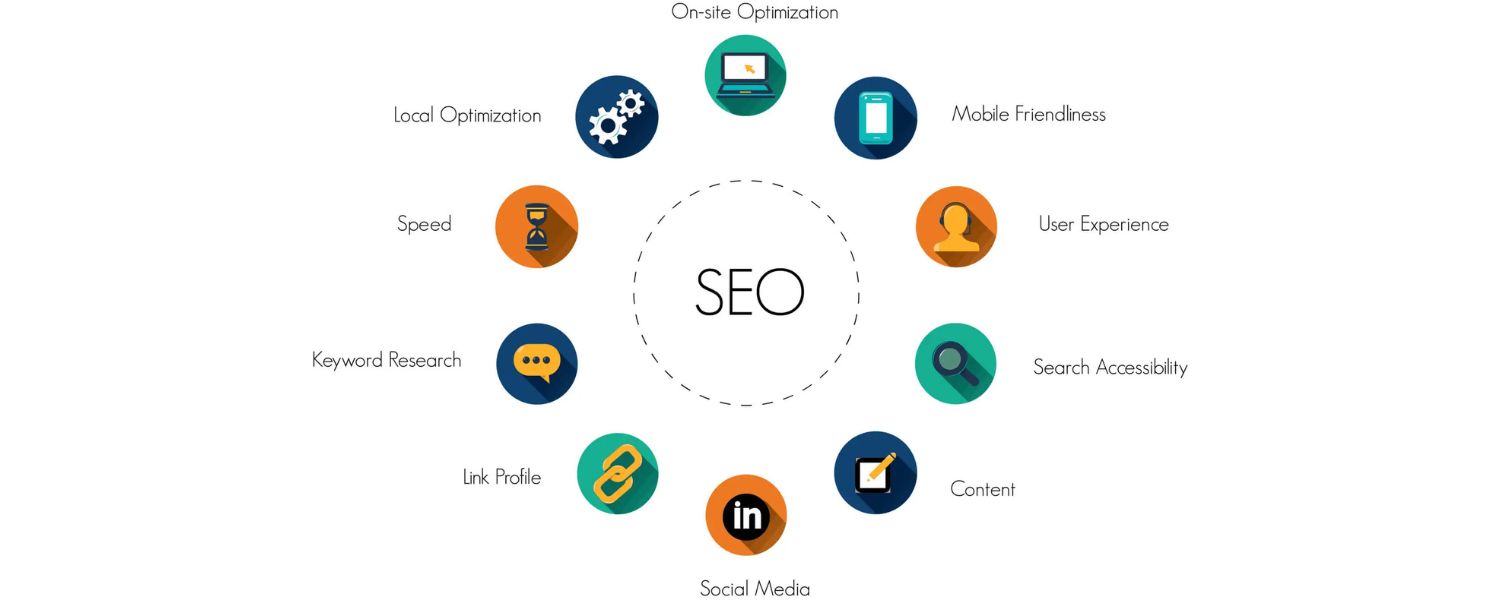
By understanding what factors are helping competitors rank, you can prioritize high-impact SEO tasks for your own strategy.
For example, you might realize that backlinks are the main differentiator in your niche, and decide to invest more in link building if competitors have a stronger link profile.
6. Outrank Competitors & Grow Traffic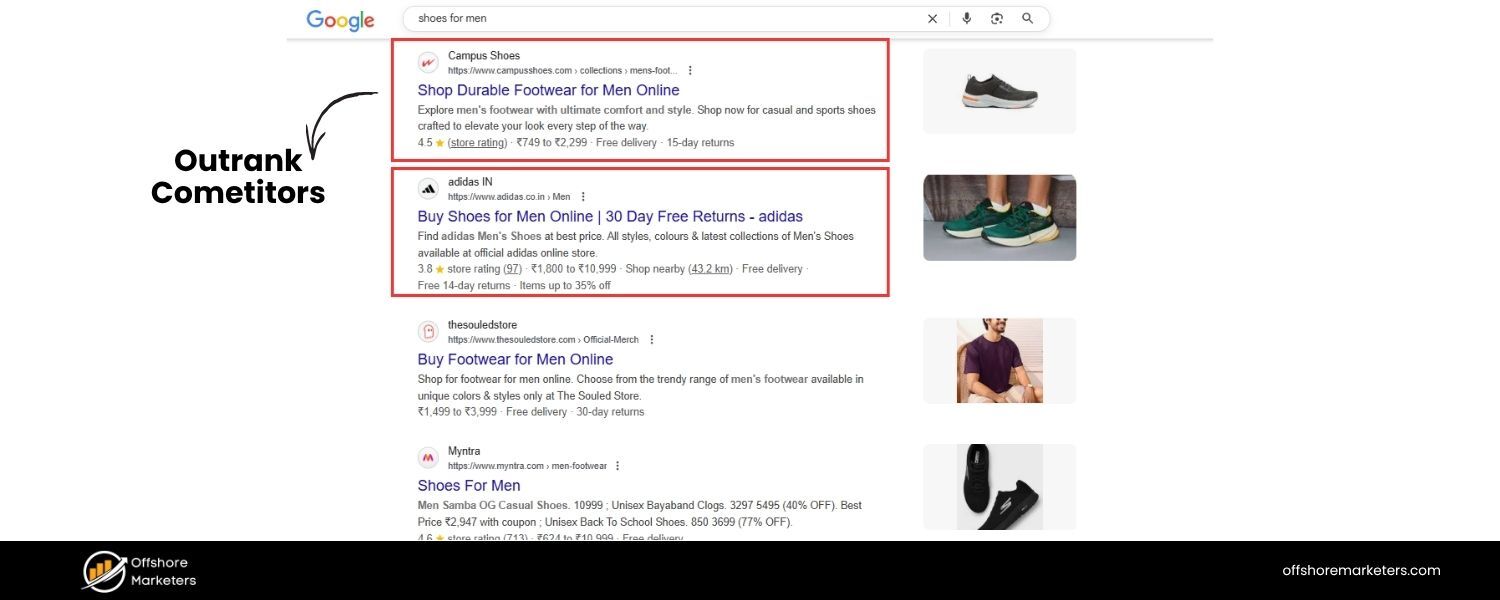
Ultimately, the goal is to translate insights into actions that help you outrank rival sites on search results.
A thorough competitor analysis can boost your brand’s search visibility, bring in more organic traffic, and even increase market share in your industry.
By studying competitors’ SEO, you essentially fast-track your own learning. Instead of starting from scratch, you build upon the collective knowledge of your market.
This is why SEO experts recommend conducting competitor analyses not just once, but at regular intervals.
When (and How Often) Should You Do an SEO Competitor Analysis?
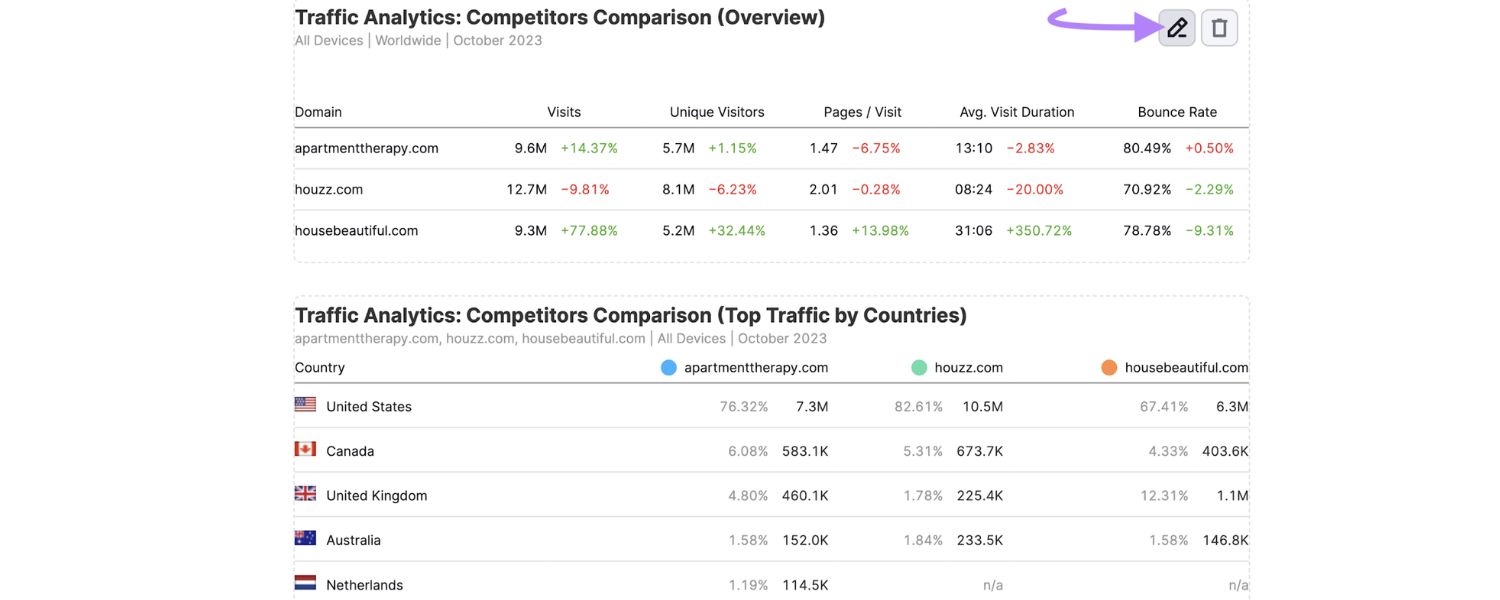
Timing is important. You should perform an in-depth SEO competitor analysis in scenarios such as:
1. At the start of a new project or website
If you have a brand new site or are entering a new niche, analyzing established competitors reveals the baseline standards you need to meet or exceed in content, keywords, and site quality.
2. When planning your content or SEO strategy
Early in strategy development, use competitor data to guide your keyword targeting and content calendar.
This ensures your strategy aligns with what the audience is searching for (and what competitors are succeeding with).
3. If your rankings or traffic take a dip
Noticed a competitor suddenly leapfrogging you in Google, or a drop in your own rankings? That’s a good time to investigate what changed.
A competitor analysis after a rankings decline can help pinpoint if a rival improved their site or if there are new content pieces or backlinks giving them an edge.
4. Before launching new products or content
Prior to rolling out a new product line or major content piece, check out the SEO landscape.
See how competitors in that space are performing so you can position your new pages to compete well from day one.
5. On a regular schedule (e.g. quarterly)
SEO is dynamic, competitors update content, Google changes its algorithm, and new sites emerge. It’s wise to audit your top competitors every 3-6 months.
Regular check-ups ensure you catch shifts in competitor strategies or new opportunities in your niche and adjust quickly.
Think of SEO competitor analysis as an ongoing cycle, not a one-time task. Next, let’s get into the step-by-step process to actually perform this analysis effectively.
How to Do an SEO Competitive Analysis (Step-by-Step)
Now we’ll walk through how to perform an SEO competitor analysis, step by step.
This process will help you systematically identify who to analyze, what data to gather, and how to interpret the findings to improve your own SEO strategy.
1. Identify Your True SEO Competitors
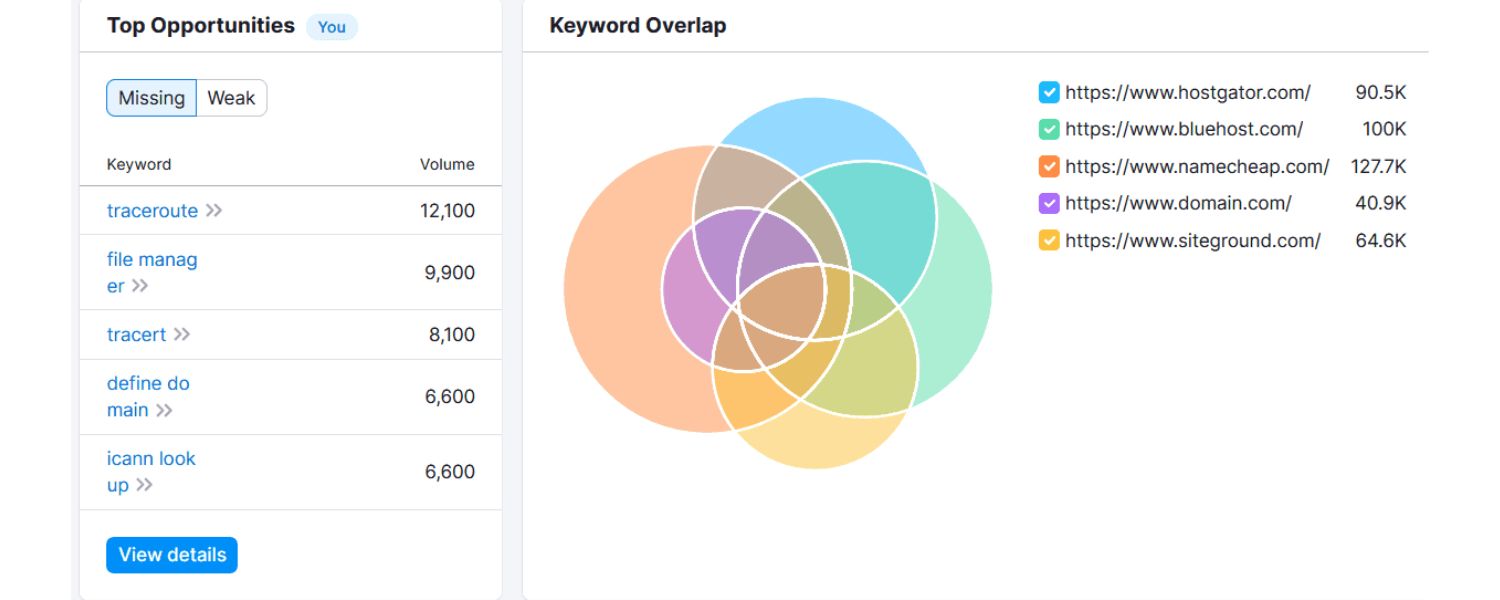
The first step is to figure out which websites you should analyze. These are your “SEO competitors” – sites that compete with you for search engine rankings, even if they aren’t direct business competitors.
To identify them:
A. Brainstorm and Search
Start by searching Google for your main keywords (the queries most important to your business) and note which domains consistently appear in the top results. Those are clearly doing something right for those terms.
B. Use SEO Tools
For a more data-driven approach, use an SEO tool’s competitor discovery feature.
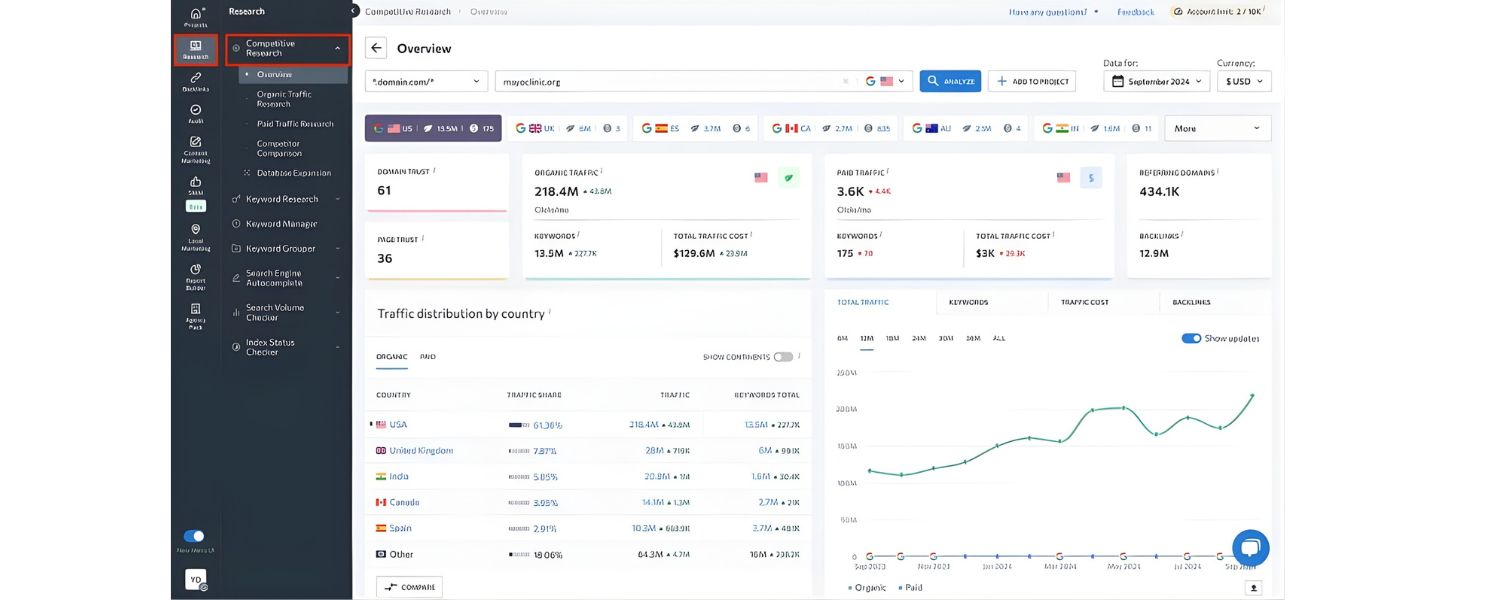
For example, Semrush’s Organic Research tool or Ahrefs’ Site Explorer can list your domain’s biggest organic search competitors – i.e. sites with many keywords in common with yours.
These tools often reveal competitors you hadn’t considered. (If your site is new and has little data, you can input a larger site in your niche or use keyword research tools to find top-ranking sites for relevant terms.)
C. Consider Industry and Location
Include competitors that offer similar products/services, target the same audience, or operate in the same region – provided they also have a strong search presence.
For local SEO, for instance, a company in your city serving the same needs is an SEO competitor if they rank for local terms you want.
D. Match Competition to Your Level
It’s wise to analyze a mix of slightly above, on par, and aspirational competitors.
If you’re a small site, you might not glean much by comparing to Amazon or Wikipedia – their scale is too different.
Instead, find competitors with a domain authority or site size reasonably close to yours, as well as a few leaders in your space to learn from.
Pro Tip:
Don’t overlook “content competitors.” These might be blogs, forums, or informational sites that rank for your target keywords without selling products.
For example, a DIY blog could outrank a hardware store site for a tutorial query. Include such sites in your competitor list since they’re capturing the search traffic you want.
By the end of this step, you should have a list of perhaps 5–10 key competitor domains to investigate. Now the real sleuthing begins!
2. Analyze Competitors’ Keywords and Identify Keyword Gaps
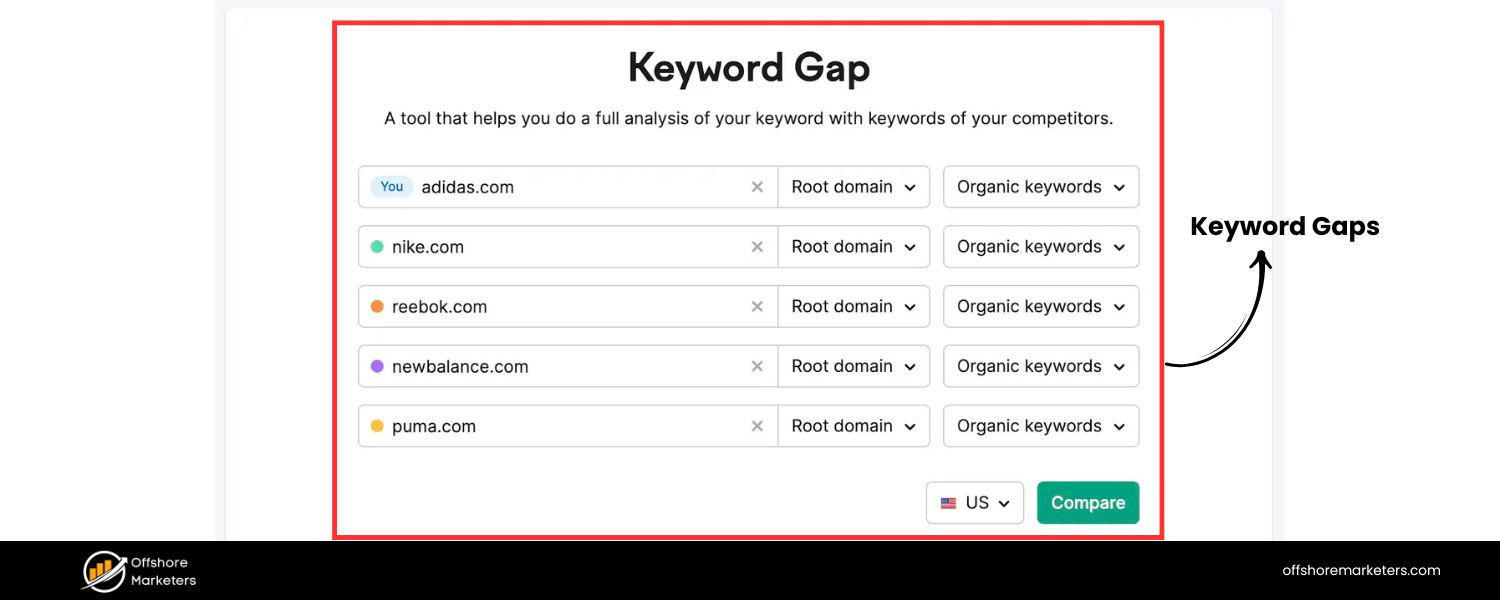
Once you have your competitor list, the next step is to dive into keyword analysis.
This will reveal what search terms are driving traffic to competitor sites and uncover gaps where you have opportunities.
Here’s how to analyze competitor keywords:
A. Find Their Top Ranking Keywords
Using SEO tools (like Ahrefs, Semrush, Moz, etc.), input a competitor’s domain and look at its organic keywords report.
Identify which keywords they rank highly for, especially those in the top 10 positions on Google. Pay attention to keywords that have substantial search volume and are highly relevant to your business.
B. Look for Overlaps and Differences
Compare those keyword lists to your own site’s rankings. Which keywords do multiple competitors rank for that you don’t?
These are your keyword gaps – terms that your competitors rank for but you haven’t targeted yet.
For example, you might find all your competitors have a buying guide for “best budget smartphones” ranking on page 1, while you haven’t covered that topic at all.
C. Use a Keyword Gap Tool
To streamline this, tools like Semrush’s Keyword Gap or Ahrefs’ Content Gap feature let you enter multiple competitors and quickly see the list of keywords they rank for and you do not.
You can even filter for keywords where all your chosen competitors rank in the top 10 but you have zero presence, these are high-priority gaps to consider filling.
From this keyword analysis, make a list of high-potential keywords for your strategy.
Prioritize terms that have good search volume and business relevance, but where you currently have no (or poor) rankings.
These are the openings where creating new content or optimizing existing pages could quickly improve your visibility.
Also note any keywords where you rank, but competitors rank higher. Analyze why, do they perhaps have more comprehensive content or better on-page optimization for those terms?
We’ll explore content analysis next, which will help answer such questions.
3. Examine Competitors’ Content Strategy and Top-Performing Pages
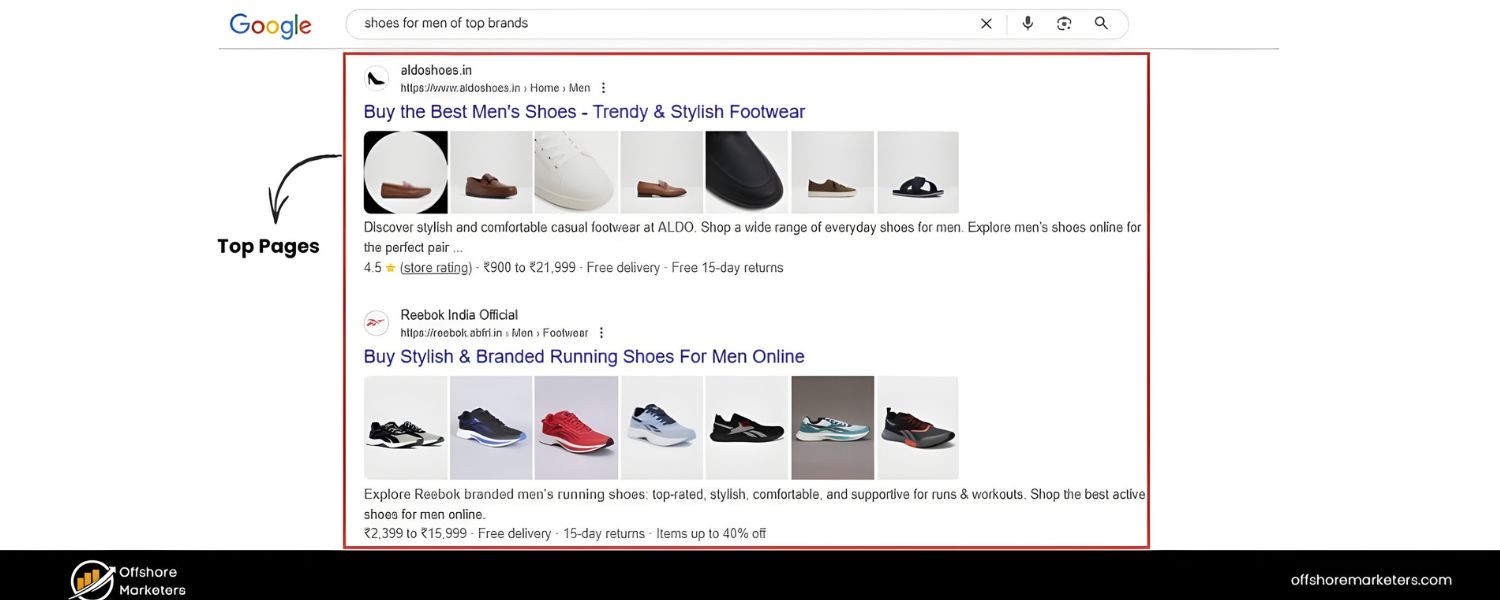
Content is king in SEO, so a huge part of competitor analysis is understanding how your rivals use content to attract traffic.
You want to find out what their top-performing pages are and what makes their content resonate with both users and search engines.
Consider the following when analyzing competitor content:
A. Identify Top Pages
Look for each competitor’s pages that receive the most organic traffic. Many SEO tools provide a “Top Pages” or “Top Content” report that ranks a site’s URLs by estimated traffic.
Are the top pages blog posts, product pages, category pages, or something else? This shows you what kind of content format is winning in your niche.
For instance, if a competitor’s how-to blog posts consistently bring in the most traffic, that indicates searchers (and Google) value informational content in your space.
B. Observe Content Depth and Format
Open a few of those top pages and evaluate them critically.
How in-depth is the content? Is it a long-form article or a short piece? Does it include lots of images, videos, or data visuals? Is the writing style formal or conversational? Look for patterns.
For example, you might notice the top-ranking articles on a topic are comprehensive guides around 2,000 words with step-by-step instructions and custom infographics – a hint that this format is favored by the audience (and Google’s algorithm) for that query.
C. Assess Quality and E-E-A-T
Quality is subjective, but there are clues: Is the information accurate and up-to-date? Do the authors demonstrate Experience, Expertise, Authoritativeness, and Trustworthiness (E-E-A-T) in the content?
Google’s quality guidelines emphasize E-E-A-T, so content that cites credible sources, is written by subject matter experts, and provides unique value can have an edge.
Notice if your competitors are showcasing author credentials, adding original research or case studies, or earning lots of comments/shares – signs their content is resonating with readers.
D. Find Content Gaps
Beyond keywords, think in terms of topics. Are there content topics or questions that competitors have covered extensively but you haven’t (and vice versa)?
Perhaps every competitor has a “Beginner’s Guide” to something except you, or they have Q&A/FAQ pages addressing common customer queries that your site lacks.
These represent content gaps you can fill in your strategy.
As you gather these insights, start brainstorming ways to make your content better. The goal is not to copy competitors, but to one-up them.
If they have a 1,500-word article on a topic, you might create a 2,500-word guide that’s more up-to-date and includes expert quotes or videos.
If their product page has basic descriptions, you can add richer details, comparison charts, or user testimonials on yours.
By analyzing competitor content, you’ll quickly see what “bar” you need to clear to outrank them, and how to differentiate your content so it’s not a carbon copy.
Quick Win:
Check if competitors’ content is leaving readers’ questions unanswered. Read the comments on their blog posts or reviews of their resources.
Frequently asked questions or complaints can inspire new sections or spin-off posts for your own content that address those unmet needs, giving you a competitive content advantage.
4. Evaluate On-Page SEO Elements and Site Structure
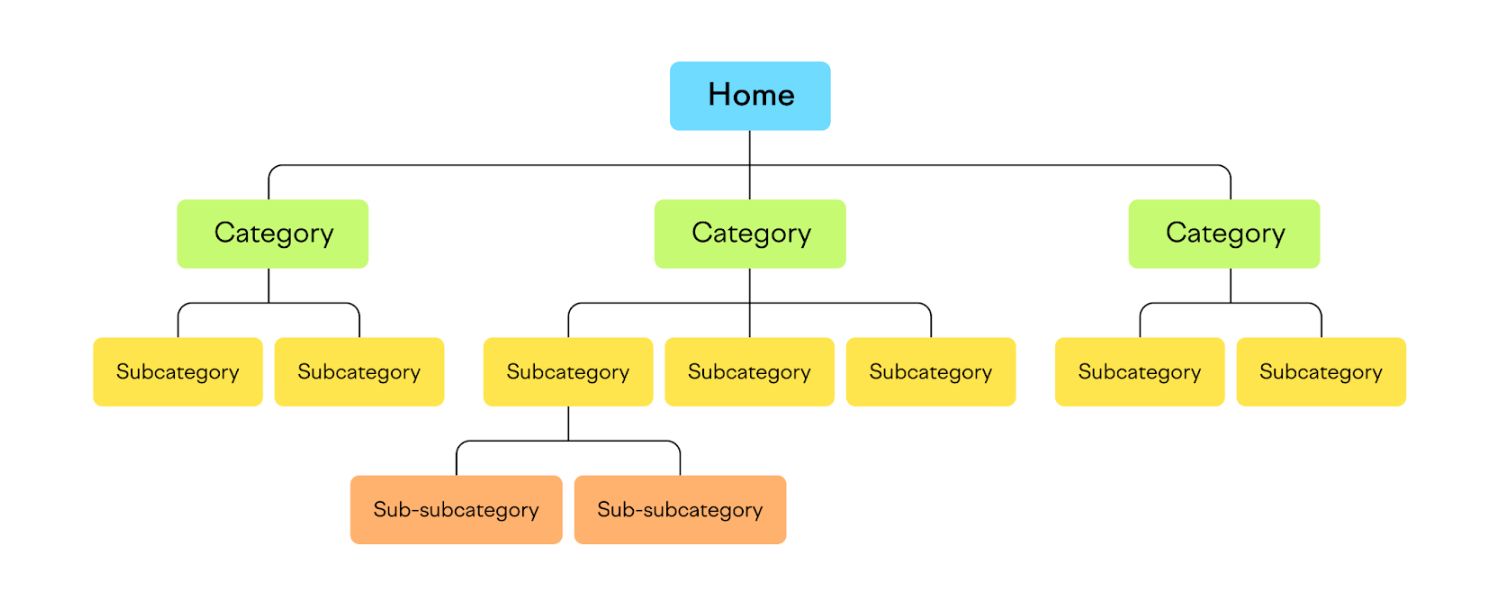
High-quality content alone isn’t always enough – how that content is optimized on-page can make a big difference in rankings.
The next part of your analysis is to compare critical on-page SEO elements and site structure between your site and competitors’ sites, especially on pages where they outrank you.
Key on-page factors to examine:
A. Title Tags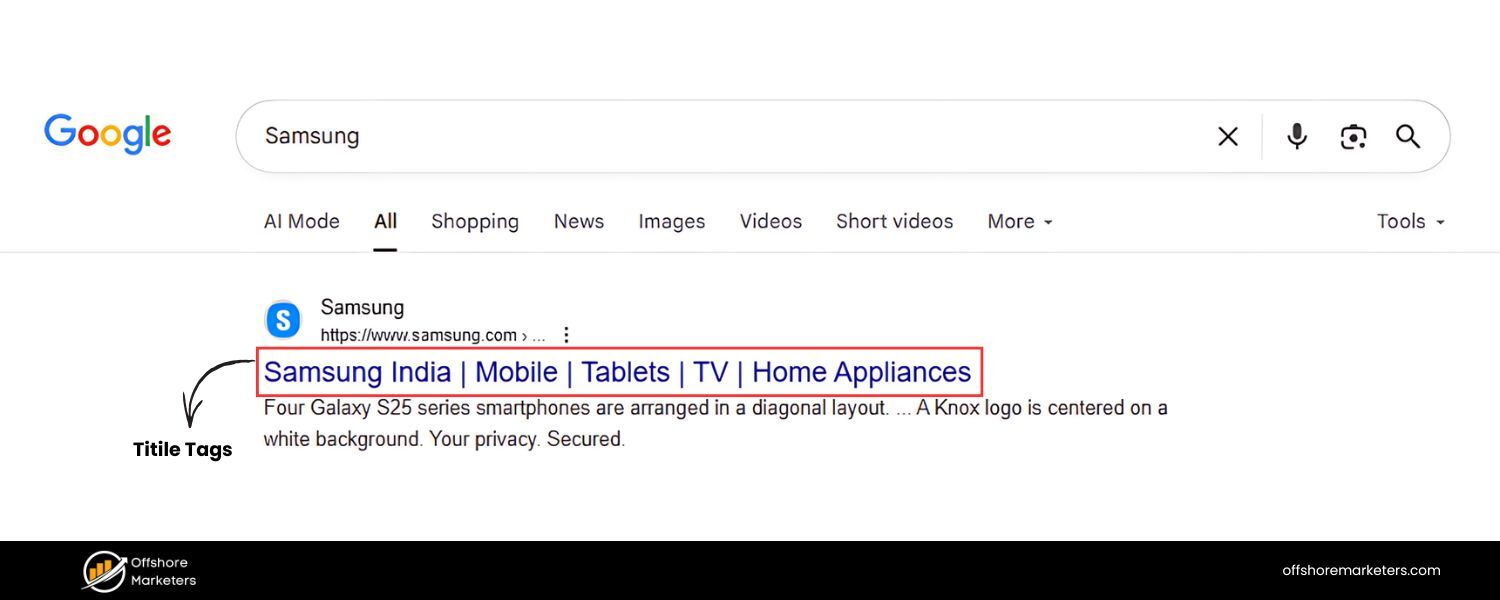
The title tag is a significant on-page ranking factor and the first thing users see in search results. Look at how competitors craft their title tags on high-ranking pages.
Do they include the target keyword (and is it near the beginning of the title)? Are they using compelling adjectives or “power words” like best, easy, free, 2025 etc., to entice clicks?
If your titles are missing keywords or are less catchy, that’s an area to improve.
B. Meta Descriptions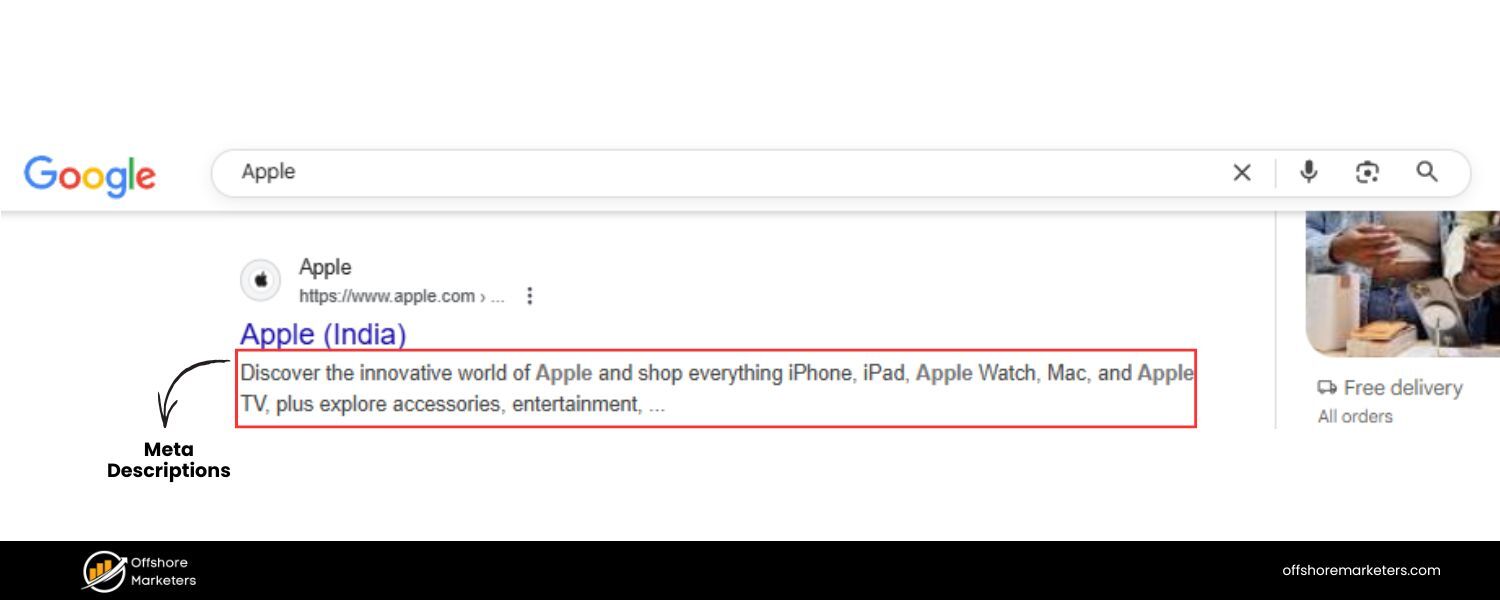
While meta descriptions aren’t a direct ranking factor, they influence click-through rates. See what your competitors write in their meta descriptions for key pages.
Do they include secondary keywords or a strong call-to-action? If you notice certain phrasing seems effective (e.g. “Learn how to…”, “Download our free guide…”), consider adapting similar tactics.
Don’t leave your meta tags blank or auto-generated – that’s a mistake many sites make which you can exploit by writing a better snippet.
C. URL Structure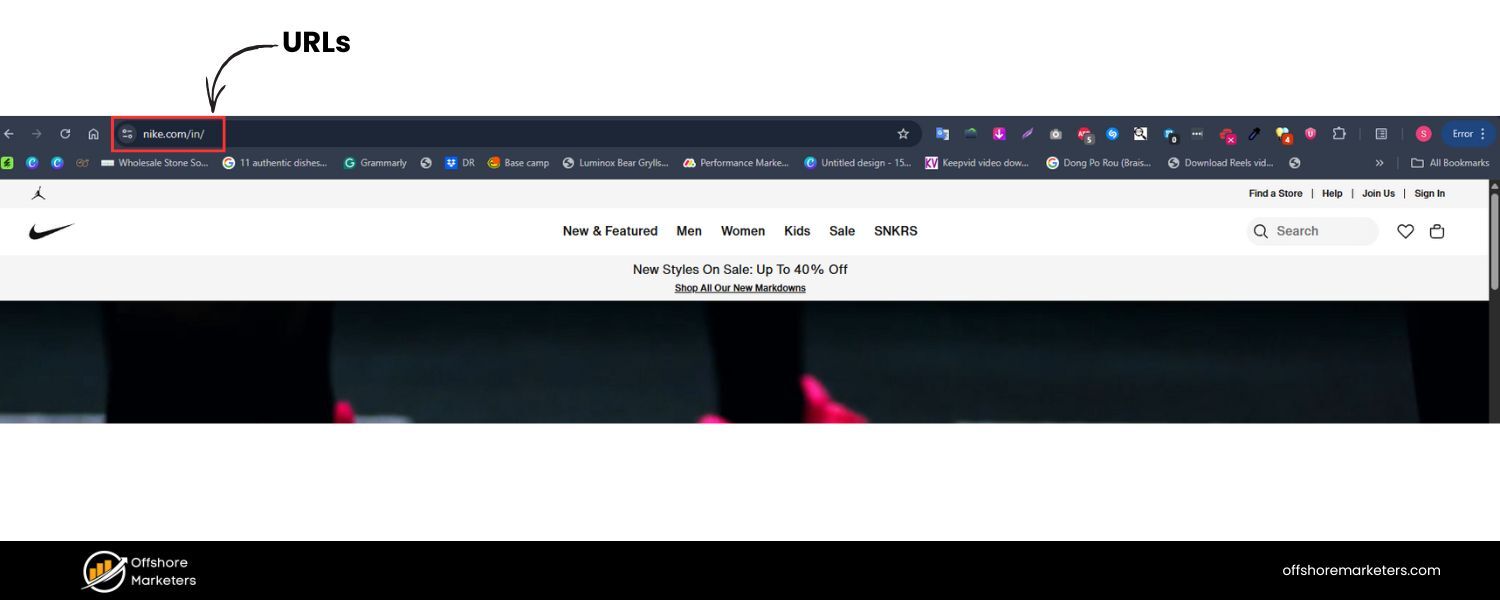
Examine the URLs of the top-ranking pages. Are they short and keyword-rich?
Well-structured URLs can hint at a site’s information architecture (e.g. example.com/blog/seo-competitor-analysis-guide is descriptive and organized).
If competitors use clean, readable URLs with the main keyword, ensure yours do too. A clear URL structure also helps users navigate and can improve click-throughs.
D. Headings and Keywords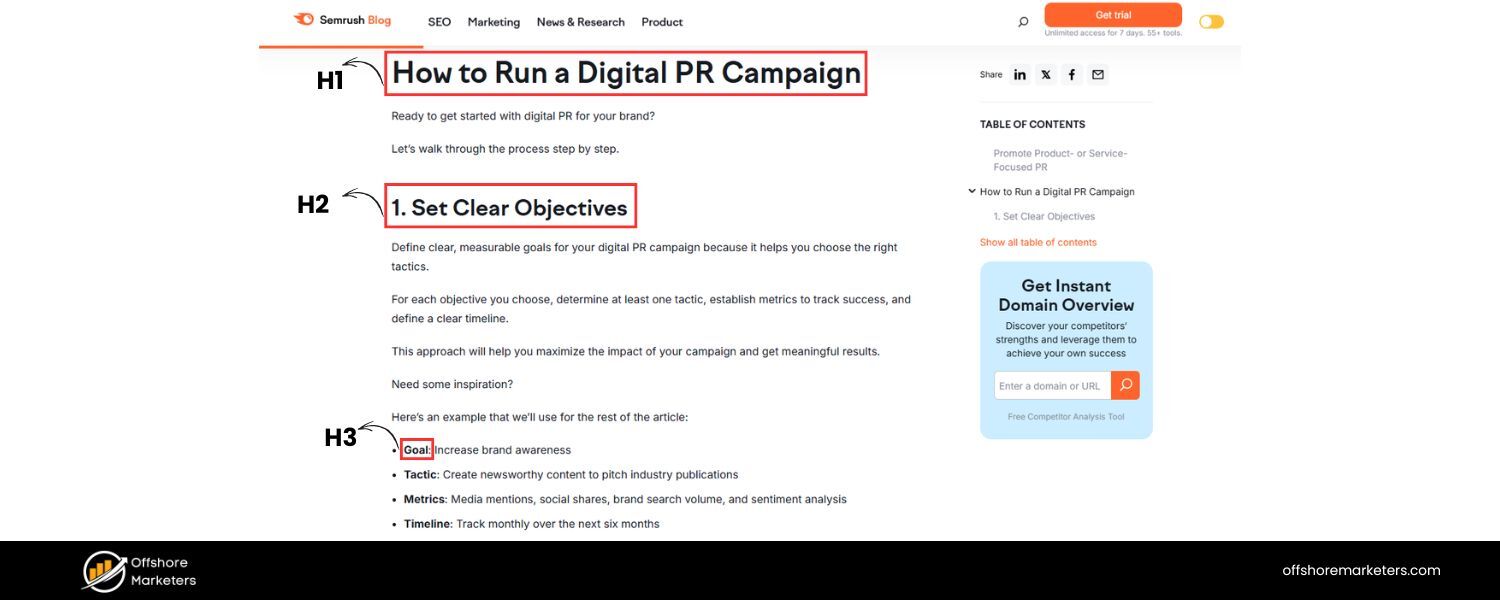
Check if competitors are using target keywords and related terms in their H1, H2, H3 headings within the content. Effective use of headings not only helps SEO but also makes content skimmable for readers.
You might find competitors cover subtopics (via headings) that you don’t, which could be why their content is seen as more comprehensive.
E. Internal Linking
While analyzing a competitor’s page, note how they link to other pages on their site. Strategic internal linking can pass authority and guide users to more information.
Perhaps your competitor has a well-structured “related articles” section or contextual links to pillar pages, keeping users engaged.
Compare that to your internal linking, you might discover you need to interlink your content on similar topics better.
F. User Experience Elements
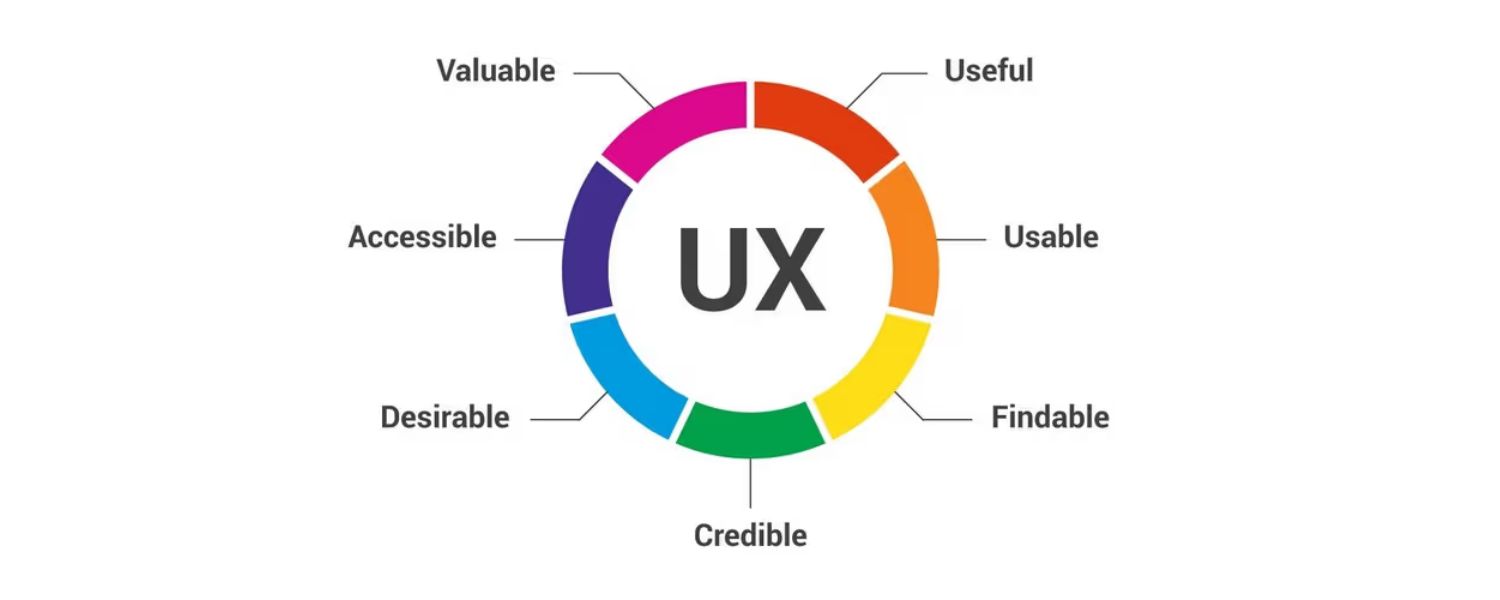
Pay attention to things like layout, use of images or infographics, and content readability (are they using bullet points, short paragraphs, bold highlights?).
If all the top pages have a certain UX pattern (for example, a quick summary box at the top, or an FAQ accordion), it could be that those elements help fulfill user intent better.
For instance, many high-ranking “how-to” articles include a quick step list or a video at the top, consider if your page should do the same to compete.
Performing this on-page comparison will often reveal quick fixes you can apply. Maybe you just need to rewrite some title tags or add a meta description to outdo a competitor’s snippet.
Or you might realize adding an image with optimized alt text could improve your relevance for a keyword where the competitor’s page has rich media.
Each small tweak can contribute to better SEO performance.
5. Compare Technical SEO Health (Site Speed, Mobile, and Core Web Vitals)
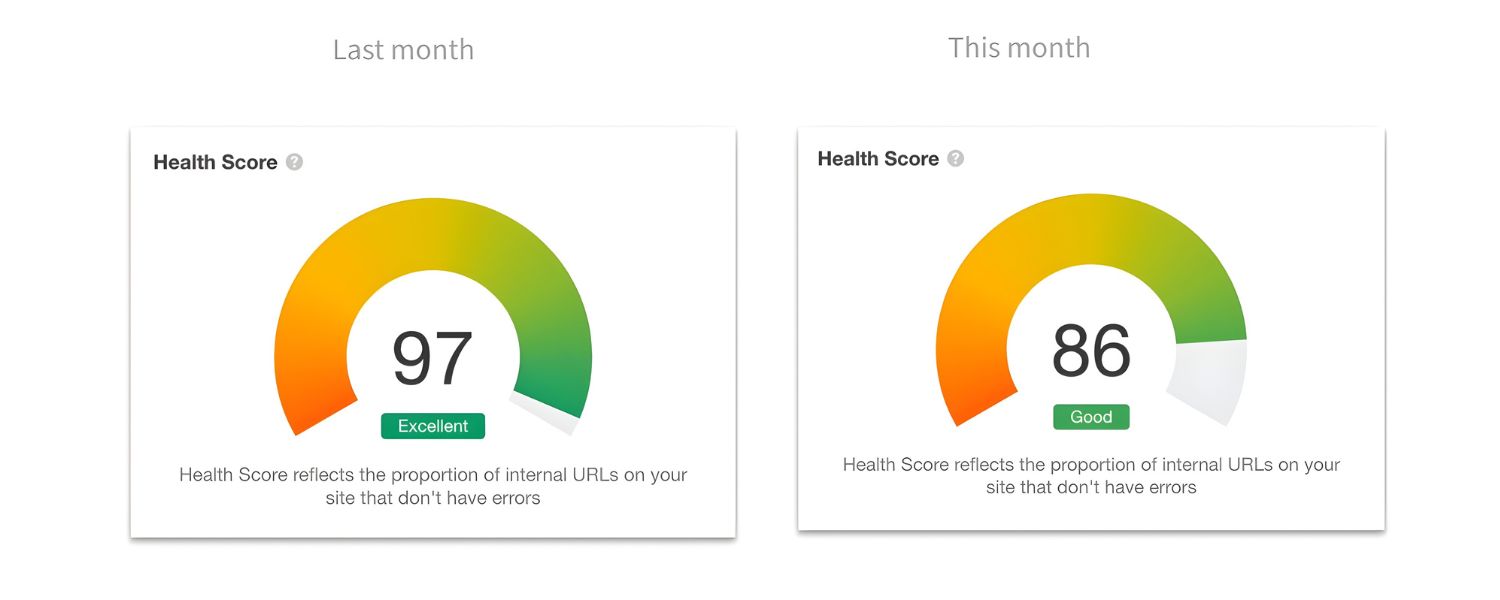
A site’s technical performance and user experience can significantly influence its SEO rankings.
Google has made this clear with metrics like Core Web Vitals (CWV), which measure loading speed, interactivity, and visual stability – all part of the Page Experience update and confirmed ranking factors.
So, another aspect of competitor analysis is checking how your site’s technical health stacks up against theirs.
Consider these technical factors:
A. Site Speed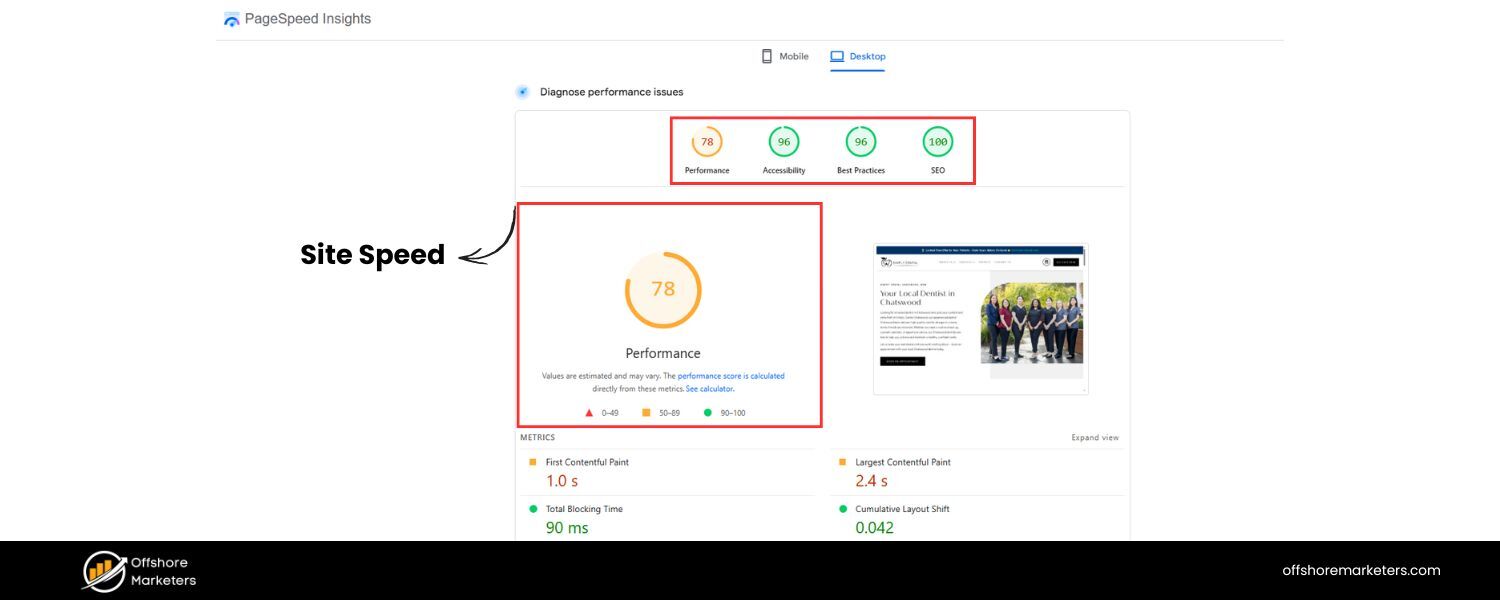
Use tools like Google PageSpeed Insights or GTmetrix to test a competitor’s page speed versus your own.
If their pages consistently load faster, especially on mobile, they may have an edge. Look at metrics like Time to Interactive or Largest Contentful Paint (LCP).
A significantly faster competitor site means you should invest in performance optimizations (compressing images, using a CDN, improving server response times, etc).
B. Mobile-Friendliness
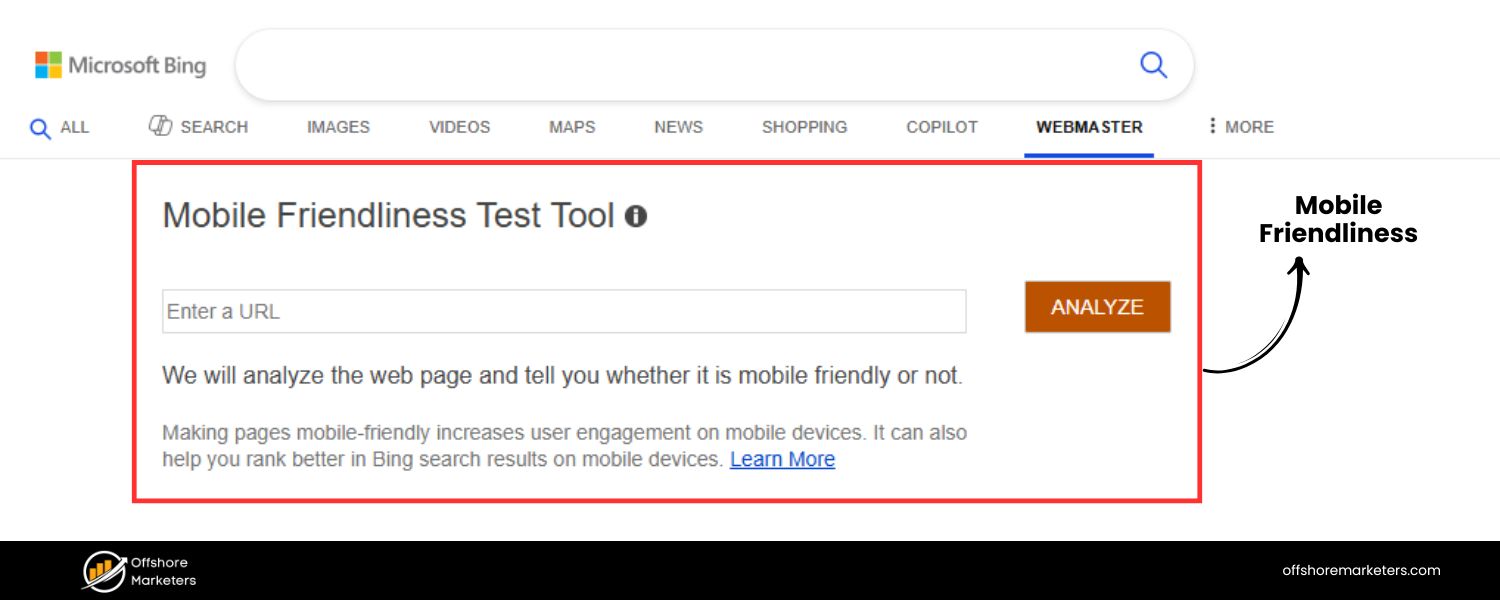
With the majority of searches happening on mobile devices, Google prioritizes mobile-friendly sites. Visit competitor sites on your phone or use Google’s Mobile-Friendly Test.
Are they responsive and easy to navigate on small screens? If a top competitor has a seamless mobile UX and you find your mobile experience lacking (e.g., text too small, buttons hard to tap), it’s a clear action item to fix.
Also note if they use any mobile-specific features, like AMP (Accelerated Mobile Pages) for faster loading.
C. Core Web Vitals
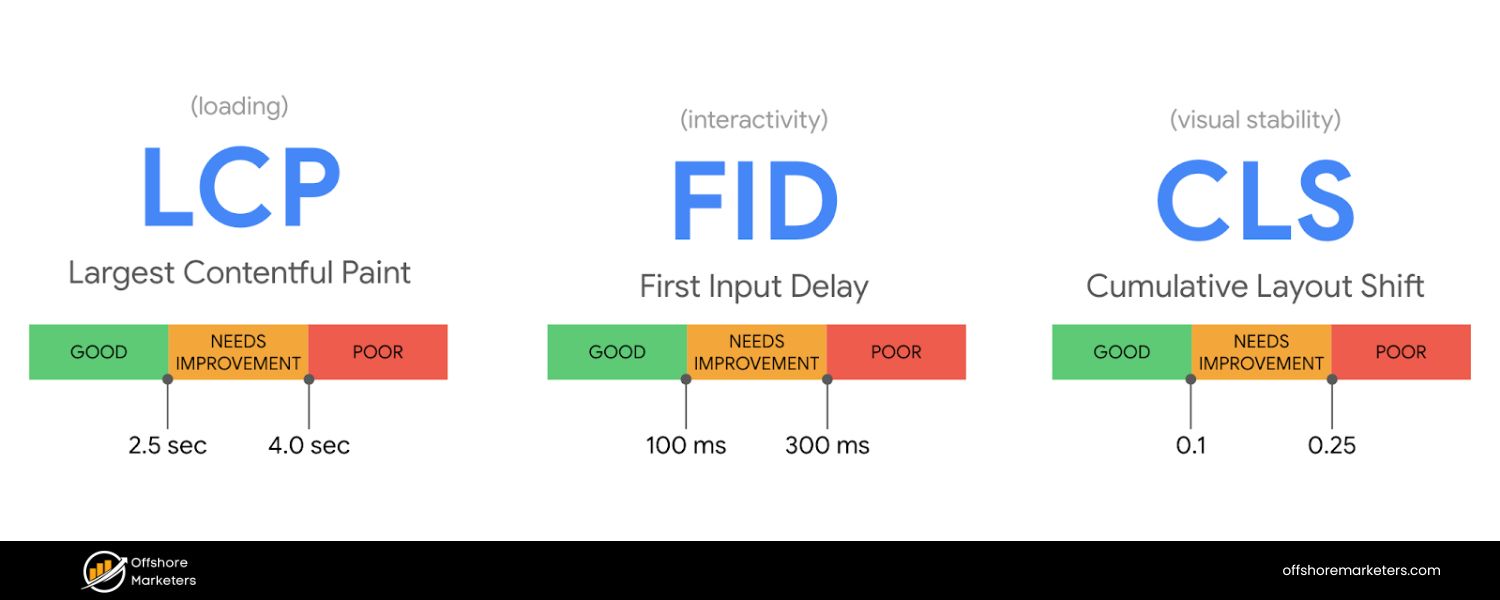
Check competitors’ CWV scores if possible. PageSpeed Insights will show Core Web Vitals data for any URL (if available from Chrome users).
Compare metrics like LCP, First Input Delay (FID), and Cumulative Layout Shift (CLS) for your page vs. theirs.
If your competitor is passing all CWV thresholds and you’re not, it could affect rankings, Google rewards sites that meet its Page Experience standards.
D. Site Errors and Indexing

You can get a sense of a competitor’s site health by looking at their XML sitemap and using tools like Screaming Frog or the Google Search Console Index Coverage report (for your own site).
While you won’t have access to their GSC, you could spot obvious issues, for instance, if a competitor has a lot of broken links or missing HTTPS on pages (just manually check a few pages for https:// vs http://) .
Ensuring your site is free of crawl errors, uses secure HTTPS everywhere, and has a logical sitemap structure can help you match or exceed the technical cleanliness of competitor sites.
In short, if you find technical weaknesses on your site (slow load times, poor mobile layout, many errors) that competitors have evidently solved, those should move to the top of your SEO to-do list.
Technical SEO might not be glamorous, but it can make the difference in a close competition. Google’s algorithm might demote a slow, clunky site below a fast, smooth one, all else being equal.
Note:
Some aspects of technical SEO competitor analysis require inference.
You can’t directly see a competitor’s Google Search Console data, but you can crawl their site (as a user) and monitor things like their site architecture.
For example, use a tool to map out their site structure – see how they categorize content, how deep their important pages are in the hierarchy, etc.
A well-structured site can distribute “link equity” efficiently. If a competitor’s important pages are all one click from the homepage and yours are buried five clicks in, that could affect SEO.
6. Investigate Backlinks and Link Gaps
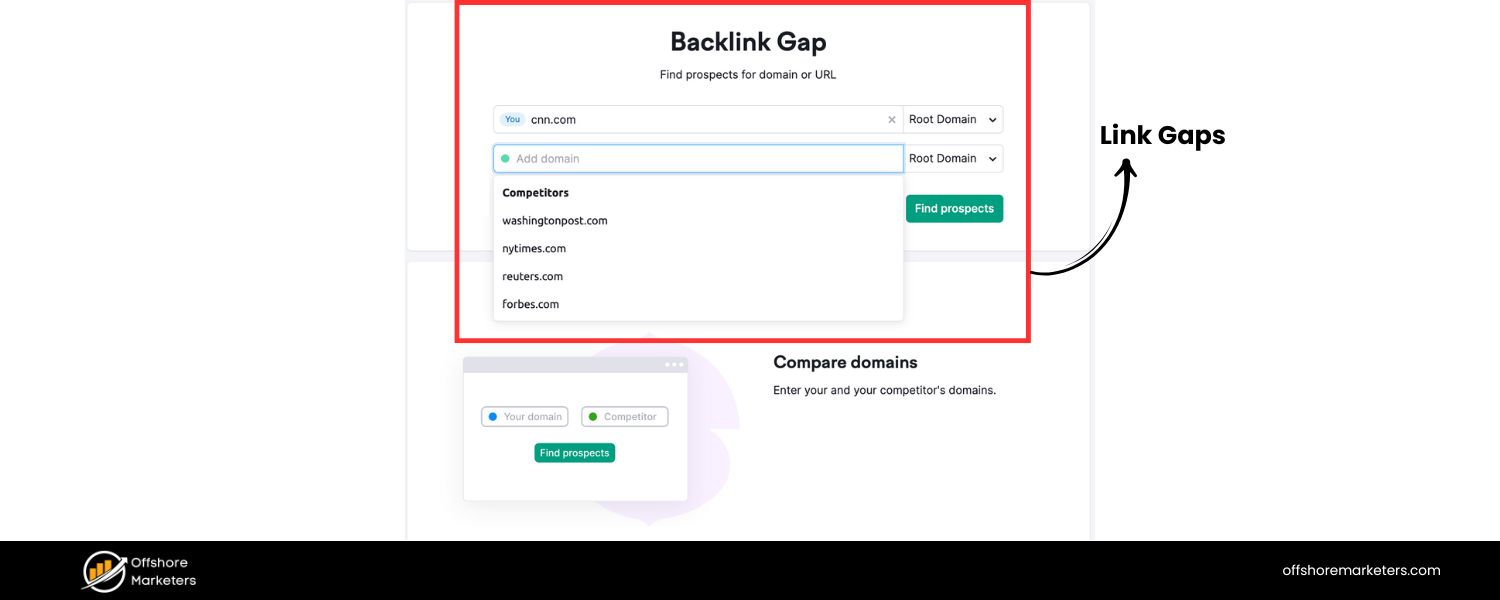
Backlinks, Links from other websites pointing to your site, remain one of the strongest ranking signals in Google’s algorithm.
A competitor with a robust backlink profile may outrank you even if your content is equally good, simply because Google sees more authority and trust flowing to them via external links.
That’s why analyzing competitor backlinks is crucial.
Here’s how to approach backlink analysis:
A. Audit Competitors’ Backlink Profiles
Using tools like Ahrefs, Semrush, or Moz Link Explorer, inspect the backlink profile of each major competitor.
Look at metrics such as the number of referring domains, the quality of those domains (e.g., their authority scores), and the anchor texts commonly used.
If a competitor has hundreds of backlinks from high-authority sites (news outlets, .edu or .gov sites, well-known industry blogs) and you only have a dozen mediocre links, that’s a sign you need to ramp up link-building efforts.
B. Find Backlink Gaps
Similar to keyword gaps, you should identify link gaps, sites that link to your competitors but not to you.
Many SEO tools offer a “Link Intersect” or “Backlink Gap” feature: you input several competitor domains and your own, and the tool lists websites that are giving backlinks to the competitors and not you. These websites are prime targets for your own outreach.
For instance, if you discover that industryblog.com links to three of your competitors’ articles but has never linked to your site, you can approach them with your superior content on that topic and request a link or guest post.
C. Assess Link Quality and Relevance
Not all backlinks are equal. A competitor might have 1,000 backlinks, but if many are low-quality or spammy, they might not be as beneficial (in fact, too many spam links can harm a site).
Focus on the authoritative and relevant links. Are your competitors getting links from sites that you’d love to be mentioned on?
Make a list of those “dream links” and investigate how the competitor acquired them. Did they create a piece of link bait content (like an original study or infographic) that naturally earned those links?
Perhaps they did a PR campaign or got listed in a “top 10” list on a popular site. This detective work can inform your own link-building strategy (maybe you need to publish similar assets or actively pitch to those outlets).
D. Look for Easy Wins
Some links might be relatively easy to replicate. For example, if competitors are listed in certain directories, forums, or resource pages, you can submit your site too.
If they have testimonials or case studies on partner sites (with backlinks), you could explore similar partnerships. Competitor backlinks can reveal a whole world of link opportunities you hadn’t considered.
As you close the backlink gap, you should see your site’s authority begin to rise relative to competitors.
It’s worth noting that quality trumps quantity here: a few links from highly trusted websites can outweigh dozens from small, low-quality sites.
So focus on acquiring the kinds of links your top competitors have, often those from respected publications or niche-relevant sites carry the most weight.
Finally, don’t forget internal links as part of this equation.
While analyzing competitor backlinks, also glance at how they structure internal links to boost important pages (some SEO tools show the most internally linked pages).
Make sure your own site’s internal linking is harnessing any authority you gain and distributing it well.
7. Monitor Competitors’ Presence in SERP Features
Beyond the traditional “10 blue links” in Google search results, there are many SERP features (Search Engine Results Page features) like featured snippets, People Also Ask boxes, local packs, video carousels, and more.
If your competitors are capturing these prominent SERP features, it can give them extra visibility (often above the normal rankings).
Part of competitive analysis is to see where rivals have gained such advantages and to plan how you can compete for the same.
Steps to monitor and leverage SERP features:
A. Check Manually for Featured Snippets
For your important keywords, do a Google search and see if a featured snippet (a highlighted answer box) appears.
If it does and it’s showing content from a competitor’s page, that competitor is essentially in “position 0.” Analyze how they structured their content to get that snippet.
Common snippet types are paragraphs, lists, or tables extracted from a page.
For instance, if the query is “how to do SEO competitive analysis” and a competitor holds a list-style snippet, they likely formatted a clear step-by-step list in their content.
To compete, you would create a similar list, possibly more comprehensive, and optimize for that snippet by directly answering the question in a concise way.
Tools like Ahrefs also allow you to filter keywords to find which ones your competitor ranks in a featured snippet.
B. Use Tools to Identify SERP Features
SEO tools can show what SERP features competitors rank for.
For example, Semrush’s Position report or Ahrefs’ competitive analysis can indicate if a ranking includes images, videos, “People Also Ask” results, etc…
If you find a competitor is frequently appearing in, say, video carousels, consider producing video content.
If they’re in local pack results (Google Maps listings) and you have a local business, ensure you’re optimizing Google My Business and getting reviews so you can claim a spot there too.
C. Optimize for Questions and Long-Tail Queries
Many SERP features, like the People Also Ask (PAA) box, are triggered by question-format queries. Look at the common questions that appear for your target keywords.
Are competitors providing answers to those on their sites? You might incorporate an FAQ section on your page to cover those questions.
Providing clear, concise answers (around 40-60 words) to common questions in your content can increase the chance of snagging a featured snippet or PAA spot.
D. Leverage Schema Markup
Some rich results (like star ratings, FAQs, breadcrumbs) depend on schema markup. Check if competitor pages are using structured data (you can use Google’s Rich Results Test on their URL).
For example, a competitor might have FAQPage schema that makes their result show expandable FAQs right on the SERP, taking up more real estate.
If they are, you should implement similar schema where appropriate, as it can indirectly improve your CTR and presence on the SERP.
Competing for SERP features is a more advanced aspect of SEO, but it can pay off big.
It’s not just about rank #3 vs #4 anymore, it’s about who has that eye-catching snippet or if your result includes enhancements that draw the searcher’s attention.
Keep an eye on which new features Google is rolling out (for instance, AI-generated answers or knowledge panels) and see if any competitor is quick to capitalize on them. You’ll want to adapt so you’re not left behind.
8. Leverage Your Findings: Refine Your SEO Strategy
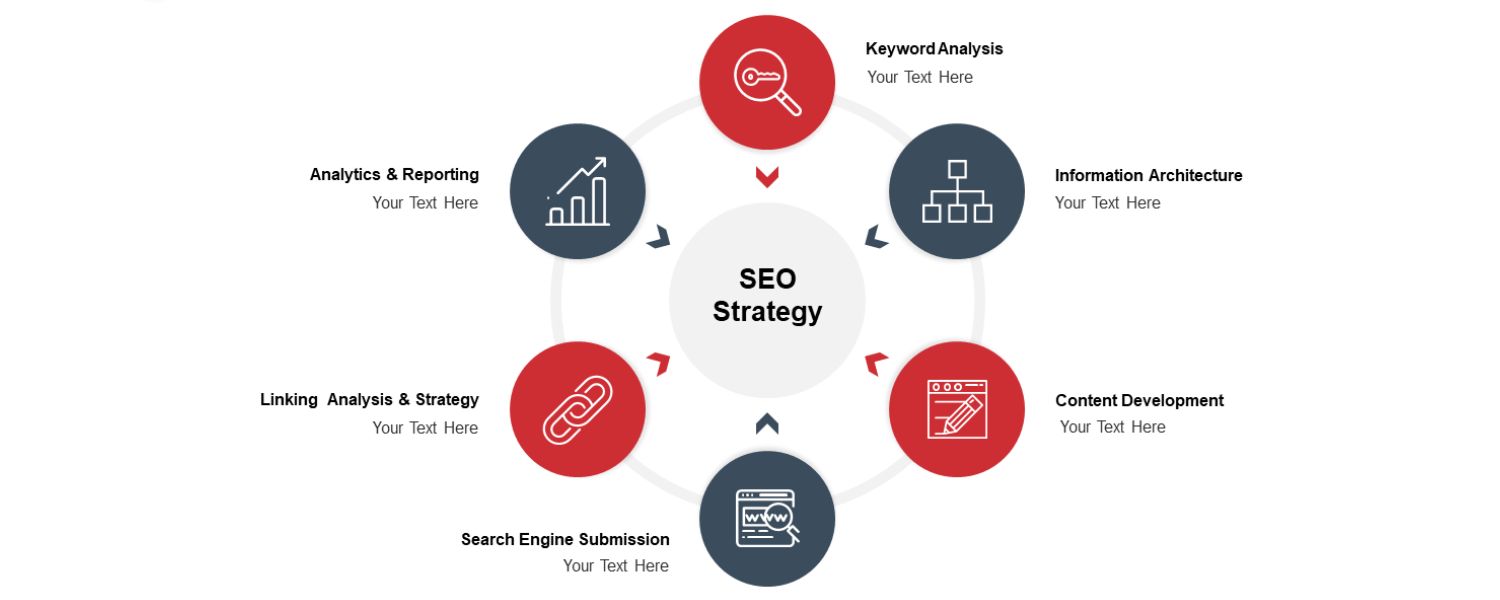
Completing the analysis is only half the battle, now you need to apply these insights to actually improve your site.
After all, the ultimate purpose of SEO competitor analysis is to inform your action plan going forward.
Here are some effective ways to leverage what you’ve learned:
A. Create Better Content Than Your Competitors
For every important topic where a competitor beats you, aim to produce a piece of content that is noticeably better.
That could mean it’s more in-depth, more up-to-date, better organized, or enriched with visuals and examples.
The concept of “skyscraping” involves taking a competitor’s high-performing content and adding more value to make yours the new reference point.
For example, if they have a “10 Tips for X” post, you might create “20 Tips for X” with fresher data and a downloadable checklist.
By offering superior value, you increase the likelihood of outranking them and even earning backlinks from sites that originally linked to the competitor.
B. Target Competitors’ Long-Tail Keywords
You likely found some long-tail keywords (more specific 3+ word phrases) that competitors rank for with decent traffic.
Often, these long-tails are easier to rank for because they’re less competitive. Optimize existing pages for those terms or create new content targeting them.
Long-tail keywords often indicate specific user intent, so by serving that intent better than competitors, you can quickly capture those niches.
For instance, if a competitor is getting traffic from “how to do local SEO for dentists” and you have expertise there, write a focused article on that – you might rank faster than trying to unseat them for the broader term “local SEO” outright.
C. Fill the Content Gaps
Any topic or query where you identified you lack content (but competitors have it) should go into your content calendar.
Perhaps competitors have pages for every product comparison or every use-case of your service, and you don’t – time to create those.
Use tools or even blog topic generators to help brainstorm unique angles for those topics so your content stands out.
Remember, if the content is not on your site, Google can’t rank you for it, so closing those gaps is essential.
D. Emulate Successful Link Strategies
Did you notice a competitor got featured in a major online magazine or earned links by publishing original research? Plan similar campaigns.
You could conduct a small study or create an infographic (something highly shareable) to act as link bait, attracting links naturally over time.
Or if a competitor is sponsoring events, participating in podcasts, or writing guest posts on popular sites (all of which often yield backlinks), those might be tactics to add to your SEO outreach.
The idea is not to copy every backlink (some may not be attainable or worth it), but to identify patterns in how competitors consistently gain links and incorporate those methods into your own strategy.
E. Improve Where They Are Weak
Perhaps through your analysis you found a competitor with great content but poor technical SEO, say their site is slow or not mobile-friendly.
If they’re still outranking you, fixing your site’s speed and mobile issues could give you the edge if all other things are equal.
Or if a competitor has lots of links but thin content, focusing on content quality could be your winning move.
Always look for the differentiator: what can you do better than each competitor? It might be site experience, content depth, community engagement (e.g., responding to comments), etc. Lean into those areas.
F. Track and Iterate
Finally, treat your SEO competitor analysis as a living process. Implement changes based on what you learned, but continue to monitor the results.
If you start to outrank competitor X but competitor Y surges ahead, dive back into analysis, SEO is an ongoing race.
Set up alerts for competitor moves (like new content published or sudden changes in rankings) using tools or even Google Alerts.
This way, you can respond proactively – for example, if a rival publishes a big piece that’s gaining traction, maybe you update your own corresponding content or promote it to stay competitive.
By systematically applying these improvements, you’ll gradually close the gap with your SEO competitors.
Even better, you may start setting the pace in your niche, forcing them to react to your strategies. That’s when you know your competitive analysis has truly paid off!
Conclusion: Stay Ahead with Ongoing Competitive Analysis
SEO competitive analysis isn’t a one-and-done task – it’s a powerful ongoing practice that keeps you one step ahead of the competition.
By regularly auditing what top rivals are doing in search, you ensure that your own strategy evolves with the landscape.
You’ll catch emerging trends, discover new keyword opportunities, and avoid being blindsided by a competitor’s aggressive content push or link-building campaign.
Remember, the goal is not to obsess over competitors, but to learn from them. Think of it as market research for search engines. You’re gathering intelligence to make informed decisions.
Combine those insights with your own creativity and unique expertise, and you’ll be able to craft an SEO strategy that not only mirrors the best in your industry but surpasses them.
Now that you know how to do SEO competitive analysis and use the findings to your advantage, it’s time to put it into action.
Start by picking one or two competitors and apply the steps outlined above. You might be surprised at the “low-hanging fruit” you uncover, quick fixes and opportunities that can boost your rankings relatively fast.
From there, integrate this analysis into your routine (for example, quarterly reviews) to keep your SEO game sharp.
Ready to outrank your competition? Roll up your sleeves and dive into your competitor data.
Use the insights to create superior content, optimize your site diligently, and build quality relationships in your industry.
With persistence and savvy adjustments, you’ll see your site climb the search results and win more of those clicks that used to go to competitors.
Good luck, and happy analyzing!

Why Roseville Startups are Choosing Offshore Marketers to Scale Smarter
Roseville is no longer just a quiet suburb of Sacramento;...

What Is PPC? A Practical Guide to Pay‑Per‑Click Advertising
Pay‑per‑click (PPC) is the “pay only when someone clicks” branch...

Google Search Issues Affecting Results in Some Regions
Google has confirmed a problem with one of its data...

Keyword Counts Dropped After Google’s num=100 Change
In September 2025, Google stopped supporting the &num=100 parameter. This...

Image SEO: Optimize Images for Higher Rankings & Traffic
Introduction Images make your website more engaging, but they can...


.png)
.png)
.png)
.png)
.png)

2024 ALL RIGHTS RESERVED MADE IN INDIA
.png)