
What Are Keywords? Definition & Importance in SEO & PPC
July 15, 2025
Keywords are the cornerstone of search engine optimization (SEO) and digital marketing. If you’ve ever wondered “what are keywords?”, you’re not alone, understanding this concept is crucial for anyone looking to improve their website’s visibility.
In simple terms, keywords are the words or phrases that people type into search engines like Google when looking for information. These terms act as a bridge between what users are searching for and the content you provide.
In this comprehensive guide, we’ll explore the definition of keywords, why they matter, the different types (from short-tail to long-tail keywords), and proven strategies to research and use keywords effectively in both SEO and pay-per-click (PPC) advertising.
By the end, you’ll know how to leverage keywords to boost your search rankings and drive relevant traffic to your site.
What Are Keywords?

In the context of SEO and online marketing, keywords (also called search terms or key phrases) are the specific words or combinations of words that users enter into search engines to find what they need.
For example, if someone wants to bake a chocolate cake, they might search for “best chocolate cake recipe.” If you run a cake shop, relevant keywords for your website could include “best chocolate cake recipe” or “cheap wedding cakes,” since these are phrases potential customers might search for. Even multi-word phrases like those are still referred to as keywords in SEO terminology.
Keywords define the topic or intent of a piece of content. They help search engines understand what your page is about so it can be matched with users’ queries.
In practice, you might have a single focus keyword that encapsulates your page (e.g., “digital piano” for a product page about digital pianos), along with related terms and variations.
It’s important to note that “keyword” doesn’t mean a single word, often, a keyword is a phrase of multiple words that together form a specific query.
For instance, “how to train a puppy” or “best Italian restaurant in NYC” are considered keywords, even though they contain several words.
SEO keywords vs. PPC keywords: In online marketing there are two main categories of keywords based on how you target them:
A. SEO keywords
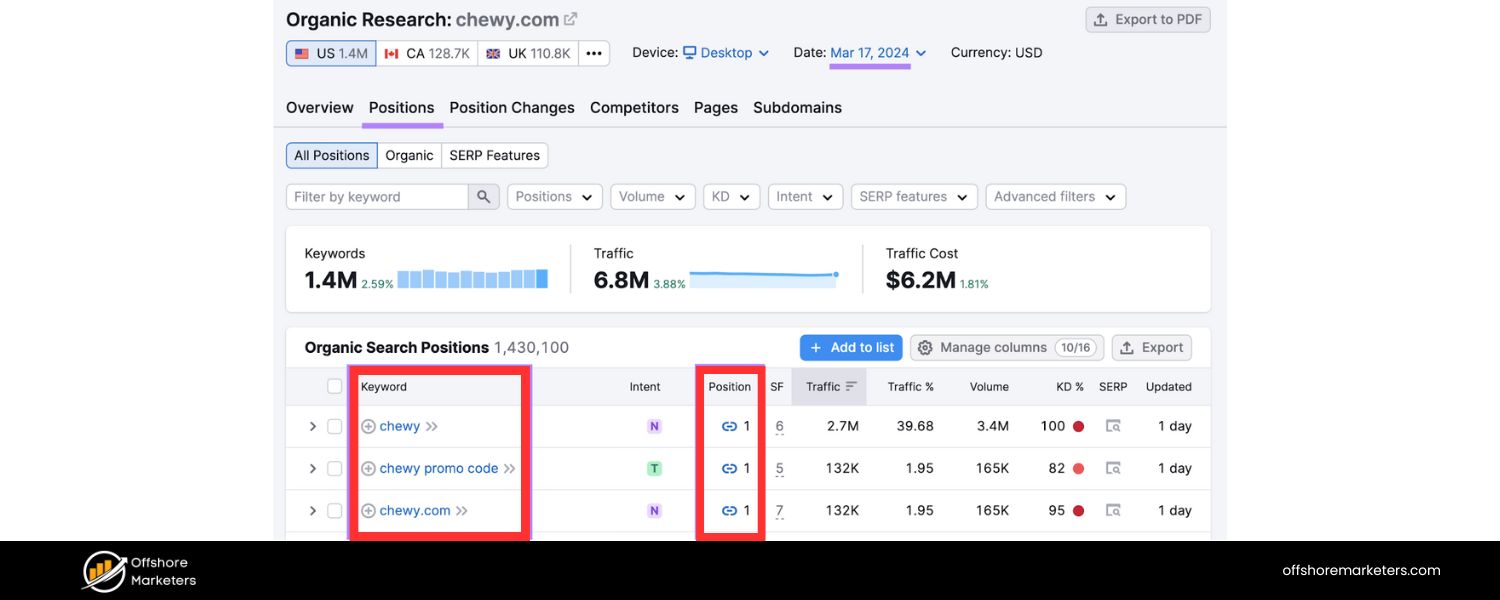
These are keywords you target through organic SEO efforts. You optimize your website content to rank high in the unpaid (organic) search results for these terms.
B. PPC keywords
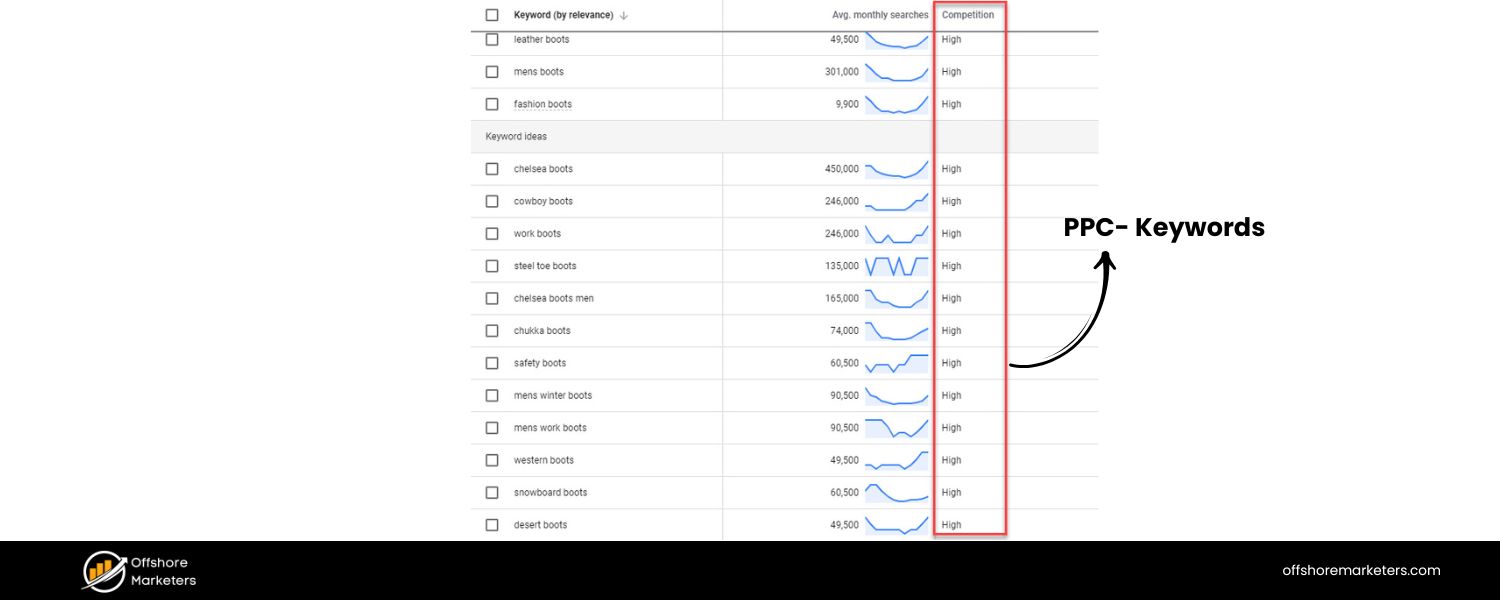
These keywords are used in paid advertising campaigns (like Google Ads or Bing Ads). You bid on these terms so that your ad can appear as a sponsored result when people search for them.
Both SEO and PPC keywords function similarly in that they align with user search queries, but the approach to using them differs (we’ll delve into those differences later in the guide).
Whether for SEO or PPC, keywords are essentially the queries your target audience uses, understanding and using the right ones is fundamental to being discovered online.
Why Are Keywords Important?

Keywords are often called the “heart of SEO” for good reason. They are important because search engines use keywords to determine which content is relevant to a given query and should be shown in the search results.
If your webpage uses the same terms that a user is searching for, and uses them in a meaningful, contextually relevant way – search engines are more likely to rank your page higher for that query.
Higher rankings are crucial, because users overwhelmingly click on the top results on the search engine results page (SERP). In fact, studies show the vast majority of clicks go to the first few organic results, and click-through rates drop significantly for lower-ranked links.
Simply put, if you’re not targeting the keywords that people are using, your content might never be found.
From an SEO perspective, keywords help search engines like Google understand what your page is about. For example, if your blog post consistently mentions “digital piano,” Google will recognize that the page likely provides information about digital pianos.
Without clear keywords, all words on a page have equal weight, and Google might not grasp the main topic. Using specific keywords signals what’s important on your page.
Equally important is the human perspective: keywords represent the language your target audience uses. By researching which terms people use (and how they use them), you gain insight into your audience’s needs and preferences.
Using the right keywords means speaking the same language as your potential visitors. This alignment improves the chances that users will find exactly what they’re looking for on your site, which leads to more engagement and conversions.
If you optimize for the wrong keywords (for example, jargon nobody searches for), you might attract few or the wrong visitors.
Keywords also reveal user intent, the why behind a search query. Understanding intent (whether the searcher is looking for information, a specific site, or is ready to buy) helps you create content that truly satisfies the query.
We’ll discuss intent more in a moment, but imagine someone searches “buy digital piano online.” The intent is clearly transactional (ready to purchase), which is different from “how to play piano,” which is informational.
Targeting keywords without considering intent could lead to mismatched content that doesn’t rank well or engage users.
Lastly, consider that keywords drive your content strategy and marketing decisions. Many SEO professionals begin any project by conducting keyword research – in fact, over 36% of SEO experts say they spend most of their time on keyword research.
This research uncovers what topics are popular and relevant, guiding you on what content to create. In summary, keywords matter because they connect search intent with content relevance, enabling search engines to serve up the right pages to the right people.
If you leverage keywords effectively, you improve your chances of higher rankings, more traffic, and reaching the audience most interested in your content or offerings.
Types of Keywords (Short-Tail vs Long-Tail & More)
Not all keywords are created equal. They vary in length, specificity, and purpose. Understanding the different types of keywords will help you choose the best ones for your strategy. Here are some common ways to classify keywords:
1. Short-Tail Keywords

Short-tail keywords (also known as head terms or fat head terms) are very broad, typically one or two words. They tend to have high search volume but also high competition.
For example, “shoes” or “digital piano” are short-tail keywords. Because they’re so broad, the search intent can be ambiguous (someone searching “digital piano” could be looking to buy one, learn what it is, or find reviews).
Short-tail terms are often dominated by big players or well-established sites, and it can be difficult for a smaller site to rank for them.
2. Long-Tail Keywords
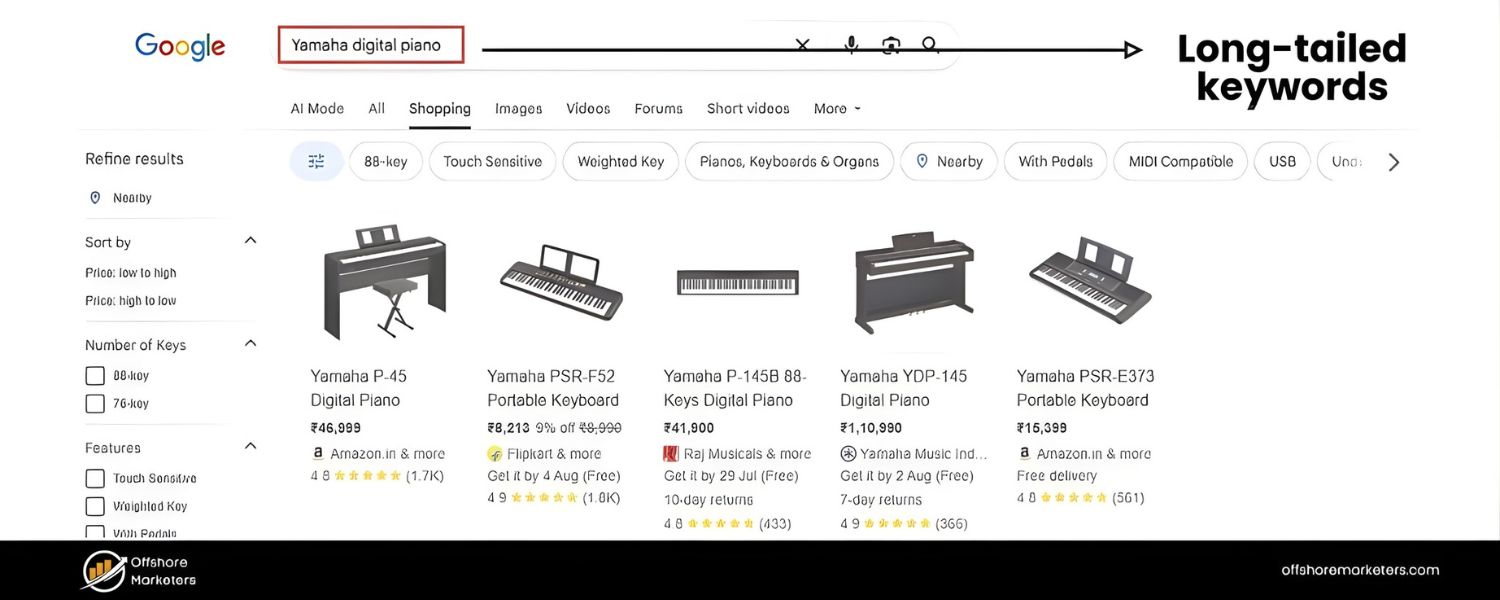
Long-tail keywords, on the other hand, are longer and more specific phrases (usually three or more words). An example would be “best running shoes for flat feet” or “buy Yamaha digital piano online”.
Each long-tail keyword might have lower individual search volume, but collectively, long-tails make up the majority of searches. Their specificity usually means the search intent is clearer and the competition is lower.
Users typing detailed queries often know what they want, which can make long-tail visitors more likely to convert (e.g., actually buy something or perform a desired action).
As a rule of thumb, focusing on long-tail and mid-tail (the “chunky middle”) keywords is a smart strategy for most websites. Long-tail keywords may bring fewer visitors per keyword, but those visitors are often highly targeted and valuable.
To illustrate the difference: “vacation” is a very broad head term, whereas “all-inclusive family vacation in Hawaii” is a long-tail keyword.
The latter clearly indicates what the user is after and will have far less competition in search results. Many SEO experts recommend ignoring ultra-broad “fat head” terms entirely for optimization, and instead targeting the “chunky middle” and long-tail keywords where you have a fighting chance to rank and meet specific user needs.
An added bonus: if you optimize your content around a medium-tail keyword, you’ll often naturally rank for various related long-tail queries too.
3. Branded vs. Non-Branded Keywords
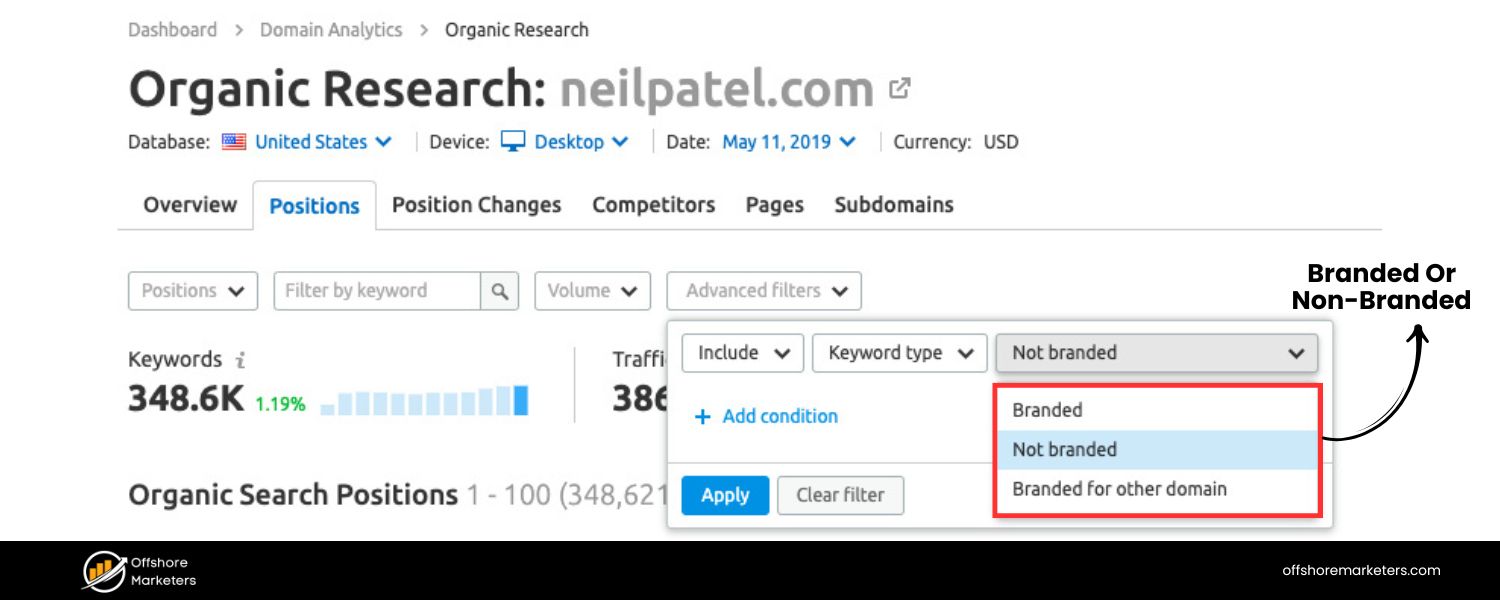
Another way to categorize keywords is by whether they include brand names:
A. Branded keywords include a specific brand’s name in the query. For example, “Nike running shoes” or “Mailchimp email marketing” are branded searches. These usually come from users already aware of or interested in that brand. They’re important for brand reputation management and capturing customers searching for you or your products specifically.
B. Non-branded keywords have no brand names and are generic. For instance, “running shoes for marathons” is non-branded. These keywords are crucial for reaching new audiences who haven’t decided on a brand yet. SEO efforts often focus heavily on non-branded keywords to attract users in the research phase.
4. Buyer Intent Categories (Informational, Transactional, etc.)
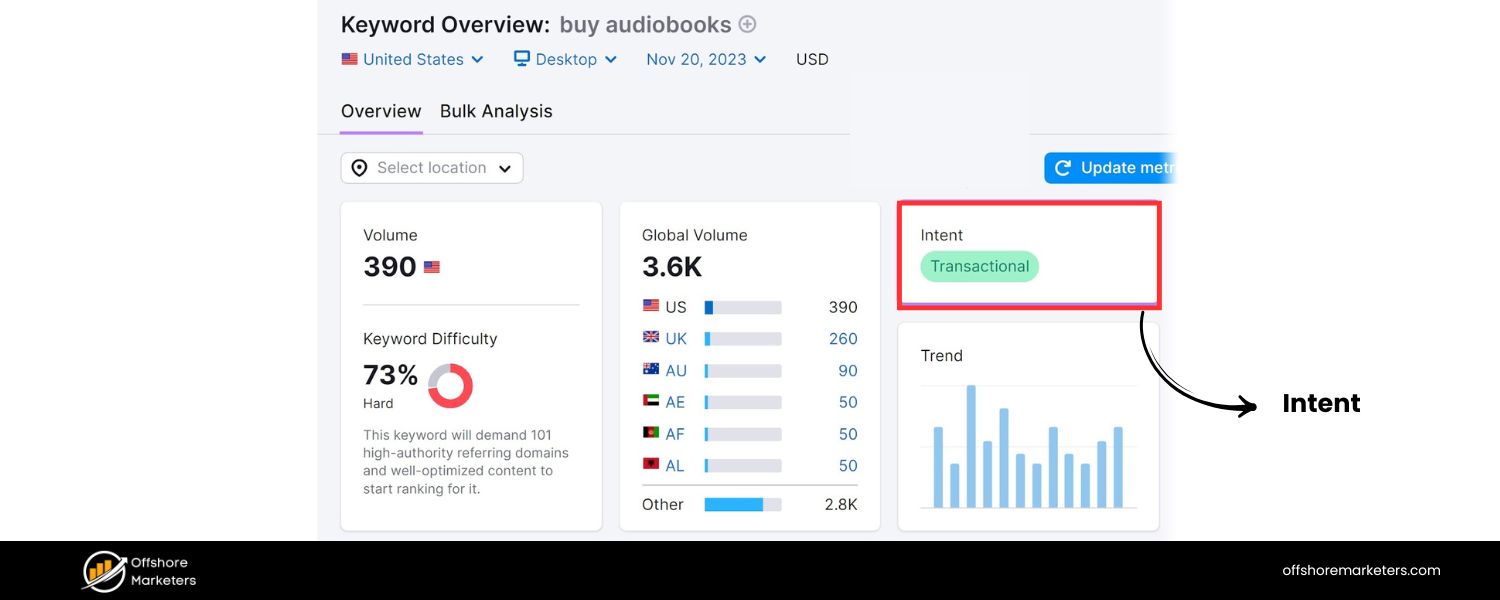
Search intent behind a keyword can classify it into different types, often tied to stages of the buyer’s journey:
A. Informational keywords – The user is looking for information or answers. Queries often start with question words like what, how, why (e.g., “how to train a puppy” or “what are the benefits of yoga”). These indicate early-stage research intent. Content like blog posts, guides, or tutorials optimized for these terms can draw visitors looking to learn.
B. Navigational keywords – The user is trying to get to a specific website or page. They often include brand or website names (e.g., “Facebook login” or “Yoast SEO blog”). The intent is to navigate, not to discover new sites.
C. Transactional keywords – The user is ready to act or purchase. These searches often include words like buy, purchase, order, pricing (e.g., “buy Nintendo Switch online”). They signal strong commercial intent, meaning the searcher likely wants to complete a conversion. These are highly valuable in both SEO and PPC, as they can lead directly to sales.
D. Commercial investigation – A subset of intent where the user is comparing or investigating options before a purchase. For example, “best DSLR camera 2025” or “Nike vs Adidas running shoes”. They indicate the user is close to buying but wants more information to decide. Targeting these with reviews, comparison articles, and product roundups can be very effective.
Understanding the intent type helps you tailor your content accordingly. For instance, if a keyword is informational, your page should educate or answer questions (not just push a sale).
If it’s transactional, you want a page that makes it easy for the user to purchase or contact you (like a product page or a clear call-to-action).
5. Primary vs. Secondary Keywords
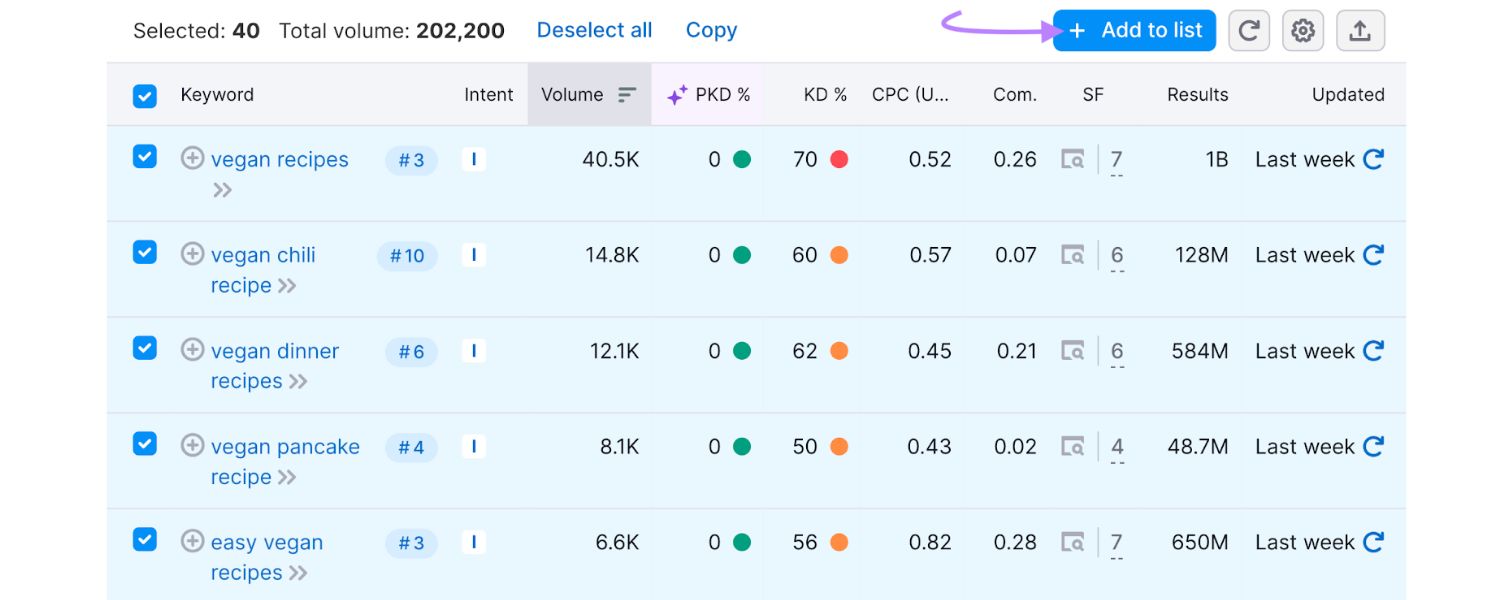
When optimizing a page, you’ll often have a primary keyword, the main term you want the page to rank for – and several secondary keywords or related terms. Secondary keywords are variations, synonyms, or related topics that support the main keyword.
For example, if your primary keyword is “best electric cars,” secondary keywords might include “top electric vehicle 2025,” “EV buying guide,” or “electric car range comparison.” Including secondary keywords naturally in your content can help you capture more search variations and provide a more comprehensive answer to the user’s query.
Search engines have become much better at understanding context and related terms, so covering a topic in depth (beyond repeating one keyword) is a best practice.
Key phrases vs. keywords: You might also hear the term key phrase. This simply refers to a multi-word keyword. As discussed, many “keywords” are actually phrases of two or more words.
The approach to using them is the same, the goal is to match the phrases your audience is searching. Key phrases (longer queries) often represent more specific long-tail searches, which can fine-tune your organic outreach.
6. Negative Keywords (for PPC)
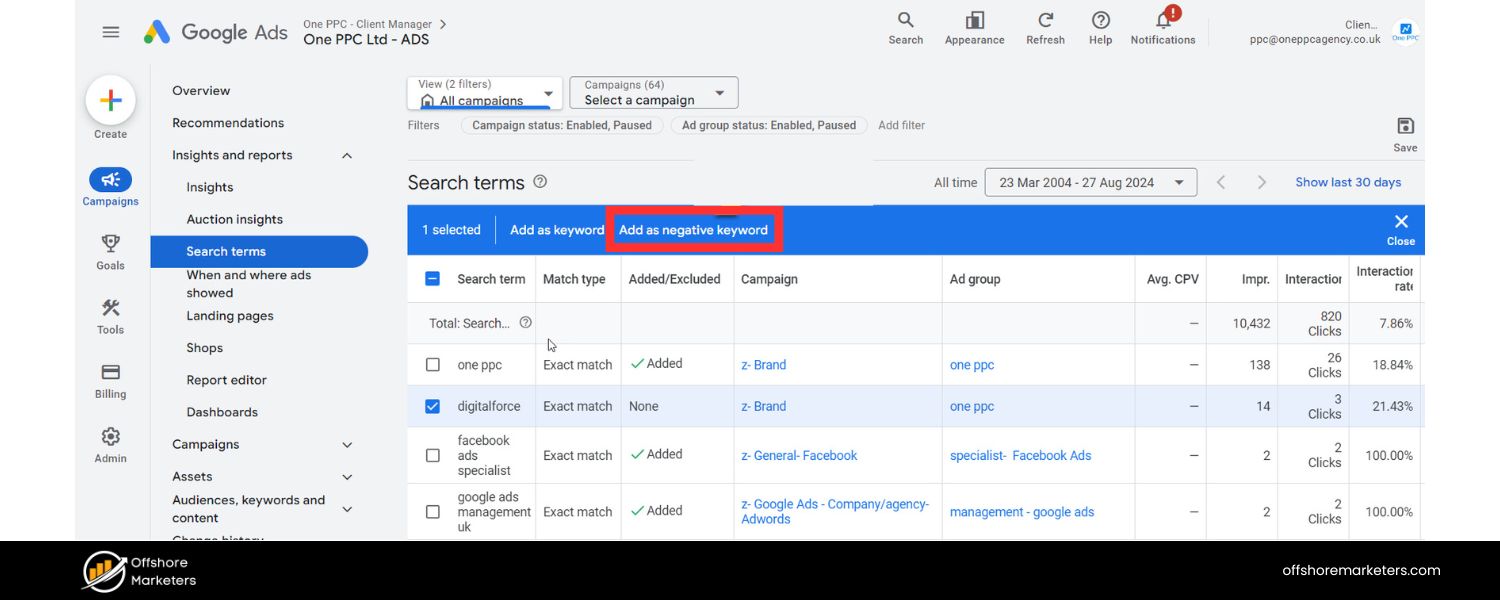
In the realm of PPC advertising, there’s another important type: negative keywords. A negative keyword is a term you specify to prevent your ad from showing for searches that include that term.
For example, if you sell luxury watches and bid on the keyword “watches,” you might add a negative keyword “free” so that your ads don’t show up for “free watches” searches (since those users aren’t looking to buy a luxury watch).
Negative keywords help filter out irrelevant traffic, saving you money on clicks that likely won’t convert. They ensure your ads reach the right audience by excluding queries that are not a good match for your offer.
In summary, knowing the various types of keywords – from short-tail to long-tail, branded to non-branded, and informational to transactional – allows you to build a targeted keyword strategy.
A balanced approach often works best: use long-tail and mid-tail keywords for easier wins and highly targeted traffic, and incorporate intent-focused keywords to align content with user needs.
In the next sections, we’ll look at how to find the best keywords for your goals and how to apply them strategically in your SEO and PPC efforts.
How to Find the Right Keywords (Keyword Research Basics)

Finding the right keywords is a crucial step in any SEO or PPC campaign. This process is known as keyword research – identifying which terms your potential audience is using, how popular those terms are, and how competitive they might be. Here’s a step-by-step guide to effective keyword research:
1. Brainstorm Core Topics
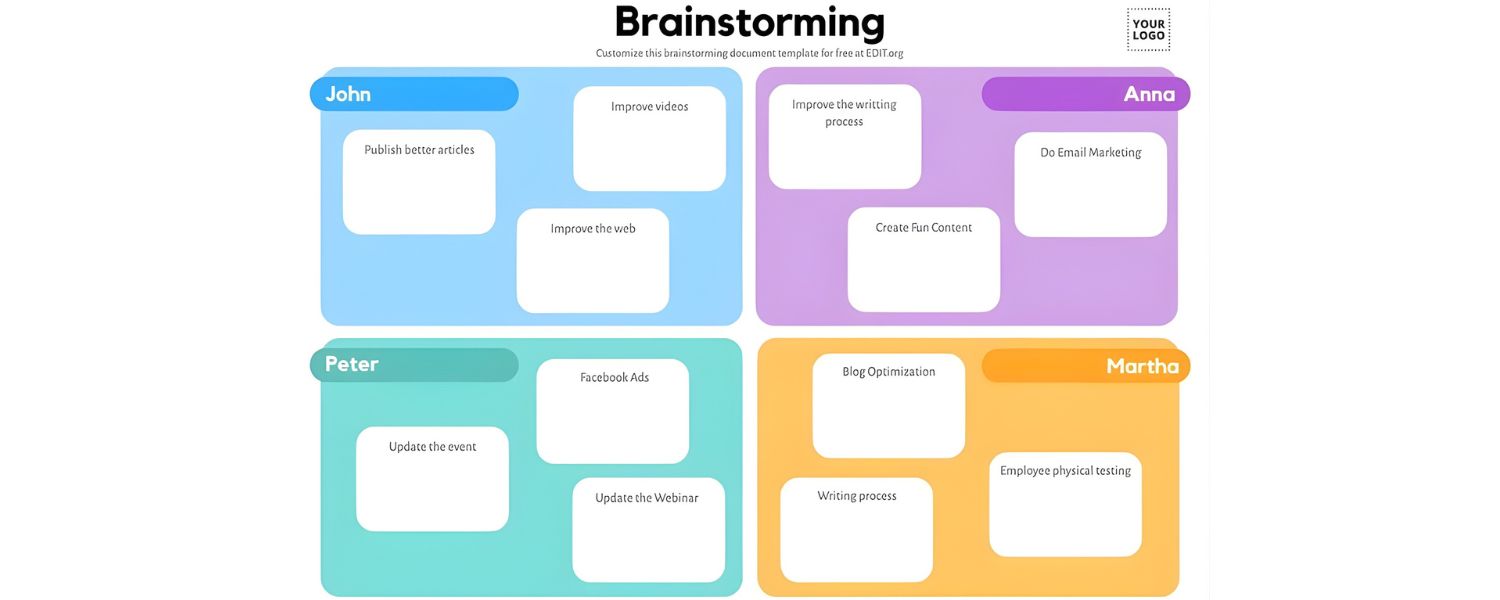
Start by listing broad topics related to your business or website. Think of about 5-10 general themes that are important to you or that describe your offerings.
For example, if you run an online pet supply store, your core topics might be “dog supplies,” “cat supplies,” “pet grooming,” etc.
These aren’t necessarily keywords yet, but they’re the seedbeds for your actual keywords. Consider what interests or problems your target customers have that relate to your niche.
2. Expand to Seed Keywords
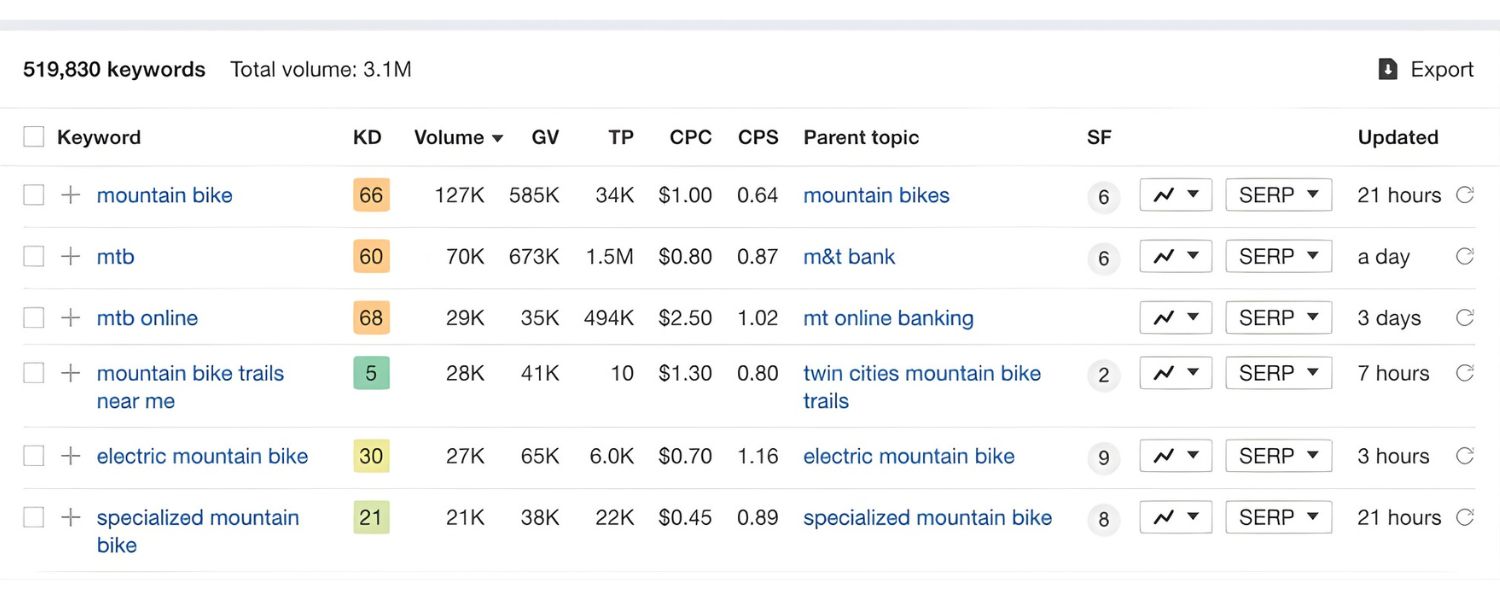
Take each core topic and come up with a few representative phrases, these are your initial seed keywords. For a topic like “dog supplies,” seed keywords could be “dog toys,” “dog food,” “dog beds,” “dog grooming”, and so on. Essentially, pair your topic with specific products or subtopics. If you have a website already, these might map to existing product categories or sections of your site.
3. Use Keyword Research Tools
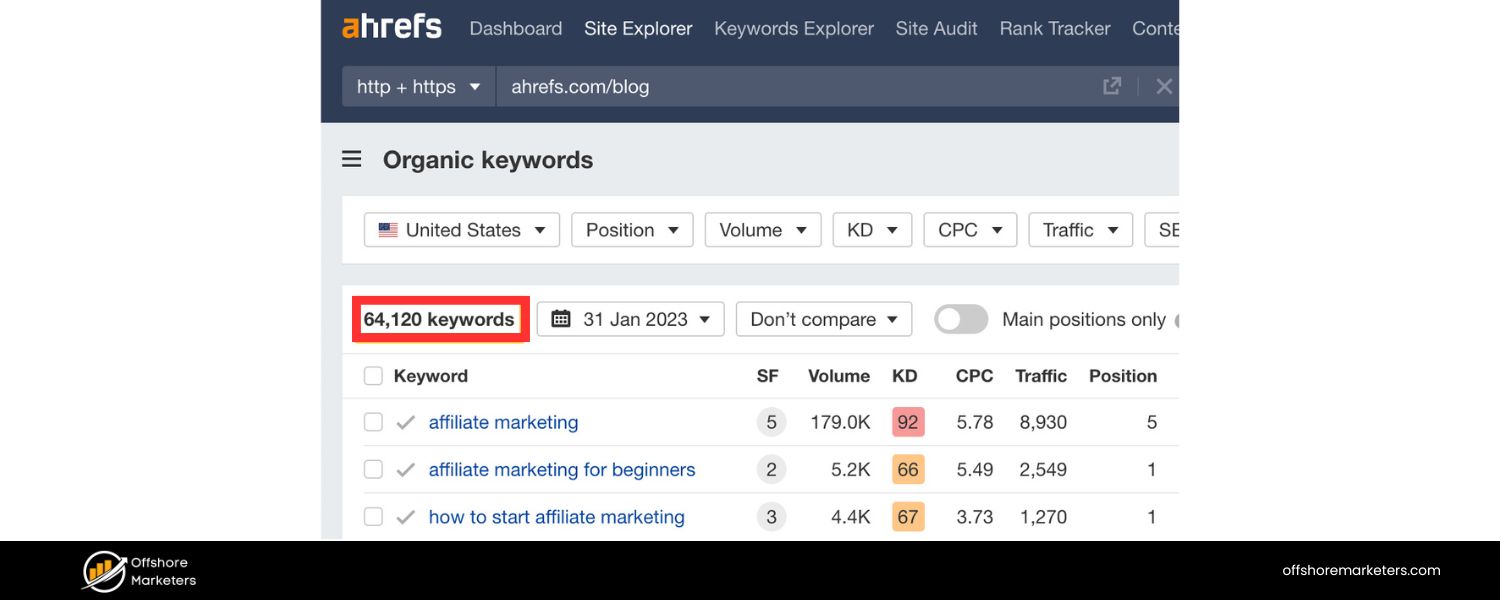
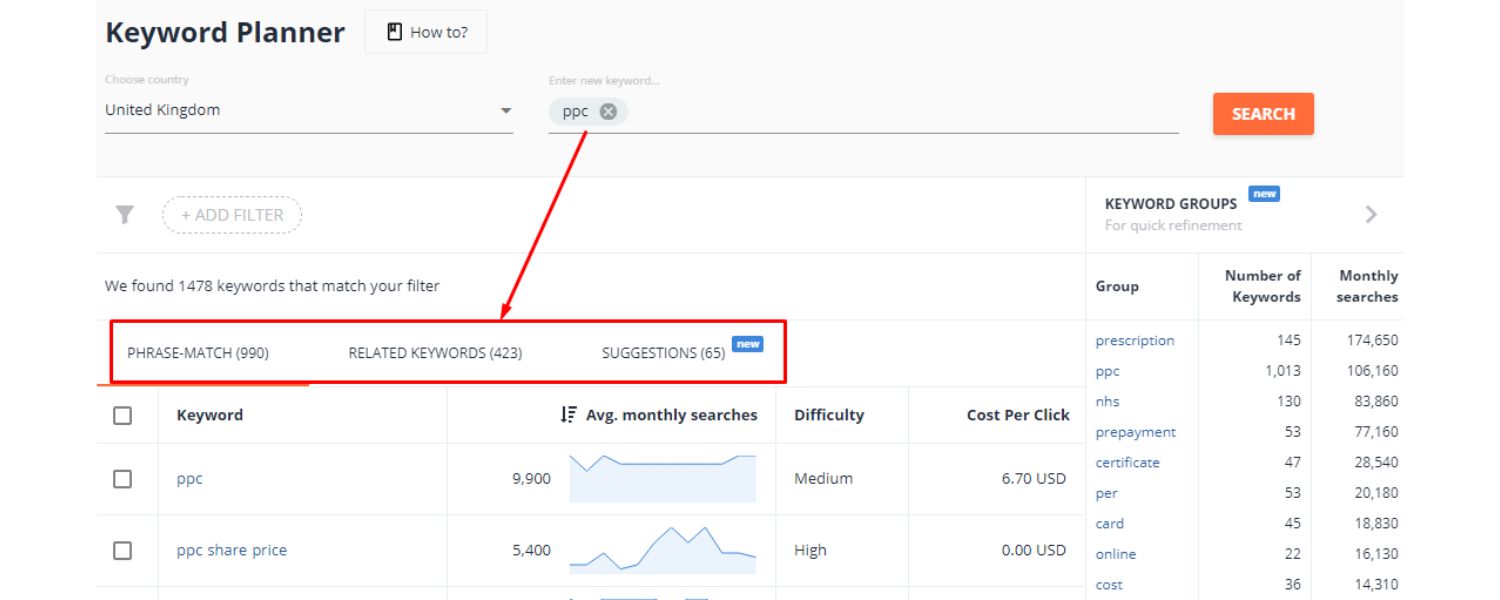
Now, use dedicated tools to expand your list of keywords and gather data. There are many keyword research tools available, some free, some paid.
A popular free option is Google Keyword Planner (available in Google Ads) which provides keyword ideas along with search volume and competition data.
Other options include SEO tools like Semrush, Ahrefs, or Moz’s keyword explorer, as well as free tools like Ubersuggest or AnswerThePublic.
These tools can generate a large list of related keywords when you input a seed term, and show metrics like the average monthly search volume for each suggestion.
Using a tool helps you discover variations you might not think of yourself. For example, from a seed keyword “dog beds,” a tool might suggest related terms like “orthopedic dog beds,” “washable dog bed for large dogs,” or “best indestructible dog bed,” along with how often people search for each.
Pay attention to both search volume (how popular a term is) and relevance. A keyword that is highly relevant to your business but has slightly lower volume can be more valuable than a high-volume keyword that isn’t a tight fit.
4. Analyze Search Intent and SERPs
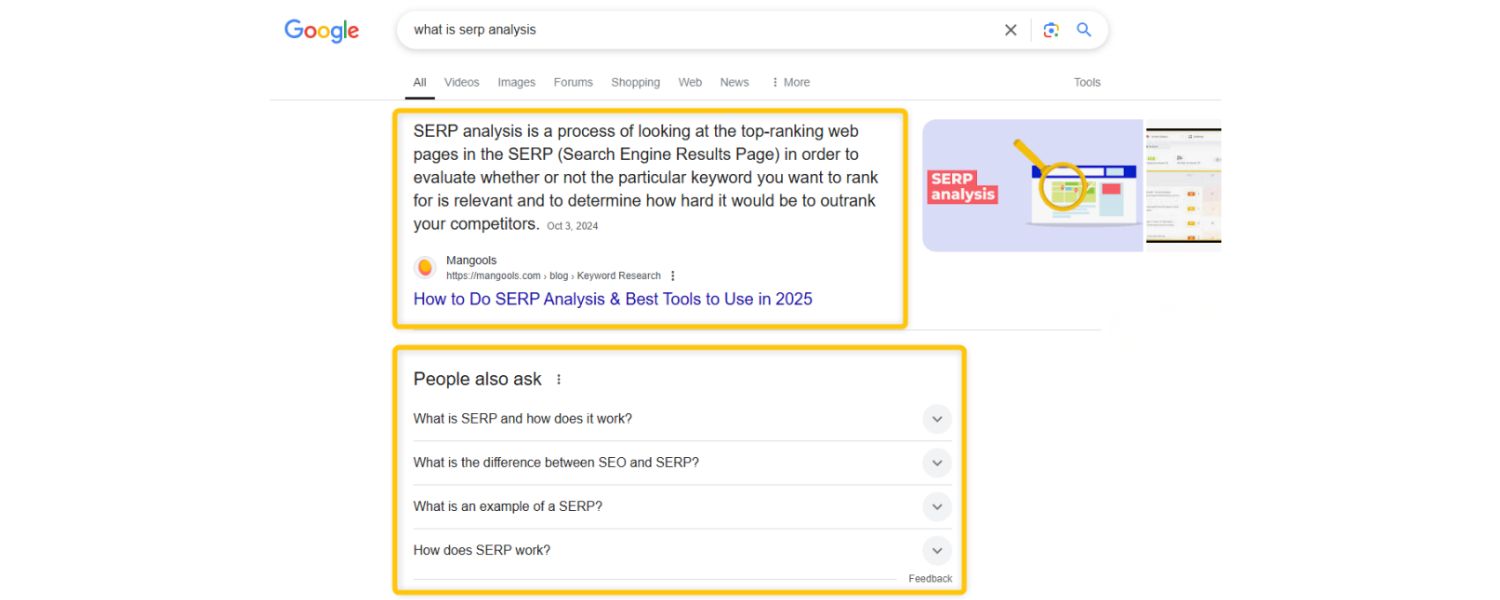
Once you have a list of potential keywords, check what currently ranks for those keywords. This means performing a Google search for each candidate keyword (or looking at SERP analysis in your keyword tool) to see the top results.
The goal is to understand what type of content Google is serving for that query, which reflects the user intent Google associates with the keyword.
For instance, suppose one of your keywords is “dog walking” – if you Google it and see all the top results are services or apps for hiring dog walkers (rather than informational articles about the health benefits of dog walking), that tells you the dominant intent is likely commercial (finding a service).
If your business is selling dog leashes, “dog walking” might not be the best keyword because users might be looking for a different solution. You might pivot to a more relevant term like “dog leashes” or “best dog leash for walking” that matches what you offer.
By analyzing the search engine results page (SERP) for each keyword, you ensure that the terms you target align with the content you plan to provide.
It also helps you spot opportunities, maybe you notice that for a certain question-like query, there aren’t many good answers yet, indicating a chance for you to create content to fill that gap.
5. Consider Keyword Difficulty
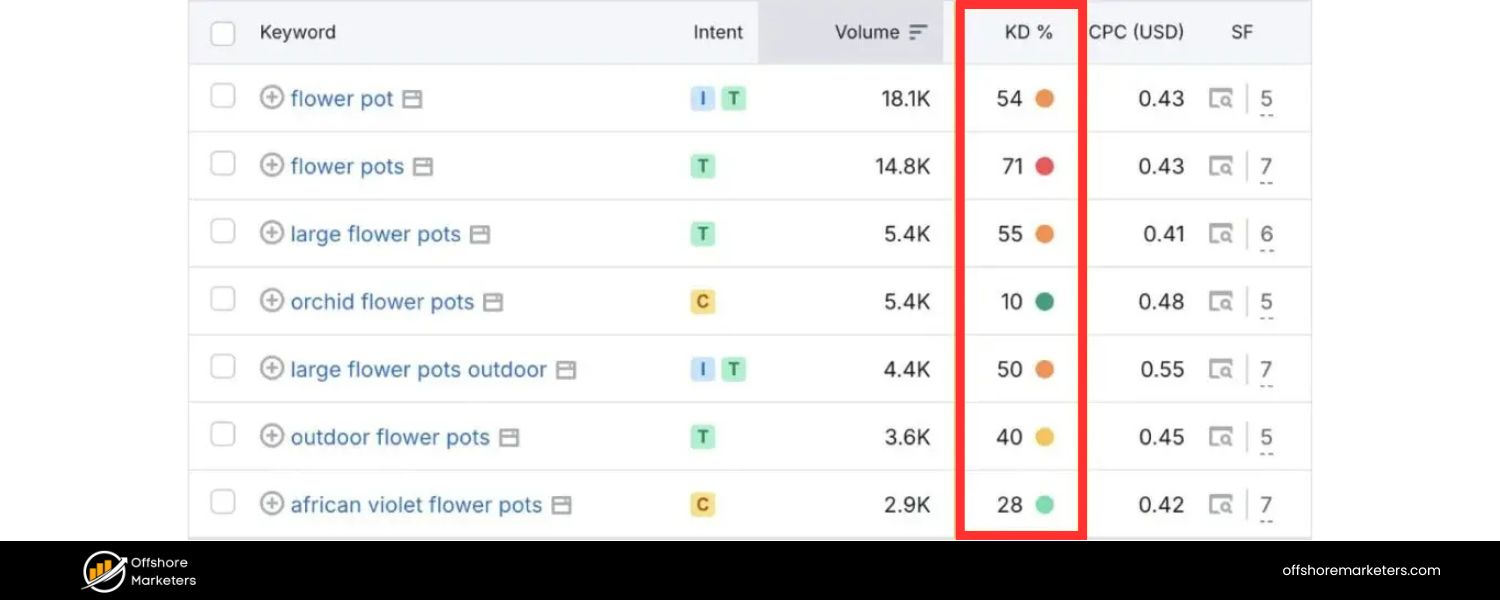
Many keyword tools provide a metric often called keyword difficulty or competition score. This is an estimate of how hard it would be to rank organically for that keyword (usually based on the authority of sites currently ranking, among other factors).
For example, SEO tools assign a difficulty percentage, the higher the number, the tougher the competition. If you’re just starting out, you’ll want to target keywords that are less competitive so you have a realistic shot at ranking.
A term like “best smartphone” might be extremely difficult (big sites dominate it), whereas “best smartphone for seniors” could be easier to rank for, as it’s more niche.
Additionally, if you’re looking at PPC keywords, consider the cost-per-click (CPC) for each term, high CPC indicates advertisers are bidding aggressively (likely a high-value commercial term). You’ll have to decide if those are worth the cost, or if you can find lower-cost long-tail terms that still convert.
6. Prioritize and Refine
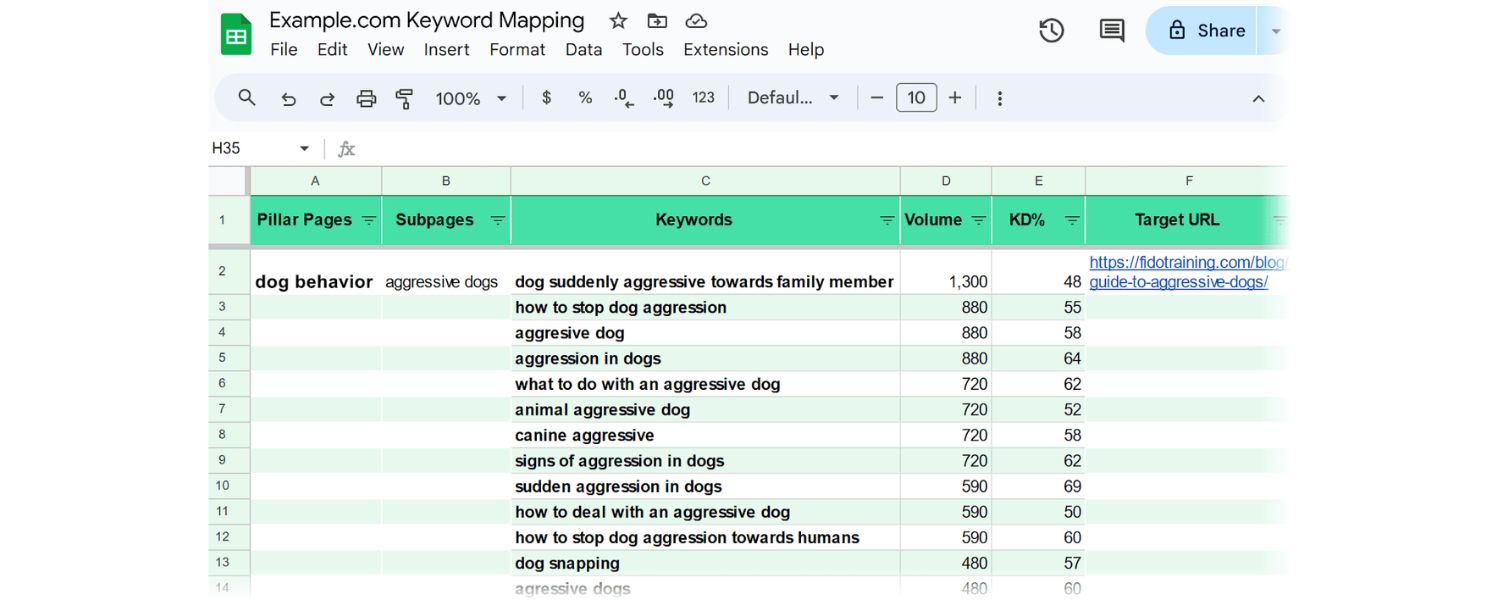
At this stage, you likely have a spreadsheet or list of numerous keywords, each with associated data like search volume and difficulty. Now, prioritize them. Good criteria for prioritization include:
A. Relevance: How closely the keyword matches your product, service, or content focus. (High relevance keywords come first.)
B. Search Volume: All else equal, a higher volume term will bring more traffic. But balance this with…
C. Competition/Difficulty: It might be better to target a medium-volume keyword that you can realistically rank for than a high-volume one dominated by giants.
D. Commercial Intent/Value: Keywords that indicate a ready-to-buy intent or align with your business ROI should be high on the list, especially for PPC. For instance, “buy acoustic guitar online” is likely more valuable to a seller than “learn guitar chords” (the latter is more informational).
After prioritizing, you might decide on a mix of a few primary keywords (the main focus for certain pages) and a larger set of secondary or supporting keywords that you’ll also incorporate into your content.
7. Keyword Mapping
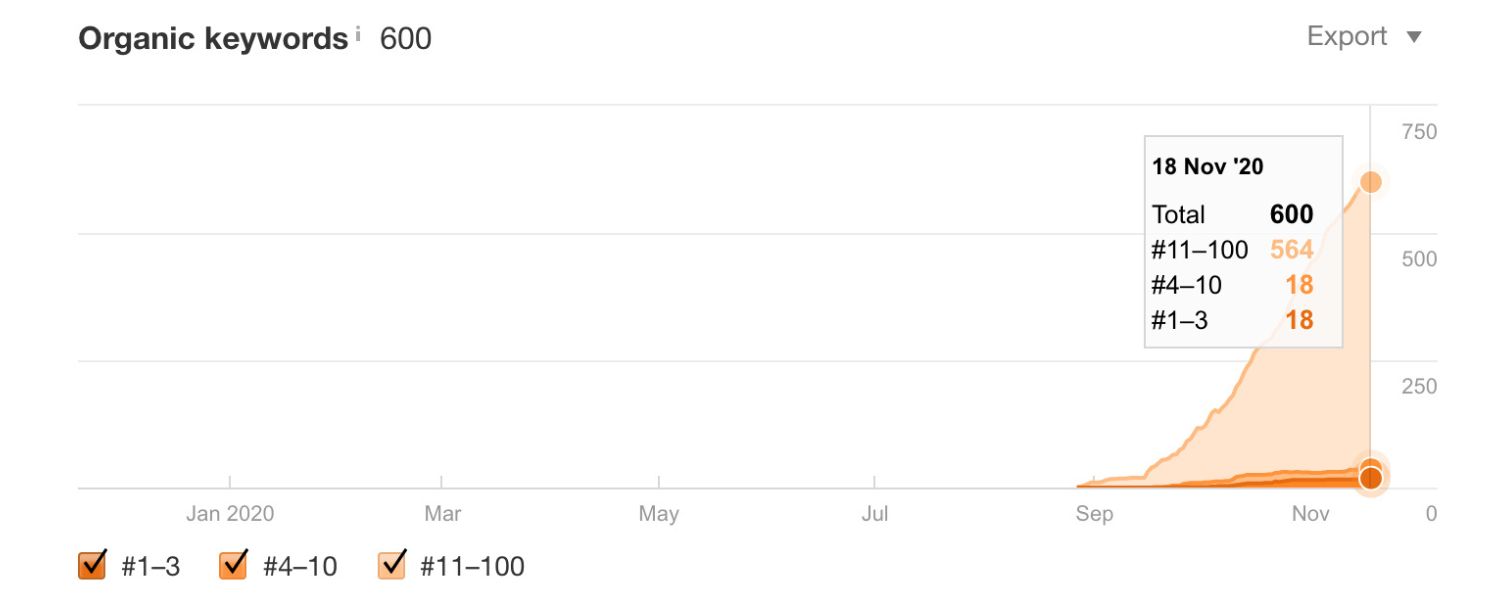
A pro tip for SEO is to perform keyword mapping – assign each target keyword (or closely related group of keywords) to a specific page on your site.
This ensures you have a clear strategy of which pages will target which terms, and you avoid accidentally competing with yourself by optimizing multiple pages for the exact same keyword.
For example, your homepage might target a very broad term, whereas individual blog posts target more specific queries. If during research you find a great keyword that doesn’t fit any existing page, that’s a cue you may need to create new content to address it.
8. Keep an Eye on Trends
Search behavior can change over time. Use tools like Google Trends to see if certain keywords are rising or falling in popularity. Seasonality also matters – e.g., searches for “Halloween costumes” spike in the fall.
The “freshness” of content can be a factor too; new terms emerge (like new product names, or slang) that you might capitalize on early. Staying updated ensures your keyword strategy evolves with your audience’s interests.
By following these steps, you’ll compile a list of well-chosen keywords that can form the basis of your SEO content strategy or PPC campaigns.
For instance, if you discover that “organic dog food delivery” has good volume and fits your business, you might write a blog post or landing page targeting that term.
Remember, keyword research isn’t a one-time task – it’s an ongoing process. The web is dynamic, your competitors will be active, and new opportunities will continually arise, so revisiting keyword research periodically is wise.
Key Metrics to Evaluate Keywords

When conducting keyword research, you’ll encounter several metrics that help evaluate the potential of each keyword. Understanding these metrics is essential for making data-driven decisions:
1. Search Volume
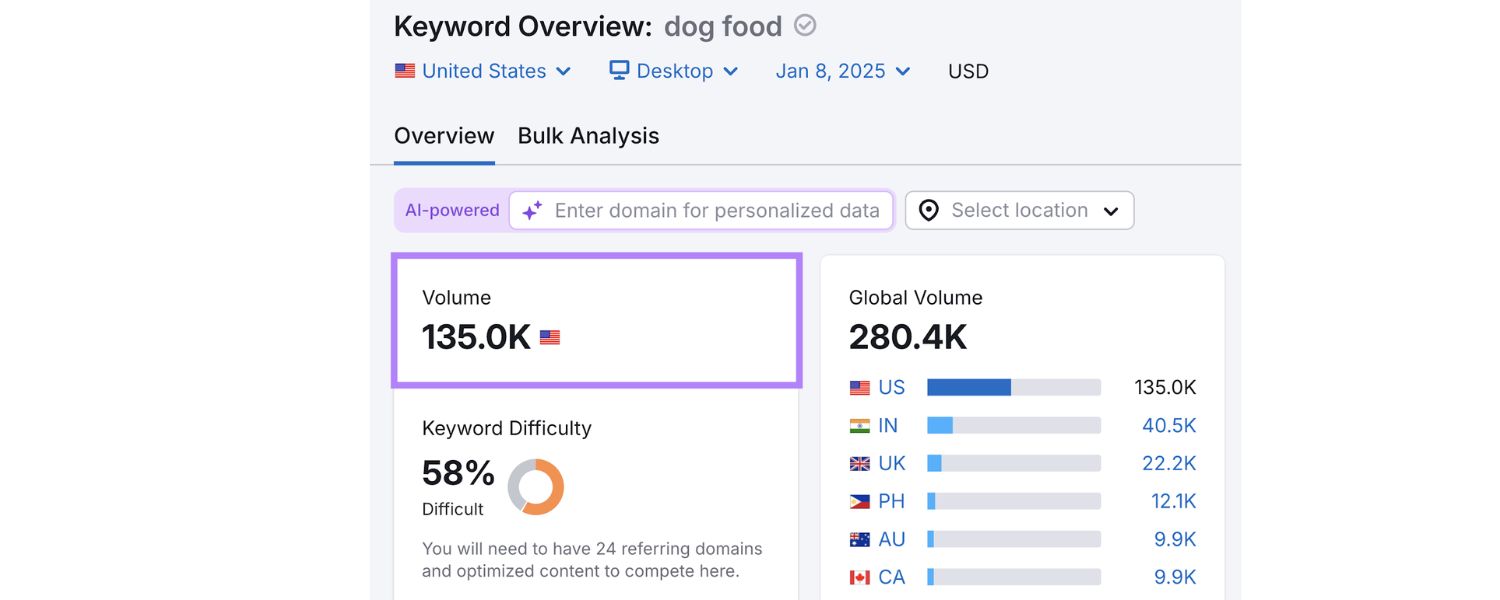
This is the average number of times a keyword is searched per month (usually averaged over 12 months). It gives you a rough idea of how popular a term is.
For example, a keyword with 10,000 searches/month is generally more popular than one with 100 searches/month. Keep in mind that volume is often an approximation and can vary by tool and by geographic targeting.
Still, it’s useful for comparing keywords – a higher search volume means more potential traffic if you rank for that term. However, don’t chase volume blindly: a highly searched term might be too broad or competitive, or not indicative of user intent to take action.
2. Keyword Difficulty (SEO Difficulty)
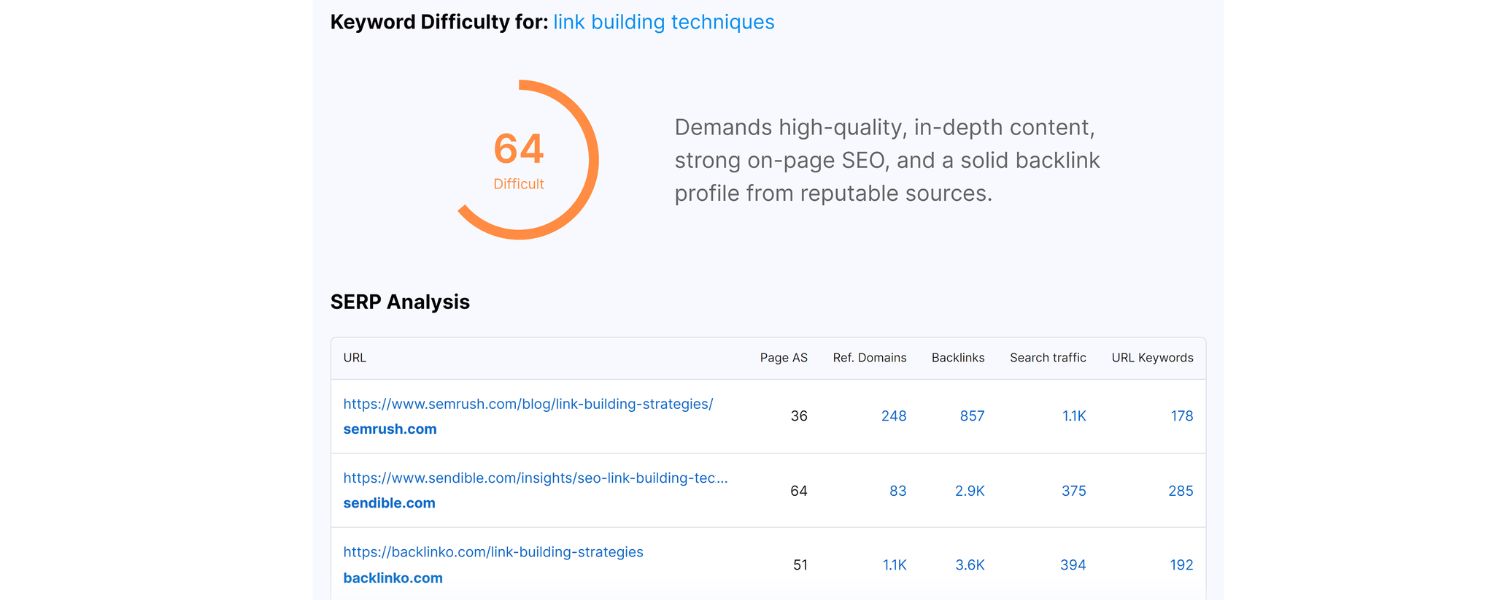
As mentioned, this metric (often a score out of 100 or a qualitative label like easy/medium/hard) estimates how hard it would be to rank on the first page for that keyword.
It typically takes into account the strength of the domains currently ranking. If all top 10 results for a keyword are from very authoritative sites (like Wikipedia or major brands), the difficulty will be high.
If the front page has smaller or less optimized sites, difficulty might be low. For example, Semrush’s keyword difficulty score uses a percentage – a higher percentage means tougher competition. When you’re starting out, targeting keywords with lower difficulty can help you gain traction faster.
3. CPC (Cost Per Click)
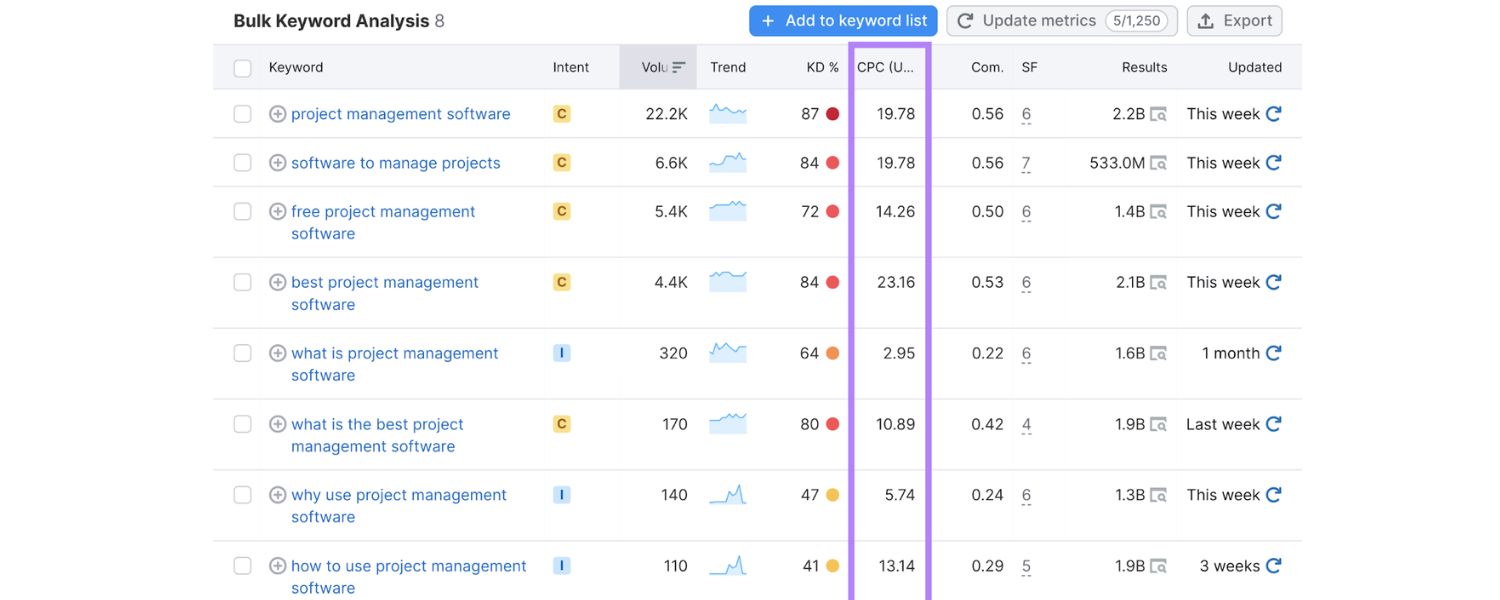
If you’re looking at keywords for PPC, the average CPC tells you how much advertisers pay (on average) for a click on an ad for that keyword.
A high CPC indicates that keyword has commercial value – businesses are willing to bid more because the traffic likely converts well. Even for SEO purposes, CPC can signal how valuable a keyword might be (e.g., “insurance quotes” tends to have a very high CPC, suggesting leads are lucrative).
If you see a keyword with a $0.05 CPC vs another with $5.00 CPC, the latter likely has more commercial intent behind it. Keep in mind your budget: high CPC keywords can drain an ad budget quickly if not managed, so often a mix of high and moderate CPC terms is prudent.
4. Trends and Seasonality

Some tools will show whether a keyword’s search volume is steady, rising, or seasonal. A term like “NFL fantasy draft” will spike in late summer each year.
Knowing this helps you plan content timing and PPC campaigns appropriately – for seasonal keywords, you might optimize or bid more during peak times and not focus on them off-season.
5. Click-Through Rate (CTR) and SERP Features
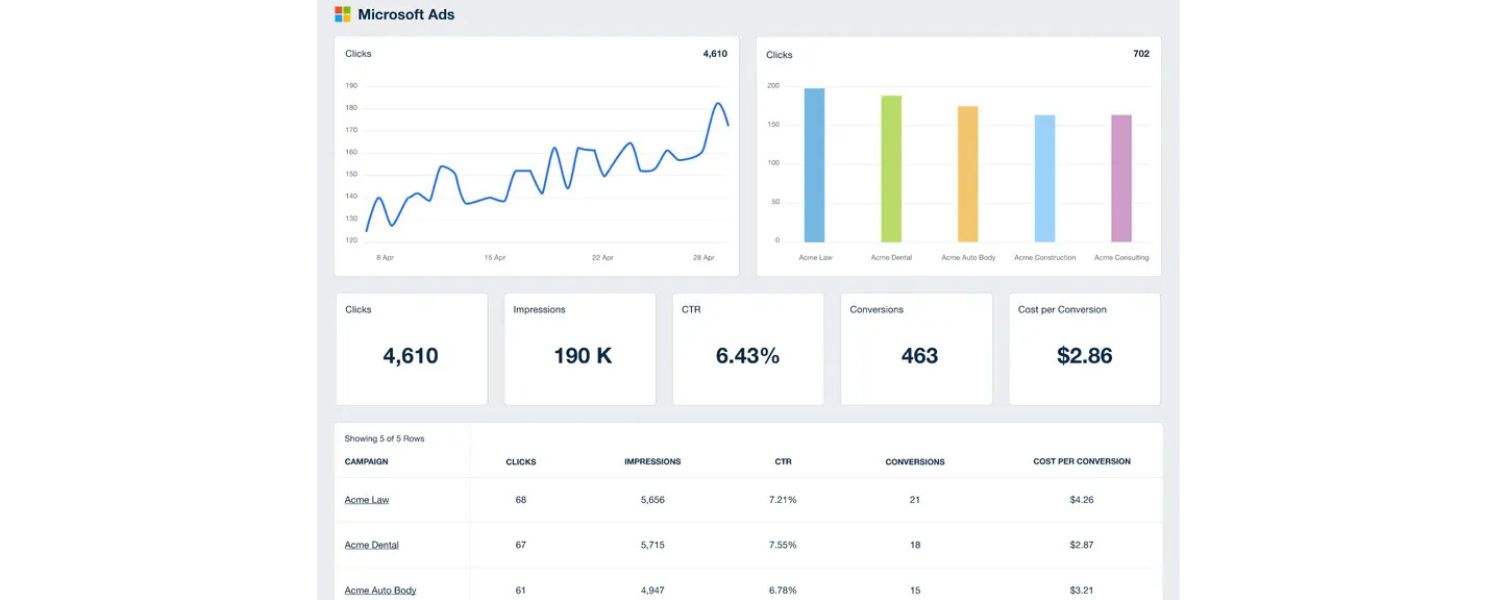
This is more advanced, but some keywords may have SERP features that affect how much organic traffic you can get. For example, if a keyword triggers a big featured snippet or a knowledge panel on the results page, users might get their answer without clicking any result, leading to a lower CTR for organic listings.
Or if there are a lot of ads at the top, organic CTR might suffer. Some SEO tools estimate the organic CTR you might expect.
While you can’t always quantify this easily, it’s worth checking manually: search your keyword and see what the SERP looks like. If it’s filled with ads, maps, and answer boxes, the opportunity for an organic result is different than a plain list of 10 blue links.
6. Competitive Density (in PPC)
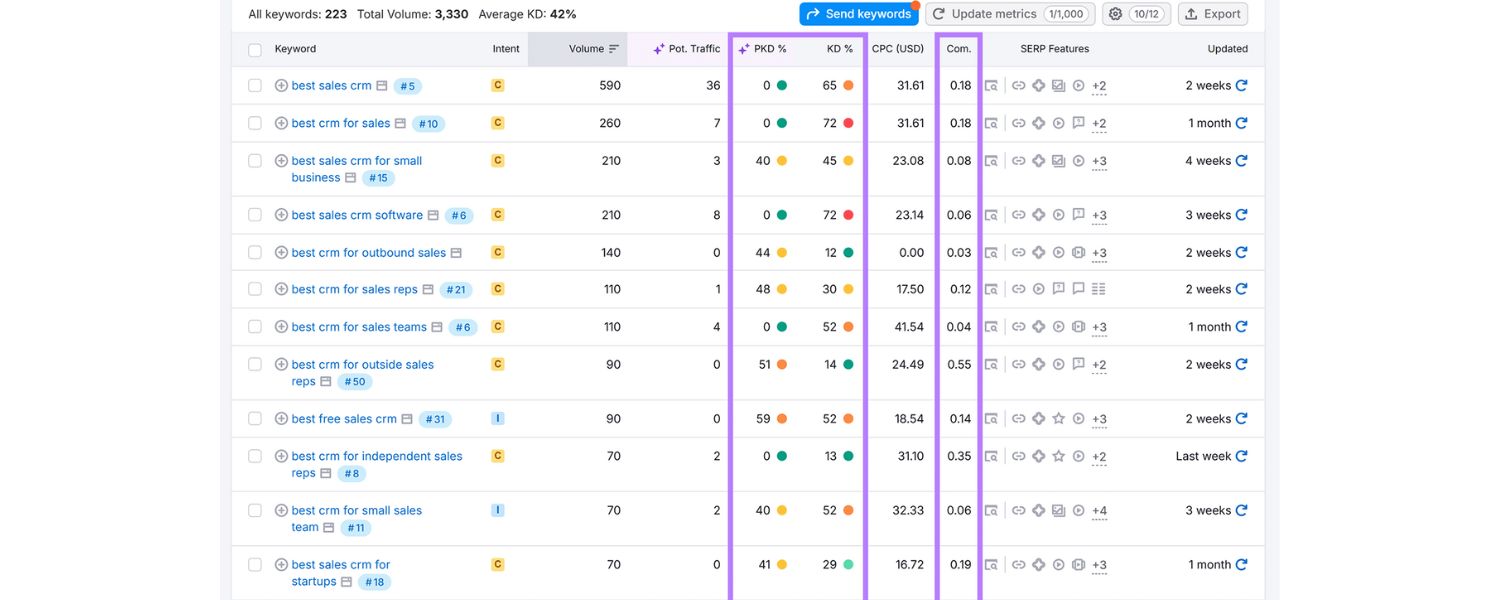
In platforms like Google Ads, there’s often a metric showing how competitive the bidding is for a keyword (sometimes scaled 0-1 or low/medium/high). Microsoft Advertising might have similar.
This metric is similar to CPC, a high competition density means many advertisers are bidding on that term, which could drive costs up. It can also indicate that the keyword converts well (hence the competition).
Plan your PPC strategy accordingly: you might bid on some high-competition keywords if they’re crucial for your business, but also include plenty of less competitive, niche keywords to get more bang for your buck.
In summary, after generating keyword ideas, use these metrics to filter and prioritize. For instance, you might find “best budget smartphone 2025” has decent volume, moderate difficulty, and a solid CPC – a promising sign that it’s worth targeting with a blog post or review.
On the other hand, a term like “smartphone” has huge volume but extremely high difficulty and might be unrealistic to pursue directly.
Understanding the numbers ensures you focus on keywords that are not only relevant, but also offer a good balance of traffic potential and achievability. This data-driven approach increases the efficiency of your SEO and PPC efforts, steering you toward keywords that can deliver results.
How to Use Keywords in Your Website’s SEO Content
Finding great keywords is only half the battle, you also need to effectively use those keywords in your content and on your website to signal relevance to search engines.
This is where on-page SEO optimization comes in. Here are best practices for incorporating keywords into your website content naturally and strategically:
1. Use Keywords in Page Titles and Headings

The page title (typically the title tag) should include the main keyword for SEO.
For example, if your keyword is “home yoga exercises,” a good title could be “Home Yoga Exercises for Beginners: 5 Easy Routines” – it starts with the keyword and then adds a compelling description.
Similarly, use the keyword in your main heading (H1) on the page if possible, since headings help search engines and readers quickly grasp the topic.
Your subheadings (H2, H3, etc.) can also include keywords or variations, but only where it makes sense. For a long article, sprinkling related keywords in some subheads can reinforce relevance.
For instance, an H2 might be “Benefits of Home Yoga Exercises” and an H3 “Yoga Exercise Tips for Beginners” – both reinforcing the topic without being repetitive.
Avoid putting the exact same keyword in every heading, as that would look unnatural; instead, use synonyms or related phrases as appropriate.
2. Incorporate Keywords in the Introduction

The first paragraph of your page or post is prime real estate for your primary keyword. Both users and search engines pay extra attention to the beginning of the content.
By mentioning your main keyword (or a close variation) early on, you establish the topic upfront. For example: “Home yoga exercises can improve flexibility and reduce stress.” If “home yoga exercises” is the keyword, getting it in the first sentence or two is beneficial. Just ensure it reads naturally and introduces the topic effectively.
3. Use Keywords Naturally in the Body Content

Gone are the days of “keyword stuffing,” where you would repetitively jam a keyword into every sentence. Not only does that make for terrible reading, but search engines now penalize such practices.
Instead, write your content for humans first, and incorporate keywords in a way that feels organic. A good rule of thumb: if someone reading your page wouldn’t notice that it’s optimized for a keyword, you’ve done it right.
Use your primary keyword at least a few times (enough that the topic is clear), and include secondary keywords or synonyms where they fit.
You might aim for a keyword density of around 1-2% (i.e., the keyword appears once or twice per 100 words) as a loose guideline, but this is not a strict rule, it’s more important that the content comprehensively covers the topic.
Also, distribute keywords throughout the content. Don’t just front-load all mentions in one paragraph and then never mention the topic again.
It can help to use variations – for instance, if your main keyword is “electric cars”, you might also use “electric vehicles,” “EVs,” or specific models/brands to enrich the content.
Search engines understand context; using related terms (often called LSI keywords or semantic keywords) can improve your content’s breadth and relevance.
4. Optimize Meta Descriptions

The meta description is a brief summary of a page (typically 150–160 characters) that appears below the title in search results. While not a direct ranking factor, it can influence click-through rates.
It’s a good practice to include your primary keyword in the meta description because Google will bold matching terms, catching the searcher’s eye. Moreover, the meta description should accurately and enticingly describe what the page is about, encouraging users to click.
For example, a meta description for our yoga page might be: “Learn easy home yoga exercises for beginners. This guide covers 5 simple routines to improve flexibility and reduce stress, no gym required.” This includes the keyword “home yoga exercises” and clearly states the benefit, inviting clicks.
5. Use Keywords in URLs

If possible, include your main keyword in the page’s URL (also known as the slug). Short, descriptive URLs are preferred. For instance, a URL like www.yoursite.com/home-yoga-exercises is better than www.yoursite.com/123456 or www.yoursite.com/article5.
If your keyword is long or multi-word, use hyphens to separate words. Including keywords in the URL provides another clue to search engines (and users) about the page’s content.
6. Image Alt Text and File Names

Images can also be optimized. If your content has images, use descriptive alt text for each image – not only is this important for accessibility (helping visually impaired users), but it also gives search engines information about the image’s subject. If there’s a natural way to include a keyword in the alt text because it describes the image, do so.
For example, an image of a person doing yoga at home might have alt text “Woman practicing home yoga exercises in living room.”
Avoid stuffing keywords awkwardly; alt text should truthfully describe the image. Similarly, naming the image file something like home-yoga-exercises.jpg instead of IMG_1234.jpg can provide a slight SEO benefit.
7. Internal Linking with Anchor Text

Within your website, link between related pages. When you do, use descriptive anchor text for the hyperlink. For example, if you have a page about yoga equipment, you might write “Check out our guide to essential yoga props for home practice” where “essential yoga props” is the clickable link to that page.
This anchor includes keywords relevant to the target page. Internal links help spread link equity around your site and help users navigate, and the anchor text gives search engines context about the linked page’s content.
Just ensure your internal links are genuinely helpful and not overdone – a few well-placed links in each article is great.
8. Avoid Keyword Stuffing and Over-optimization

It’s worth reiterating, be moderate and natural in your keyword usage. Google’s algorithms are very sophisticated; they can detect when content is unnaturally loaded with keywords in an attempt to game the system.
Focus on quality of content. A good test after writing is to read your content out loud, if it sounds odd or you notice repetitive wording that a normal person wouldn’t use, revise it.
Remember that user experience is paramount. Google rewards content that satisfies the reader, not content that just repeats a phrase multiple times.
9. Cover the Topic Comprehensively

One reason to include related keywords and subtopics is to cover your topic in full. For example, a page about “electric cars” might naturally discuss battery life, charging stations, range, maintenance, etc.
Covering these subtopics (which themselves are keywords people search for) makes your content more useful and authoritative.
This comprehensive approach can improve your chances of ranking for the primary keyword and even for those related searches. It also keeps readers engaged because you’re answering more of their questions in one place.
By implementing these on-page SEO practices, you create content that is optimized for search engines while remaining high-quality and user-friendly.
For instance, our hypothetical “Home Yoga Exercises” page would have the keyword in the title and intro, use synonyms like “yoga routines” or “yoga at home” throughout, perhaps include a section on “benefits of home yoga” (covering a related angle), and link to other pages like a “beginner yoga gear checklist.”
All of this helps search engines see the page as relevant to “home yoga exercises,” and helps users get value from the page.
Remember, the end goal is not just to rank, but to satisfy the visitor’s query. If your page does that well, it will naturally perform better in search results over time as users spend time on it, share it, or link to it.
Keywords are the tools to align your content with what people are looking for, but quality content is what keeps them there.
Using Keywords in PPC Advertising Campaigns

Keywords are equally vital in PPC campaigns (like Google Ads or Microsoft Advertising), but the way you handle them differs slightly from SEO. In PPC, you’re paying for placement, so choosing and organizing keywords effectively can directly impact your ad performance and budget. Here are key tips on using keywords for paid search campaigns:
1. Organize Keywords into Ad Groups
In platforms like Google Ads, your account is structured into campaigns and ad groups. Each ad group contains a set of related keywords and the ads that will show for those keywords. Grouping keywords by theme or intent is critical for relevance.
For example, if you own an electronics store, you might have one ad group for “4K TVs” keywords and another for “Bluetooth speakers.” The “4K TV” group might include keywords like “buy 4K TV,” “best 4K televisions,” “4K OLED TV deals.”
By clustering related keywords, you can create highly targeted ad copy that speaks directly to that theme (an ad for 4K TVs will mention 4K TVs, which wouldn’t be as relevant to someone searching for speakers, and vice versa).
Effective keyword grouping improves your Quality Score, a metric Google uses that affects your ad rankings and cost per click. One aspect of Quality Score is ad relevance. Ads perform best when the keywords, ad copy, and landing page are all closely aligned. So keep your groups tight and focused.
2. Choose the Right Keyword Match Types
When adding keywords to a PPC campaign, you must specify match types which tell the ad platform how closely a user’s search query must match your keyword for your ad to be shown. The main match types in Google Ads are:
A. Broad match
This is the default and most permissive option. Google will match your ad to searches that are related to your keyword, including synonyms and variations. For instance, if your broad match keyword is women’s hats, your ad might show for searches like “ladies hats,” “women caps,” or “buy female hats.” Broad match gives the most reach but can sometimes match to irrelevant variations.
B. Phrase match
Your ad will only show for searches that include the exact phrase or a close variation of your keyword, with possibly words before or after. For example, phrase match “women’s hats” could trigger for “cheap women’s hats” or “women’s hats on sale,” but not for “ladies summer hats” since that changes the phrasing. Phrase match is more targeted than broad.
C. Exact match
Your ads show only when the search query is essentially exactly your keyword (or very close variations of it, like plural/singular or misspellings). An exact match [women’s hats] would trigger for the query “women’s hats” (or very similar queries) and not much else. Exact match offers the most control but the least reach.
There are also negative match types for negative keywords, as discussed earlier. Google Ads has evolved match types over time (for instance, broad match modifier has been phased out and merged into phrase match), but the principle remains: use match types to balance reach vs. relevance.
A common strategy is to use a mix, perhaps exact match for your highest intent terms, phrase for mid-level, and broad for discovery, and then monitor and refine.
3. Use Keywords in Ad Copy and URL
To maximize relevance, make sure your ad copy actually includes the keywords you’re targeting. When a user sees their search term reflected in the ad text, it immediately appears more relevant to them.
Google also bolds the matching keyword in the ad if it exactly matches the search, making it stand out. For example, if your keyword is “affordable web design,” your ad headline could be “Affordable Web Design Services”.
Including the keyword in the ad’s headline or description has been shown to improve click-through rates.
Also, use the keyword in the display URL path if possible (e.g., youragency.com/affordable-web-design), this can further signal relevance.
Many advertisers dynamically insert keywords into ad copy using tools like Dynamic Keyword Insertion, which automatically plugs the user’s query into the ad text when possible. This can be effective, but use it carefully to ensure the resulting ad makes sense.
4. Leverage Long-Tail Keywords
Just as with SEO, long-tail keywords can be very powerful in PPC. They often have lower cost per click and can be highly specific, meaning the traffic you get is well-qualified. For instance, a broad keyword like “running shoes” might be expensive and trigger lots of general searches.
A long-tail like “buy Brooks Ghost 15 running shoes size 10” is extremely specific, while only a few people may search that exact term, those who do are probably ready to buy that exact product.
Bidding on many of these specific queries can yield a good ROI because competition is lower and conversion likelihood is higher. Use your keyword research to find these gems and add them to your campaigns.
5. Add Negative Keywords
A crucial optimization step is to regularly add negative keywords to your campaigns to filter out undesirable matches.
If you notice your ad for “affordable web design” is showing up for “free website templates” (via search term reports), you might add “free” as a negative keyword to avoid paying for clicks from people looking for free solutions.
Continuously review the search queries that trigger your ads (Google Ads provides a Search Terms report) and prune away irrelevant ones with negatives. This improves your campaign’s focus and saves budget for the clicks that matter.
6. Bid Optimization
Keywords in PPC are not set-and-forget. You’ll want to monitor performance and adjust bids (how much you’re willing to pay per click) based on results.
If certain keywords are converting well (bringing sales, sign-ups, etc.), you might raise bids to ensure those ads get more exposure.
If others are spending money without results, lower the bids or pause those keywords. Modern ad platforms also offer automated bidding strategies which use algorithms to optimize bids for your goals (like maximize conversions or target CPA). These strategies still depend on good keyword selection and account structure to work effectively.
7. Quality Score and Relevance
Google’s Quality Score (and Microsoft’s equivalent) is largely influenced by keyword-related relevance: the keyword’s relevance to the ad and to the landing page. By tightly coupling your keywords, ad text, and landing page content, you can achieve high Quality Scores.
High Quality Score is valuable because it can lower your cost per click and improve your ad position. For example, if two advertisers bid the same amount, the one with a better Quality Score (due to more relevant keyword usage among other factors) may rank higher.
Ensure that when someone clicks your ad, the page they land on is clearly about the keyword they searched, this not only helps Quality Score but also user satisfaction (they found what they wanted).
8. Monitor and Refine
Using keywords in PPC is an ongoing process. Pay attention to metrics like click-through rate (CTR) for each keyword (are people finding your ad compelling for that keyword?), conversion rate (does traffic from that keyword take your desired action?), and cost per conversion (is it profitable?).
If a keyword isn’t performing well, consider if the intent is mismatched or if your ad/landing page needs tweaks. You might find new negative keywords to add, or decide to try different match types. Over time, you build a refined list of keywords that deliver the best bang for your buck.
In summary, when it comes to PPC, keywords are your targeting tool to reach the right customers at the right time. By carefully selecting match types, organizing keywords into relevant groups, writing ads that mirror the keywords, and continually optimizing with data, you can significantly improve your campaign’s success.
For example, a well-run Google Ads campaign for our hypothetical web design agency would have separate ad groups for “affordable web design,” “ecommerce web design,” “website redesign,” etc., each with tailored ads and relevant landing pages.
It would bid higher on the keywords that reliably bring in clients, and exclude terms that attract the wrong crowd (like job seekers or DIY web builders). This level of strategic keyword usage is what turns an average campaign into a high-ROI marketing machine.
The Evolving Landscape of Keywords

It’s important to note that the role of keywords in SEO and digital marketing is continuously evolving.
As of 2025, search engines have become much smarter in understanding context and user intent. Here are a few modern considerations and trends regarding keywords:
1. Semantic Search
Search algorithms (like Google’s) now use advanced natural language processing (for example, Google’s BERT and MUM updates) to understand the meaning behind queries, not just the literal keywords. This means Google is better at matching synonyms and related concepts.
For content creators, it reinforces that covering a topic in-depth is more important than obsessively repeating an exact keyword phrase.
You might rank for a query even if your page doesn’t include that exact wording, as long as your content addresses the topic well.
For instance, a page about “how to get rid of mice naturally” might also rank for “natural mice control methods” because Google sees them as essentially the same intent.
2. Voice Search and Natural Language
With the rise of voice assistants (like Siri, Alexa, Google Assistant), more people are performing voice searches using natural, conversational language. These queries tend to be longer and in question form (e.g., “hey Google, what’s the best pizza place near me?”).
As a result, targeting long-tail, question-based keywords and providing direct answers can help you capture voice search traffic. This also ties into the increasing importance of FAQ sections or Q&A content on websites, which directly answer common questions using natural phrasing.
3. User Experience Signals
While keywords drive relevance, search engines also consider how users interact with your content. If your content is keyword-rich but delivers a poor experience (slow load times, hard-to-read text, or it doesn’t actually answer the query well), it may not rank well for long.
Google’s algorithms incorporate user experience and satisfaction metrics (indirectly via things like bounce rate, dwell time, or Core Web Vitals).
The takeaway: don’t sacrifice content quality for the sake of keyword insertion. It’s better to have slightly fewer keyword mentions and provide an excellent, engaging answer to the user’s query, than to have a keyword on every line and frustrate the reader.
4. Zero-Click Searches
In recent years, Google has increasingly provided answers directly on the SERP (through featured snippets, knowledge panels, etc.), which means sometimes users don’t even click a result.
For example, if someone searches “what is a keyword,” Google might show a snippet definition right on the results page.
To account for this, you may want to optimize for featured snippets by concise answers to common questions (structured clearly) in your content.
While this might mean the user gets their answer without clicking, having your content featured can still build brand awareness and credibility. Plus, users often click through for more details beyond the snippet.
5. Intent Fragmentation
As search algorithms get better, they also get more nuanced about intent. Sometimes a single keyword will show mixed results because it caters to multiple intents.
For example, a search for “Java” might show results for the programming language and the coffee, because Google isn’t sure what the user wants.
In such cases, you might consider using supporting keywords to clarify intent in your content (like “Java programming tutorials” vs “Java coffee history”).
Also, be aware that your content might naturally only cover one of the possible intents, and that’s okay – focus on the intent that matches your audience.
6. Local and Personalized Results
If your business is local or your users are searching with location intent, keywords can be hyper-specific. For instance, “dentist” might be less useful than “dentist in Brooklyn” as a keyword target if you’re aiming for local patients.
Google personalizes results based on location and other factors, so incorporating relevant local terms (city names, “near me” context) in your content or metadata (and of course, using Google My Business) can help you appear for geographically-related searches.
7. The Ongoing Value of Keywords
Despite all these changes, it bears repeating that keywords remain fundamental. They are still the way users express what they want, and thus the cornerstone of search marketing.
What’s changing is not the importance of keywords, but how we interpret and use them. Modern SEO is less about a single keyword on a page and more about covering clusters of related keywords and topics comprehensively.
Tools and techniques have also advanced, today we have more sophisticated ways to research keywords (including seeing questions people ask, analyzing competitor keywords, etc.), and more data to refine our strategies.
Staying informed about SEO trends will help you adjust your keyword strategy over time. Yet, the core principle stays the same: know your audience and the words they use, and create your content or ads around those terms in a valuable way. Do that, and you’ll keep search engines and users happy.
Conclusion: Use Keywords Strategically for SEO Success
In conclusion, keywords are the building blocks of effective SEO and search marketing. They are the connection between the language of users and the content of websites.
By now, you should have a solid understanding of what keywords are, why they matter, the various types of keywords, and how to find and use them to your advantage.
To recap some key points:
1. Definition
Keywords are the terms people search for online. They can be single words or (more often) multi-word phrases that indicate what users want to find. Recognizing this helps you align your content with those searches.
2. Importance
Keywords let you tap into user intent and demand. Using the right keywords can elevate your content in search rankings, driving highly relevant traffic to your site. They’re critical for both organic SEO and paid search campaigns because they directly influence visibility.
3. Types
We explored short-tail vs long-tail, informational vs transactional, branded vs non-branded, and more. Each type plays a role in a comprehensive strategy – from grabbing broad awareness to capturing ready-to-buy customers.
4. Research
Good keyword strategy starts with thorough research. Use tools and techniques to discover what your audience is searching, gauge competitiveness, and identify golden opportunities (high intent, reasonable competition keywords). Always consider the intent behind a keyword and whether your content can satisfy it.
5. On-Page Usage
Incorporate keywords thoughtfully in titles, headings, content, meta descriptions, URLs, and image alt text. Write for humans first, ensuring your content is informative and engaging, with keywords woven in naturally. Avoid outdated tactics like keyword stuffing, focus on clarity and value.
6. PPC Usage
For advertising, organize keywords into relevant groups, choose appropriate match types, and include keywords in your ad copy for maximum relevance. Use negative keywords to cut waste, and continuously optimize bids and groupings for better ROI.
7. Trends
Keep an eye on how search behavior changes. Embrace a strategy that targets not just individual keywords but whole topics and questions. As search engines evolve, a content-rich, user-centric approach will always serve you well.
The power of keywords lies in helping you understand your audience. When you know the words your potential customers use – and the intent behind those words – you can tailor your content, products, or services to meet their needs. This not only improves your search rankings but also enhances user satisfaction when they click through to your site.

Why Roseville Startups are Choosing Offshore Marketers to Scale Smarter
Roseville is no longer just a quiet suburb of Sacramento;...

What Is PPC? A Practical Guide to Pay‑Per‑Click Advertising
Pay‑per‑click (PPC) is the “pay only when someone clicks” branch...

Google Search Issues Affecting Results in Some Regions
Google has confirmed a problem with one of its data...

Keyword Counts Dropped After Google’s num=100 Change
In September 2025, Google stopped supporting the &num=100 parameter. This...

Image SEO: Optimize Images for Higher Rankings & Traffic
Introduction Images make your website more engaging, but they can...


.png)
.png)
.png)
.png)
.png)

2024 ALL RIGHTS RESERVED MADE IN INDIA
.png)