
Digital Content Creation: Ultimate Guide to Content Strategy
July 31, 2025
Digital content creation is no longer just a buzzword – it’s a cornerstone of modern marketing and brand growth.
With nearly a third of all business happening online, the ability to create compelling digital content has become mission-critical for marketers, small businesses, content creators, and agencies alike.
Every blog post, social media update, video, or podcast episode is a chance to engage your audience, build trust, and drive sales.
In this comprehensive guide, we’ll break down what digital content creation is, why it matters, the main types of digital content, key tools and platforms, essential skills, how to develop a winning content strategy in 2025, common mistakes to avoid, and emerging trends.
By the end, you’ll have the insights and practical tips to level up your digital content strategy – and a clear call to action to start creating content that makes an impact.
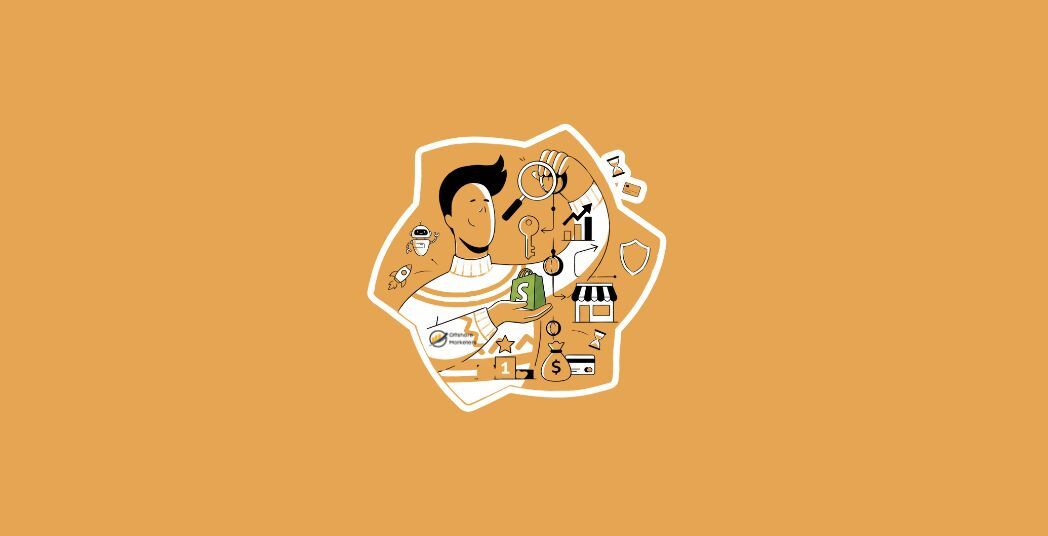
Smartphones and digital channels dominate our lives, making digital content creation an essential skill for businesses and creators (Image source: Shopify)
What Is Digital Content Creation?
Digital content creation is the process of producing any form of content – text, images, video, audio, and more – in a format that can be accessed on computers or the internet.
In simpler terms, if it’s information or media made with a computer and published online, it falls under digital content creation.
This includes everything from writing blog articles and designing infographics to recording podcasts and filming YouTube videos.
Digital content is incredibly diverse and takes many forms, including e-books and blog posts, podcasts and music, videos and live streams, software and apps, social media posts, webinars, online ads, and beyond.
At its core, digital content creation is about communicating a message or value to a target audience through digital channels.
Whether the goal is to educate, entertain, inspire, or persuade, the content you create online should provide some benefit to the audience (solving a problem, answering a question, telling a story, etc.).
This is what separates effective content from random noise on the internet. In 2025, audiences are savvier than ever – they seek out valuable, relevant, and engaging content.
Creators who can deliver that consistently will stand out in the crowded digital landscape.
Why Digital Content Creation Matters
You might be wondering, “Is investing time and resources into digital content really worth it?” The answer is a resounding yes.
Great digital content isn’t just about getting likes or pageviews – it drives real business results.
Here are a few key reasons why digital content creation matters more than ever:
- Builds Trust and Authority:
Consistently producing high-quality content helps position you or your brand as an authority in your field.
By sharing your expertise and helpful information, you earn the trust of your audience. Over time, an audience that trusts you is far more likely to become loyal customers.
For example, A B2B company that publishes insightful white papers and case studies can establish thought leadership in its industry, making potential clients confident in its services.
- Boosts Visibility and Brand Awareness:
People today spend countless hours consuming content online – scrolling social media, reading articles, watching videos.
If you’re not creating content, you’re invisible during those hours. Engaging digital content increases your visibility by giving people something valuable to discover and share.
A useful how-to video or a funny meme related to your niche can expose your brand to new eyeballs.
Over time, recognizably great content makes your brand top-of-mind for your audience.
- Drives Traffic, Leads, and Sales:
At the end of the day, content creation supports your business goals. Strategic content is a proven driver of website traffic and lead generation.
For instance, blogging regularly about topics your customers care about can significantly boost your organic search traffic – one bakery grew its site traffic by 214% just by blogging consistently.
More traffic and engagement mean more opportunities to convert readers or viewers into paying customers.
Whether it’s a viral social post that brings shoppers to your online store or an informative product demo video that convinces someone to buy, content creation fuels the sales funnel.
- Pre-sells Your Audience (Shorter Sales Cycles):
Content allows you to build a relationship with potential customers before they ever talk to a salesperson.
By the time someone reaches out to your business, they may have already read your guides, watched your tutorials, or listened to your podcast – effectively pre-qualifying themselves.
This shortens sales cycles and lowers customer acquisition costs, because your content has done part of the job of educating and warming up the lead.
For example, Tombow, an art supplies company, built an extensive library of free art tutorials and videos for budding artists.
This content kept artists coming back, built positive brand associations, and ensured that when those artists needed new supplies, Tombow was the first brand that came to mind – without any hard sales pitch.
In short, digital content is the lifeblood of modern marketing and community-building.
It’s how you show up in your audience’s lives consistently and meaningfully. As one marketing maxim goes, “content is king” – and in 2025, that’s truer than ever.
Businesses with a smart content strategy outperform those without because they’re engaging their audiences 24/7 across channels.
Fact:
According to the Content Marketing Institute, 57% of top-performing enterprise marketers have a documented content strategy, yet 31% of teams cite a lack of strategy as a major challenge.
In other words, having a clear content plan is a key differentiator between companies that succeed with content and those that struggle.
Now that we’ve covered the “what” and “why,” let’s dive into the “how” – starting with the types of content you can create.
Main Types of Digital Content (and Examples)
One of the beauties of digital content creation is the many forms content can take.
You’re not limited to one format – in fact, a rich content strategy usually involves a mix of content types to reach people across different platforms and preferences.
Here are the main categories of digital content with examples of each:
- Text-Based Content:
This is written content, which includes blog posts, articles, ebooks, white papers, case studies, press releases, and any other text you publish online.
Written content is excellent for educating and for search engine optimization (SEO), as search engines can crawl text easily.
For example, The very guide you’re reading is text content. Another example: A SaaS company might publish a series of blog posts addressing common customer questions, helping attract organic traffic via Google.
Text content forms the foundation of many content strategies.
- Visual Content:
Visuals can quickly grab attention and simplify complex information.
Common visual content formats include images (photos, illustrations), infographics, diagrams, charts, memes, and slide presentations.
For instance, an infographic can present statistics or step-by-step processes in a more engaging, shareable way than a wall of text.
Social media platforms like Instagram and Pinterest thrive on visual content.
Even in blog posts, including visuals (images, graphics) is important – posts with at least one image get 2X more traffic on average than text-only posts.
- Video Content:
Video reigns supreme in today’s digital landscape. From short-form videos on TikTok, YouTube Shorts, or Instagram Reels to long-form content on YouTube or Vimeo, video is incredibly engaging.
Creators use video to demonstrate products, share how-to tutorials, vlog daily life, or tell brand stories.
Video content is highly effective: YouTube remains the second-most popular social platform globally, and TikTok’s explosive growth shows the appetite for short, snackable videos.
Businesses are investing in both short videos (for quick social media engagement) and longer videos (for deep dives and SEO on YouTube).
For example, a fitness brand might post 60-second exercise tip videos on TikTok for virality, while also hosting longer workout videos on YouTube for subscribers – repurposing content across platforms.
- Audio Content:
Not all content is visual – audio formats are booming too. This includes podcasts, audiobooks, audio live chats (e.g., Twitter Spaces or Clubhouse), and music.
Audio content is great for on-the-go audiences who like to learn or be entertained while driving, exercising, or doing chores.
Podcasts in particular have seen massive growth – 62% of U.S. consumers listen to podcasts, and the numbers keep climbing each year.
If you can start a podcast in your niche (or be a guest on one), it’s a powerful way to build a personal connection with listeners via voice.
Even short-form audio like branded sound bites or Alexa voice search responses count as content. Don’t overlook the ears!
- Social Media Content:
This refers to the posts and updates created specifically for social platforms like Facebook, Instagram, TikTok, X (Twitter), LinkedIn, Pinterest, etc.
Social media content can be text, images, videos, polls – whatever format the platform supports. The key is that it’s typically shorter-form and tailored to engage people in a feed.
For example, a restaurant might post daily drool-worthy photos on Instagram, a B2B startup might share industry tips on LinkedIn, and an indie game developer might tweet updates and memes on X.
Social content often overlaps with other types (e.g., a video posted to YouTube vs. a video posted as an Instagram Reel), but it deserves its own category because of the unique style and interaction on each platform.
- Interactive Content:
Interactive content actively involves the audience in some way.
This includes quizzes, polls, surveys, calculators, interactive infographics, and augmented reality (AR) experiences (like AR filters on Snapchat/Instagram).
Interactive content is highly engaging because it isn’t passive – the user is clicking or inputting something.
For instance, a home décor site might have a “Room Style Quiz” to help visitors identify their design style (and then recommend products based on the result).
Interactive tools can also collect valuable data (with user consent) and provide personalized value.
As another example, an AR app might allow users to virtually “try on” sunglasses or see how furniture would look in their room – a powerful content experience that can drive sales.
- User-Generated Content (UGC):
Not all content is created by you – some of the most authentic digital content is created by your users or community.
UGC can include customer reviews and testimonials, social media posts from fans, comments on forums or blogs, unboxing videos made by customers, etc…
Encouraging UGC is a smart strategy because people trust content from real users often more than from brands (social proof!).
For example, a brand might run a hashtag campaign asking customers to share photos using the product – these posts then act as testimonials and marketing content.
Featuring UGC on your site or social feeds not only provides fresh content but also strengthens your community by recognizing your audience.
- Email Content:
Although email is an older digital medium, it’s still one of the most effective channels.
Email content includes newsletters, promotional emails, drip campaigns, and any content delivered via email subscription.
A well-crafted email newsletter can drive traffic to your new blog posts, announce product updates, or share exclusive tips – all while building a one-on-one relationship with your audience in their inbox.
For instance, a marketing agency might send a monthly email with 5 best blog articles and a special offer for subscribers.
Email content often repurposes bits of other content (like summarizing a blog post with a “read more” link), but it requires strong copywriting and a personal touch to avoid the spam folder and keep subscribers engaged.
As you plan your content, think about mixing these content types to maximize reach and impact.
Different formats excel in different channels – e.g. search engines love long-form text, Instagram loves visuals, YouTube demands video, and podcast platforms need audio.
Also, consider how you can repurpose content across formats.
A single idea can spawn a blog post, a slide deck infographic, a podcast episode, and a series of social posts – expanding your reach without reinventing the wheel each time.
For example, if you host a webinar (video content), you could later transcribe it into an article (text), pull out key quotes for social graphics (visual), and extract the audio as a podcast episode (audio).
Smart content creators squeeze maximum value from every piece of content.
Key Tools and Platforms for Digital Content Creation
You don’t need to be a technical wizard to create digital content in 2025, but you do need to leverage the right tools.
Thankfully, there’s an ever-growing arsenal of content creation tools and platforms – many of them free or affordable – that can streamline your process and enhance your output.
Here are some of the key tools and platforms across different content types:
- Content Management Systems (CMS):
If you’re blogging or managing a website, a good CMS is essential.
WordPress remains the most popular CMS for bloggers and businesses (thanks to its flexibility and plugins), while Contentful and HubSpot CMS are also popular for robust content sites and enterprises.
These platforms help you draft, format, and publish articles without needing to code from scratch.
They often include SEO plugins or features to optimize your on-page SEO. Choose a CMS that fits your technical comfort and scalability needs.
- Graphic Design Tools:
You no longer need a graphic design degree to create eye-catching visuals.
Tools like Canva, Adobe Express, Visme, and Piktochart offer user-friendly drag-and-drop interfaces with templates for social media images, infographics, presentations, and more.
For more advanced design, the Adobe Creative Cloud suite (Photoshop, Illustrator, InDesign) is the industry standard – but there are free alternatives like GIMP (image editing) or Krita for illustration.
Even simple smartphone apps can produce great graphics or edit photos on the fly.
Tip: Visual content creators often rely on stock photo sites and icon libraries – Pexels, Unsplash, and Pixabay for photos; Iconfinder or FlatIcon for icons. Many of these resources are free.
- Video Production & Editing:
Video creation might seem daunting, but modern tools have made it accessible.
For shooting video, a decent smartphone or DSLR camera and microphone can work for beginners.
For editing, there are options for all skill levels: Adobe Premiere Pro and Final Cut Pro for professionals, and easier (often free) tools like Adobe Premiere Rush, iMovie (Mac), DaVinci Resolve (has a robust free version), or online editors like Kapwing and Canva’s video editor.
If you’re creating animated explainer videos, tools like Doodly or Powtoon help create animations without advanced skills.
Don’t forget platform-specific tools – e.g. TikTok and Instagram have built-in video editing features for creating viral short clips.
The key is to match your tool to your output needs: quick social videos can be done on mobile apps, whereas polished YouTube content might warrant professional software.
- Audio Recording & Editing:
For podcasts or audio content, you’ll want a good microphone (USB mics like the Blue Yeti or Audio-Technica AT2020 are popular for starters) and a quiet recording space.
Software-wise, Audacity is a free, open-source audio editing program great for beginners, while Adobe Audition is a more advanced tool for audio professionals.
Podcast hosting platforms like Anchor (Spotify for Podcasters) or Buzzsprout make it easy to publish episodes to all major platforms.
If you plan interviews, tools like Zoom or Riverside.fm can record remote conversations in high quality.
And for adding music or sound effects, look to royalty-free audio libraries (YouTube’s audio library, FreeSound, etc.).
With these tools, one person can produce a podcast from home that sounds like it was made in a studio.
- Social Media Management Tools:
When you’re active on multiple social platforms, a management tool can be a lifesaver.
Tools like Hootsuite, Buffer, Sprout Social, or Later allow you to schedule posts across platforms, monitor engagement, and even curate content ideas.
They ensure you maintain a consistent posting schedule (critical for building an audience) and can save hours by managing everything in one dashboard.
Many social tools also provide analytics to see which posts perform best.
Additionally, native platform tools like Meta Business Suite (for Facebook/Instagram) or Twitter Analytics can be very useful to track performance.
- Collaboration and Project Management:
Content creation is often a team effort – or at least involves feedback loops.
Tools like Google Workspace (Docs, Sheets) are ubiquitous for writing and editing content collaboratively.
If you’re working with a team of writers, designers, or editors, consider project management tools like Trello, Asana, or Notion to organize your content calendar, assign tasks, and track progress.
These help enforce a smooth content workflow, from content ideation to drafting, review, and publication.
For real-time communication, Slack or Microsoft Teams can keep everyone aligned on content projects.
- SEO and Research Tools:
To create content that actually gets found online, leverage SEO and research tools.
Keyword research tools like Semrush, Ahrefs, or Google Keyword Planner help you find what your audience is searching for, so you can align content with those queries.
(For example, discovering that many people search “how to create digital content” or “digital content strategy 2025” would signal those are great topics to cover – which we are in this guide!)
SEO tools also help with optimizing content – checking that you used your keywords, have a good meta description, etc.
Additionally, topic research tools (e.g. AnswerThePublic, BuzzSumo) can spark content ideas by showing questions people ask. Even free tools like Google Trends can reveal hot topics or seasonal interest spikes to capitalize on.
The smartest content creators are data-informed; they use these tools to create content that meets demand and fills gaps in the market.
- Analytics Tools:
Lastly, to measure how your content is performing, you’ll need analytics.
Google Analytics (GA4) is a must for websites – it tells you how many people view your content, how they found it, how long they stay, and more.
Each social media platform also has its own analytics (Facebook Insights, Twitter Analytics, YouTube Studio, etc.) to track views, likes, shares, and follower growth.
There are also centralized analytics tools and dashboards that can compile data across channels if needed.
Analyzing this data regularly is crucial to understand what content resonates and what doesn’t, so you can refine your strategy.
For example, you might learn your long-form blog posts get lots of search traffic but your infographics get more social shares – insight that can inform your future content focus.
- AI Content Tools:
A special mention for 2025 is the rise of AI-powered content creation tools.
Generative AI can assist with drafting copy (e.g. OpenAI’s ChatGPT or tools built on it), creating images (e.g. DALL-E, Midjourney), or editing and brainstorming.
AI can be a huge productivity booster – 43% of marketers report using generative AI for content creation tasks like writing copy or generating ideas.
For example, you might use an AI tool to suggest blog outlines, or to repurpose a blog post into a few social media captions.
However, AI is a support, not a replacement for human creators (more on this in Trends).
Use AI to help with first drafts, research summarization, or tedious editing – but always add your human creativity and review to ensure accuracy and originality.
With these tools in your toolkit, you can produce quality content more efficiently and effectively.
The barrier to entry for digital content creation has never been lower – many of the tools above are free or have free tiers.
It’s possible for a solo creator or small business to create multimedia content that looks professional by smartly leveraging technology.
Don’t be afraid to experiment with new platforms and apps; in the fast-paced digital world, early adopters of good tools often gain an edge in content quality or quantity.
(Internal note: For a deeper dive into specific content tools, you might check out our blog’s “Top 20 Content Creation Tools for 2025” and similar resources.)
Essential Skills for Successful Content Creation
Tools aside, what skills does a digital content creator need to thrive?
Content creation is a multidisciplinary game – it blends creativity, communication, and technical know-how. The good news is you can learn and sharpen these skills over time.
Whether you’re a solo content creator or managing a team, here are the key skills that will help you produce effective digital content:
- Writing and Storytelling:
At the heart of most content is strong writing and storytelling ability.
Even if you’re making videos or podcasts, the skill to structure a narrative and communicate clearly is invaluable.
Good writing isn’t just about correct grammar – it’s about engaging the reader, weaving in storytelling elements, and conveying your message in a compelling way.
In digital contexts, it also means writing in a tone and style that suits the platform (a blog article is written differently than a tweet).
If you can hook your audience with a great story or informative narrative, your content will stand out in any medium.
Tip: Practice concise writing too – attention spans are short, so learn to make your point effectively without fluff.
- SEO Knowledge:
Understanding the basics of search engine optimization is a game-changer for content creators, especially those focusing on written or video content.
SEO knowledge includes knowing how to research keywords, optimize titles and headings, write meta descriptions, and use tags or alt-text for images.
It’s also about understanding search intent – what your audience is actually looking for – and ensuring your content fulfills that need.
A technically perfect piece of content that nobody finds is wasted effort. By contrast, content created with SEO in mind can continue to bring in organic traffic for months or years.
Many content roles today explicitly require SEO skills, so this is a must-have in your skillset.
- Social Media Savvy:
If your content will live (or be promoted) on social platforms, you need to understand how those platforms tick.
Each social network has its own culture, best practices, and content formats.
Being social media savvy means knowing, for example, that on Instagram you might need a strong visual and use of hashtags, on LinkedIn a more professional voice, on TikTok a snappy attention-grabber in the first 3 seconds, and so on.
It also means engaging with your community – responding to comments, joining conversations, and building relationships online.
Social media is often where content gets distributed and gains traction, so knowing how to navigate these platforms is crucial.
It’s no coincidence that “social media management” is a common part of content creator job descriptions.
- Design and Visual Basics:
You don’t need to be a master graphic designer or videographer for most content roles, but having an eye for design and some basic production skills helps enormously.
This includes understanding principles of layout, color, and typography for making things look appealing. It means knowing how to crop an image, do light photo editing, or create a simple graphic when needed.
Likewise, basic video editing (trimming clips, adding subtitles) and audio editing skills can save you time if you’re creating multimedia content.
A lot of content creators are “jacks of all trades” – they can write the blog post and make a decent accompanying graphic, for example.
If you lack in this area, consider taking an online course on graphic design fundamentals or video editing basics.
And of course, practice by using the tools mentioned earlier – many offer templates that teach you good design by example.
The goal isn’t perfection, but rather versatility and the ability to maintain quality across formats.
- Research and Learning:
Good content often requires good research – whether it’s gathering facts to support a blog post, learning about a new trend to produce a timely video, or understanding your audience’s questions.
Content creators should be naturally curious and skilled at finding reliable information.
This includes evaluating sources for credibility, doing interviews (if needed) or surveys, and staying up-to-date in your niche.
In 2025 especially, with information overload and misinformation issues, a content creator who can dig up accurate data and cite it will earn trust (remember to cite sources in your content, just as we’re doing in this article!).
Additionally, the digital world evolves quickly, so a top skill is the ability to continuously learn new things.
New platform? New algorithm change? New content format trending? Being adaptable and eager to learn keeps your content strategy fresh and effective.
- Communication & Collaboration:
If you work in a team, the ability to communicate ideas, give and receive feedback, and coordinate with others is key.
Even independent creators often collaborate (with sponsors, with other creators, etc.). Being professional, meeting deadlines, and clearly articulating your vision will set you apart.
Strong communication also extends to how you engage your audience – for example, responding to comments in a friendly, consistent tone, or writing emails to potential partners.
And as a content marketer, you may need to communicate the value of content to other stakeholders (like explaining to your boss how a content campaign is performing).
All of this relies on good interpersonal communication skills and a bit of marketing savvy.
- Analytics and Optimization:
Modern content creation is as much about analytics as it is about creativity.
The best content creators regularly analyze how their content is performing – Which blog posts get the most traffic or social shares? Where do readers drop off in a video? What topics get the most email opens? – and use those insights to improve.
Being comfortable with numbers and tools (like Google Analytics or social insights) helps you make data-driven decisions.
Maybe you find that your audience really enjoys infographics but doesn’t engage with podcasts – that insight allows you to pivot your content mix accordingly.
Optimization is an ongoing process: A/B testing different headlines, experimenting with posting times, tweaking video thumbnails, etc.
A great content creator treats content like a craft, honing it over time using feedback from the audience and data.
- Creativity and Originality:
Last but certainly not least, creativity is the lifeblood of content. In an era where AI can generate generic articles, what will set your content apart is original ideas, personal voice, and creative presentation.
Don’t be afraid to think outside the box – try new content formats, inject humor or storytelling, or approach a topic from a novel angle.
Creative content is more likely to go viral or at least stick in your audience’s memory.
Original research or unique insights are especially valuable (e.g., conducting your own small survey and sharing results).
As one study noted, because AI now handles so many basic queries, content with original opinions, expert quotes, or data that others can’t replicate is more important than ever for engagement.
In short, be bold and be yourself in your content – authenticity resonates, and it’s something no one else can copy.
If this skill list feels overwhelming, remember that content creation is often a team sport. In a marketing team, one person might handle writing, another design, another video, etc.
But if you’re solo, prioritize the skills most relevant to your content focus, and partner with or outsource for areas you’re weaker in.
For example, if you’re a fantastic writer but not great with design, you might hire a freelance designer for your infographics, or use tool templates to compensate.
And continuously improving these skills is part of the journey – even experienced creators are always learning new techniques and adapting to changes (like Google’s latest algorithm or the next big social platform).
In the next section, we’ll combine the tools and skills above into a concrete plan: how to develop a digital content strategy for 2025.
How to Create a Winning Digital Content Strategy (2025 Edition)
Creating content without a strategy is like driving without a map – you might move forward, but you’re unlikely to end up where you want.
A digital content strategy is your roadmap that defines what content you will create, why you’re creating it, who it’s for, where it will be published, and how it will achieve your business goals.
In 2025, building a strong content strategy means accounting for an ever-expanding range of channels and technologies (from omnichannel customer journeys to generative AI) while staying focused on delivering consistent, high-quality content experiences.
Here’s a step-by-step guide to developing a digital content strategy that is modern, effective, and future-proof:
1. Define Your Goals and KPIs
Start with the why. What are you trying to achieve with your content?
Common goals include increasing brand awareness, driving website traffic, generating leads or sales, building an online community, improving SEO rankings, or educating customers.
You might have more than one goal, but it’s wise to prioritize – especially if you’re just starting out.
For example, a startup might prioritize lead generation, whereas a nonprofit might focus on brand awareness and thought leadership.
Once you set goals, determine key performance indicators (KPIs) to measure each goal.
If your goal is traffic, KPI might be monthly unique visitors. For brand awareness, KPI could be social share of voice or impressions.
If sales, perhaps conversion rate or revenue from content-driven leads. Setting clear objectives and metrics will guide the entire strategy and give you a way to measure success.
(Avoid the mistake of skipping this step – jumping into content creation without clear objectives is a common pitfall.)
2. Understand Your Audience (Build Buyer Personas)
Your content will only be effective if it’s tailored to the needs and interests of your target audience. Invest time in researching and defining who your ideal audience is.
This often means creating buyer personas – semi-fictional profiles of your target customers that include demographics (age, job, location), goals, challenges (pain points), and what they value.
Ask yourself: What problems does my audience need solved? What questions are they asking? What formats do they prefer (e.g., busy executives might prefer quick podcasts vs. long whitepapers)?
Utilize any data you have: customer surveys, website analytics (e.g., which content topics have done well), social media insights, and competitor analysis to see who they’re targeting.
If you don’t research your audience, you risk creating content that you find interesting but your audience ignores – a common mistake among creators.
For example, a company selling accounting software to small businesses should identify whether their content readers are the business owners themselves, accountants, or office managers – each might require a different approach.
By deeply understanding your audience, you can craft content that truly resonates, addressing their pain points and interests in every piece.
3. Conduct a Content Audit (Assess What You Have)
If you already have existing content (blog posts, videos, etc.), perform a content audit. This means cataloging your content and evaluating its performance and relevance.
Identify which pieces have performed well (and why), which are outdated or underperforming, and where the content gaps are.
For instance, you may discover that your blog has lots of posts about product features but few that address common customer questions – that’s a gap to fill.
Use analytics to see what content drives the most traffic or engagement. Also assess your competitors’ content: what topics they cover, what formats they use, and how their content is received.
A content audit helps you avoid reinventing the wheel and highlights opportunities to update or repurpose existing material.
As Contentful notes, it can show you which content to “migrate” and what can be “sunsetted” if you’re overhauling your strategy.
Essentially, know your starting point so you can plan the journey forward.
4. Brainstorm Content Topics and Formats (Ideation)
Now the creative part – deciding what content to create. Based on your goals, audience, and audit findings, list out content topics and ideas that would be valuable.
Leverage your audience research: each pain point or common question can become a piece of content.
For example, if a key audience pain point is “lack of time,” create content like “10 Time-Saving Tips for [Your Audience].”
Use keyword research tools to find high-volume questions in your niche (e.g., “how to do X,” “best Y for Z”) – those can be blog topics or video themes.
Also consider content formats during ideation: which topics lend themselves to a video demo vs. a blog article vs. an infographic? A mix of formats will enrich your strategy.
In 2025, also think about multi-purpose content – an idea that can span a series (e.g., a weekly podcast plus a blog recap).
To generate ideas, you can use tools like Semrush’s Topic Research or answer-the-public style tools.
Make sure to prioritize ideas that align with your strategy – it’s better to have a handful of high-impact content pieces than dozens of random posts that don’t connect to your goals or audience.
Tip: Keep an ideas repository (spreadsheet or Trello board) to capture inspiration whenever it strikes; not every idea will be used immediately, but it’s great to have a backlog.
5. Develop Your Content Plan and Calendar
With key topics and formats in mind, create a content plan/calendar. This outlines when and where you will publish each piece of content.
Decide on a realistic publishing frequency – e.g., two blog posts per week, one video per month, daily social media posts – based on your resources.
Consistency is more important than sheer volume. It’s often better to post slightly less often but maintain quality and a regular schedule than to overextend and burn out or go silent for long stretches.
Lay out your calendar for at least the next 3 months: assign topics to dates, note the content type, and who is responsible for creating it (if you have a team).
Make sure the calendar aligns with any big campaigns or seasonal events in your business (for instance, retailers might plan extra content around the holiday season).
Many companies use an editorial calendar tool or spreadsheet for this purpose. Also consider content distribution here – how will you promote each piece?
(e.g., an email newsletter for each new blog post, or teaser clips on social media for each new podcast episode.)
A solid plan and calendar ensure you’re proactive rather than reactive with content.
6. Choose Key Channels and Platforms
It’s tempting to try to be everywhere – blog, YouTube, TikTok, LinkedIn, email, podcasts, etc. – but unless you have a big team, that’s usually not feasible.
A smarter approach is to prioritize the channels that make the most sense for your audience and content type.
If you’re in B2B, LinkedIn and a blog might be higher priority than TikTok; if you’re a visual consumer brand, Instagram or TikTok might outrank a long-form blog.
Choose a primary channel or two to focus on, and a couple of secondary ones for repurposing content.
As an example, you might decide your primary content will be a weekly blog article and YouTube video (to drive SEO and engagement), and secondary will be sharing highlights on Twitter and LinkedIn.
Also ensure your platform infrastructure is in place – e.g., if video is key, have a good YouTube channel setup; if blogging, ensure your website is optimized.
This is akin to Contentful’s advice: match your infrastructure to your priorities – use a content platform and tools that support the channels you’ve chosen.
It’s better to excel on a few platforms than to do a mediocre job on all. You can always expand later as you grow.
7. Establish Workflow and Content Creation Process
Having a strategy on paper is great, but you need an efficient workflow to execute it.
Define how each piece of content goes from idea to publication. Typical steps include: research -> outline -> draft -> edit -> design (if visuals needed) -> publish -> promote.
Assign roles if working in a team (e.g., who writes, who designs, who approves, who publishes).
Set deadlines for each step to keep things moving; an editorial calendar should have not just publish dates but due dates for drafts, etc.
Use tools or a content management platform to keep track (as mentioned in Tools section, Trello/Asana/Notion boards can be configured as content pipelines).
Also prepare templates or guidelines to maintain consistency – e.g., a blog post template with structure, a style guide for tone/voice, an SEO checklist for optimization.
This prevents the common issue of inconsistent brand voice or quality when multiple people are creating content. In 2025, consider how automation and AI might streamline your workflow too.
For instance, you can use AI tools to generate first drafts or content briefs, and automate social media scheduling. Just ensure there’s oversight so automation enhances rather than harms quality.
A clear workflow minimizes bottlenecks and helps you scale content production without chaos.
8. Optimize and Publish Content
Execute your plan by creating content according to best practices. As you produce each piece, optimize it for its channel.
For blogs, this means doing on-page SEO (use your keywords naturally, add meta tags, link to related content internally – which also helps your audience navigate).
For videos, optimize titles, descriptions, and thumbnails for YouTube search and click-through.
For all content, make sure to include a call-to-action (CTA) that ties back to your goals
(e.g., end of a blog post encourages signing up for a newsletter, or a video mentions “subscribe to our channel” or “check out our product”).
When publishing, double-check formatting (especially on mobile devices) and do a quality assurance pass – broken links or typos can hurt credibility.
If you planned properly, your content should go out on schedule and in polished form.
Once live, actively promote the content: share it on social media, send it to your email list, ask colleagues or friends to share, and engage with any responses.
Early traction can help content gain algorithmic favor (e.g., a burst of traffic/shares might boost a blog post’s Google rankings slightly, or a YouTube video’s visibility).
9. Measure Performance and Iterate
A content strategy is not a static document – it should evolve based on what the data shows. After publishing content for a while, dig into your KPIs and analytics.
Which pieces are hitting the mark, and which are underperforming? Analyze metrics relevant to your goals: organic traffic, time on page, social shares, conversion rates, bounce rates, etc.
Perhaps you find that list-style articles get 3x the traffic of opinion pieces – that’s insight to incorporate.
Or you might see your how-to videos have high drop-off at the 2-minute mark – maybe they need to be shorter or more engaging up front. Use these insights to refine your strategy continually.
You might adjust your content mix (e.g., more videos, fewer infographics) or change your promotion tactics (maybe LinkedIn ads aren’t yielding results, but Twitter is).
Also listen to qualitative feedback: comments, customer inquiries, social media discussions can reveal new content needs or how your brand is perceived.
Schedule regular strategy reviews, say quarterly, to assess if your content is moving you toward your goals.
If not, identify the bottlenecks – do you need to target different topics? Improve content quality? Increase distribution efforts? Keep your strategy agile.
For instance, if a new platform rises in 2025 (who knows, maybe a new AR-based social network), be ready to experiment if your audience starts migrating there.
The digital world changes fast – the best content strategies are those that keep one eye on the data and another on emerging trends, adjusting course as needed for continued success.
By following these steps, you’ll build a robust digital content strategy that serves as a north star for all your content efforts.
It ensures that every blog post or video isn’t an isolated effort but part of a larger, cohesive plan to grow your brand and achieve specific outcomes.
Importantly, a documented strategy also gets your team (or partners) on the same page and makes it easier to onboard others to help with content.
Remember, even the best strategy is a living document – keep refining it as you learn what works best for your audience and objectives.
(Internal link suggestion: For further reading, check out our Content Marketing Strategy 101 guide, which delves into aligning content with the buyer’s journey and provides templates for content calendars.)
Common Mistakes in Digital Content Creation (And How to Avoid Them)
Even seasoned content creators slip up. Being aware of common pitfalls can save you from wasted effort and subpar results.
Here are some frequent mistakes in digital content creation and tips on how to avoid them:
- Lack of a Clear Strategy or Goal:
As mentioned, jumping into creating content without a clear objective is a top mistake.
If you’re just churning out blog posts with no idea how they tie to business goals, you’re likely to be disappointed.
Avoid it: Always define why you are creating each piece of content. Tie everything back to a strategy (even if informal) so that you have a way to measure success.
If you catch yourself saying “We need to post something on Instagram because it’s been a while,” step back and re-evaluate the strategy rather than posting random content.
- Ignoring Your Audience’s Needs:
Content that doesn’t speak to the target audience is doomed to flop. This happens when creators focus on what they want to say rather than what the audience cares about.
Avoid it: Use the audience-first approach – every time you brainstorm an idea or write a line, consider if it addresses a need or interest of your intended readers/viewers.
Solicit feedback from your audience regularly (through comments, polls, or analytics) and incorporate their questions into future content.
Remember, you’re creating for them, not for yourself or your boss’s vanity metrics.
- Inconsistent Brand Voice or Quality:
If one day your content is casual and witty and the next it’s formal and technical (with no deliberate reason), you’ll confuse your audience and weaken your brand identity.
Similarly, slacking on quality control (typos, poor design, factual errors) can erode trust.
Avoid it: Develop a style guide for tone, voice, and design standards. Ensure everyone involved in content creation is aware of it.
Edit and proofread meticulously (or have a peer review system). Consistency builds a recognizable brand; inconsistency dilutes it.
If you have multiple content creators, holding a quick alignment meeting or using content templates can help keep voice and messaging on track.
- Focusing on Quantity Over Quality:
While it’s true that more content can mean more opportunities, content quality is far more important than sheer quantity.
Publishing 5 mediocre blog posts a week won’t do as much as 1 excellent, research-backed post that truly helps your audience.
Low-quality content can also hurt your SEO (thanks to Google’s helpful content updates) and brand perception.
Avoid it: Set realistic schedules that allow time for quality writing, design, and editing.
If necessary, dial back frequency to ensure every piece of content meets your standards and offers real value.
Always ask, “Would I spend time on this piece of content if I weren’t the creator?” If not, it might need more work or a rethink.
- Neglecting SEO Basics:
A common mistake is creating content in a vacuum without considering how people will find it.
You might write an amazing article but use a vague title or ignore keywords, resulting in little search traffic.
Avoid it: Before creating, do basic keyword research to align topics with search demand.
During creation, follow on-page SEO best practices (unique title tag, meta description, headers, keyword usage, image alt tags, internal linking).
For non-text content like videos, optimize titles/descriptions for YouTube’s search algorithm. SEO isn’t everything, but it significantly amplifies the reach of your content when done right.
If you’re unsure about SEO, invest a bit of time in learning or use tools/plugins that guide you.
- No Promotion or Distribution Plan:
“If you build it, they will come” does not apply to content on the busy internet.
Hitting publish is just the first step; many creators make the mistake of not actively promoting their content.
Avoid it: Always allocate time and effort to content distribution.
This could mean sharing on your social channels (multiple times over weeks, not just once), sending to your email list, doing outreach to influencers or communities who might find it useful, repurposing it into different formats (to reach different audiences), and engaging on platforms where your audience hangs out (like answering questions on forums/Reddit and linking to your content if appropriate).
Think of the 80/20 rule – some experts say spend 20% of time creating content, 80% promoting it. That might not always be feasible, but it underscores the point that promotion is crucial.
- Not Engaging with Your Audience:
Content isn’t a one-way broadcast. If people leave comments, ask questions, or share your content, don’t ignore them.
A mistake is to publish and forget, leaving any community interaction by the wayside.
Avoid it: Respond to comments on your blog or YouTube; thank people for sharing your articles; engage in discussions sparked by your content on social media.
This builds goodwill and encourages more interaction, which can lead to more visibility (e.g., Twitter’s algorithm favors tweets with active replies).
Also, listening to your audience can yield golden insights for future content or improvements.
- Giving Up Too Soon:
Content marketing is a long game. A common pitfall is expecting viral success overnight and then quitting when a few posts don’t get much traction.
It often takes months to build momentum (search engines need time to rank content; audiences need multiple exposures to start recognizing you).
Avoid it: Set realistic expectations and commit to consistency. Keep an eye on long-term trends (Is traffic slowly growing?
Are you gaining followers bit by bit?) rather than instant spikes. Learn from each piece and keep improving.
Many successful blogs and channels were nearly invisible in their early days but exploded after a year or two of consistent, quality effort.
- Not Measuring Results:
Some creators crank out content but never look back to see what worked or not.
This is a missed opportunity at best, and a waste of resources at worst (if you’re continuing strategies that aren’t effective).
Avoid it: As covered in the strategy section, regularly review your content performance. Identify at least top 3 performing pieces and bottom 3 every quarter – analyze why and apply the lessons.
Maybe your audience prefers one topic or format. Maybe certain CTAs in your content convert better. Without measuring, you’re flying blind.
Use the analytics tools at your disposal and adjust course accordingly.
Avoiding these mistakes will save you headaches and help you get better results from your digital content creation efforts.
Whenever you find your content process faltering, revisit this list to see if you’ve slipped into one of these common traps.
The best creators make mistakes too – but they learn and adapt quickly.
Emerging Trends in Digital Content Creation (2025 and Beyond)
The digital content landscape never stands still. What worked in 2019 might be outdated by 2025, and new trends are constantly reshaping how we create and consume content.
To keep your strategy ahead of the curve, you need to be aware of the emerging trends in content creation.
Here are some of the top trends in 2025 and the near future that content creators and marketers should watch and adapt to:
- AI-Enhanced Content Creation:
By 2025, artificial intelligence has woven itself into the content creation process in a big way.
We’re seeing widespread use of AI tools to assist with generating drafts, brainstorming ideas, creating images, and even editing.
Rather than replacing human creators, the trend is using AI to support and speed up content production.
For example, marketers are using AI to repurpose content across formats – turning blog posts into video scripts, or videos into short social posts – to meet the growing demand for content output.
Surveys show that a large chunk of marketers (43%) are leveraging generative AI for content creation tasks, making it a new norm.
What this means for you: Embrace AI tools that can enhance your workflow (like writing assistants or image generators), but use them wisely. The winning formula is human creativity + AI efficiency.
It’s crucial to maintain human oversight; content flooded with unchecked AI output can feel generic or even spread misinformation, which savvy audiences and search engines are increasingly able to detect.
So, use AI to handle the grunt work and help scale your efforts, but always add originality, editorial judgment, and personal voice to the final product.
- Original and Authentic Content Over Generic:
In the age of AI and content saturation, there’s a counter-trend emphasizing originality and authenticity.
Since AI can now produce passable content on generic topics, audiences (and algorithms) are placing higher value on content that offers a unique perspective, expert insight, or personal touch that can’t be easily replicated.
Google’s helpful content system, for instance, is tuned to reward content that demonstrates experience, expertise, authoritativeness, and trustworthiness (E-E-A-T) – all of which favor original human-created content.
Thought leadership pieces, personal stories, case studies, and data-driven articles are on the rise.
As one industry expert noted, companies are increasingly writing with fresh opinions, interviewing experts, and sharing lessons from real experiences to differentiate from cookie-cutter content.
Takeaway: Don’t shy away from sharing your brand’s unique voice or your own stories.
If you have access to original data or can conduct mini-research (even a poll of your email subscribers), do it – that kind of content stands out.
Authenticity, including acknowledging your failures or learning journeys, also builds trust.
Creators who are genuine and transparent tend to foster stronger community and loyalty, which is ever more important as people become skeptical of overly polished corporate content.
- Multichannel Content Distribution (Omnichannel Strategy):
A clear trend is that successful content is not confined to a single channel.
Brands and creators are adopting omnichannel content strategies, ensuring a presence across multiple platforms and mediums.
Audiences interact with content in a non-linear fashion – they might find you via a Google search, follow you on Instagram, subscribe to your podcast, and so forth.
If you rely on only one channel (say, just your blog or just YouTube), you risk missing segments of your audience and becoming vulnerable to changes in that platform’s algorithm.
In 2025, marketers are actively spreading their efforts: for example, repurposing a whitepaper into a series of LinkedIn posts, a webinar, and an email course, all promoting each other.
Social media, newsletters, search, and community forums all work together.
In fact, marketers are reminded “don’t rely on Google alone” – invest in building direct channels like email newsletters or a follower base that isn’t solely dependent on search rankings.
Your move: Identify the key places your audience spends time and make sure your content (appropriately tailored) is present there.
Ensure consistency in message and brand across channels (omnichannel doesn’t mean copy-paste everywhere, but rather a unified experience whether someone reads your blog, your Twitter thread, or hears you on a podcast).
Also, build owned audiences – e.g., an email list or a community group – so you’re not at the mercy of any single platform’s changes.
This multichannel approach increases your content’s reach and reinforces your brand through multiple touchpoints.
- Short-Form Video and Visual Storytelling:
Over the past few years, short-form video has exploded (thanks to TikTok, Instagram Reels, YouTube Shorts) and this trend is not slowing down.
Visual storytelling through quick, engaging videos is becoming a staple in content strategy.
These bite-sized videos (30 seconds to 2 minutes) cater to shrinking attention spans and the mobile-first audience.
Platforms are heavily rewarding this content with algorithmic boost, given the high engagement rates.
In 2025, more businesses are incorporating short videos: product demos, behind-the-scenes peeks, FAQs answered on camera, user-generated video testimonials, and more.
Additionally, live streaming and ephemeral content (like Instagram Stories) remain popular ways to connect in a more immediate, authentic way.
What to do: Even if you’re not a video-centric creator, consider how you can bring elements of video or motion into your content mix.
Could that blog post have a 1-minute summary video embedded? Can the podcast recording session be clipped into a teaser video?
Experiment with video creation – the barriers are lower now (with just a phone and basic editing apps, you can produce decent videos).
Also, design content with mobile viewing in mind – subtitles on videos (since many watch on mute), vertical formats, and captivating openings are all important.
Visual content doesn’t stop at video; infographics and data visualization are also trending as powerful tools to convey information quickly in the social media feed.
- Content Personalization and Interactive Experiences:
As data and AI capabilities advance, there’s a trend toward more personalized content experiences.
Rather than one-size-fits-all content, brands are aiming to tailor content to different segments of their audience, or even dynamically to individuals.
For instance, an email newsletter that delivers different content recommendations based on what a user clicked previously, or a website that adjusts content blocks shown to you based on your past behavior (showing a returning visitor content different from a first-timer).
On a simpler level, creating multiple versions of a piece of content for different personas (e.g., “Beginner’s Guide to X” vs. “Advanced Tips for X”) can address various audience segments more effectively.
Alongside personalization, interactive content (as mentioned earlier) is a growing trend – it not only engages users more but also allows personalization by letting users input preferences.
Even quizzes like “Answer 5 questions and we’ll recommend the perfect training program for you” personalize the content result.
Action: Explore ways to segment your audience and deliver more relevant content to each.
That could mean segmenting your blog into sections for different levels or industries, or using your email marketing tool’s features to send targeted content.
Interactive content tools are increasingly accessible – adding a simple quiz or calculator to your site can significantly boost engagement.
Remember, consumers are flooded with content; if you can deliver an experience that feels tailored to them, they’ll remember you.
- Communities and User-Led Content:
Another trend is the rise of content-driven communities – turning your audience into an interactive community that not only consumes content but also generates and discusses it.
Brands are creating forums, Discord servers, Facebook Groups, etc., where users can share their own content or experiences related to the brand’s niche.
For example, a fitness app might foster a community where members post their workout progress (user content) and motivate each other.
This not only increases engagement but also provides a stream of user-generated content that can be repurposed or inspires new content (with permission).
Additionally, influencer collaborations and inviting your audience to contribute (guest posts, video features) blurs the line between creator and audience – making content more participatory.
Tip: If appropriate for your brand, invest in building a community space. Encourage UGC by running challenges or featuring fan content.
The feeling of belonging can significantly increase loyalty and organic promotion, as community members often become brand advocates.
This does require genuine engagement – you can’t set and forget a community; it needs moderation and active involvement.
But the payoff is a sustainable ecosystem where content ideas and promotion often happen organically.
- Voice Search and AI Assistants Optimization:
As the use of voice-activated devices and AI assistants (like Siri, Alexa, Google Assistant, and even chatbot assistants like the new Bing or ChatGPT integrations) grows, content creators face the need to optimize content for voice queries and AI retrieval.
Voice searches tend to be longer and more conversational (e.g., “What’s the best digital content strategy for a small business?”).
Moreover, AI assistants often give direct answers by pulling from web content (or their training data).
There’s a budding field of “Answer SEO” – structuring your content to be easily understood and quoted by AI answer engines.
This means using clear Q&A formats, concise answers to common questions (which might be used as featured snippets or voice responses), and schema markup for FAQ pages.
HubSpot and others note that formatting content in a way that answers questions directly can improve visibility in voice/AI contexts.
Adaptation: Review your content to ensure it addresses common questions clearly – perhaps add an FAQ section to key pages or a summary that an assistant could grab.
Use natural language that mirrors how people speak questions.
It’s also smart to monitor emerging channels (like if Microsoft’s Bing AI chat cites sources, you’d want to be one of the cited sources by having authoritative content).
While it’s early days for some of these technologies, the trend is pointing towards a more conversational interface with content – and creators should prepare for that shift.
- Sustainability and Content Decluttering:
Not all trends are tech-related; some are strategic shifts.
There’s a growing recognition of “content shock” – the overload of content out there – leading some brands to focus on quality and sustainability of content rather than pumping out endless pieces.
This “less is more” approach might involve pruning old content (removing or updating outdated posts), consolidating similar pieces, and focusing on comprehensive, evergreen content that stays relevant.
Google’s emphasis on helpful, people-first content encourages this trend; sites with lots of thin or redundant content are cleaning up to improve overall quality signals.
Additionally, marketers are aligning content more tightly with business outcomes (no more content for content’s sake).
Consider: Audit your content library periodically. If you’ve been blogging for years, you might have outdated posts that should be refreshed or combined with newer ones.
Aim for a portfolio of content that each serves a clear purpose. The trend is moving away from clickbait or filler content – audiences are too savvy and algorithms too.
Creating less content, but making each piece count more, can be a winning strategy (and a relief for stretched content teams).
In summary, digital content creation in 2025 is defined by agility and innovation.
The creators who thrive will be those who leverage new technologies like AI, adapt to new channels and consumption habits, and maintain the human touch that resonates through authenticity and community-building.
Keep an eye on the trends above and be willing to experiment.
Not every trend will make sense for your strategy – don’t chase shiny objects at the expense of what works for you – but staying informed will let you make proactive decisions rather than playing catch-up.
The only constant in digital content is change, and that’s what makes it an exciting space to be in!
Conclusion: Time to Elevate Your Digital Content Strategy
Digital content creation is a vast, evolving, and rewarding endeavor.
From understanding the fundamentals of what digital content is, to mastering a wide range of content types, tools, and skills, to crafting a sharp strategy and avoiding common pitfalls – we’ve covered a lot of ground in this guide.
By now, you should have a clear picture of how all these pieces fit together to drive success in content marketing and digital brand building.
The key takeaway is that great content doesn’t happen by accident. It requires a blend of creativity and strategy, consistency and innovation.
The online world in 2025 offers incredible opportunities for those who are willing to put in the effort to create content that truly connects with their audience.
Whether you’re a marketer looking to boost your company’s online presence, a small business owner trying to attract customers through useful content, or an aspiring content creator hoping to turn your passion into a profession – the principles discussed here can help you move forward with confidence.
Now it’s your turn. How will you apply these insights to your own content journey? Perhaps you’ll start by auditing your existing content and identifying quick wins.
Maybe you’re inspired to experiment with a new format – like launching that podcast or YouTube channel you’ve been considering.
You might commit to developing a proper content calendar and strategy document for the next quarter, ensuring every piece has a purpose.
And hopefully, you’re excited to incorporate some emerging trends – be it trying out an AI tool to speed up your workflow or upping your short-form video game on social media.
Remember, the most important step is always the next one. So pick one or two actions and start now.
Digital content creation rewards those who learn by doing. The sooner you create, the sooner you’ll have data and feedback to refine your approach.
As you roll out new content, stay flexible and keep learning – revisit your strategy, ask your audience for input, and don’t fear pivoting when needed.
Lastly, don’t forget to measure and celebrate your progress.
Content success can sometimes be slow-burn, but every milestone – your first blog post that ranks on page 1 of Google, your first 100 email subscribers, your first social post that gets significant engagement – is a win worth acknowledging.
These are signs you’re building something that resonates.
If you need more help or inspiration, we’ve got plenty of resources on our site (and we’re always creating new content too!).
Be sure to explore our blog for related guides on content marketing, social media strategy, SEO techniques, and more to complement what you’ve learned here.
(For instance, our post on “Digital Marketing Strategy 101” provides a broader marketing context that pairs well with a content-focused plan.)
Now is the perfect time to elevate your digital content strategy.
The demand for quality content is higher than ever, and with the knowledge you now have, you are equipped to meet it.
Step into the creator’s role confidently start creating content that not only ranks and gets likes, but genuinely helps and delights your audience.
In doing so, you’ll build relationships and community, and the business results will follow.
So, what are you waiting for? Grab your content calendar, rally your team (or just your own motivation), and begin your next digital content creation project.
Your audience is out there, hungry for great content and you have the tools to deliver. Let’s get started and make 2025 your most content-rich and impactful year yet!
Happy content creating! 🎉
.png)
Shopify SEO: Guide to Ranking Your Store and Driving Sales
Most Shopify store owners set up their store, list their...

Content Marketing : Definitive Guide to Strategy, Content Types, and Measurable ROI
Content marketing generates 3x more leads than outbound marketing at...

Above the Fold: Guide to Conversions, Rankings and Faster Pages
Above the Fold in 2026: The Complete Guide to Conversions,...

Off-Page SEO Checklist: Guide to Building Real Authority
Most websites spend months creating great content, only to wonder...

What Is Keyword Bidding? The Complete Strategy Guide for Smarter Ad Spend
Most advertisers believe the highest bid wins the auction. It...
What Is Google Trends? The 2026 Marketer’s Complete Guide
If you are not already pulling weekly insights from Google...
If you want a growth partner who will get to know every aspect of your business and treat your budget like their own — we are the right fit.
.png)


.png)
.png)
.png)
.png)
.png)
.png)
2026 ALL RIGHTS RESERVED MADE IN INDIA
