
Master the art of keyword analysis to boost SEO
September 3, 2025
Introduction
Imagine knowing exactly what your customers are searching for, and using that insight to drive them straight to your website. That’s the power of keyword analysis.
In fact, 68% of all online experiences begin with a search engine, which means the queries people type into Google or Bing are often the very start of your customer’s journey.
If you want a share of that traffic, you need to understand what people are searching for and how they search, and that’s where keyword analysis comes in.
As a marketing expert with 25 years of experience, I’ve watched SEO evolve from the Wild West of the 1990s to the sophisticated landscape of 2025. One thing remains constant: the need to align your content with real user queries.
Proper keyword research is the compass that ensures your SEO and content strategy are targeting terms your audience actually uses. The result? More visibility, more qualified traffic, and ultimately more conversions.
In this comprehensive guide, we’ll walk through the fundamentals of keyword analysis, what it is, why it’s so critical, and how to do it step by step.
You’ll learn how to uncover “golden” high-intent keywords<span style=”font-weight: 400;”> (even those low-volume long-tails that drive big conversions), how to gauge keyword value with data, and which tools can supercharge your research.
We’ll also cover advanced tips like understanding search intent, leveraging long-tail queries, and adapting to trends like voice search and AI-driven search results. Let’s dive in and ensure your content becomes highly discoverable in the search engines.
What Is Keyword Analysis (and Why Does It Matter)?
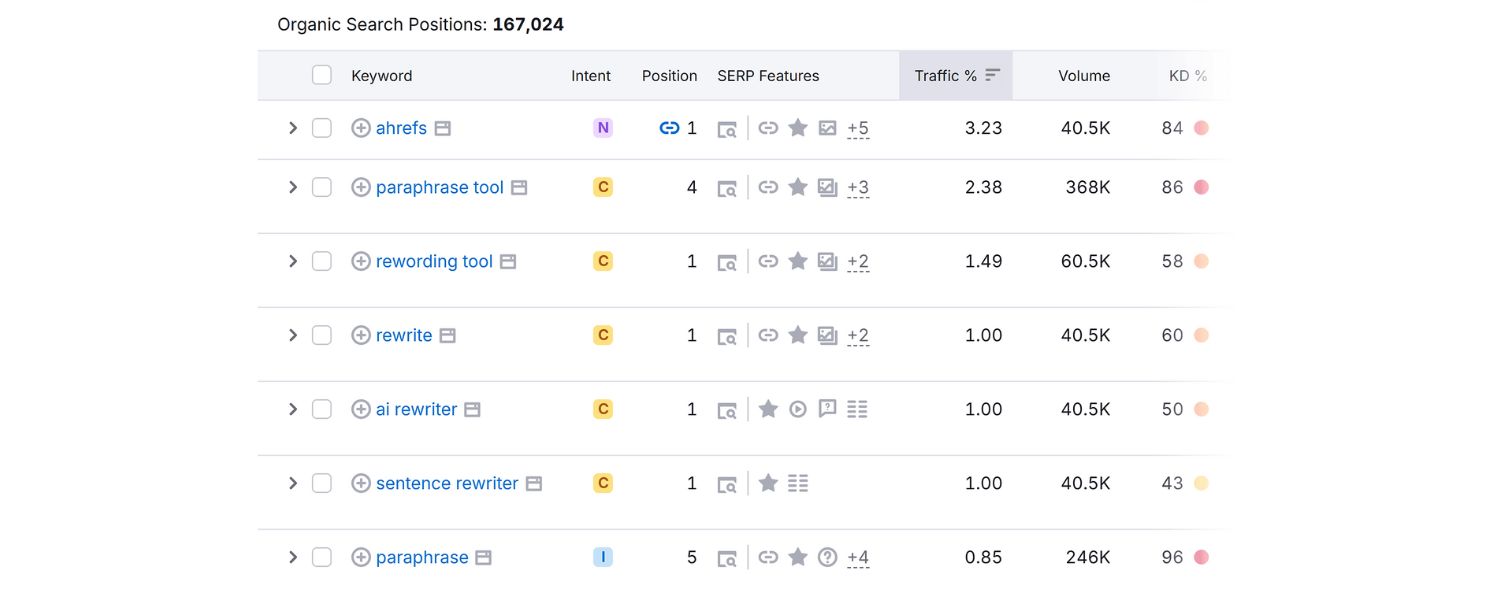
Keyword analysis, also known as keyword research, is the process of discovering and evaluating the search terms that people enter into search engines.
In other words, it’s about finding out what words and phrases your target audience is typing into Google, Bing, YouTube, Amazon, or any search platform when looking for information, products, or services. This process typically involves:
- Brainstorming relevant topics and seed keywords for your niche.
- Researching actual search queries using specialized tools to get data on keyword suggestions, search volume, competition, etc.
- Analyzing and prioritizing those keywords based on their relevance, popularity, and difficulty, so you can focus on the best opportunities.
Keyword analysis is one of the oldest and most fundamental tasks in search engine optimisation (SEO). Why? Because search engines are essentially answering machines – they match users’ queries (keywords) with the most relevant content.
By doing keyword research, you are reverse-engineering what your audience and competitors are doing: figuring out which queries your customers use and what content ranks for those queries. This insight guides you in creating content and campaigns that directly address what people are searching for.
Why Keywords Are the Key to Online Success
Investing time in keyword analysis pays off enormously. Here are a few reasons why it matters in 2025 (and beyond):
1. Drives Targeted Traffic
If you optimize your content for the right keywords, you attract visitors who are actively looking for exactly what you offer. This often leads to higher-quality traffic and better engagement.
It’s no surprise that businesses pour effort into keyword research to capture searchers – Google alone handles over 1.2 trillion searches per year, representing countless opportunities to connect with potential customers.
2. Improves SEO Rankings
Search engines need to understand your content. By strategically using keywords (and related terms) in your titles, headings, and copy, you signal relevance for those queries. Pages targeting specific keywords have a better chance of ranking on the coveted first page.
Keep in mind that over 90% of pages get zero search traffic from Google, often because they fail to target what users are actually searching. A solid keyword strategy helps you avoid being part of that unfortunate 90+% by focusing on terms that match user queries.
3. Reveals User Intent and Needs
Good keyword research isn’t just about numbers; it’s about understanding your audience. The phrases people use can tell you what they want. For example, someone searching “best running shoes for flat feet” has a very specific need (and likely high purchase intent) compared to someone searching “running shoes” generically.
By analyzing longer, more specific keywords, you gain insight into your customers’ questions, problems, and motivations. This helps you tailor your content and offerings to meet those needs, improving conversion rates.
4. Guides Content Strategy
Keywords are essentially content ideas. A thorough analysis will uncover topics and subtopics you should cover in your blog posts, product pages, FAQs, and more.
It ensures you don’t miss relevant subjects your audience cares about. It also prevents wasting effort on topics nobody is searching for.
In fact, 96.55% of all search queries get 10 or fewer searches per month, these ultra-low-volume queries (the “long tail”) collectively can drive significant traffic if you target them properly. Keyword analysis helps you strike the right balance between popular “head” terms and these niche long-tail terms.
5. Optimizes Paid Search (PPC)
For paid campaigns (like Google Ads), keyword research is equally crucial. You need to bid on terms that people actually use and that fit your budget.
Using keyword analysis, you can discover relevant keywords to target and identify negative keywords (queries to exclude) to avoid wasting ad spend on irrelevant clicks. Whether for SEO or PPC, knowing the keyword landscape gives you a competitive edge.
In short, keyword analysis underpins your SEO, content marketing, and PPC efforts. It ensures you speak the same language as your potential customers.
Skipping this step is like trying to sell something with your eyes closed, you might get lucky, but chances are you’ll miss your target. Now that we’ve covered the “what” and “why,” let’s move on to the “how.”
Types of Keywords: Short-Tail vs. Long-Tail (and Why It Matters)
Not all keywords are created equal. They generally fall into two broad categories: short-tail and long-tail keywords. Understanding the difference is important for crafting a well-rounded keyword strategy.
1. Short-Tail Keywords (Head Terms)
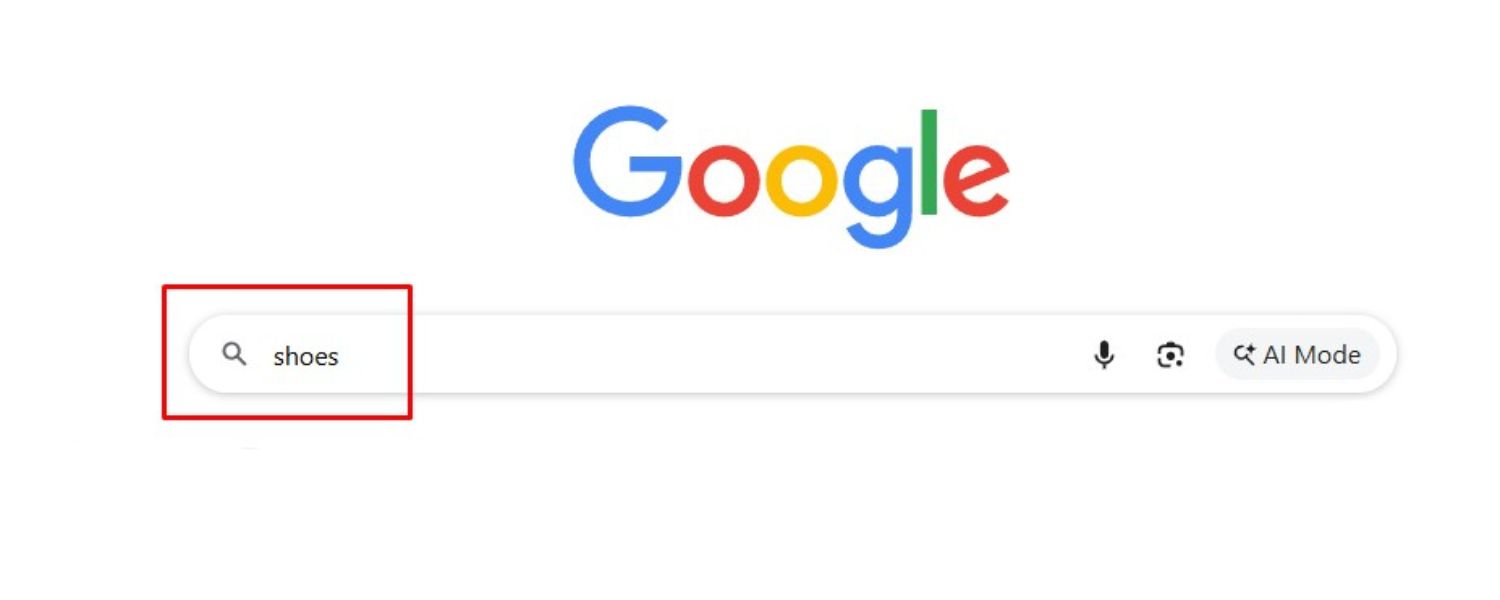
These are usually one or two-word phrases, often very broad. Examples: “running shoes,” “SEO tips,” “coffee.” Short-tail keywords tend to have high search volume but also high competition. Because they are so broad, the search intent can be ambiguous.
For instance, a search for “coffee” could mean the user wants to buy coffee, find a coffee shop, learn coffee brewing techniques, or just see the Wikipedia page for coffee.
Ranking for short-tail terms can be difficult, and even if you do, the traffic may be less targeted. In many cases, a small number of head terms make up a large portion of overall search volume, but they may not convert as well due to broad intent.
2. Long-Tail Keywords
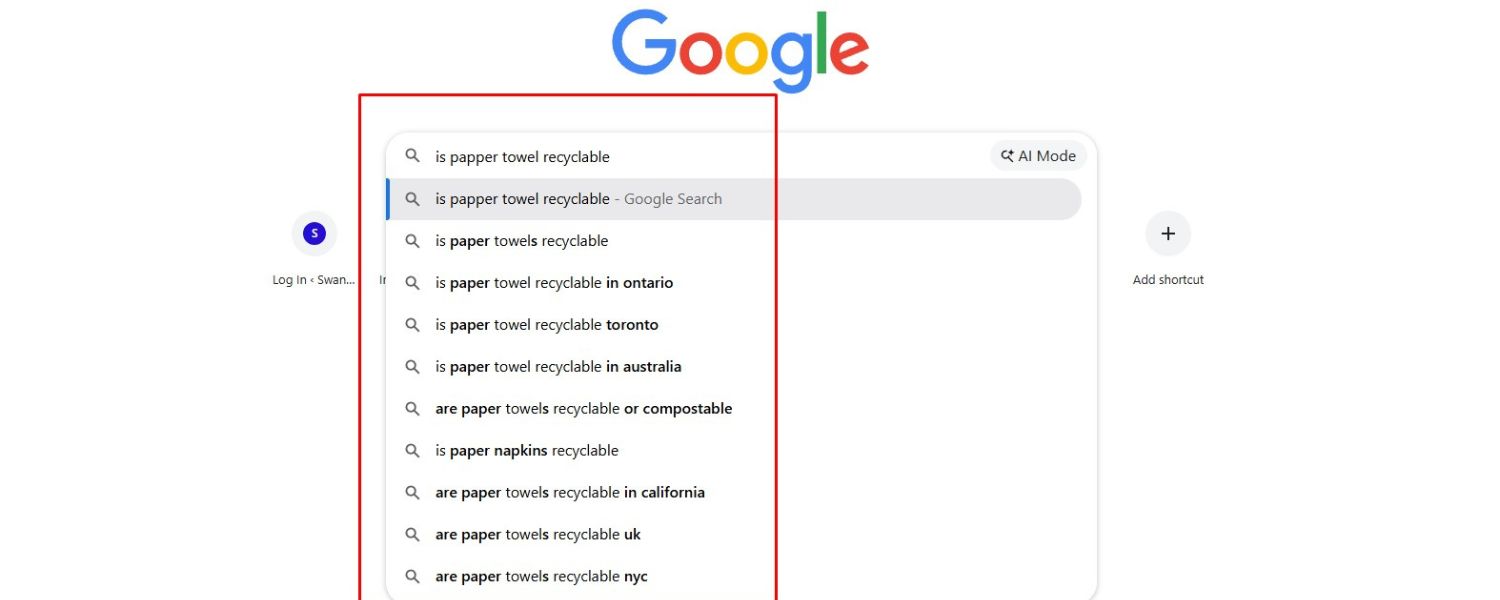
These are longer, more specific phrases, typically 3 or more words (and often in question or conversational form). Examples: “best running shoes for flat feet women’s,” “how to do keyword analysis for SEO,” “coffee bean organic fair trade medium roast.”
Individually, long-tail keywords usually have lower search volume, but they make up the majority of searches overall.
In fact, data suggests over 75% of all search queries are long-tail keywords. Importantly, long-tail terms often carry clearer intent and a higher likelihood of conversion. Someone searching a very specific phrase usually knows what they want, making them further down the purchase funnel.
One study even found that long-tail keywords have an average conversion rate of 36%, significantly higher than generic terms, because they align closely with the searcher’s exact needs.
Why does this matter? A balanced strategy will target both types. Short-tail terms are great for broad visibility and can serve as seed ideas, but long-tail terms can be your secret weapon for capturing niche audiences and ready-to-buy customers.
For newer or smaller websites, it’s often more effective to start with long-tail keywords that have low competition. These may bring in fewer visitors per keyword, but those visitors are more likely to convert and you can rank for dozens or hundreds of different long-tails. Over time, as you build authority, you can expand to target more competitive short-tail keywords.
Also consider medium-tail keywords, which are phrases of 2-3 words that are more specific than head terms but not as narrow as true long-tails (e.g., “women’s running shoes”). These often strike a balance of decent volume and moderate competition.
Pro Tip: When brainstorming long-tail keywords, put yourself in the shoes of a customer. Think about the detailed questions or specific solutions someone might search for when they are seriously looking to solve a problem or make a purchase.
These often start with “how to…,” “best…,” “where to…,” “tips for…,” etc. Many modern SEO tools even label the search intent of keywords (e.g., informational, commercial, transactional, navigational).
For example, KWFinder by Mangools shows the searcher intent for each keyword and the type of content currently ranking (blog post, product page, etc.), which helps you understand what users want when they search that term.
Lastly, keep an eye on voice search and conversational queries. With the rise of voice assistants (an estimated 8.4 billion voice-enabled devices in use by end of 2024), search queries are becoming more conversational and question-like.
Voice searches tend to be longer (often long-tail) and phrased as complete questions or commands (e.g., “Hey Google, what are the best running shoes for flat feet?”).
Optimizing for these natural-language queries – often by targeting long-tail, Q&A style keywords – can position your content to be the answer voice assistants read out.
How to Conduct Keyword Analysis: Step-by-Step Strategy
Now for the practical part: how do you actually perform keyword analysis effectively? Below is a step-by-step process that covers everything from initial brainstorming to finalizing your target keyword list. Follow these steps to uncover those “golden” keywords that will fuel your SEO and PPC campaigns:
1. Understand Your Audience and Define Goals
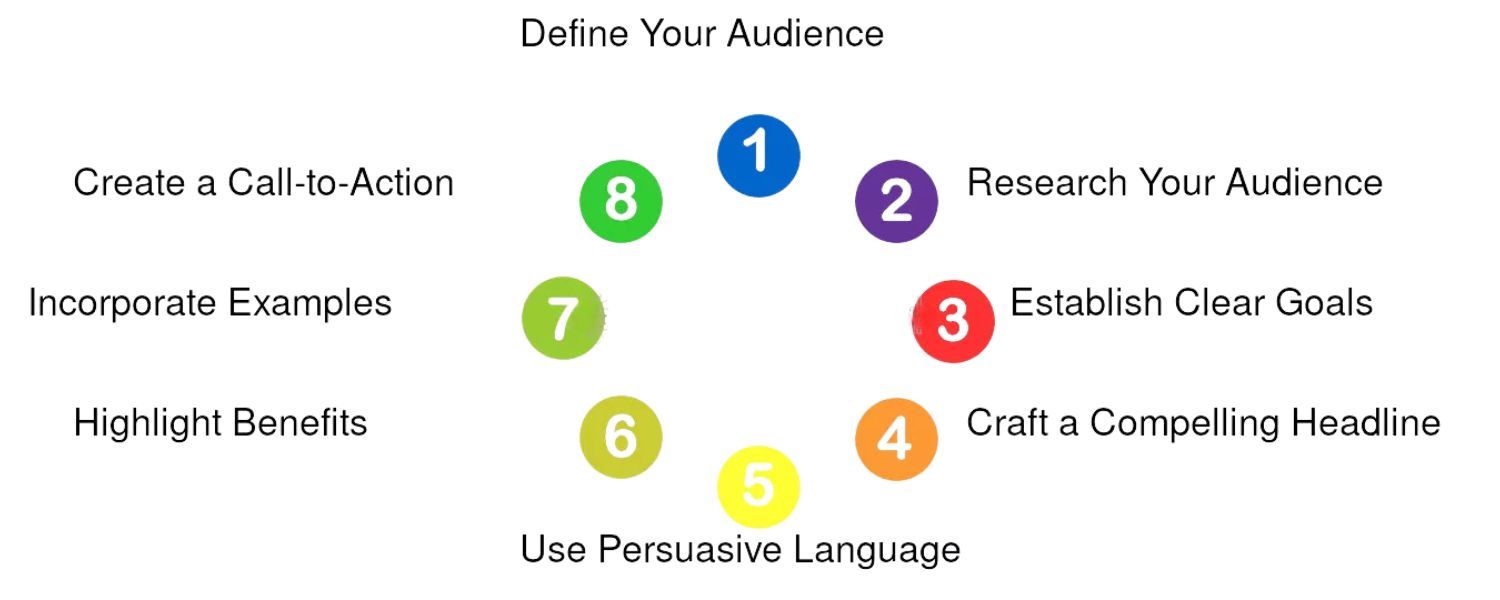
Every successful keyword research project starts with clearly defining who you are trying to reach and what you want to achieve. Begin by outlining your target audience: their demographics, interests, pain points, and language.
Put yourself in their shoes – what problems are they trying to solve? What questions are they asking? This will guide you to relevant topic areas. Also, clarify your goals: Are you aiming to boost blog traffic? Generate product sales? Capture leads?
Different goals might lead you to focus on different types of keywords (informational vs. commercial, for example). By knowing your customers and goals, you can focus on keywords that truly matter to your business.
Remember, it’s not just about getting traffic, but getting the right traffic, people who are likely to convert or take action.
2. List Seed Keywords and Core Topics
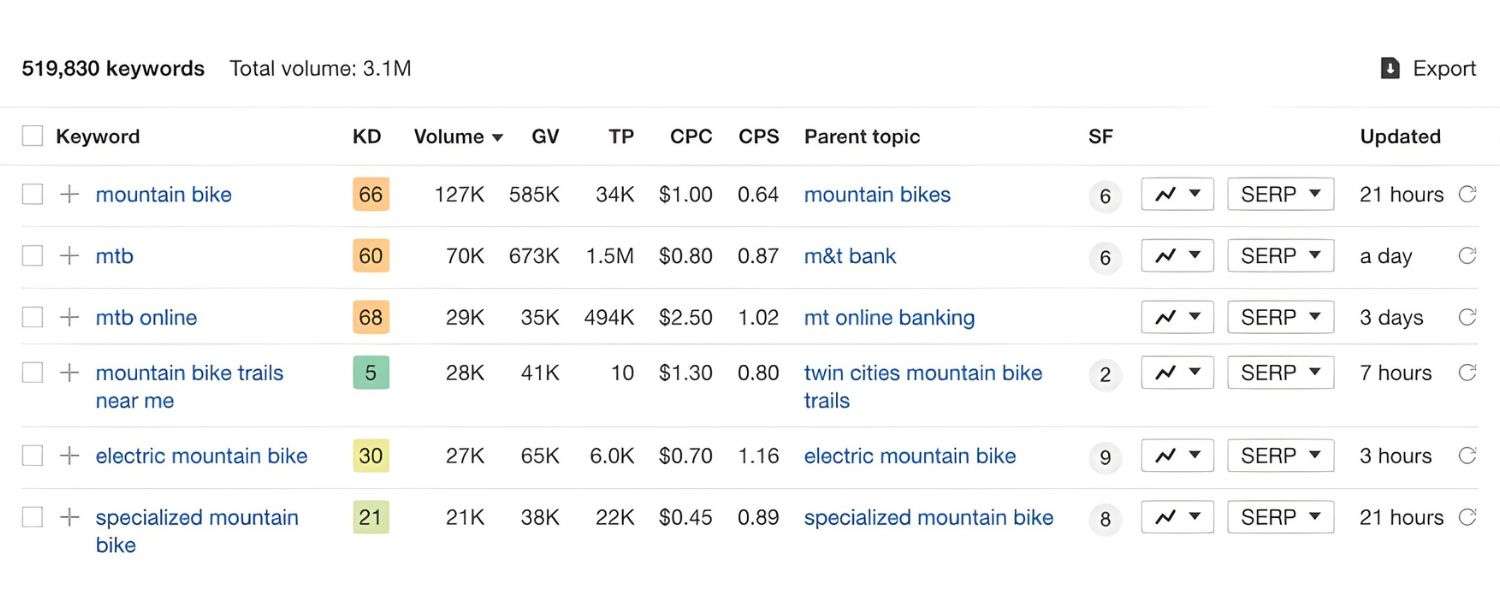
Seed keywords are basic terms closely related to your products, services, or content topics. Start by listing out the core topics relevant to your niche. For each topic, jot down a few simple keywords. For instance, if you run a digital marketing agency, seed topics might be “SEO,” “content marketing,” “PPC advertising,” “social media marketing,” etc.
Under each, list related basic terms (e.g., under SEO: “keyword analysis,” “on-page SEO,” “link building,” “technical SEO,” etc.). At this stage, don’t worry about whether the keywords are good or not – you’re creating an initial sandbox of ideas.
Also, brainstorm from the customer’s perspective: include brand terms (your brand and competitors’ names) and generic terms customers use. If you have a website with existing content, scan your analytics or search console for terms people already find you with, these can be great seeds.
3. Use Keyword Research Tools to Expand Your List
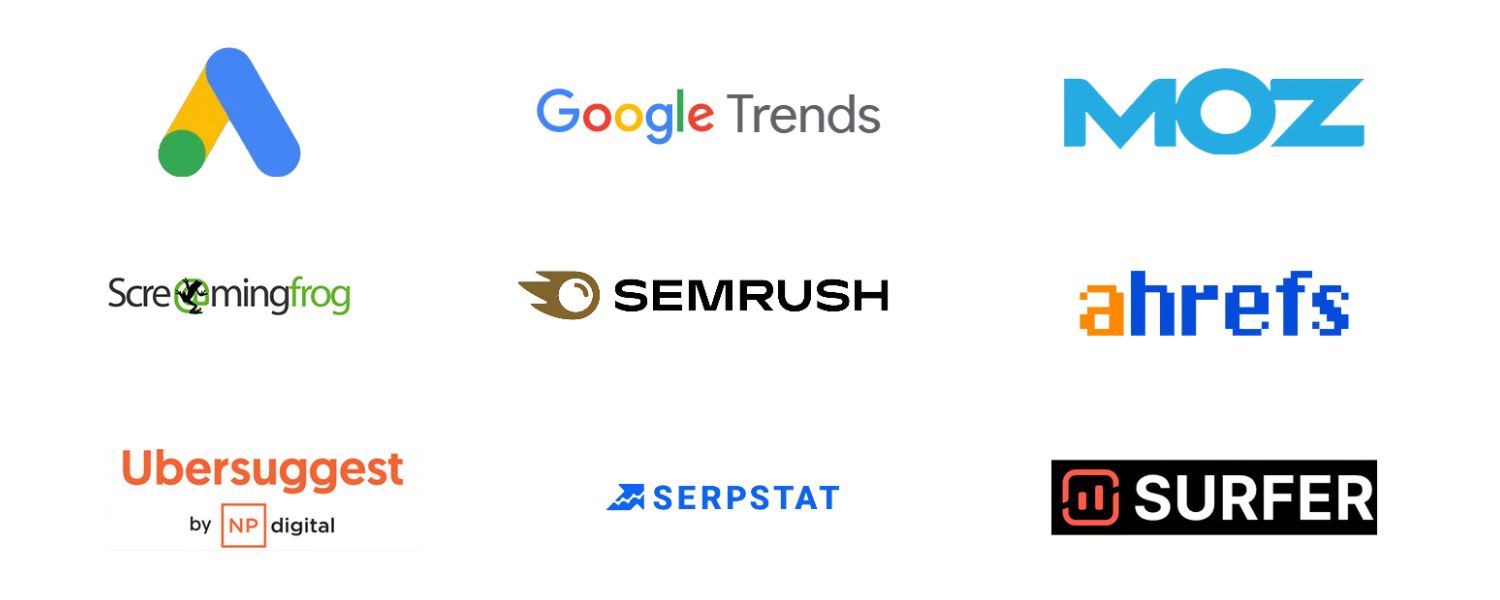
Now, take your seed list and explode it using keyword research tools. There are many excellent tools (free and paid) that will generate hundreds or thousands of suggestions from a single seed keyword.
For example, if you input a seed like “SEO strategy” into a tool, it might suggest long-tail variations like “SEO strategy for small business,” “SEO content strategy 2025,” “local SEO strategy checklist,” etc. This is where you unlock the vast realm of possibilities. Some popular methods and tools to use:
A. Google Autocomplete & Related Searches
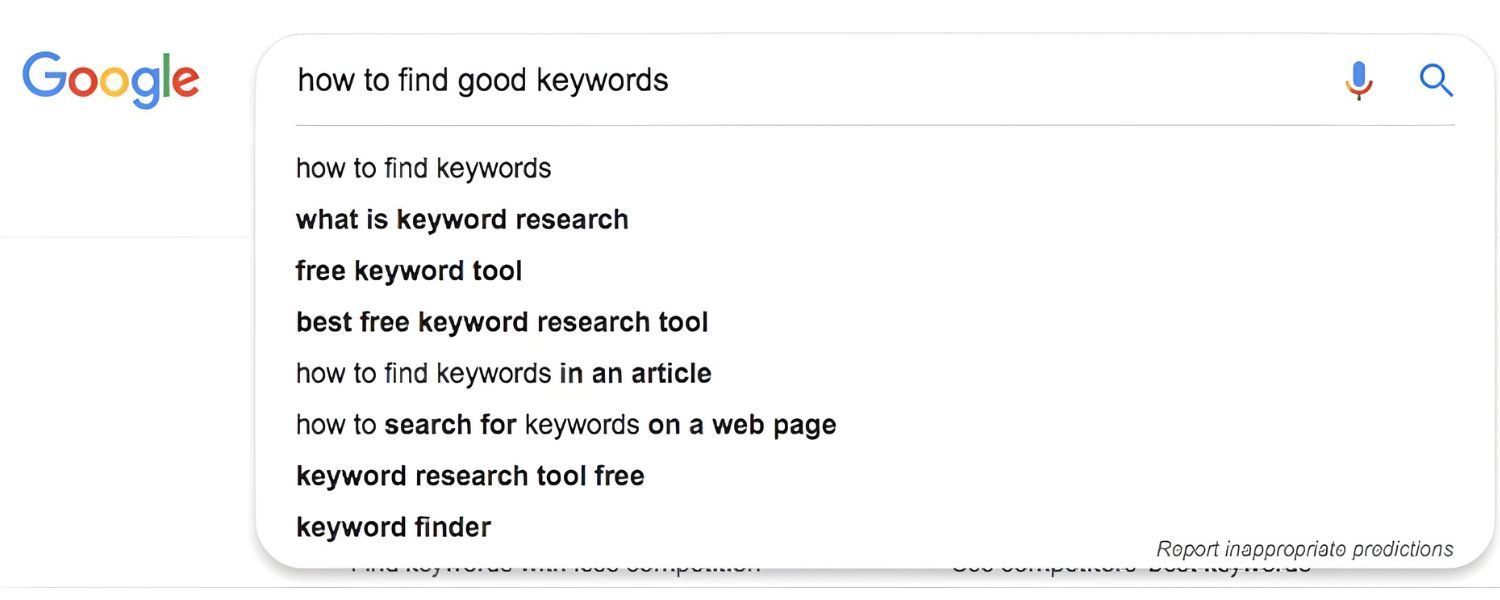
Start typing your seed term into Google and see what auto-suggestions appear in the dropdown. These are actual user queries and can spark new ideas. Scroll to the bottom of Google search results to see “Related searches” for more ideas.
B. Google Keyword Planner (Free)
Google’s own Keyword Planner (within Google Ads) is a classic tool. It will give you keyword ideas along with search volume ranges. It’s especially useful for finding commercial keywords (and it’s completely free to use, even if you’re not running ads).
Google Keyword Planner can also help you find keywords by entering a website URL or competitor site to see what keywords are relevant to that site. (Note: Keyword Planner is geared towards advertisers, so it may not show some niche long-tail terms, but it’s a great starting point.)
C. SEO Tool Suites (Paid with free features)
Platforms like Semrush, Ahrefs, Moz Keyword Explorer, and SE Ranking have powerful keyword research capabilities. These tools pull data from large databases of search queries.
For example, Semrush’s Keyword Magic Tool can churn out thousands of related keywords, complete with filters for questions, search intent, and more.
Semrush provides detailed metrics (search volume, keyword difficulty, competitive density, SERP features present, etc.) and even allows competitive keyword gap analysis.
If you’re serious about SEO, using one of these comprehensive tools can save a lot of time and uncover gems. (Most of them offer a limited free plan or trial – Semrush’s free tier, for instance, lets you perform a number of searches per day.)
D. Specialized Keyword Tools
There are also standalone tools specifically made for keyword discovery. For example, WordStream’s Free Keyword Tool provides a quick way to get keyword suggestions along with industry-specific data.
It’s designed for PPC marketers but works for SEO as well, and you can even input a competitor’s site to get contextual keyword ideas.
Wordtracker is another established tool that claims to reveal thousands of profitable long-tail keywords with up to 10,000 results per search – a strong alternative to Google’s planner.
KeywordTool.io is great for pulling autocomplete suggestions from not just Google, but also YouTube, Bing, Amazon, etc., giving you hundreds of real user queries (it’s particularly handy for long-tail and international keywords).
E. Answer-The-Public and Q&A Sites
Tools like AnswerThePublic visualize questions people ask about a topic, scraped from autosuggest databases. They’re excellent for finding question-form keywords (who, what, where, how, why queries) which often make good blog post titles or FAQ entries. Additionally, browsing Q&A sites or forums (Reddit, Stack Exchange, Quora) can reveal common queries that you might want to target as keywords.
As you use these tools, cast a wide net. Don’t worry about filtering or judging keywords yet – that comes next. Export or copy down the lists of keyword suggestions into a spreadsheet.
You might end up with a list of dozens or even hundreds of potential keywords. The goal of this step is to gather the raw data on all the different phrases people might be using.
4. Analyze Keyword Metrics (Search Volume, Difficulty, CPC, and Trends)
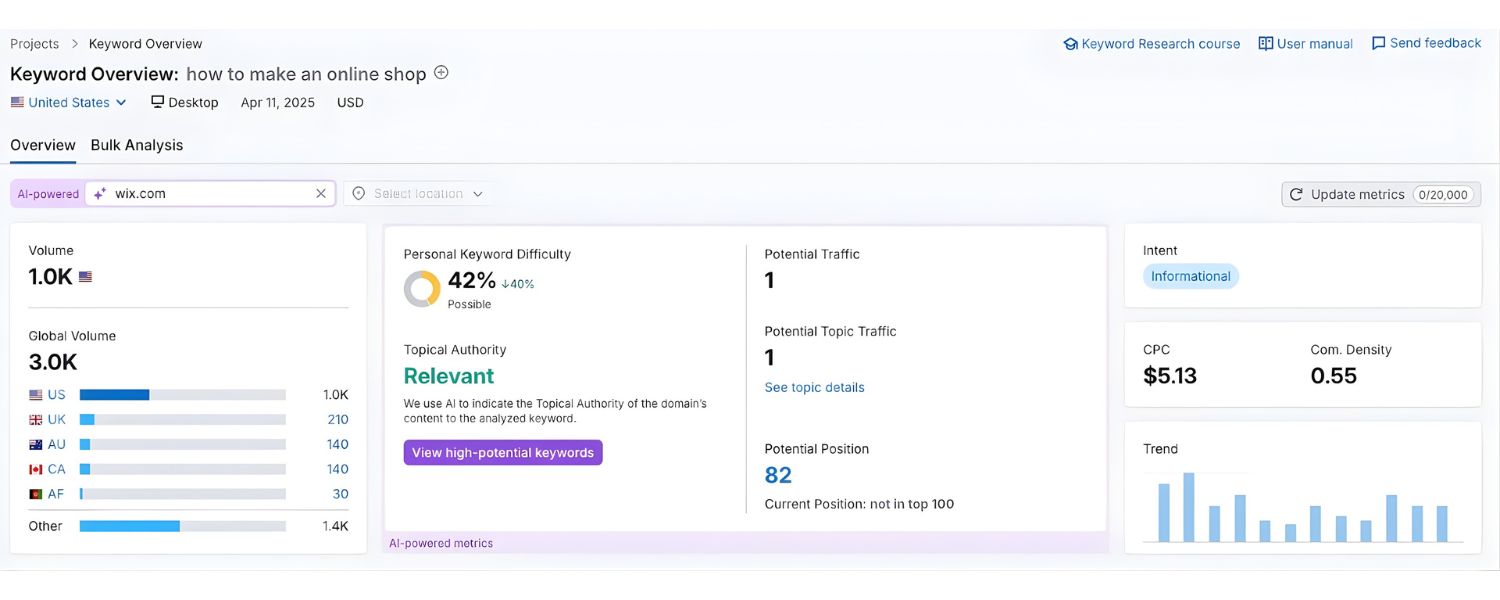
With your big list of candidate keywords, it’s time to analyze the metrics that will help you prioritize them. Key metrics to consider include:
A. Search Volume
This is the average number of searches per month for a given keyword. It’s a measure of popularity. Higher volume means more potential traffic, but note that high-volume terms are often very competitive and broad.
Conversely, a lower-volume keyword might seem less attractive, but if it’s highly relevant to your niche, it could be a perfect fit (especially long-tails with clear intent). Also remember that volume figures are estimates.
For example, Google Keyword Planner often gives ranges (e.g., 100–1K searches/month). Tools like Ahrefs or Semrush provide more precise estimates based on clickstream data.
As a rule of thumb, target a mix of volumes – don’t ignore those 50-100/month keywords if they’re a perfect match for your audience, as they can collectively bring substantial traffic.
B. Keyword Difficulty / SEO Competition
Most SEO tools provide a “difficulty” score (often on a scale of 0 to 100) that estimates how hard it would be to rank on the first page for that keyword. This usually takes into account the authority and backlink profiles of current top-ranking pages.
For instance, Moz’s Keyword Explorer and Ahrefs have their own difficulty metrics. A high difficulty score means lots of strong competitors are already ranking, while a low score means easier entry.
As Semrush notes, keyword analysis is about weighing the cost of ranking vs. the potential value of a keyword. If you’re a new site, you’ll want to avoid ultra-competitive terms at first and seek out low- to medium-difficulty keywords that you have a fighting chance to rank for.
Some tools also show the Domain Authority (DA) of ranking sites or the number of backlinks those pages have, to help judge competition.
Use this data to filter out keywords that might be unrealistic (for example, if all top 10 results are mega-authority sites and you’re just starting out, that keyword may be a long-term play, not an immediate target).
C. Cost Per Click (CPC)
If you’re planning PPC campaigns or just want a sense of commercial intent, look at the average CPC advertisers pay for the keyword. A high CPC indicates that advertisers find the keyword valuable (often meaning it converts well).
Keywords with high commercial intent (like “buy running shoes online” or “CRM software pricing”) tend to have higher CPCs. Even if you’re focused on SEO, a high CPC keyword might be a good target if you can rank organically, since it implies valuable traffic.
On the other hand, if a keyword has decent volume but extremely low CPC (pennies), it might be primarily informational with low buyer intent.
D. Search Trend and Seasonality
It’s important to know if a keyword is consistently searched or if it’s seasonal (or trending up/down). Google Trends is a great free tool to check the interest in a query over time. For example, searches for “best Christmas gifts” will spike in Q4 each year.
Some keywords might be trending upward (e.g., “AI content generator” might be on the rise). Google Trends allows you to compare multiple keywords’ popularity over time to see which is gaining traction.
If a term’s interest is declining over the past 5 years, you might deprioritize it in favor of rising terms. Also consider news events or market changes – for instance, a new technology or slang might suddenly become a popular keyword.
By checking trends, you ensure you’re riding the wave of growing interest and not investing in terms that are losing popularity.
Many tools integrate trend data and even search intent classifications (like informational vs. transactional) for each keyword.
KWFinder, for example, not only shows monthly volume and difficulty but also tags each keyword with an intent (like whether the query is a question, whether it’s likely commercial, etc.) and shows what type of content ranks.
Use these insights to gauge which keywords align with the type of content you plan to create. For instance, if all top results for a keyword are product pages, that suggests searchers want to see product listings (so your blog post might not rank well for that term, whereas an e-commerce page might).
By the end of this analysis step, you should have a spreadsheet where each keyword has accompanying metrics. You can then sort or filter this list based on criteria – for example, filter out very low volume (if they’re not worth the effort), or highlight all keywords with difficulty under, say, 30 that have at least 100 searches/month, etc. This will help in the next step of prioritization.
5. Consider Search Intent and Relevance
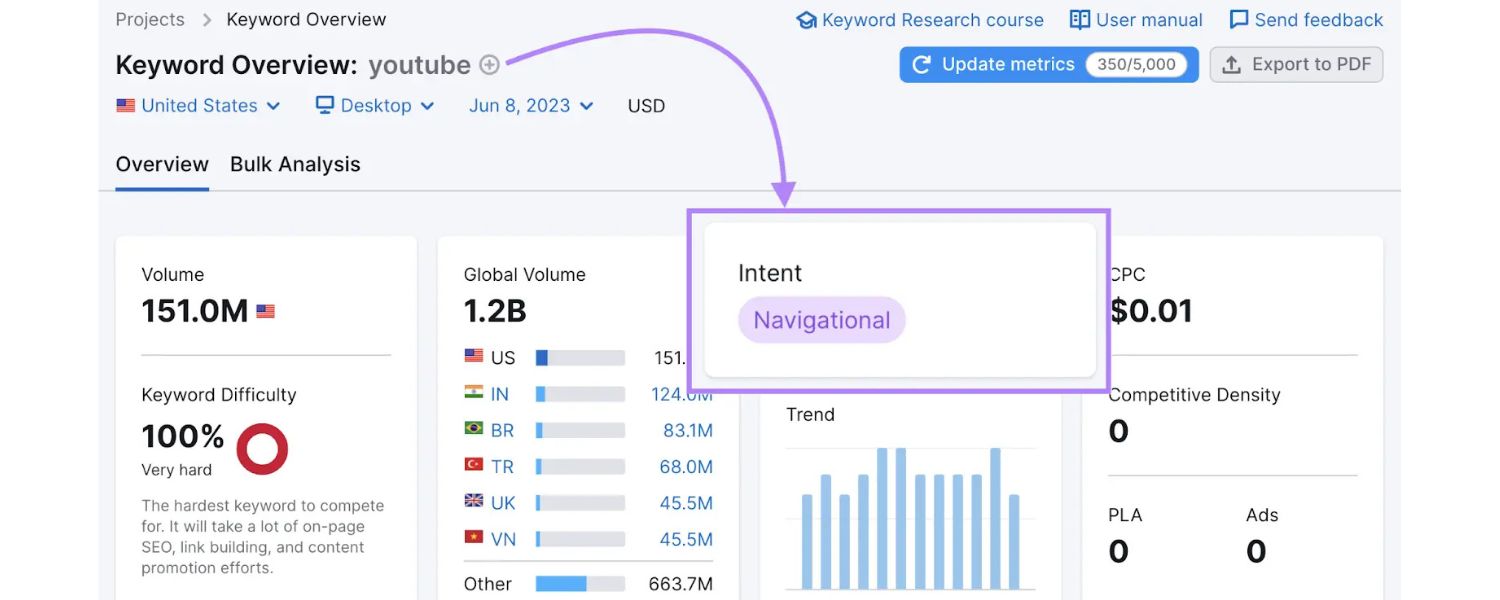
Numbers alone don’t tell the whole story. Two keywords might have similar volume and difficulty, but very different intent. Search intent means the reason behind the query – what is the user really looking for? We generally categorize intent as:
A. Informational: The user wants information or answers (e.g., “how to tie running shoes,” “keyword analysis guide”).
B. Navigational: The user wants a specific website or page (e.g., “WordStream login,” “YouTube”).
C. Commercial Investigation: The user is researching a product or service (e.g., “best running shoes 2025,” “Semrush vs Ahrefs”).
D. Transactional: The user intends to make a purchase or take an action (e.g., “buy Nike Air Zoom size 10,” “subscribe to SEO tool trial”).
Understanding intent is crucial because it dictates what content will satisfy the query. If a keyword’s intent doesn’t match what you can offer, it’s not a good target.
For example, if someone searches “free keyword research tool,” their intent is likely to find a tool they can use immediately (perhaps an online tool).
If your goal was to get them to an article about “why keyword research is important,” you might not satisfy that intent – they wanted a tool, not a theory piece. In such a case, it might be better to actually provide a free tool or target a different keyword.
When evaluating your keyword list, examine the current top search results for each keyword (SERP analysis). This will show you what Google believes is the intent.
If you search a keyword and the SERP is full of “How-to” blog posts, it’s a sign the keyword is informational, and your content should probably be a how-to article.
If the SERP is full of product pages or category pages, it indicates a transactional or commercial intent, to rank, you might need a product listing or a landing page rather than a blog post.
Also note if the SERP features things like featured snippets, People Also Ask boxes, videos, local packs, etc. For instance, a query that triggers a featured snippet might be a great one to target with a concise answer in your content to try to capture that snippet.
A query that shows a lot of video results might hint that users prefer a video explanation, so maybe a video (embedded on your page or on YouTube) could complement your content.
In summary, at this step you should trim and refine your keyword list by asking for each term: “Is this highly relevant to my site and audience? Do I have (or can I create) content that matches the intent? Will ranking for this actually support my goal (traffic, leads, sales)?”.
Remove any that are off-base or low-relevance, even if the metrics looked good. It’s better to target a lower-volume keyword that fits your business than a high-volume one that doesn’t convert or that you can’t serve properly.
6. Prioritize Your Keywords
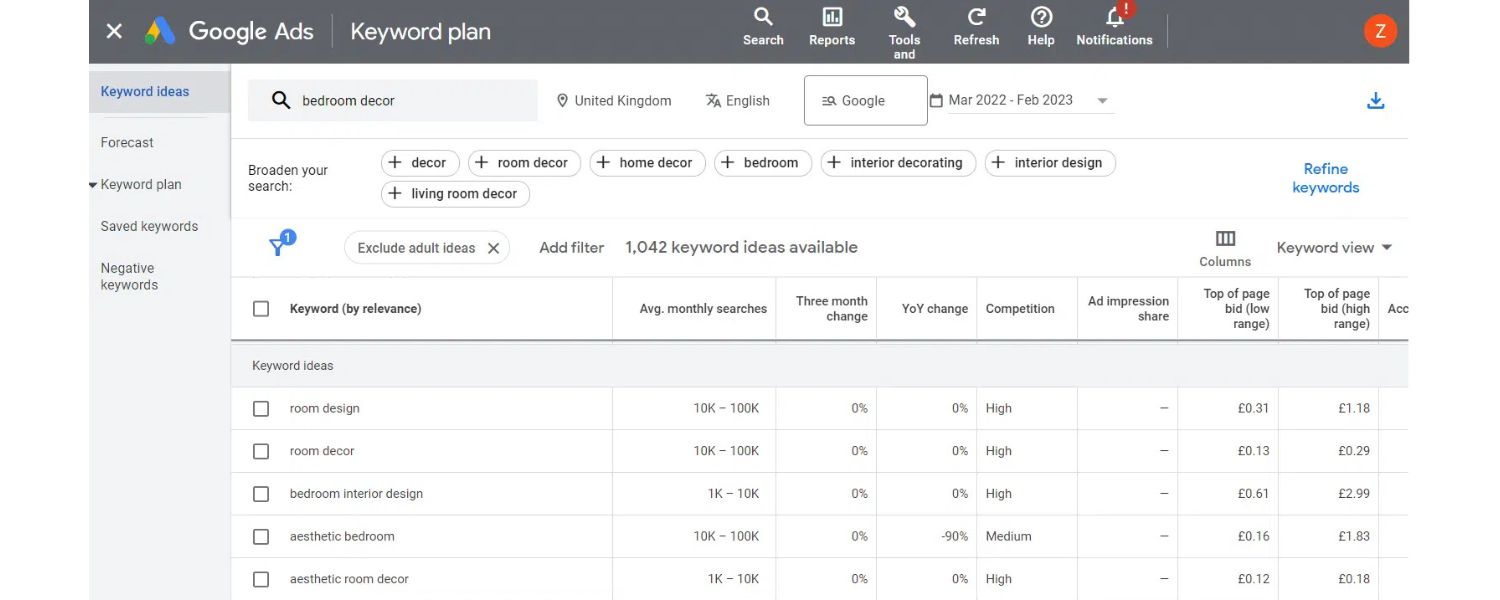
By now, you likely still have a sizable list of good keywords with solid potential. The next task is to prioritize them, you can’t (and shouldn’t) target all keywords at once.
Prioritization can be done by creating a keyword matrix or segments: group similar keywords together and assign priority levels (high, medium, low). Some tips for prioritizing:
A. Quick Wins
Identify keywords that have low difficulty and moderate volume which you could rank for relatively quickly. These are often long-tail, specific terms. Since they’re easier to rank, you can start capturing traffic sooner.
Also, if your site already ranks on page 2 or 3 for some keywords (check Google Search Console or do a site: search), those might be ripe opportunities, a little optimization could bump you to page 1.
B. High Intent, High Value
Mark the keywords that are most likely to lead to conversions or key outcomes. For example, if you run an e-commerce shoe store, a term like “buy running shoes online” has high purchase intent – that’s a high-value keyword for you.
A B2B software company might value “{software category} pricing” or “{software} demo” terms highly. Even if search volume is lower, these terms directly contribute to revenue. Prioritize creating or optimizing pages for these money-makers.
C. Content Gaps
Look at topics your competitors are covering that you haven’t yet. If competitor analysis (using tools like Semrush’s Keyword Gap or SpyFu) reveals keywords where others rank but you don’t, consider if those are important to you.
Competitor keyword analysis is one of the quickest ways to find high-intent, high-volume keywords you might be missing. If a competitor is getting traffic from a term that’s relevant to your business, you should probably target it too (unless it’s ultra-competitive and you plan a longer-term approach).
D. Topical Relevance & Clustering
Group related keywords into clusters that can be addressed by a single piece of content or section of your site. For instance, you might have 10 different keywords around “keyword analysis” such as “how to do keyword analysis,” “keyword analysis tools,” “keyword analysis for SEO,” etc.
Rather than making 10 thin pages, you could create one comprehensive guide (like this one) that naturally incorporates those variations (with sections or FAQs for each subtopic). Search engines are smart enough to rank one authoritative page for hundreds of related keywords if the content is well-structured.
Clustering also helps you prioritize at a topic level – you can say “This cluster about keyword analysis is a high priority for Q1, while that cluster about content marketing is Q2.”
E. Balance Short vs Long Term
Some keywords will be tougher nuts to crack – maybe a high-volume, high-difficulty term that you really want to rank for eventually (your “dream” keyword).
Keep those in your strategy, but acknowledge they might require a lot of effort (multiple content pieces, link building, maybe months of patience). Balance them with easier, long-tail keywords that can yield results in the short term.
This way you can show progress to stakeholders (or yourself) by capturing low-hanging fruit while slowly chipping away at the big goals.
Document your prioritization in a clear way. For example, you might create a table with columns for Keyword, Volume, Difficulty, Intent, Current Rank (if applicable), Priority, and Notes (notes could include what content will target it, or competitor notes).
Mark your top 10–20 keywords as “Primary” targets – these might each correspond to a main page or piece of content. Then have secondary lists for “Additional blog topics” or “Long-tail FAQs” etc. The exact approach can vary, but the key is to focus your efforts where they’ll have the most impact.
7. Create or Optimize Content for Your Target Keywords
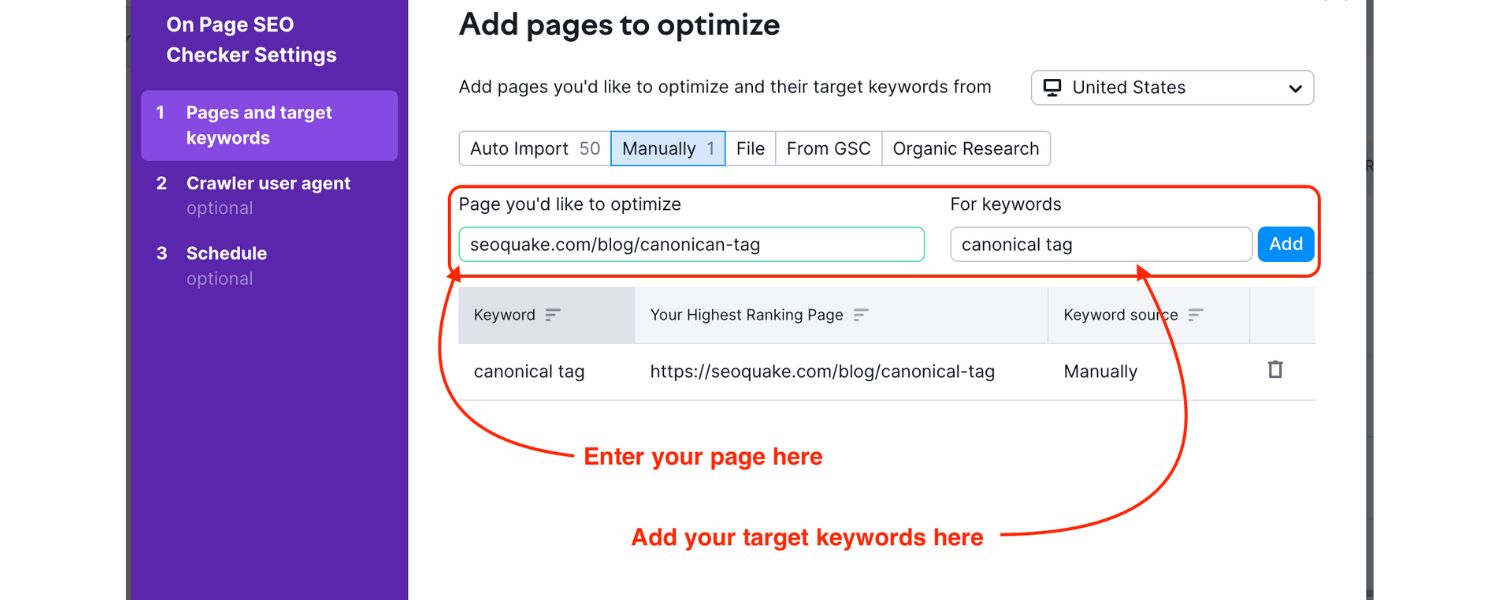
Keyword research doesn’t stop at the list, the next step is execution. With your priority keywords in hand, you should either create new content or optimize existing content to target those terms. Here’s how to go about it:
A. Map Keywords to Content
Assign each primary keyword (or cluster of keywords) to a specific page on your site. For new keywords, decide what format of content fits best (blog post, product page, landing page, tutorial, infographic, video, etc., guided by the intent you observed).
For existing pages that could target a keyword, plan the updates needed (maybe adjusting the title, adding a section, improving depth).
It’s important to avoid keyword cannibalization, where multiple pages on your site compete for the same term. Each target keyword or topic cluster should have one definitive page that covers it thoroughly.
B. On-Page SEO Best Practices
When crafting the content, follow SEO on-page basics: include the target keyword (and close variants) in the title tag, H1 heading, and naturally throughout the text. Write a compelling meta description (not a ranking factor per se, but can improve click-through from SERPs).
Use subheadings (H2, H3) that perhaps incorporate related keywords or questions (this not only helps SEO but makes your content more scannable and user-friendly). For example, if your keyword is “keyword analysis tools,” you might have a section titled “Top 10 Keyword Analysis Tools for 2025” in an H2.
Use bullet points or numbered lists where appropriate (search engines sometimes pull these for featured snippets). Include images or diagrams if they add value (and remember to add alt text for images with descriptive keywords, as this can help image search rankings and accessibility).
C. Content Quality and Relevance
While using keywords is important, never sacrifice content quality or relevance for the sake of stuffing in terms. Google’s algorithms are very smart – they understand synonyms and context.
Focus on covering the topic comprehensively and helpfully. Aim to answer the user’s query better than anyone else. This could mean including up-to-date statistics, examples, step-by-step instructions, expert quotes, or multimedia elements.
For instance, if you target “how to do keyword analysis,” as we are here, ensure that every step a reader needs is addressed clearly (which is what we’re striving for in this guide!). High-quality, authoritative content is more likely to earn backlinks and be favored by Google’s helpful content systems.
D. Internal and External Linking
Within your content, use internal links to connect related topics on your site. If you have other articles or pages that provide more detail on a subtopic, link to them (e.g., link your “On-Page SEO checklist” article when mentioning on-page SEO, etc.).
This not only helps with SEO (spreading link equity and helping crawlers navigate) but also keeps readers engaged with more of your content. Additionally, link to reputable external sources to back up facts or statistics.
For example, in this guide, we cite external research and industry data (from sites like Ahrefs, BrightEdge, etc.) to support our claims. Outbound links to authoritative sources can lend credibility to your content (just be sure the links are truly relevant and helpful).
All claims should be backed by data, quotes, or links – this avoids the trap of generic or unsubstantiated statements and adds trust for the reader. (Pro Tip: If you have partnerships or specific high-authority sites in your industry, linking to them might also encourage them to notice and possibly share or link back to your content.)
E. Optimize for Featured Snippets & FAQs
Many search results now show quick answer boxes (featured snippets) for questions. To target these, format some of your content in a Q&A style or concise definitions.
For example, pose a common question as a heading (like “What is keyword analysis?”) and then answer it in a crisp paragraph right below – this exact approach can make you a candidate for a snippet.
Similarly, an FAQ section (as we’ll include later) can target various long-tail questions. Not only does this serve voice search and AI assistants (which often pull from Q&A content), but it provides clear value to readers looking for specific answers.
Marking up FAQs with schema (if on your website) can even enable rich results on Google (showing the questions under your listing).
Once your content is created or updated with the target keywords, make sure to proofread and polish. Ensure readability is high – use short paragraphs (3-5 sentences), clear subheadings, and plain language.
The goal is to educate or solve the reader’s need, not just rank. Remember what Google’s algorithms aim for: content that demonstrates E-E-A-T (Experience, Expertise, Authoritativeness, Trustworthiness).
Writing from the perspective of a 25-year marketing veteran, I’ve tried to incorporate personal insights and authoritative tips throughout this guide – you should do the same in your content, leveraging your unique expertise and perspective.
8. Monitor Performance and Refine
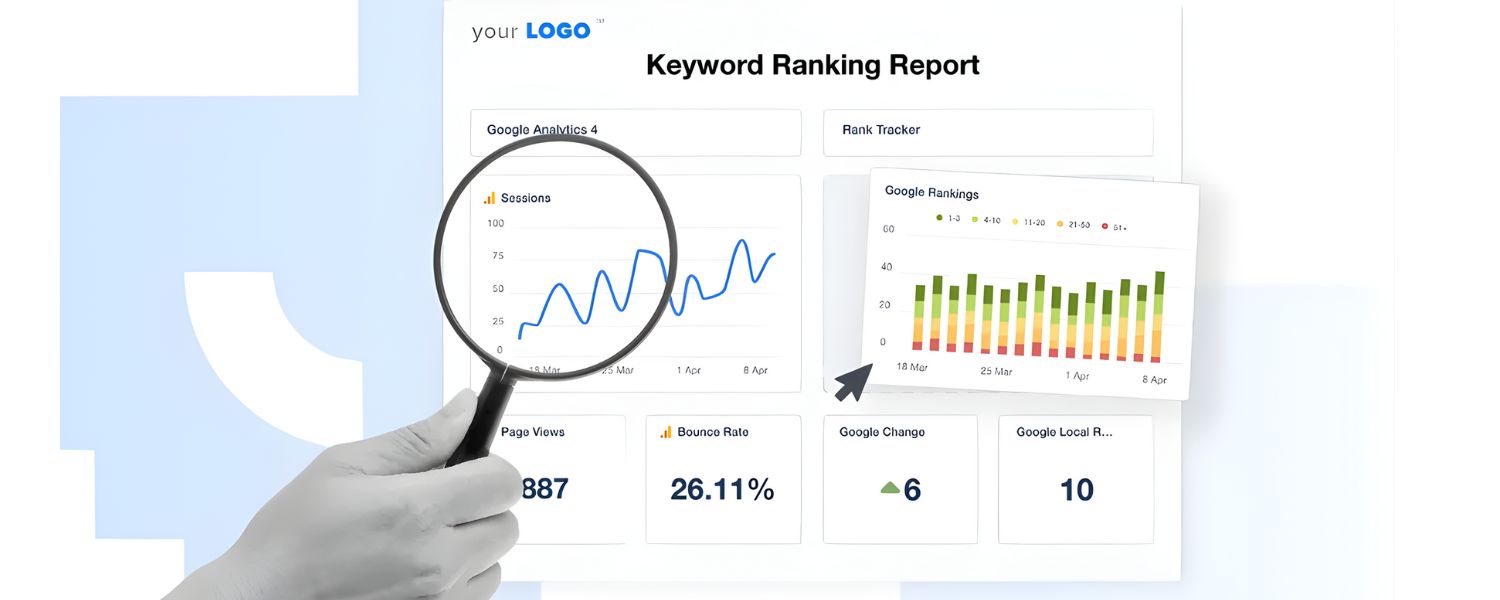
The final (and ongoing) step of keyword analysis is to monitor how your content is performing for those keywords and refine your strategy as needed. SEO is not a one-and-done effort; it’s iterative. Here’s what to do:
A. Track Your Rankings
Use tools or Google Search Console to track how your pages rank for the target keywords over time. Many SEO tools allow you to set up a rank tracking campaign (e.g., Semrush, Ahrefs, Moz all have rank trackers).
Keep an eye on the trend: are you moving up for your keywords, stuck, or dropping? If you see improvement, it’s a good sign your keyword targeting and content are working.
If not, it might mean the competition is tough or you need to adjust something (better content, more backlinks, etc.). Also, track the click-through rate (CTR) from search impressions – if you rank but CTR is low, maybe your title or meta description could be more compelling.
B. Analyze Traffic and Engagement
Check your analytics to see the traffic coming to those pages. Are those keyword-targeted pages getting visits from organic search? Are visitors engaging (time on page, low bounce rate, conversions)?
For example, if your page targeting “best keyword research” is getting traffic but people leave quickly, perhaps the content isn’t matching what they expected or needs improvement. Sometimes you might rank for a keyword but realize the intent you served wasn’t quite right – user behavior can signal that.
C. Tweak and Update Content
Don’t be afraid to make adjustments. SEO is part art, part science. If after a few months a page isn’t ranking as expected, revisit it. Maybe you need to add more depth (e.g., an extra section covering a subtopic you missed), or maybe the keyword landscape changed (new competitors or Google introduced new SERP features).
Regularly updating your content with fresh information (new stats for 2024/2025, new examples, etc.) can also boost rankings, as fresh content is often rewarded. Importantly, avoid “keyword stuffing” or any outdated SEO gimmicks – focus on genuinely enhancing the page for users.
D. Build Backlinks and Promotion
Keyword analysis alone won’t guarantee rankings; off-page SEO matters too. If you have identified some high-priority keywords and created great content around them, promote that content.
Share it on social media, email it to your subscribers, do outreach to get backlinks from relevant sites, or consider guest posting and linking back to your resource.
Backlinks remain a strong ranking factor, and quality content is much more likely to earn links. Sometimes, the difference between ranking #5 and #1 for your target keyword can be the number and quality of sites referencing your page.
Spy on your competitors’ backlinks (tools like Ahrefs or SpyFu can show you who’s linking to the top-ranking pages) – perhaps you can get links from some of those same sources.
E. Expand Your Keyword List Over Time
As you monitor, you’ll likely discover new keyword opportunities. Maybe you notice a blog post is getting traffic for a related query you didn’t originally target – that could be a clue to expand that section or create a new piece focused on that query.
Also, revisit the tools periodically to catch emerging keywords (for example, new slang or trends in your industry).
Set up Google Alerts or a regular check of Google Trends for your main topics to stay ahead of new search behavior. The search landscape in 2025 is dynamic, especially with AI-driven changes – for instance, nearly half of Google searches now trigger AI snapshot answers (SGE) in certain markets.
This means some clicks might be diverted if Google itself displays an AI-generated answer. To counter that, focus on keywords and content where you can provide unique value or where people will still click for depth.
It’s a new factor to monitor in performance (if you notice impressions but fewer clicks due to AI answers, you may need to adjust the strategy or optimize for being part of that AI overview by having very authoritative content).
Through monitoring and refining, you create a feedback loop: research → implement → measure → tweak → research more… and so on.
Over time, this cycle will continuously sharpen your keyword strategy and grow your search presence. Keyword analysis isn’t a one-time project but an ongoing part of your SEO and overall marketing strategy.
Top Keyword Research Tools and Competitors (A Quick Overview)
No guide on keyword analysis would be complete without mentioning the top tools in the industry. We’ve referenced many of these already in the process, but here we’ll provide a quick overview of the best keyword research tools available (including those our competitors often discuss).
Each tool has its strengths, and using a combination can give you a 360° view of the keyword landscape. Here’s a rundown of notable tools and how they can help you:
1. Google Keyword Planner
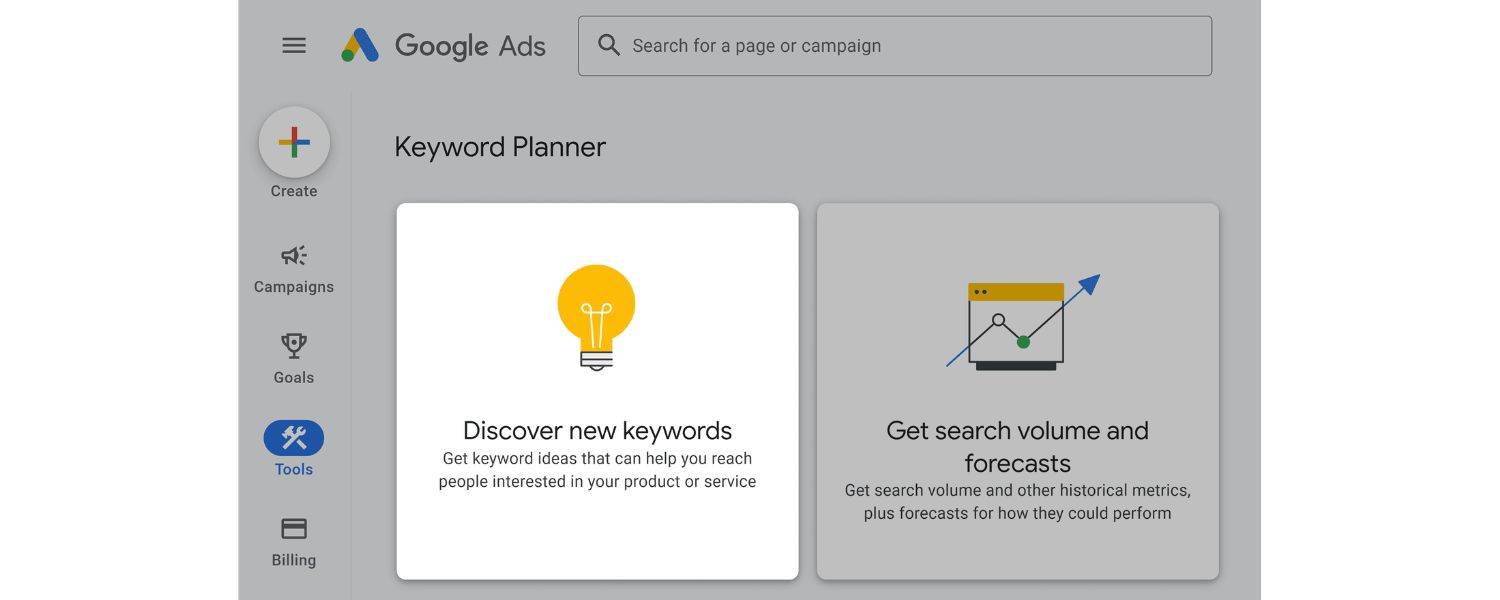
The OG of keyword tools. This free tool from Google is primarily designed for advertisers, but it’s incredibly useful for SEO too. It provides keyword ideas straight from Google’s database along with search volume, competition (in PPC terms), and suggested bid ranges.
Keyword Planner is fantastic for finding high-volume core keywords and getting a sense of seasonal fluctuations. It also has a forecasting feature to estimate clicks and impressions for paid campaigns, which can hint at a keyword’s potential.
While it doesn’t directly give you SEO difficulty, its data on competition and CPC can be indirectly useful; a high CPC often means lucrative (likely competitive) keywords.
Best feature: It’s completely free forever (you just need a Google Ads account) and lets you pull keywords based on a seed keyword, a URL, or even by combining multiple keywords.
Keep in mind Google sometimes groups keywords and gives broad volume ranges (e.g., “0-100” etc.), but it’s a must-use starting point for any research.
2. WordStream Free Keyword Tool
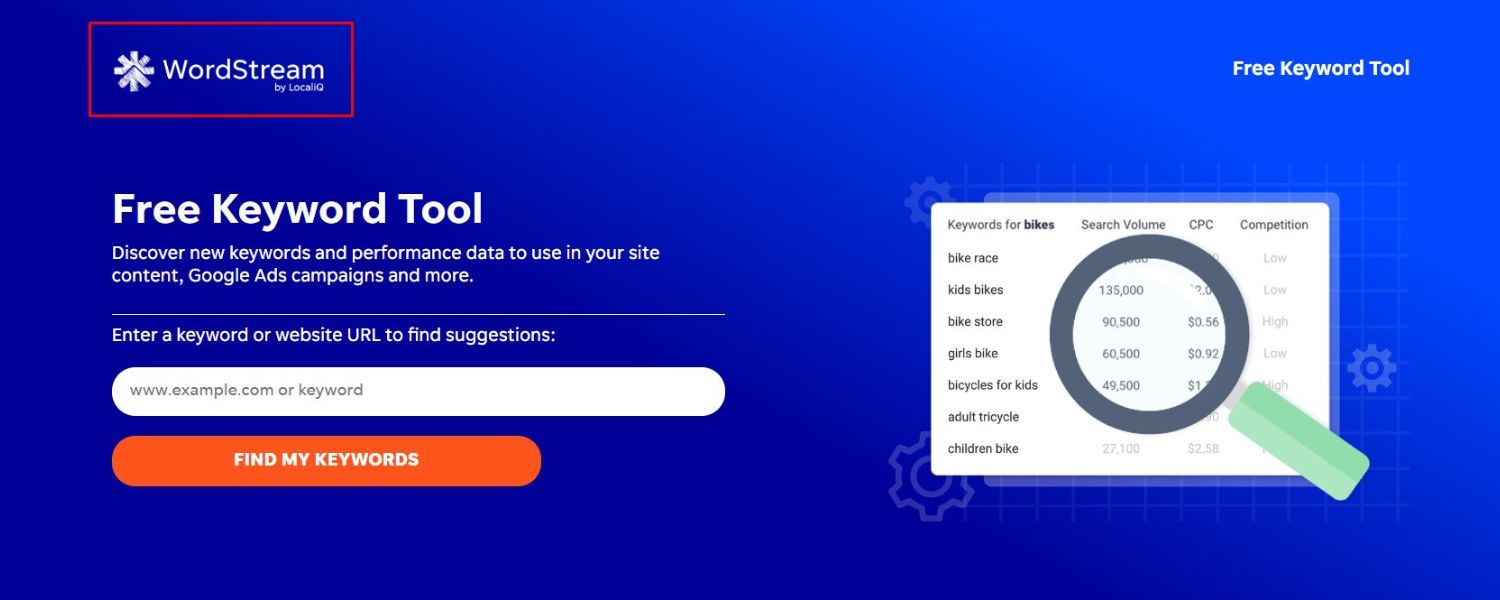
WordStream offers a free keyword tool that’s very user-friendly for quick analysis. It generates a list of related keyword suggestions (including long-tail variations) along with their Google and Bing search volumes.
One handy feature is the ability to enter a competitor’s URL to get keyword ideas based on their site, which helps in competitor keyword analysis. WordStream’s tool also provides industry-specific filtering – you can filter results by industry to get more relevant suggestions for your vertical.
For PPC users, it includes competition and estimated CPC data by industry and region, helping prioritize keywords that fit your budget. It’s touted as “a multi-purpose keyword analysis tool” that can be used for both PPC and SEO.
While the free tool shows top 25 keywords immediately, you can get the full list emailed to you. Best feature: Industry and location filters that tailor keyword results to your business context, and the convenience of quick, no-cost insights.
3. Wordtracker
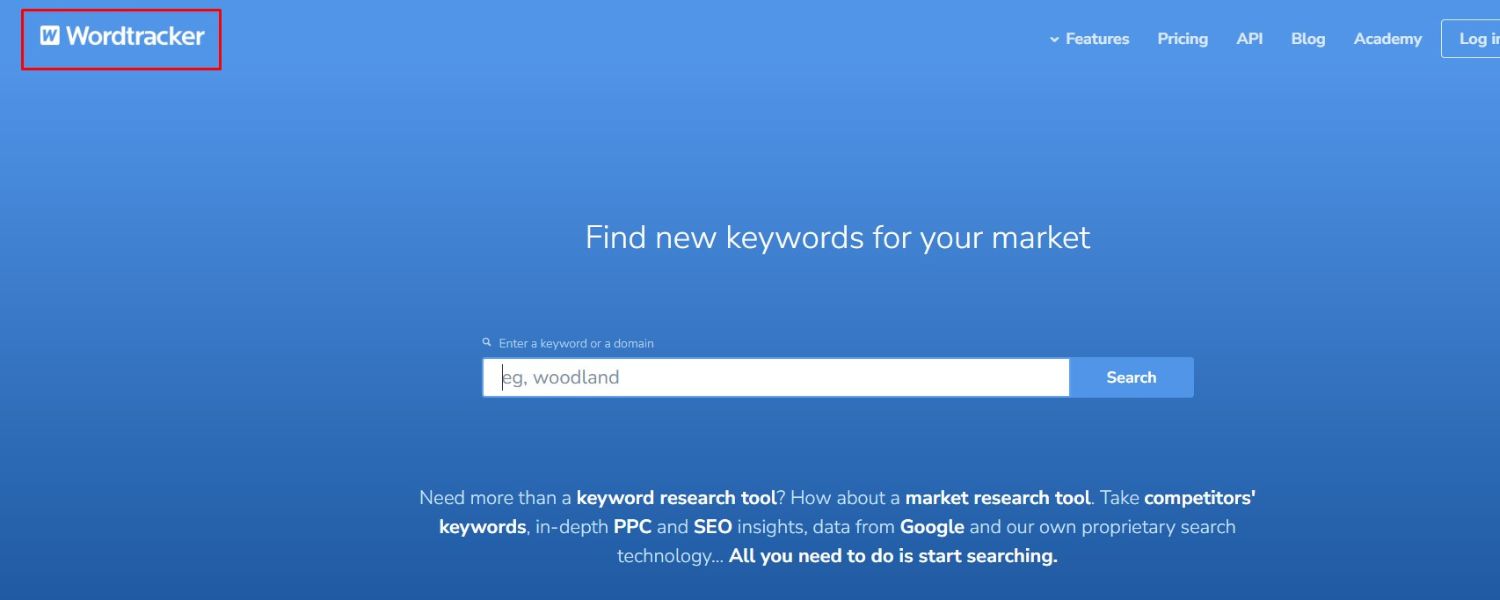
Wordtracker is one of the original keyword research solutions (dating back to the early 2000s). It markets itself as “the best FREE alternative to Google’s Keyword Planner” and is known for providing extensive long-tail keyword lists – often thousands of suggestions per search.
In fact, Wordtracker’s free tool can return up to 10,000 results for a given query, which is great for uncovering niche phrases. It sources data from its own network and can show you not just keywords but also traffic estimates and performance by domain (their tool can analyze a domain to show keywords it ranks for, somewhat like a mini-competitor analysis).
Wordtracker also offers a paid version with more advanced features and an API. Best feature: Long-tail prowess – if you want to dig really deep into less common queries, Wordtracker shines. It’s also quite straightforward for beginners.
4. Semrush (Keyword Magic Tool & Keyword Explorer)
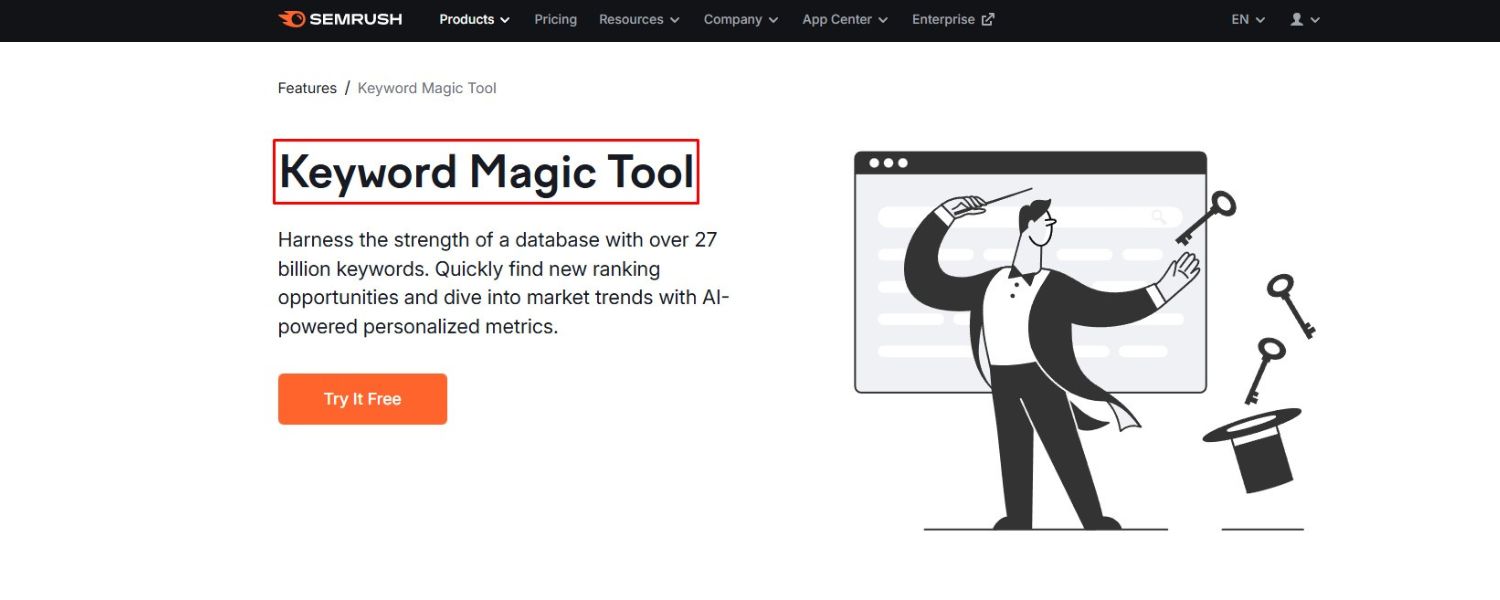
Semrush is a powerhouse all-in-one SEO suite, and its keyword research capabilities are among the best. The Keyword Magic Tool alone can generate an exhaustive list of keywords for any seed, and you can slice and dice the results with filters (by intent, word count, questions, SERP features, etc.).
Semrush provides a ton of granular data: search volume, trend graphs, keyword difficulty score, SERP analysis, and even what features (like featured snippet, people also ask, local pack) appear for each keyword.
Beyond that, Semrush has tools like Keyword Gap (to compare your keyword profile with competitors), Organic Research (to see which keywords any domain is ranking for), and Keyword Manager to save lists.
They also integrate with content tools – for example, the SEO Content Template suggests related semantically relevant keywords to include. Semrush’s free plan allows a limited number of searches per day, but their paid plans are used by many SEO pros and agencies.
Best feature: Comprehensive competitive analysis, you can essentially spy on competitors’ keywords (both organic and PPC) and find gaps. It’s an all-in-one solution for those who want both breadth and depth in keyword data. Plus, the interface and export options are excellent for detailed analysis.
5. Ahrefs (Keywords Explorer)

Ahrefs is another top-tier SEO platform beloved for its vast backlink index, but its Keywords Explorer is equally powerful. It uses a database of billions of keywords across Google and other search engines (including YouTube, Amazon, Bing, etc.).
One of Ahrefs’ unique metrics is “Clicks” – it estimates not just search volume, but how many clicks result from those searches (since some searches end without a click, e.g., due to featured snippets or answer boxes). This is incredibly insightful; a keyword might have 10k searches but only 5k clicks if Google answers it directly.
Ahrefs also provides keyword difficulty (based on backlinks of top pages), parent topic suggestions (to group keywords), and rich SERP overviews. It’s great for finding content ideas via the Questions filter too.
While Ahrefs is a paid tool with no free version (aside from limited data in their free webmaster tools), many professionals invest in it for its accuracy.
Best feature: The Clicks metric and overall quality of data, Ahrefs is often praised for giving realistic difficulty and volume numbers. It’s also strong in international SEO research due to extensive region-specific data.
6. Moz Keyword Explorer
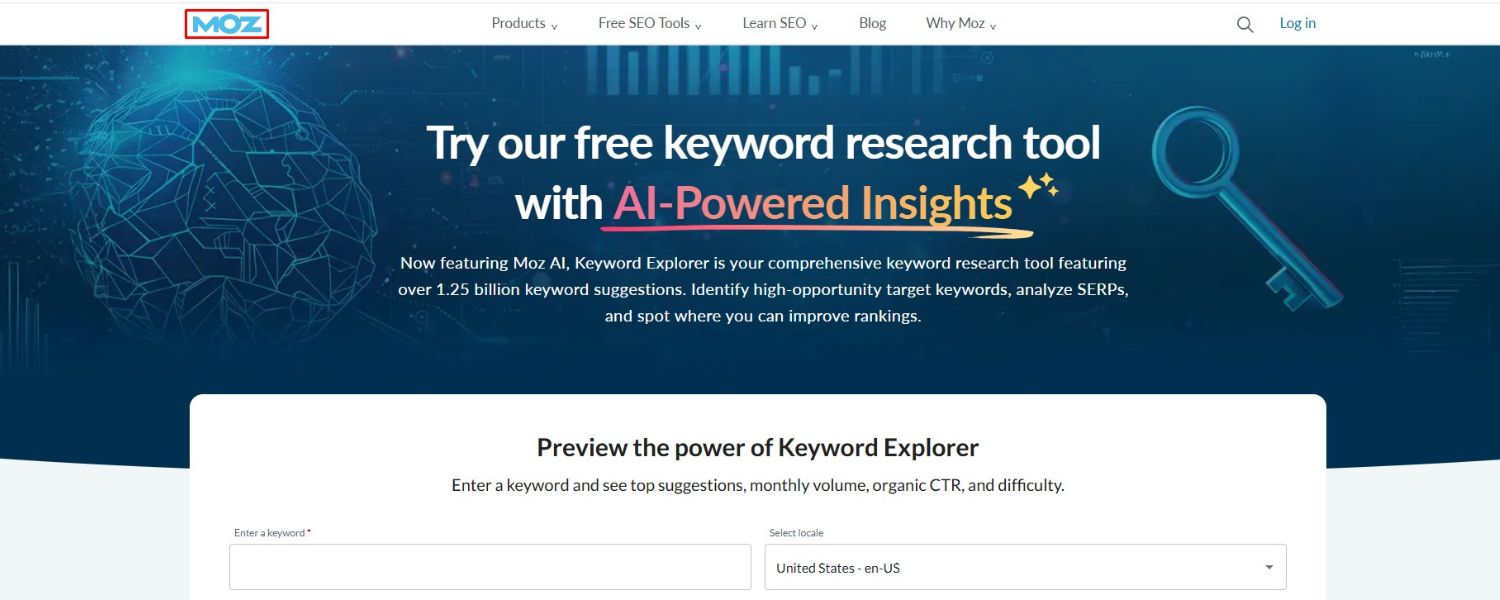
Moz’s tool is known for its user-friendly interface and a metric called “Priority” which tries to combine volume, difficulty, and your own score of importance into one value.
Moz provides the essentials: monthly volume (with ranges), keyword difficulty (Moz’s calculation of how hard ranking is), and an organic click-through rate (CTR) percentage which estimates how many searchers click on results (useful to know if a SERP has lots of ads or a featured snippet).
It also suggests related keywords and keyword phrases that are semantically linked. Moz’s free account lets you make a limited number of queries each month; the full capabilities require Moz Pro.
One advantage of Moz is their well-regarded Domain Authority (DA) metric, while not directly in the keyword tool, when you analyze SERPs, seeing the DA of ranking sites can help gauge competition quickly.
Best feature: Priority score – it’s a handy way for beginners to see which keywords might be the “low-hanging fruit” (for example, a keyword with decent volume and low difficulty will have a higher Priority score). Moz also has a clean, intuitive UI that many find approachable if the bigger tools feel overwhelming.
7. KWFinder (by Mangools)
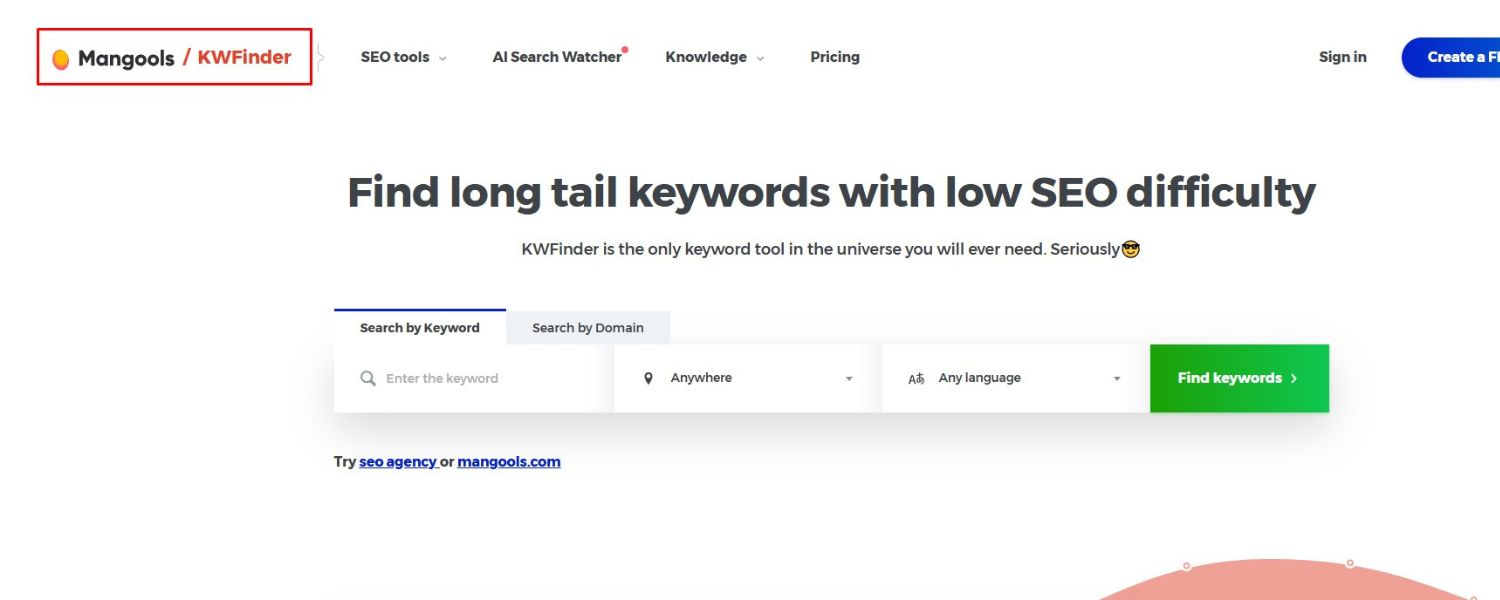
KWFinder is a popular choice especially among bloggers and small businesses for its simplicity and visually appealing interface. It’s part of the Mangools suite (which includes SERP analysis, rank tracking, etc.).
KWFinder specializes in finding long-tail keywords with low SEO difficulty. When you search a term, it returns a list of related keywords along with columns for search volume, trend, CPC, PPC competition, and a prominent keyword difficulty score color-coded for easy interpretation.
It even shows a snapshot of the current top SERP results for each keyword you click on, including their authority metrics and backlinks.
A unique touch: KWFinder sometimes provides search intent labels (like “Buying” or “Informational”) next to keywords, as well as the dominant type of results (e.g., forum, blog, e-commerce) ranking, which is great for understanding intent at a glance. The free version allows a few searches per day (up to 5) with limited results, while paid plans increase that limit.
Best feature: User-friendly difficulty scoring, KWFinder is known for pinpointing those golden keyword opportunities (low difficulty, high relevance). It’s excellent for quick-win hunting, and the integrated SERP analysis for each keyword saves you time toggling to other tools.
8. Ubersuggest
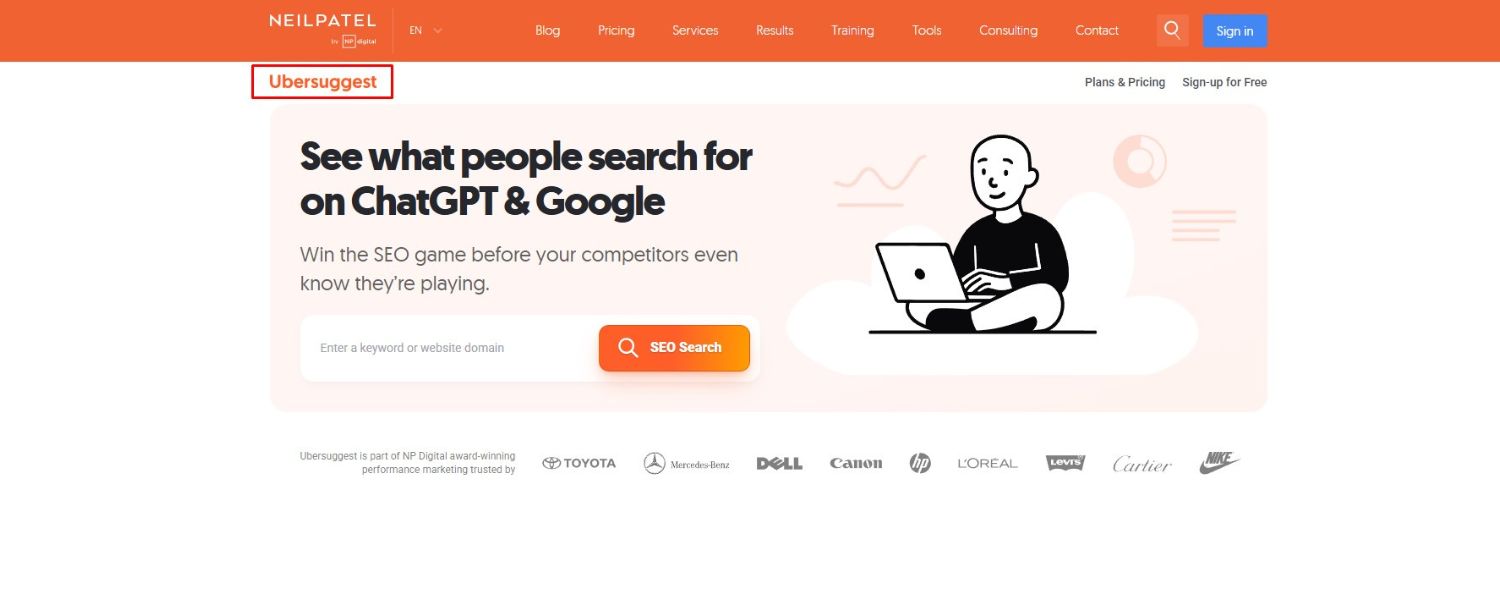
Once an independent tool by Neil Patel (it has since been integrated into the NP digital offerings), Ubersuggest is a freemium keyword tool that provides a lot of data for free users. It generates keyword ideas including various suggestions, questions, prepositions, etc., similar to AnswerThePublic.
Ubersuggest also provides content ideas (showing popular pages for a given keyword/topic with their social shares and backlinks). It gives basic volume, SEO difficulty, and paid difficulty metrics, plus an estimate of how many backlinks you’d need to rank on the first page for that keyword.
One standout feature is the recommended keyword ideas, it often suggests related keywords you might not think of, and also shows “Keywords That People Also Search For” if you click on a result (mimicking the People Also Ask). It has a free daily search limit; the paid version is relatively affordable compared to big tools.
Best feature: All-in-one at a glance, Ubersuggest tries to consolidate multiple functions (keyword ideas, content ideas, site audit, backlink data) in one place, making it a good starting point for beginners. It’s also continually updated with new features and tends to incorporate a lot of community feedback.
9. SpyFu
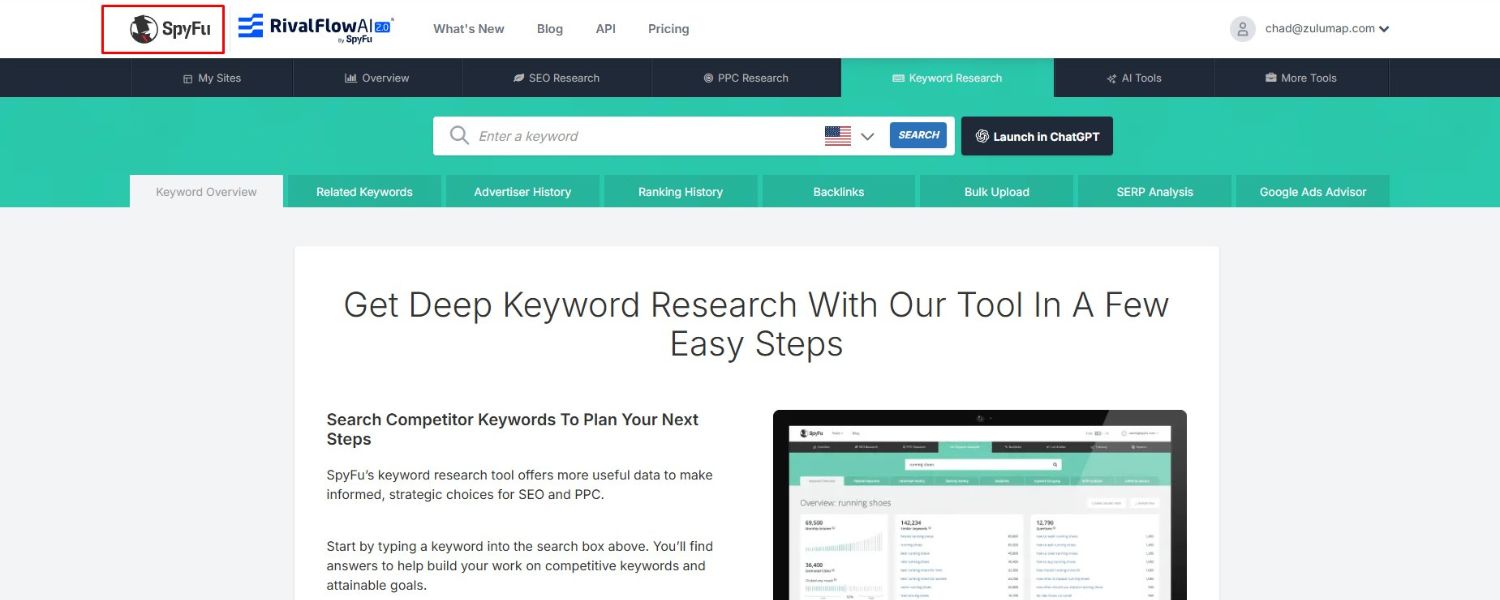
SpyFu is unique in that it is laser-focused on competitor research, particularly for PPC and SEO competitor keywords. With SpyFu, you can enter a competitor’s domain and get a report of all the keywords they rank for organically, all the keywords they’re buying on Google Ads, and even how their ad copy looks.
It offers keyword overlap diagrams to see what keywords you and a competitor share or don’t share, which is fantastic for finding gaps. SpyFu also has historical data – you can see if a competitor has been bidding on a keyword for years (an indicator it’s working for them) and review past ad variations.
For SEO, SpyFu will list a domain’s top pages and the keywords bringing traffic, as well as their estimated SEO clicks and value. It’s not as heavy on raw keyword suggestion lists like other tools; instead, it shines for competitive intelligence.
As mentioned earlier, SpyFu uncovers rivals’ SEO and PPC strategies using historical data, and even includes new AI-based features like content gap analysis (SpyGPT). Best feature: PPC insights and competitor keyword downloads, you can literally download your competitor’s keyword list and campaigns in many cases.
That can dramatically shortcut your research by learning from others in your space. It’s also one of the more affordable tools for the value it provides (especially for PPC planning).
10. Google Trends
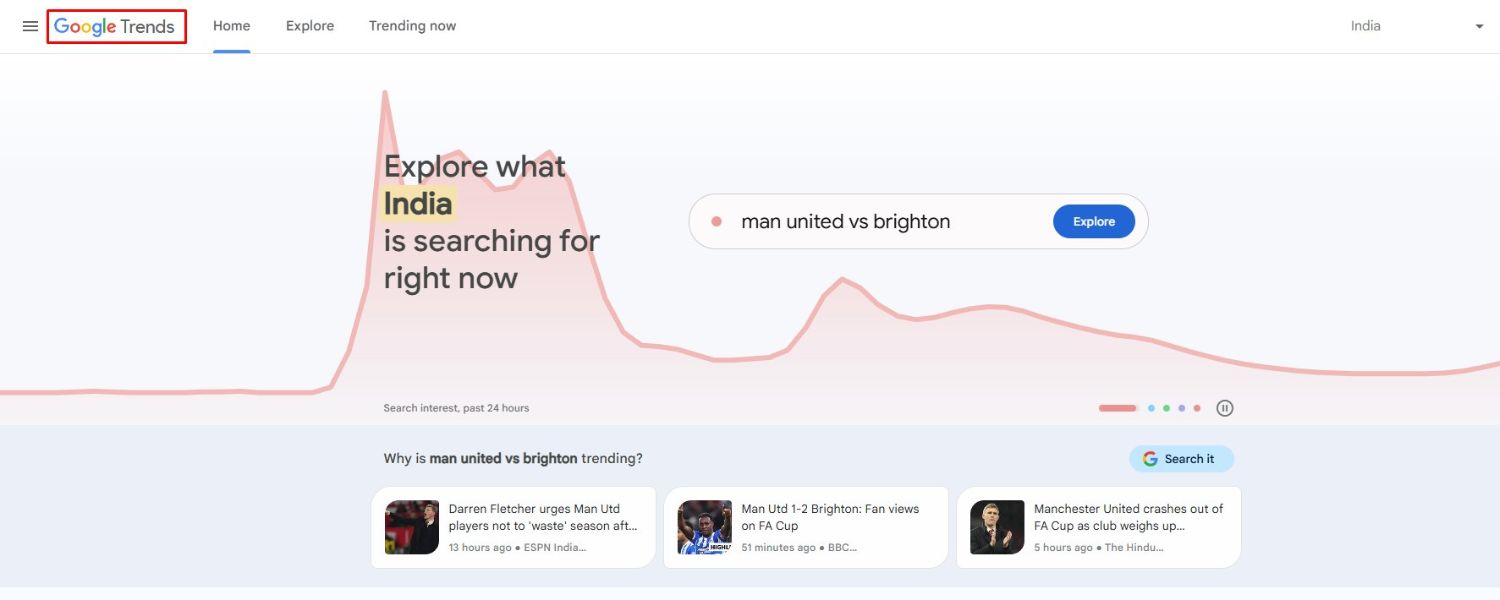
While not a keyword suggestion tool, Google Trends deserves mention as an invaluable free resource for keyword analysts. It lets you explore search interest over time for specific terms and compare terms against each other.
You can filter by country or worldwide, and even drill down to state/metro level for local insights. Google Trends shows the relative popularity of queries, which helps you spot seasonal patterns (e.g., “gym membership” spikes in January every year) and rapidly rising keywords (the “Trending Searches”).
It also provides related topics and queries, including “Rising” queries that are gaining traction. For example, a marketer in 2023 might have noticed the surge in “ChatGPT” or “AI content” queries on Trends well before it became common knowledge.
Best feature: Seasonality and breakout detection – if you want to know whether a keyword is just momentarily popular or has sustained interest, Trends will show you.
It’s also great for content planning, as you can align your topics with when interest is peaking. Pro tip: use Trends to compare variations of a term (e.g., singular vs plural, or two phrasing options) to see which is searched more often, so you can choose the optimal keyword form.
Each of these tools (and there are others like KeywordTool.io, AnswerThePublic, Majestic (for competitor gaps), Surfer SEO’s keyword tool, etc.) can contribute to your keyword analysis in different ways.
For the best results, don’t rely on just one tool – cross-reference data from a couple of sources. For instance, you might use Google Keyword Planner for an initial list, Semrush to get advanced metrics and competitive data, and Google Trends to validate the timing. This way, you overcome the blind spots that any single tool might have.
Many of our competitors’ blogs (like Zapier’s or WordStream’s) have detailed comparisons of these tools, but the bottom line is: choose the tools that fit your workflow and budget, and that provide the level of insight you need.
If you’re just starting out, free tools can go a long way. As you grow, investing in a paid SEO suite can yield ROI by saving time and uncovering strategic opportunities.
(All product names and trademarks above are property of their respective owners, and many offer free trials if you want to test them out yourself.)
FAQs
To wrap up, let’s address some common questions people have about keyword analysis and SEO keyword research.
These quick Q&As can serve as a handy reference and also align with what people are actively asking in search engines (making this guide even more helpful for readers and voice-search friendly):
Q1: What is the difference between keyword analysis and keyword research?
A: In practice, “keyword analysis” and “keyword research” are used interchangeably and refer to the same overall process. Both involve finding and evaluating keywords that are relevant to your business.
If we get technical, one might say keyword research is the broader process of discovering keywords (the brainstorming and gathering phase), while keyword analysis emphasizes the evaluation part (looking at metrics and deciding which keywords to target).
However, most marketers simply use either term to mean the act of researching keywords for SEO/PPC. The goal in both cases is to build a strategic keyword list that can guide content creation or ad targeting.
So don’t get confused, whether someone says “do keyword research” or “perform keyword analysis,” they are generally talking about the same essential tasks.
Q2: How do I find “good” keywords to target?
A: Good keywords typically meet a few criteria: they are highly relevant to your business, have sufficient search volume, and aren’t impossibly competitive to rank for.
To find them, follow the steps outlined in this guide: start with brainstorming seed terms, use keyword research tools to expand the list, and then use metrics like volume and difficulty to filter the list.
Look for keywords that reflect strong intent (for example, a long-tail query indicating someone is ready to buy or deeply interested in a topic). A good keyword for you is one that your target customers are likely to use and that, when they search it, you have something valuable to offer.
One pro tip is to target specific question keywords that relate to your nich, these often have lower competition and let you connect with customers by answering their exact questions.
For instance, instead of just “home security,” a good keyword might be “how to install a home security camera” if you sell security products and can provide a tutorial or guide (attracting DIY enthusiasts who may then purchase your equipment).
Also, analyze what’s working for competitors: if a competitor is getting lots of traffic from a keyword and you have the means to create a better page on that topic, that keyword is likely a good target. In summary, good keywords hit the sweet spot of relevance, demand, and attainability.
Q3: How many keywords should I target on a single page?
A: There isn’t a strict number – it’s more about topic coverage than raw keyword count. A single page (or blog post) should target a primary keyword, the main topic, and usually a handful of closely related secondary keywords. Thanks to semantic search, a well-written page will naturally rank for many variations of a phrase.
For example, this guide you’re reading is primarily targeting “keyword analysis” as a topic, but it will likely rank for variations like “keyword analysis guide,” “keyword research for SEO,” “how to do keyword analysis,” etc., because those phrases are all closely related and are included in the content.
It’s generally best to focus on one main keyword or phrase per page (especially in your title tag and H1), then incorporate related terms and synonyms in subheadings and body. Avoid trying to target two completely unrelated keywords on one page – that usually means the page is covering two different topics, and it’s better to split it.
For instance, “email marketing tips” and “best email marketing software” could be two separate pages, even though they’re in the same realm, because one is about strategy/tips and the other is specifically about tools.
That said, if two keywords are essentially synonyms or have the same intent (e.g., “keyword analysis” vs. “keyword research”), you don’t need separate pages – target them together. A good practice is to identify a cluster of 3-5 keywords that are closely related and let those guide the sections of your content.
If you find yourself wanting to target more than that and the keywords start to diverge in intent, consider breaking the content into multiple pieces. Remember, it’s about answering the query comprehensively, if one page can thoroughly answer several very related queries, then do that rather than thin out the content across many pages.
Q4: How often should I perform keyword analysis?
A: Keyword analysis is not a one-time task. Ideally, you should revisit your keyword research periodically. For most websites, doing a thorough refresh every 6 to 12 months is a good practice.
This is because search trends change, new keywords emerge (think of new technologies or news that create brand new queries), and your business focus might evolve too. In fast-moving industries or highly seasonal niches, you might do minor keyword updates even more frequently (e.g., quarterly).
Additionally, any time you’re planning a big content initiative, say launching a new product category, starting a new blog series, or revamping your website – that’s a trigger to conduct keyword research for that specific project.
Keep an eye on your analytics and Search Console; if you see new queries popping up that lead people to your site, investigate if those represent a content opportunity.
Conversely, if you see some keywords declining in popularity or new competitors encroaching on your rankings, it might be time to find fresh keyword angles or optimize again.
Also, major changes in search engine algorithms (or the introduction of features like Google’s AI snapshots) could prompt a reevaluation of which keywords are most valuable.
In summary, treat keyword analysis as an ongoing part of your content/SEO workflow, set a schedule to review it and also remain agile to ad-hoc research when you notice changes in your environment.
Q5: Is keyword analysis still relevant in the age of AI and voice search?
A: Absolutely – keyword analysis is as relevant as ever, though the way we apply it continues to evolve. Voice search and AI (like ChatGPT or Google’s Search Generative Experience) have certainly changed how some queries are phrased and how answers are delivered, but they still fundamentally rely on language and keywords (queries) to operate.
Voice searches tend to be longer and more conversational, which actually emphasizes the importance of long-tail keywords and question phrases – something good keyword research will uncover.
By optimizing for natural language questions, you are positioning your content to be the one that voice assistants might read out. Meanwhile, AI chatbots like Bing Chat or others often draw from web content to formulate answers.
If your content is well-optimized for relevant keywords and provides authoritative answers, it’s more likely to be referenced or recommended by these AI systems.
Also, even AI-driven search results (such as Google’s AI snapshots) often cite sources or provide follow-up links, meaning being visible for the right keywords is still how you get in the AI mix.
One statistic to note: as of 2024, about 47% of Google searches were triggering AI overview results on the results pages. This means the top-of-page real estate might be taken by an AI summary for nearly half of searches.
To remain visible, you might need to focus on informational depth and authority for those queries, which again comes back to knowing which keywords/questions to cover and doing so thoroughly.
In essence, keyword analysis now should include looking at how queries might be phrased in voice (which often means more conversational, e.g., “what’s the best way to…”), and how to make content that’s AI-friendly (structured clearly, with direct answers).
The rise of AI doesn’t eliminate keywords – it shifts the emphasis to user intent and context even more. If anything, having a strong grasp of what your audience searches for (and how) is the compass that will guide you through these changing terrains of search.
So continue doing keyword research – just expand your view of what a “keyword” can be (including longer questions and conversational intents).
Q6: What are some common mistakes to avoid in keyword research?
A: Great question. Some frequent pitfalls include:
A. Keyword Stuffing
This is an old SEO tactic where you cram the keyword into your page as many times as possible. It not only creates a poor reading experience, but search engines now penalize this behavior.
Instead, use keywords naturally and focus on synonyms and related terms. If your content reads awkwardly because of a keyword, dial it back, you don’t need to mention the exact phrase a hundred times.
B. Ignoring Search Intent
We mentioned this earlier, but it’s worth reiterating. It’s a mistake to target keywords without understanding what users want when searching them.
If you optimize for “best DSLR camera 2025” with a product page but users expect a review or list, you won’t satisfy them (or rank well). Always align your content format to intent.
C. Going Too Broad
Especially for new sites, targeting broad, single-word keywords like “shoes” or “marketing” is usually a waste of effort. You’ll be going up against massive authority sites and you won’t address a specific need.
It’s better to niche down initially. Broad keywords might stroke the ego (“we rank #1 for ‘marketing’!”), but they rarely yield conversions because they’re so vague.
D. Overlooking Long-Tail Opportunities
Some people focus only on volume and ignore keywords that don’t get thousands of searches. This is a mistake because those low-volume terms can be incredibly targeted and easier to rank for.
Long-tails in aggregate can drive more traffic than a few head terms. For example, 100 keywords that each get 50 searches a month = 5,000 searches, which might be easier to capture than a single keyword with 5,000 searches where you face heavy competition.
E. Not Using Updated Data
The search landscape can change. Using old keyword data (say from 3-4 years ago) might mislead you because volumes and trends shift. Always try to get the latest data (most tools update regularly).
For instance, a keyword that was low-volume last year might be exploding this year due to a trend. Conversely, something popular before might be fading. Keep your research fresh.
F. Ignoring Competitors Completely
You don’t want to copy competitors blindly, but it’s a mistake not to look at what keywords they rank for or bid on. Competitors can validate demand for keywords.
If all your competitors have pages targeting a certain keyword and you don’t, you might be missing out. Use competitor analysis tools (like SpyFu, Semrush, etc.) to your advantage – it’s much easier to carve your strategy when you know the battlefield.
G. Focusing Only on Traffic, Not Conversions
A keyword might bring in a lot of traffic, but does it bring the right traffic? For example, a blog post targeting a very broad informational keyword could go viral and get tons of visits, but if those visitors have no interest in your product or don’t fit your customer profile, it’s not actually helping the business.
It’s easy to be seduced by big traffic numbers, but always pair your keyword strategy with business goals (lead gen, sales, etc.). Sometimes a keyword with fewer hits but high commercial intent is far more valuable.
H. Not Monitoring and Adapting
Doing keyword research once and then never looking back is a mistake. As we stressed, you need to monitor how you’re doing and adapt.
Maybe you targeted 50 keywords and 5 of them are really moving the needle while 10 others stagnate, that should inform your next steps. SEO is iterative, and learning from what the data shows post-implementation is key.
By being aware of these common mistakes, you can conduct keyword analysis more effectively and ensure your efforts translate into real results.
Conclusion: The Power of Effective Keyword Analysis
In the digital marketing arena, knowledge is power – and keyword analysis is all about gaining knowledge of what your audience is searching for.
We’ve journeyed through the full process: from understanding what keyword analysis is, why it’s crucial, to learning how to do it step by step, and examining the tools that can help.
By now, it should be clear that effective keyword research is the bedrock of any successful SEO or PPC strategy. It’s how you read the mind of the market.
When you know the exact phrases your potential customers use, the questions they ask, the words they use to describe their problems – you can create content and campaigns that resonate, inform, and persuade.
You’re not shooting in the dark; you’re using data-driven insights to meet your customers where they already are (on search engines, looking for answers or solutions).
Let’s quickly recap the key takeaways from this guide:
1. Always start with intent and relevance
High search volume means nothing if the keyword doesn’t match your business offering or the content you can provide. Focus on what matters to your audience and what will matter to your bottom line.
2. Balance your keyword portfolio
Incorporate a mix of short-tail and long-tail keywords, aiming for those high-intent long-tails that convert well. Don’t overlook the “small” keywords – they often add up to big results.
3. Use data to drive decisions
Leverage the variety of tools available (from Google’s free offerings to advanced SEO suites) to gather metrics like volume, difficulty, CPC, and trends. These numbers help you prioritize and justify your choices.
4. Craft quality content around keywords
Once you choose target keywords, create content that truly addresses what the user is looking for. Provide value, answer questions, and solve problems better than your competitors. This not only helps with rankings but builds trust and authority.
5. Optimize on-page and off-page
Implement SEO best practices (titles, headings, etc.) but also remember that promoting your content and earning backlinks is part of making your keyword strategy successful (especially for competitive terms).
6. Stay agile and update regularly
Keep monitoring performance. The SEO landscape in 2025 includes new wrinkles like AI search results and ever-evolving algorithms, but with a solid foundation in keyword analysis, you can adapt.
Continuously refine your strategy with fresh research and be ready to capture emerging opportunities (or counter new competitors).
In my 25 years of marketing, one lesson stands out: those who understand their customers’ language win. Keyword research is essentially understanding your customers’ language online.
By investing in this process, you’re investing in the alignment between your business and your customers’ needs. It leads to content that not only ranks well on Google, but also genuinely helps readers – and that’s a winning combination for long-term success.
Now that you’re equipped with the knowledge of how to perform keyword analysis like a pro, it’s time to put it into action. Start by applying these steps to your own website or project.
Even if you do just a few steps today, like brainstorming seeds and checking Google autocomplete, you’ll be laying the groundwork for improved SEO performance.
Ready to boost your visibility and outrank the competition? It all begins with effective keyword analysis. Use the strategies and tools we’ve discussed to find those high-value keywords, create exceptional content around them, and optimize your way to the top of the search results.
With persistence and the insights you’ve gained here, you can turn search engines into a steady stream of traffic and customers for your business.
Call to Action: If you need further help with your keyword strategy or want expert eyes on your SEO plan, don’t hesitate to reach out or explore our additional resources.
Keyword analysis can be complex, but you don’t have to do it alone, feel free to contact our team for a consultation, or check out our other guides (like our SEO Content Optimization checklist) to complement what you’ve learned today. Now, go ahead and uncover those golden keywords, your next SEO breakthrough is waiting!

Why Roseville Startups are Choosing Offshore Marketers to Scale Smarter
Roseville is no longer just a quiet suburb of Sacramento;...

What Is PPC? A Practical Guide to Pay‑Per‑Click Advertising
Pay‑per‑click (PPC) is the “pay only when someone clicks” branch...

Google Search Issues Affecting Results in Some Regions
Google has confirmed a problem with one of its data...

Keyword Counts Dropped After Google’s num=100 Change
In September 2025, Google stopped supporting the &num=100 parameter. This...

Image SEO: Optimize Images for Higher Rankings & Traffic
Introduction Images make your website more engaging, but they can...


.png)
.png)
.png)
.png)
.png)

2024 ALL RIGHTS RESERVED MADE IN INDIA
.png)