
LSI Keywords: What They Are and Why They Matter for SEO
September 9, 2025
Introduction
Every content creator has heard whispers about LSI keywords being the secret sauce to higher rankings. Are they really the magic trick some claim, or just an over-hyped myth? In this comprehensive guide, we’ll demystify LSI keywords, explain their true role in search engine optimization, and show how using semantic keywords (related terms) can strengthen your content and SEO strategy. Let’s dive in and separate the facts from fiction.
What Are LSI Keywords (Latent Semantic Indexing Keywords)?
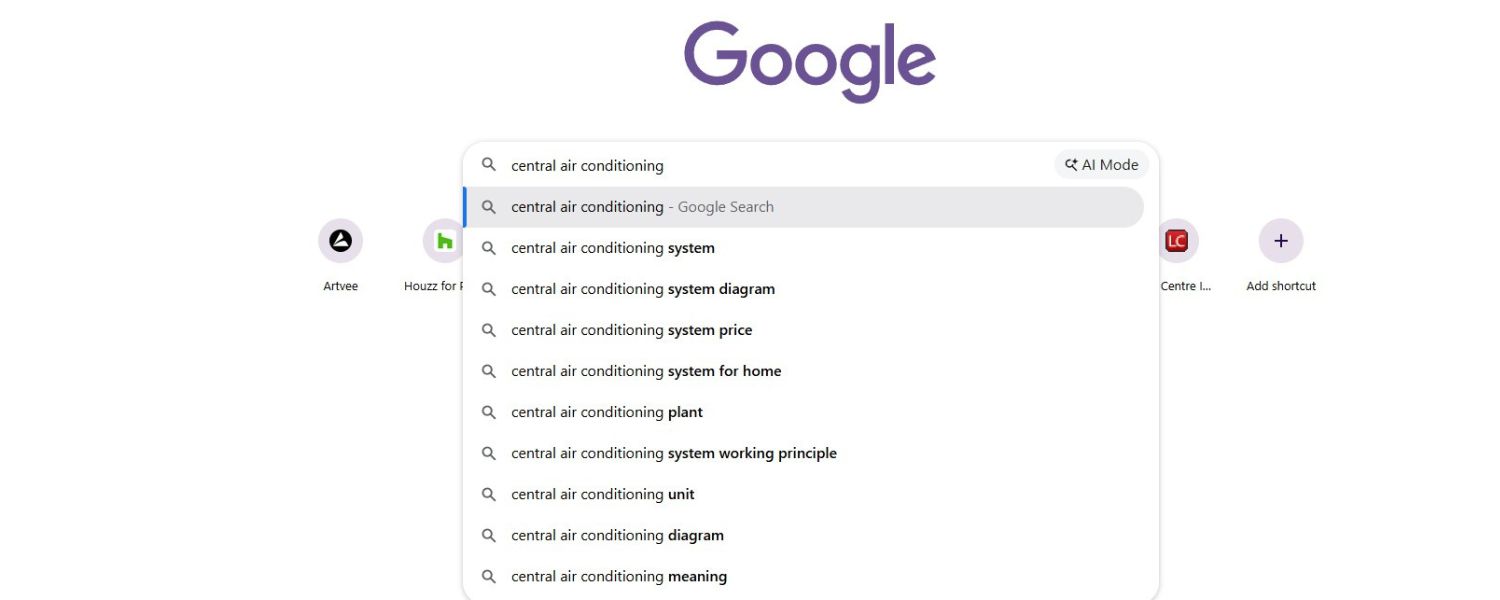
LSI (Latent Semantic Indexing) keywords refer to terms and phrases closely related to a page’s main topic. In theory, these are the words Google might expect to see in content to better understand context.
For example, if your page is about “cars,” common related words (or “LSI keywords”) could include automobile, engine, tires, or road. The idea is that including these semantically related terms gives search engines more clues about your content’s subject matter.
However, it’s important to note that the term “LSI keywords” is a bit misleading. Google’s own representatives have stated that “there’s no such thing as LSI keywords” – meaning Google doesn’t have a secret LSI algorithm that boosts pages for including a specific set of related words.
Latent Semantic Indexing is actually an old information retrieval technique from the 1980s, originally developed to help computers understand synonyms and context in a closed set of documents.
It was never designed for something as vast and dynamic as the modern web. In fact, LSI technology “wasn’t created for anything the size of the Web,” and Google has developed far more advanced, scalable ways to understand language.
So why do SEOs talk about LSI keywords at all? Over time, “LSI keywords” has become a popular (if technically incorrect) shorthand for semantic keywords or related terms – the words and phrases that naturally tend to appear in content about a given topic.
These could be synonyms, broader terms, or closely associated concepts. The core idea is valid: including relevant, related terms can make your content more comprehensive and help search engines grasp your page’s meaning.
It’s just the terminology “LSI” that doesn’t literally apply to Google’s algorithm today. In simple terms, when we say LSI keywords in an SEO context, we really mean semantically related keywords that add context and depth to our content.
Myth vs Reality: Google’s Stance on LSI Keywords
It’s easy to see how the myth grew. Google’s search results clearly understand synonyms and context – you can search for “running shoes” and get results that mention “sneakers” or search for “automobile” and still see pages referring to “cars.”
Early Google updates like Hummingbird and RankBrain reinforced that Google looks beyond exact-match keywords to grasp intent. This led many to assume Google must be using something like latent semantic indexing under the hood.
The reality
Google does use sophisticated semantic analysis, but not the outdated LSI technique from the ’ ’80s. A Google Search Advocate, John Mueller, put it bluntly in 2019: “There’s no such thing as LSI keywords – anyone who’s telling you otherwise is mistaken.”
Google’s algorithms have evolved with modern natural language processing (like word vectors, neural networks, and entity recognition) to understand context rather than relying on an old LSI patent.
In fact, latent semantic indexing was patented in 1989 and would have been impractical for Google to implement at web scale – it was never intended for billions of dynamic webpages, and even the patent constraints would have kept it out of Google’s hands in its early years.
Instead of LSI, Google uses approaches like context vectors and machine learning to interpret content. For example, a 2017 Google patent revealed they use word vector models (think of technologies like Word2Vec or BERT) to understand relationships between words in context.
Bottom line
“LSI keywords” as a ranking factor is a myth. But semantics as a concept is very much a reality. Google doesn’t give you a boost just for tossing a specific list of “LSI terms” onto your page.
What it does reward is content that is topically comprehensive and relevant – which naturally means it contains many related words and phrases. One SEO expert joked that calling these terms “LSI keywords” sounds scientific but “really comes down to adding synonyms and related words, which anyone can do.” It’s not magic; it’s just good content writing.
Think of it this way
You don’t have to chase a mystical list of LSI terms to please the algorithm. Instead, focus on writing in-depth about your topic. If you cover a topic thoroughly, you will naturally include many of the relevant terms that algorithms look for to understand context.
In contrast, obsessing over an “LSI keyword list” can lead to awkward, forced usage. Some SEO professionals warn that forcing a bunch of so-called LSI terms into your content just to check a box can do more harm than good, because it compromises readability.
Google’s AI is smart enough to detect when content is written for humans versus when it’s unnaturally stuffed with keywords. So, the key is to use related keywords in service of the reader, not just the search engine.
Why Related Keywords (Semantic Keywords) Are Important for SEO
If Google doesn’t explicitly use “LSI keywords,” why bother with related terms at all? Because including semantically related keywords makes your content richer and more understandable – for both users and search engines.
Modern search algorithms aim to grasp the overall topic of a page, not just count how many times a single keyword appears. In the early days of SEO, you could rank by repeating a keyword dozens of times, but that doesn’t work anymore – and thank goodness, because it made for terrible reading.
Today, Google’s goal is to deliver the most relevant, useful content for a query, and that means understanding context and nuance.
One way Google achieves this is by looking for other words that commonly appear around your main topic. In fact, a Google research paper noted that the algorithm can analyze “words frequently occurring together” on the page to infer what the page is about.
For example, if your article is about cold brew coffee, Google expects to also see terms like grind size, water temperature, brew time, filter, or cold water mentioned. Seeing those related terms helps confirm that your page truly covers the topic of cold brew coffee in depth. If those supporting terms are missing, the page might not seem as relevant or authoritative on the topic.
Google itself gives a simple illustration of this principle
“When you search for ‘dogs’, you probably don’t want a page with the word ‘dogs’ on it hundreds of times.” Instead, what makes a page about dogs useful is that it contains other relevant content beyond the word “dogs” – for instance, photos of different dog breeds, a list of breed names, information about dog care, etc.
In other words, a quality page will naturally mention specific related terms (like Golden Retrievers, Bulldog, puppy, canine, etc.) which signal to Google that the page covers the topic comprehensively.
A page that says “dog” 100 times but never mentions any breed or related concept is likely thin and less useful. This is why pages that include a breadth of semantically related words often outrank those that don’t – they simply provide more relevant information.
Consider another scenario
ambiguous keywords. A classic example is the word “jaguar.” Jaguar could mean a big cat, a luxury car, or an NFL football team. How would a search engine know which one your page is about if you only repeat “jaguar” over and over? It’s the related terms that give context.
If the page mentions “wildlife, habitat, Panthera onca,” it’s about the animal. If it mentions “car model, engine, showroom,” it’s about the automobile. If it mentions “quarterback, NFL, stadium,” it’s about the football team.
Including those context clues (semantically related keywords) is essential for search engines to deliver the right results. As one SEO researcher noted, adding context words can clarify ambiguous terms – for example, a page about the city of Philadelphia might mention “Eagles, NFL, quarterback” to signal it’s about the football team, not the cream cheese or just the city.
In summary, related keywords matter because they build out the context. They tell Google, “This page is about this aspect of the topic, not just a single keyword in isolation.”
Incorporating semantic keywords can also help you rank for more long-tail searches. Often, a single well-written page can rank for dozens or even hundreds of related terms that it contains naturally, as opposed to an old-school approach of making separate pages for every keyword variation. This is a core principle of Semantic SEO – creating content that satisfies a topic completely, rather than focusing on one narrow keyword per page.
How to Find LSI Keywords (Semantic Related Terms) for Your Content
Now that we’ve established the value of using related keywords, how do you actually find them? The good news is you don’t need any fancy “LSI algorithm” – you just need to do a bit of research and use your own expertise. Here are some effective ways to discover semantically related keywords and phrases:
1. Use Common Sense (Brainstorming)

Start with your own knowledge of the topic. Think about the subtopics, questions, and associated ideas that naturally come up. If you’re writing about “digital marketing”, for instance, obvious related terms might include SEO, social media, email marketing, PPC, content strategy, and so on.
Jot down these ideas first. This “common sense” check ensures you’re covering the basics. (In fact, if you’re truly knowledgeable about a subject, you’ll likely include many related terms without even trying – writing naturally tends to produce semantically rich content.)
2. Google Autocomplete
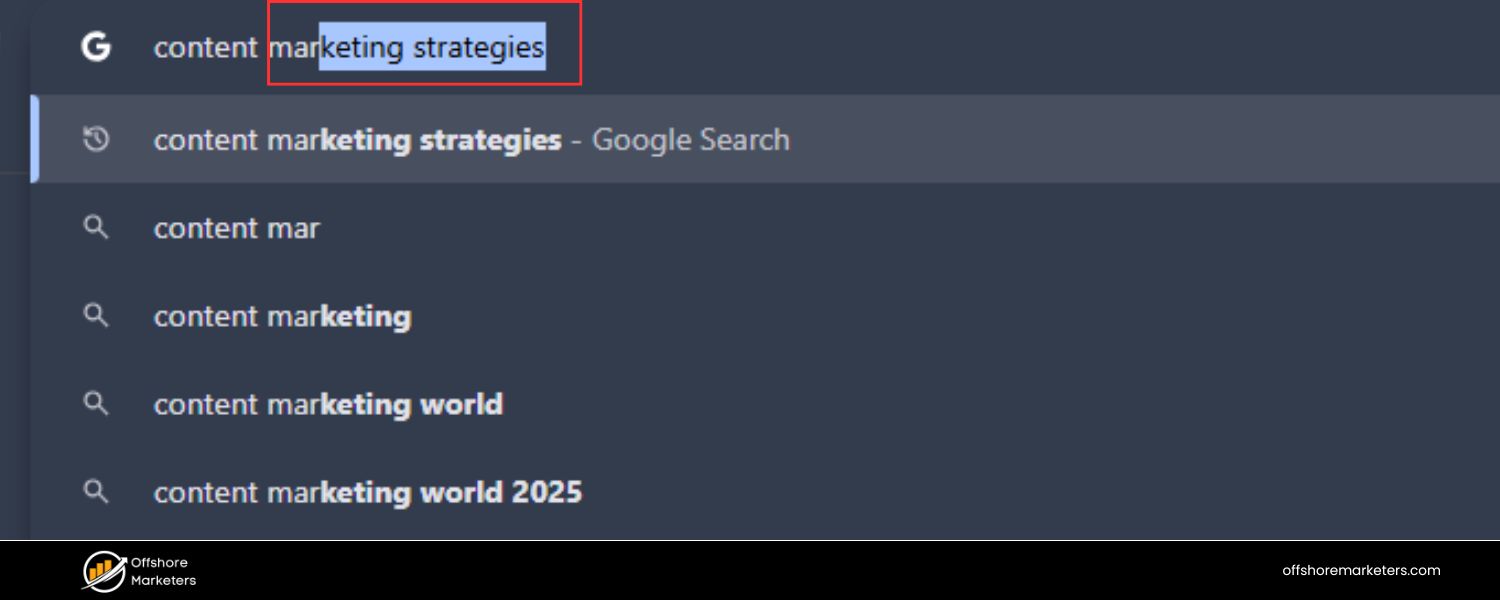
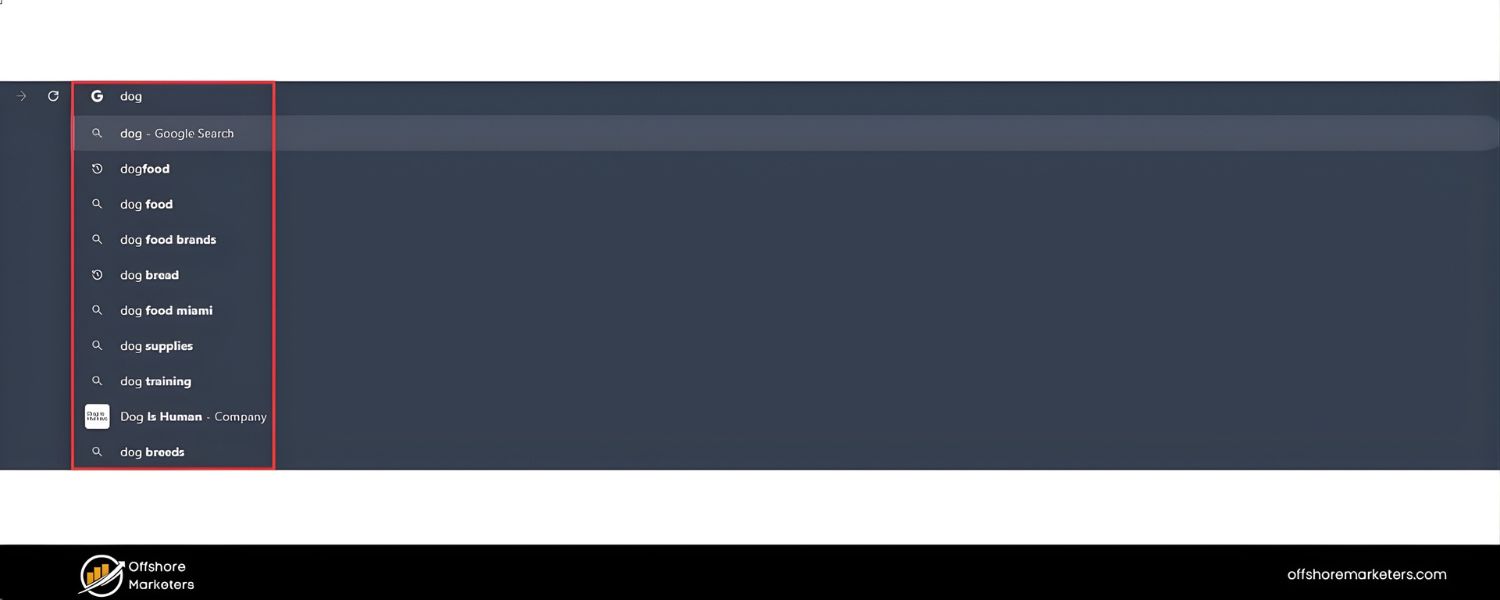
One of the quickest ways to find related keywords is to leverage the search engine itself. Go to Google and start typing your main query, and see how Google finishes the sentence.
Those dropdown suggestions are popular searches related to your topic. For example, typing “content marketing” might prompt suggestions like “content marketing strategy”, “content marketing examples”, etc.
Those suggestions (especially the bolded words within them) can reveal terms people frequently search in association with your keyword. Jot down any relevant suggestions and consider incorporating those topics or phrases into your content if they make sense.
3. “People Also Ask” and Related Searches
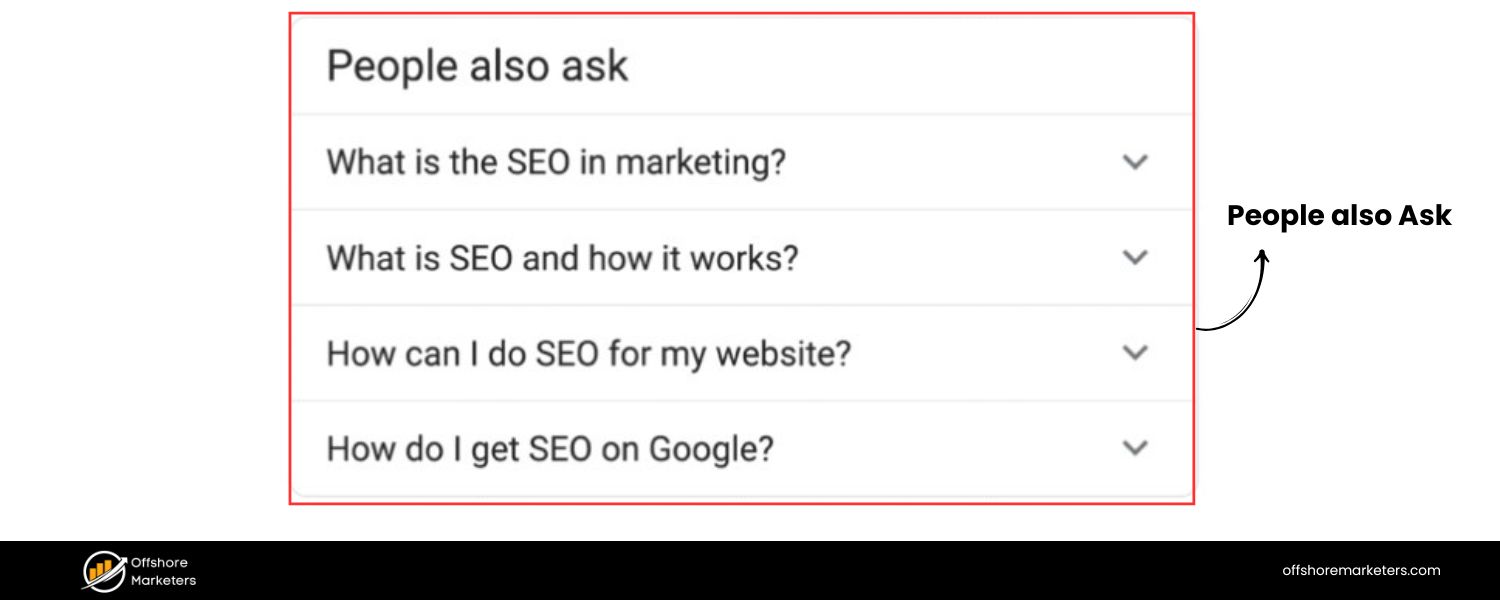
Google’s results page is full of semantic clues. The People Also Ask box often contains questions that are topically related to your query. Each question essentially highlights a subtopic or a concern users have.
For instance, if you search your keyword and see a People Also Ask question like “How do LSI keywords help SEO?”, that’s a sign you might want to answer that question in your content.
Similarly, scroll to the bottom of the search results for the Related Searches section. Google provides a list of searches “related” to your query, which often contain useful variations or subtopics.
These related searches are terms Google deems closely tied to your primary keyword. Incorporating answers or sections around these can make your article more comprehensive.
Pro tip: Look at the bold words within those related searches – Google often bolds the pieces of the query that overlap or are strongly related, which is a hint at semantic connections.
4. Analyze Top-Ranking Pages
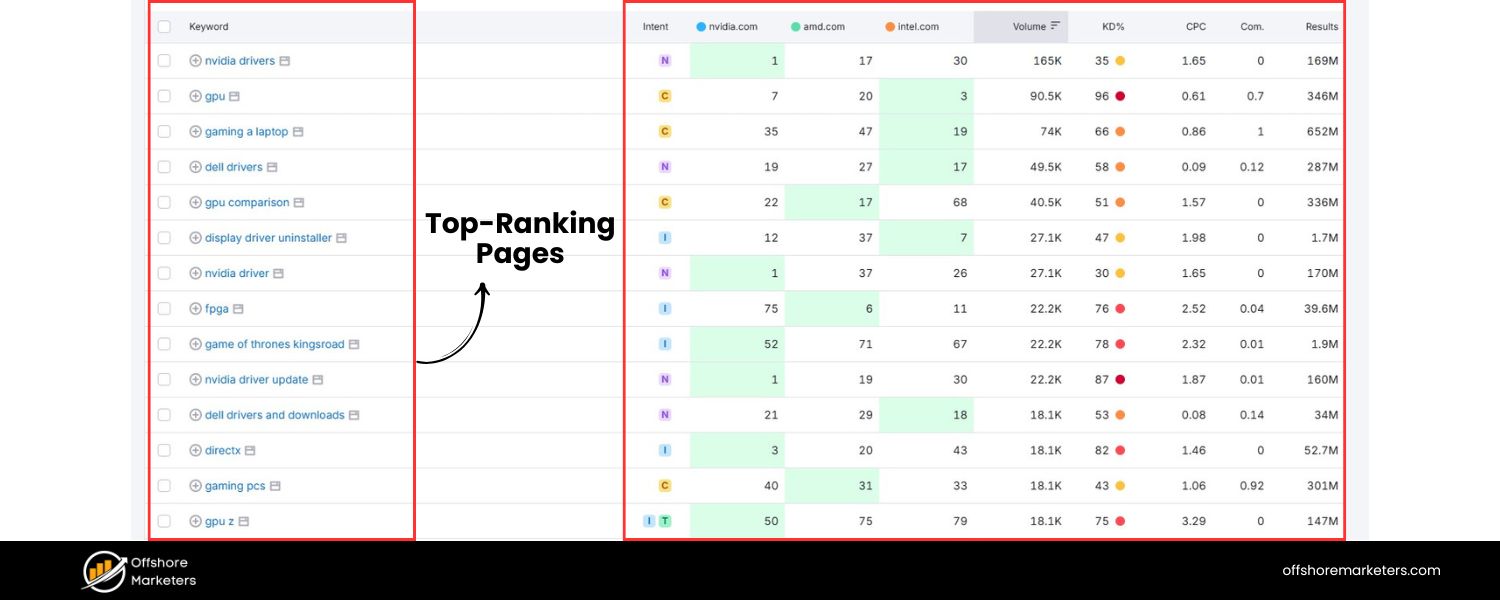
Your competitors can be a goldmine for LSI keyword ideas. Open the top 5–10 pages that rank for your target keyword and scan their content. What subheadings do they use? What topics do they cover? Pay attention to recurring phrases or concepts across multiple competitors – those are likely important related terms that any good article on the topic should mention.
For example, if every high-ranking page about “healthy smoothie recipes” also talks about nutritional benefits or protein content, you’d be wise to include those themes. You can do this manually, or use SEO tools to speed it up.
Many SEO tools (Ahrefs, SEMrush, etc.) have features to show which keywords a given page also ranks for. By looking at the “Also ranks for” or “Keywords” report for a top page, you can discover other relevant terms that page is targeting or inadvertently ranking for.
These are likely great candidates for your content as well. In essence, this is a form of topic gap analysis: find out what related subtopics your content might be missing by seeing what others have covered.
(SEO veteran Bill Slawski described his process like this: search your target term, read the top results, and note complete phrases or concepts that appear frequently – then make sure to cover those in your own content. It’s simple but effective.)
5. Leverage Keyword Research Tools
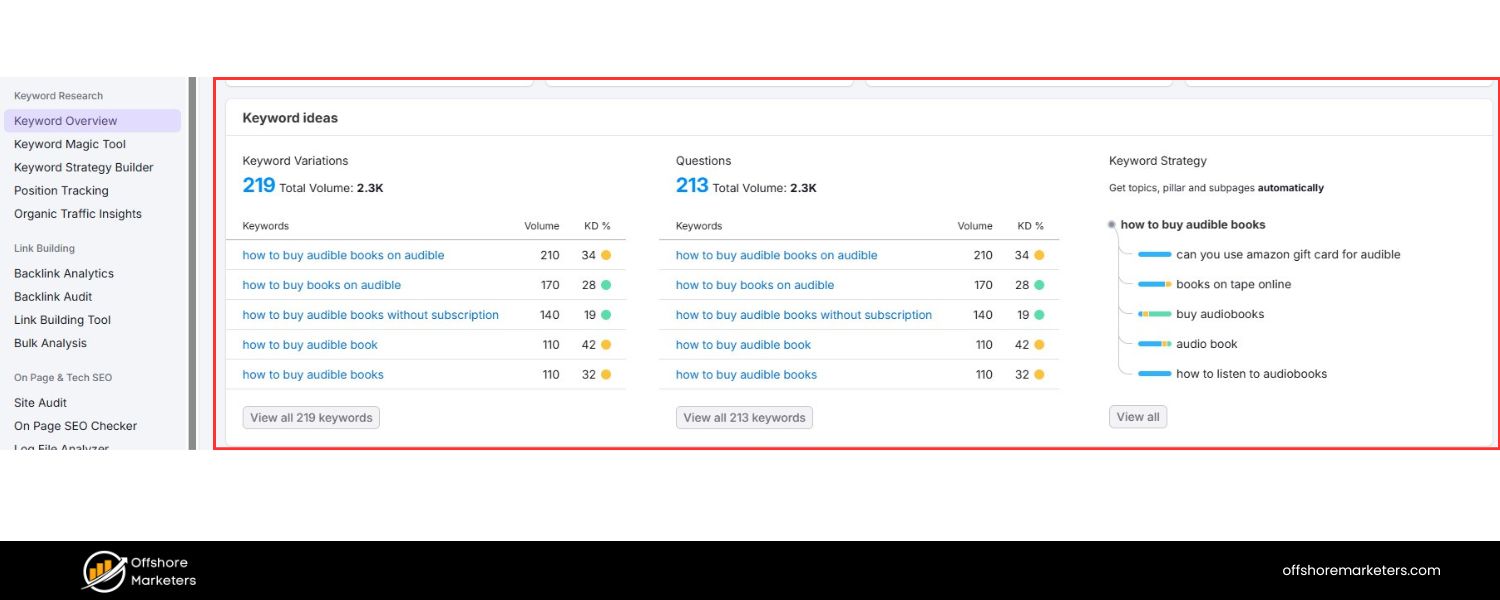
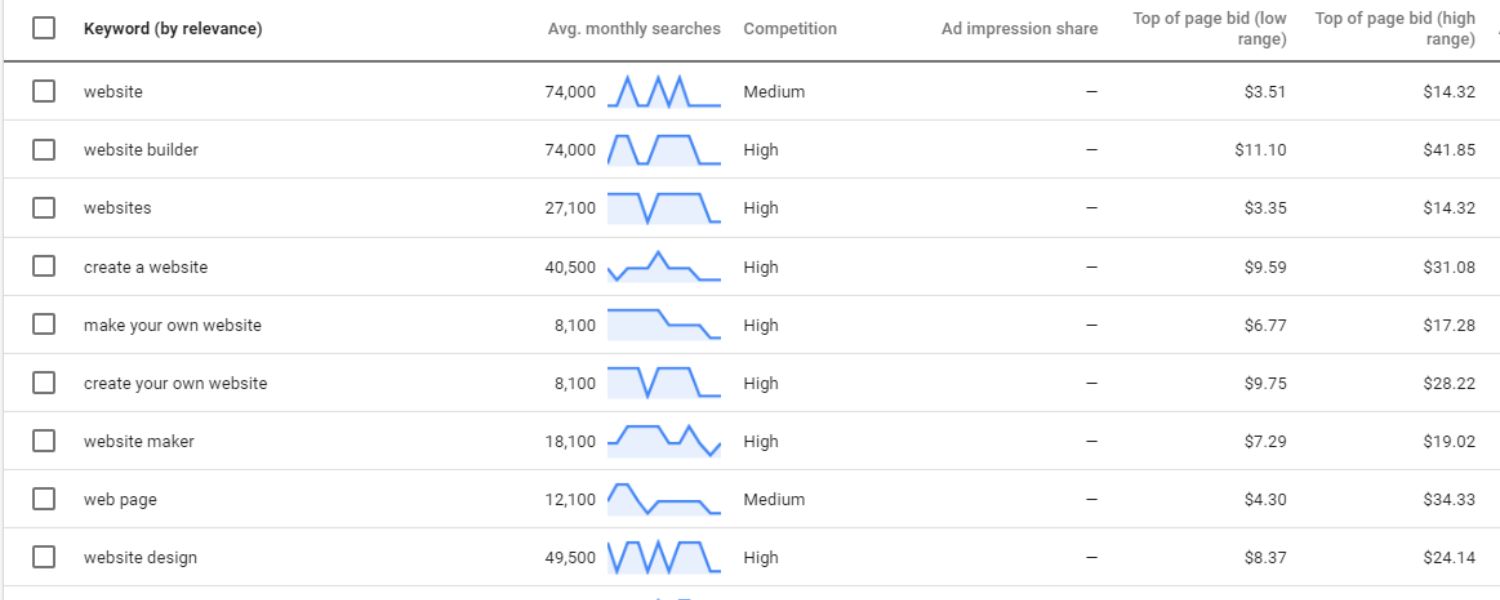
Traditional keyword tools can help find related terms too. For instance, Google’s own Keyword Planner or other free tools can suggest keywords closely tied to your main one.
If you input your primary keyword, you’ll get a list of keyword ideas; many will be variations or long-tail forms of your keyword, but some will introduce new related concepts.
Third-party tools like Ahrefs, SEMrush, or Ubersuggest often have “Related Keywords” or “Similar Terms” reports. These can surface terms that share semantic similarity or co-occurrence with your main keyword.
For example, using a tool, you might discover that people searching for “email marketing” also frequently search for terms like “newsletter open rates” or “email marketing software” – indicating these topics are closely connected.
There are even dedicated “LSI keyword generator” tools (e.g., LSIGraph, KeySearch’s LSI tool, etc.). While they aren’t doing true latent semantic indexing, they basically pull a mix of related searches, synonyms, and common co-occurring terms.
They can be useful for brainstorming. Just remember these tools provide suggestions, not magic words – you still need to choose terms that make sense for your context.
6. Use Advanced Techniques (TF-IDF and NLP)
If you want to go one step further, some advanced methods can uncover less obvious related terms:
A. TF-IDF Analysis
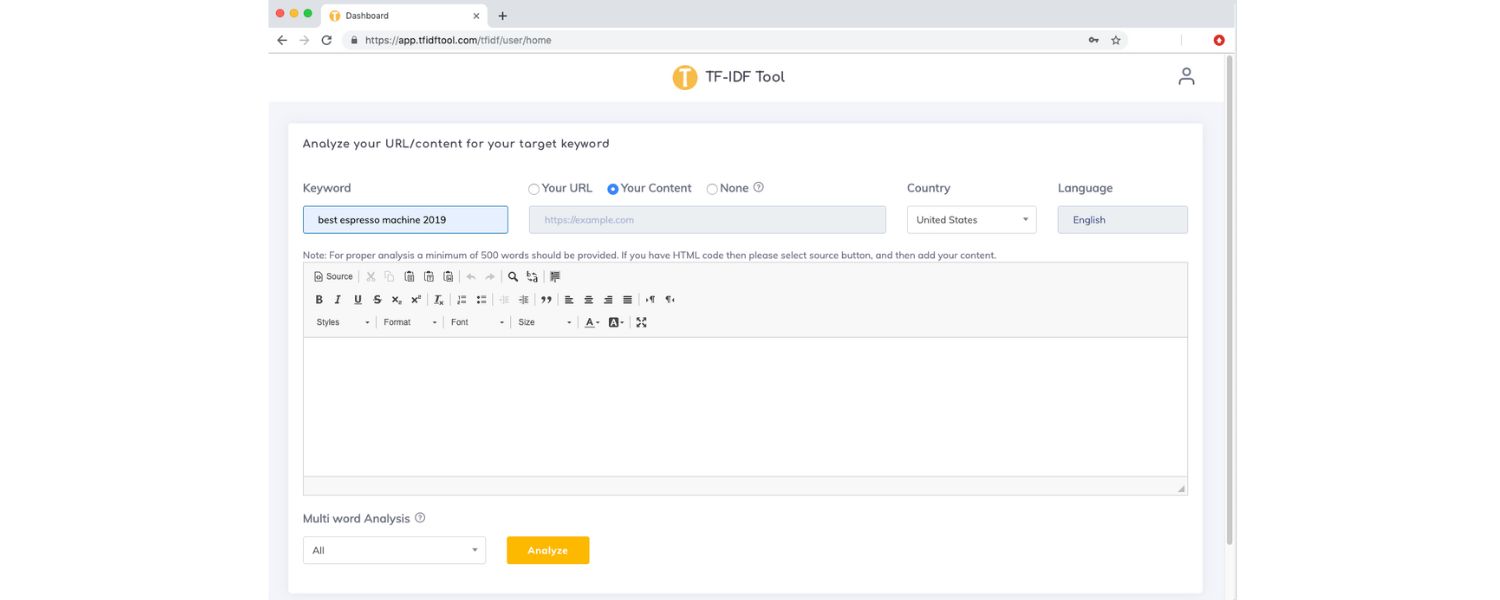
This stands for term frequency–inverse document frequency. Some content optimization tools use TFIDF to compare your content against top-ranking pages and identify words that those pages frequently mention which you do not.
While TFIDF isn’t directly used by Google’s algorithm, it’s a practical way to find “missing” relevant terms. For example, if all the top articles about “machine learning” frequently mention “algorithms” or “training data” and you haven’t, a TF*IDF tool might flag those terms. This can hint that you overlooked an important subtopic or detail.
B. Knowledge Bases and Entities
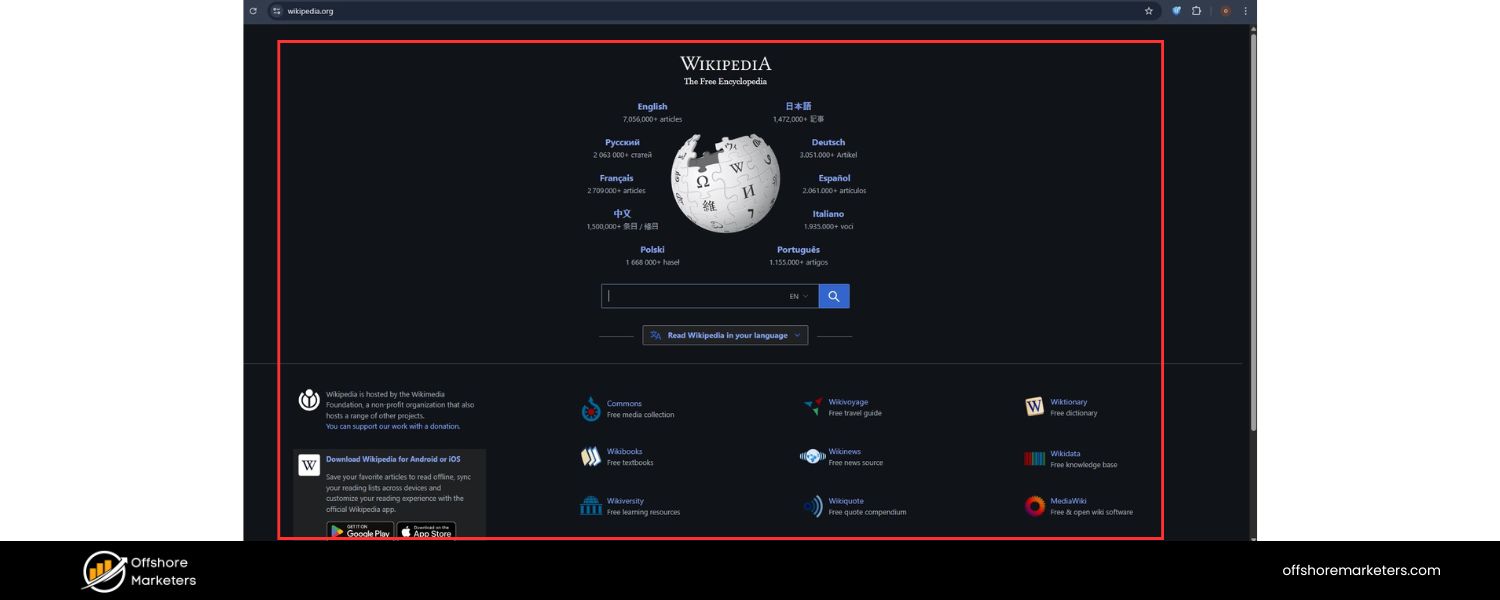
Exploring sources like Wikipedia or Wikidata for your topic can reveal related entities and terminology. If you look up your main keyword on Wikipedia, the article (or the contents box) often contains a hierarchy of topics and related concepts.
Those can inspire sections or terms to include. Additionally, Google’s Knowledge Graph (the info panel on some searches) shows key facts and associated entities for popular topics.
For instance, a knowledge panel for a famous person will list their profession, notable works, etc. If your content is about an entity that appears in the Knowledge Graph, make sure to mention those key related points (where relevant).
C. Natural Language Processing APIs
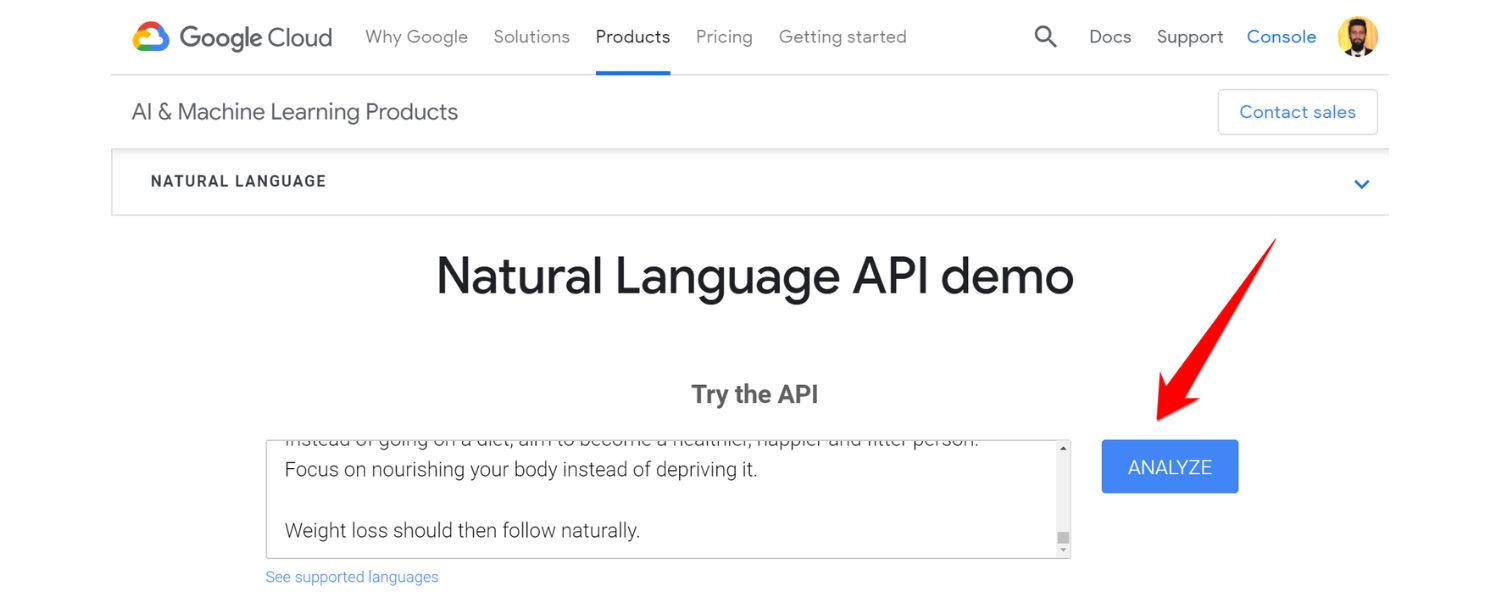
For the truly data-savvy, you can use something like Google’s NLP API demo. By inputting a competitor’s text, the API will return identified entities and their salience. This can programmatically highlight what the text is about.
While this is probably overkill for most writers, it’s interesting to see how an algorithm might “read” the content and which words it thinks are crucial.
You don’t need to use all of the above methods for every article. The goal is simply to gather a strong set of related terms and subtopics so you can cover your subject comprehensively.
Even just using a couple of these strategies (say, Autocomplete + analyzing competitor headings) can significantly improve the depth of your keyword research.
How to Use LSI Keywords (Semantic Keywords) in Your Content
Finding semantic keywords is only half the battle – you also need to incorporate them effectively. Here are best practices for using these related terms in your writing:
1. Integrate Keywords Naturally
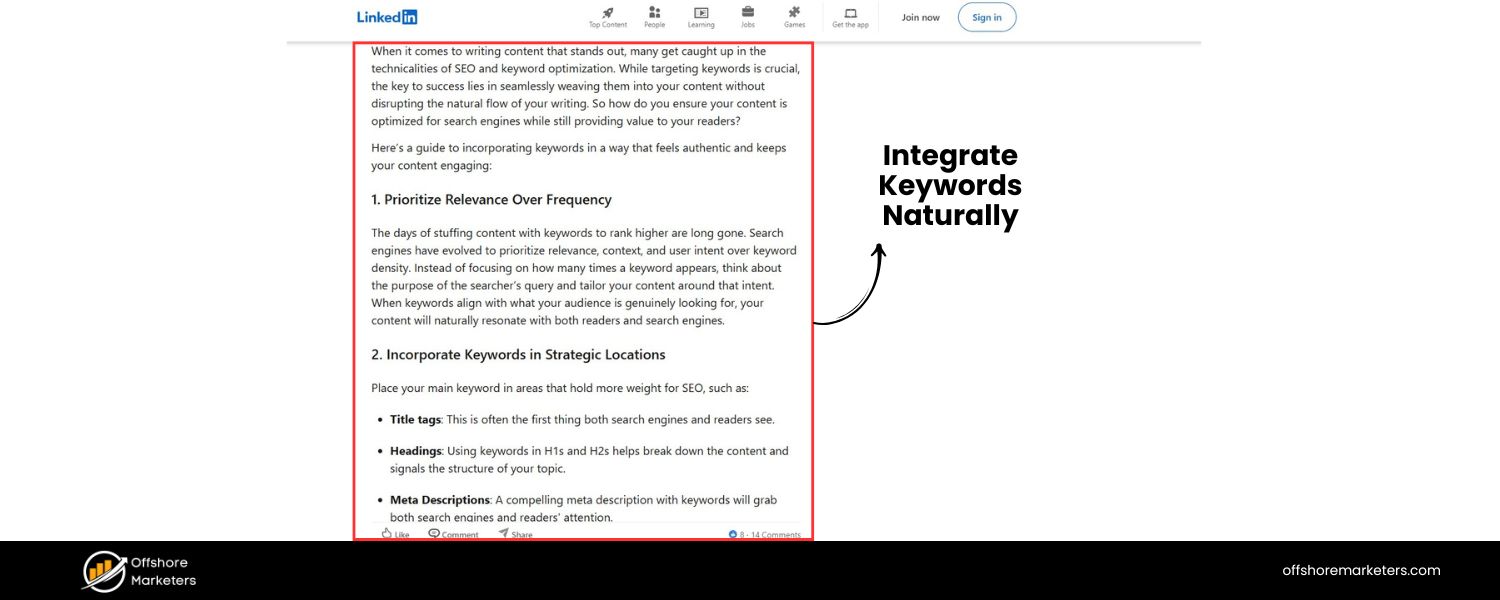
This is the golden rule. Don’t force a term where it doesn’t fit or repeat it unnaturally. Write for the human reader first. If a related concept is important, introduce it in a way that adds value.
For instance, if one of your LSI terms is “content calendar” in a blog about social media marketing, bring it up in context: e.g., “An effective social strategy relies on a planned content calendar to schedule posts.”
This way it flows with the narrative. Remember, as long as Google sees those related terms somewhere on the page in a meaningful way, you’re doing fine. You don’t get extra points for stuffing a term five times versus mentioning it once or twice in appropriate places. In fact, overusing related keywords can look like keyword stuffing, which is counterproductive.
2. Use Synonyms and Variations
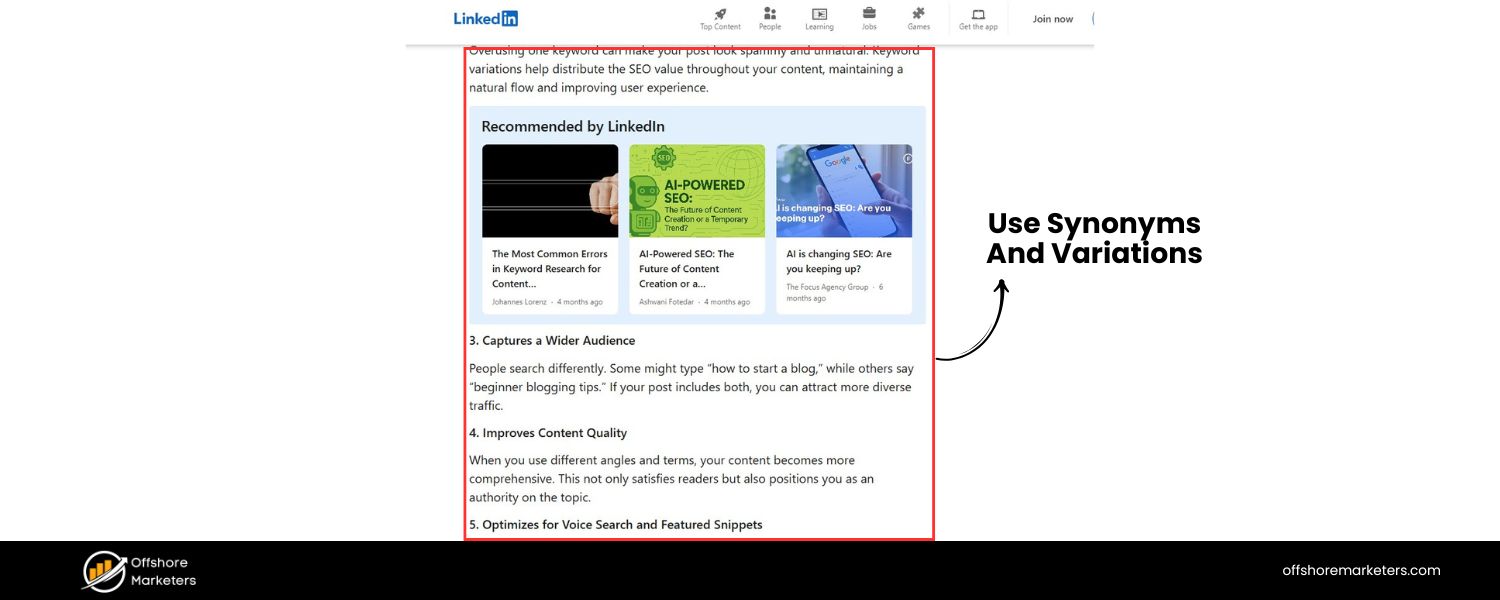
Don’t be afraid to use synonyms of both your main keyword and your related keywords. Search engines have become quite adept at understanding synonyms. Using variations can make your writing more engaging and avoid repetition.
For example, “mobile phone”, “smartphone”, and “cell phone” are essentially interchangeable in content and Google will understand them in context. Similarly, if one of your related terms is “job seeker”, you might also use “candidate” or “applicant” where appropriate. This not only reads better but also covers more semantic ground.
3. Cover the Subtopics in Depth
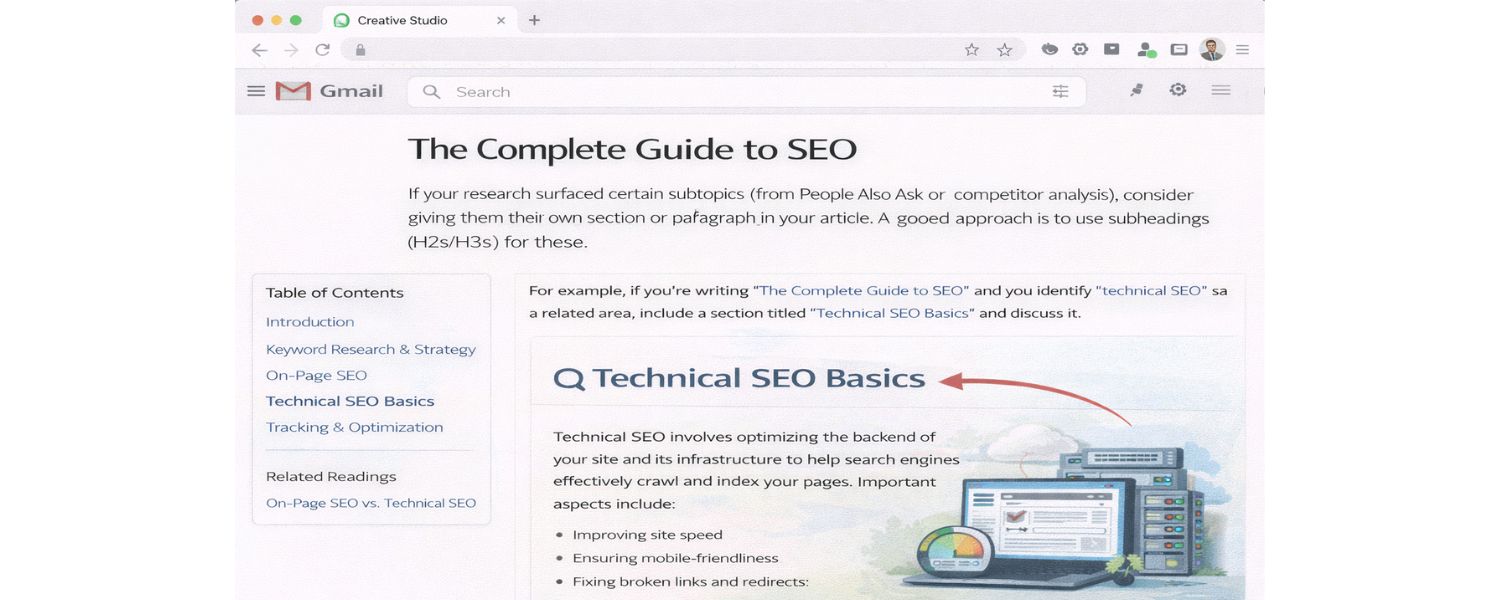
If your research surfaced certain subtopics (from People Also Ask or competitor analysis), consider giving them their own section or paragraph in your article. A good approach is to use subheadings (H2s/H3s) for these.
For example, if you’re writing “The Complete Guide to SEO” and you identify “technical SEO” as a related area, include a section titled “Technical SEO Basics” and discuss it.
By structurally weaving important subtopics into your outline, you ensure those related keywords appear and you truly answer the reader’s needs. This also helps with voice search and featured snippets, as addressing specific questions in their own sections can make it easier for Google to pull those answers.
4. Placement: Where to Include Related Terms
There is no rigid formula, but it’s wise to sprinkle related keywords in a few key places:
A. Headings and Subheadings
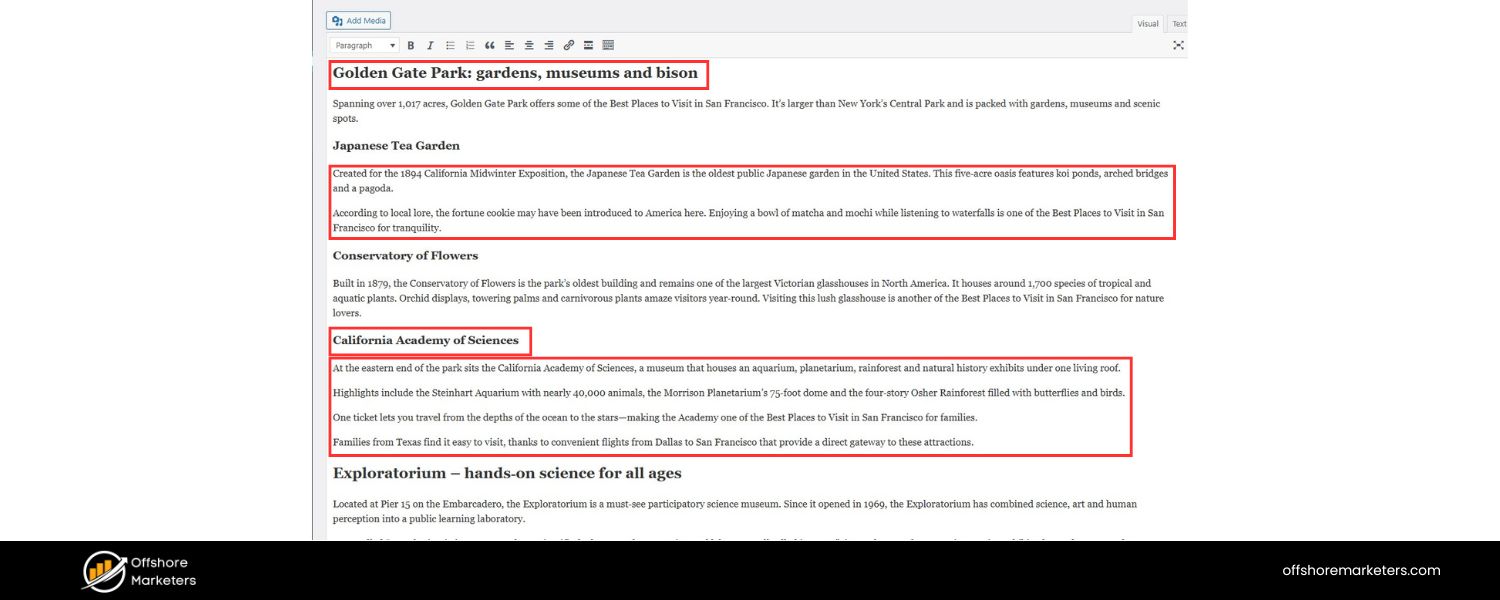
If a related term is central to a section, put it in the heading. For example, an H2 like “On-Page SEO Factors” naturally signals that terms like title tags, meta descriptions, keyword density might follow in that section.
B. Body Content
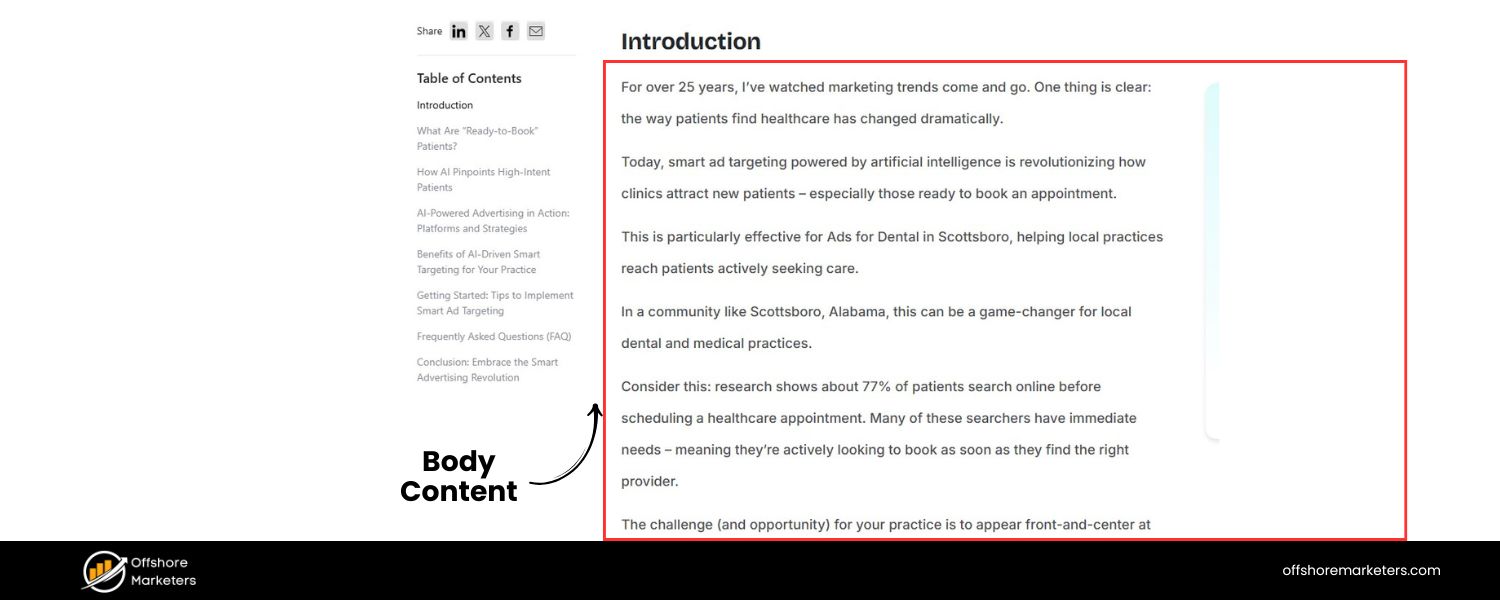
Ensure the terms appear somewhere in the main text where the topic is discussed. This should happen organically if you’re covering everything, but double-check you didn’t accidentally omit a critical concept.
C. Title Tag and Meta Description
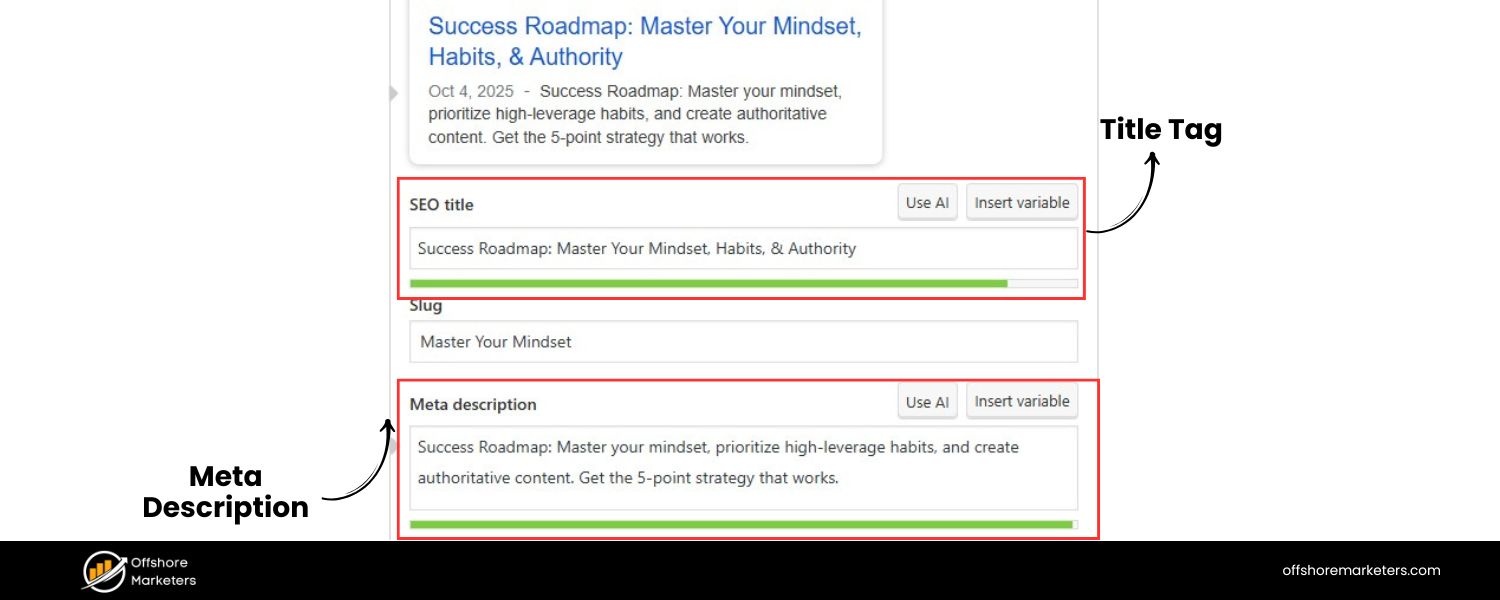
If a semantic keyword is highly relevant and high-value, you might include it in your page title or meta description for better relevance (and possibly click-through rate). For instance, a post titled “How to Train a Puppy: Tips for New Dog Owners” implicitly covers related terms (puppy training, dog obedience, housebreaking, etc.) – some of those could be integrated into the description.
D. Image Alt Text
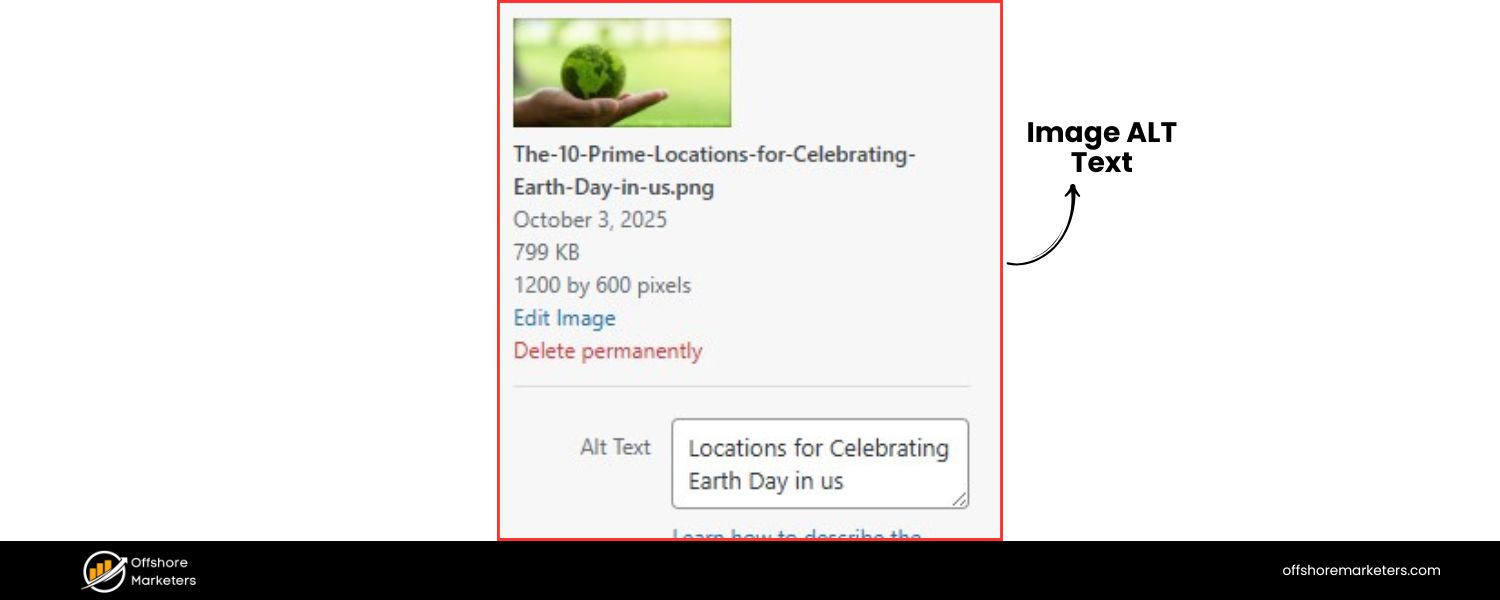
If you have images or diagrams illustrating subtopics, use descriptive alt attributes that contain related keywords. For example, an image of keyword research tools might have alt text “Screenshot of Google Keyword Planner results” – this mentions “Keyword Planner,” a related term.
E. Anchor Text
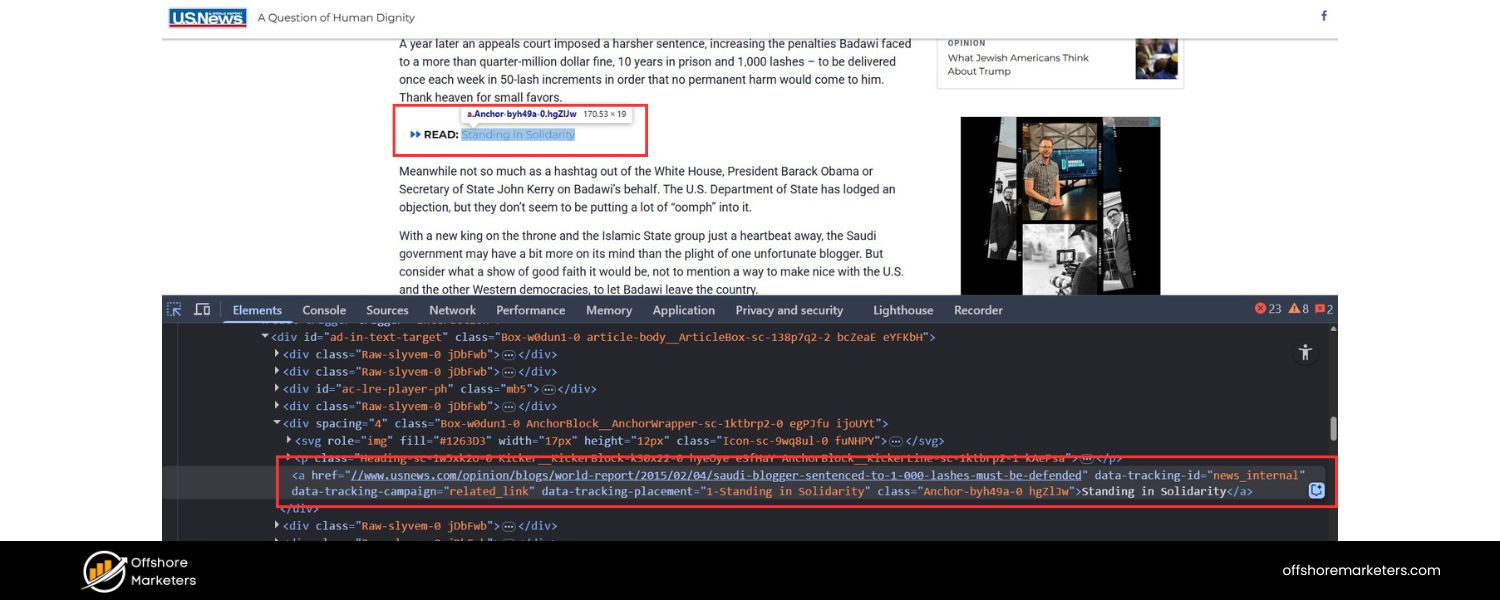
If you link to other articles or resources (internal or external), the anchor text is another place to naturally use semantic keywords. Just ensure it’s relevant to the link target.
5. Don’t overthink placement too much
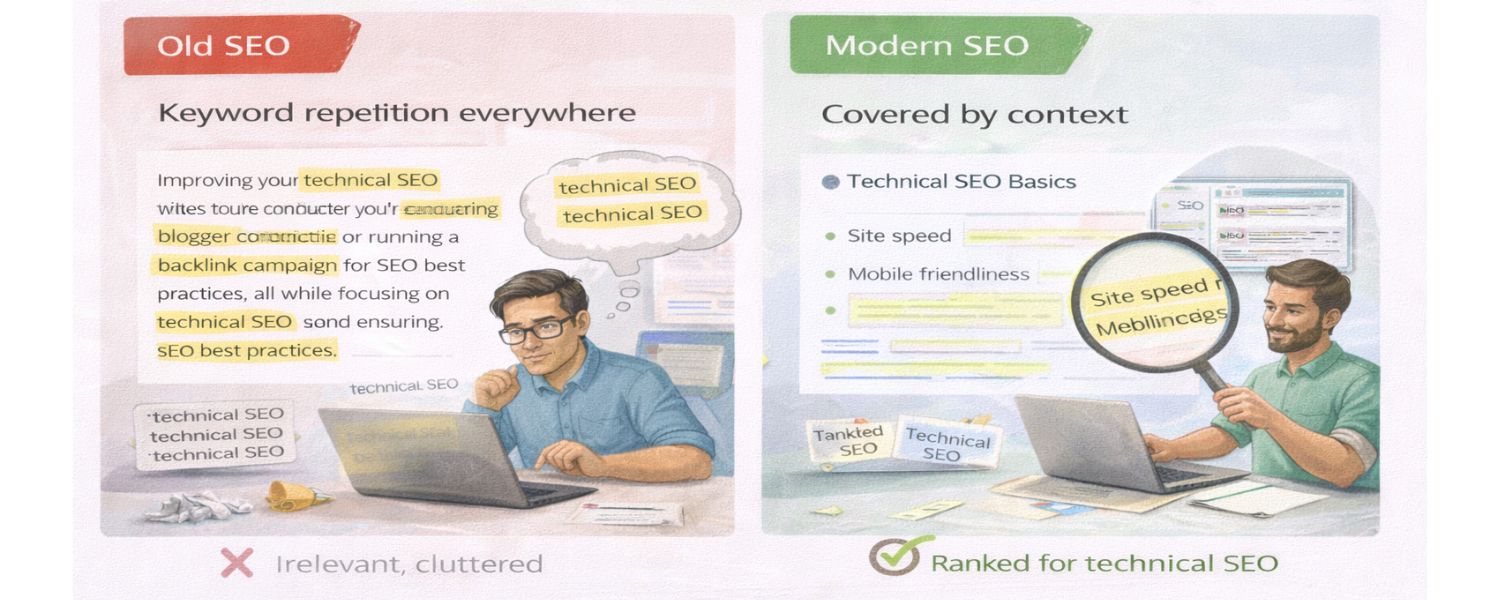
The guiding principle is to ensure the important related concepts are present and clearly explained somewhere on your page. Unlike the old days of SEO, you don’t need to repeat a term in every other sentence or cram it into every tag.
A 2025 case study by Backlinko found that as long as Google sees the term somewhere on your page in proper context, you’re likely “covered” for that topic signal. In short, cover the topic thoroughly and the keywords take care of themselves.
6. Avoid Mechanical “Checklist” Usage
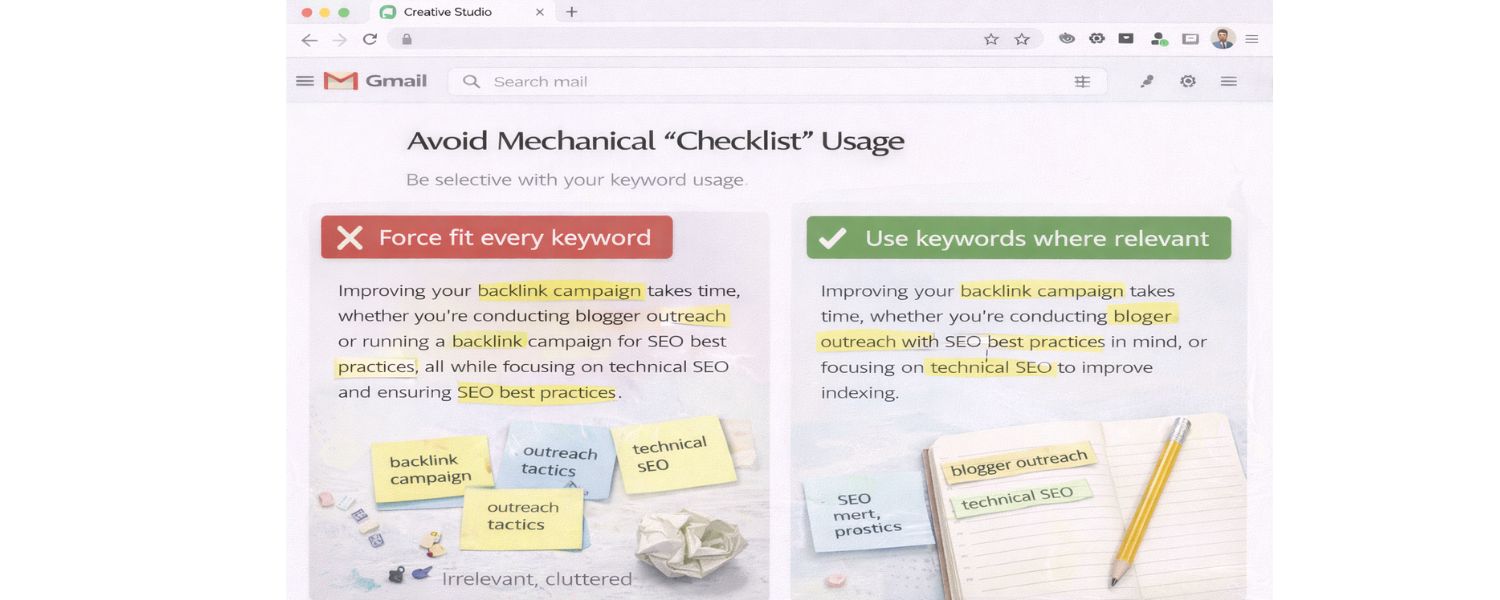
It’s worth reiterating – do not treat your list of related keywords as items to mindlessly sprinkle every few paragraphs. Use them where they make sense. If you found a term that technically is related but isn’t relevant to the specific angle of your content, you can leave it out.
There is no prize for using 100% of the words on your list. In fact, Google’s algorithms are smart enough that you can still rank for a related term even if that exact phrase isn’t on your page, as long as the concept is covered.
For instance, a page might rank for “email deliverability issues” without ever using the exact phrase “email deliverability” because it talked about emails going to spam, which Google equates with that issue.
Don’t force it if it doesn’t fit. Focus on topics and intent. If you thoroughly address the intent behind your user’s query, you will naturally hit many semantically related notes.
7. Write for Clarity and Depth
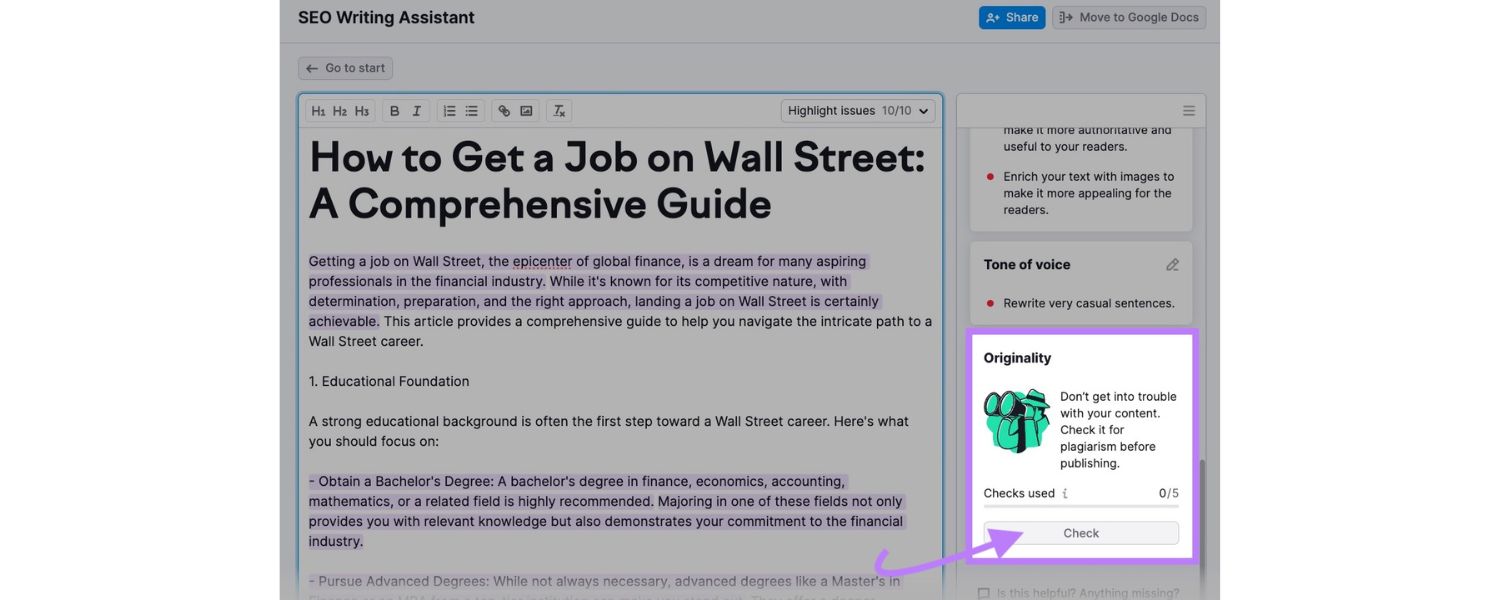
Strive to make your content the most useful resource on the topic. That means answering common questions (great place to use those PAA questions you found), providing examples, and possibly including stats or quotes for credibility (and yes, citing sources where appropriate!).
The depth of your content often correlates with including more relevant terms. For example, an article that simply defines “LSI keywords” in one paragraph won’t mention half the terms we discussed in this guide – it wouldn’t talk about Google Autocomplete, semantic search, RankBrain, etc.
But an in-depth guide (like this one) does mention all those interconnected topics. As a result, the longer, more detailed content inherently uses a wide array of semantic keywords.
There’s evidence that long-form content tends to rank for more keyword variations because it naturally covers more ground. So, don’t shy away from length if the content remains valuable.
Aim to answer every sub-question and cover every facet of your main topic. By doing so, you’ll have included plenty of related terms without even trying.
8. Monitor Keyword Overuse
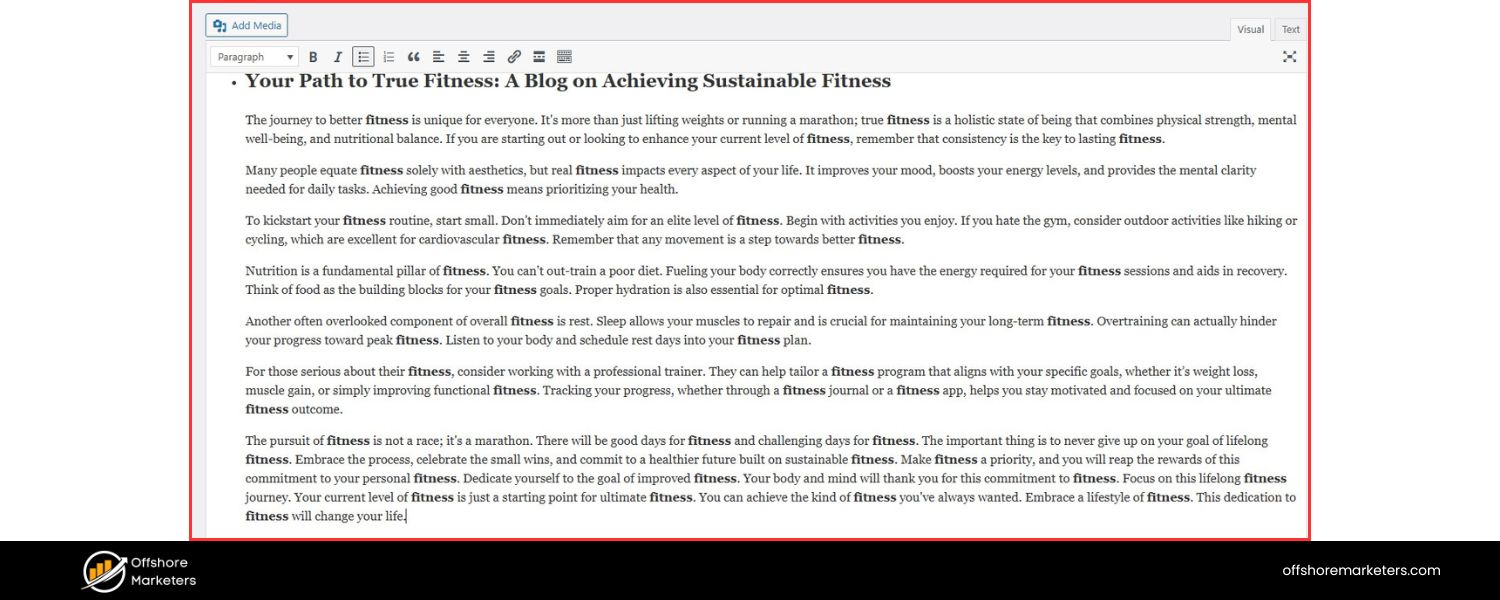
After writing, do a quick scan (or use an SEO tool) to ensure you haven’t accidentally overused any particular term – whether your main keyword or a related term. If “automobile” shows up unnaturally 20 times in your “cars” article, dial it back.
Google can pick up on keyword stuffing signals even for synonyms. A good rule of thumb is that when reading aloud, nothing should sound repetitive or out of place. Each term should appear in a logical context that would make sense to a human reader.
By following these practices, you’ll effectively blend semantic keywords into your content in a reader-friendly way. The end result should be a piece that satisfies user intent (first and foremost) and also gives search engines all the clues they need to confidently rank it for your target topic.
Conclusion: Focus on Topics, Not Just Keywords
In the ever-evolving SEO landscape, “LSI keywords” have gone from a misunderstood buzzword to a convenient shorthand for doing SEO the right way – which is focusing on topical relevance and depth.
While the term itself may be a misnomer (Google isn’t literally using 1980s LSI technology to rank your page), the underlying principle is sound. Cover your topic comprehensively, use natural language, and include all the relevant subtopics and terms that a knowledgeable expert would include.
By doing so, you automatically check the box of what people loosely call “adding LSI keywords.” In truth, you’re just writing great content that satisfies your readers and helps search engines see the full picture of what you offer.
Remember, SEO isn’t about gaming a formula with secret keywords – it’s about delivering value and information better than anyone else. Google’s algorithms have become incredibly adept at recognizing content that addresses a query in depth versus content that just superficially repeats the phrase.
They reward the former. As one Google guideline implied, you shouldn’t need to mention “dogs” hundreds of times if your page is truly about dogs – instead, your page should demonstrate its relevance by discussing related aspects like breeds, care tips, training, etc. This is the essence of using semantic keywords.
So the next time someone advises you to “sprinkle some LSI keywords” or you’re researching keywords for your SEO strategy, take it as a cue to think broadly about your topic.
What does a user really want to know? What context will make your content richer? Use the tools and techniques we covered – from Google’s own suggestions to competitor analysis – to ensure you’re not missing any important angles.
Then, write naturally and authoritatively, as an expert of 25 years in the field would do, covering each point with confidence and clarity.
By adopting this semantic SEO approach, you’ll likely find your pages ranking for many more searches and seeing improved engagement. Users will stay longer and find your content more helpful because it actually answers their questions. And search engines will reward you with higher visibility for the same reasons.

Why Roseville Startups are Choosing Offshore Marketers to Scale Smarter
Roseville is no longer just a quiet suburb of Sacramento;...

What Is PPC? A Practical Guide to Pay‑Per‑Click Advertising
Pay‑per‑click (PPC) is the “pay only when someone clicks” branch...

Google Search Issues Affecting Results in Some Regions
Google has confirmed a problem with one of its data...

Keyword Counts Dropped After Google’s num=100 Change
In September 2025, Google stopped supporting the &num=100 parameter. This...

Image SEO: Optimize Images for Higher Rankings & Traffic
Introduction Images make your website more engaging, but they can...


.png)
.png)
.png)
.png)
.png)

2024 ALL RIGHTS RESERVED MADE IN INDIA
.png)